Artwork
Pampa
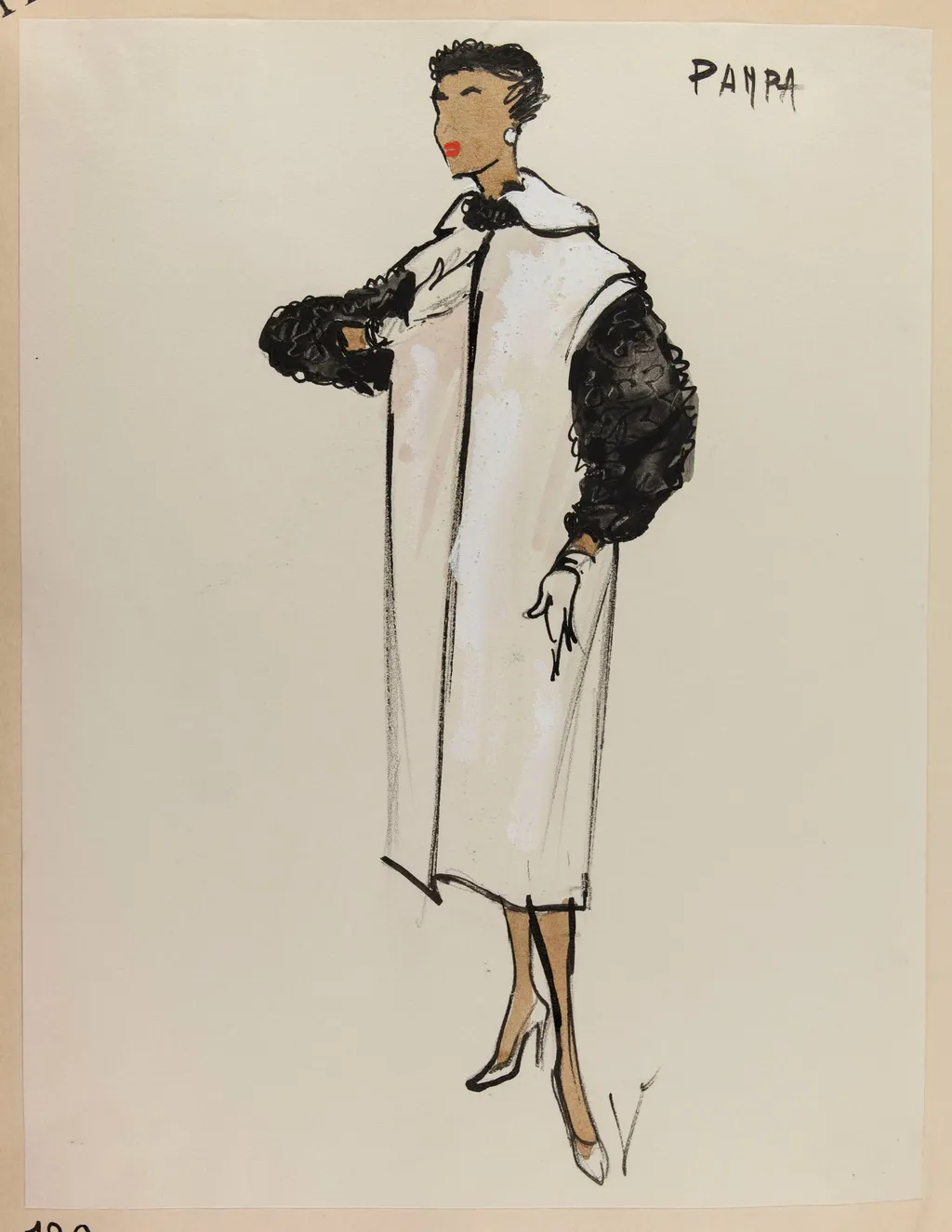
Pampa is a drawing by Marie-Louise Carven. It dates from 1952 and is held in the collection of the Palais Galliera - Musée de la Mode de la Ville de Paris.
About this work
Overview
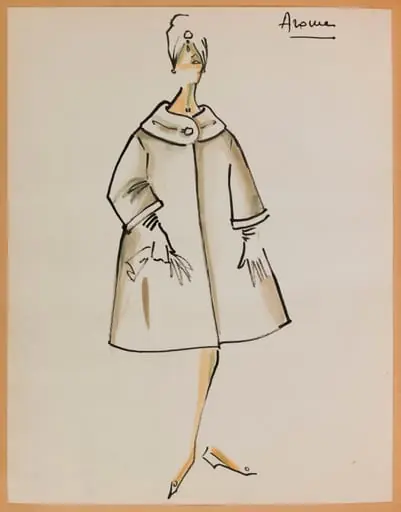
Executed in a loose, spontaneous manner, the drawing captures a woman in a high-collared, white coat with dark edging, puffed sleeves, and simple heels.
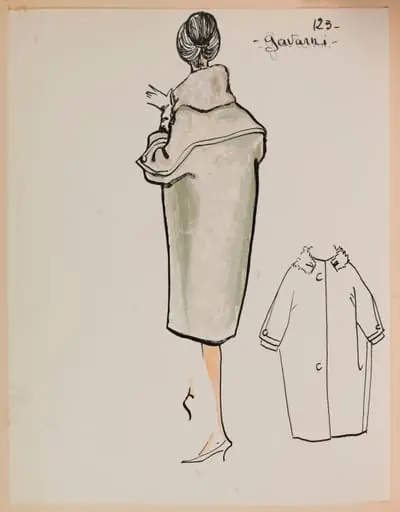
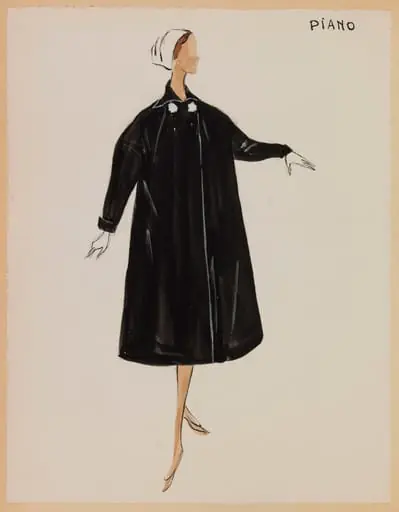
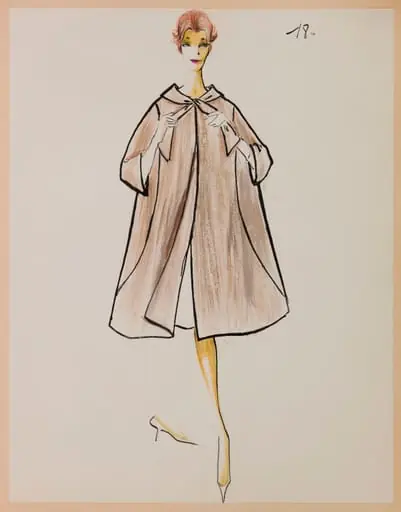
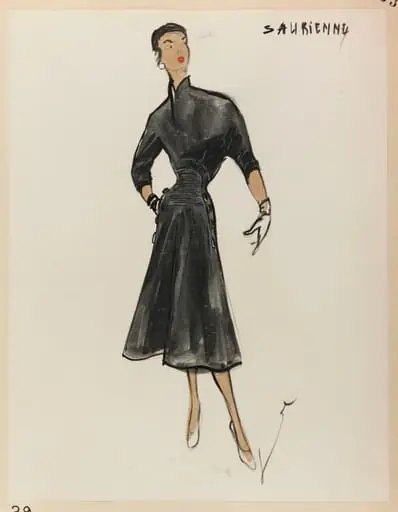
Created around 1952 by French designer Marie-Louise Carven, *Pampa* is a pencil sketch depicting a tailored coat designed for petite figures. Executed in a loose, spontaneous manner, the drawing captures a woman in a high-collared, white coat with dark edging, puffed sleeves, and simple heels. The sketch, signed 'Pampa' in the corner, likely served as a design reference for Carven’s emerging prêt-à-porter line, reflecting her focus on accessible, refined silhouettes.
Subject & Meaning
The figure in *Pampa* embodies a quiet elegance, with hands tucked into pockets suggesting ease and practicality. The coat’s structured lines and minimal ornamentation reflect postwar ideals of streamlined femininity. The nickname 'Pampa' may allude to open, uncluttered spaces, reinforcing the design’s emphasis on simplicity and movement. Rather than theatricality, the sketch conveys wearable modernity suited to everyday life.
Technique & Style
Carven rendered *Pampa* with swift, fluid pencil strokes that prioritize gesture over precision. The loose contours and minimal shading convey form without detail, typical of fashion illustrators working from life or imagination. The contrast between the white garment and dark trim is suggested through negative space and light pressure, emphasizing silhouette over texture. The sketch’s informality underscores its function as a working document rather than a finished presentation.
History & Provenance
Carven founded her fashion house in 1945 and was among the first Parisian designers to develop a ready-to-wear collection, making her designs more widely accessible. *Pampa* likely originated during this period of innovation, possibly as part of a series of sketches used to guide production. The drawing entered the collection of the Museum of Ethnography, where it is preserved as a cultural artifact of mid-century French fashion practice.
Context
In the early 1950s, Parisian fashion was transitioning from haute couture exclusivity toward mass production. Carven’s work aligned with this shift, targeting women seeking stylish yet affordable clothing. *Pampa* reflects broader trends toward clean lines and functional design, influenced by postwar austerity and the rise of urban, active lifestyles. Its preservation in an ethnographic museum signals its value as a cultural record of everyday dress.
Legacy
Though *Pampa* is a modest sketch, it represents a pivotal moment in fashion history: the democratization of design. Carven’s embrace of prêt-à-porter helped redefine the industry’s relationship with consumers. The drawing’s survival in a museum collection affirms its role as a tangible link to the evolution of modern fashion, illustrating how innovation often begins in quiet, unassuming forms.
Artist & collection
Artist
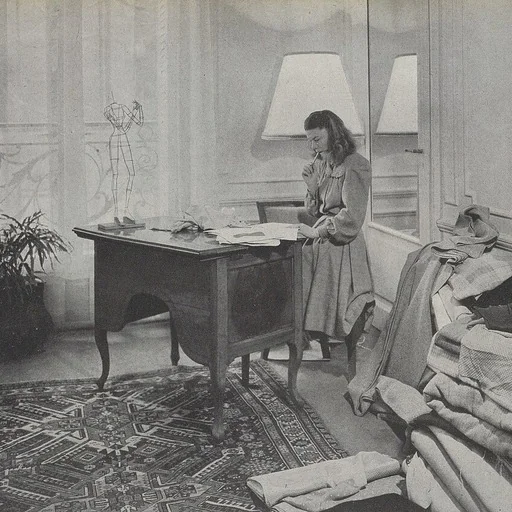
Marie-Louise Carven (31 August 1909 – 8 June 2015), born Carmen de Tommaso, was a French fashion designer who founded the house of Carven in 1945.
Museum
Palais Galliera - Musée de la Mode de la Ville de Paris
Continue through works from the same source collection.
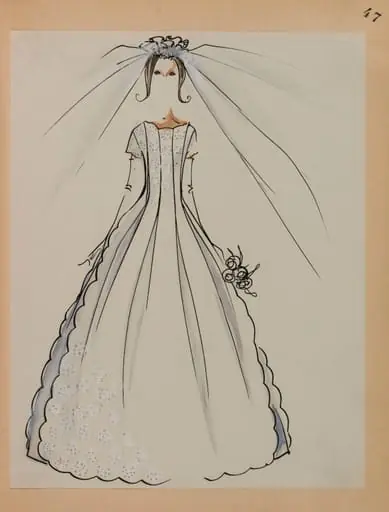 Robe de mariée festonnée et son voile
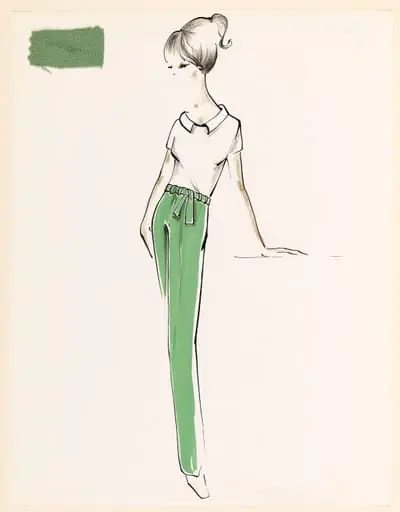 Haut blanc à manches courtes et pantalon vert à ceinture nouée
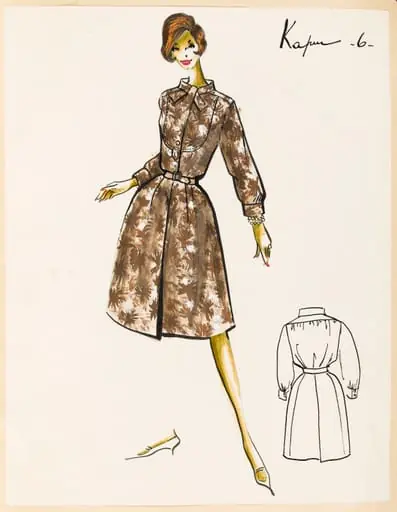 Kapur
Kapur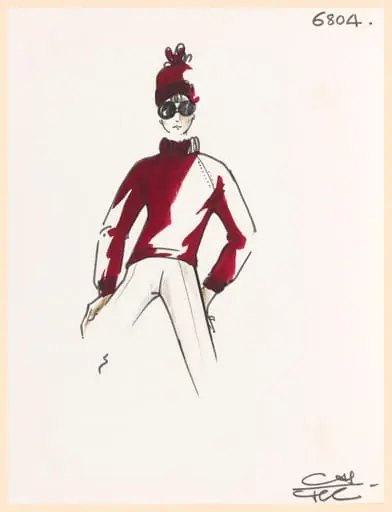 Pull-over à manches longues pourpre, bonnet assorti, pantalon et lunettes de soleil
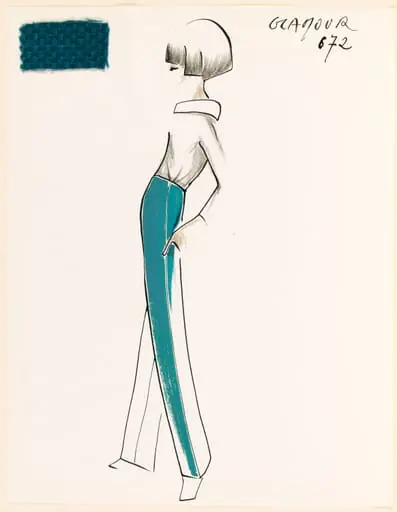 GLAMOUR
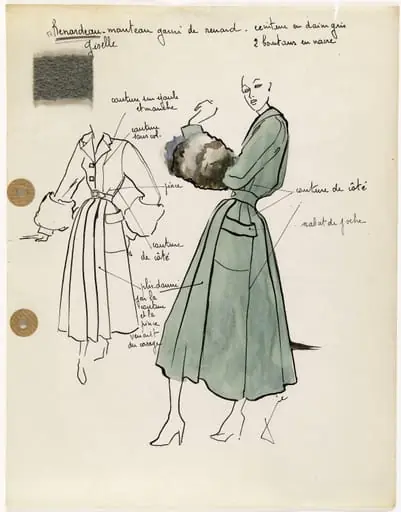 'Renardeau'
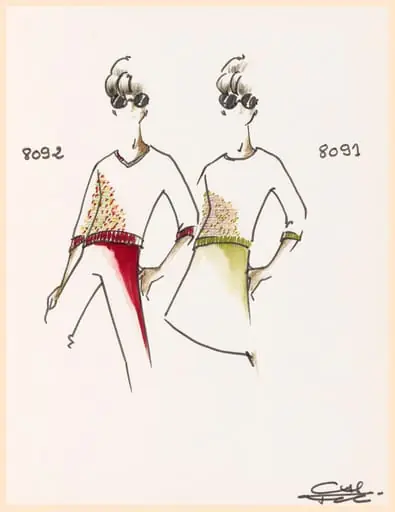 Pull-over à manches trois quarts et à encolure V à motifs multicolores, pantalon cerise et lunettes de soleil
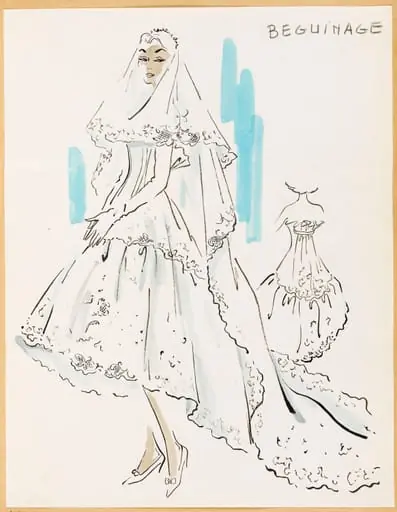 Béguinage