Artwork
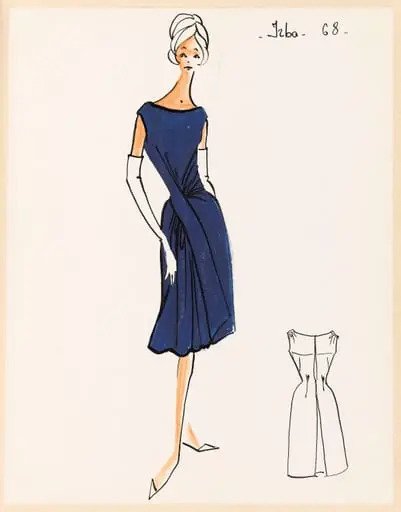
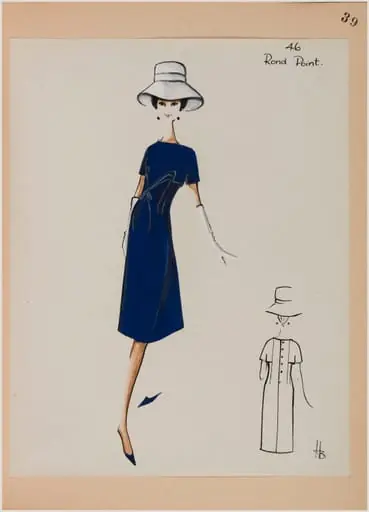
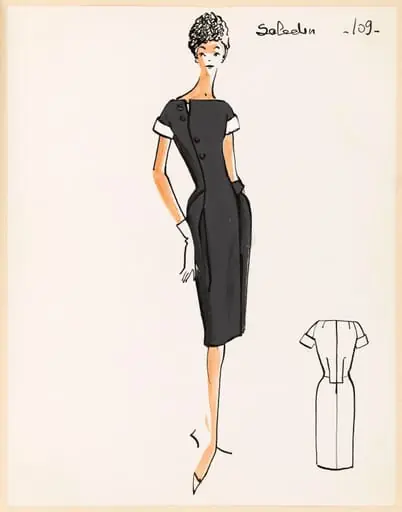
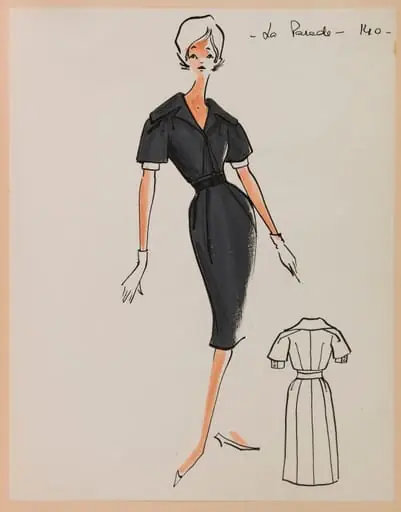
Recueil de 160 dessins (croquis de modèles) pour la collection printemps/été 1961.
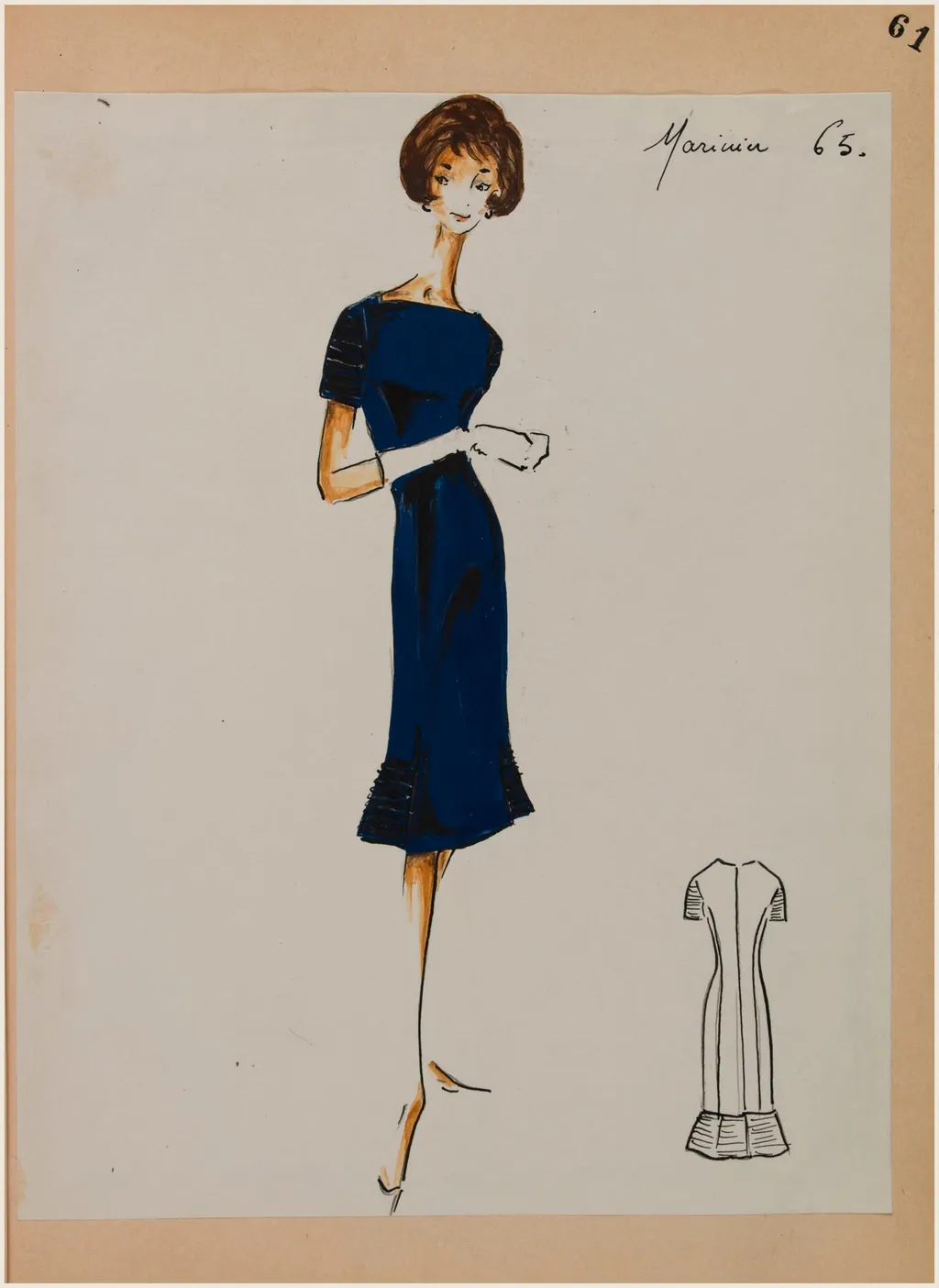
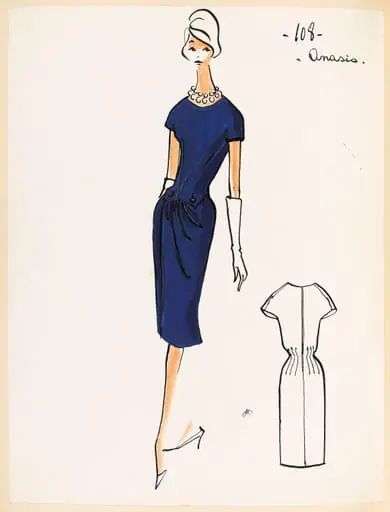
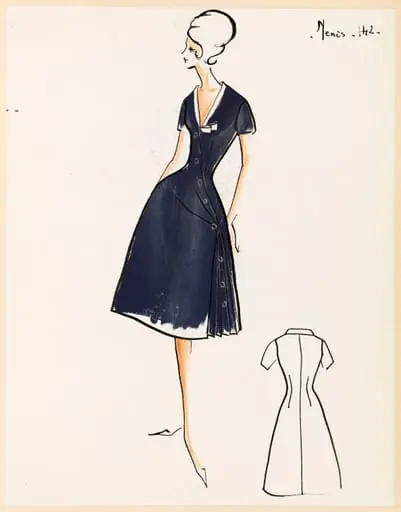
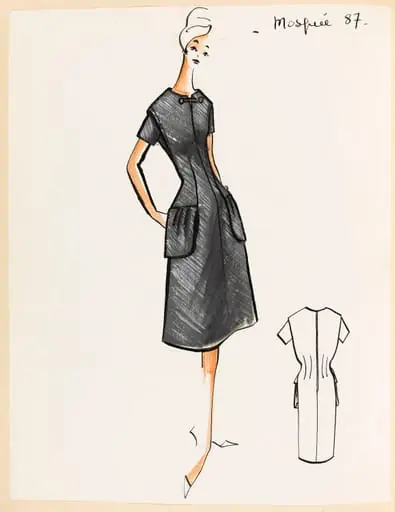
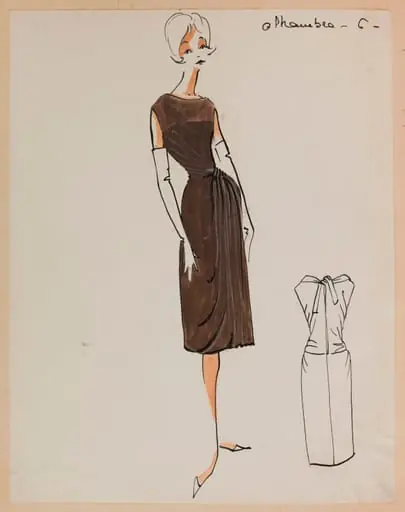
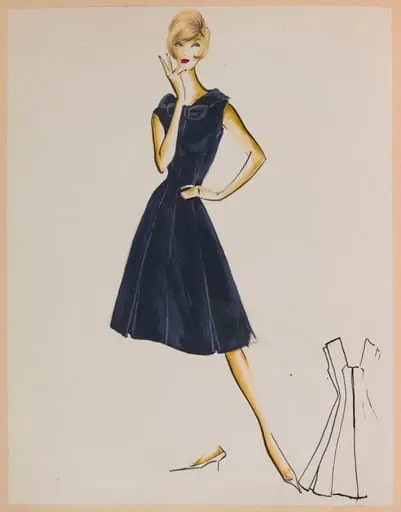
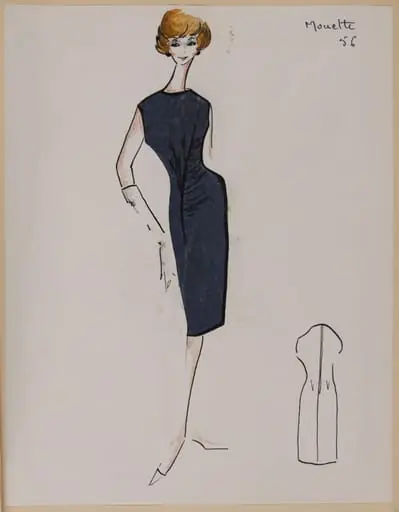
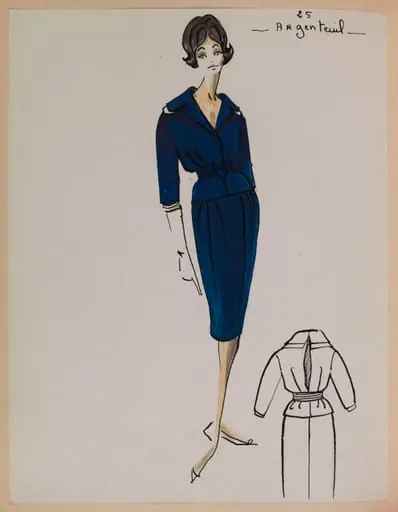
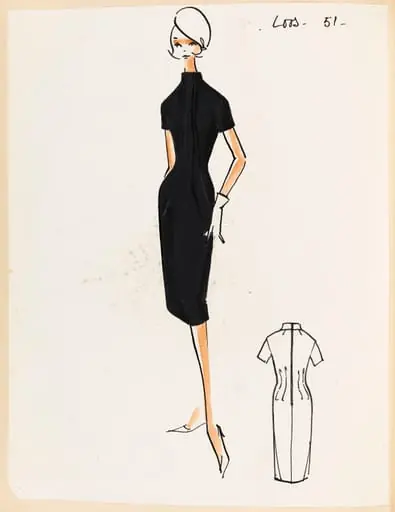
Recueil de 160 dessins (croquis de modèles) pour la collection printemps/été 1961. is a print by Marie-Louise Carven. It dates from 1961 and is held in the collection of the Palais Galliera - Musée de la Mode de la Ville de Paris. This bound volume contains 160 pencil sketches created in 1961 for Carven’s spring/summer collection.
About this work
Overview
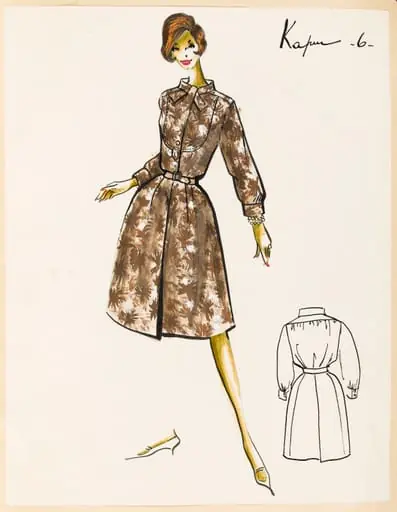
Each sketch captures silhouette, construction details, and posture, reflecting the designer’s focus on wearable, understated elegance.
This bound volume contains 160 pencil sketches created in 1961 for Carven’s spring/summer collection. Designed by Marie-Louise Carven, the drawings serve as technical records for garment development, emphasizing clarity and precision. Each sketch captures silhouette, construction details, and posture, reflecting the designer’s focus on wearable, understated elegance. The collection is archived at the Museum of Ethnography, where it functions as a document of mid-century French fashion practice.
Subject & Meaning
The sketches depict women in simple, tailored garments suited to everyday life: fitted waists, short sleeves, and minimal ornamentation dominate. Figures are rendered with restrained posture—hands on hips, hair neatly pulled back—suggesting an ideal of composed, active femininity. The absence of elaborate detail shifts attention to structure and proportion, aligning with postwar values of practicality and modernity in women’s clothing.
Technique & Style
Carven’s drawings use clean, unadorned lines to convey form and function. Each figure is drawn in profile or three-quarter view, with a secondary back view included for construction clarity. The style avoids decorative flourishes, prioritizing legibility. Handwritten annotations, such as 'Marinia 65,' likely reference fabric codes or pattern numbers, indicating a systematic approach to design documentation common in ateliers of the period.
History & Provenance
Marie-Louise Carven founded her fashion house in 1945 and was among the first Parisian designers to develop a ready-to-wear line, broadening access to her designs. This 1961 sketchbook was produced during a period of transition in fashion, as haute couture began to accommodate mass production. The volume entered the Museum of Ethnography’s collection as part of its documentation of 20th-century material culture, preserving the process behind commercial fashion.
Context
In the early 1960s, Parisian fashion was responding to shifting social norms and economic realities. Women sought clothing that was both stylish and practical for increasingly active lifestyles. Carven’s focus on petite proportions and lightweight fabrics like gingham and lace aligned with this demand. Her sketches reflect a broader industry move toward standardized patterns and accessible design, bridging couture and ready-to-wear.
Legacy
The sketchbook stands as a record of Carven’s influence on postwar womenswear, particularly in democratizing tailored silhouettes for smaller frames. Its preservation in an ethnographic museum underscores its value as a cultural artifact, not merely a design tool. The clarity and restraint of these drawings continue to inform studies of how fashion was conceptualized and communicated before digital tools became standard.
Artist & collection
Artist
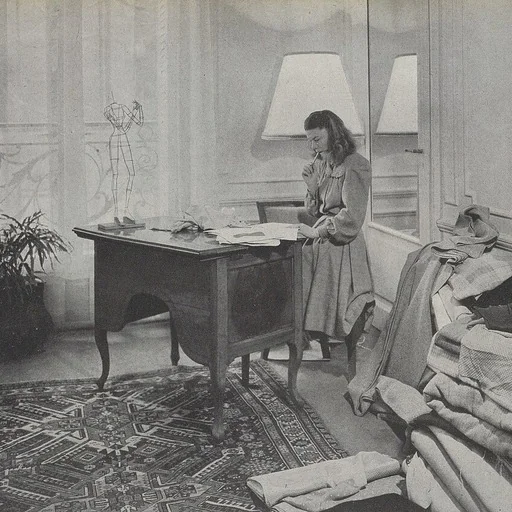
Marie-Louise Carven (31 August 1909 – 8 June 2015), born Carmen de Tommaso, was a French fashion designer who founded the house of Carven in 1945.
Museum
Palais Galliera - Musée de la Mode de la Ville de Paris
Continue through works from the same source collection.
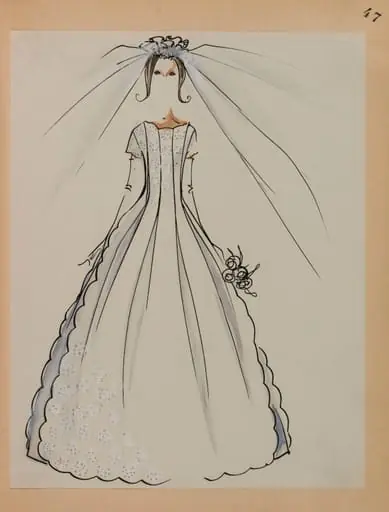 Robe de mariée festonnée et son voile
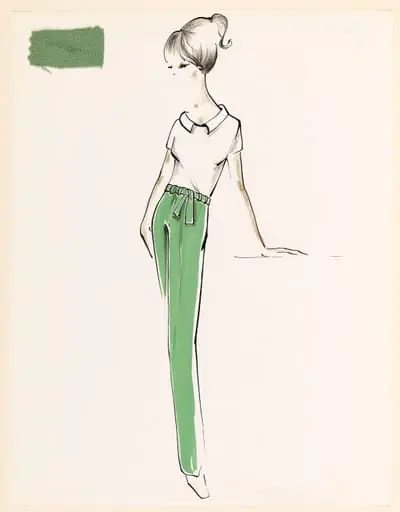 Haut blanc à manches courtes et pantalon vert à ceinture nouée
 Kapur
Kapur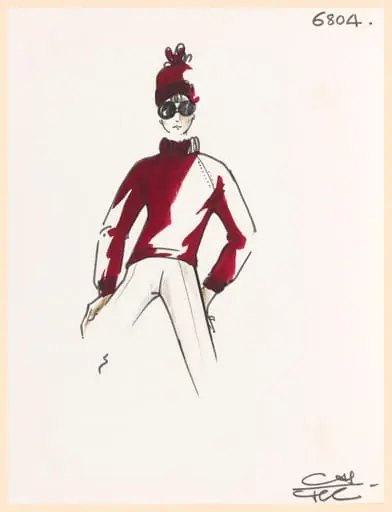 Pull-over à manches longues pourpre, bonnet assorti, pantalon et lunettes de soleil
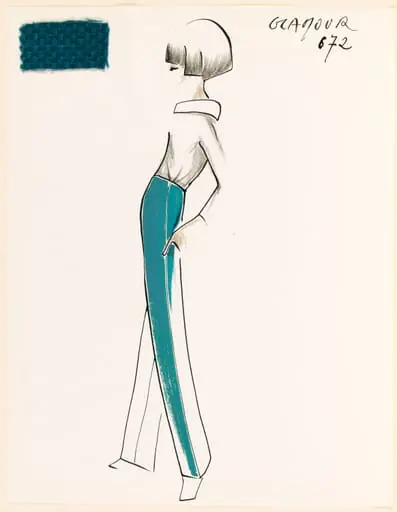 GLAMOUR
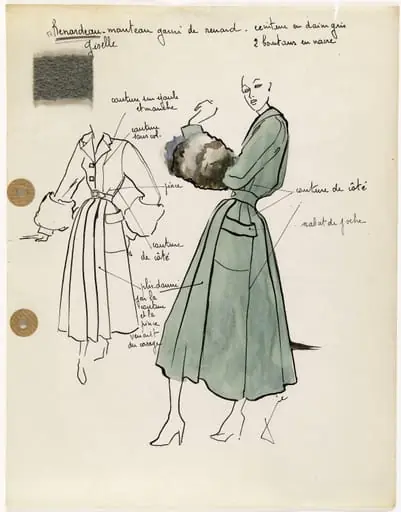 'Renardeau'
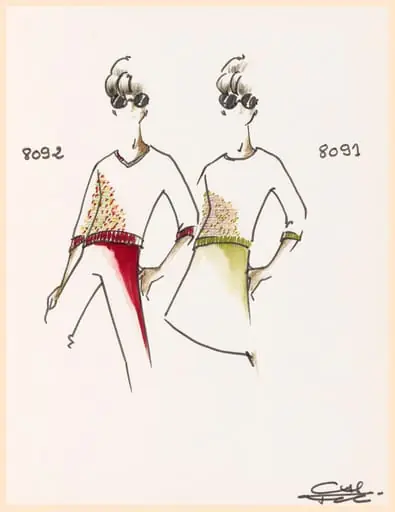 Pull-over à manches trois quarts et à encolure V à motifs multicolores, pantalon cerise et lunettes de soleil
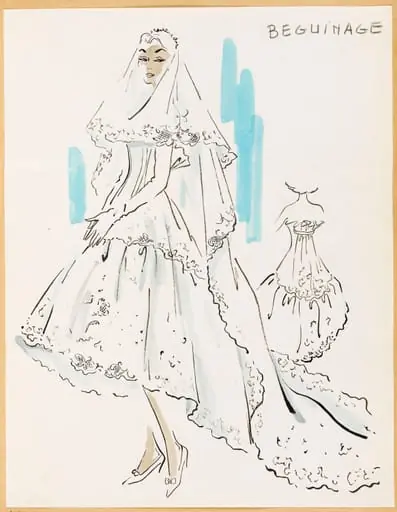 Béguinage