Artwork
Sérail
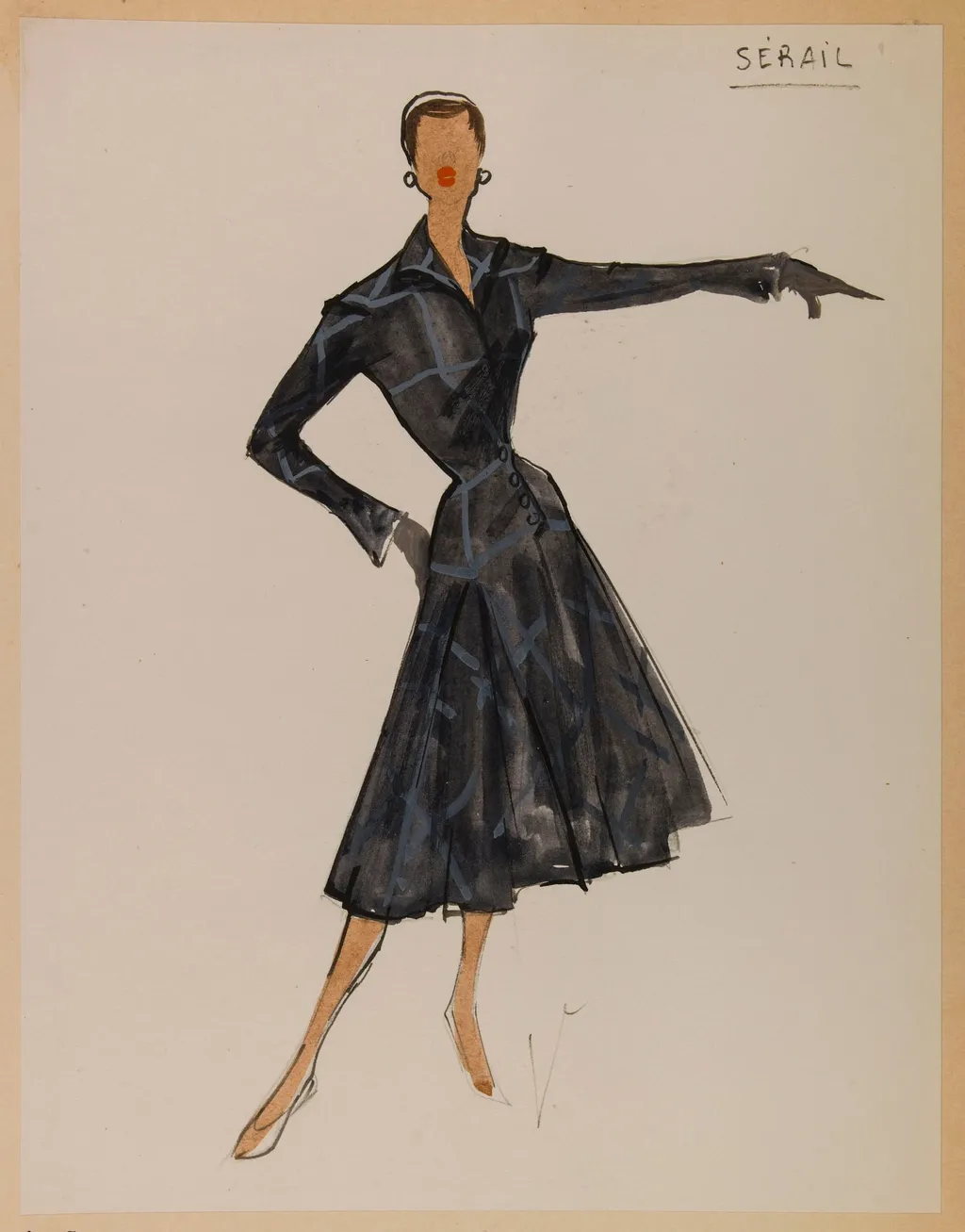
Sérail is a drawing by Marie-Louise Carven. It dates from 1953 and is held in the collection of the Palais Galliera - Musée de la Mode de la Ville de Paris.
About this work
Overview
Created around 1953 by French designer Marie-Louise Carven, *Sérail* is a fashion sketch from her eponymous house, established in 1945.
Created around 1953 by French designer Marie-Louise Carven, *Sérail* is a fashion sketch from her eponymous house, established in 1945. Carven was among the early Parisian designers to embrace ready-to-wear production, bridging haute couture and accessible fashion. The drawing, held in the Museum of Ethnography’s collection, reflects her focus on refined, petite silhouettes and light materials, capturing a moment when postwar design sought both elegance and practicality.
Subject & Meaning
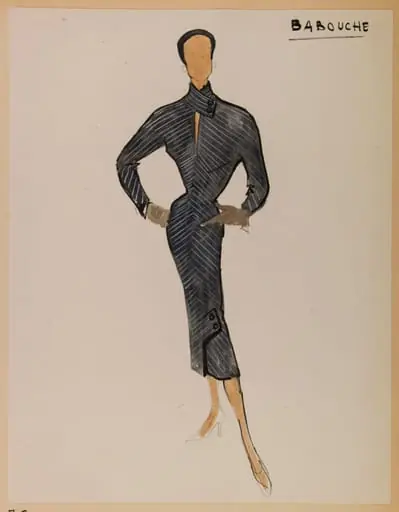
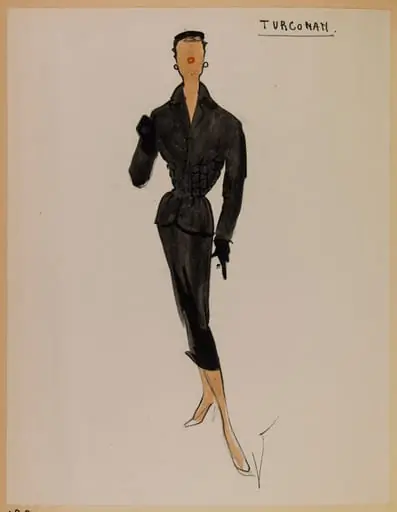
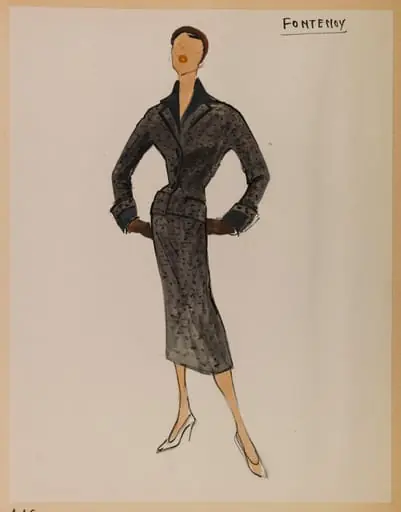
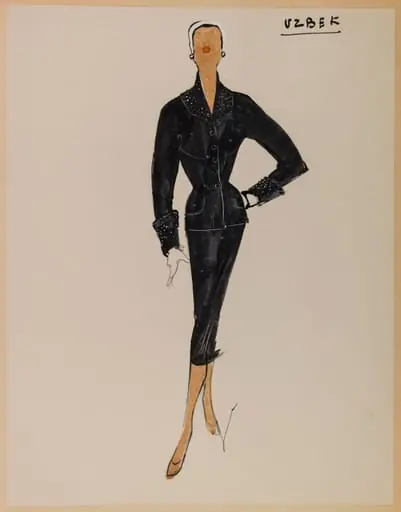
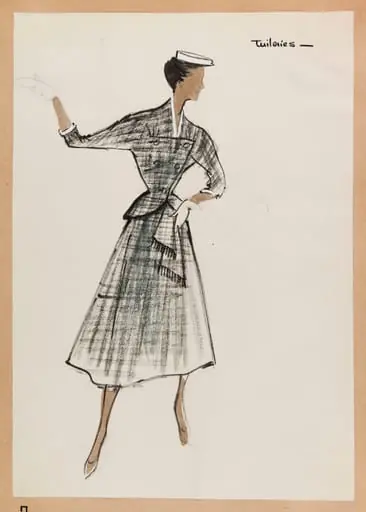
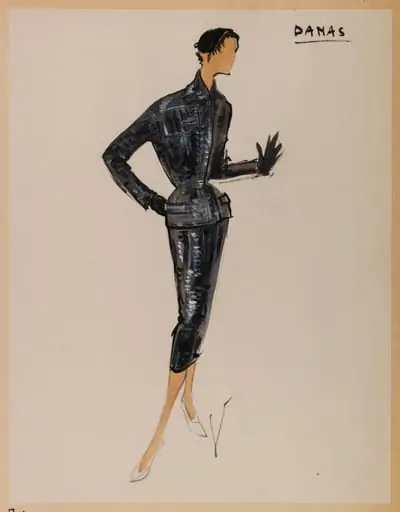
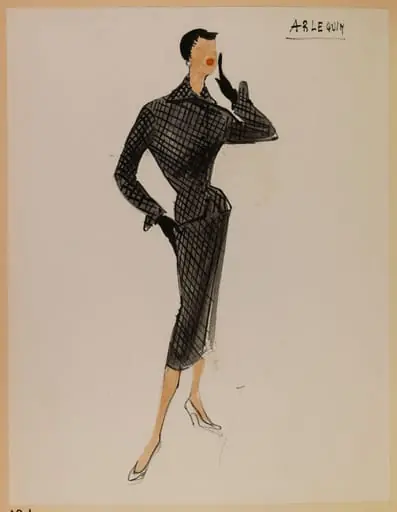
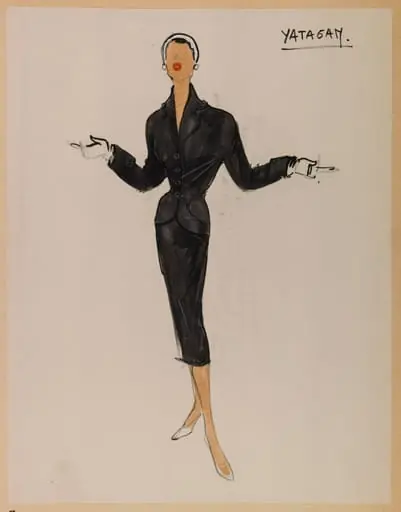
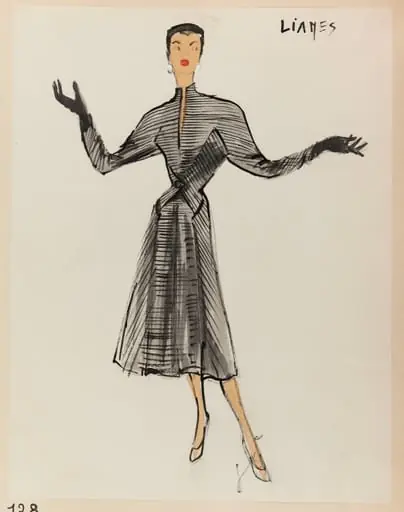
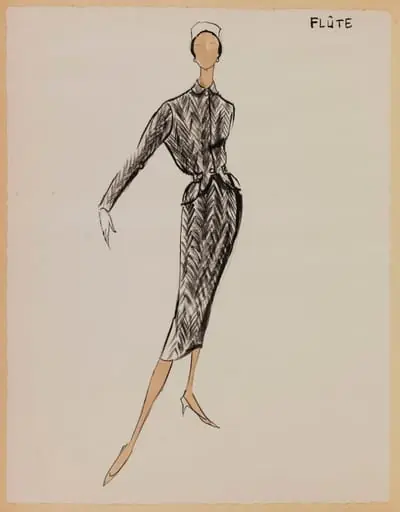
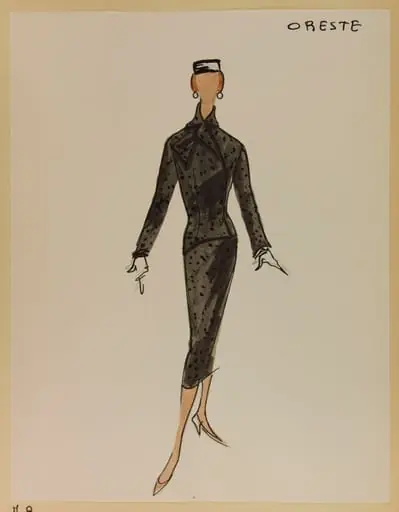
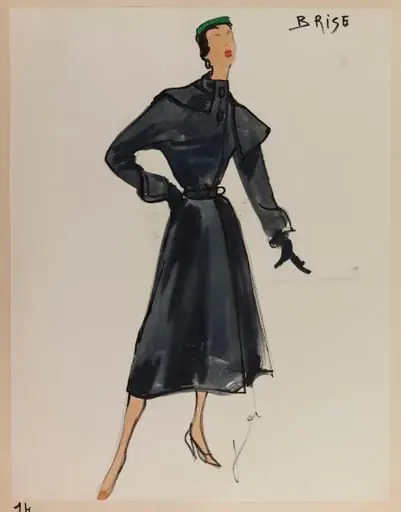
The sketch depicts a woman in a streamlined black dress with vertical blue accents, suggesting structure and rhythm. Her posture—one arm extended, the other resting on the hip—conveys casual poise. The title *Sérail*, referencing a harem or enclosed domestic space, may allude to exoticism, yet the dress itself is distinctly modern. The contrast between the evocative title and the minimalist form invites interpretation without literal narrative.
Technique & Style
Carven rendered the design in loose, fluid lines with minimal shading, emphasizing movement over detail. The use of bold blue strokes against the black dress creates visual rhythm, guiding the eye along the figure’s form. The sketch’s spontaneity suggests rapid execution, typical of design development, yet retains precision in proportion and silhouette. This approach reflects her emphasis on wearable elegance over ornate illustration.
History & Provenance
The drawing entered the collection of the Museum of Ethnography, likely as part of a broader effort to document fashion as cultural artifact. Carven’s brand, known for its accessible designs, gained recognition in the 1950s for blending Parisian refinement with everyday utility. While the sketch’s exact origin within the atelier is undocumented, its preservation signals recognition of its role in postwar design history.
Context
In the early 1950s, Parisian fashion was transitioning from wartime austerity toward renewed creativity. Carven’s work stood apart by prioritizing fit for smaller frames and lightweight textiles, countering the volume-heavy trends of the era. The *Sérail* sketch aligns with this ethos, reflecting a quiet modernism that valued subtlety over spectacle, and resonated with a generation seeking practical sophistication.
Legacy
Carven’s integration of ready-to-wear into high fashion paved the way for later designers who democratized style. *Sérail*, though a single sketch, embodies her design philosophy: restrained, thoughtful, and attuned to the female form. Its preservation in an ethnographic context underscores fashion’s role as cultural expression, not merely adornment, influencing how design history is curated and understood.
Artist & collection
Artist
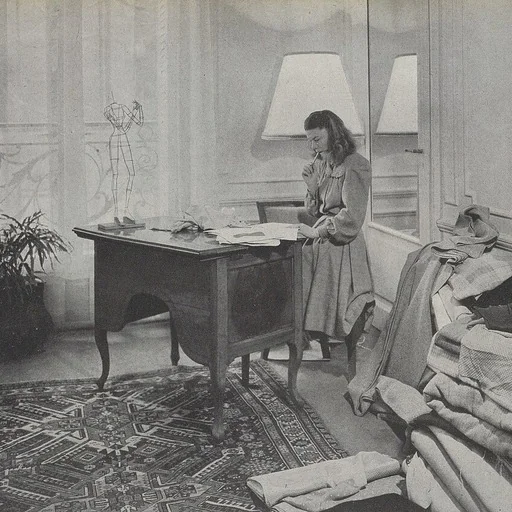
Marie-Louise Carven (31 August 1909 – 8 June 2015), born Carmen de Tommaso, was a French fashion designer who founded the house of Carven in 1945.
Museum
Palais Galliera - Musée de la Mode de la Ville de Paris
Continue through works from the same source collection.
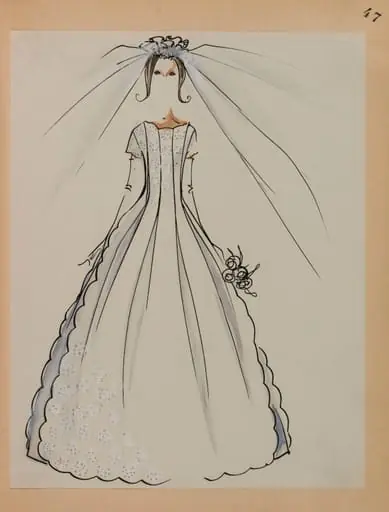 Robe de mariée festonnée et son voile
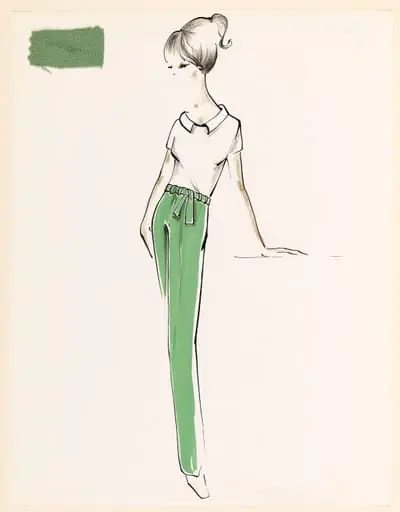 Haut blanc à manches courtes et pantalon vert à ceinture nouée
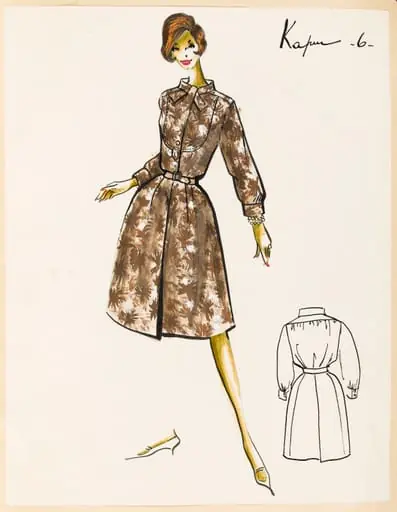 Kapur
Kapur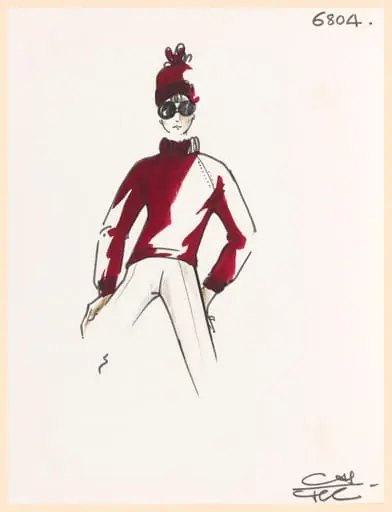 Pull-over à manches longues pourpre, bonnet assorti, pantalon et lunettes de soleil
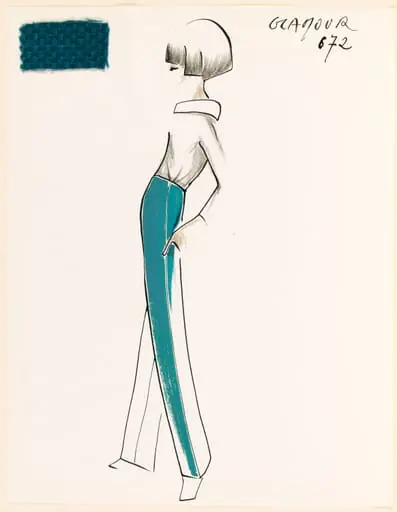 GLAMOUR
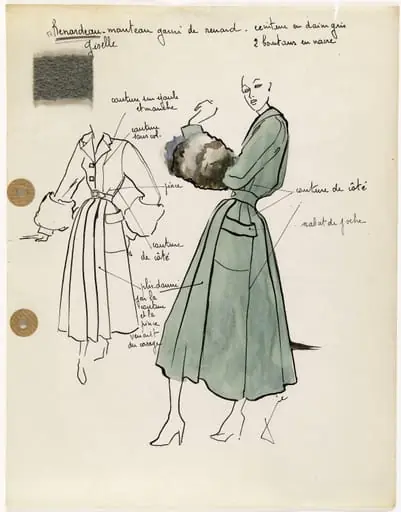 'Renardeau'
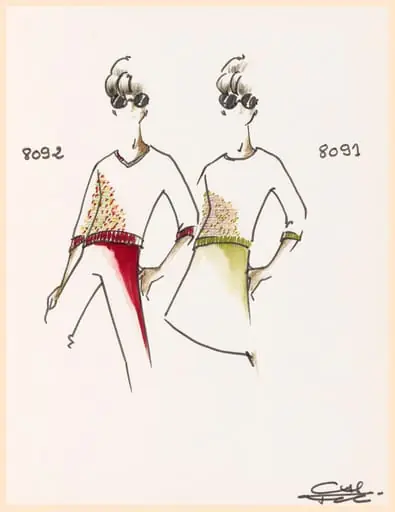 Pull-over à manches trois quarts et à encolure V à motifs multicolores, pantalon cerise et lunettes de soleil
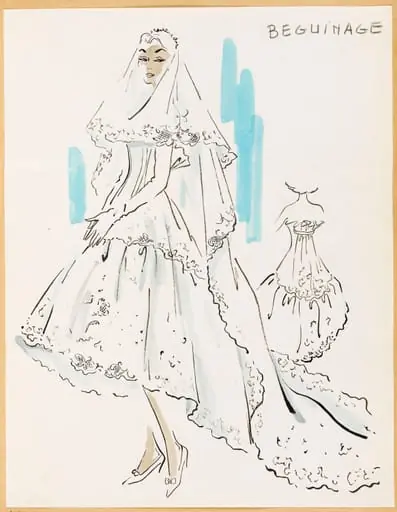 Béguinage