Artwork
Silkis
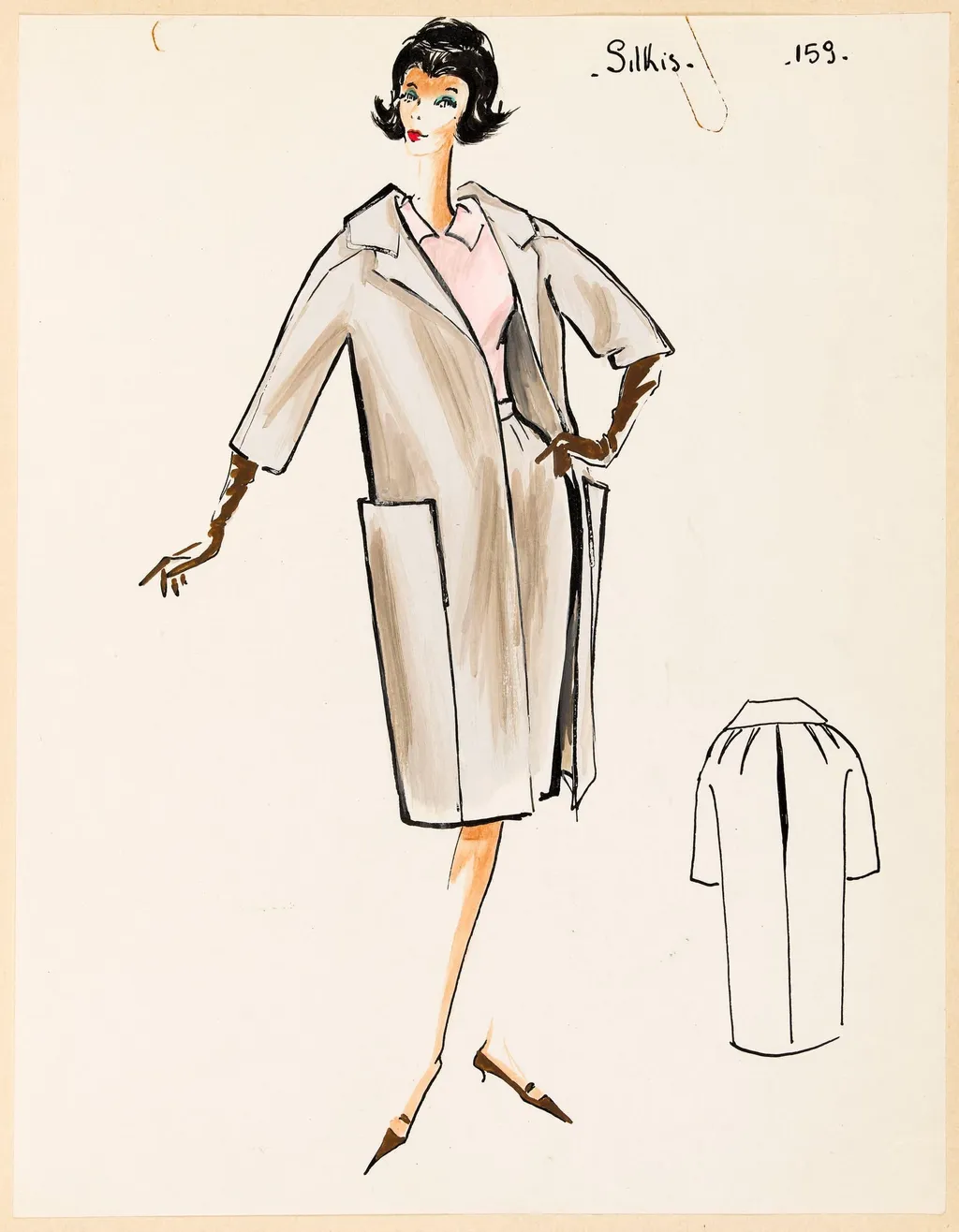
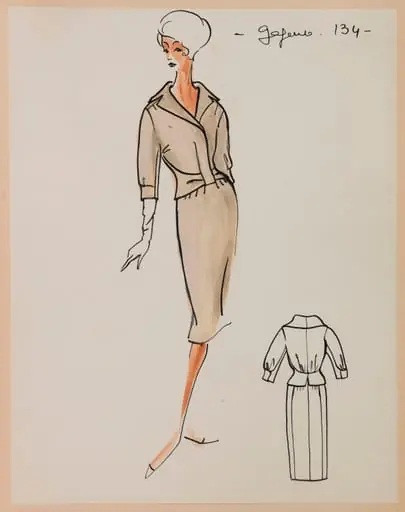
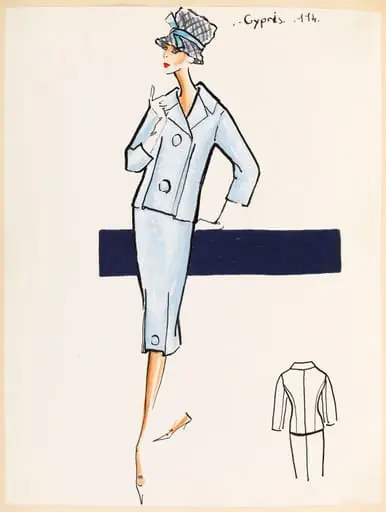
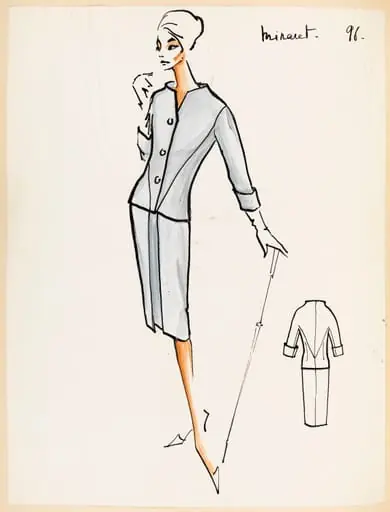
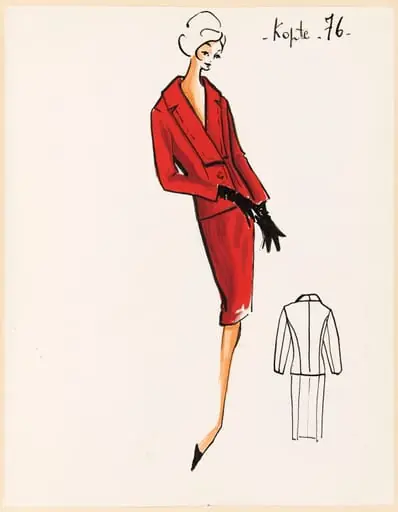
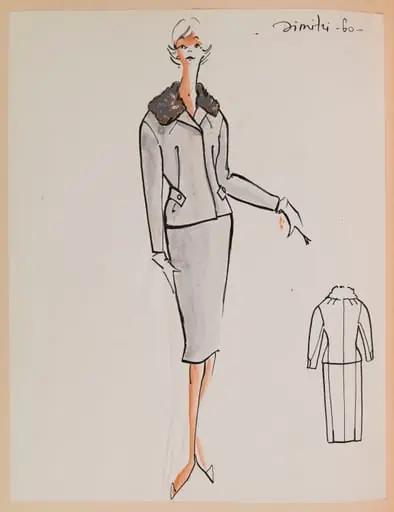
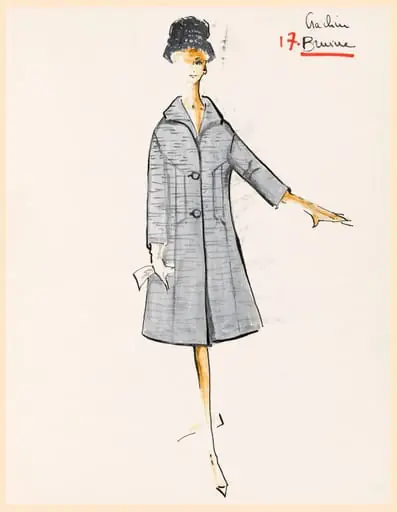
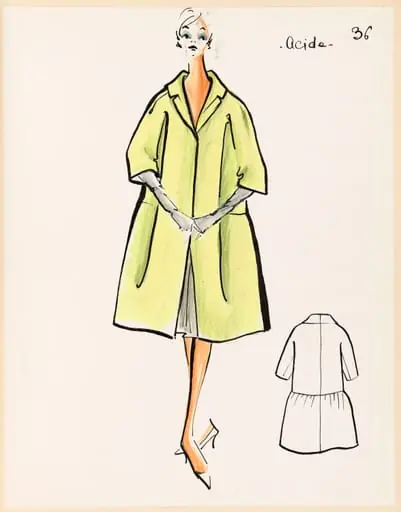
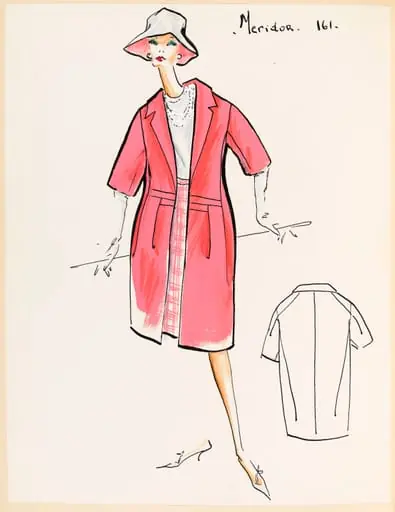
Silkis is a drawing by Marie-Louise Carven. It dates from 1959 and is held in the collection of the Palais Galliera - Musée de la Mode de la Ville de Paris.
About this work
Overview
As the founder of her eponymous house in 1945, she was among the first Parisian couturiers to embrace ready-to-wear, bridging haute couture and everyday wear.
Created around 1959, *Silkis* is a fashion sketch by French designer Marie-Louise Carven, known for her refined approach to lightweight textiles and tailored fits for smaller frames. The drawing belongs to the Museum of Ethnography’s collection and reflects Carven’s early commitment to accessible, well-constructed garments. As the founder of her eponymous house in 1945, she was among the first Parisian couturiers to embrace ready-to-wear, bridging haute couture and everyday wear.
Subject & Meaning
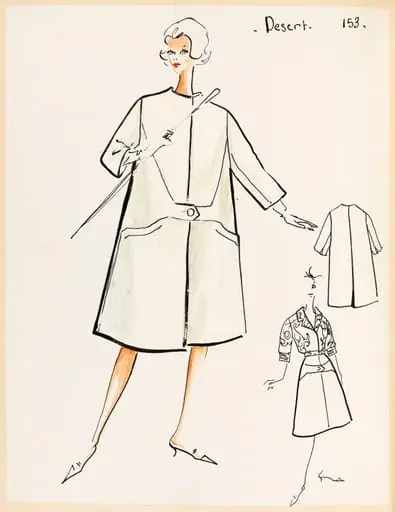
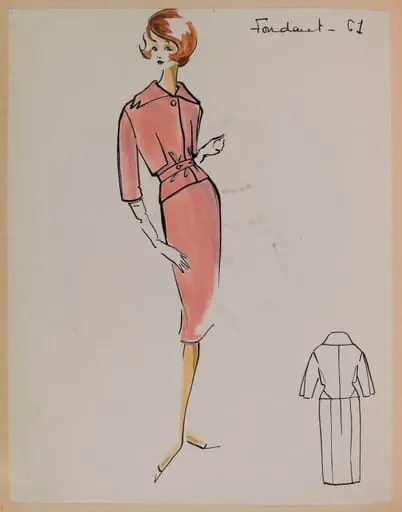
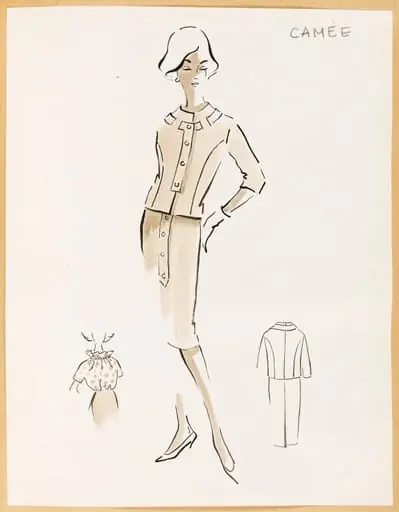
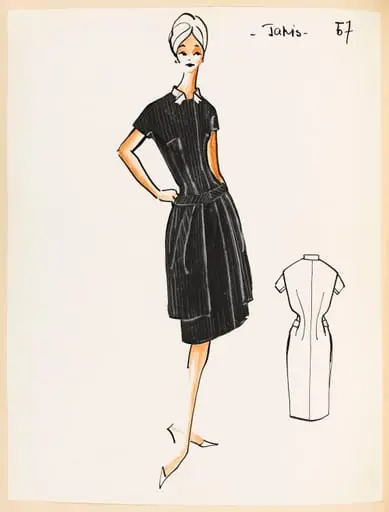
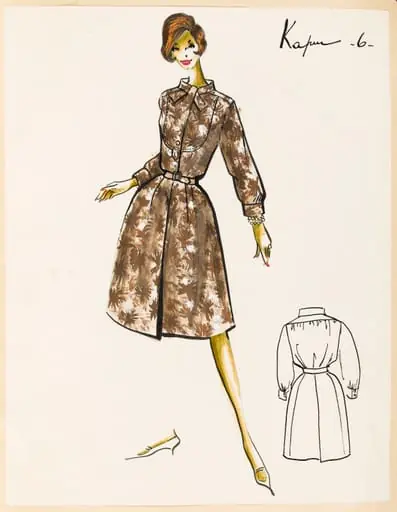
The sketch depicts a woman in a modest, knee-length dress with short sleeves, side pockets, and a small collar—elements suggesting practical elegance. Her neat hair and pointed shoes imply a polished, urban sensibility. The label 'Silkis' in the corner may denote a specific design or fabric, hinting at Carven’s interest in naming garments to evoke texture and movement. The image conveys functionality without sacrificing refinement, aligning with her philosophy of dressing women for real life.
Technique & Style
Rendered in soft gray and beige washes, the drawing emphasizes clean contours and subtle tonal variation over bold lines. A side profile view is included to clarify the dress’s silhouette, demonstrating Carven’s attention to structural clarity. The minimal shading and restrained palette reflect a design ethos focused on form and proportion. Handwritten annotations suggest the sketch was a working document, not a finished illustration, underscoring its role in the design process.
History & Provenance
The sketch entered the Museum of Ethnography’s collection as part of a broader effort to document 20th-century fashion as cultural artifact. While the exact path of acquisition is not fully documented, its inclusion reflects institutional recognition of Carven’s influence beyond haute couture. The piece survives as a rare physical trace of her design practice, preserved alongside other materials that illustrate the evolution of postwar French fashion.
Context
In the late 1950s, Parisian fashion was shifting toward democratized style, and Carven’s ready-to-wear line responded to changing social norms and women’s active lifestyles. *Silkis* embodies this transition: its simplicity contrasts with the ornate silhouettes of earlier decades, while its thoughtful details—pockets, tailored collar—signal a focus on usability. The sketch aligns with broader trends in European design that prioritized clarity and comfort without abandoning elegance.
Legacy
Though *Silkis* was never mass-produced, it exemplifies Carven’s enduring contribution to modern fashion: integrating couture precision with wearable practicality. Her sketches, like this one, remain valuable for understanding how design decisions were made before production. The piece continues to inform scholarship on postwar French fashion, particularly the role of women designers in redefining everyday dress.
Artist & collection
Artist
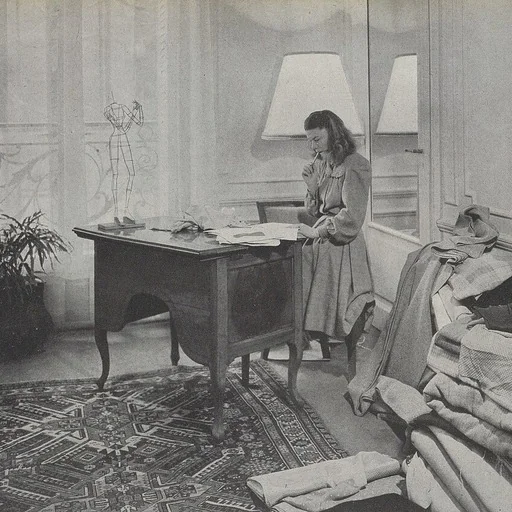
Marie-Louise Carven (31 August 1909 – 8 June 2015), born Carmen de Tommaso, was a French fashion designer who founded the house of Carven in 1945.
Museum
Palais Galliera - Musée de la Mode de la Ville de Paris
Continue through works from the same source collection.
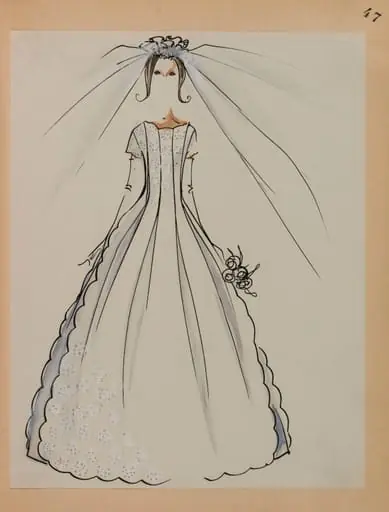 Robe de mariée festonnée et son voile
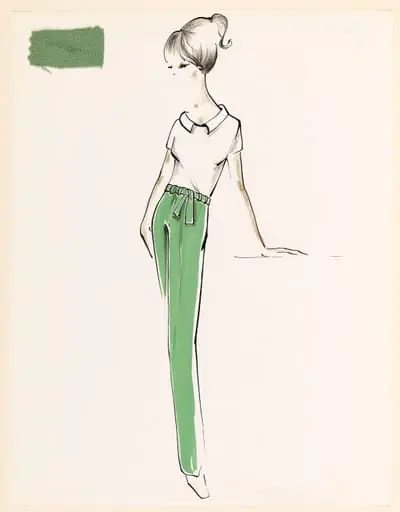 Haut blanc à manches courtes et pantalon vert à ceinture nouée
 Kapur
Kapur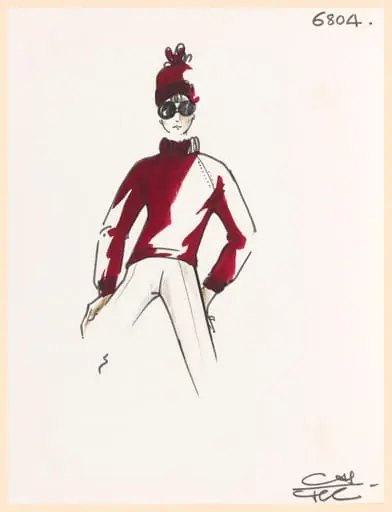 Pull-over à manches longues pourpre, bonnet assorti, pantalon et lunettes de soleil
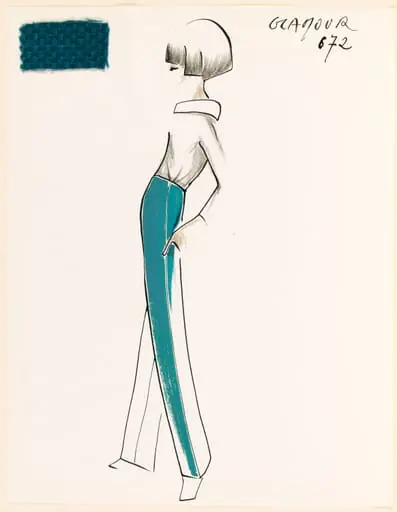 GLAMOUR
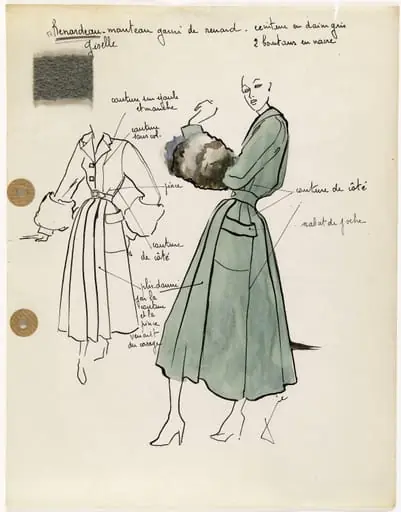 'Renardeau'
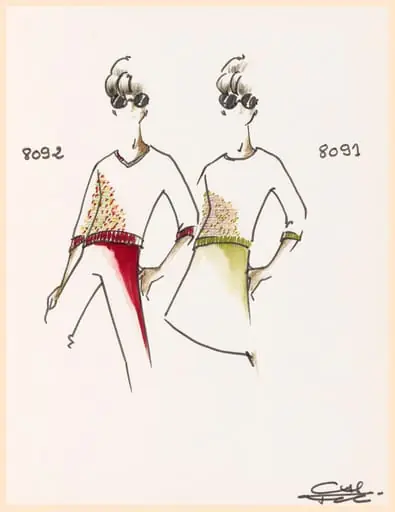 Pull-over à manches trois quarts et à encolure V à motifs multicolores, pantalon cerise et lunettes de soleil
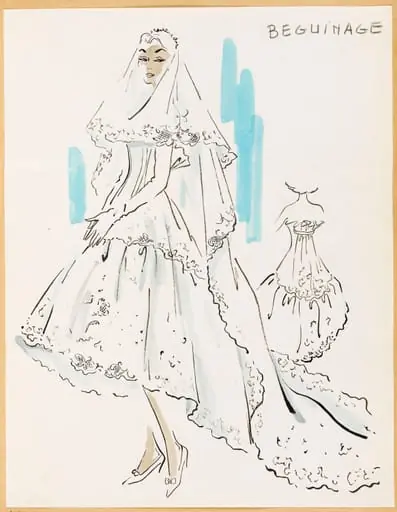 Béguinage