Artwork
Portrait of Prince G. A. Potyomkin-Tavrichesky
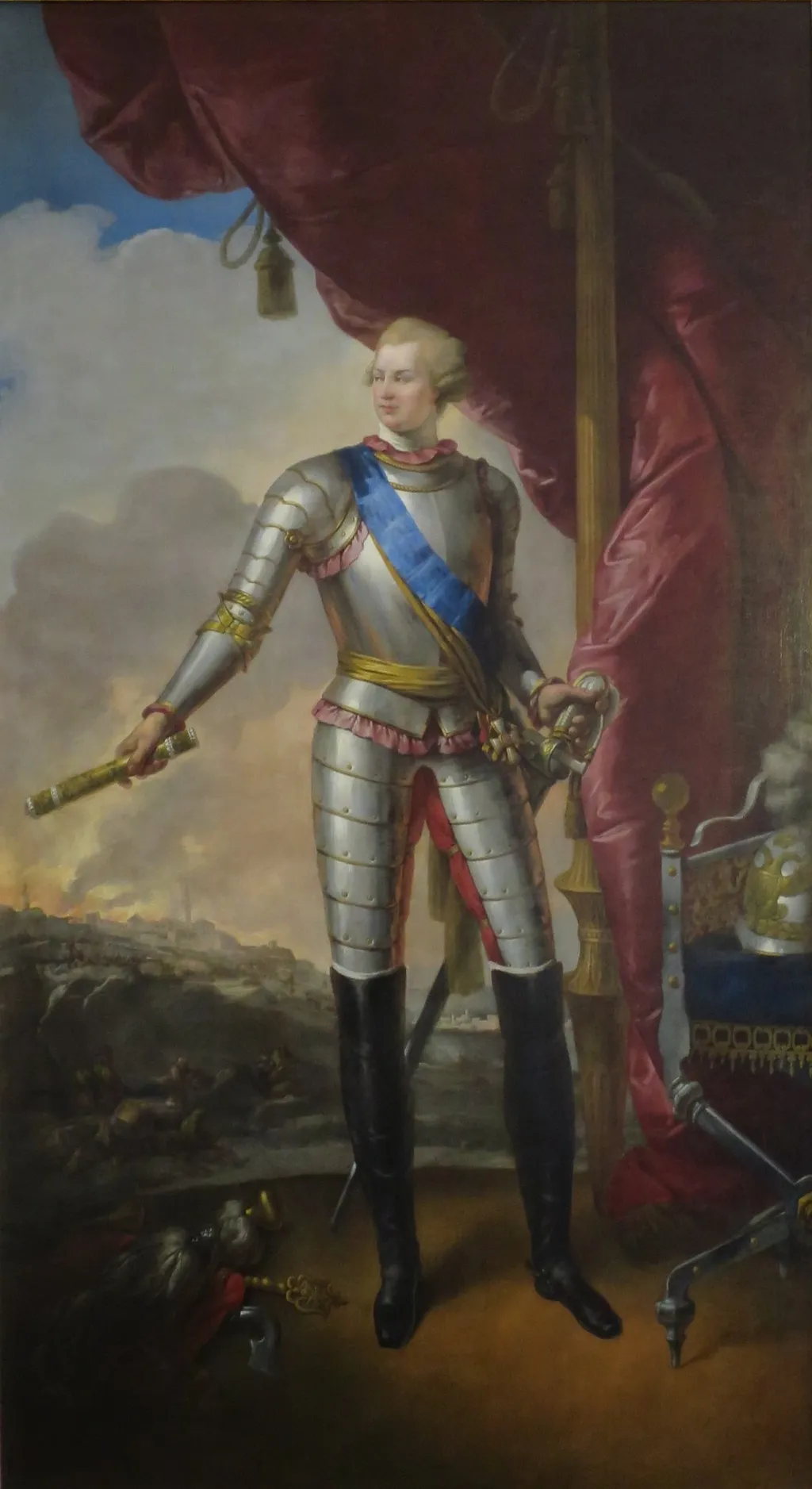
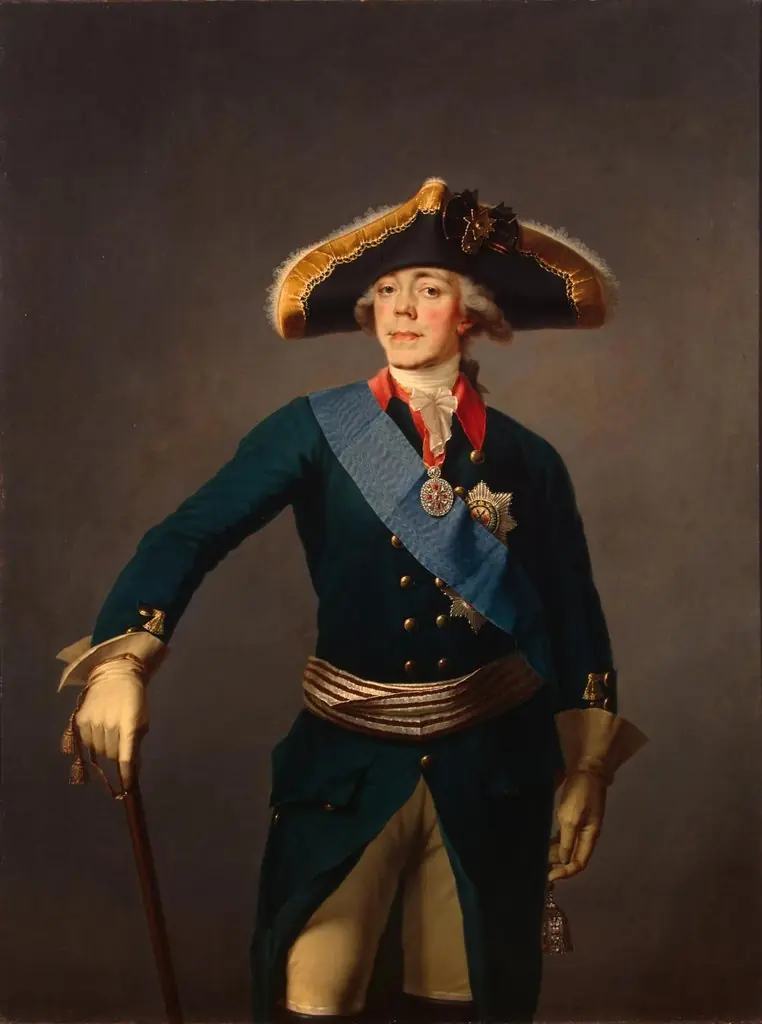
Portrait of Prince G. A. Potyomkin-Tavrichesky is an oil painting by the Rococo painting artist Unknown. It dates from 1750 and is held in the collection of the Hermitage Museum. This oil painting depicts Prince G.
About this work
Overview
The composition balances grandeur with restraint, avoiding overt theatrics while emphasizing dignity through stillness and controlled lighting.
This oil painting depicts Prince G. A. Potyomkin-Tavrichesky in full ceremonial armor, rendered with precise detail and a composed, upright posture. The setting suggests a military context, with stormy skies and scattered equipment reinforcing his status as a nobleman and soldier. The composition balances grandeur with restraint, avoiding overt theatrics while emphasizing dignity through stillness and controlled lighting.
Subject & Meaning
The portrait presents the prince not in active combat, but as a figure of authority and composure. His armor, sash, and sword signify rank and martial tradition, while the draped curtain and distant cliffs imply a threshold between private identity and public duty. The calm expression contrasts with the turbulent backdrop, suggesting inner resolve amid external chaos.
Technique & Style
The artist employs chiaroscuro to model the armor’s metallic surfaces, using sharp contrasts between light and shadow to convey weight and texture. Gold accents catch the light against darker recesses, while the blue sash and red curtain introduce vivid color against muted tones. Brushwork is refined, particularly in the rendering of fabric folds and the intricate detailing of the armor’s engraving.
History & Provenance
Commissioned during the late 18th century, the portrait likely served to affirm Potyomkin’s position within the Russian imperial hierarchy. As a favored general and close associate of Catherine the Great, his image was circulated to reinforce political legitimacy. The painting remained in family collections until entering a public collection in the 19th century.
Context
Portraits of Russian nobility in this period often merged military symbolism with aristocratic elegance, reflecting the fusion of state service and noble identity. The stormy landscape and martial props align with Enlightenment-era ideals of stoic leadership. Similar portraits by contemporaries emphasize the same themes of discipline and elevated bearing.
Legacy
The portrait remains a representative example of Russian imperial portraiture, illustrating how visual language was used to convey power without overt aggression. Its restrained drama and technical precision influenced later depictions of military figures in Russian art, preserving a visual code of authority that endured beyond the empire’s collapse.
Artist & collection

 Domestic Scene
 Giacomo and Cardinal Marco, investing Andrea, Abbot of San Zeno, with his Benefice
 The Nymph of Fontainebleau
 Portrait of a Woman
 Madonna and Child with Saints in the Enclosed Garden
 Venus and Minerva
 Family Group of Four on Sofa
 Wall painting from Room H of the Villa of P. Fannius Synistor at Boscoreale
 Portrait of Grand Duke Pavel Petrovich
 Portrait of Stanisław August in the coronation costume
 Portrait of Stanisław August Poniatowski in the coronation costume
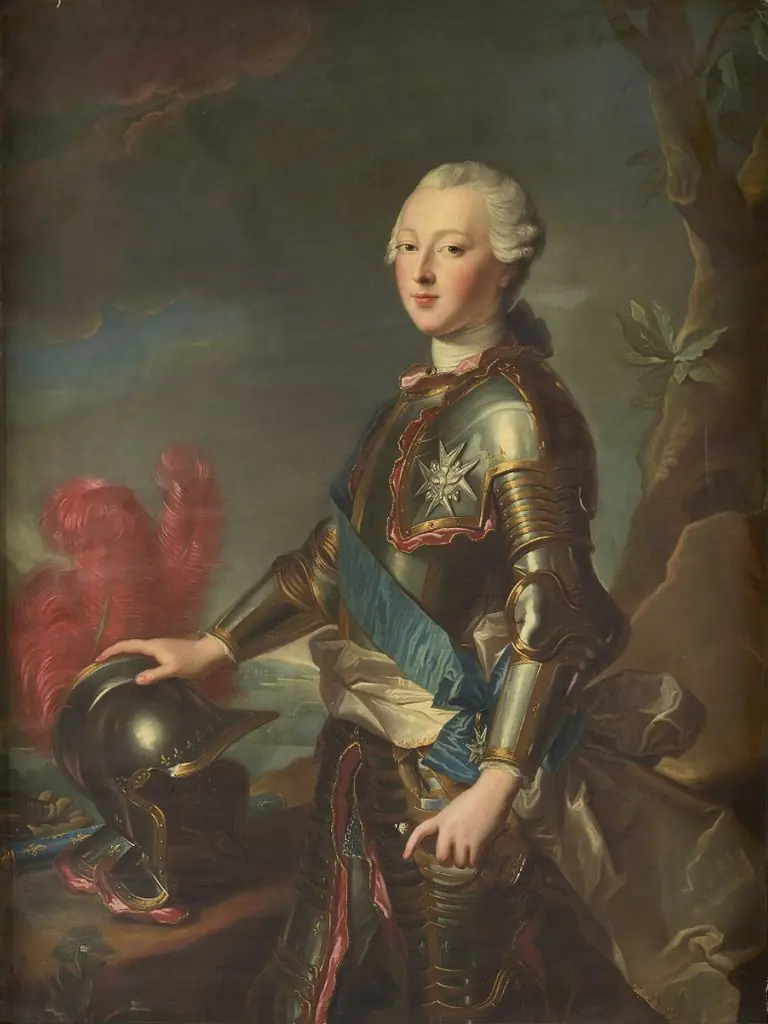 Louis V-Joseph de Bourbon, VIIIe prince de Condé
 Christian VI
 Christian VI
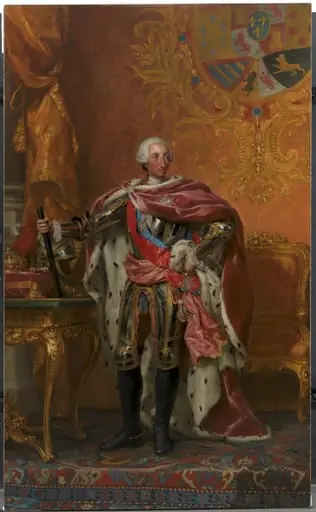 Portrait of King Charles III of Spain
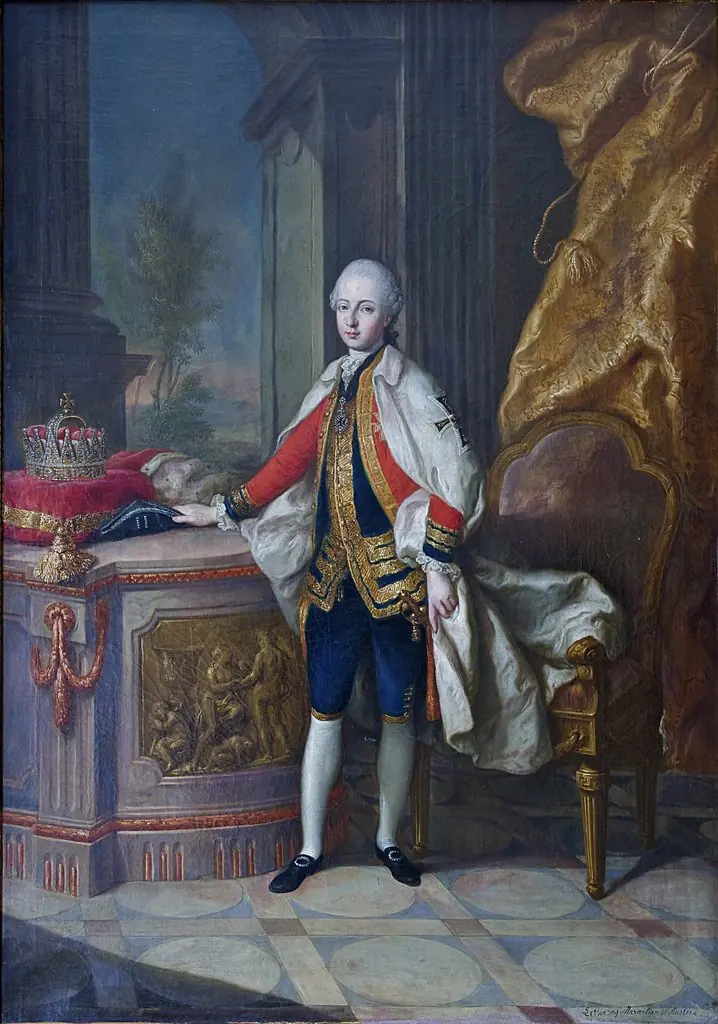 Maximilian, Archduke of Austria (1756-1801)
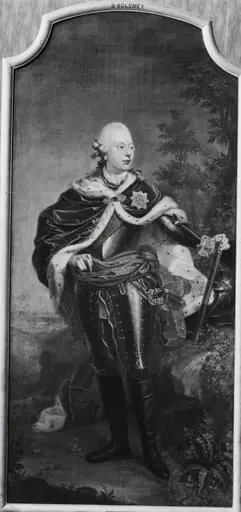 Willem V (1748-1806), Prince of Orange-Nassau
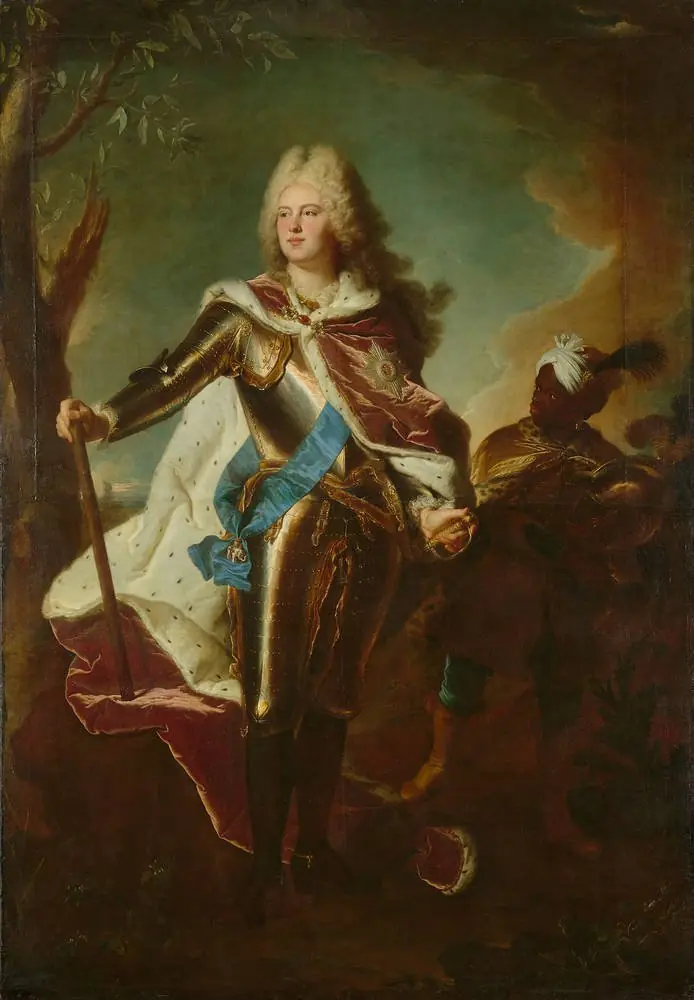 Portrait of August III of Poland
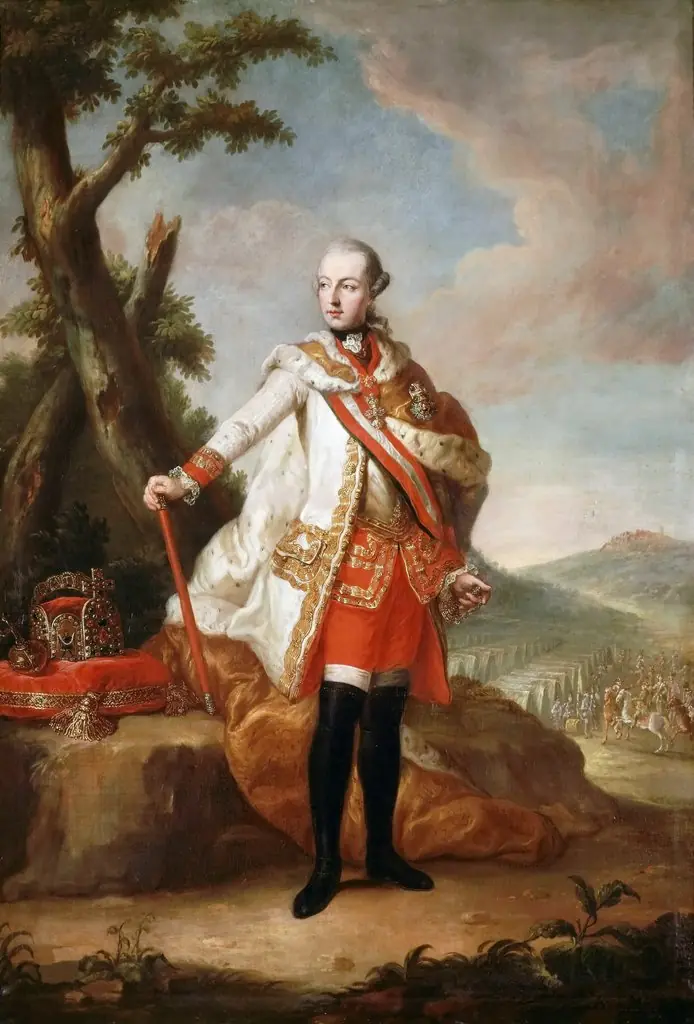 Joseph II, Emperor of Germany (1741-1790)
 Portrait of Paul I