Artwork
Portret de tânăr (Ducele de Berry)
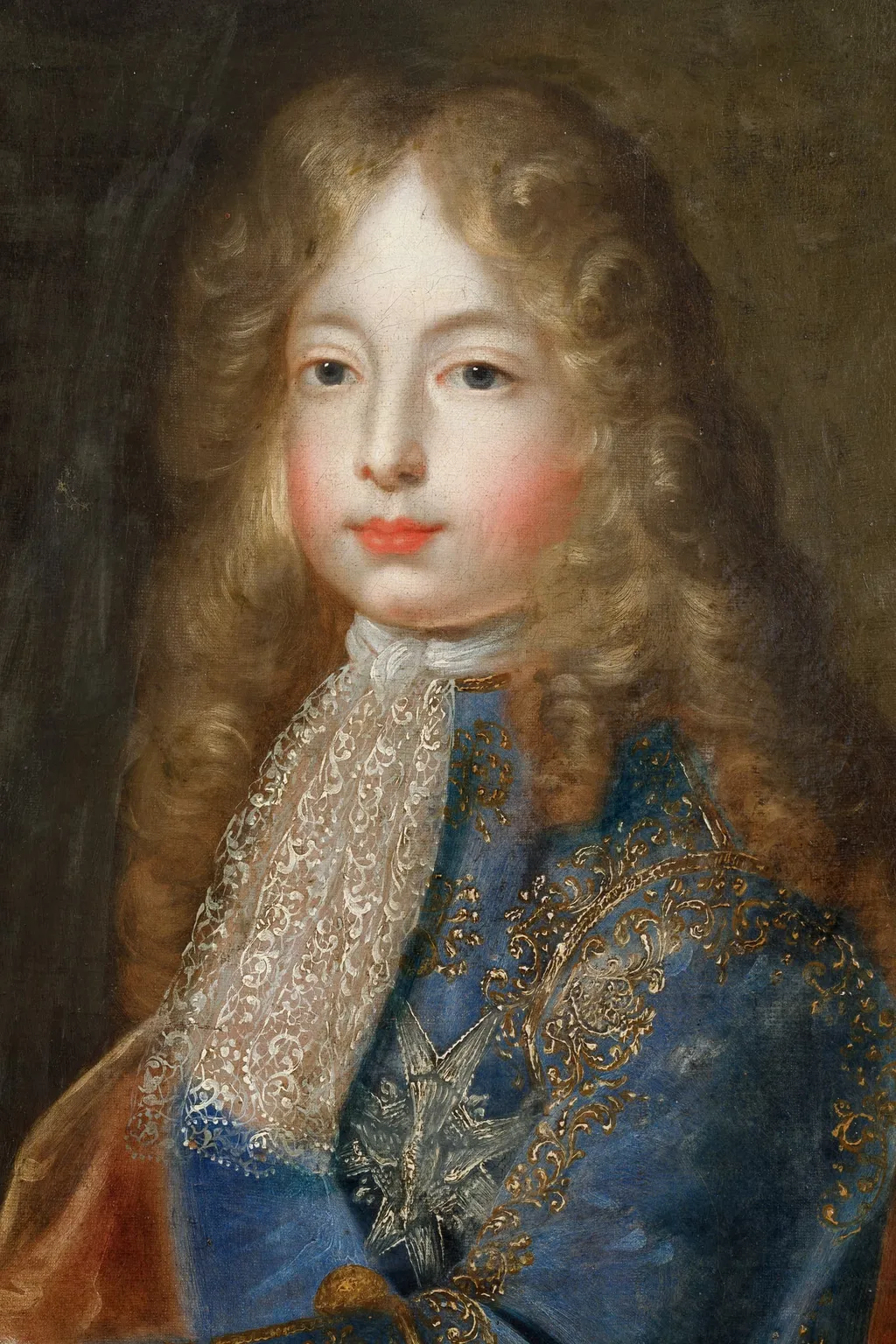
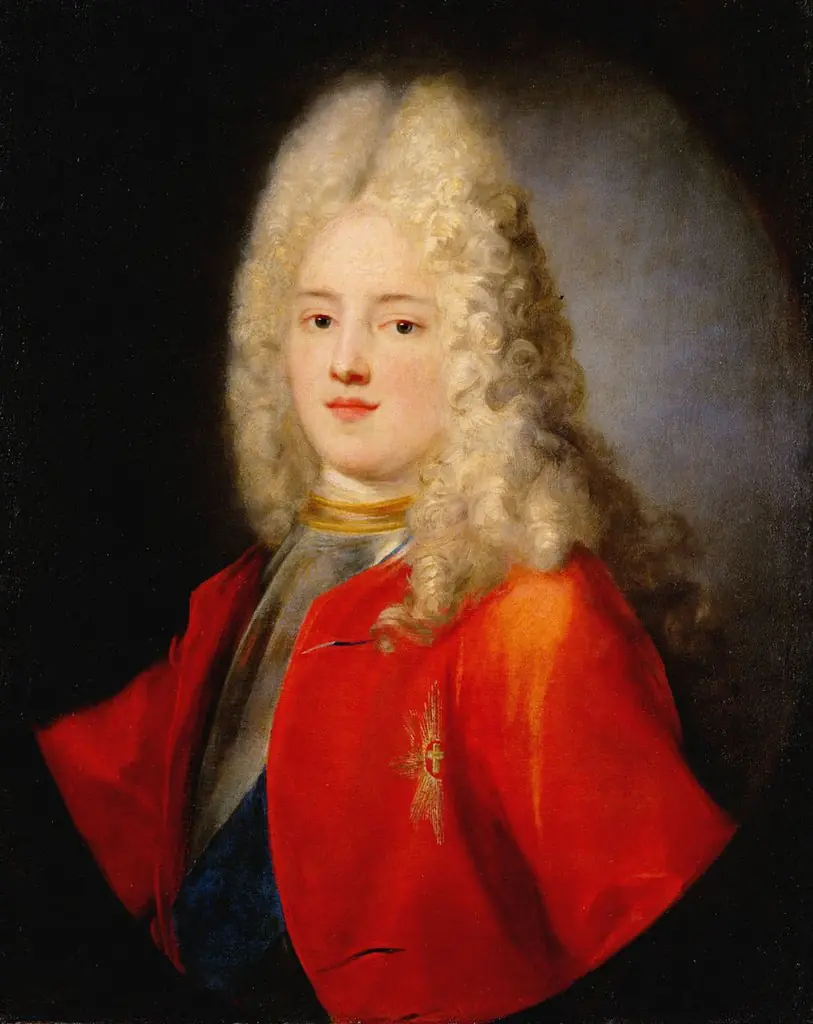
Portret de tânăr (Ducele de Berry) is an unspecified painting by Hugo Kołłątaj. It dates from 1850 and is held in the collection of the National Museum of Art of Romania. This portrait depicts a young nobleman, traditionally identified as the Duke of Berry, painted around 1850.
About this work
Overview
The composition centers on the sitter’s poised presence, set against a dark, unadorned background that eliminates distraction.
This portrait depicts a young nobleman, traditionally identified as the Duke of Berry, painted around 1850. The composition centers on the sitter’s poised presence, set against a dark, unadorned background that eliminates distraction. The figure’s attire and expression convey status and solemnity, with careful attention paid to texture and light to emphasize material richness and psychological depth.
Subject & Meaning
The subject is believed to be a member of the French royal family, possibly the Duke of Berry, rendered in formal court dress. His serious gaze and refined garments suggest a moment of dignified self-presentation, typical of aristocratic portraiture in the mid-nineteenth century. The painting reflects the enduring association between clothing, lineage, and authority, rather than capturing a spontaneous personality.
Technique & Style
The artist employs subtle chiaroscuro to model the face, with soft gradations of shadow beneath the chin and cheeks lending volume and realism. The blue velvet coat, adorned with gold embroidery, is rendered with precise brushwork that catches ambient light, enhancing its luxurious texture. The smooth, even finish of the skin contrasts with the intricate detail of the lace collar, highlighting technical control.
History & Provenance
Attributed to Hugo Kołłątaj, the work dates to approximately 1850, though its origins remain poorly documented. It likely originated in a private collection connected to European aristocracy, possibly in France or Poland, given the artist’s background. No public record of its early exhibition or ownership is widely available, and its provenance remains partially obscure.
Context
Created during a period when European portraiture still upheld aristocratic ideals despite rising democratic movements, the painting aligns with academic traditions that valued precision and decorum. While Romanticism influenced emotional expression in art, this work adheres to classical restraint, reflecting the persistence of courtly aesthetics among elite patrons in mid-century Europe.
Legacy
Though not widely exhibited or studied, the portrait stands as an example of 19th-century academic portraiture that prioritized social representation over individual psychology. Its technical execution and preserved condition offer insight into the craftsmanship of lesser-known artists working within established conventions, contributing to broader understandings of regional artistic practice.
Own this work as a print
Artist & collection
Artist
This Polish folk painter worked in the late eighteenth and early nineteenth centuries, creating religious scenes with bold colors and simple shapes.

 Alexandru Ipsilanti
 Fecioara Maria cu Pruncul Isus (în Reg. Inv.: Maria cu copilul Isus)
 Regele Charles I Stuart al Angliei și soția sa Henrietta Maria de Franța (în Reg. Inv.: Carol I al Angliei și soția sa Henriette din Franța)
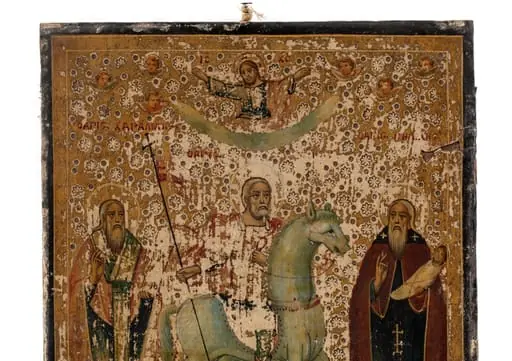 Sfântul Haralambie cu alți doi sfinți
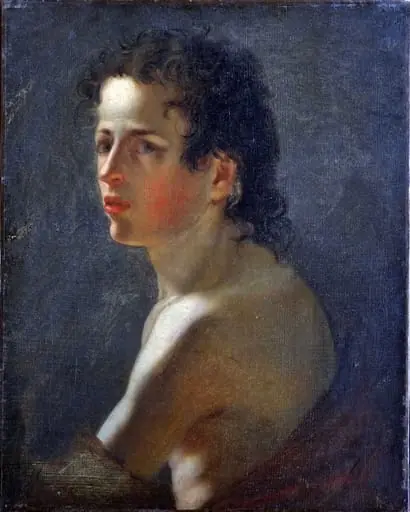 Portret de bărbat
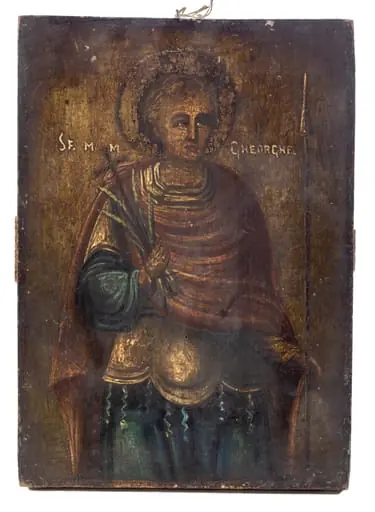 Sfântul Gheorghe
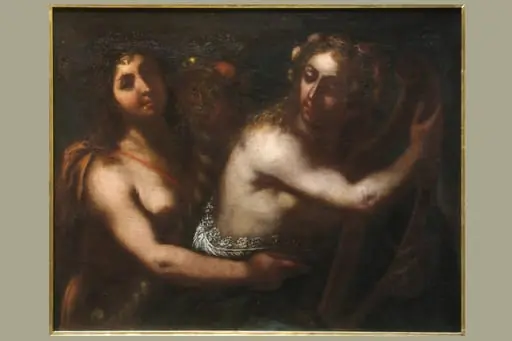 Vertumnus și Pomona (în Reg. Inv.: Vertumnus și Flora)
 Iarnă
Iarnă
 Kinderbildnis des Erbprinzen Viktor Amadeus II. von Savoyen
 Luis I con armadura a los 10 años
 Louis XV, roi de France (1710-1774)
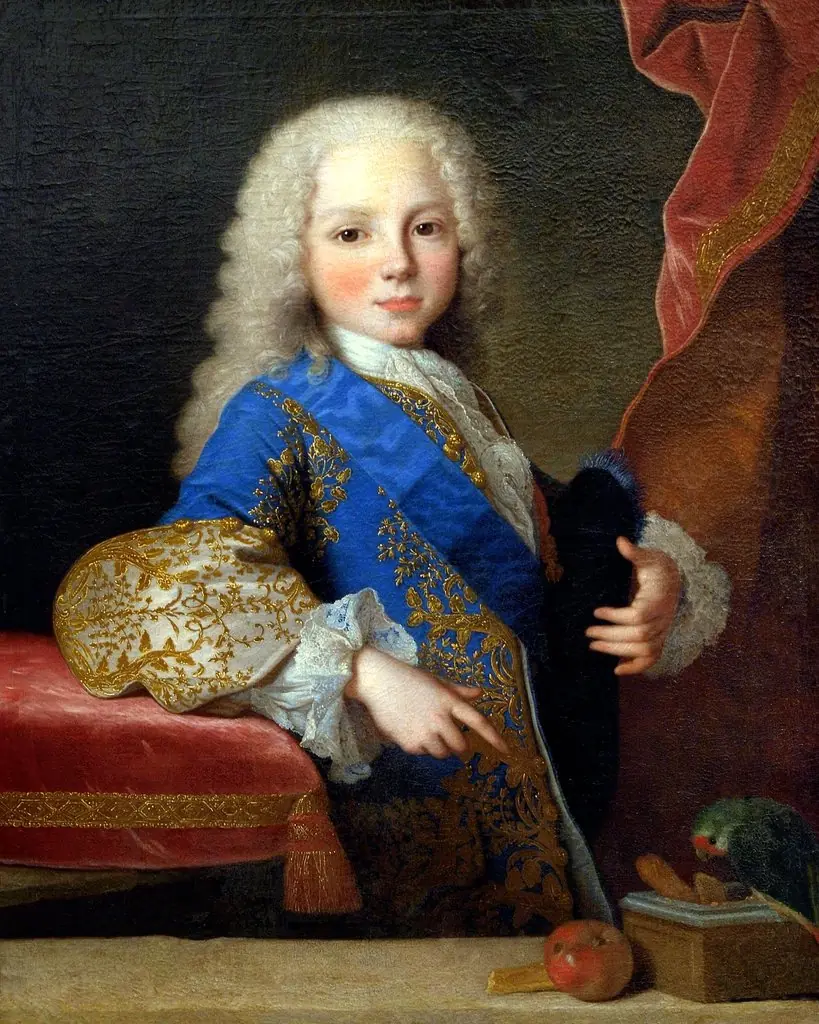 The Infant Philip of Bourbon, future Duke of Parma, Piacenza and Guastalla, in his childhood
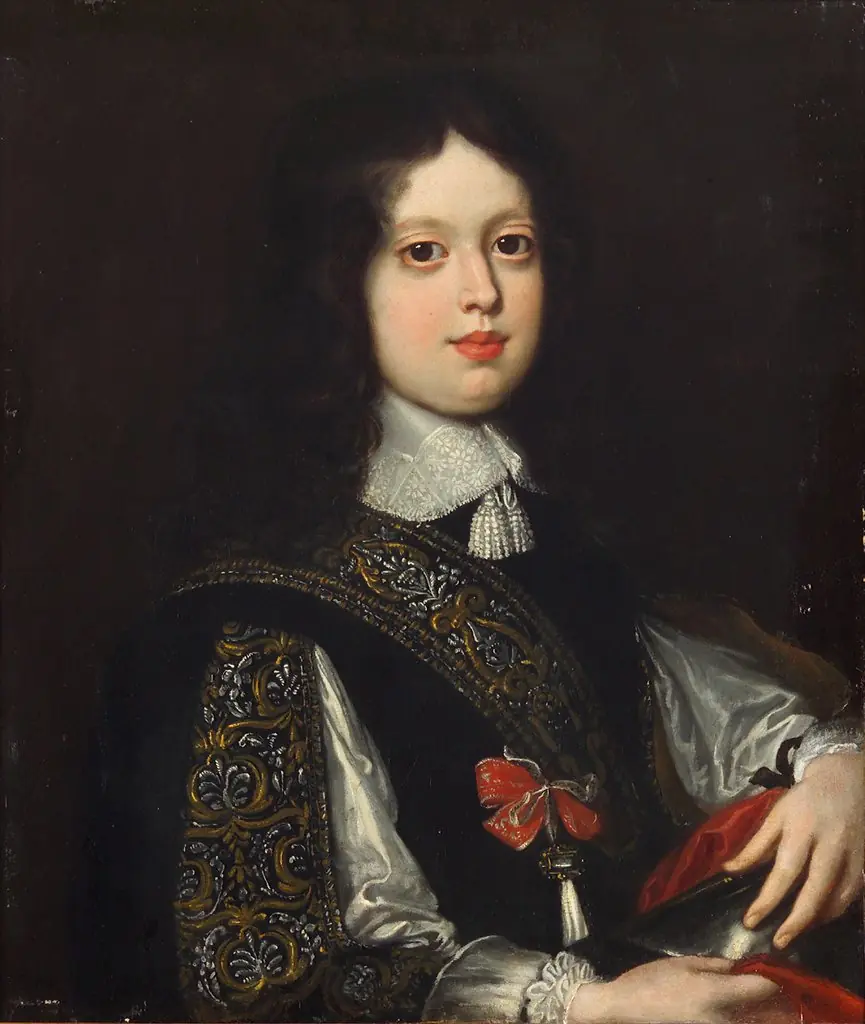 Großherzog Cosimo III. (1642-1723) von Toskana im Alter von etwa acht Jahren, Brustbild
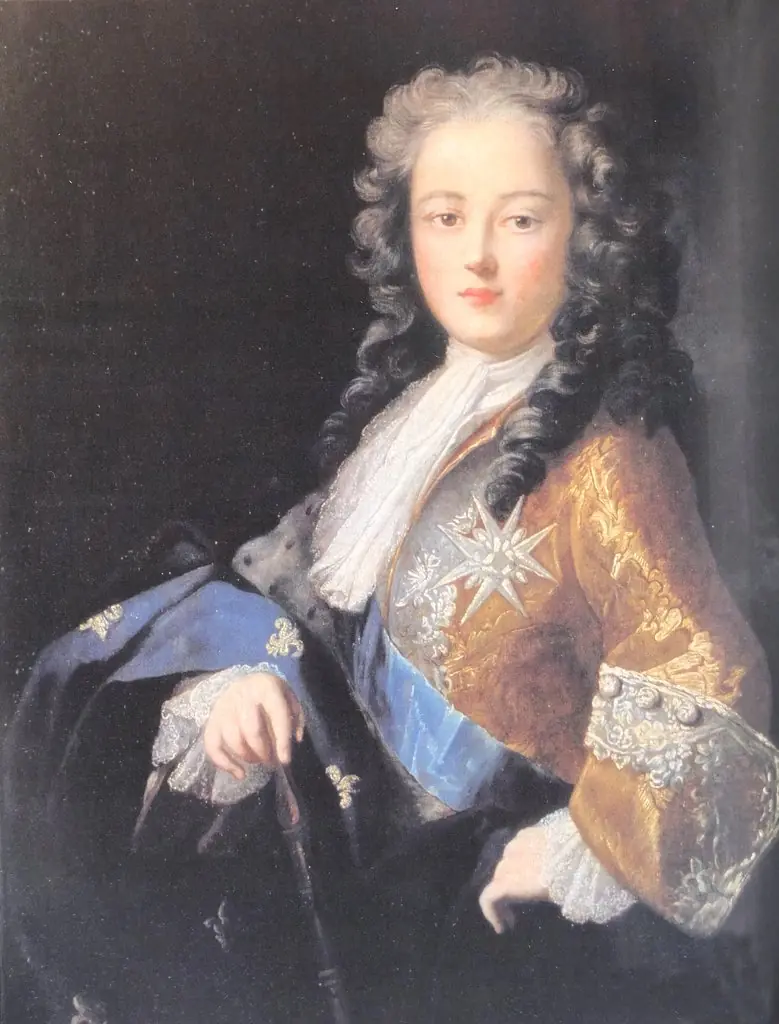 Portrait de Louis XV, roi de France (1710-1774), représenté jeune
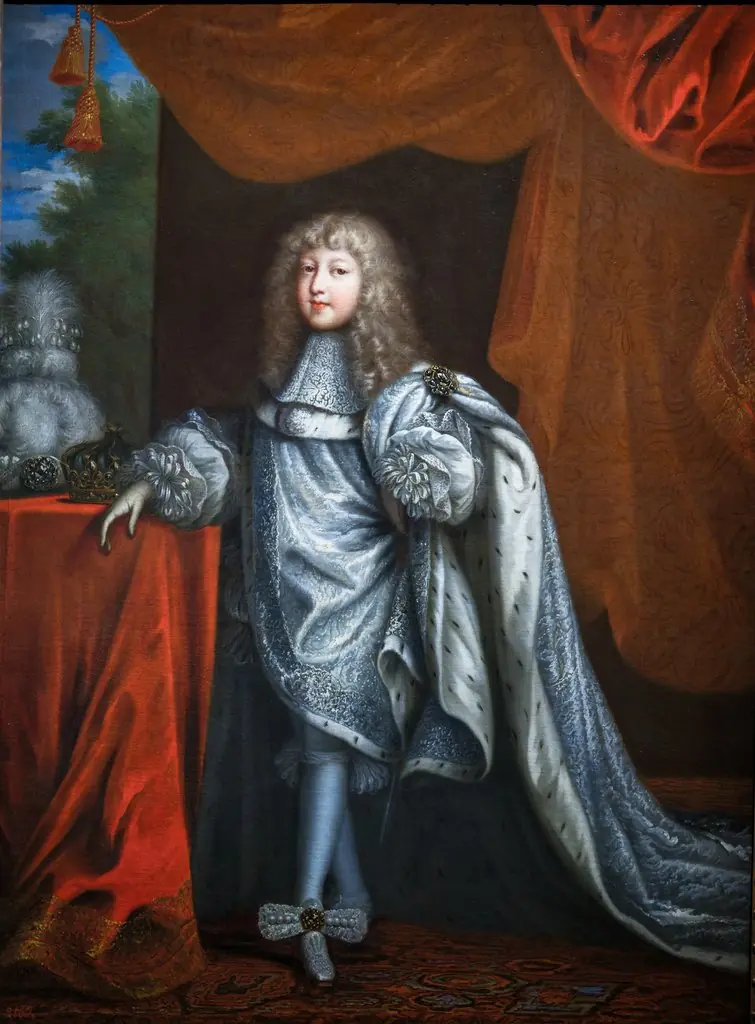 Louis of France, the Grand Dauphin
 Portrait of Louis XV at the age of 10
 Philip V
 Felipe de Borbón y Farnesio, future Duke of Parma
 Philip V
 Prinz Friedrich August II. (1696-1763)