Artwork
Page from Tales of a Parrot (Tuti-nama): text page
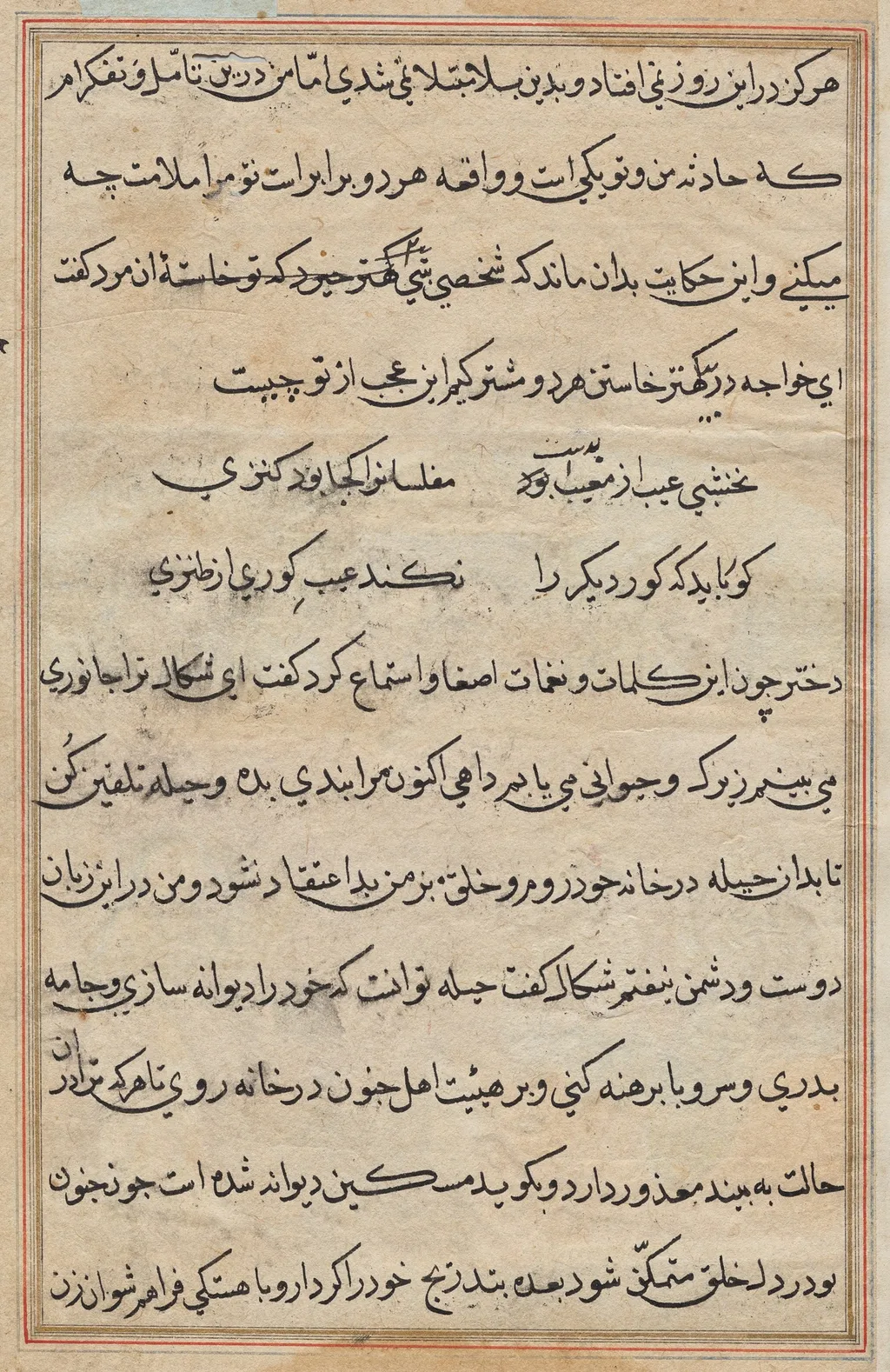
Page from Tales of a Parrot (Tuti-nama): text page is an unspecified painting. It dates from 1560 and is held in the collection of the Cleveland Museum of Art. This illuminated page, catalogued as a painting, presents dense black ink text set against a pale substrate.
About this work
Overview
This illuminated page, catalogued as a painting, presents dense black ink text set against a pale substrate. The script, rendered in the flowing Nastaʿlīq hand, is framed by a thin red border that outlines the page’s margins. The surface shows signs of age and slight wear, indicating its historic use as a manuscript leaf.
Subject & Meaning
The text forms part of a Persian narrative collection centered on a talking parrot, a motif that blends entertainment with moral instruction. Such stories often employed animal protagonists to explore themes of wit, loyalty, and the consequences of deception, reflecting cultural values embedded in the tale.
Technique & Style
The page employs the Nastaʿlīq script, distinguished by its graceful, curved strokes and tight spacing, which was the dominant calligraphic style for Persian literature from the 15th century onward. The black ink contrasts sharply with the light background, while the red marginal border adds a decorative yet functional frame.
History & Provenance
This leaf originates from a manuscript that once comprised a complete collection of parrot tales. The surviving page now resides in the Cleveland Museum of Art, which acquired it as part of its broader holdings of Persian book arts, preserving its material integrity for study.
Context
Manuscript pages such as this were produced in workshops where scribes and calligraphers collaborated to create literary works for elite patrons. The use of Nastaʿlīq reflects the aesthetic preferences of the Safavid period, when Persian poetry and prose were frequently transcribed in richly ornamented formats.
Artist & collection

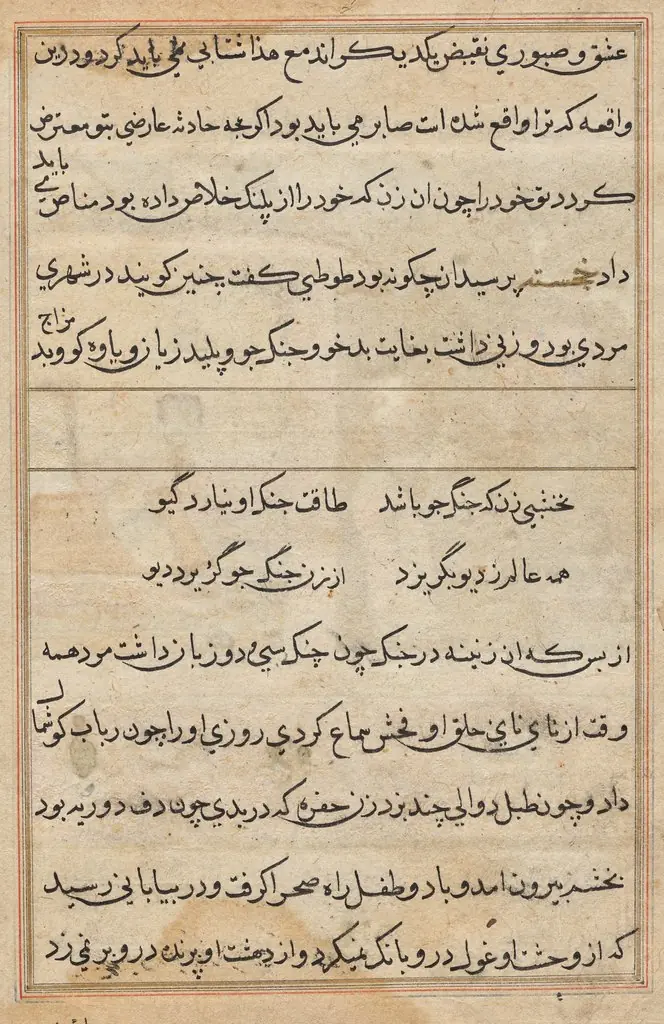 Page from Tales of a Parrot (Tuti-nama): text page
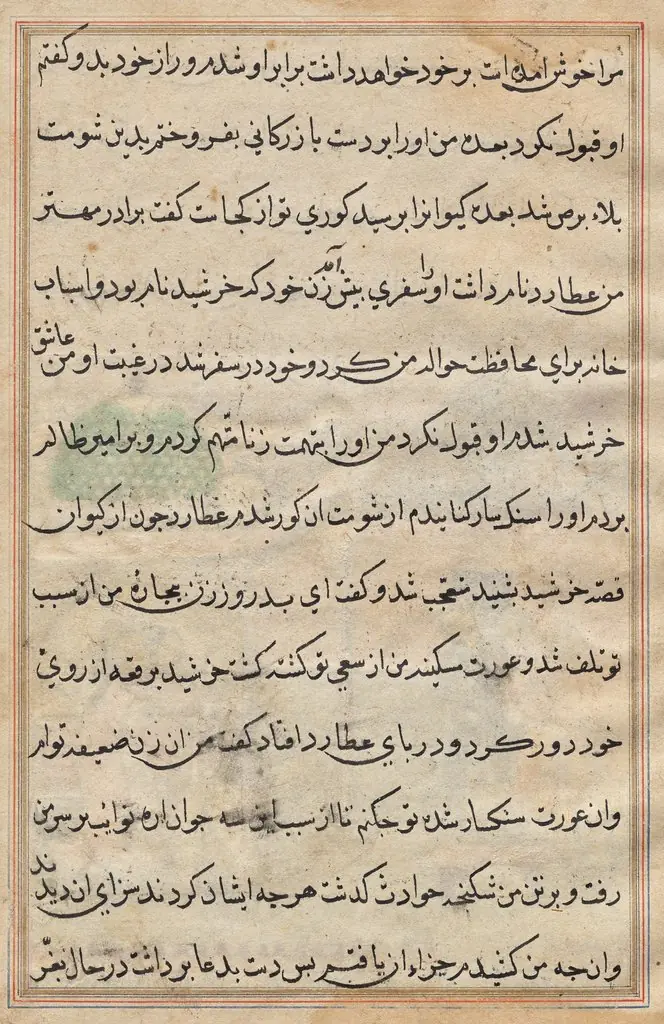 Page from Tales of a Parrot (Tuti-nama): text page
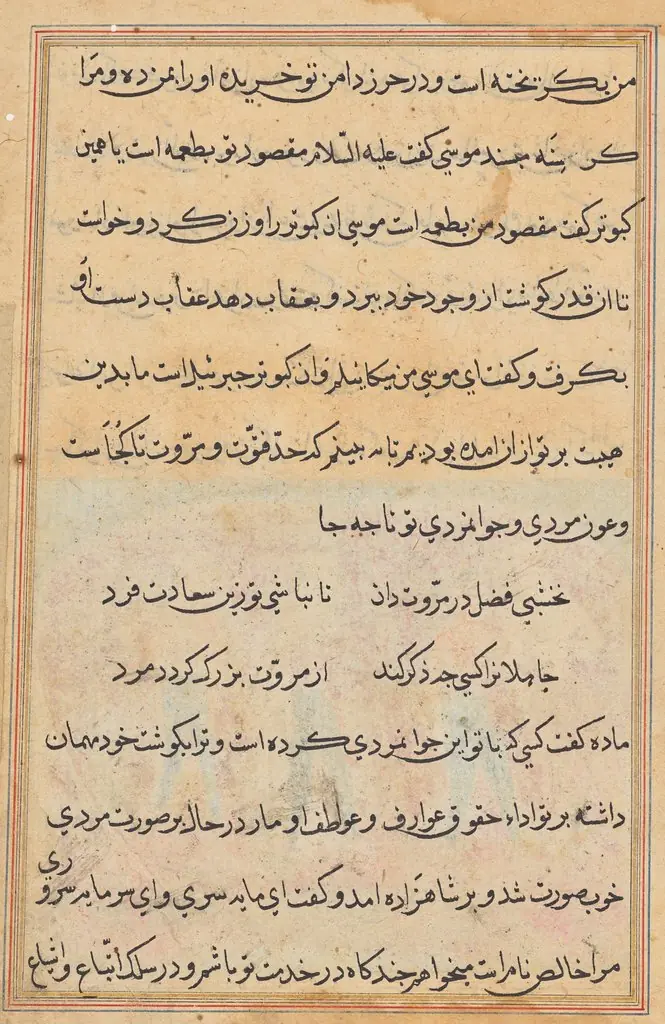 Page from Tales of a Parrot (Tuti-nama): text page
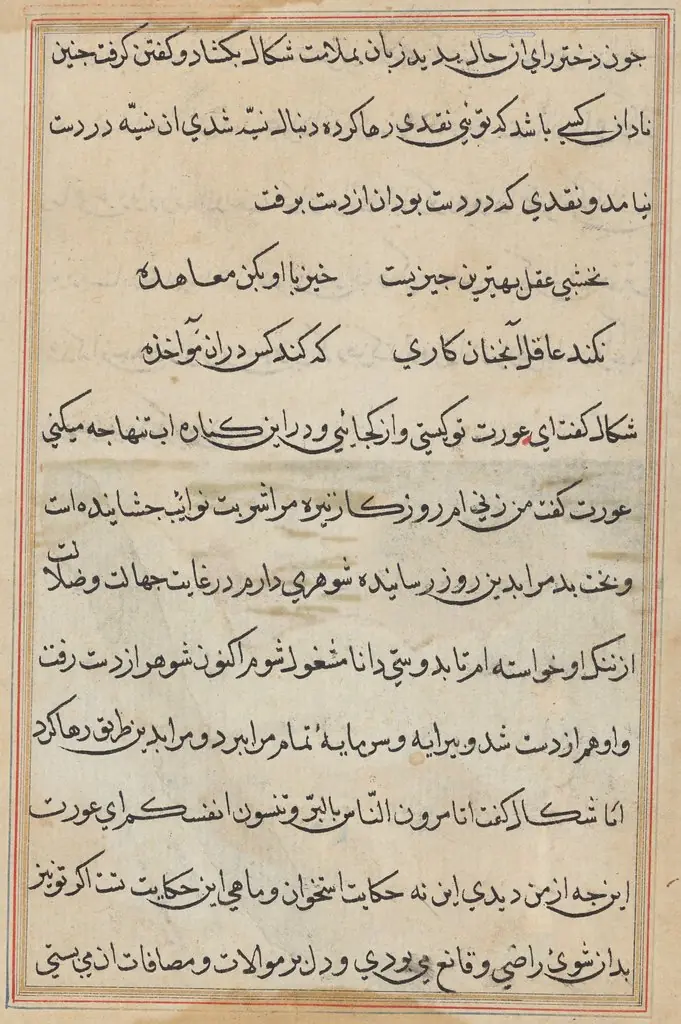 Page from Tales of a Parrot (Tuti-nama): text page
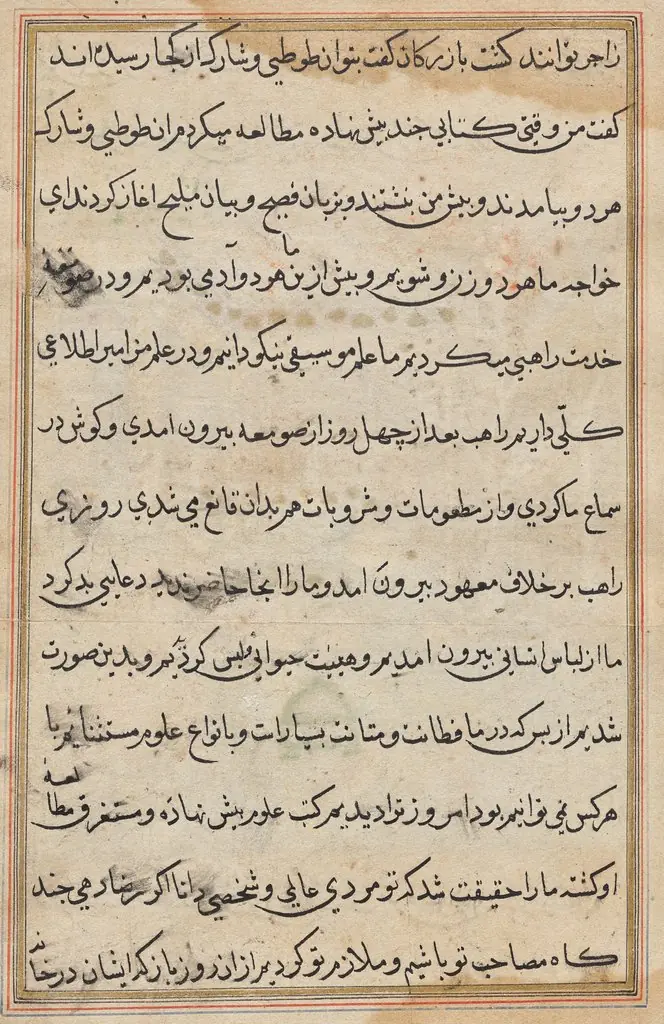 Page from Tales of a Parrot (Tuti-nama): text page
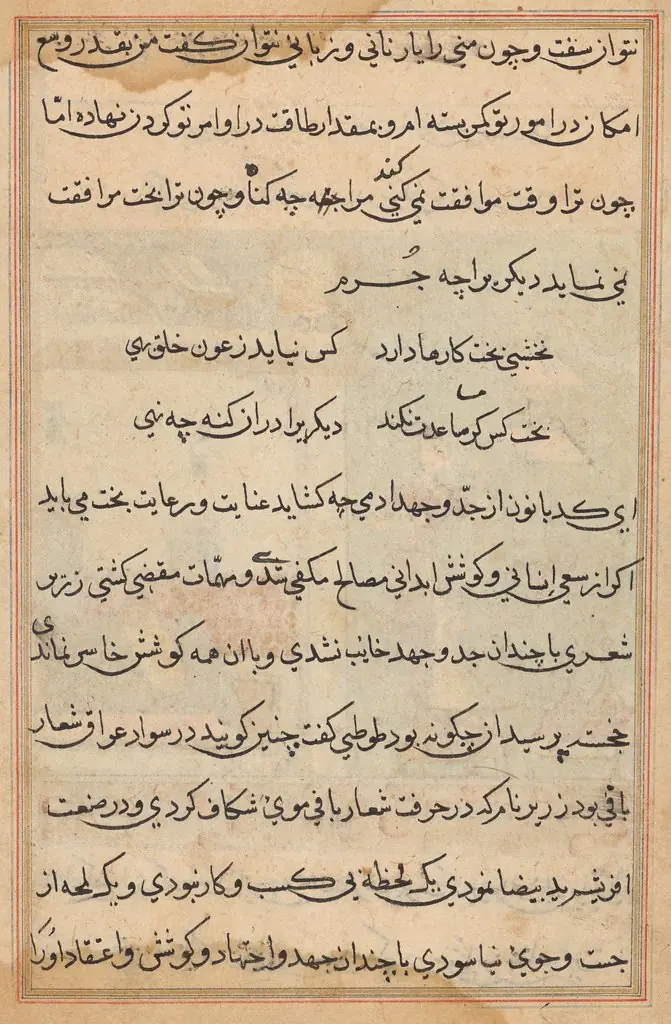 Tuti-Nama (Tales of a Parrot)
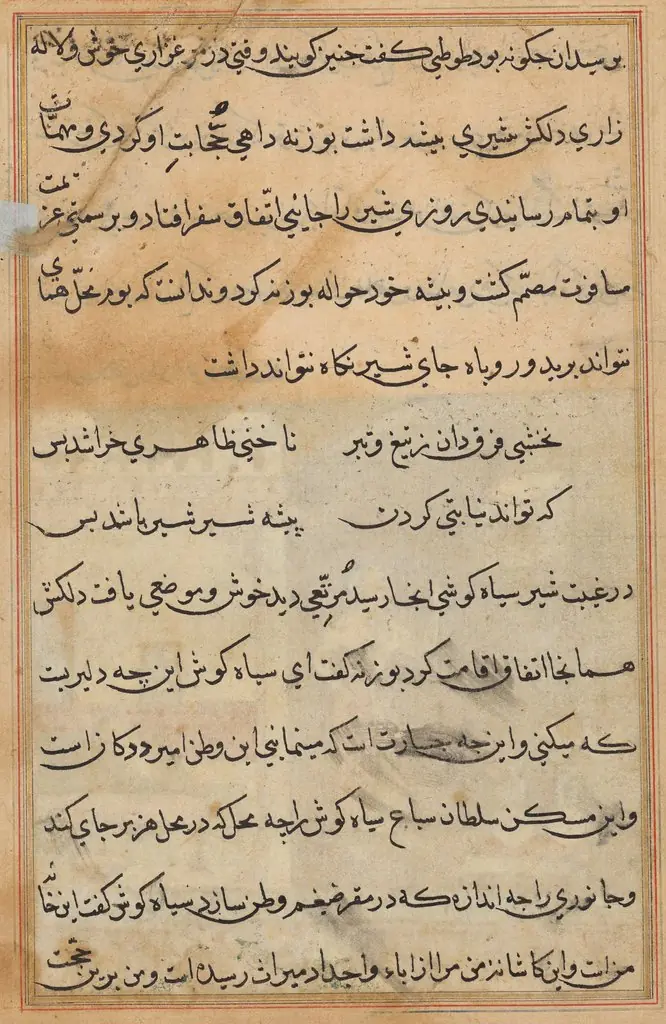 Tuti-Nama (Tales of a Parrot)
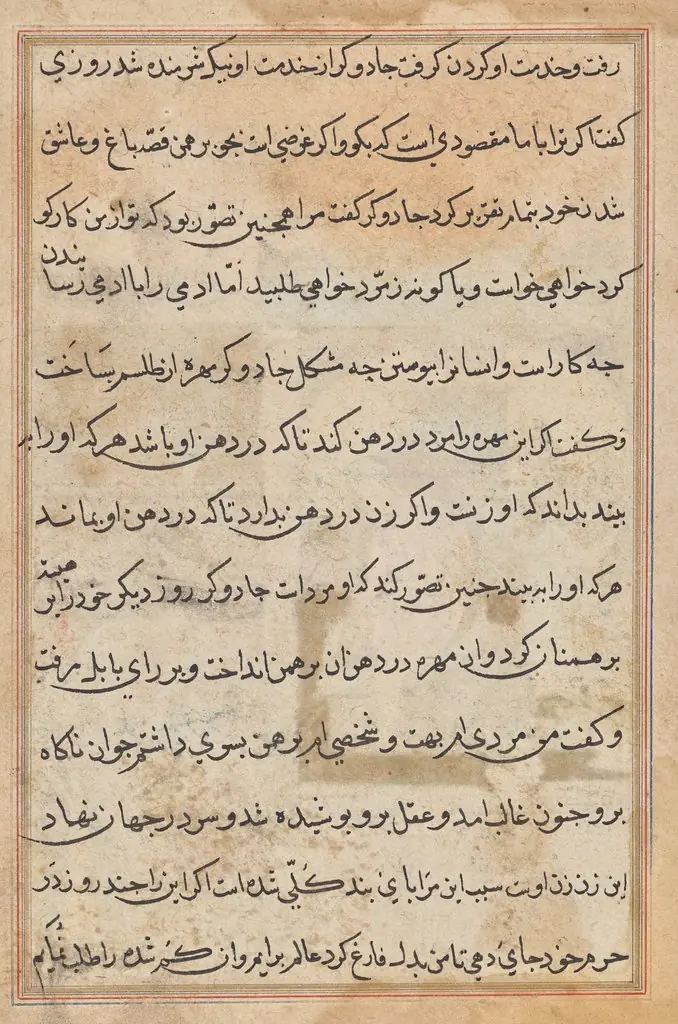 Page from Tales of a Parrot (Tuti-nama): text page
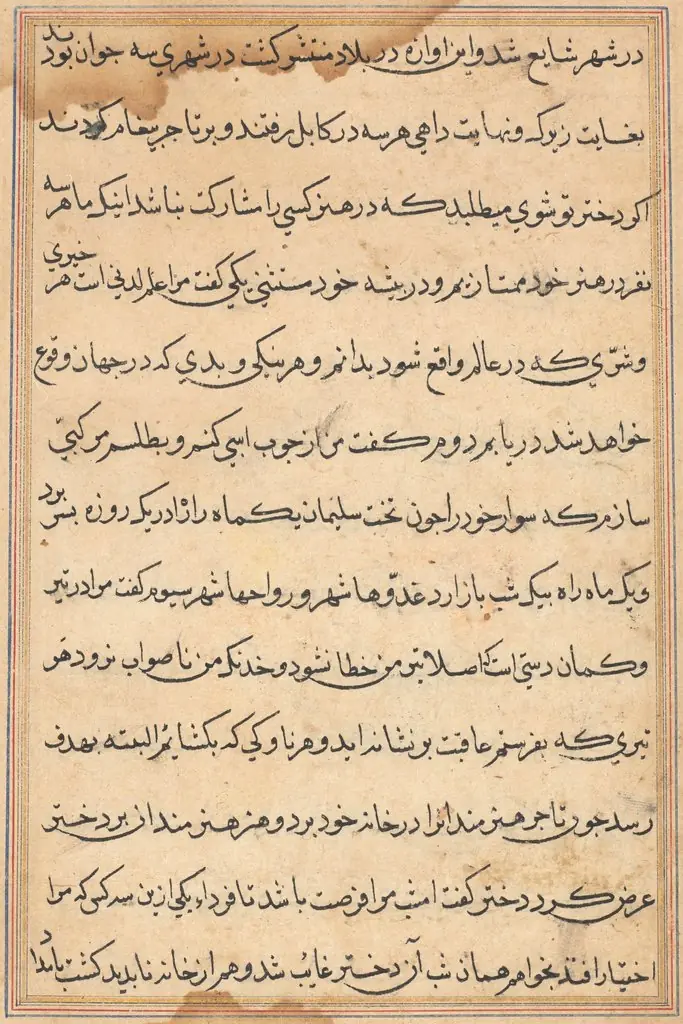 Page from Tales of a Parrot (Tuti-nama): text page
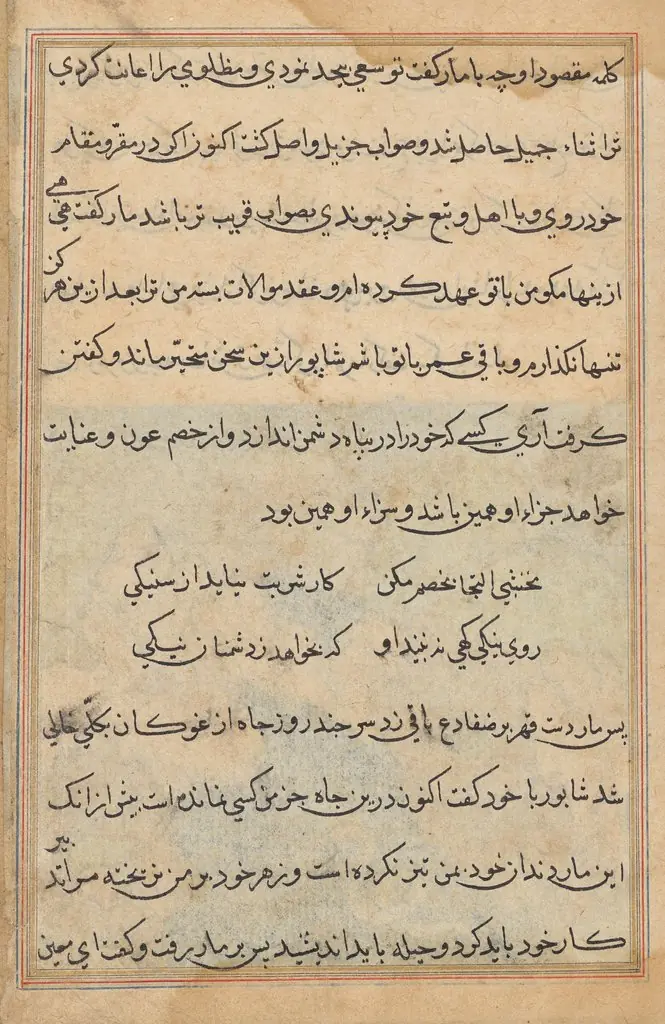 Page from Tales of a Parrot (Tuti-nama): text page
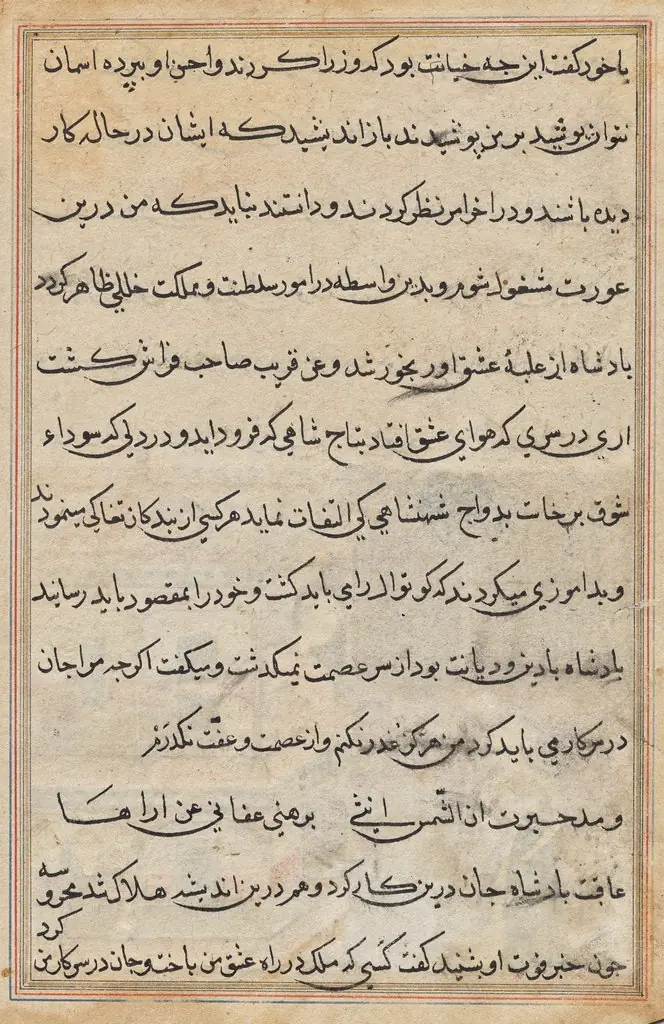 Page from Tales of a Parrot (Tuti-nama): text page