Artwork
Portrait of James FitzJames, 1st Duke of Berwick (1670-1734)
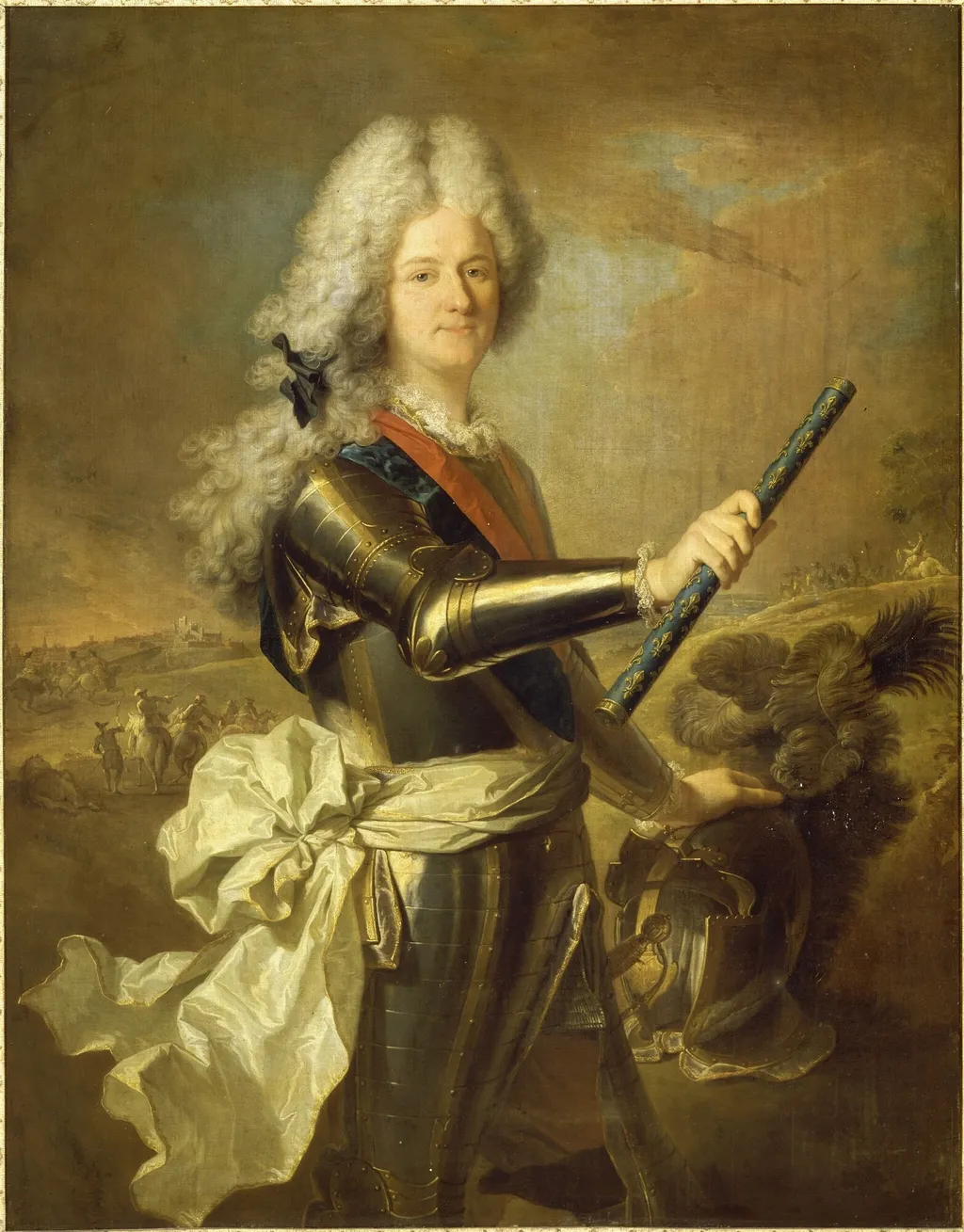
Portrait of James FitzJames, 1st Duke of Berwick (1670-1734) is an oil painting by the Early Baroque Italian artist Unknown. It dates from 1700 and is held in the collection of the Palace of Versailles. The canvas presents James FitzJames, the 1st Duke of Berwick, clad in polished armor and a vivid red sash.
About this work
Overview
The canvas presents James FitzJames, the 1st Duke of Berwick, clad in polished armor and a vivid red sash. He grips a sword in his right hand, his long, curled white hair framing a dignified face. Behind him unfolds a bucolic landscape populated by riders on horseback, rolling hills and scattered trees, lending a sense of expansive setting to the portrait.
Subject & Meaning
As a portrait of the Duke of Berwick, the work emphasizes martial prestige and noble lineage. The armor and weaponry underscore his military career, while the red sash signals high rank and possibly allegiance. The surrounding riders and open terrain suggest command over a broader realm, reinforcing the sitter’s status as a distinguished commander and aristocrat.
Technique & Style
Executed in oil on canvas, the painting employs a luminous handling of metal, capturing the reflective quality of the armor through careful modulation of light and shadow. The artist balances detailed rendering of the figure with a looser treatment of the distant landscape, using atmospheric perspective to convey depth. A restrained palette of earth tones is punctuated by the bright red sash.
History & Provenance
The portrait was created during the early eighteenth century, a period when the Duke of Berwick was an influential military leader in the service of France and Spain. While the original commission details remain unclear, the painting has passed through several private collections before entering a public institution, where it is now displayed as part of the museum’s European portrait holdings.
Context
James FitzJames, an illegitimate son of King James II of England, forged a career as a marshal in the French army. Portraits of high-ranking officers of this era often combined personal likeness with symbols of authority, such as armor and battlefield scenery. This work reflects the broader Baroque trend of integrating the sitter into a narrative environment that conveys power and virtue.
Artist & collection

 Domestic Scene
 Giacomo and Cardinal Marco, investing Andrea, Abbot of San Zeno, with his Benefice
 The Nymph of Fontainebleau
 Portrait of a Woman
 Madonna and Child with Saints in the Enclosed Garden
 Venus and Minerva
 Family Group of Four on Sofa
 Wall painting from Room H of the Villa of P. Fannius Synistor at Boscoreale
 Portrait of Charles de France (1686–1714)
 Felipe de Orléans regente de Francia
 Portrait of Louis of France, Grand Dauphin
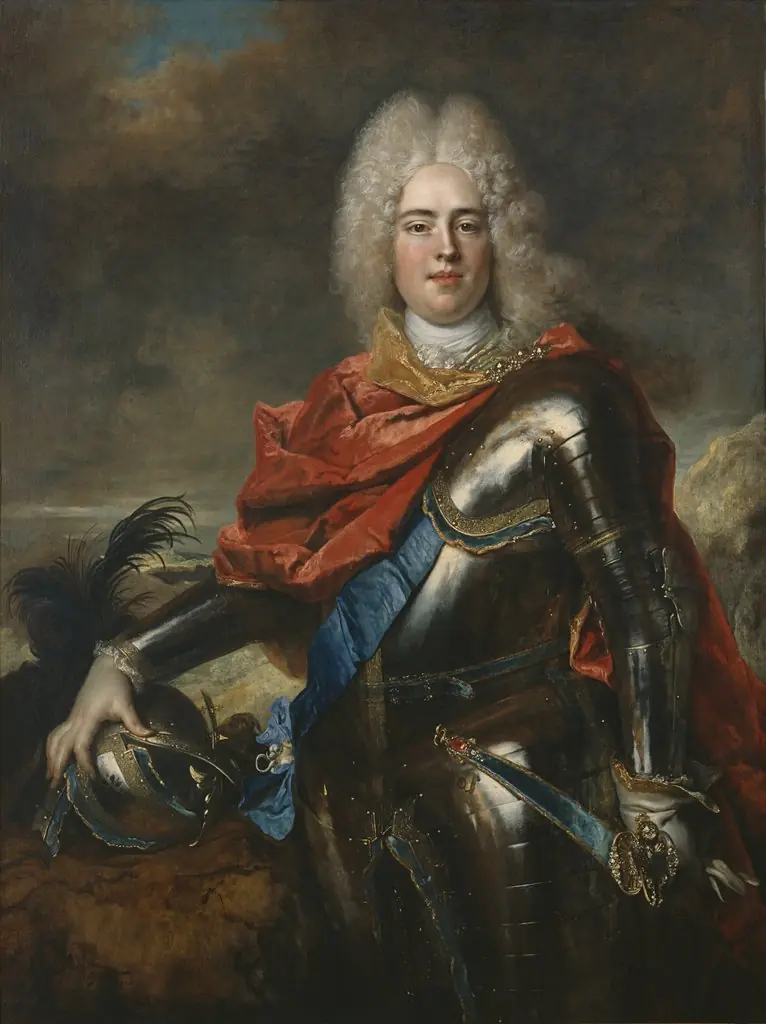 Crown Prince Frederick Augustus of Saxony
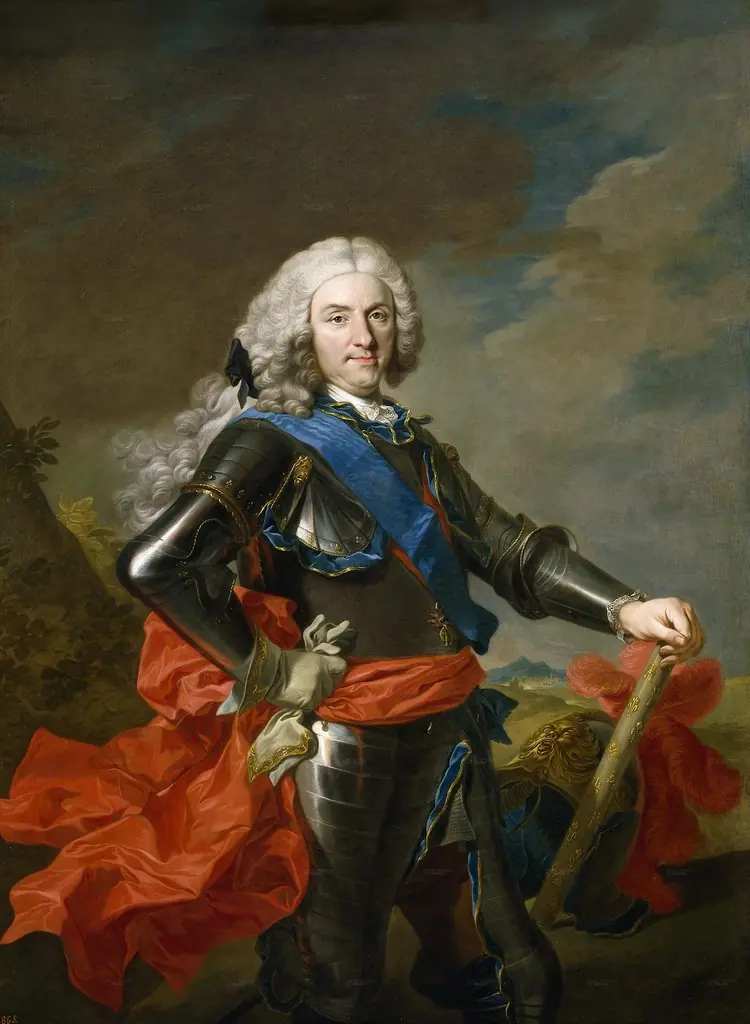 Felipe V, King of Spain
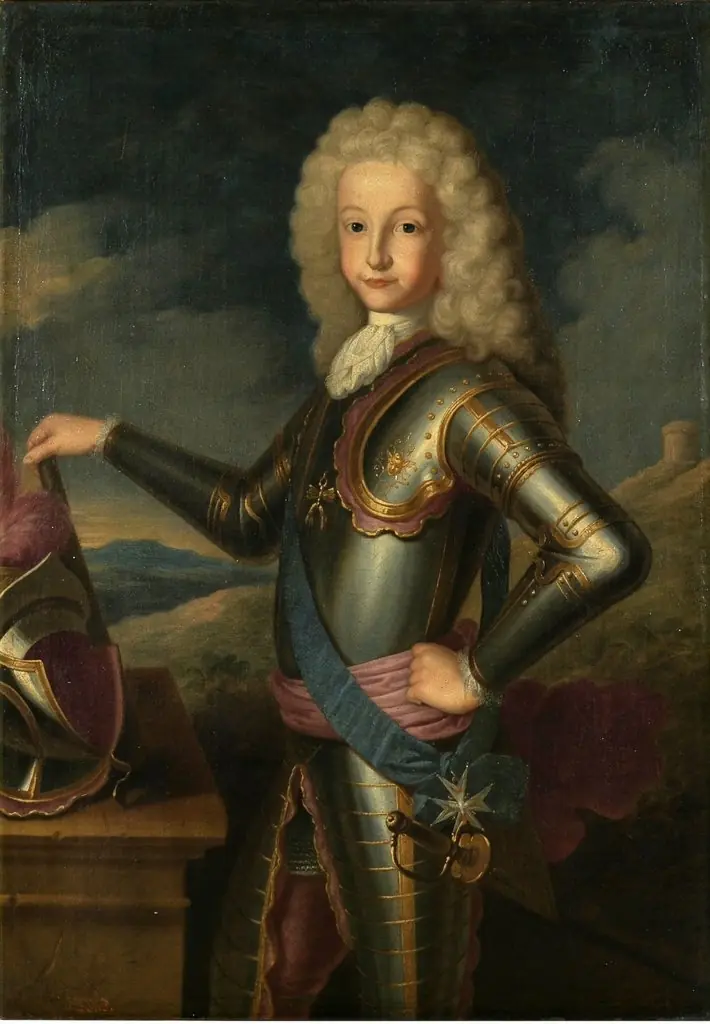 Luis I con armadura a los 10 años
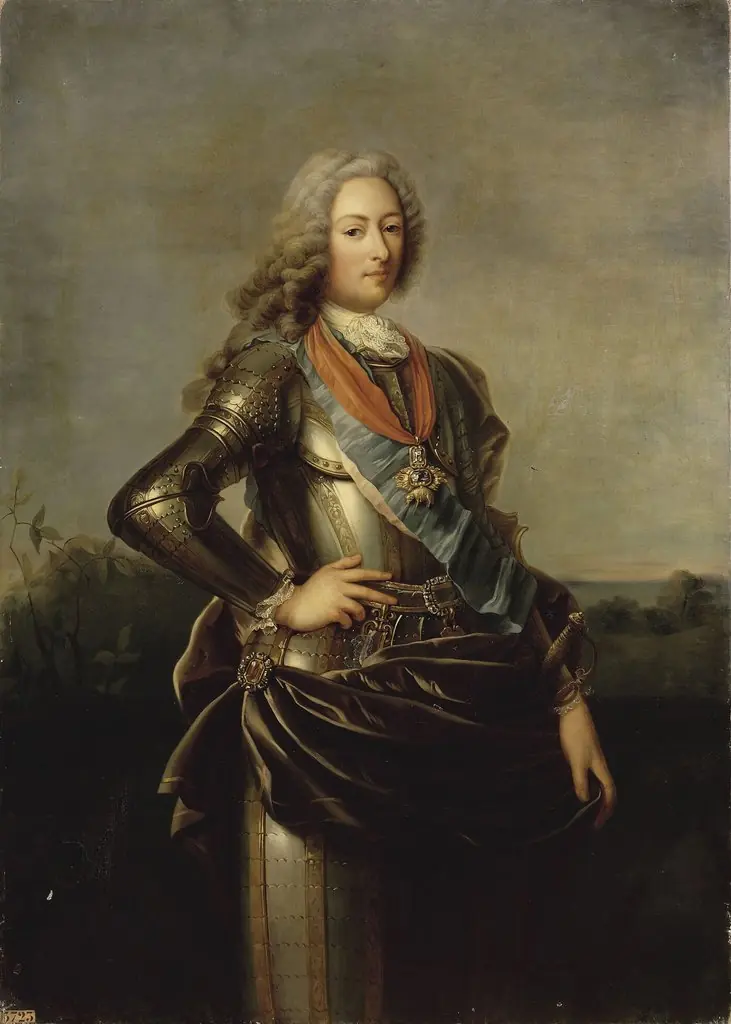 Louis of Orleans, Duke of Orleans
 Louis V-Joseph de Bourbon, VIIIe prince de Condé
 Louis XIV