Artwork
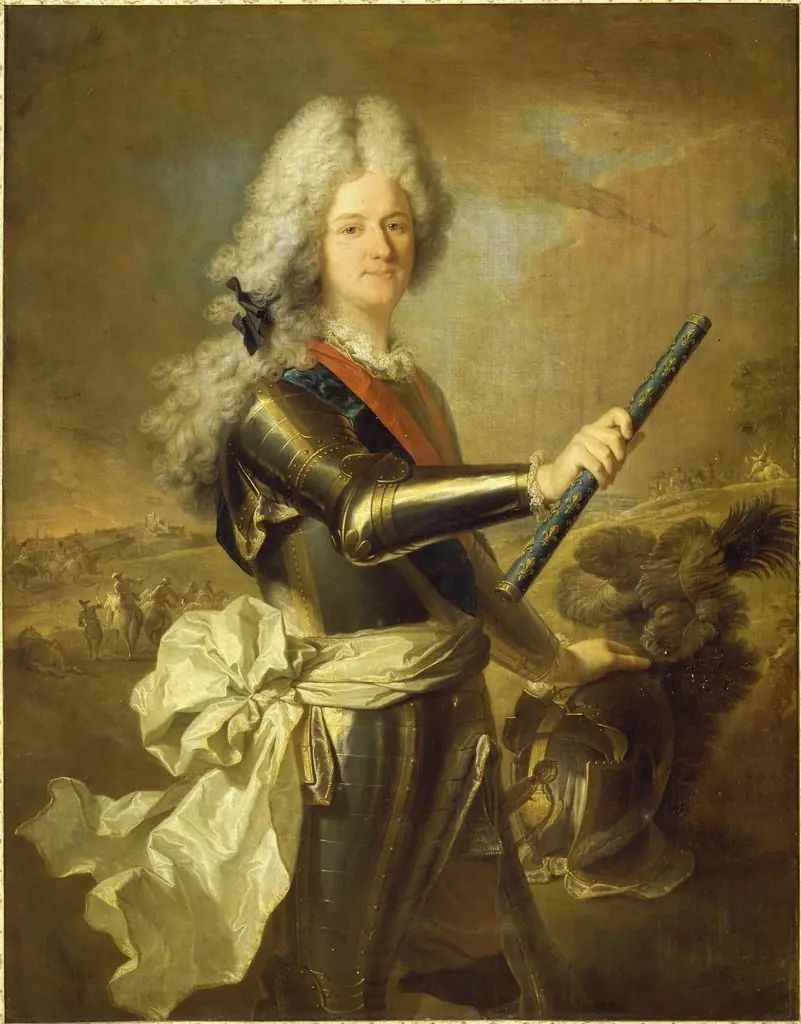
Luis I con armadura a los 10 años
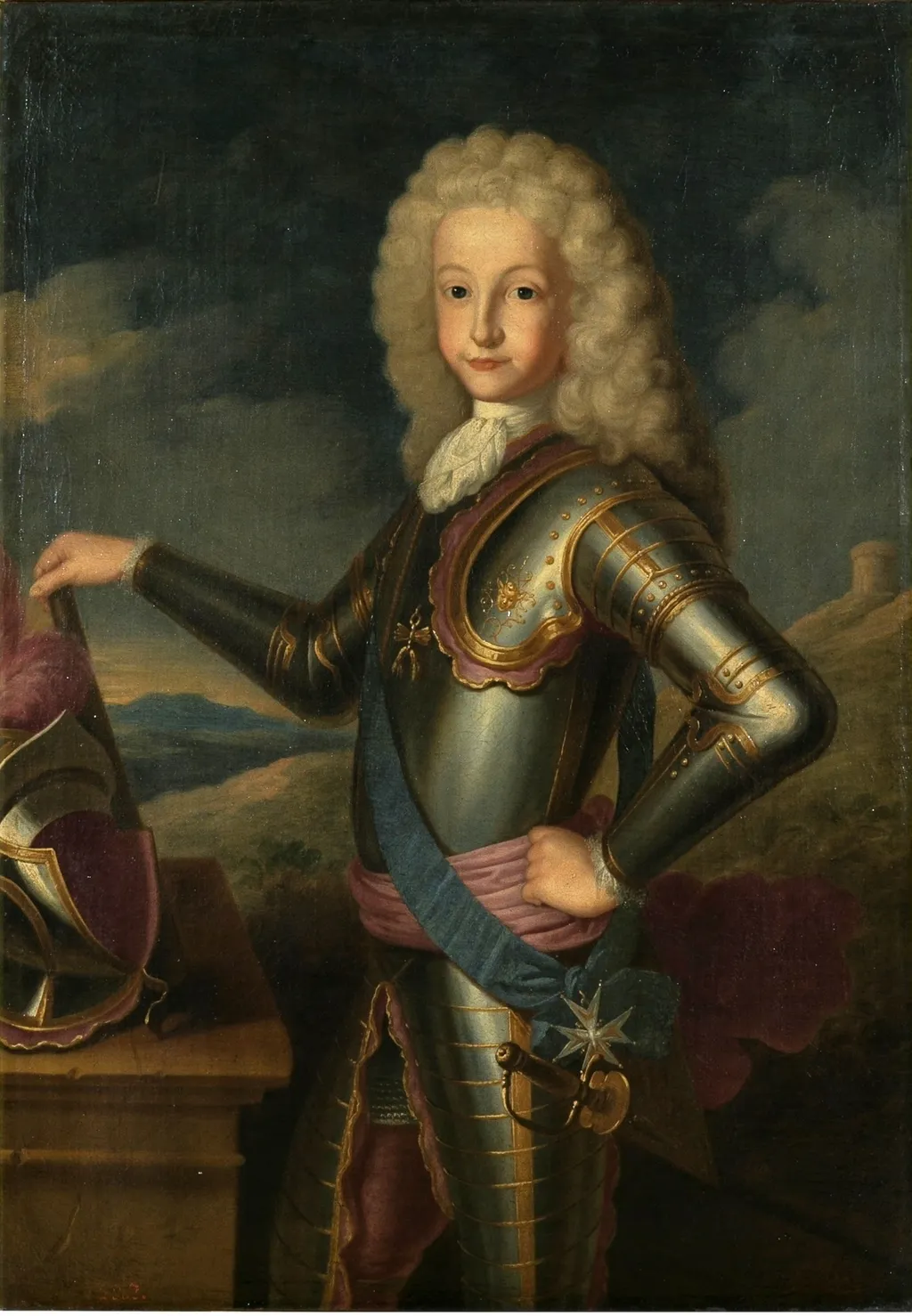
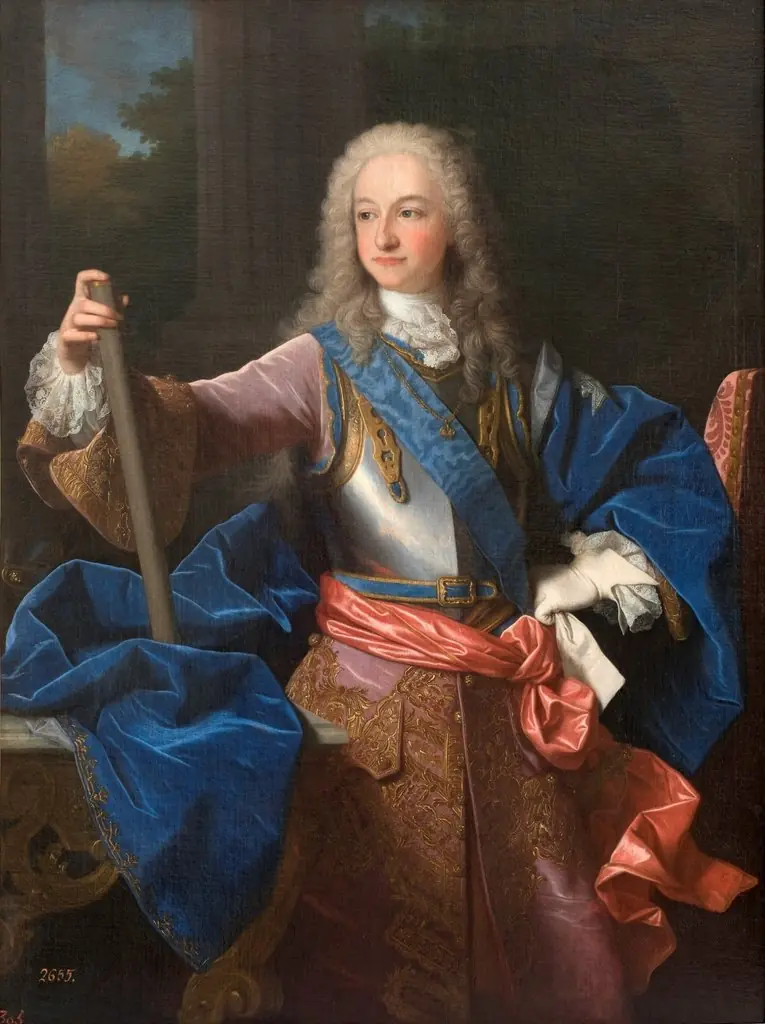
Luis I con armadura a los 10 años is an oil painting by the Rococo painting artist Michel Ange Houasse. It dates from 1717 and is held in the collection of the Museo del Prado.
About this work
Overview
Luis I con armadura a los 10 años is a 1717 oil painting by Michel Ange Houasse, depicting the ten-year-old future King Louis I of Spain in ornate armor. The work, characterized by elegant refinement, showcases Houasse's skill in royal portraiture during his tenure at the Spanish court of Philip V.
Subject & Meaning
The painting portrays Louis I at ten, dressed in intricately detailed armor with gold accents and a blue ribbon, conveying pride and nobility. Accompanied by a helmet on a nearby table, the young prince's confident pose suggests readiness for battle, emphasizing his royal and martial heritage.
Technique & Style
Executed in the Rococo style with influences from Flemish Baroque, the painting features meticulous armor details and a serene landscape background. The use of chiaroscuro (strong contrasts between light and dark) enhances the subject's presence and the luxurious quality of the armor.
History & Provenance
Created in 1717 while Houasse worked at the Spanish court, the painting is now part of the Museo del Prado's collection. Houasse, summoned to Madrid in 1715, was known for portraits and pastoral scenes reflecting his French training and Flemish influences.
Context
Painted during Houasse's time at the court of Philip V, the work reflects the artistic tastes of the Spanish monarchy in the early 18th century, blending French and Flemish artistic traditions with Spanish royal patronage.
Legacy
As a portrait of a future king in his youth, *Luis I con armadura a los 10 años* contributes to the historical record of Spanish monarchy's visual representation during the Bourbon dynasty's early years. Its style and technique place it within the broader European Rococo movement.
Artist & collection
Artist
Michel Ange Houasse (1680–1730) was a French painter, most of whose career was spent at the court of Philip V of Spain, who summoned him to the court in Madrid in 1715 whilst he was still Philip of Anjou.

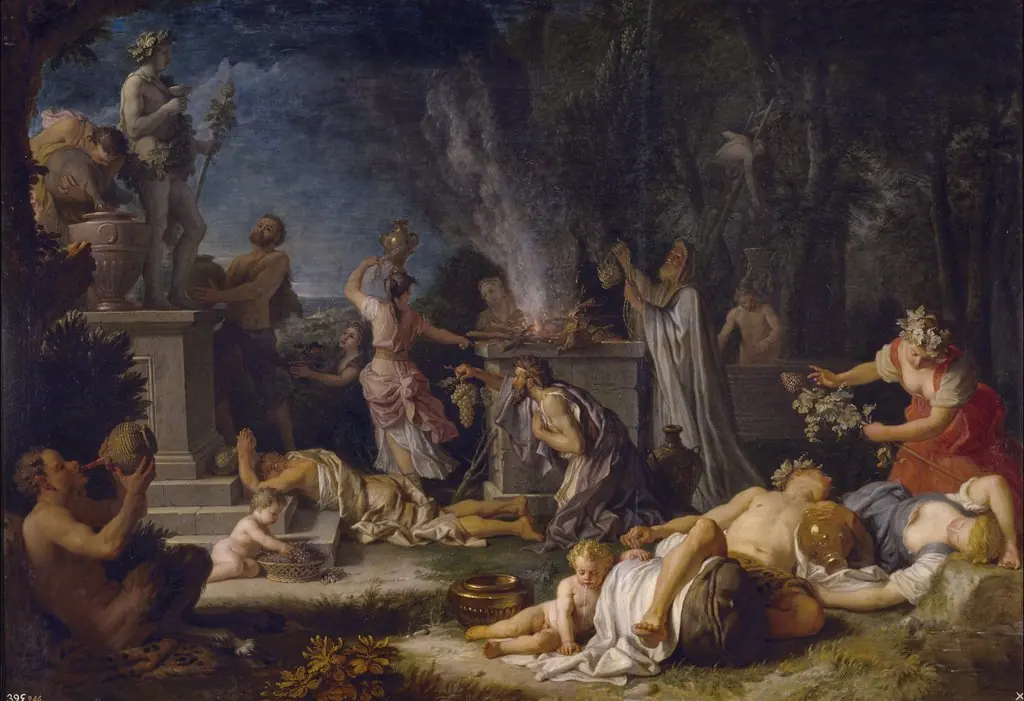 Offering to Bacchus
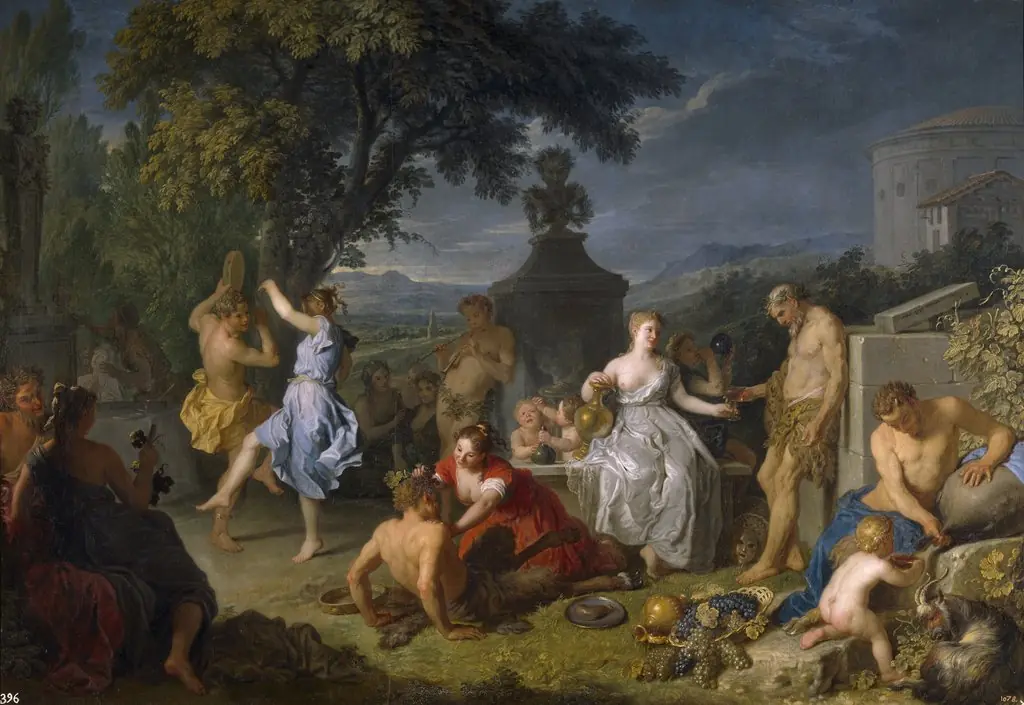 Bacchanal
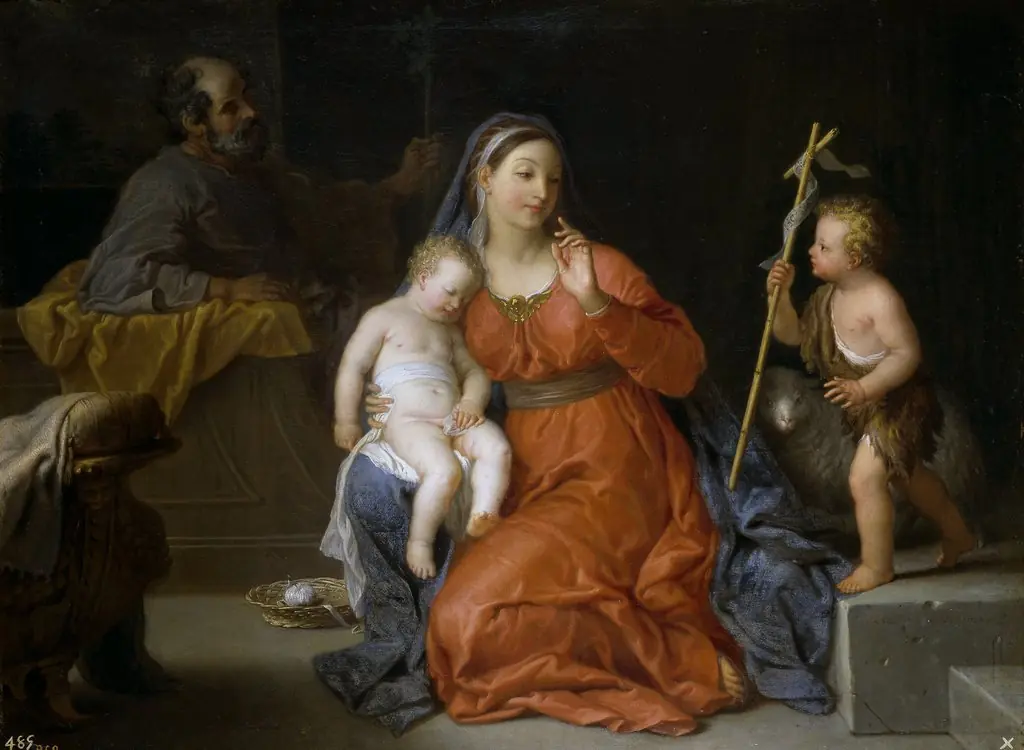 The Holy Family with the Infant Saint John the Baptist
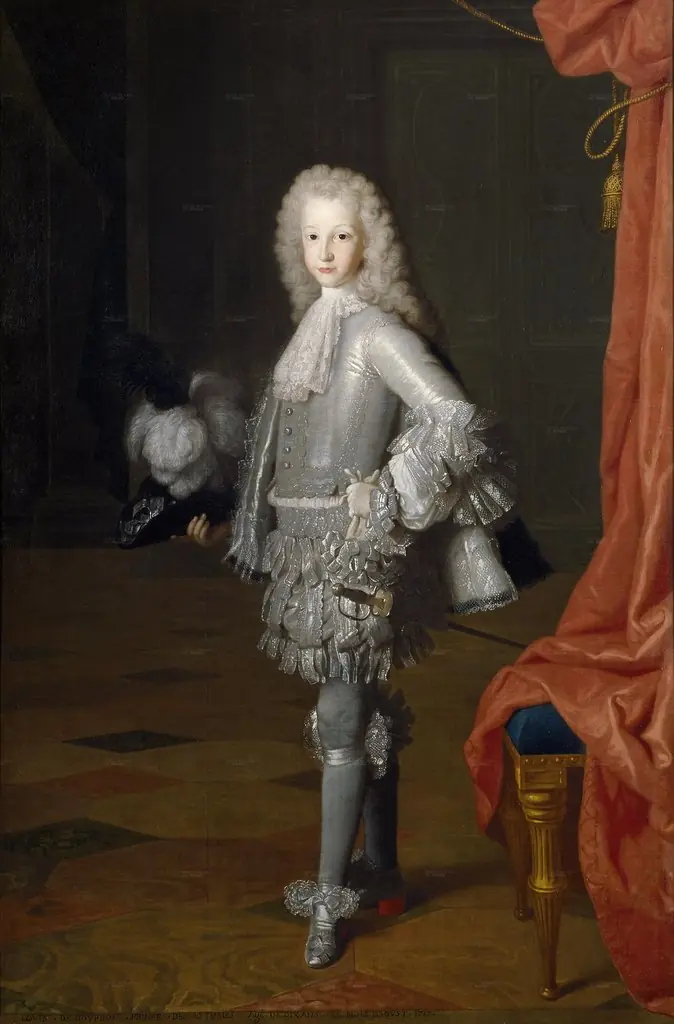 Louis I, Prince of Asturias
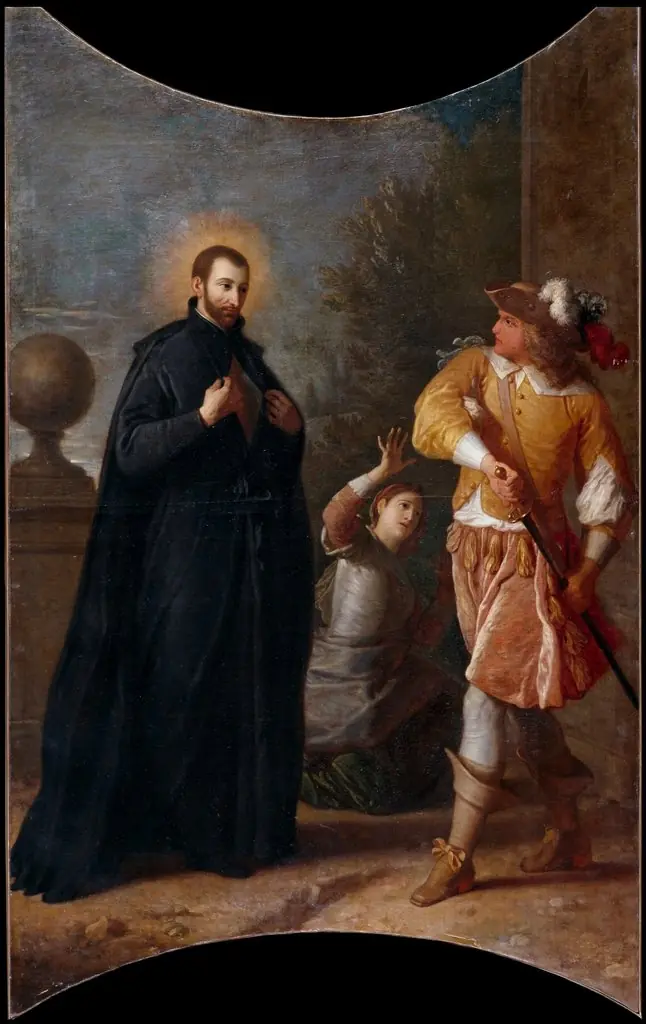 Milagro de san Francisco de Regis
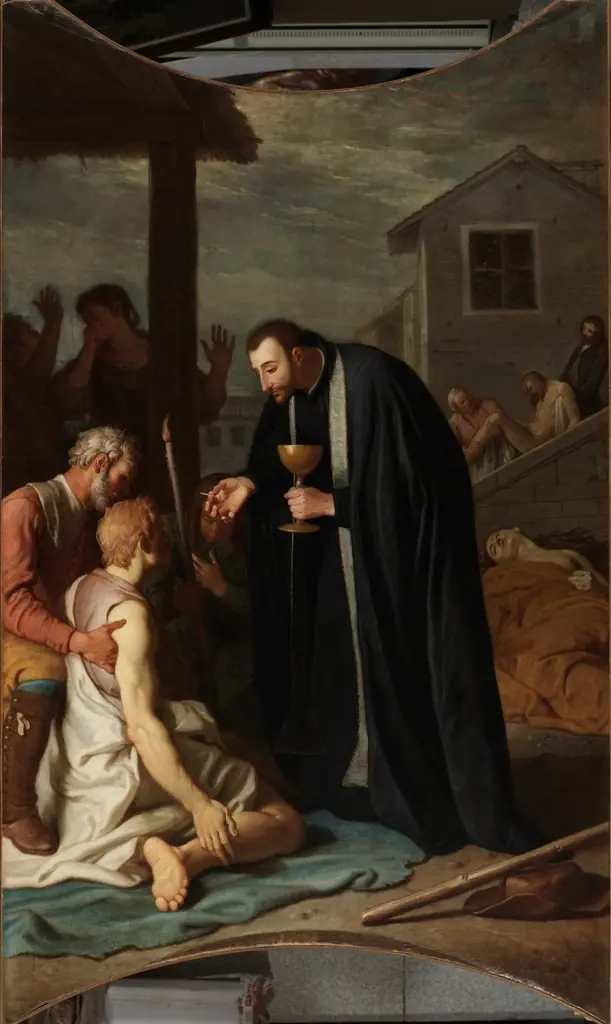 San Francisco de Regis dando la comunión a un tullido
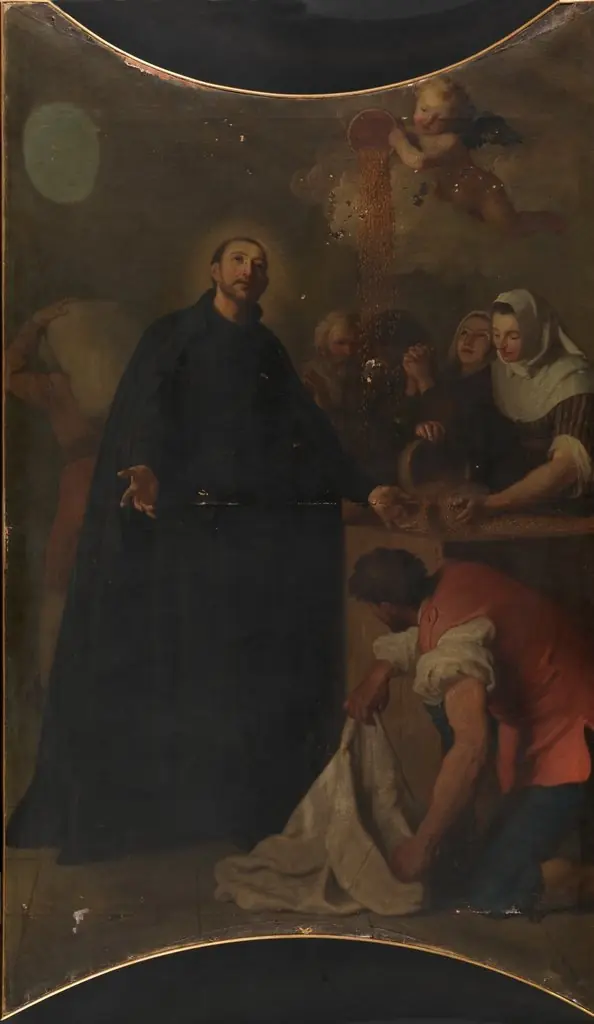 Multiplicación del trigo en la ciudad de Puy por san Francisco de Regis
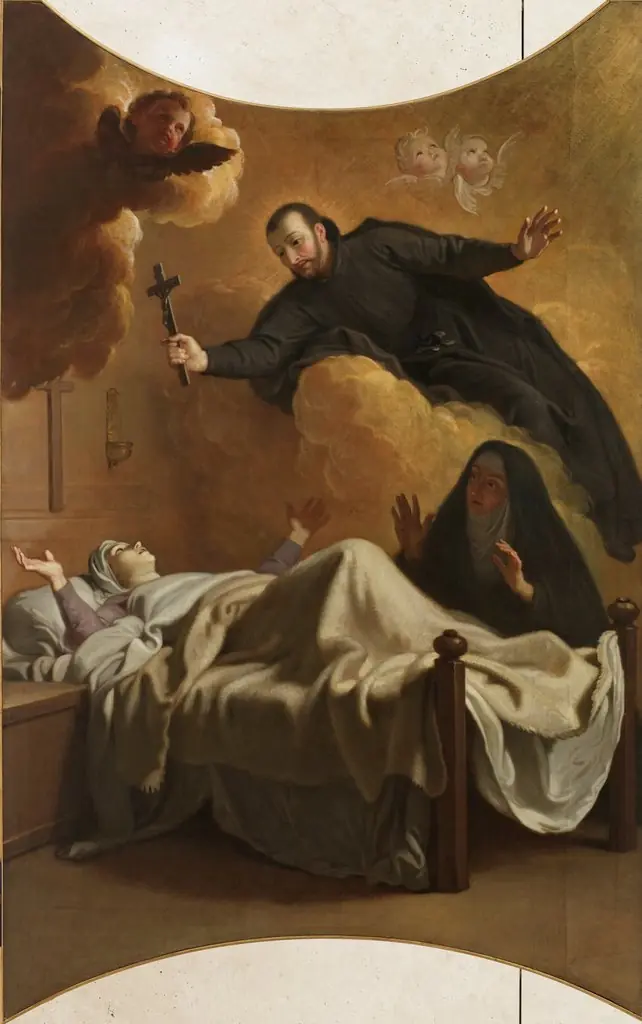 Aparición de san Francisco de Regis a la madre Momplaisant
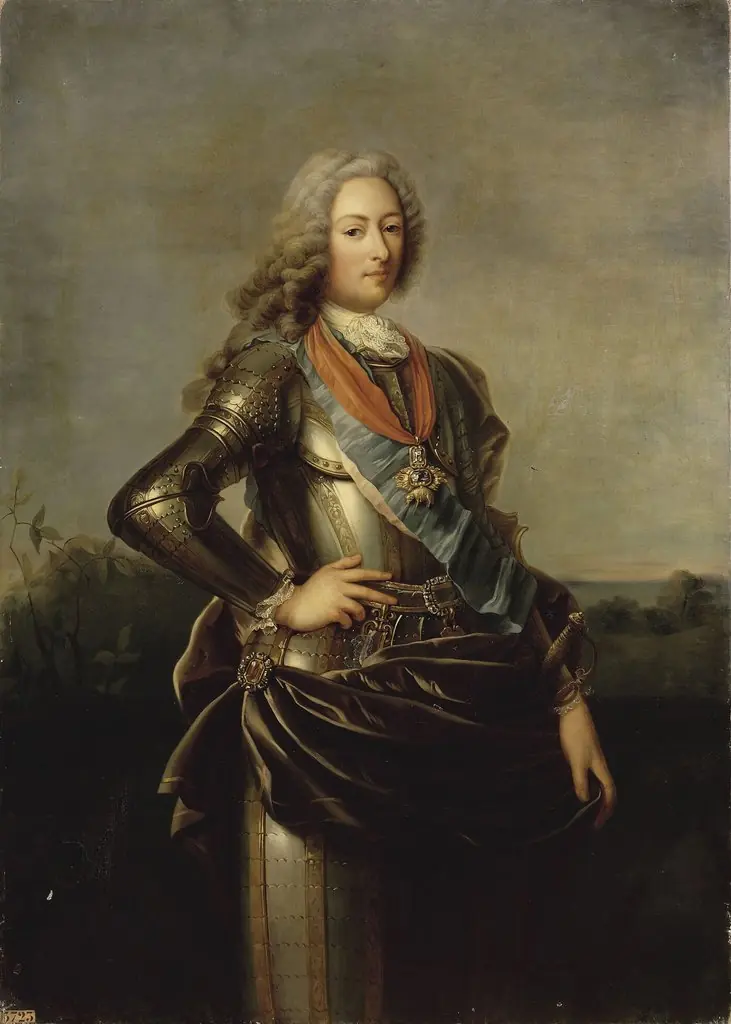 Louis of Orleans, Duke of Orleans
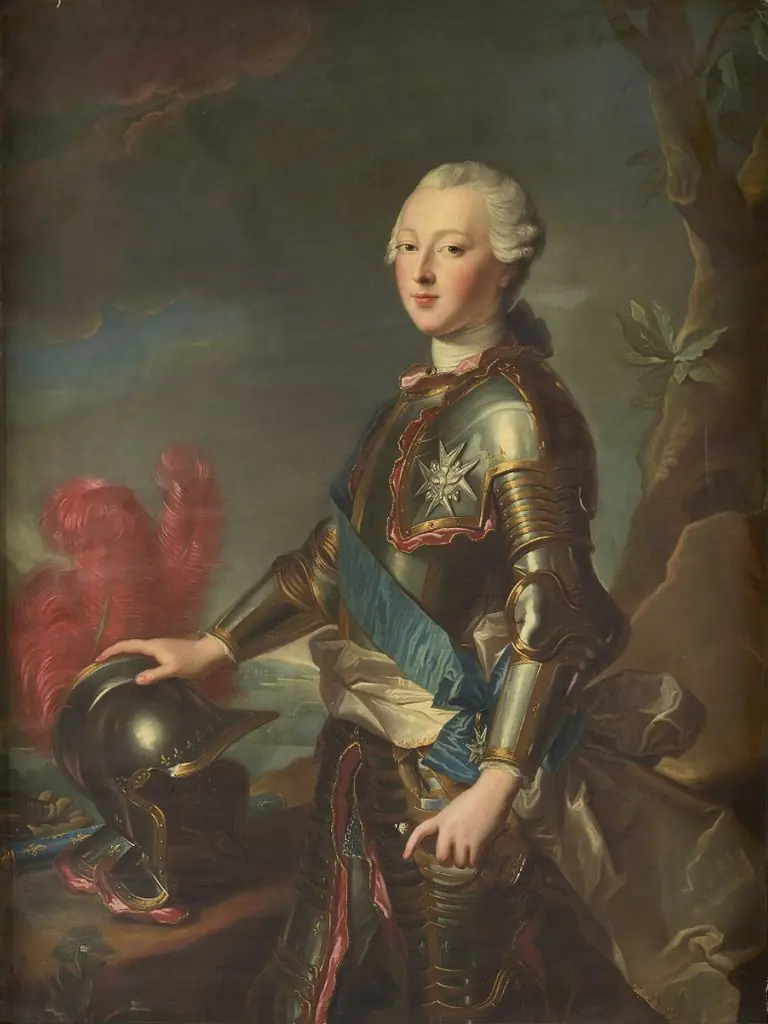 Louis V-Joseph de Bourbon, VIIIe prince de Condé
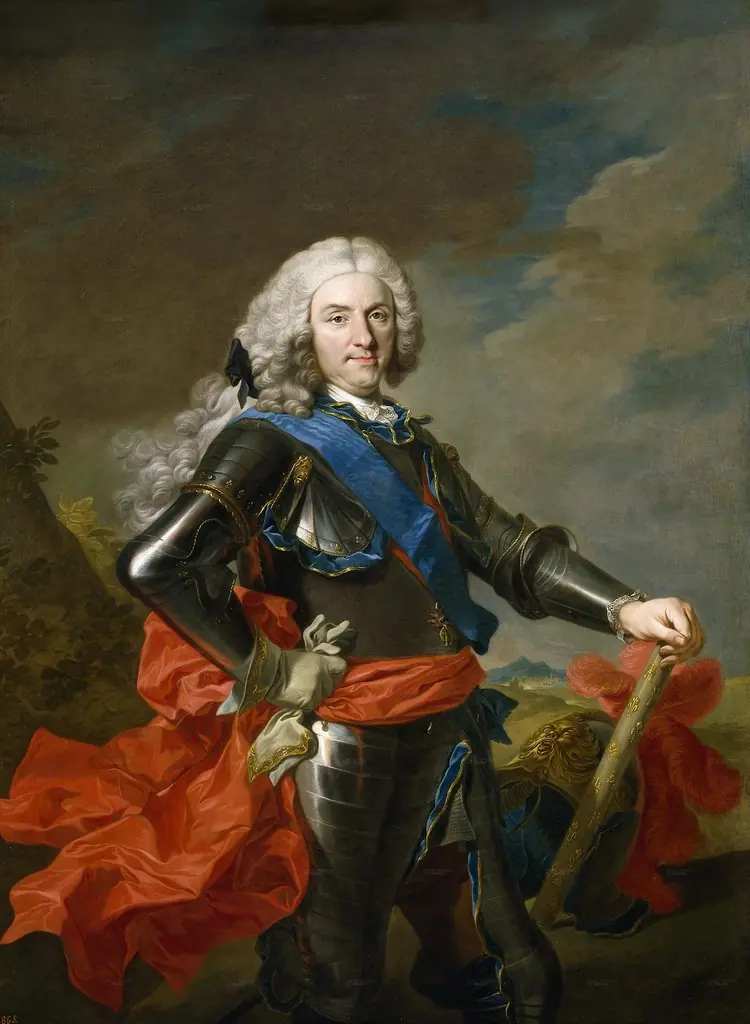 Felipe V, King of Spain
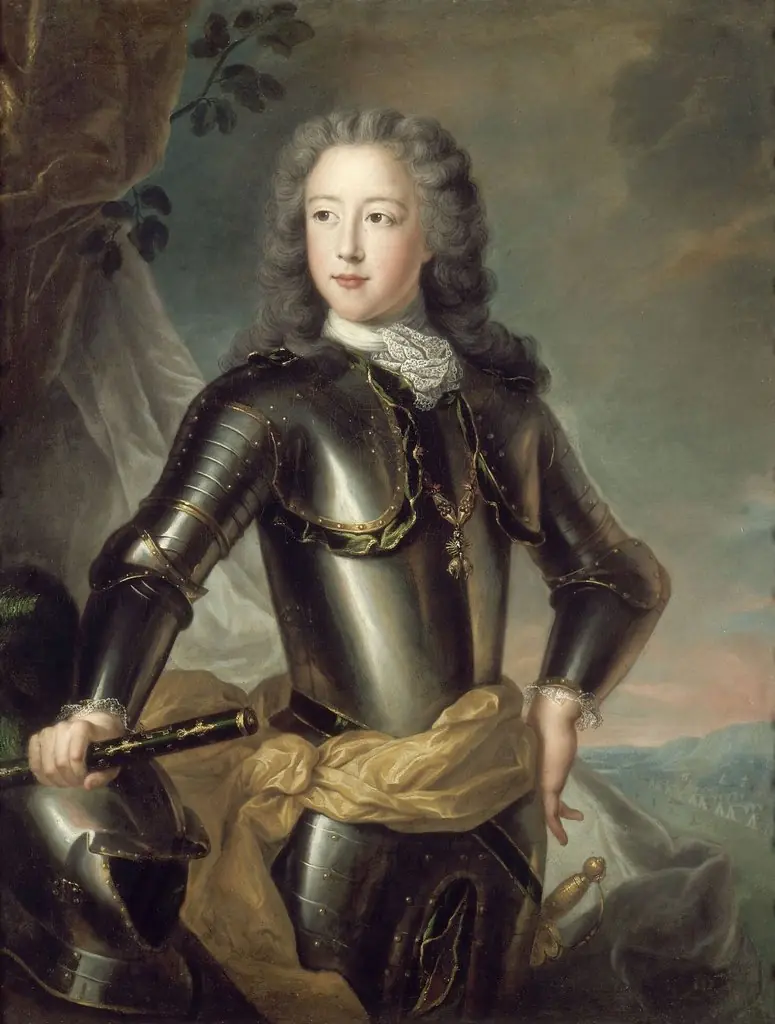 Portrait of Léopold Clément (1707-1723), Hereditary Prince of Lorraine
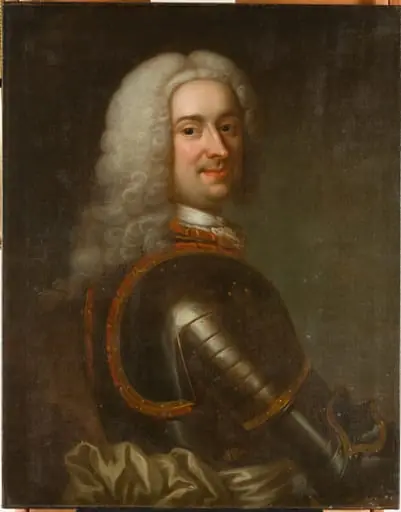 Portrait Münchhausen Kopie
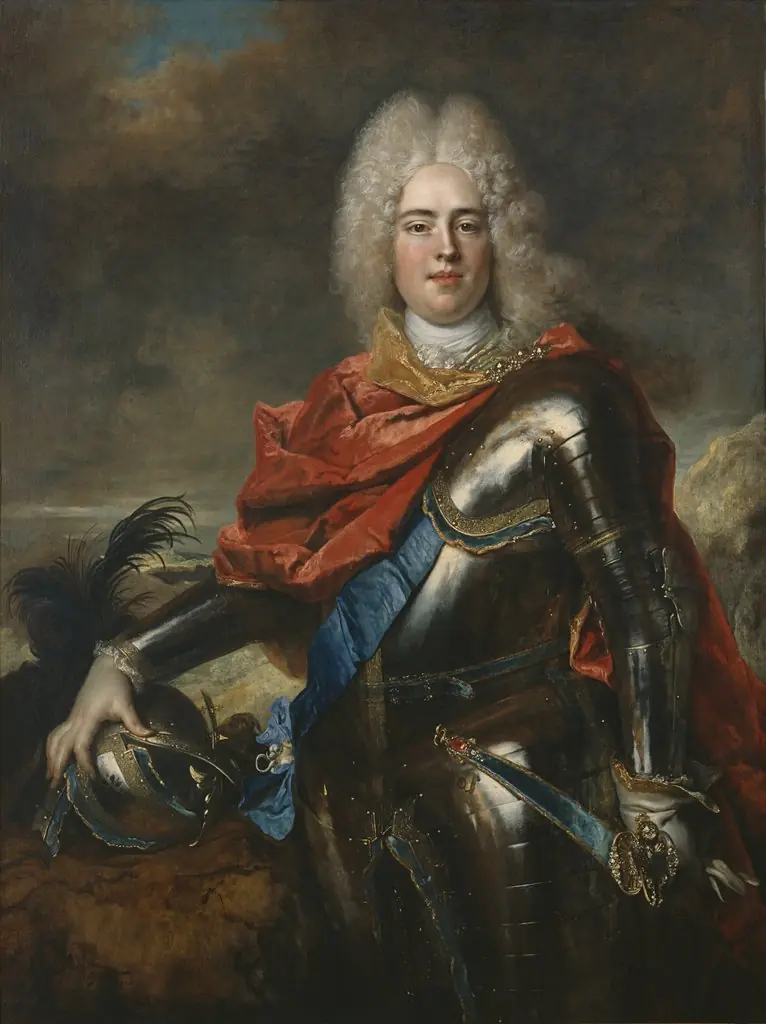 Crown Prince Frederick Augustus of Saxony
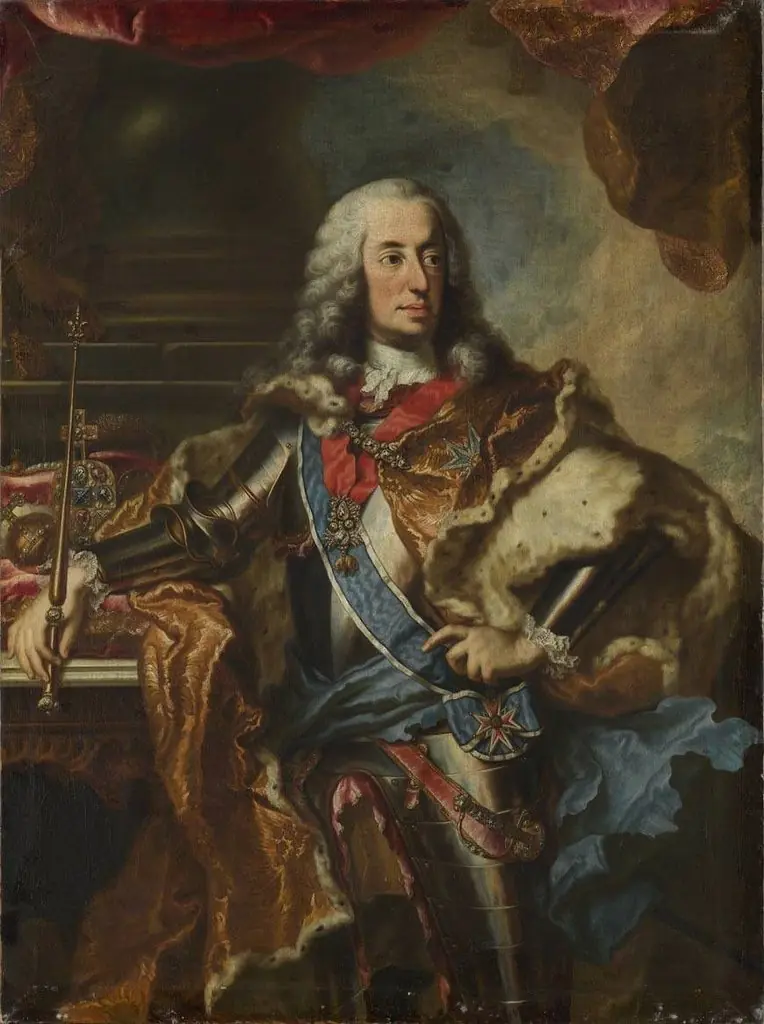 Kurfürst Karl Albrecht als Kaiser Karl VII. (1697-1745)
 Portrait of Prince Louis of Spain
 Jacques de Fitz-James, duc de Berwick
 Philip V, King of Spain
 Prins Carl. Frederik IV's broder
 Portrait of James FitzJames, 1st Duke of Berwick (1670-1734)