Artwork
Felipe de Orléans regente de Francia
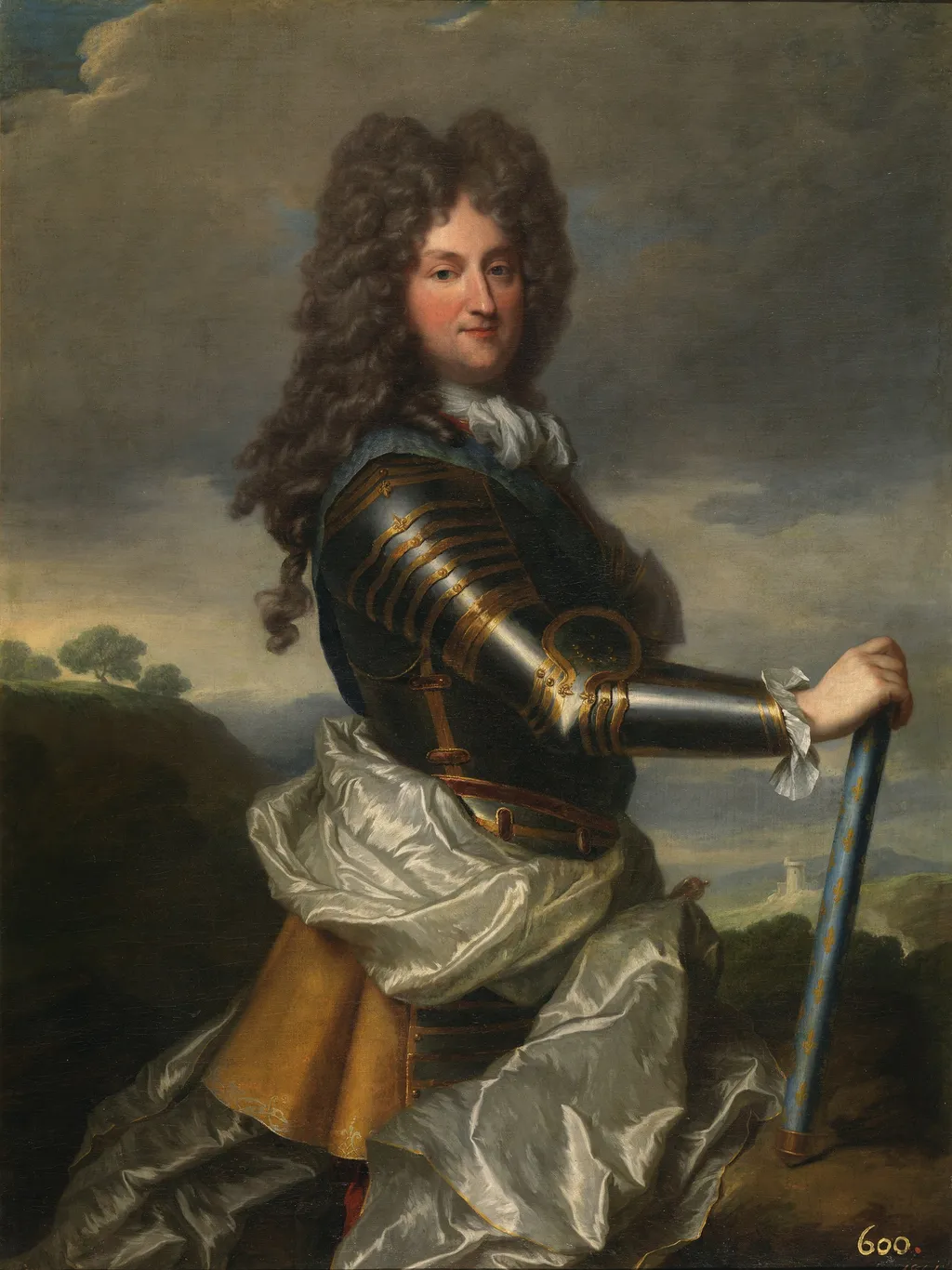
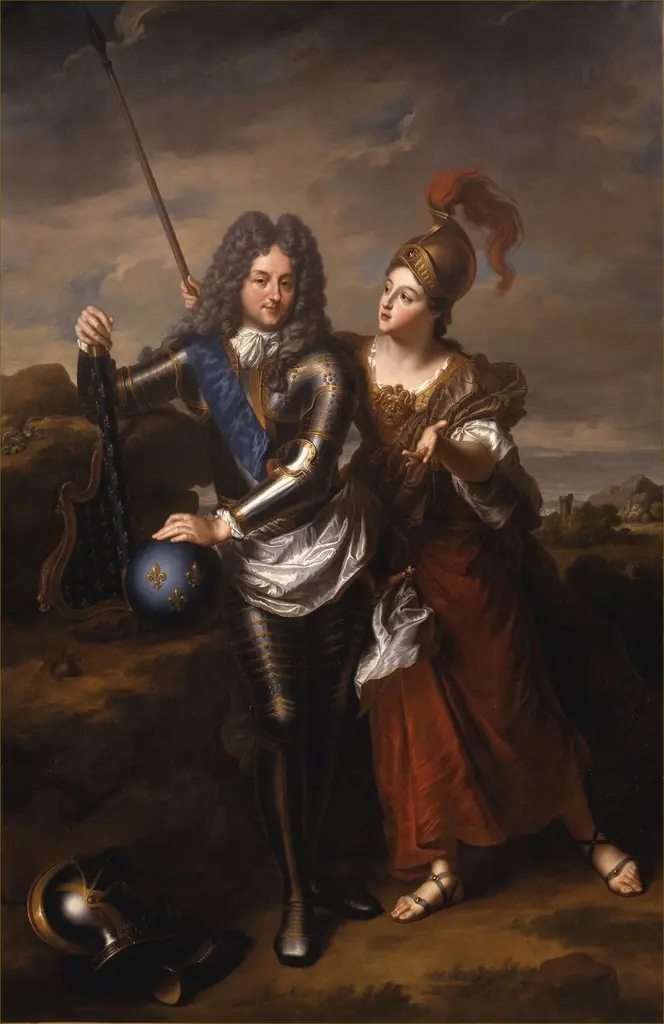
Felipe de Orléans regente de Francia is an oil painting by the Rococo painting artist Jean-Baptiste Santerre. It dates from 1715 and is held in the collection of the Museo del Prado.
About this work
Overview
Painted in 1715 by Jean-Baptiste Santerre, this oil portrait captures Philippe d’Orléans during his tenure as regent of France.
Painted in 1715 by Jean-Baptiste Santerre, this oil portrait captures Philippe d’Orléans during his tenure as regent of France. Santerre, trained in the French academic tradition and influenced by Italian and Netherlandish styles, rendered the subject with a refined naturalism characteristic of early Rococo portraiture. The work resides in the Museo del Prado’s collection, where it stands as a documented example of French court imagery from the transition period after Louis XIV’s death.
Subject & Meaning
The portrait depicts Philippe d’Orléans, uncle to the young Louis XV, in his role as regent governing France during the monarch’s minority. Dressed in ornate armor, he holds a ceremonial staff draped with fabric—symbolizing authority without overt militarism. His composed demeanor and relaxed posture convey stability and calm leadership, aligning with the political need to project order during a fragile succession.
Technique & Style
Santerre employed subtle chiaroscuro to model the regent’s form, enhancing the three-dimensionality of his armor and wig. The silver and deep blue textiles are rendered with delicate brushwork, capturing reflective surfaces without excessive glitter. The background’s hazy sky and distant trees soften the composition, directing focus to the figure. This restrained elegance reflects Santerre’s synthesis of French precision with Italian tonal harmony.
History & Provenance
Commissioned shortly after Philippe assumed the regency in 1715, the painting likely served to legitimize his authority through visual representation. It entered the Spanish royal collection in the 18th century, possibly as a diplomatic gift or through acquisition by Spanish agents in France. Its presence in the Prado since the 19th century confirms its recognition as a significant portrait of French political life.
Context
The painting emerges during a period of political transition, as France moved from the absolutism of Louis XIV to a more decentralized regency. Portraits like this were tools of political messaging, balancing aristocratic grandeur with accessible humanity. Santerre’s style, less theatrical than court painters like Rigaud, aligned with emerging tastes favoring intimacy and naturalism over rigid formality.
Legacy
Though Santerre is less known today than his contemporaries, this portrait remains a key example of early 18th-century French portraiture outside the Versailles mainstream. It illustrates how artists navigated the shift from Baroque grandeur to Rococo subtlety, capturing not just likeness but the nuanced role of a regent caught between tradition and change.
Own this work as a print
Artist & collection
Artist
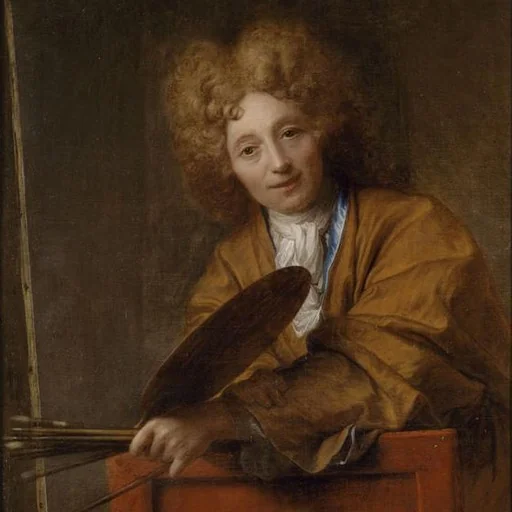
Jean-Baptiste Santerre (French pronunciation: ; 23 March 1651 – 21 November 1717) was a French painter and draughtsman of the Style Louis XIV, known for his history paintings, portraits, and portrait-like genre subjects.

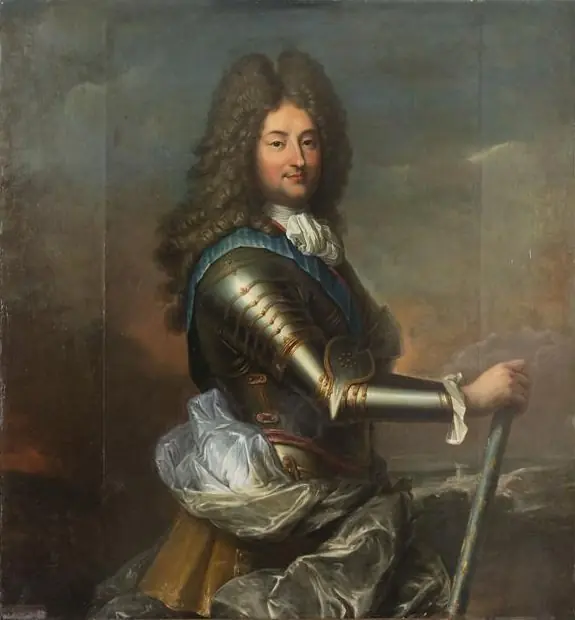 Philippe d'Orléans, duc d'Orléans, Régent (1674-1723)
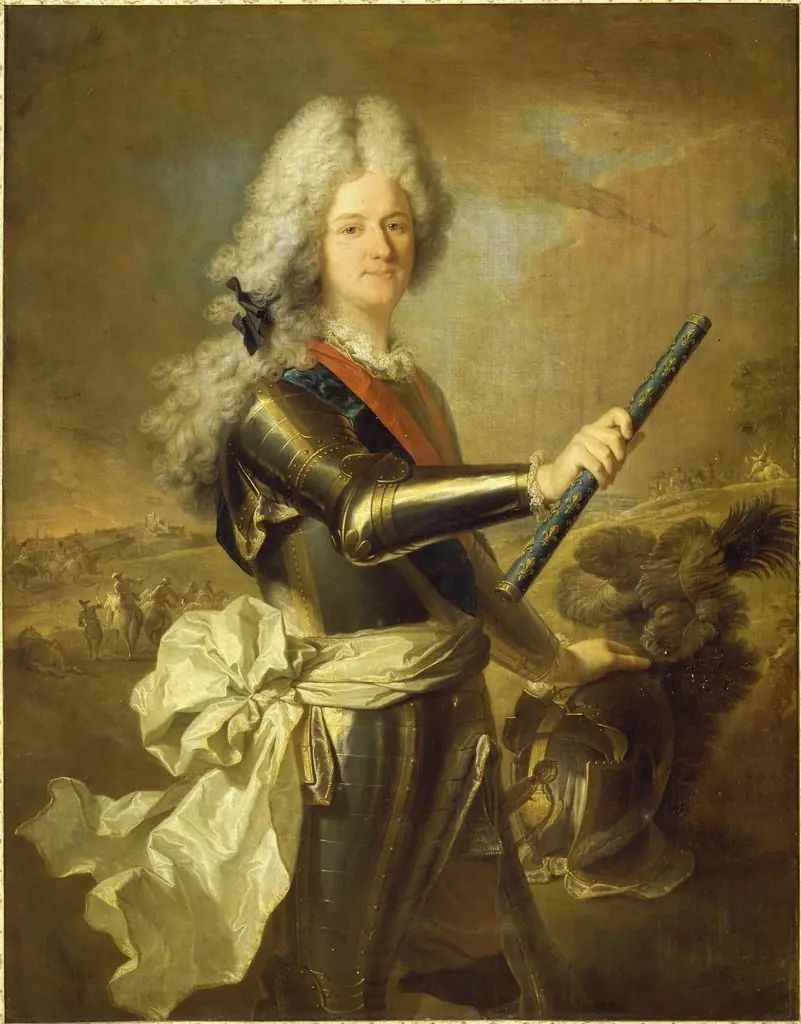 Portrait of James FitzJames, 1st Duke of Berwick (1670-1734)
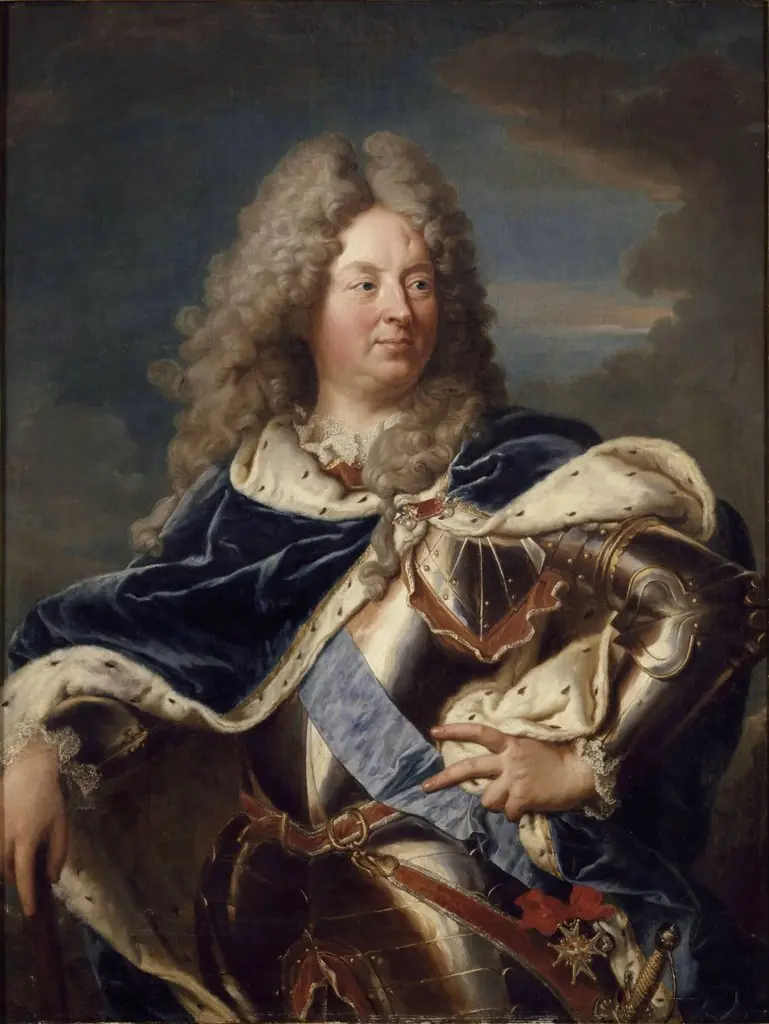 Portrait of the Duke of Antin
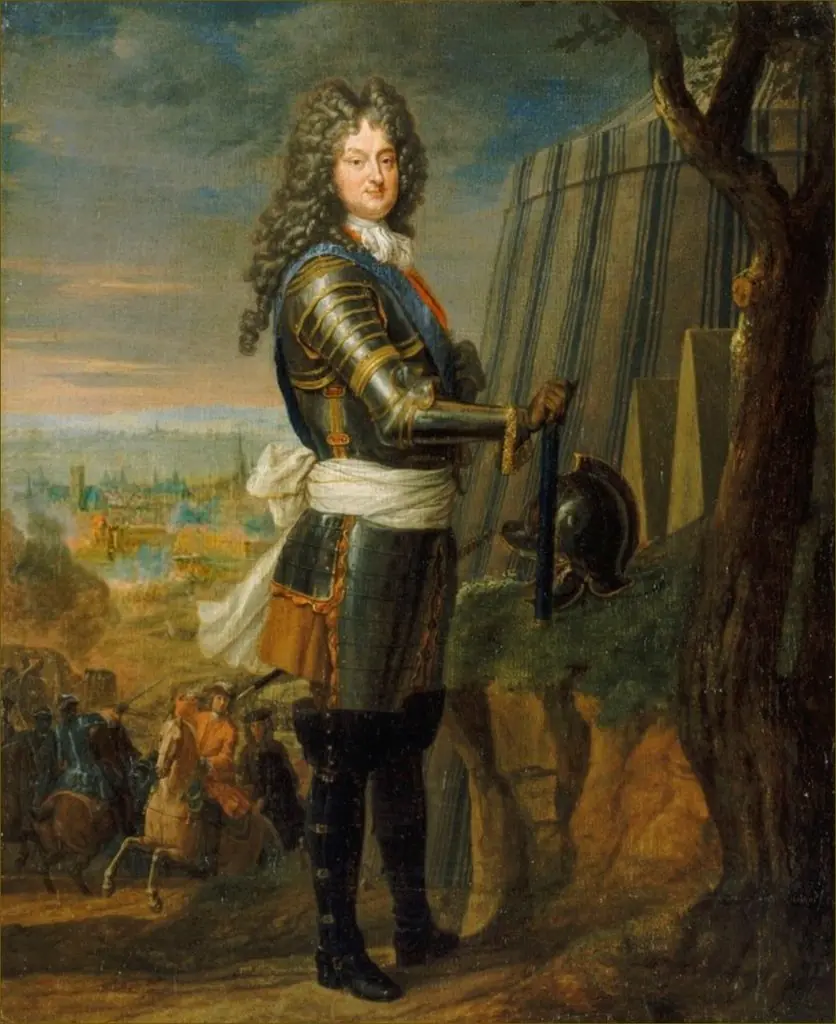 The Régent of France, Philippe d'Orléans (1674-1723)
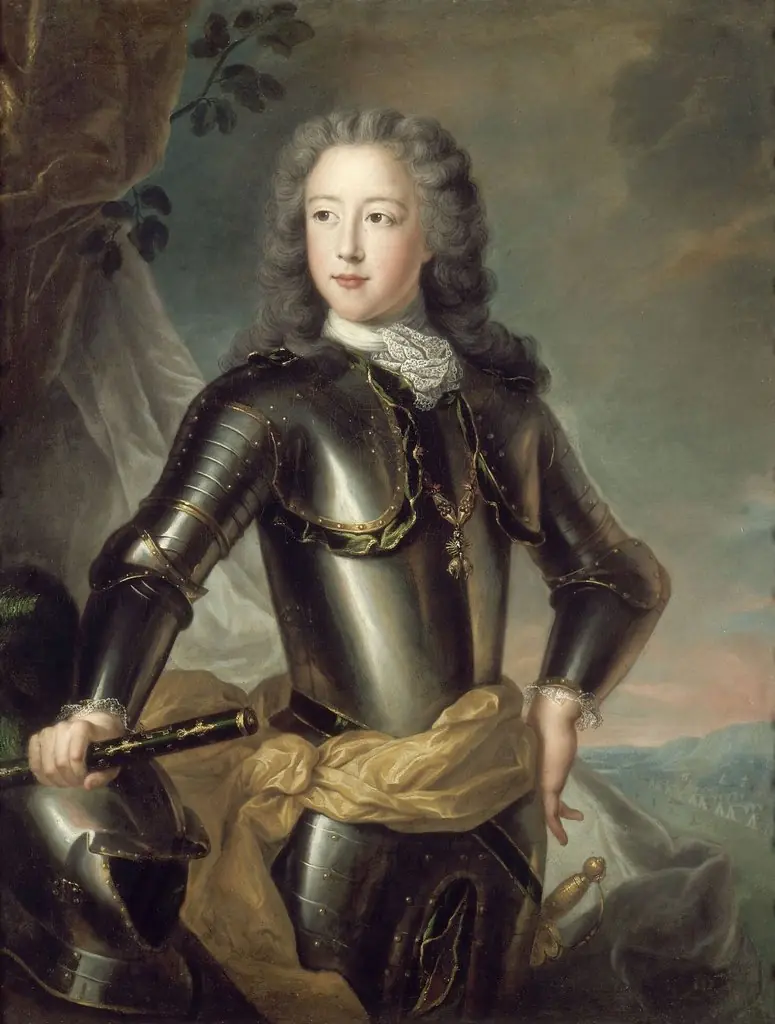 Portrait of Léopold Clément (1707-1723), Hereditary Prince of Lorraine
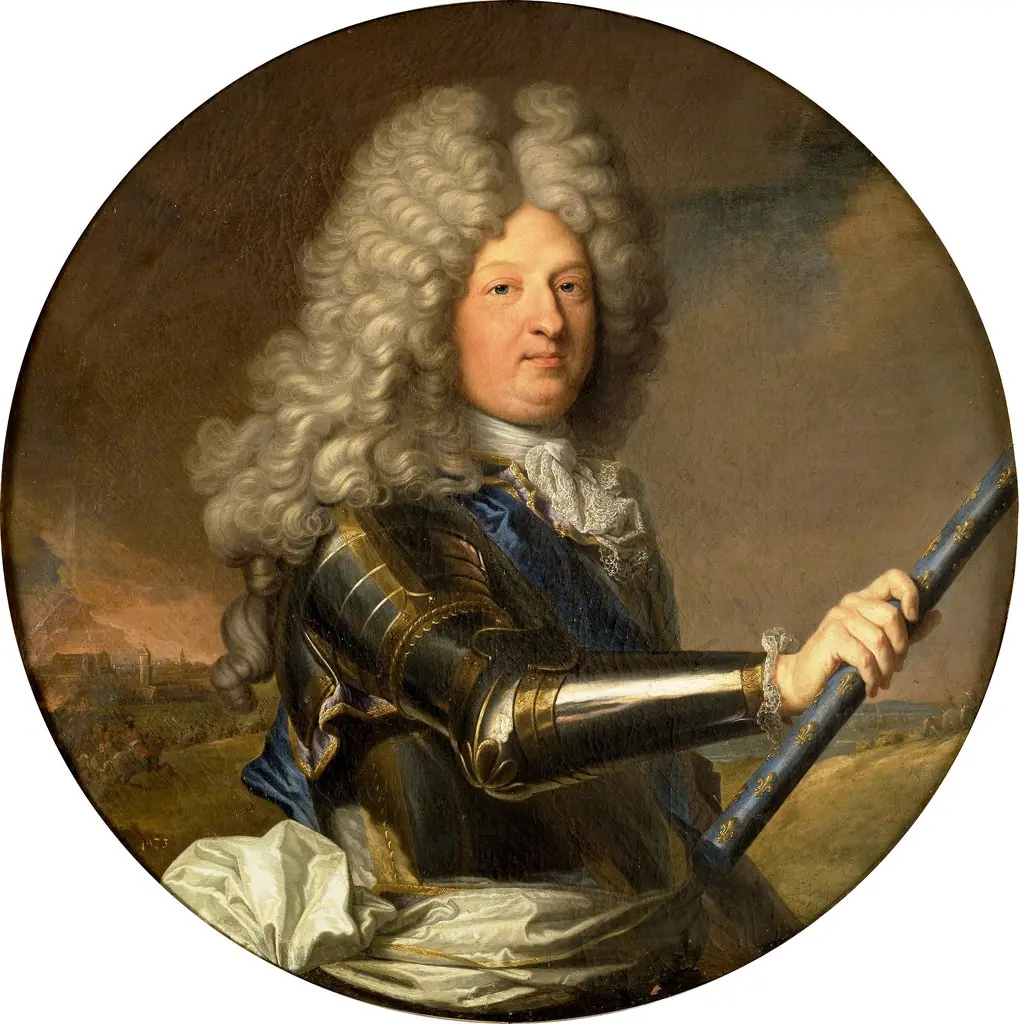 Portrait of Louis of France, Grand Dauphin
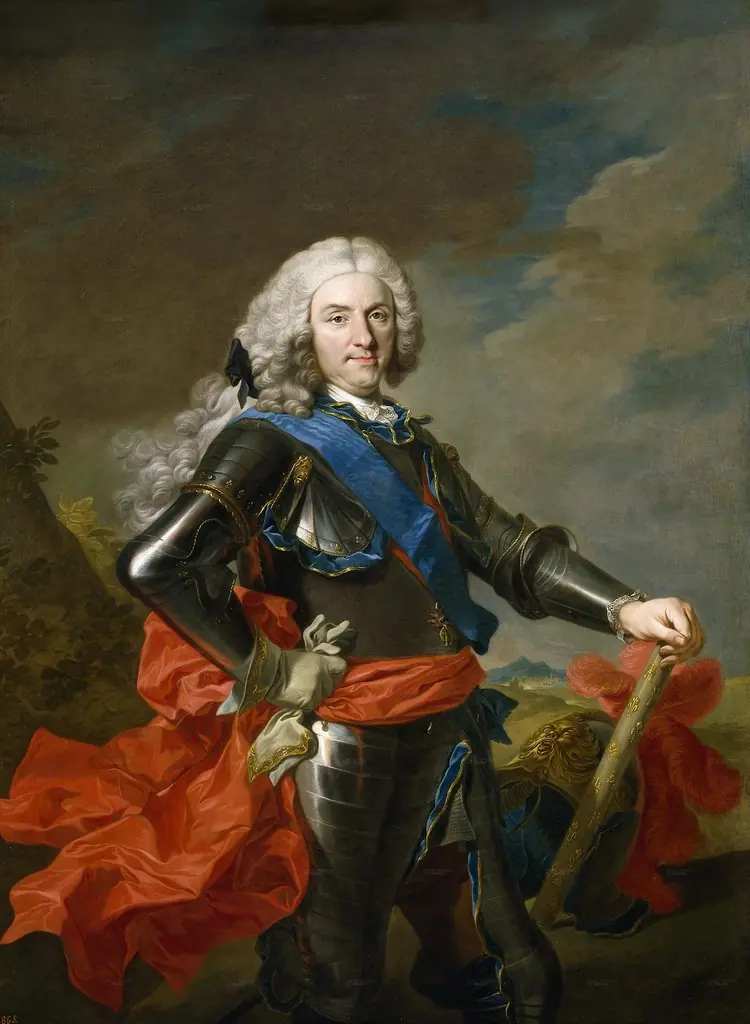 Felipe V, King of Spain
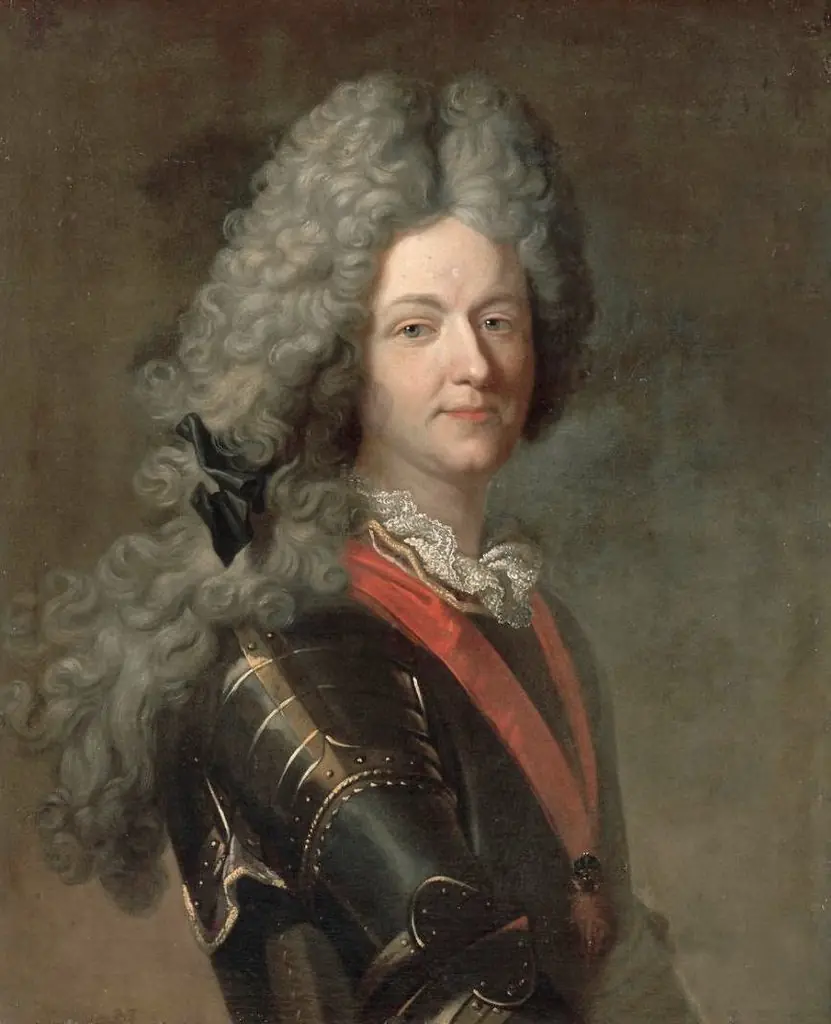 Jacques de Fitz-James, duc de Berwick
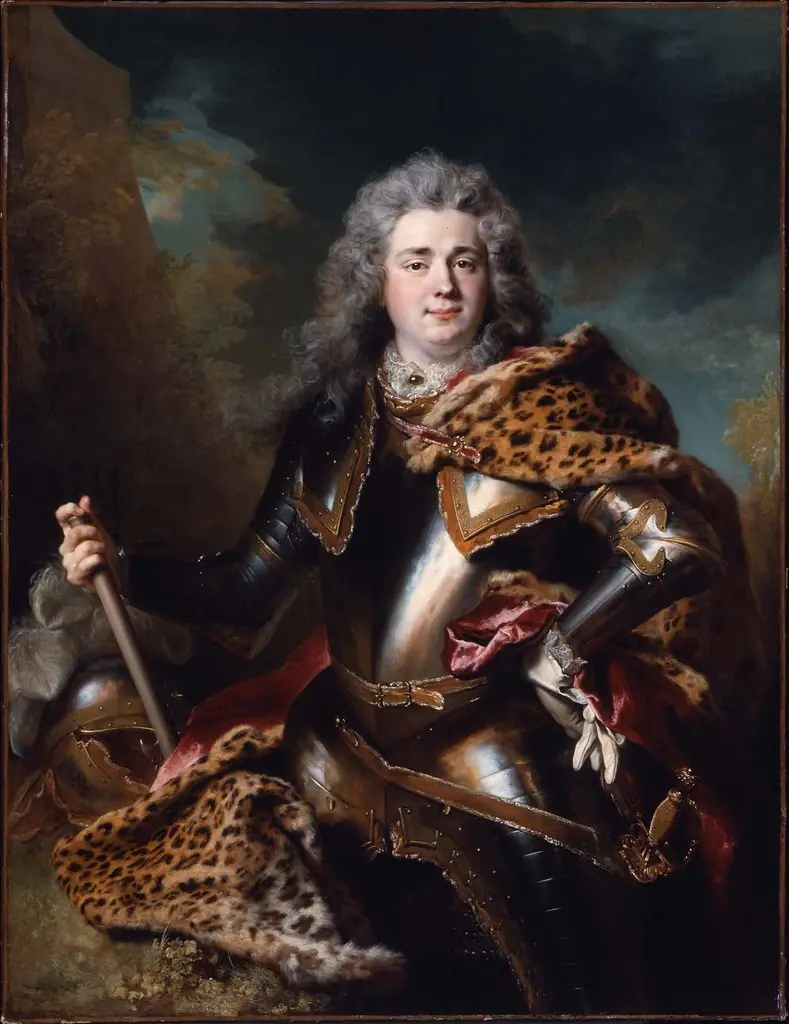 François Armand de Gontaut, Duc de Biron
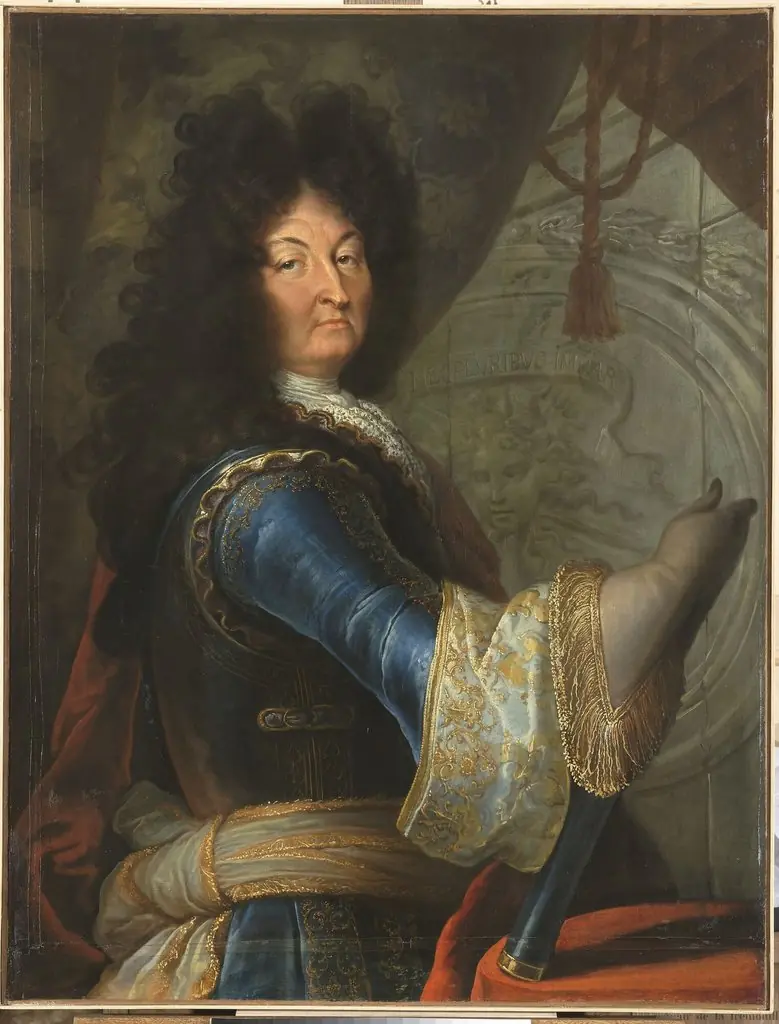 Portrait of Louis XIV of France (1638-1715)
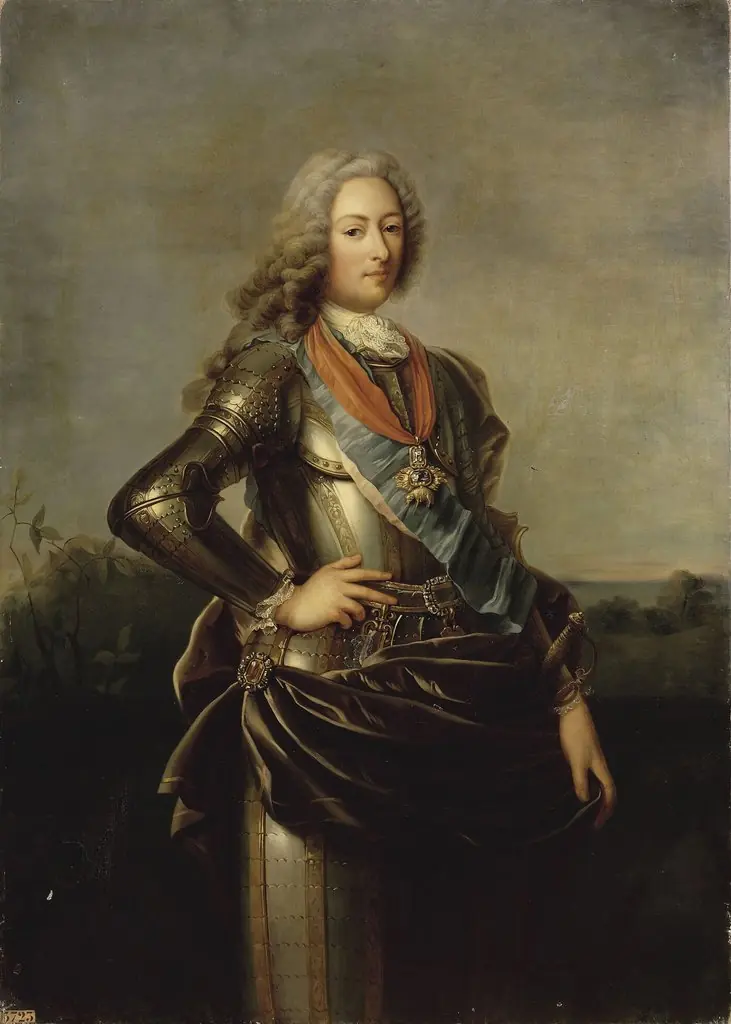 Louis of Orleans, Duke of Orleans
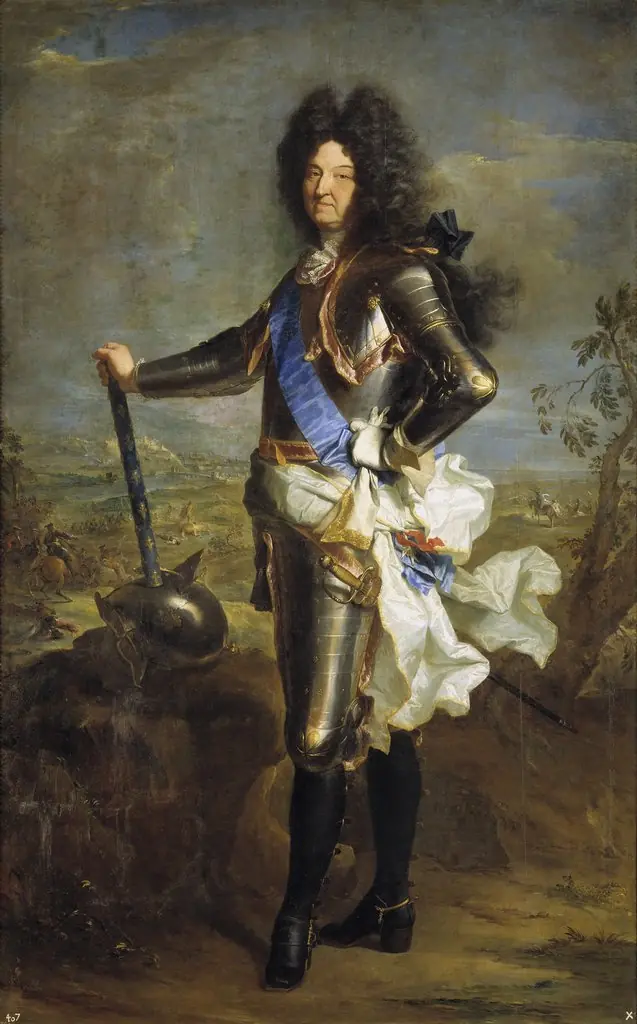 Louis XIV