Artwork
Portrait of Madame Wei Yixie
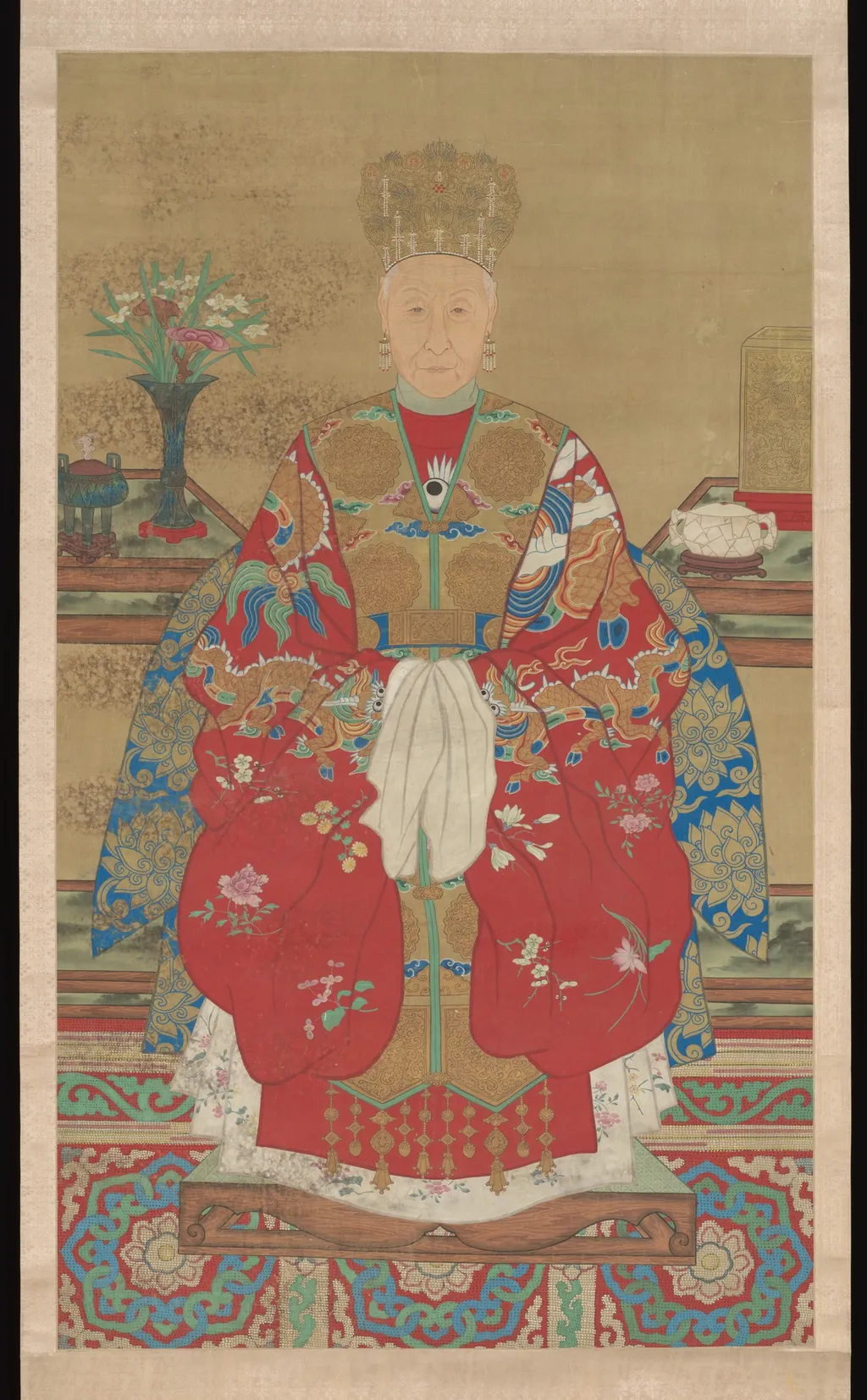
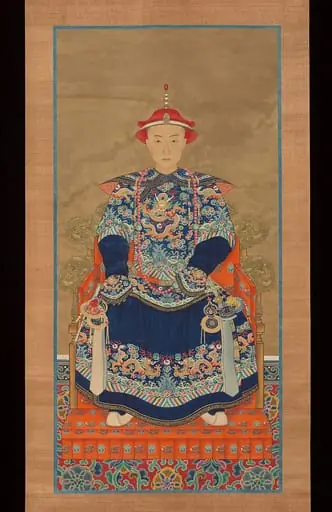
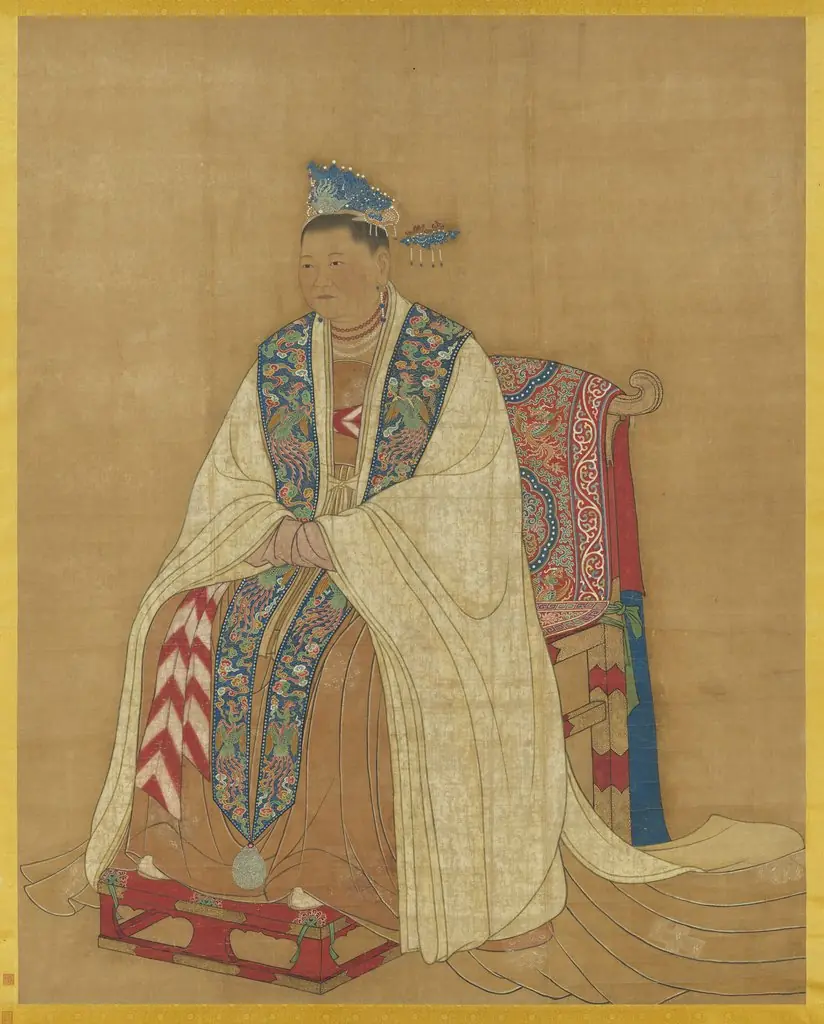
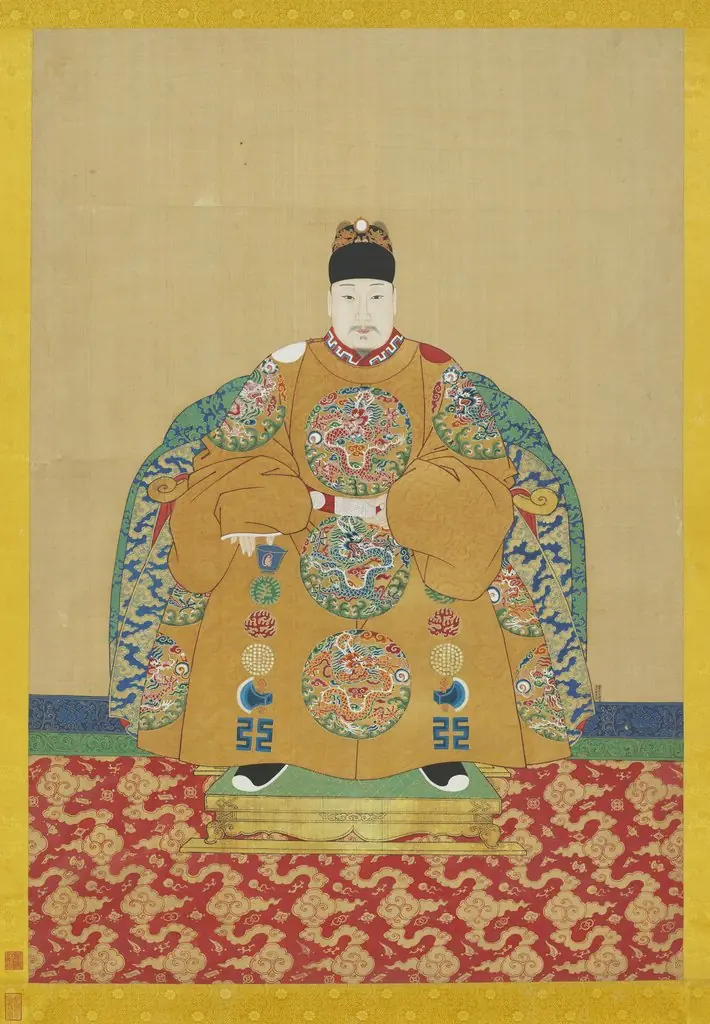
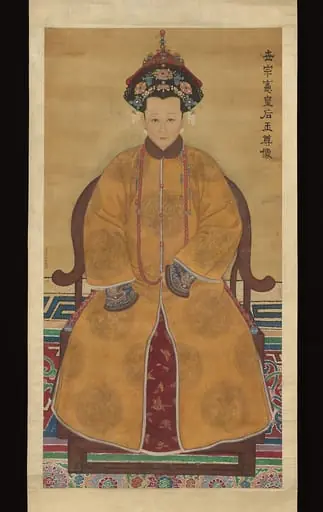
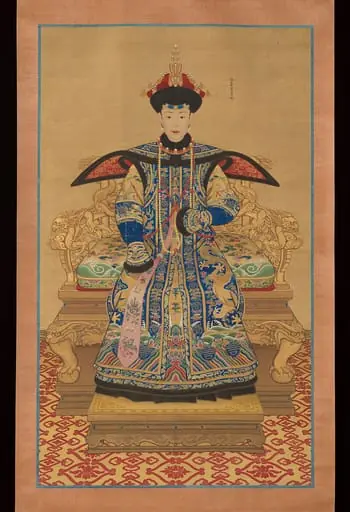
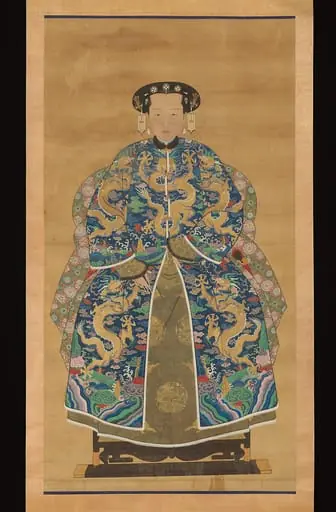
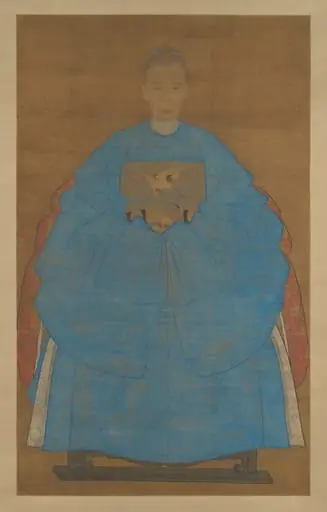
Portrait of Madame Wei Yixie is an unspecified painting by Unknown. It dates from 1849 and is held in the collection of the Metropolitan Museum of Art. This portrait depicts Madame Wei Yixie, a noblewoman of the Qing dynasty, seated on a low platform before a plain wall.
About this work
Overview
She is dressed in an elaborate red robe adorned with gold and blue embroidery, wearing a tall ceremonial crown and ornate earrings.
This portrait depicts Madame Wei Yixie, a noblewoman of the Qing dynasty, seated on a low platform before a plain wall. She is dressed in an elaborate red robe adorned with gold and blue embroidery, wearing a tall ceremonial crown and ornate earrings. A white cloth rests in her lap, and a vase of flowers sits on a low table beside her. The floor is covered with a patterned rug, grounding the composition in domestic luxury. The painting is held in the collection of The Metropolitan Museum of Art.
Subject & Meaning
Madame Wei Yixie is portrayed with solemn dignity, reflecting her status and the Confucian ideals of composure and decorum expected of elite women. The crown and richly embroidered robe signify her rank, while the white cloth may symbolize purity or ritual function. The absence of overt emotion and the formal setting emphasize her role within courtly hierarchy rather than personal identity. The floral vase introduces a subtle note of transience, common in Qing portraiture.
Technique & Style
The painting employs fine brushwork to render intricate textile patterns and delicate facial features. Colors are rich but controlled, with gold accents highlighting the robe’s embroidery and the crown’s detail. The background is deliberately minimal, directing focus to the figure and her attire. The floor rug adds texture without distraction, reinforcing the quiet formality of the scene. Lighting is even, avoiding dramatic shadows, consistent with courtly portraiture conventions of the period.
History & Provenance
The portrait was likely commissioned during the Qianlong reign (1736–1795), a time when imperial and aristocratic families commissioned formal portraits to affirm social standing. It entered The Metropolitan Museum of Art’s collection through documented acquisition, though its earlier provenance before the 20th century remains unclear. Its preservation suggests it was carefully maintained within a family or institutional context after its creation.
Context
Portraits of noblewomen during the Qianlong era often followed strict visual codes: ceremonial dress, restrained expression, and symbolic objects. These works were not merely likenesses but assertions of lineage and status within the Qing court’s rigid hierarchy. Similar portraits survive in Chinese and Western collections, often linked to court artists trained in the imperial atelier. The style reflects a fusion of traditional Chinese aesthetics with subtle influences from Jesuit-influenced realism introduced at court.
Legacy
The portrait contributes to the understanding of Qing dynasty gender and class representation through visual culture. It exemplifies how elite women were visually encoded as symbols of virtue and authority, despite limited public roles. As part of The Met’s collection, it remains a reference point for scholars studying material culture, costume, and the intersection of art and power in late imperial China.
Artist & collection

 Domestic Scene
 Giacomo and Cardinal Marco, investing Andrea, Abbot of San Zeno, with his Benefice
 The Nymph of Fontainebleau
 Portrait of a Woman
 Madonna and Child with Saints in the Enclosed Garden
 Venus and Minerva
 Family Group of Four on Sofa
 Wall painting from Room H of the Villa of P. Fannius Synistor at Boscoreale