Artwork
Quatrefoil Roundel with Arms and Secular Scenes
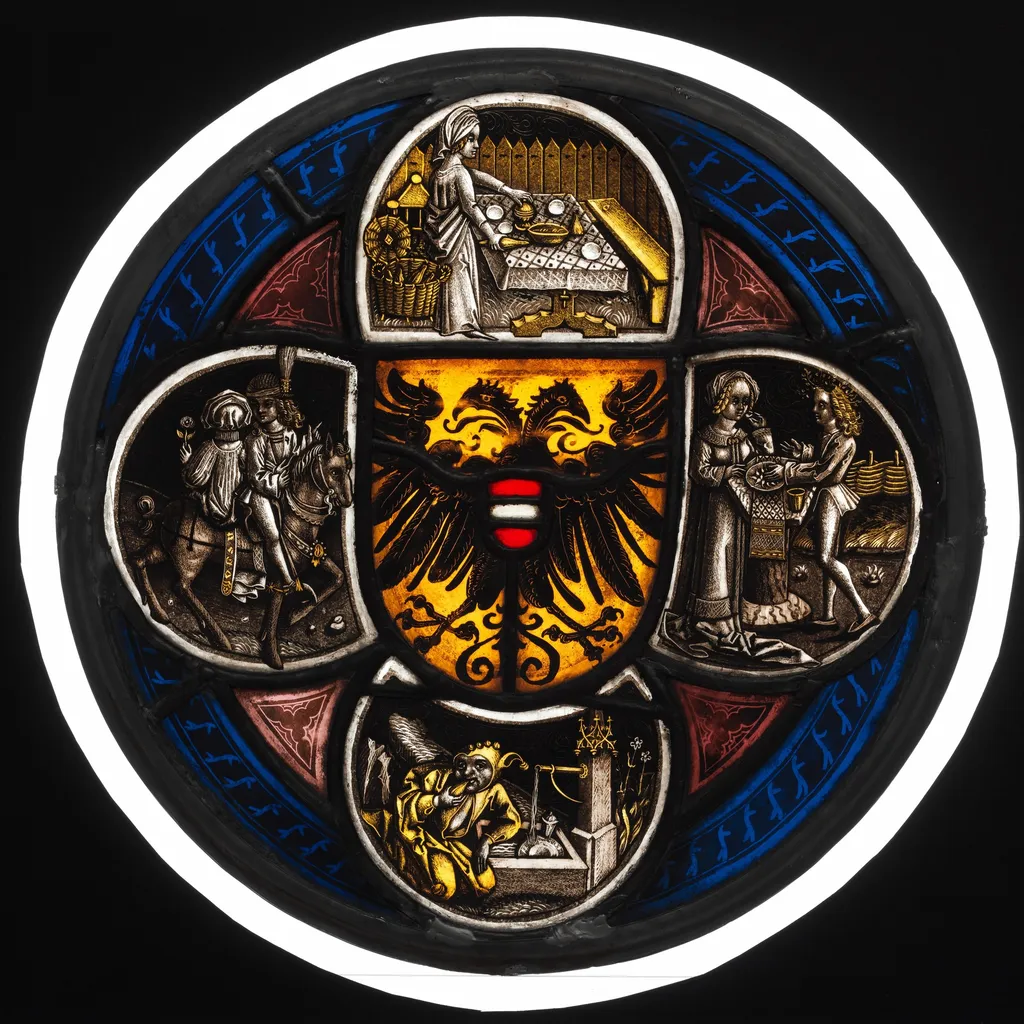
Quatrefoil Roundel with Arms and Secular Scenes is an unspecified painting. It dates from 1500 and is held in the collection of the Metropolitan Museum of Art. The work is a circular panel divided by a cross into four distinct registers, each containing a separate scene.
About this work
Overview
The work is a circular panel divided by a cross into four distinct registers, each containing a separate scene. Central to the composition is a heraldic shield rendered in red and white stripes, surmounted by a black bird. The surrounding field is a deep blue, edged with elaborate gold ornamentation that frames each quadrant.
Subject & Meaning
The left side portrays a mounted rider, while the right side features a woman carrying a basket, perhaps alluding to everyday activities or allegorical themes.
In the upper register a woman dressed in white with a head covering stands before a table laden with assorted objects, suggesting a domestic or devotional setting. The lower register shows a man in a yellow robe kneeling before an altar, indicating a liturgical act. The left side portrays a mounted rider, while the right side features a woman carrying a basket, perhaps alluding to everyday activities or allegorical themes.
Technique & Style
Executed in paint on a roundel, the piece employs a limited palette of vivid blues, reds, whites, and gold, with careful attention to line and pattern. The gold detailing outlines each quadrant and accentuates the heraldic emblem, while the figures are rendered with a stylized realism typical of late medieval or early Renaissance panel work.
History & Provenance
The roundel is part of the collection of the Metropolitan Museum of Art in New York. Its acquisition details trace back to the museum’s early 20th‑century purchases of European decorative panels, though the original patron or workshop remains unidentified.
Context
Such quadripartite roundels were commonly used as decorative elements in ecclesiastical or secular settings, integrating heraldic display with narrative scenes. The combination of religious motifs, everyday life, and a coat of arms reflects the multifunctional role of art objects in representing status, piety, and communal identity during the period.
Artist & collection

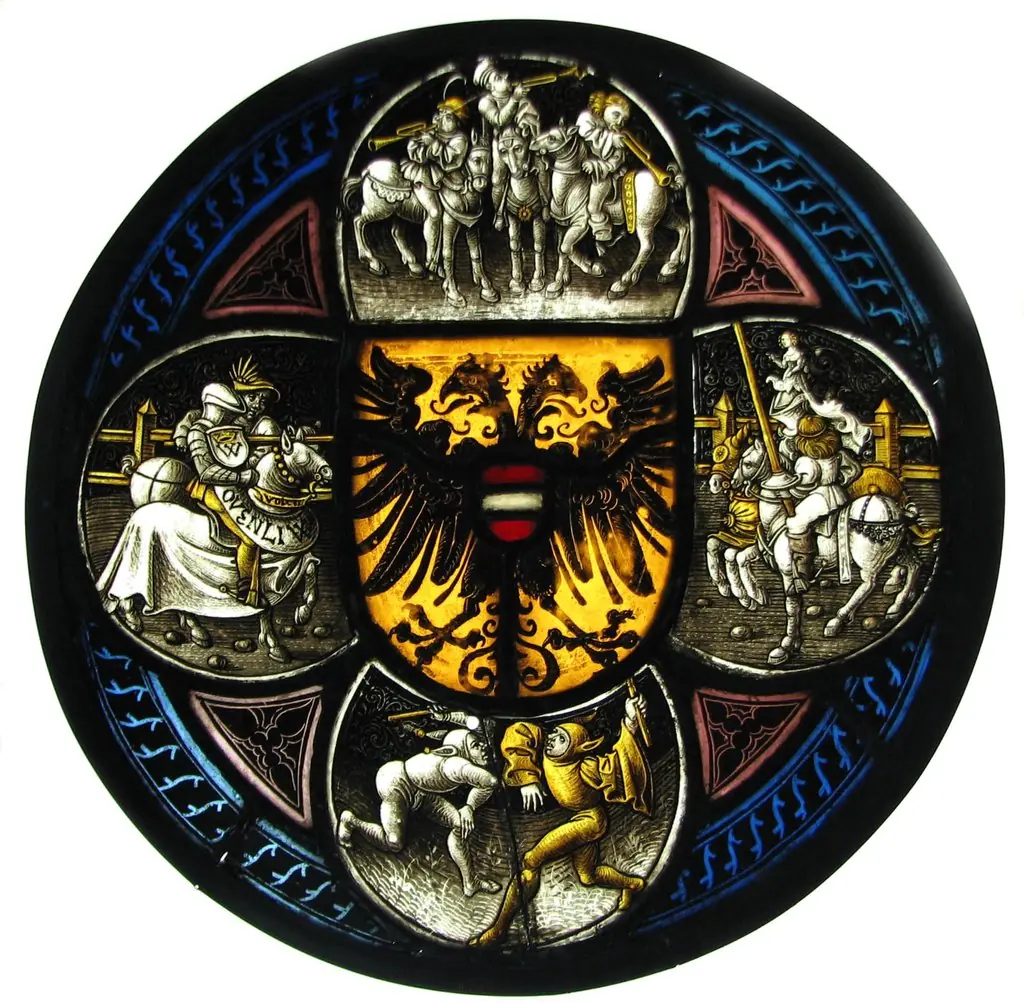 Quatrefoil Roundel with Arms and Secular Scenes
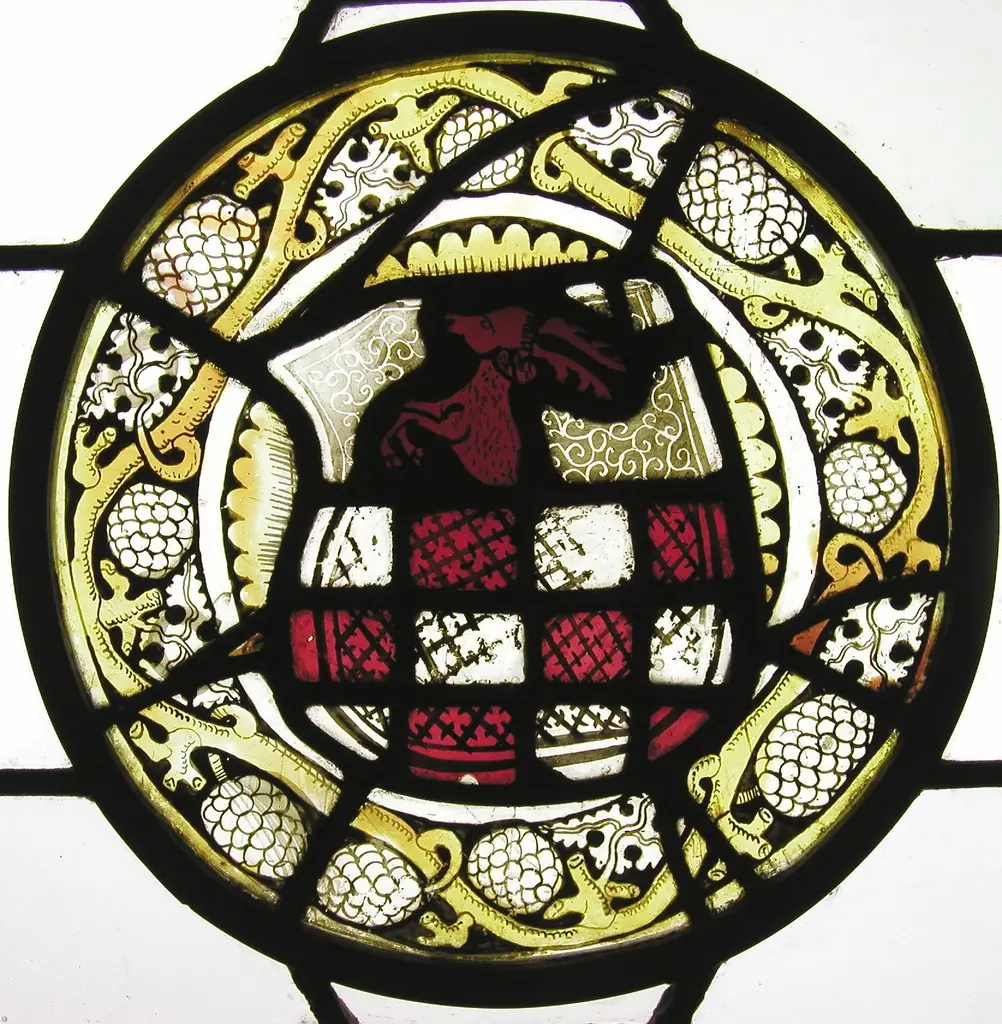 Armorial Roundel
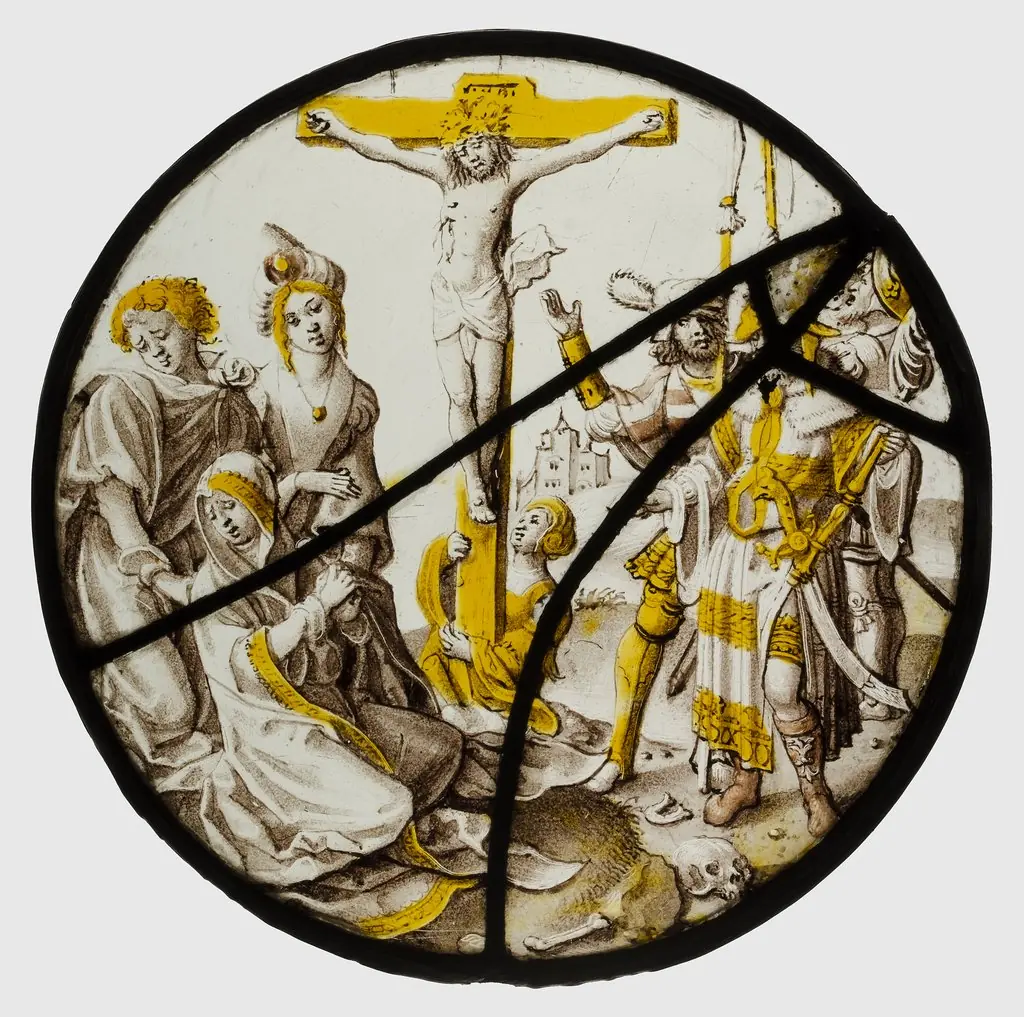 Roundel with the Crucifixion
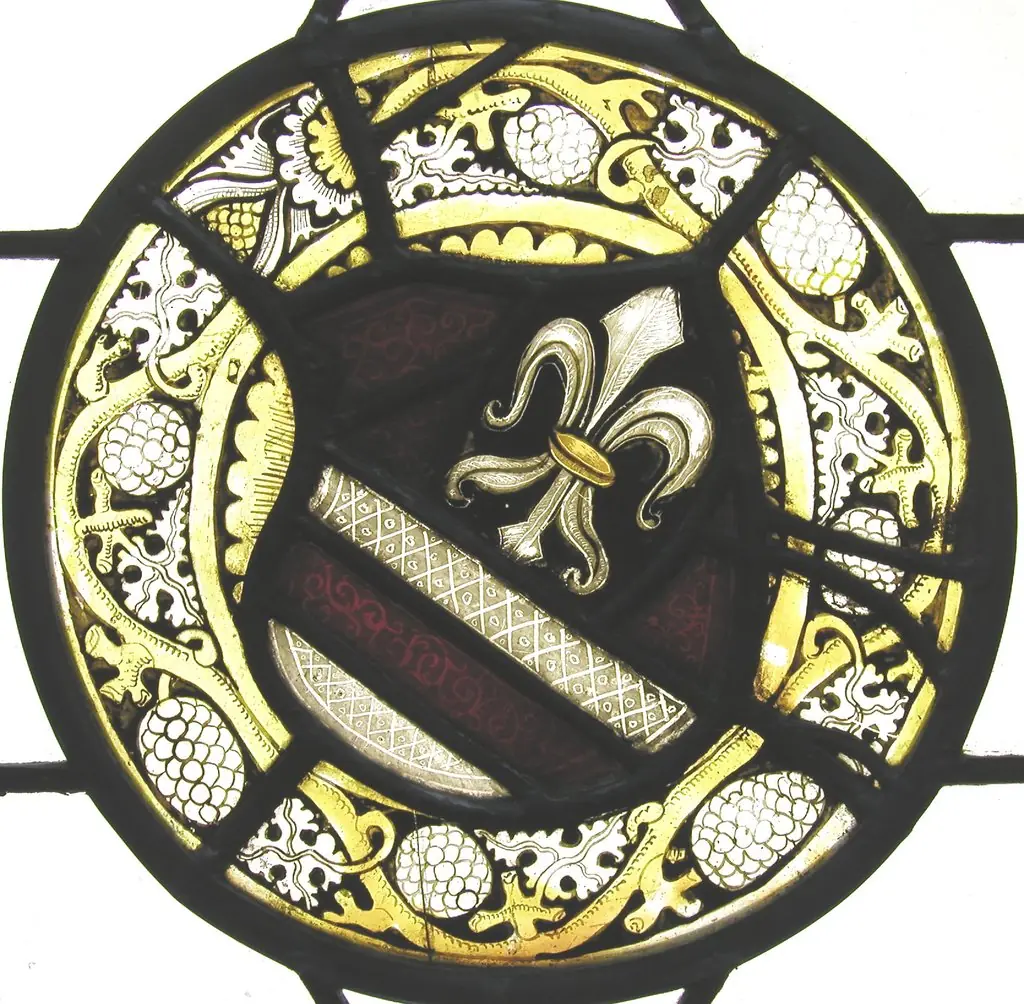 Armorial Roundel
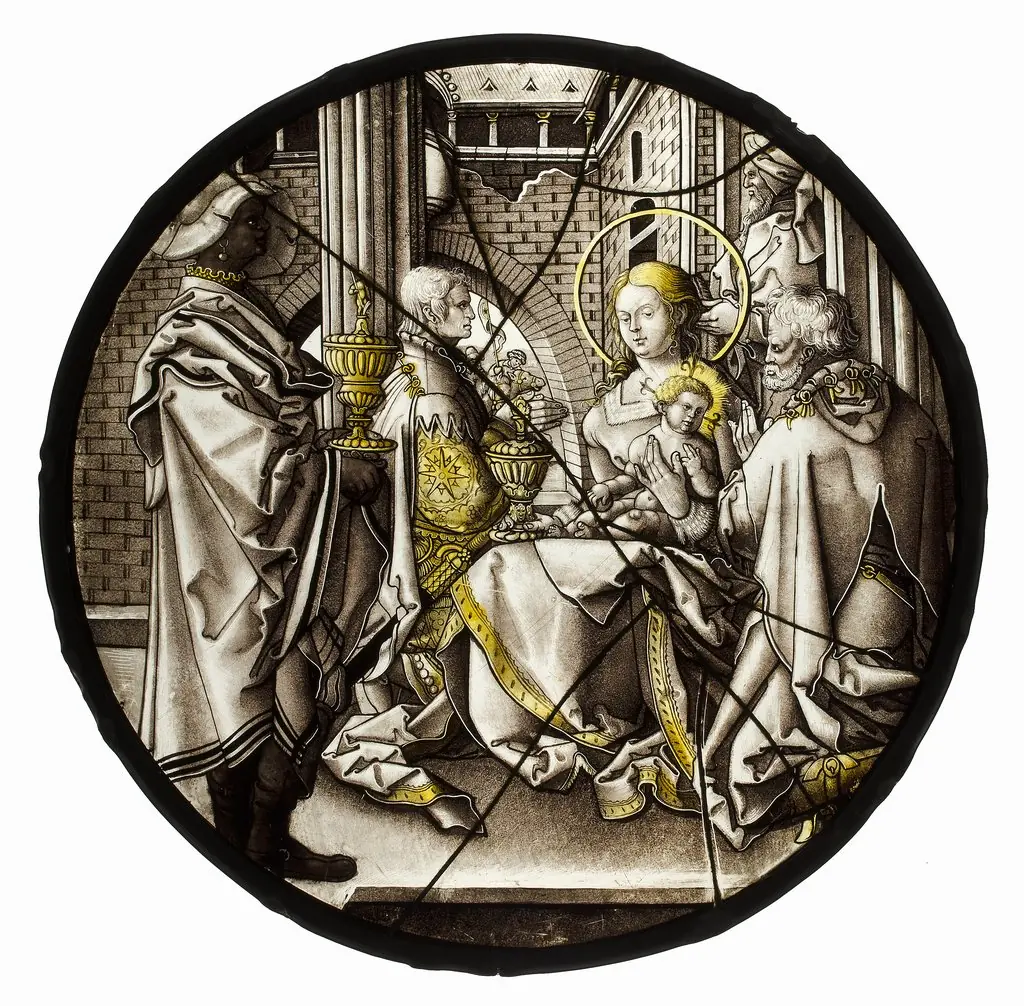 Roundel with Adoration of the Magi
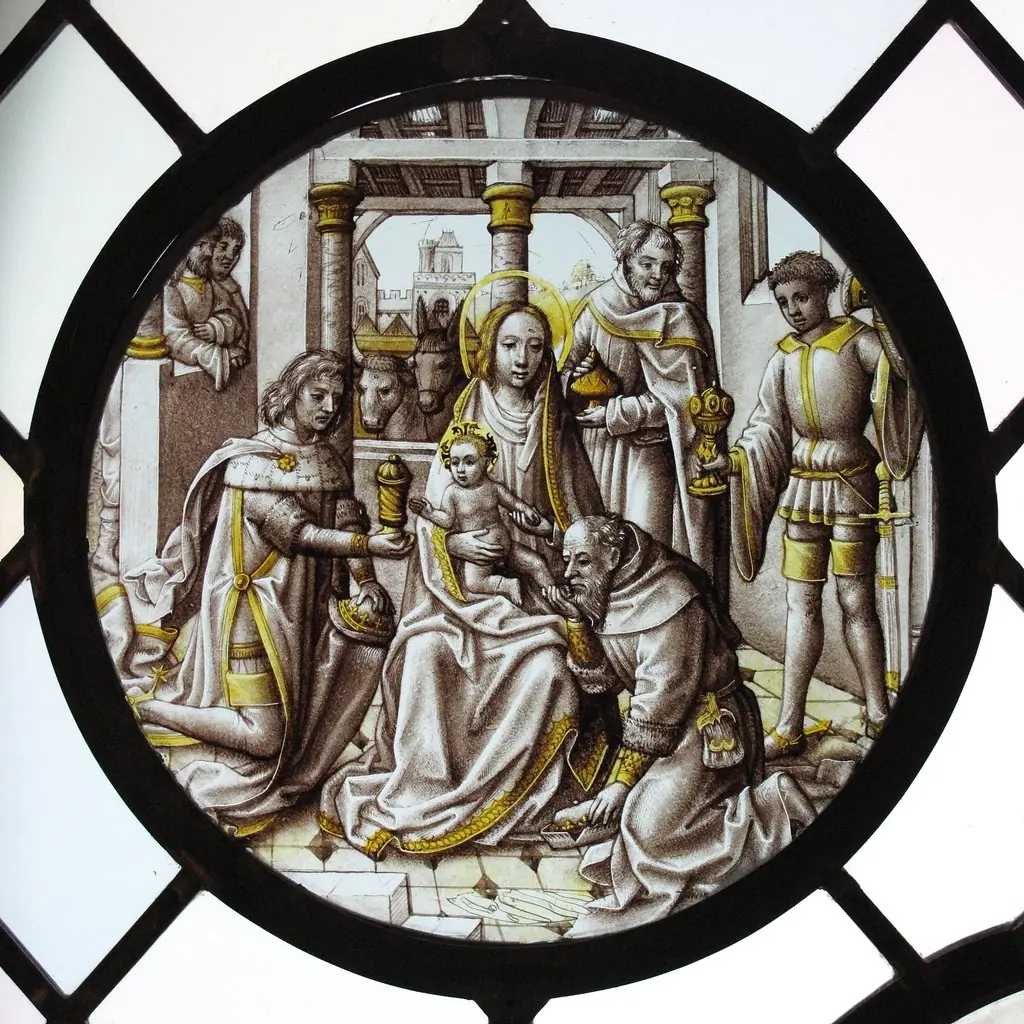 Roundel with the Adoration of the Magi
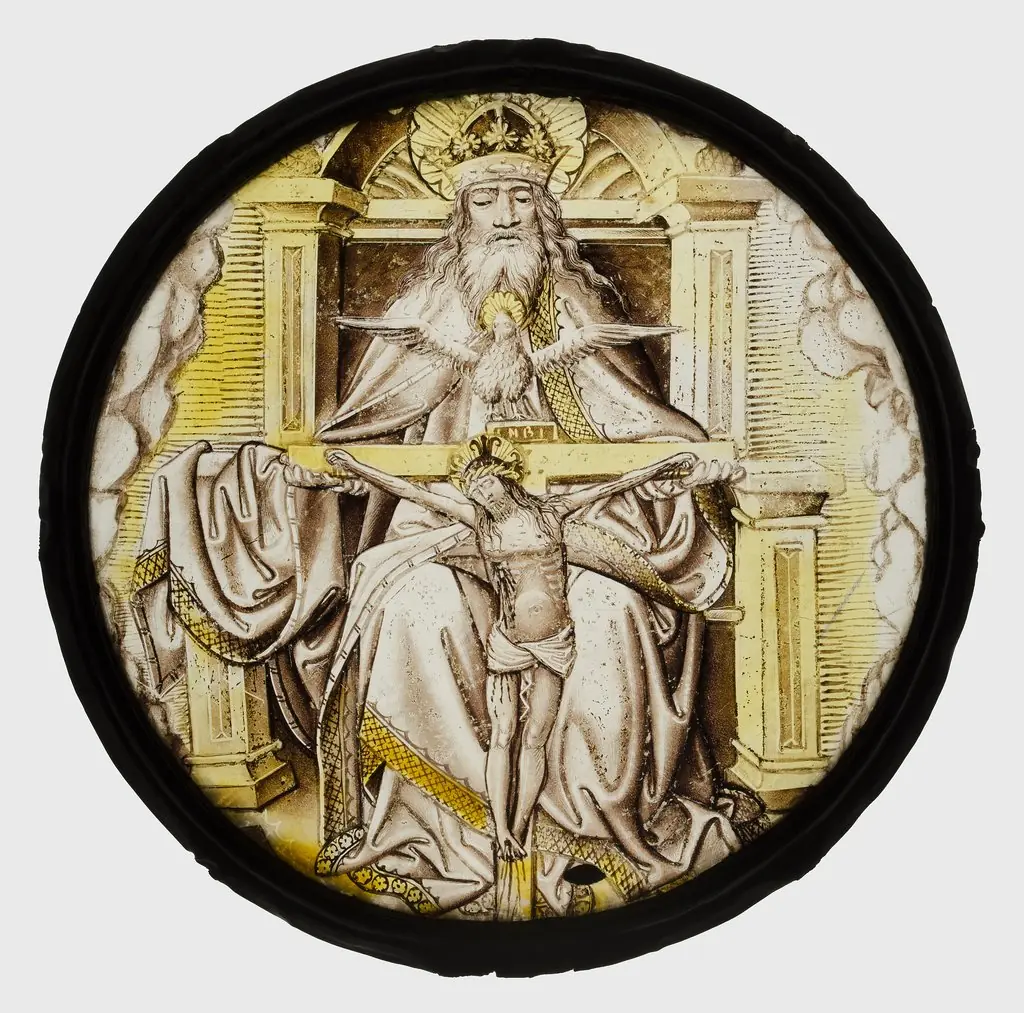 Roundel with the Holy Trinity
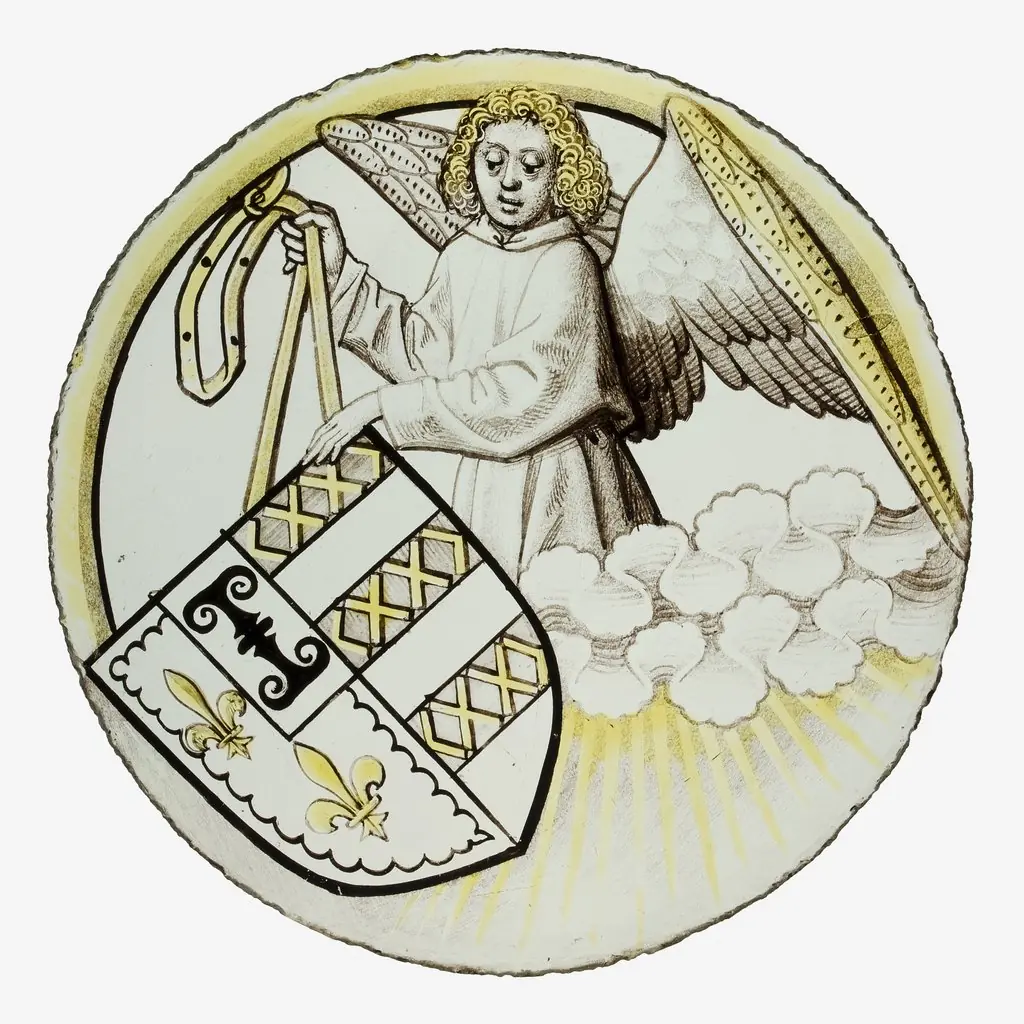 Roundel with Angel Supporting a Heraldic Shield
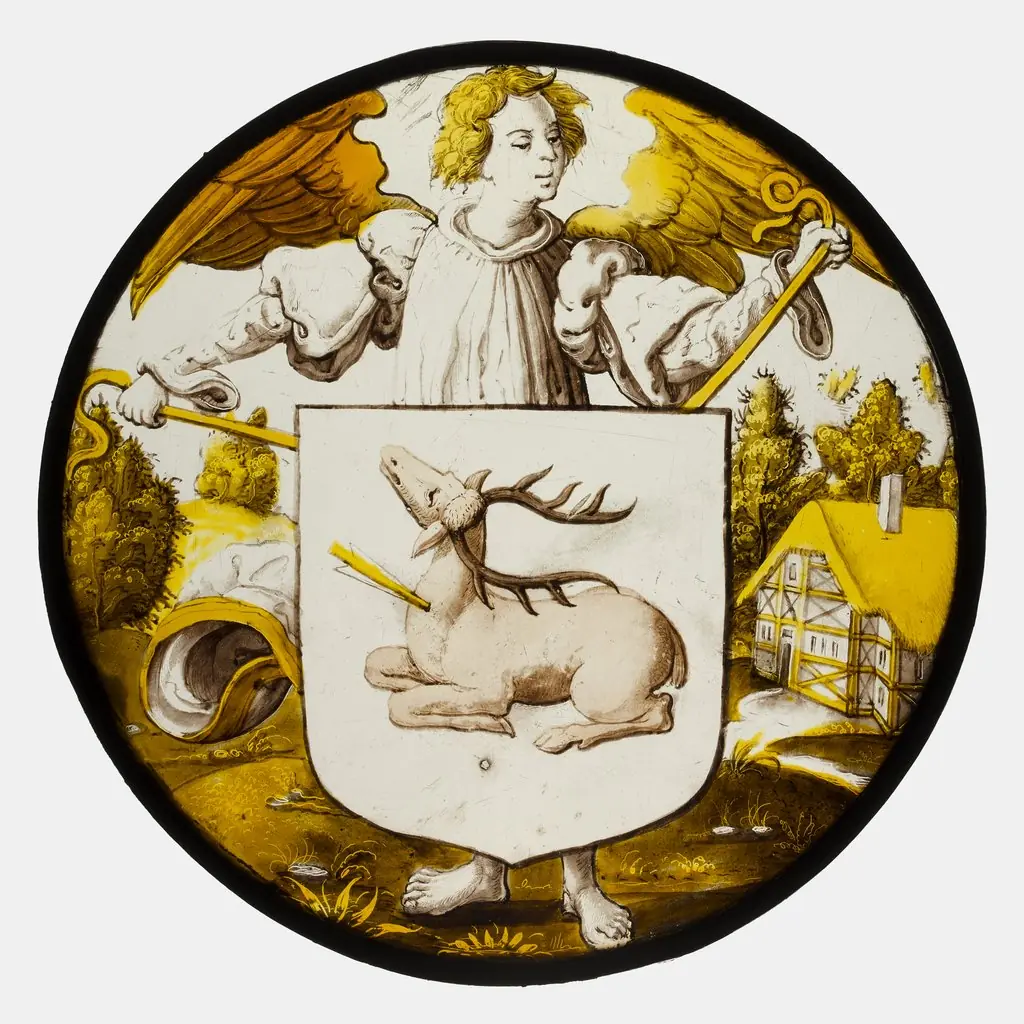 Roundel with Angel Supporting a Heraldic Shield
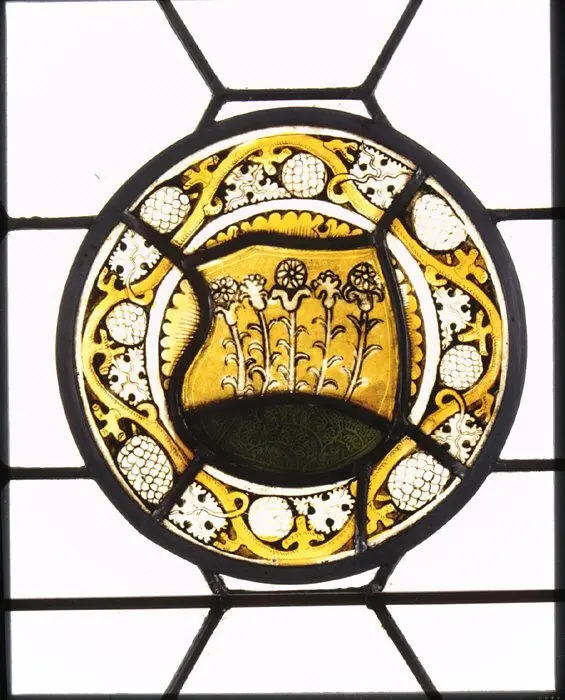 Armorial Roundel
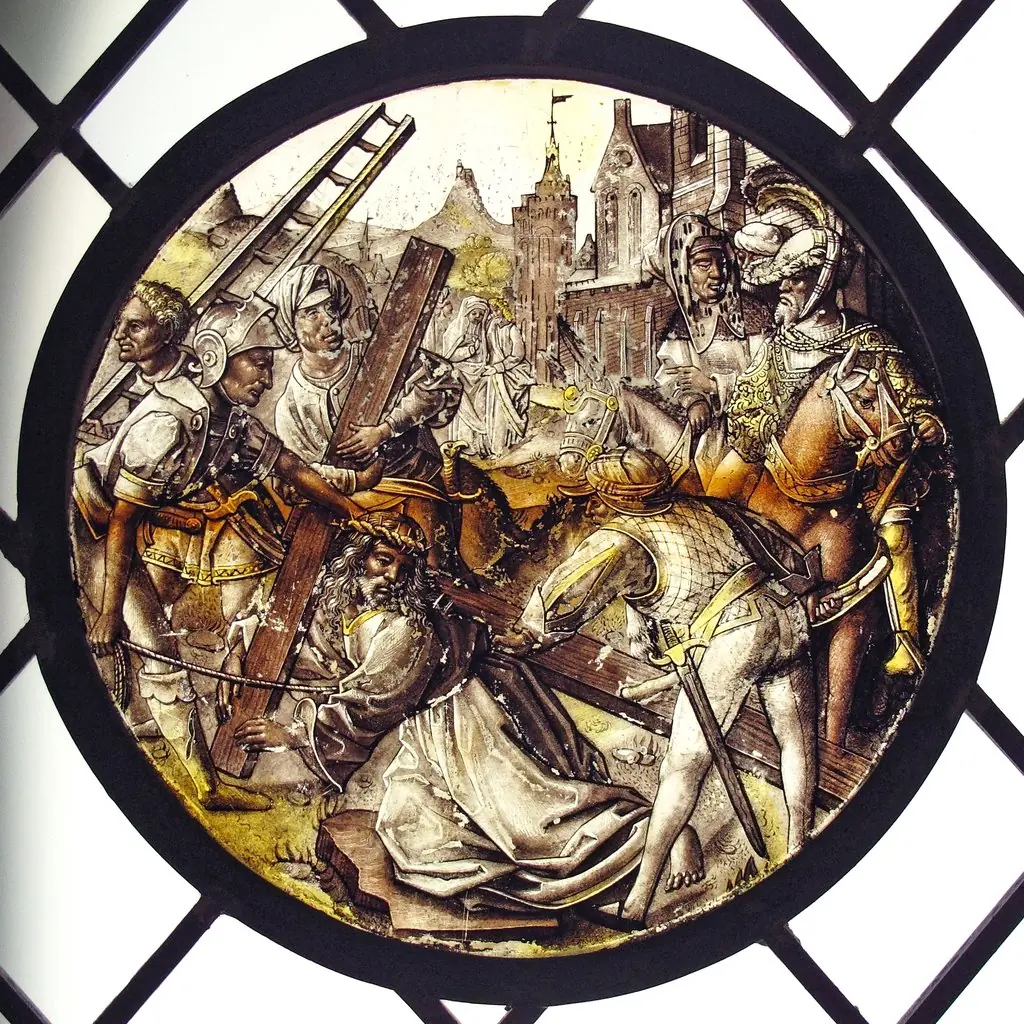 Roundel with Christ Bearing the Cross
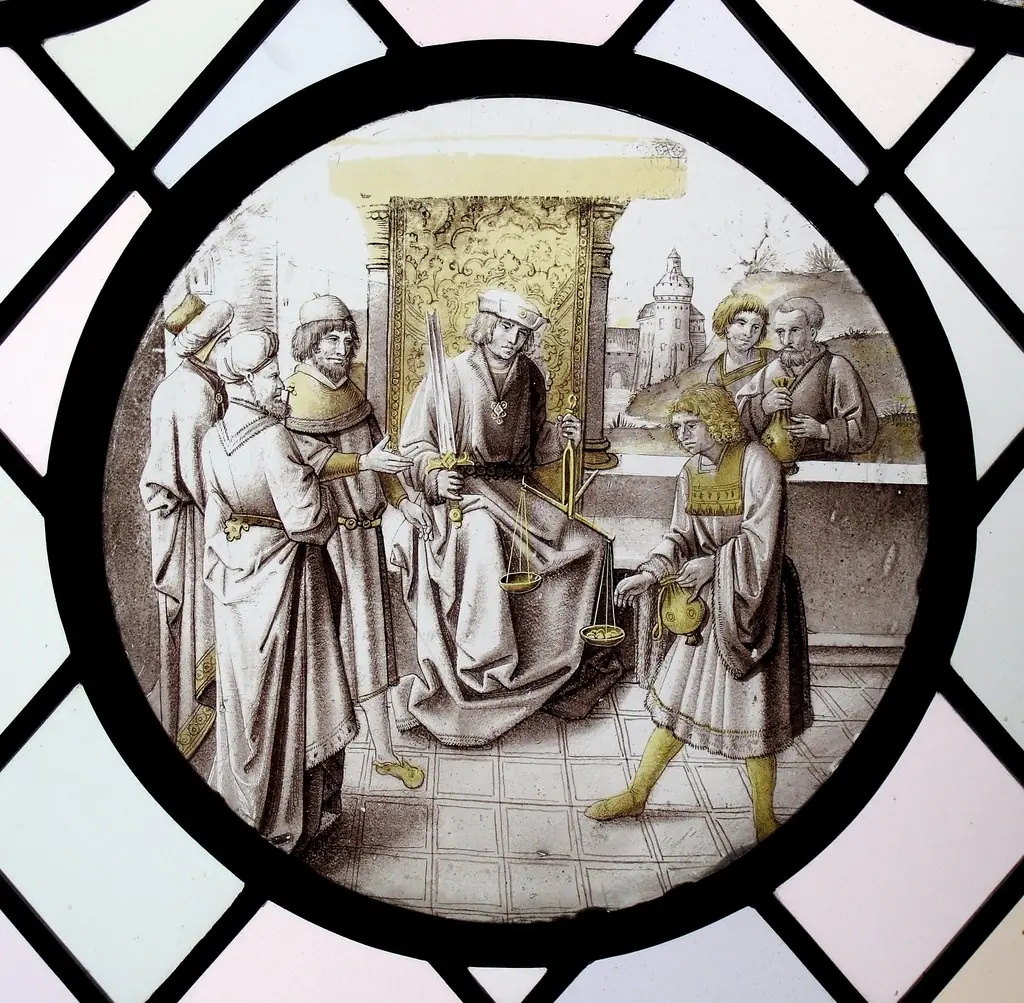 Roundel with Judgment or Allegorical Scene