Artwork
Wapenbord van het Brugse vleeshouwersambacht
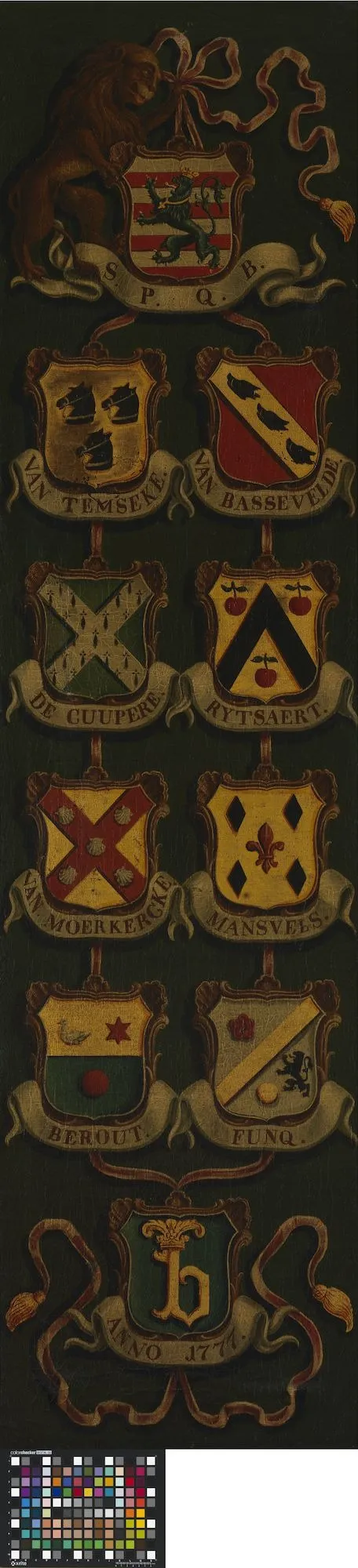
Wapenbord van het Brugse vleeshouwersambacht is an oil painting by the Rococo painting artist Unknown. It dates from 1789 and is held in the collection of the Groeningemuseum. This oil painting presents a vertical arrangement of heraldic shields belonging to the Butchers' Guild of Bruges.
About this work
Overview
The composition is orderly and systematic, emphasizing the symbolic identity of the guild rather than narrative or scenic content.
This oil painting presents a vertical arrangement of heraldic shields belonging to the Butchers' Guild of Bruges. Each shield bears a distinct emblem, rendered in traditional heraldic colors such as red, blue, yellow, and green. The composition is orderly and systematic, emphasizing the symbolic identity of the guild rather than narrative or scenic content. The work functions as a formal record of corporate heraldry.
Subject & Meaning
The shields depict the official emblems of the Bruges butchers' trade association, each representing a member or branch of the guild. Animals, geometric forms, and abstract symbols were chosen to convey lineage, values, or historical privileges. Together, they assert the guild’s institutional authority and collective status within the city’s economic hierarchy, serving as a visual charter of its legitimacy.
Technique & Style
Executed in oil paint, the shields are rendered with precise outlines and flat, saturated hues typical of late medieval heraldic art. Details vary in complexity—some emblems are finely worked, others deliberately simplified—reflecting the diversity of individual members’ designs. The background is unadorned, directing focus entirely to the shields, consistent with the functional purpose of heraldic documentation.
History & Provenance
The painting originated in Bruges during the late Middle Ages as a guild record, likely commissioned to display the collective identity of the butchers’ association. It remained in the city’s possession and was later acquired by the Groeningemuseum, where it is preserved among other civic and religious artworks from the region’s artistic heritage.
Context
In medieval Flanders, guilds were central to urban life, regulating trade and asserting social standing. Heraldic panels like this one were common in guildhalls, functioning as both decoration and legal affirmation of status. This work reflects the broader practice of using visual symbols to encode civic identity, mirroring similar commissions by other trade organizations in Bruges and beyond.
Legacy
As a surviving example of guild heraldry, the painting offers insight into the visual language of medieval professional associations. It contributes to the understanding of how civic institutions used art to project authority and continuity. Today, it remains a key artifact in studying the intersection of commerce, identity, and symbolism in late medieval Northern Europe.
Artist & collection

 Domestic Scene
 Giacomo and Cardinal Marco, investing Andrea, Abbot of San Zeno, with his Benefice
 The Nymph of Fontainebleau
 Portrait of a Woman
 Madonna and Child with Saints in the Enclosed Garden
 Venus and Minerva
 Family Group of Four on Sofa
 Wall painting from Room H of the Villa of P. Fannius Synistor at Boscoreale
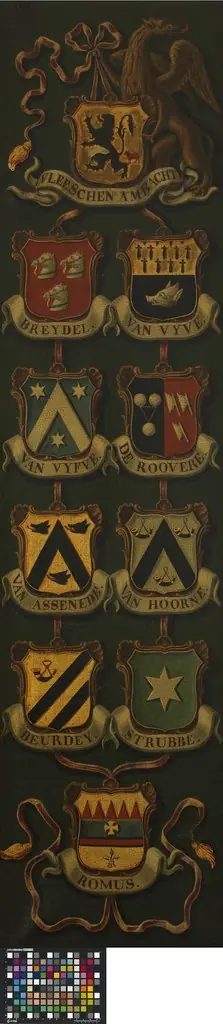 Wapenbord van het Brugse vleeshouwersambacht
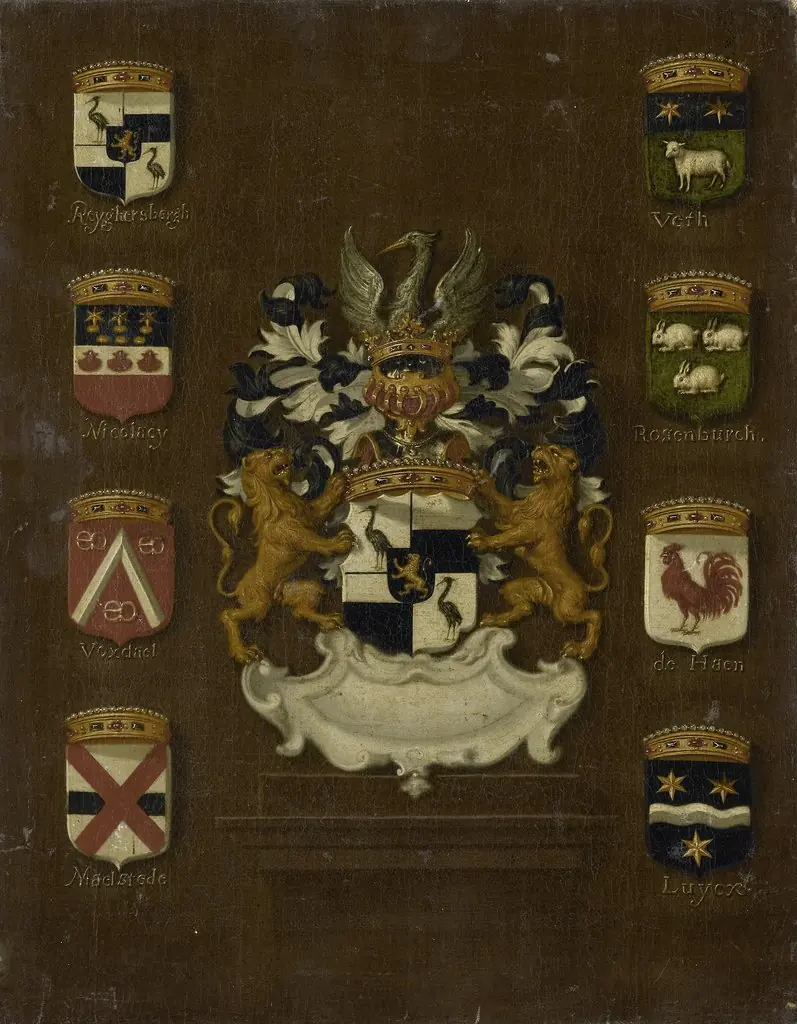 Coat of Arms of Jan van Reyersbergh with its eight quarterings
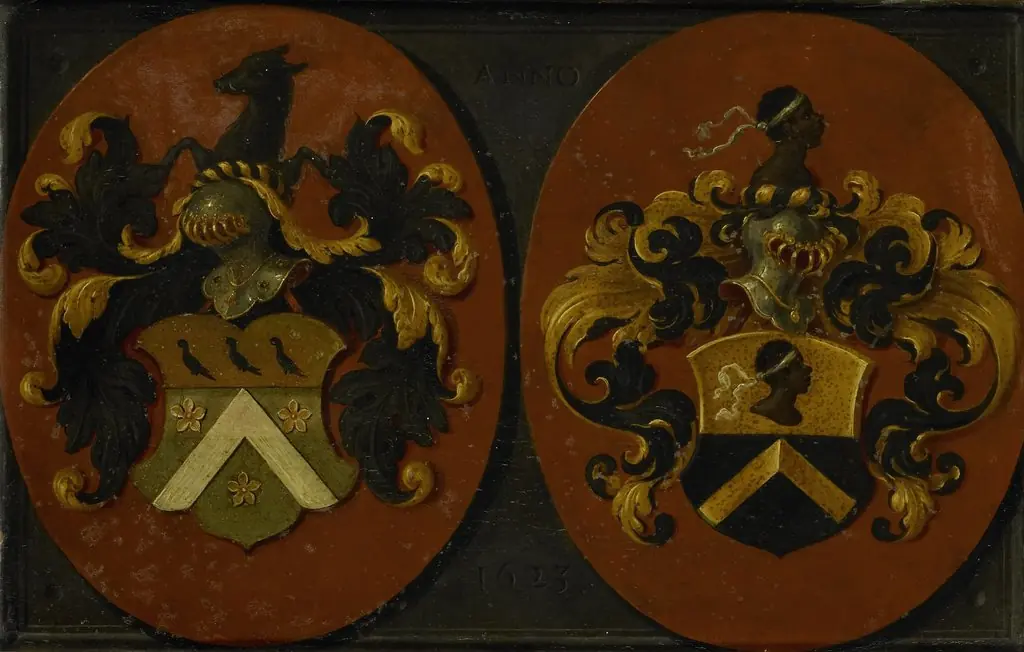 Wapenbord met de wapens van Boudaen en Fourmenois, 1623 (het wapen van Fourmenois omgewend)
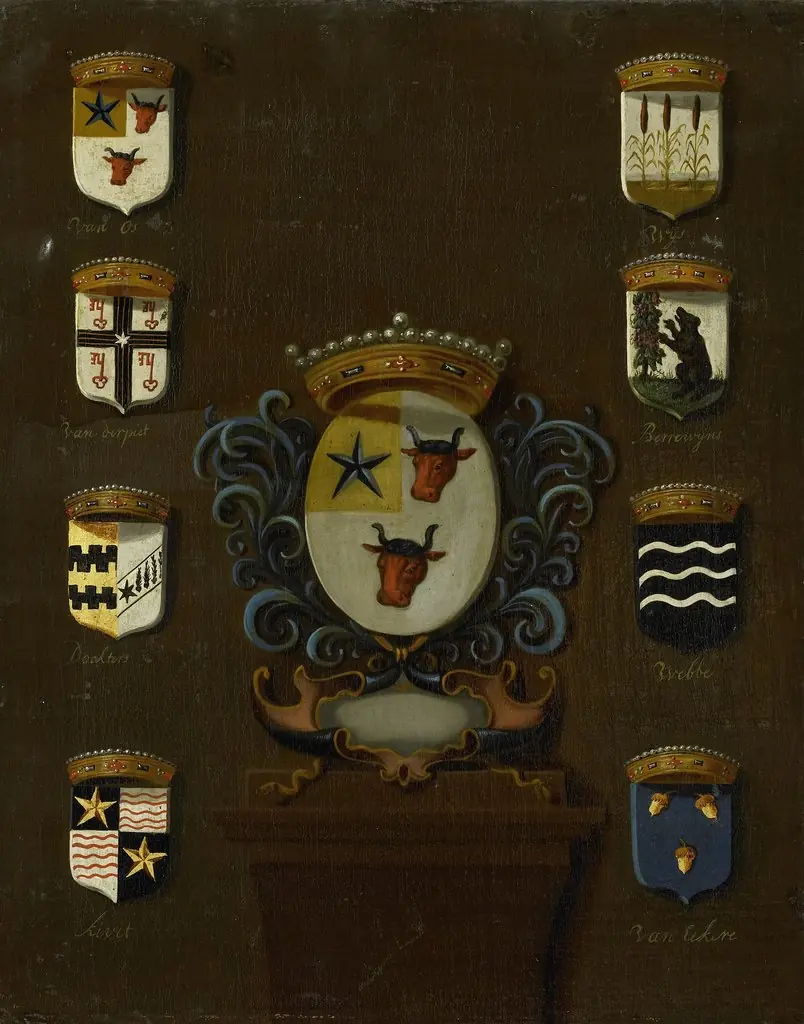 Coat of Arms of Sara van Os, Wife of Jan van Reyersbergh with its eight quarterings
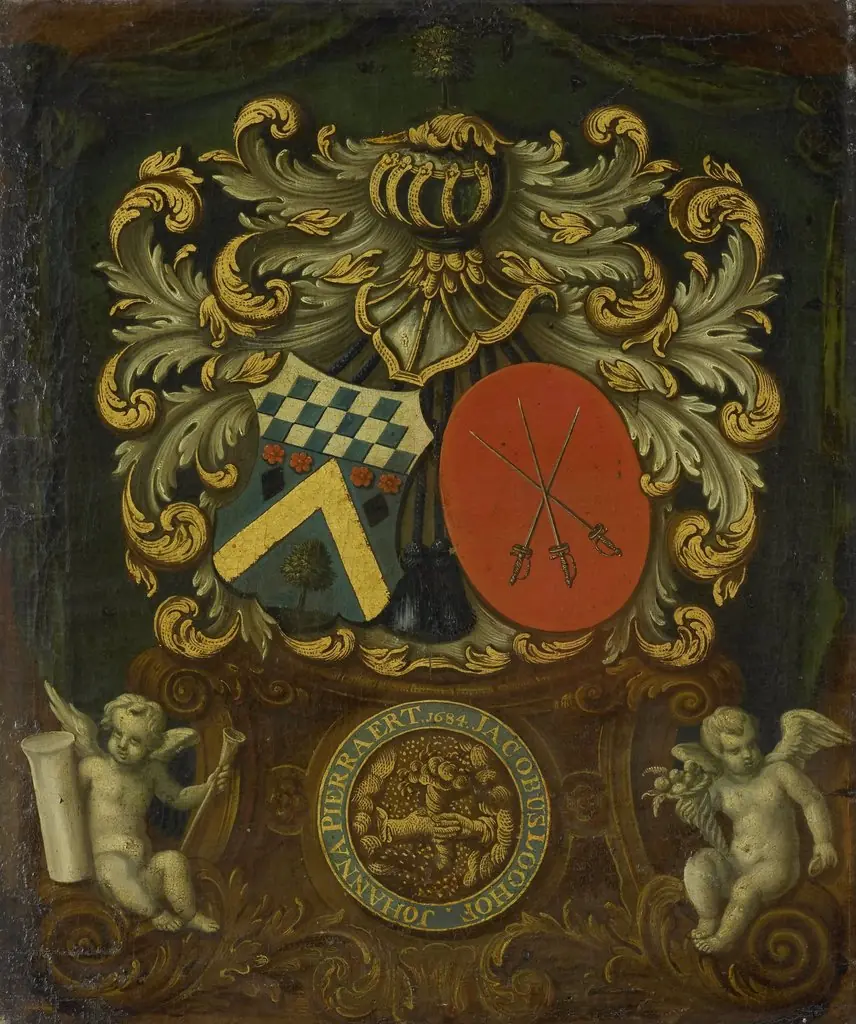 The family shields of Jacobus Loohoff and Johanna Pierraert, 1684
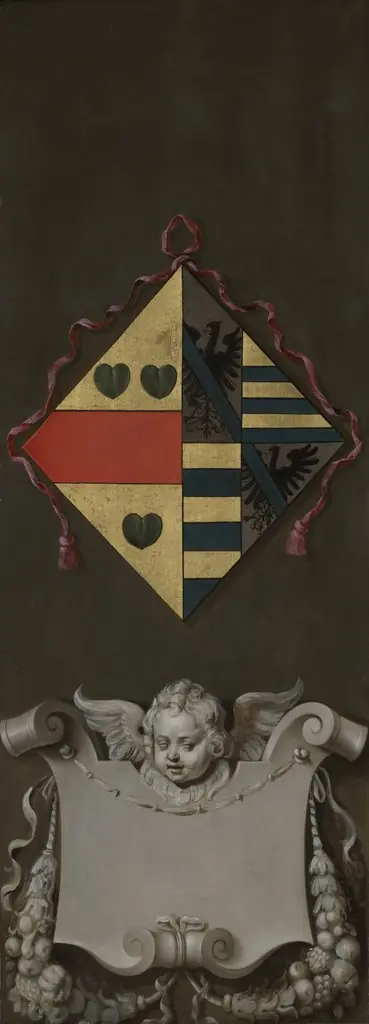 Coat of Arms of Adriana Perez
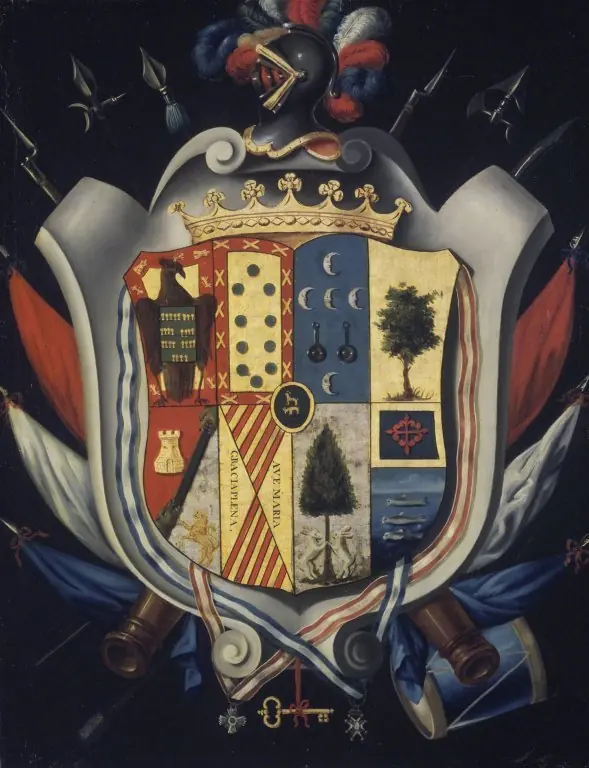 Coat-of-Arms of the Cervantes Family
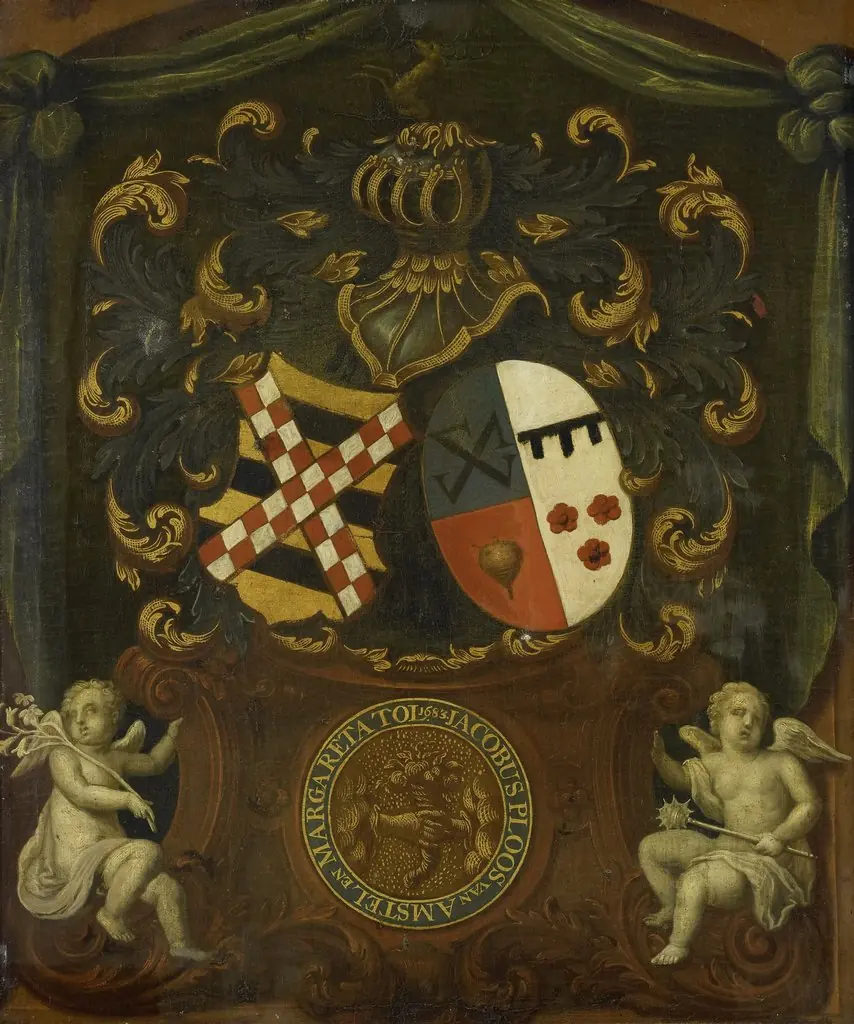 The family shields of Jacob Ploos van Amstel and Margareta Tol
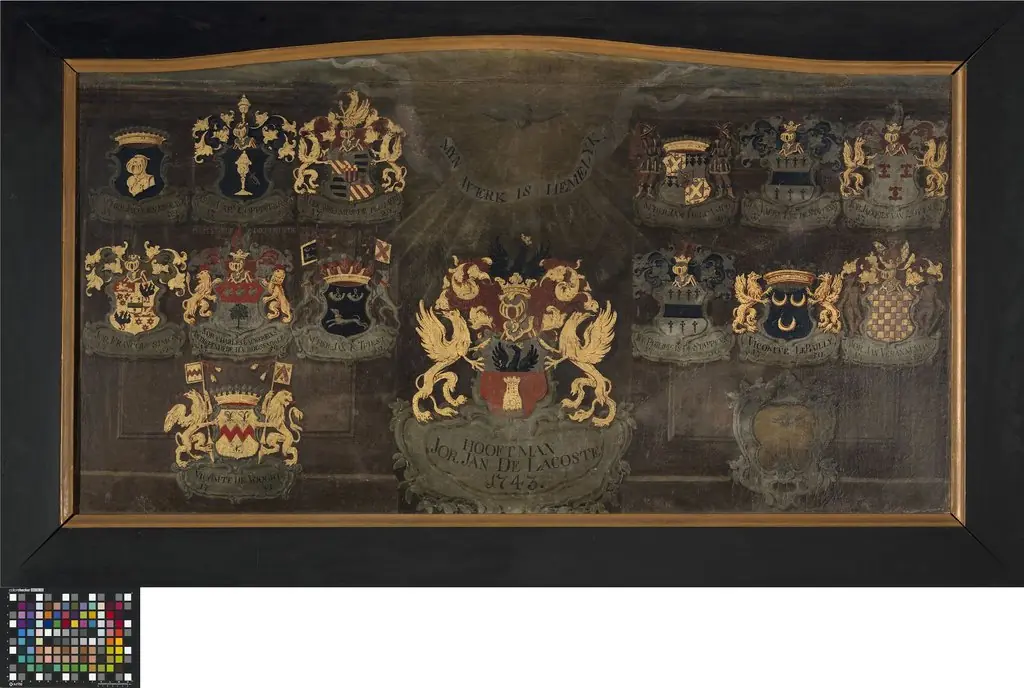 Wapenbord van de rederijkerskamer Heilige Geest
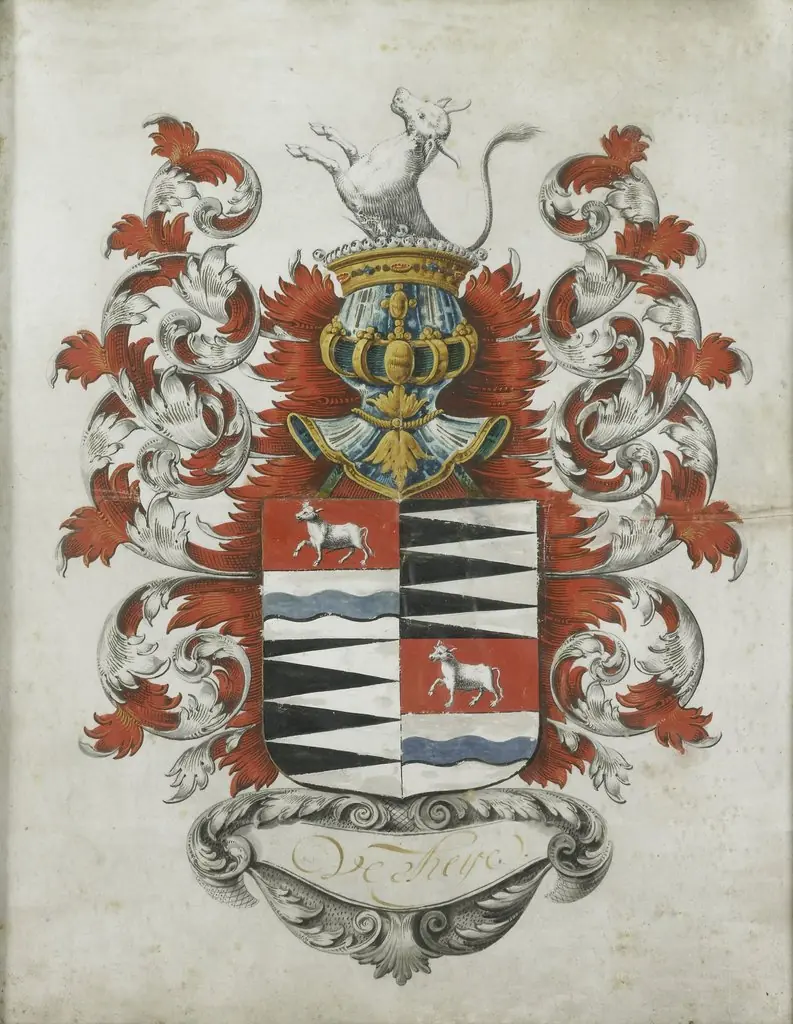 Het wapen Verheye