Artwork
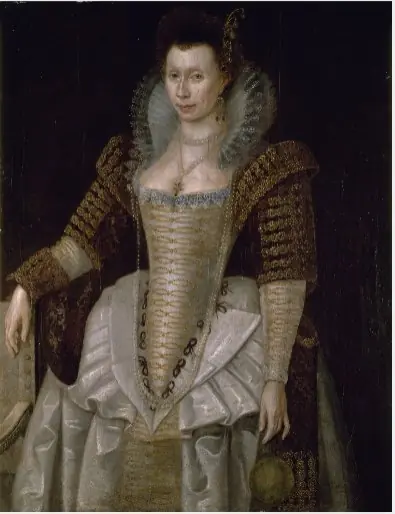
Portrait of a Lady
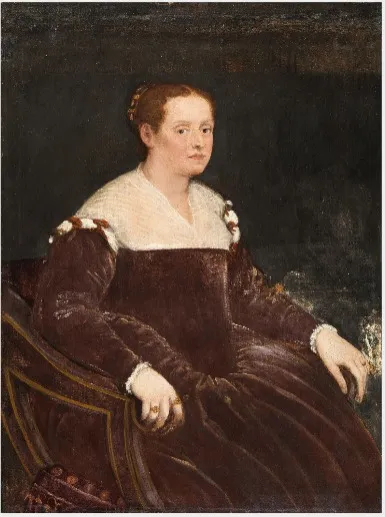
Portrait of a Lady is an oil painting by the Mannerist artist Unknown. It dates from 1550 and is held in the collection of the National Gallery of Ireland. This oil painting depicts a seated woman against a subdued, dark background.
About this work
Overview
This oil painting depicts a seated woman against a subdued, dark background. The composition isolates the subject, emphasizing her presence through contrast. She wears a dark brown dress adorned with a white fur collar, a detail that suggests both warmth and status. A simple gold band on her finger and her restrained expression contribute to an atmosphere of quiet dignity rather than ostentation.
Subject & Meaning
The fur collar, often associated with affluence in Northern European portraiture, signals wealth without extravagance.
The portrait presents an unidentified woman, her identity unrecorded but her demeanor carefully rendered. The fur collar, often associated with affluence in Northern European portraiture, signals wealth without extravagance. Her composed expression and unadorned setting suggest a focus on character rather than display. The absence of overt symbolism invites interpretation of her as an individual rather than an allegorical figure.
Technique & Style
The artist employs chiaroscuro to model the woman’s features, using gradations of light and shadow to create a three-dimensional effect. Brushwork is precise yet subtle, particularly in the rendering of the fur’s texture and the folds of her garment. The dark background serves to direct attention to the subject, a technique common in portraiture of the period. The restrained palette and controlled lighting enhance the work’s tonal harmony.
History & Provenance
Details of the painting’s early ownership and creation remain undocumented. Its stylistic traits align with Northern European portrait conventions of the late 16th or early 17th century, though no definitive attribution has been established. The work’s survival suggests it was valued enough to be preserved, though its journey through collections prior to modern recognition is unclear.
Context
Portraits of this kind were often commissioned to commemorate individuals, serving as records of appearance and social standing. The fur collar and plain gold ring reflect fashion and marital status of the time, while the subdued background reflects a shift toward naturalism in portraiture. Such works were typically displayed in domestic settings, reinforcing personal or familial identity.
Legacy
While not widely celebrated in art historical literature, the painting exemplifies the technical and compositional strategies of its era. Its use of chiaroscuro and emphasis on individual presence offer insight into the priorities of portraiture during the period. The work’s anonymity underscores the countless undocumented figures preserved in art, their stories obscured but their likenesses enduring.
Artist & collection

 Domestic Scene
 Giacomo and Cardinal Marco, investing Andrea, Abbot of San Zeno, with his Benefice
 The Nymph of Fontainebleau
 Portrait of a Woman
 Madonna and Child with Saints in the Enclosed Garden
 Venus and Minerva
 Family Group of Four on Sofa
 Wall painting from Room H of the Villa of P. Fannius Synistor at Boscoreale
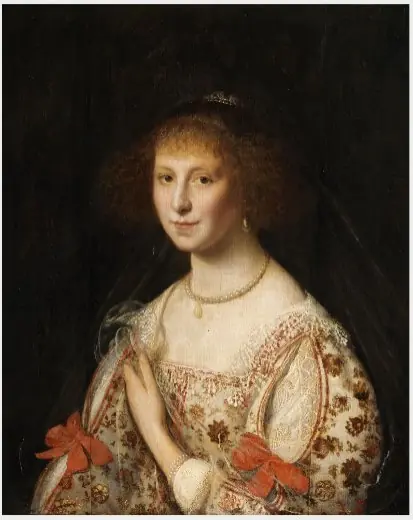 Portrait of a Lady
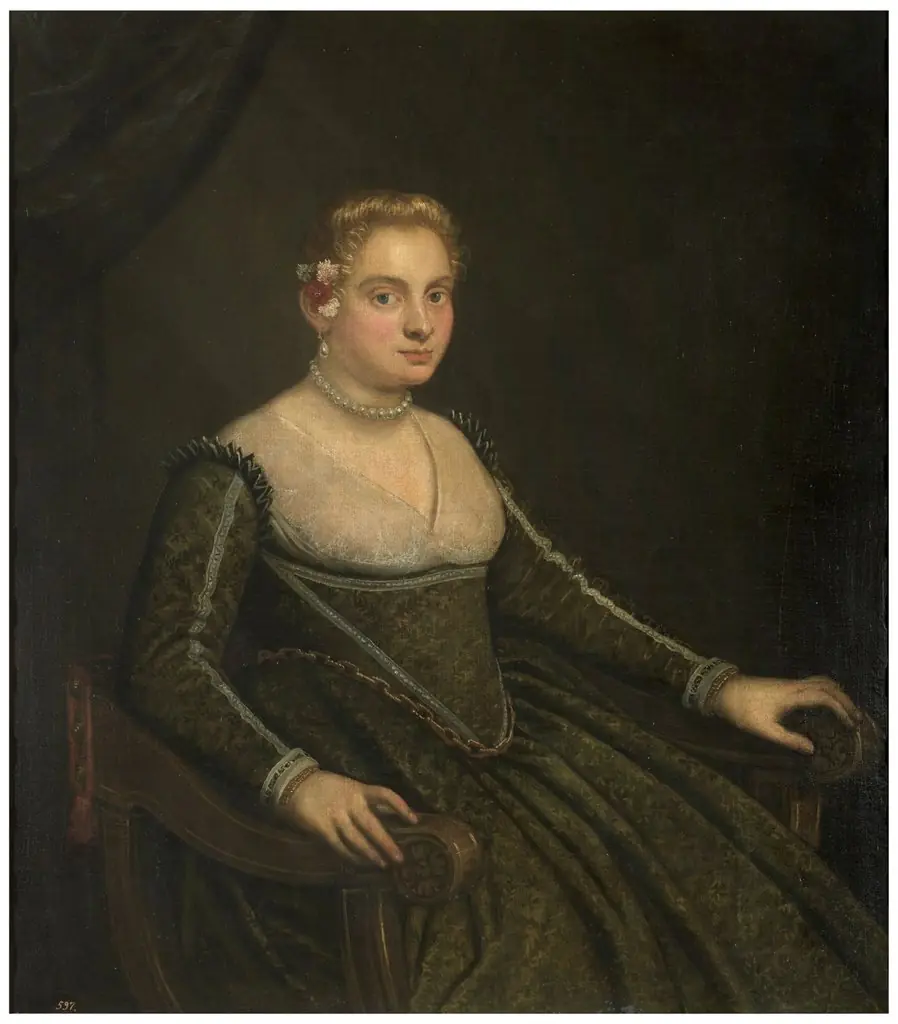 Portrait of a Young Woman
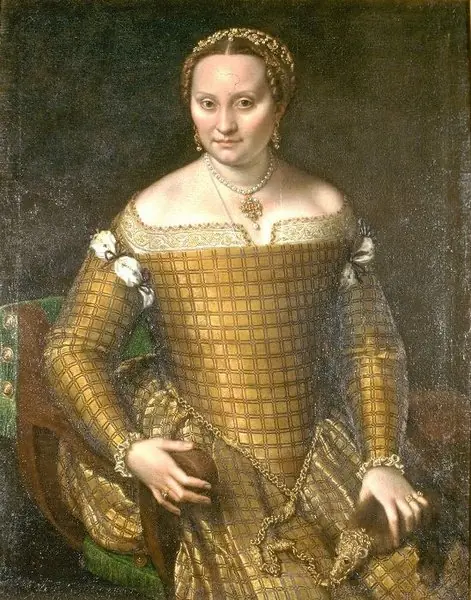 Portrait of Bianca Ponzoni Anguissola
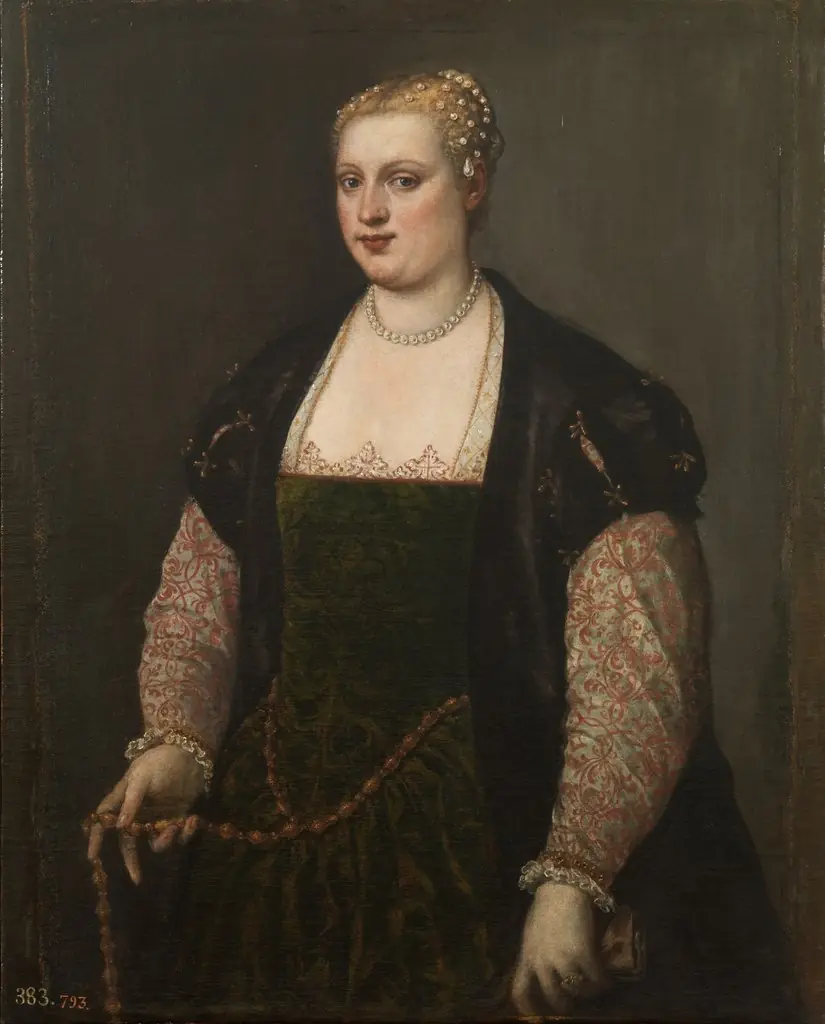 Portrait of a Woman
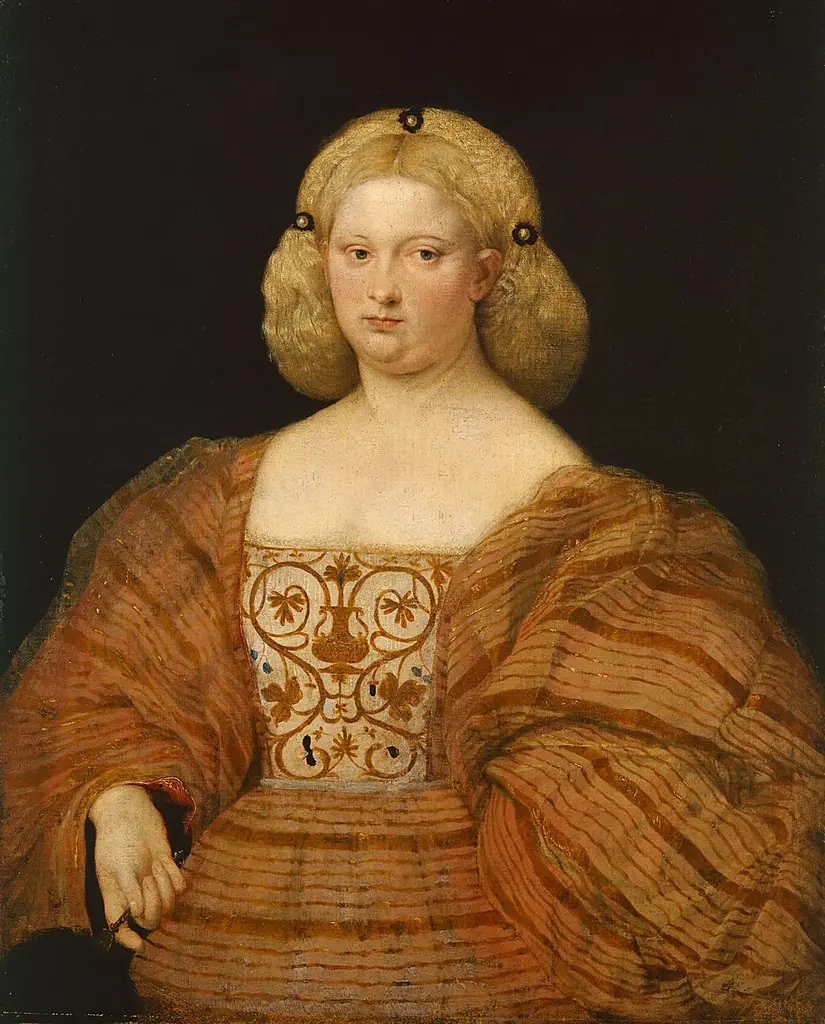 Portrait of a woman in a striped dress and holding a fan
 A Spanish Infanta in 17th Century Costume
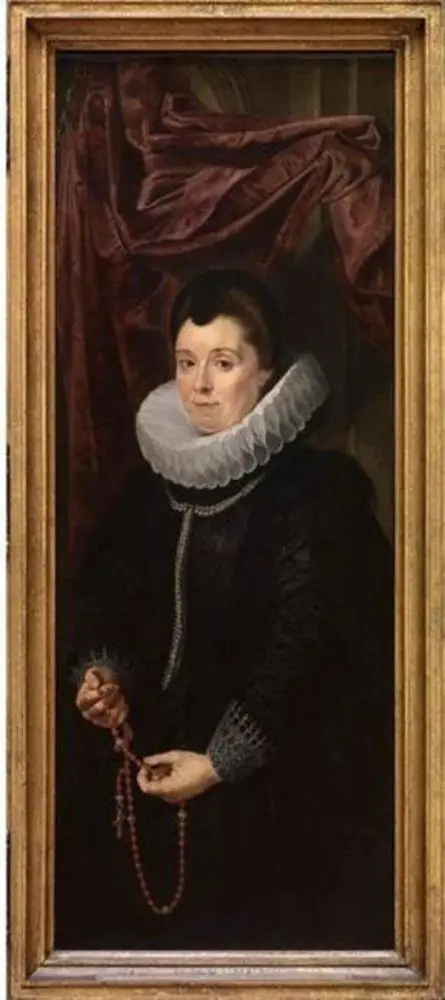 Portrait of Adriana Perez
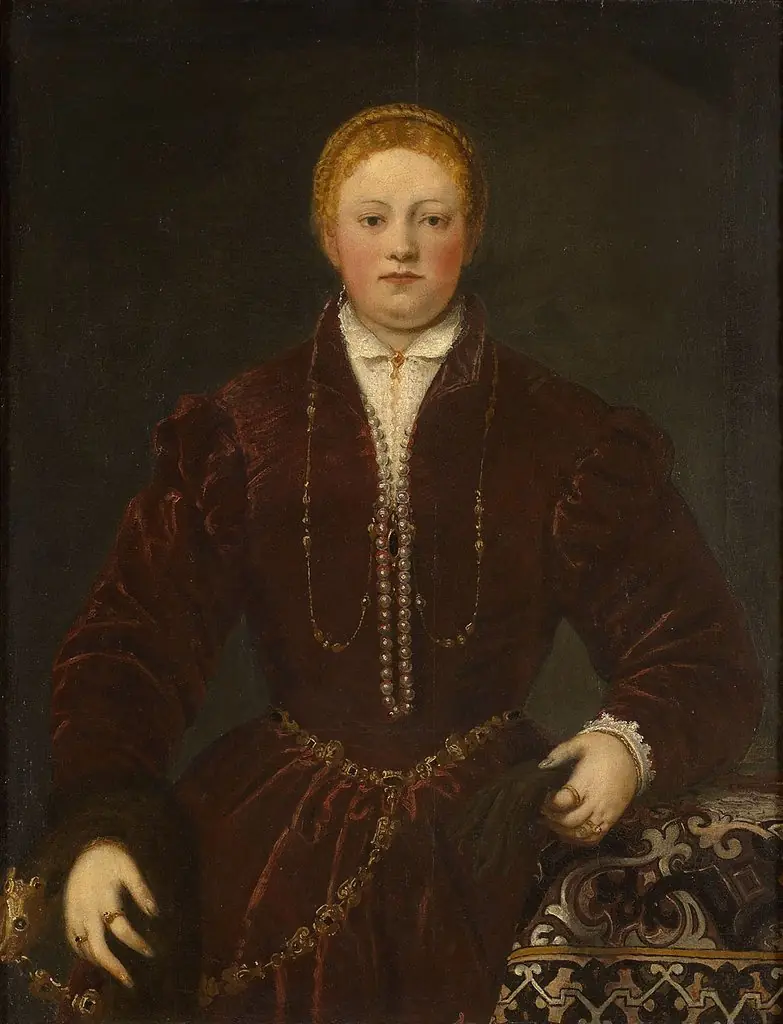 Portrait of a Young Lady
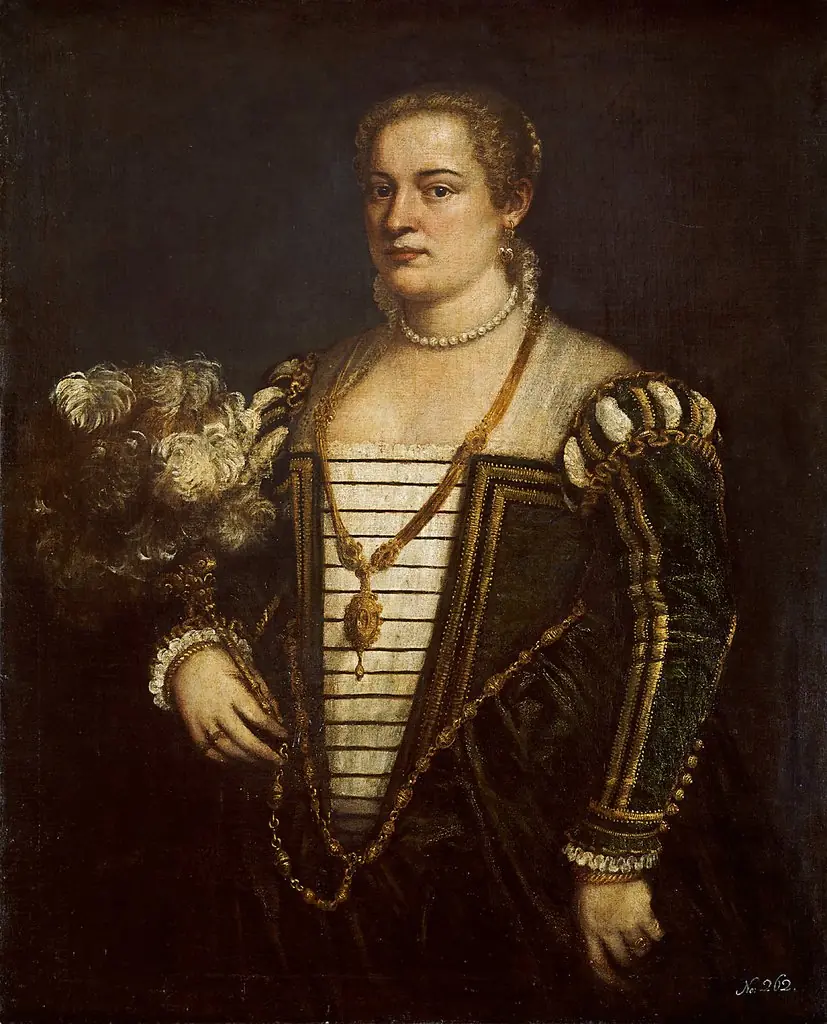 Portrait of the Artist's daughter Lavinia
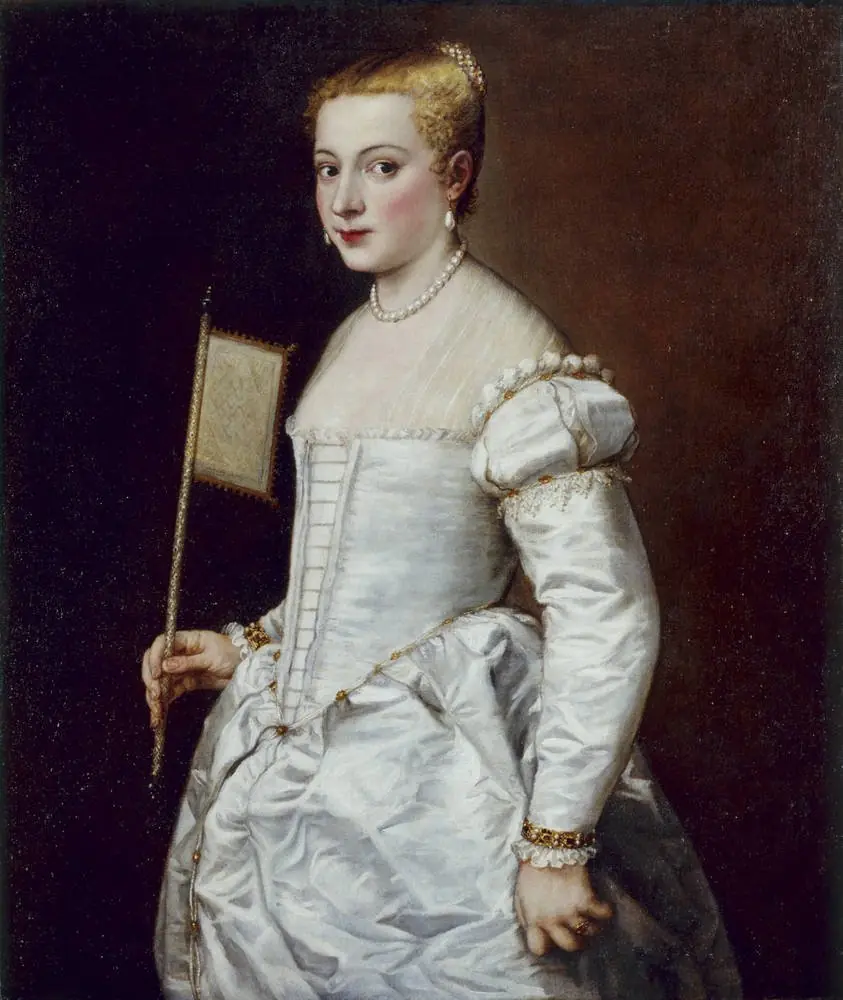 Portrait of a Lady in White
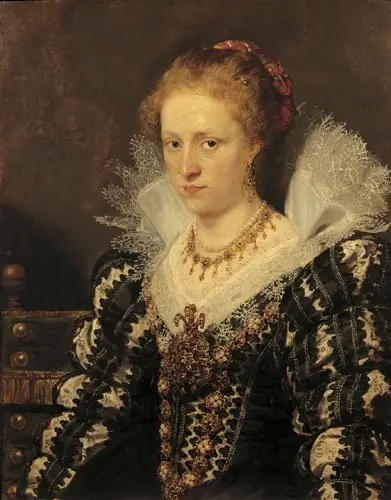 Portrait of Jacqueline van Caestre, wife of Jean Charles de Cordes
 Portrait of Lady Raleigh (née Elizabeth Throckmorten) (1565-1647)