Artwork
Portrait of a Lady
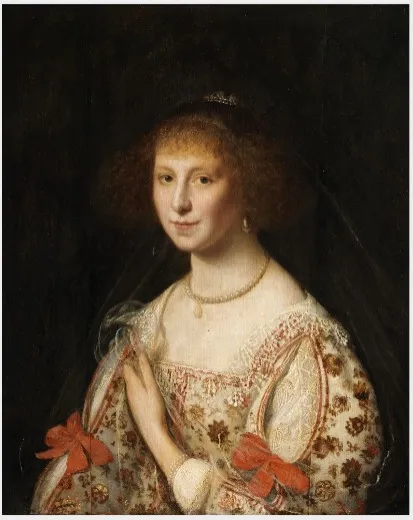
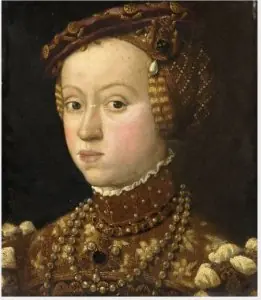
Portrait of a Lady is an unspecified painting by the Flemish Baroque painting artist Unknown. It dates from 1627 and is held in the collection of the National Gallery of Ireland. This oil painting depicts a woman seated against a dark, unbroken background, her figure illuminated to emphasize form and texture.
About this work
Overview
This oil painting depicts a woman seated against a dark, unbroken background, her figure illuminated to emphasize form and texture. Her attire and accessories suggest upper-class status, while the composition focuses attention on her poised demeanor. The interplay of light and shadow enhances the three-dimensionality of her features and clothing, drawing the viewer’s eye to her face and hands.
Subject & Meaning
The subject is a woman of refined bearing, her calm expression and restrained gestures conveying composure rather than emotion. The white glove and ornate fan imply social etiquette and leisure, common symbols among elite women of the period. The absence of overt narrative or symbolic objects leaves her identity ambiguous, inviting contemplation of individual presence over story.
Technique & Style
The artist employs chiaroscuro to model the figure with subtle gradations of light and shadow, giving volume to the lace collar and sheer sleeves. Delicate brushwork renders the floral pattern on the dress and the fine texture of the fan’s ribbons. The dark background isolates the subject, heightening the contrast and focusing attention on her facial expression and attire.
History & Provenance
The painting’s origin and early ownership are undocumented, though its style aligns with late 16th- or early 17th-century Northern European portraiture. It lacks inscriptions or markings that would confirm artist or commission, and its provenance remains unclear beyond its current institutional custody.
Context
During the period, portraits of women often emphasized modesty, wealth, and social standing through clothing and accessories. The use of lace, sheer fabrics, and decorative fans reflected contemporary fashion among the merchant and noble classes. Such works served as markers of identity rather than psychological exploration.
Legacy
Though not attributed to a known master, the painting exemplifies the quiet realism favored in regional portraiture of its time. Its restrained elegance and technical precision reflect broader trends in Northern European art, where subtlety and material detail often outweighed dramatic expression.
Artist & collection

 Domestic Scene
 Giacomo and Cardinal Marco, investing Andrea, Abbot of San Zeno, with his Benefice
 The Nymph of Fontainebleau
 Portrait of a Woman
 Madonna and Child with Saints in the Enclosed Garden
 Venus and Minerva
 Family Group of Four on Sofa
 Wall painting from Room H of the Villa of P. Fannius Synistor at Boscoreale
 Portrait of a Lady
 Portrait of a Woman
 A Spanish Infanta in 17th Century Costume
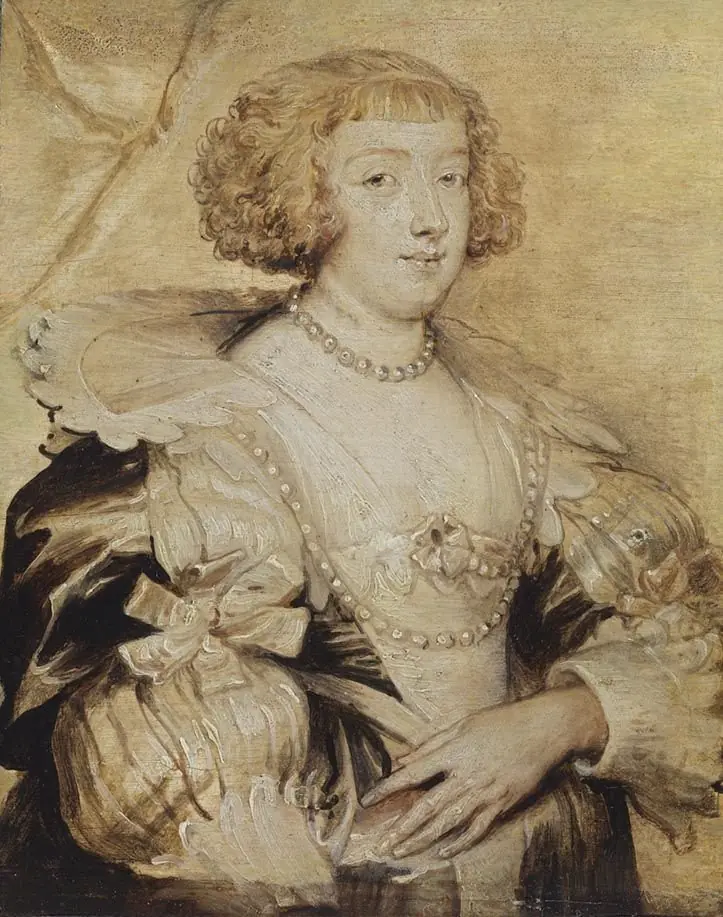 Portrait of Margaret of Lorraine
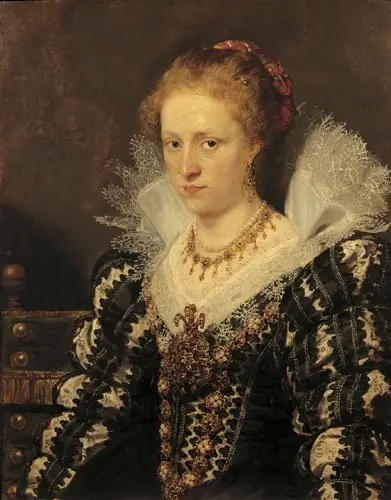 Portrait of Jacqueline van Caestre, wife of Jean Charles de Cordes
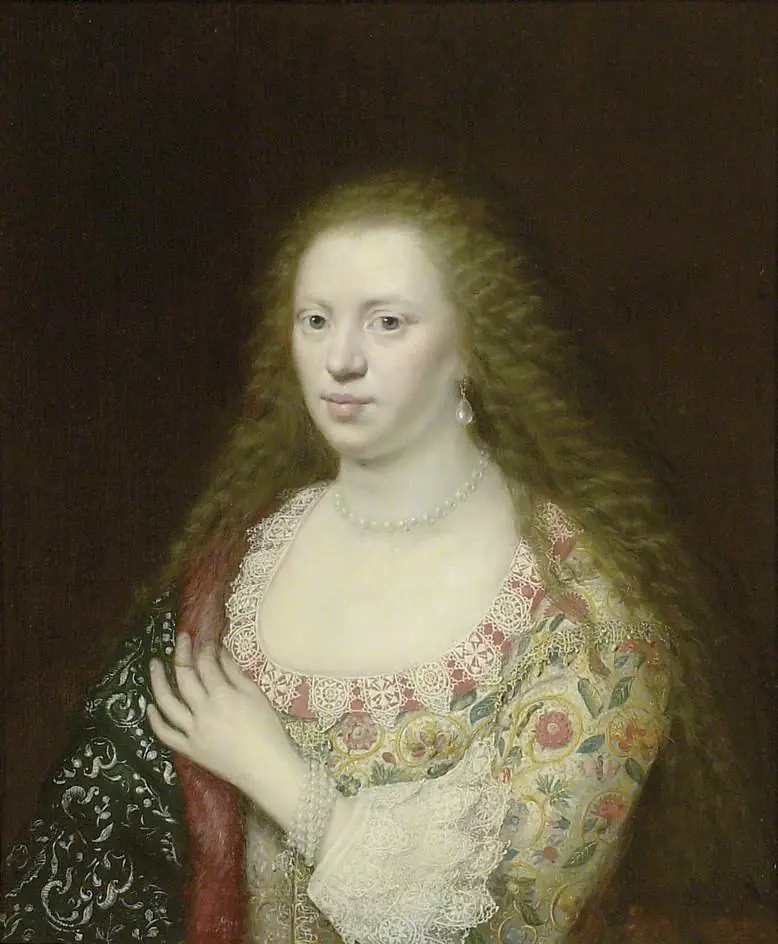 Portrait of a Woman in a Dress worked with Flowers
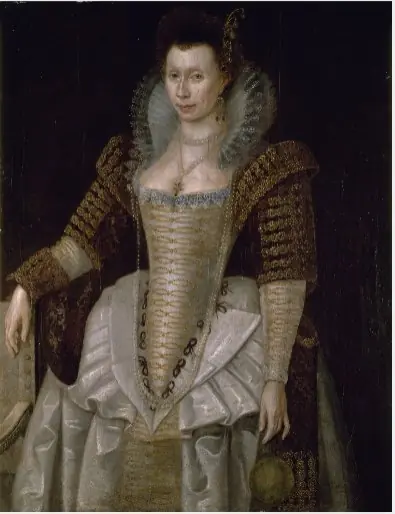 Portrait of Lady Raleigh (née Elizabeth Throckmorten) (1565-1647)
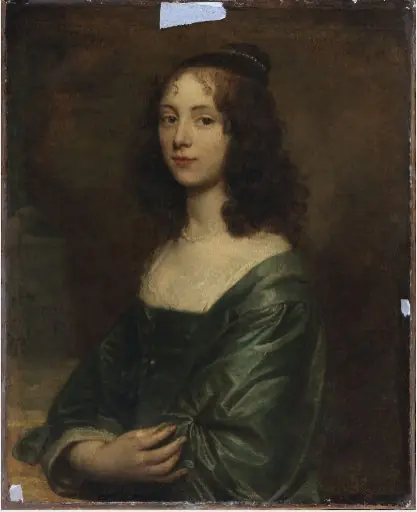 So Called Portrait of ?Amalia van Solms, Princess of Orange (1602-1675)
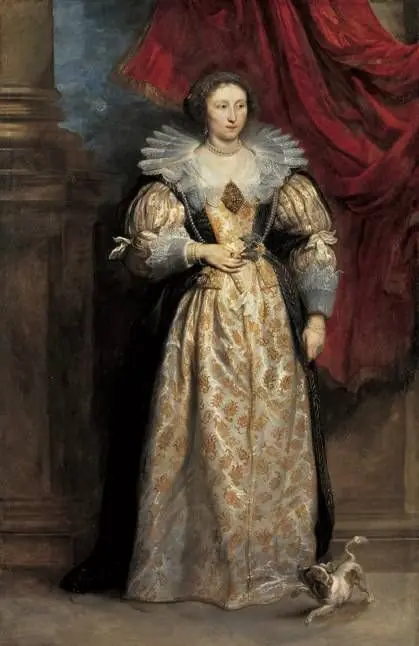 Portrait of Sebilla van den Berghe
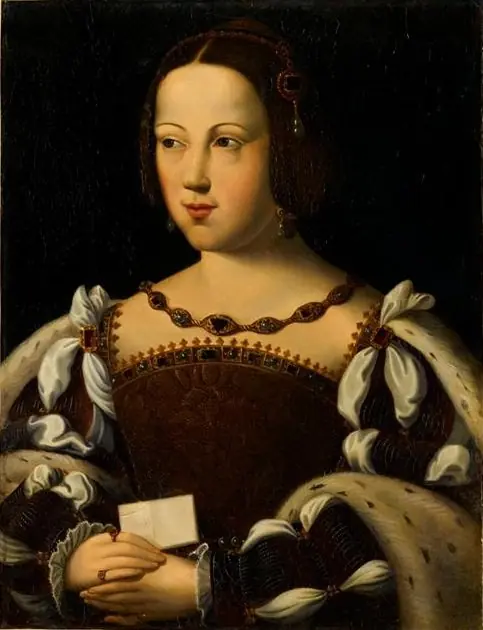 Eleanor of Austria, queen of France (1498-1558)
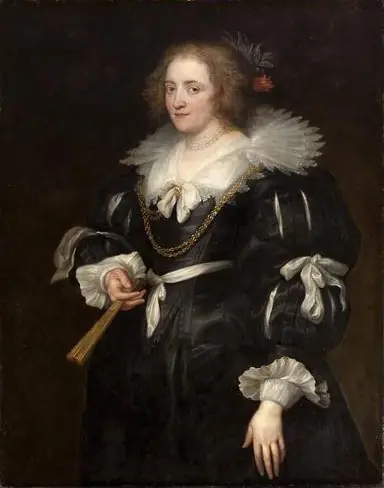 Portrait of Amalia of Solms-Braunfels
 Portrait of Archduchess Anna (1528-1590), Daughter of King Ferdinand I of Austria