Artwork
Triptych with the Annunciation, the Adoration of the Magi and the Nativity with Angels and Shepherds
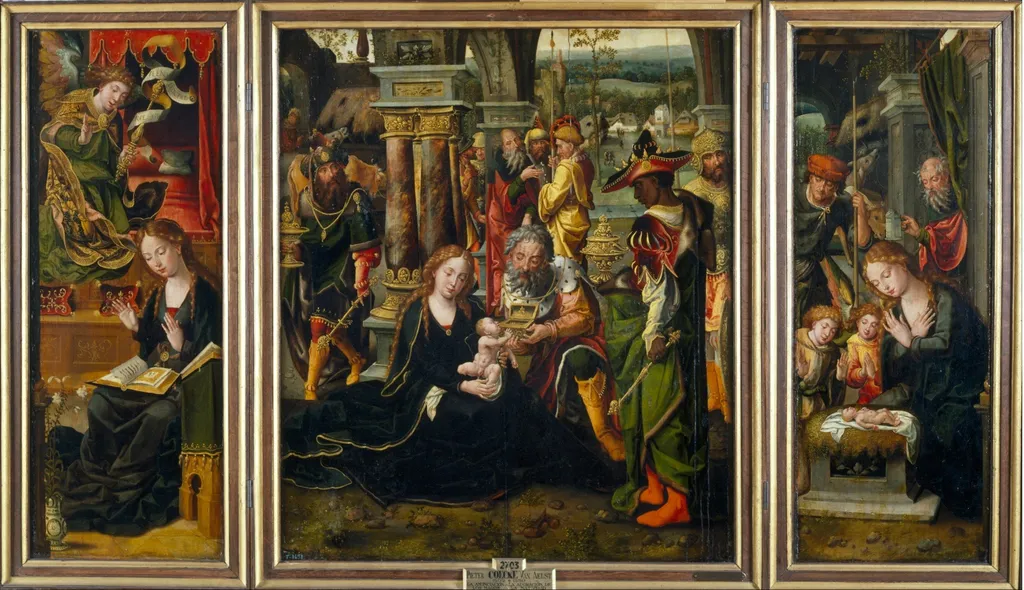
Triptych with the Annunciation, the Adoration of the Magi and the Nativity with Angels and Shepherds is an oil painting by the Northern Renaissance artist Pieter Coecke van Aelst. It dates from 1525 and is held in the collection of the Museo del Prado.
About this work
Overview
Created in 1525, this oil triptych by Pieter Coecke van Aelst presents three pivotal moments from the Christian narrative: the Annunciation, the Adoration of the Magi, and the Nativity surrounded by angels and shepherds. The work is currently displayed in the Museo del Prado, where its three panels are arranged side‑by‑side to form a cohesive devotional scene.
Subject & Meaning
The central panel concentrates on the Nativity, showing the infant Christ amid a gathering of figures, one of whom kneels with a crown, symbolising homage and royalty. Flanking panels depict the angelic announcement to Mary and the visit of the Magi, together illustrating the theological progression from divine conception to earthly worship.
Technique & Style
Executed in oil on canvas, the triptych employs a dark background that heightens the vividness of the richly colored garments and illuminated figures. Fine details such as a book, a vase, and delicate angelic forms demonstrate Coecke van Aelst’s meticulous brushwork and his capacity to render texture within a compact compositional framework.
History & Provenance
Painted in the early sixteenth century, the work remained in private collections before entering the holdings of the Museo del Prado. Its attribution to Pieter Coecke van Aelst, a prominent Flemish painter and tapestry designer, has been confirmed through stylistic comparison with his documented oeuvre.
Context
The triptych reflects the devotional practices of the period, when multi‑panel altarpieces were common in churches and chapels. By integrating three distinct biblical episodes, Coecke van Aelst provided a visual meditation on the Incarnation, aligning with contemporary theological emphasis on the mystery of Christ’s birth.
Artist & collection
Artist
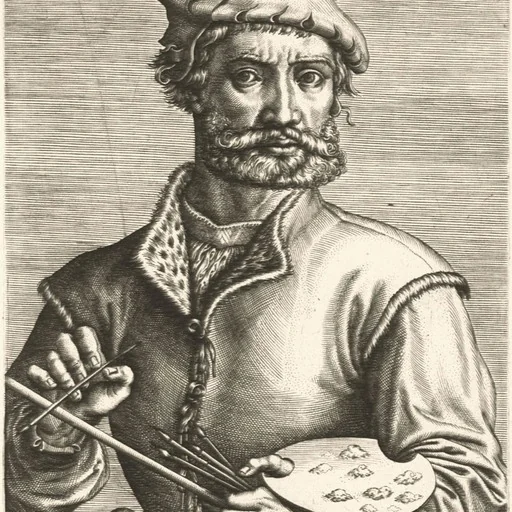
Pieter Coecke van Aelst or Pieter Coecke van Aelst the Elder was a Flemish painter, sculptor, architect, author and designer of woodcuts, goldsmith's work, stained glass and tapestries.

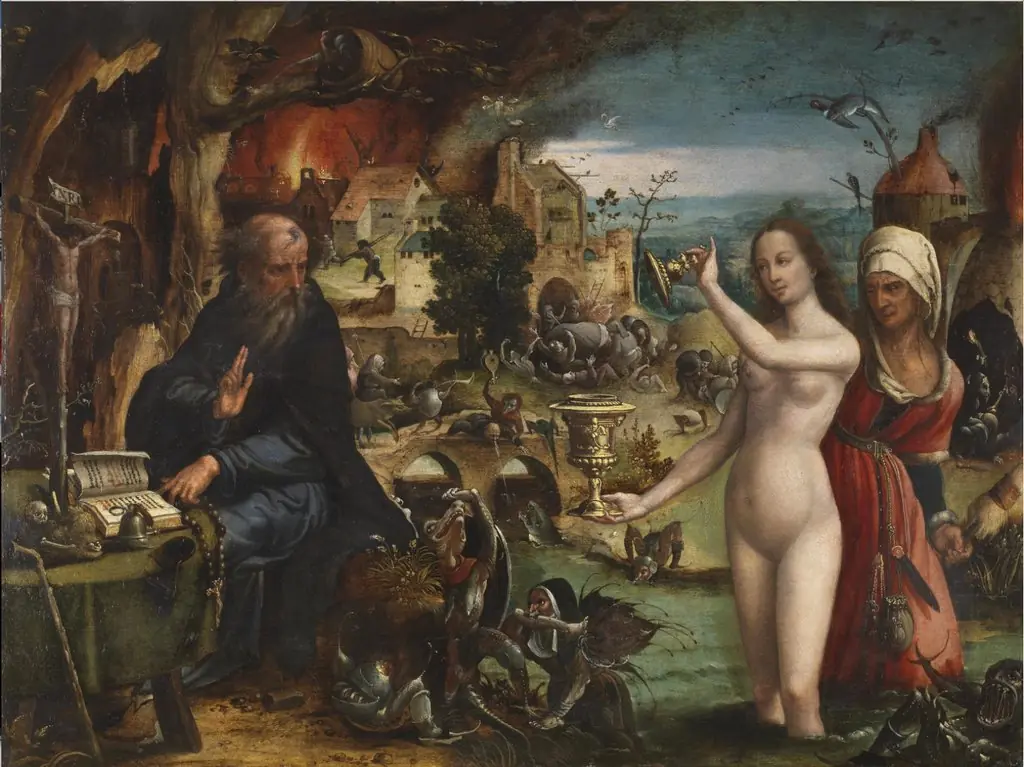
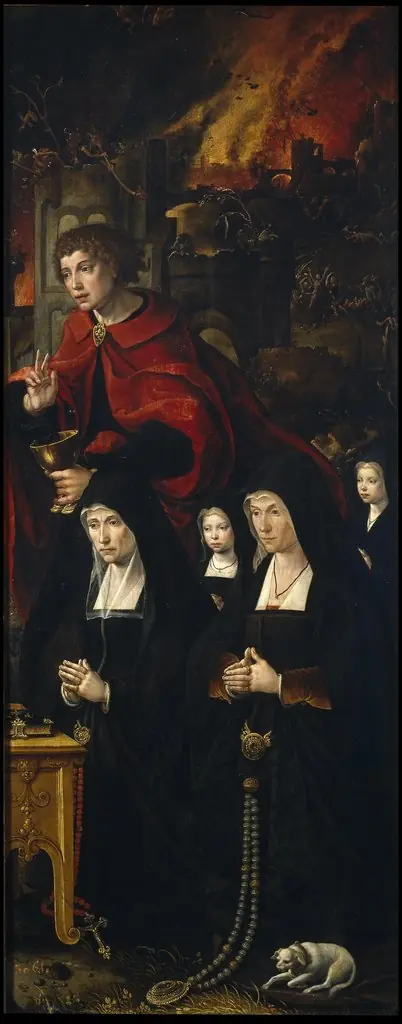
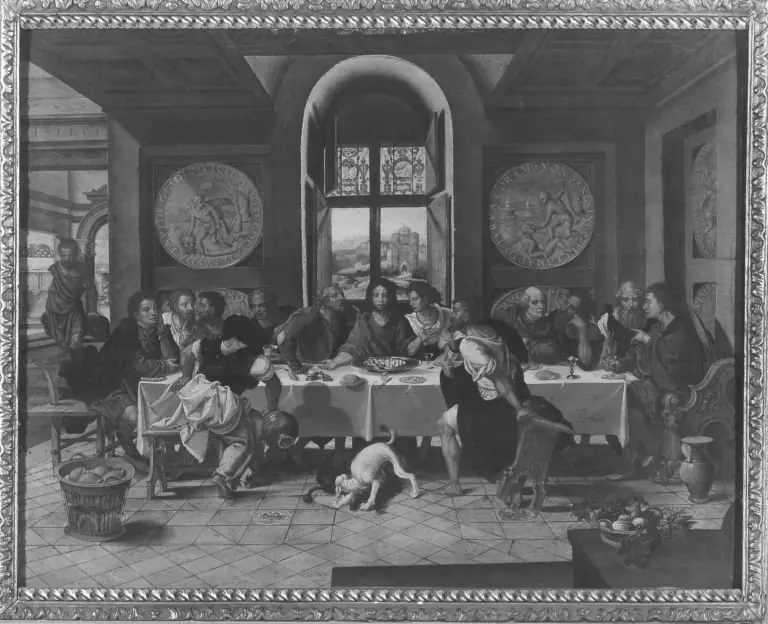
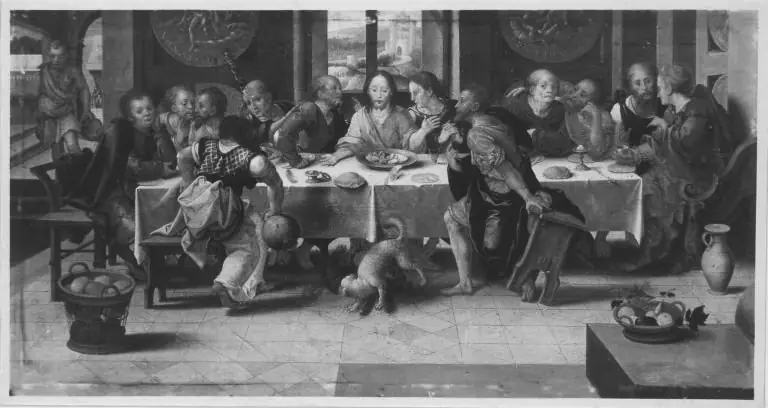
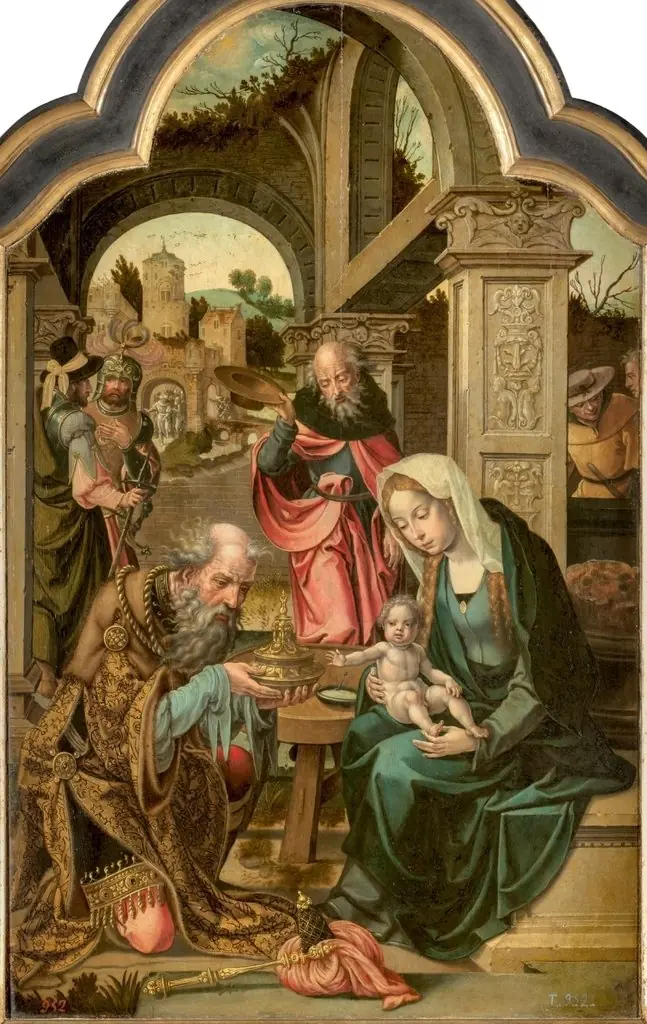
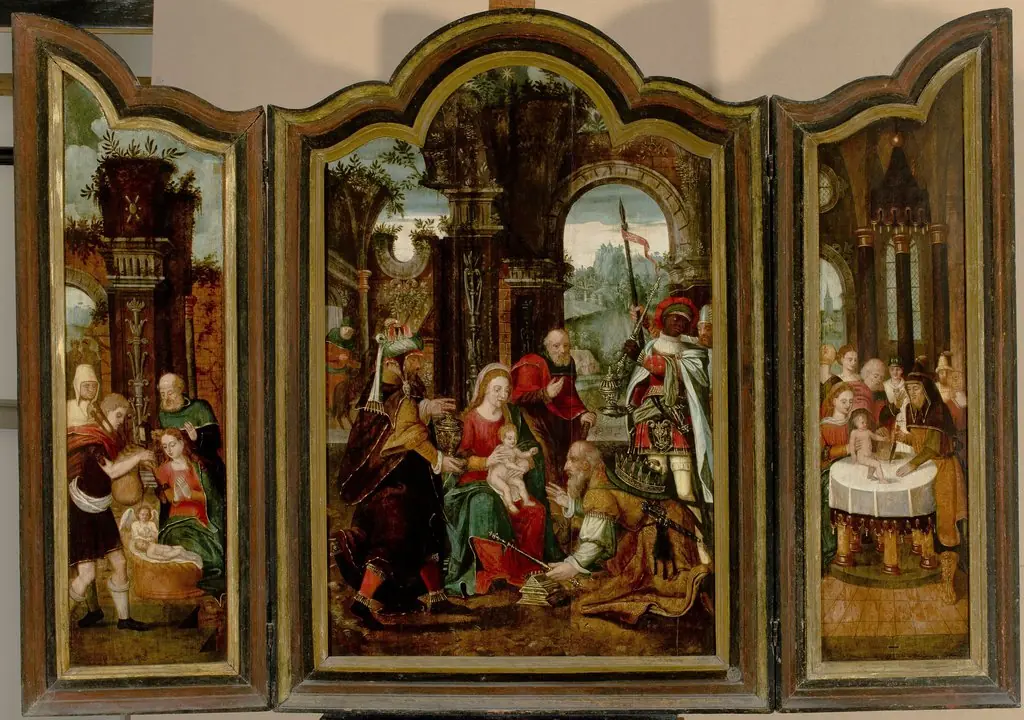 Triptych: Adoration of the Magi, Adoration of the Shepherds, Circumcision
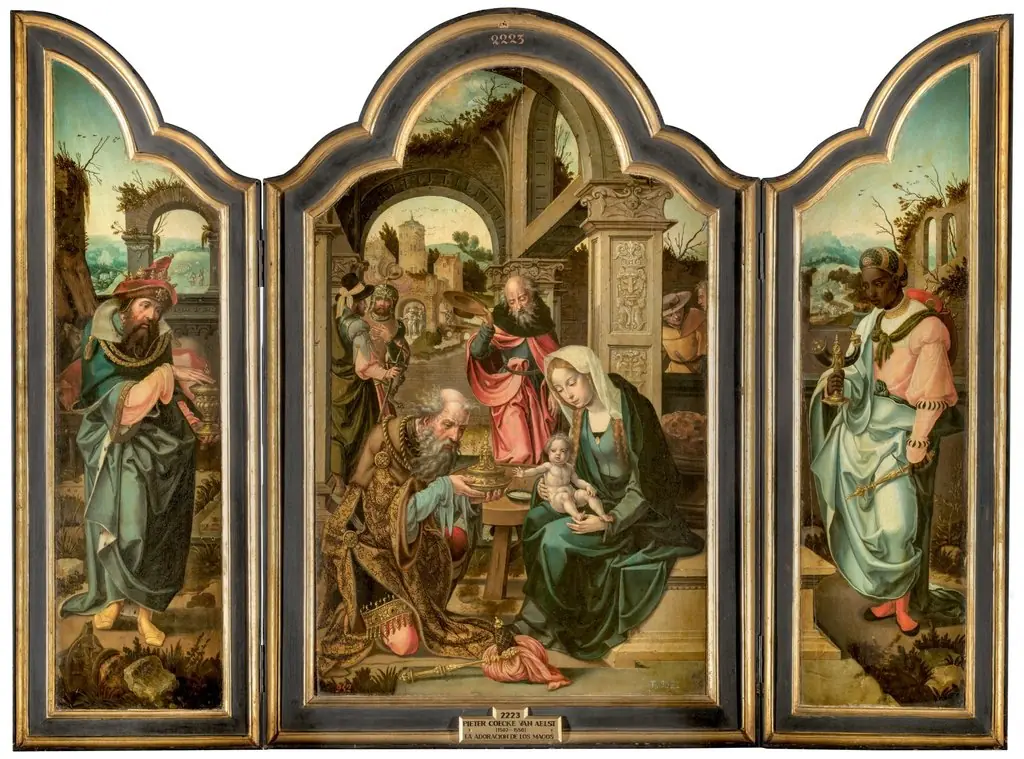
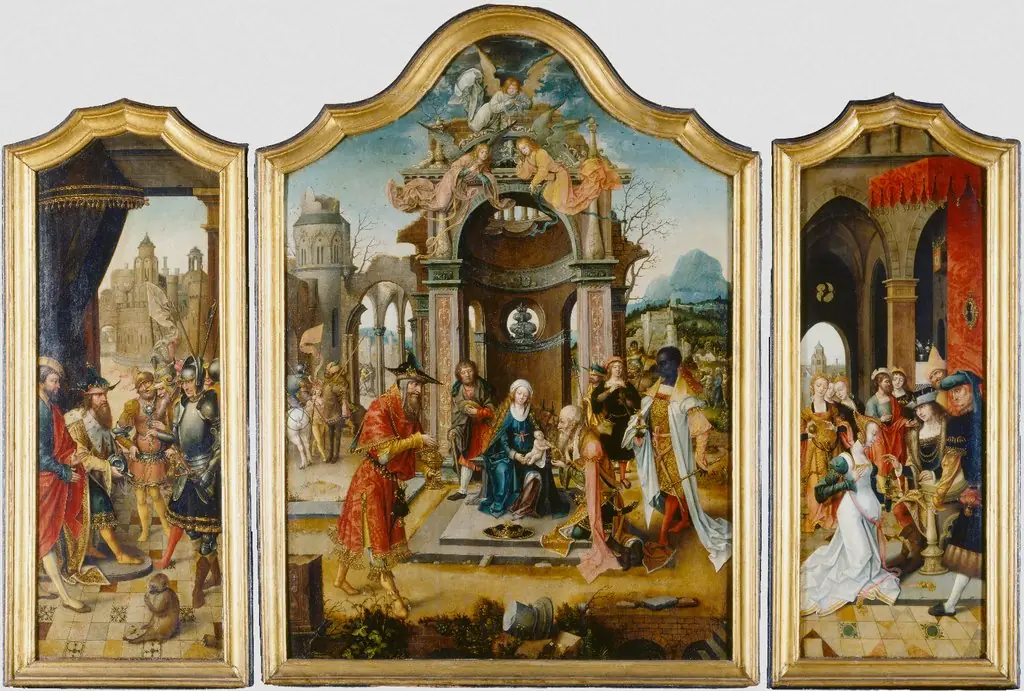 Triptych of the Adoration of the Magi
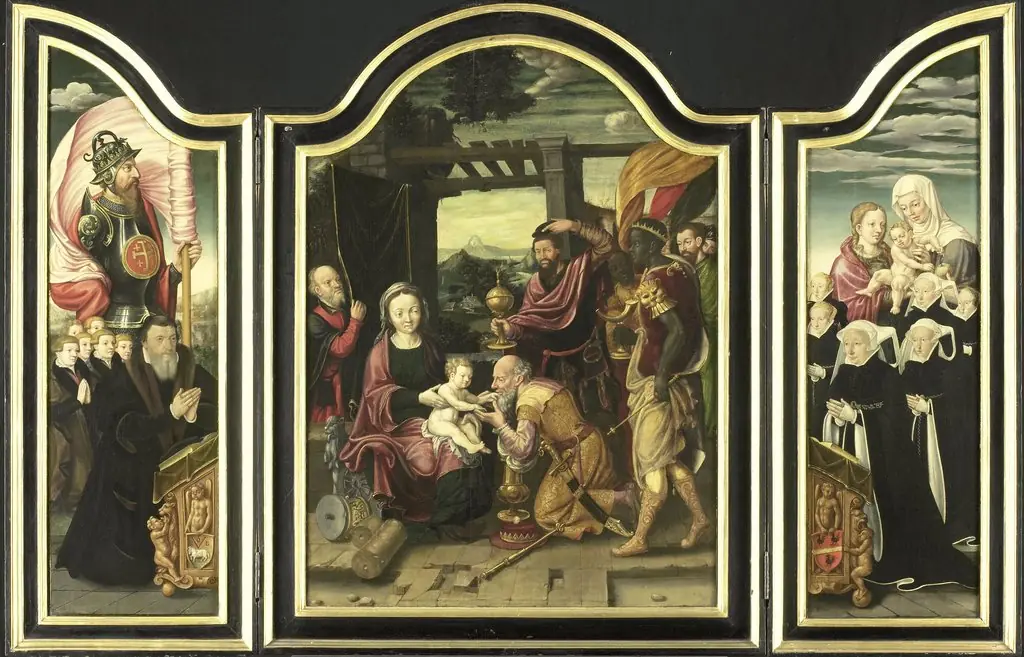 Triptych with the Adoration of the Magi
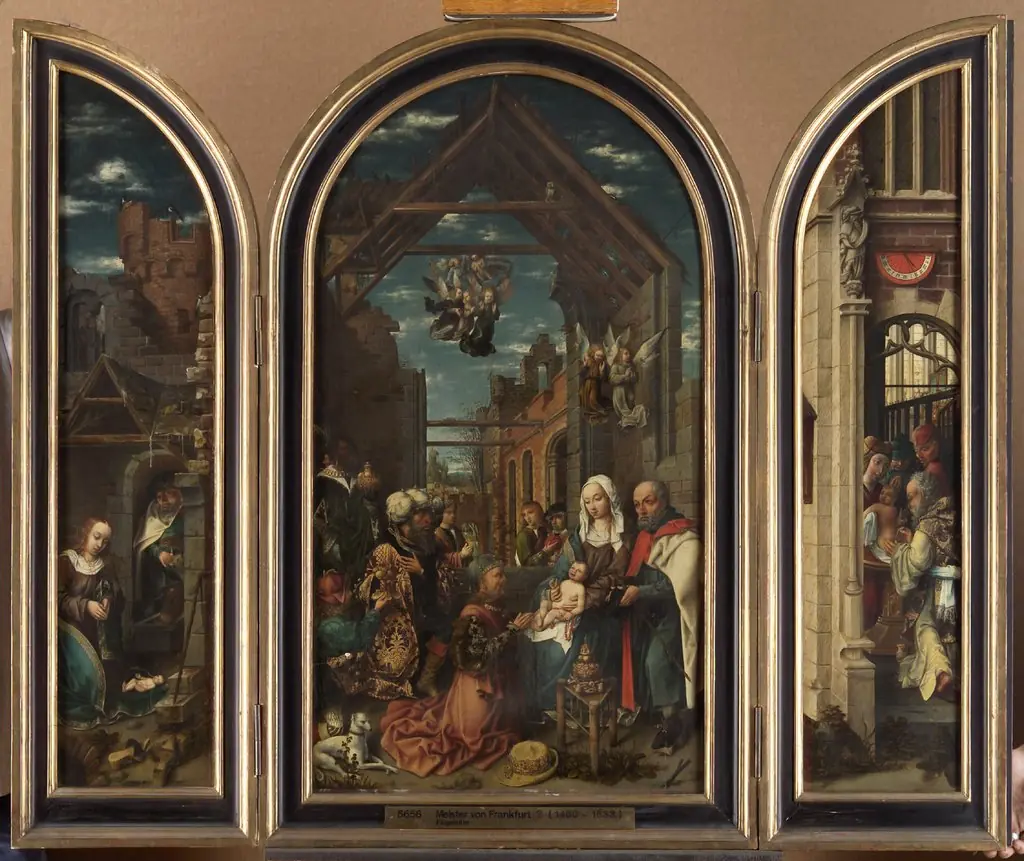 Triptych of the adoration of the magi
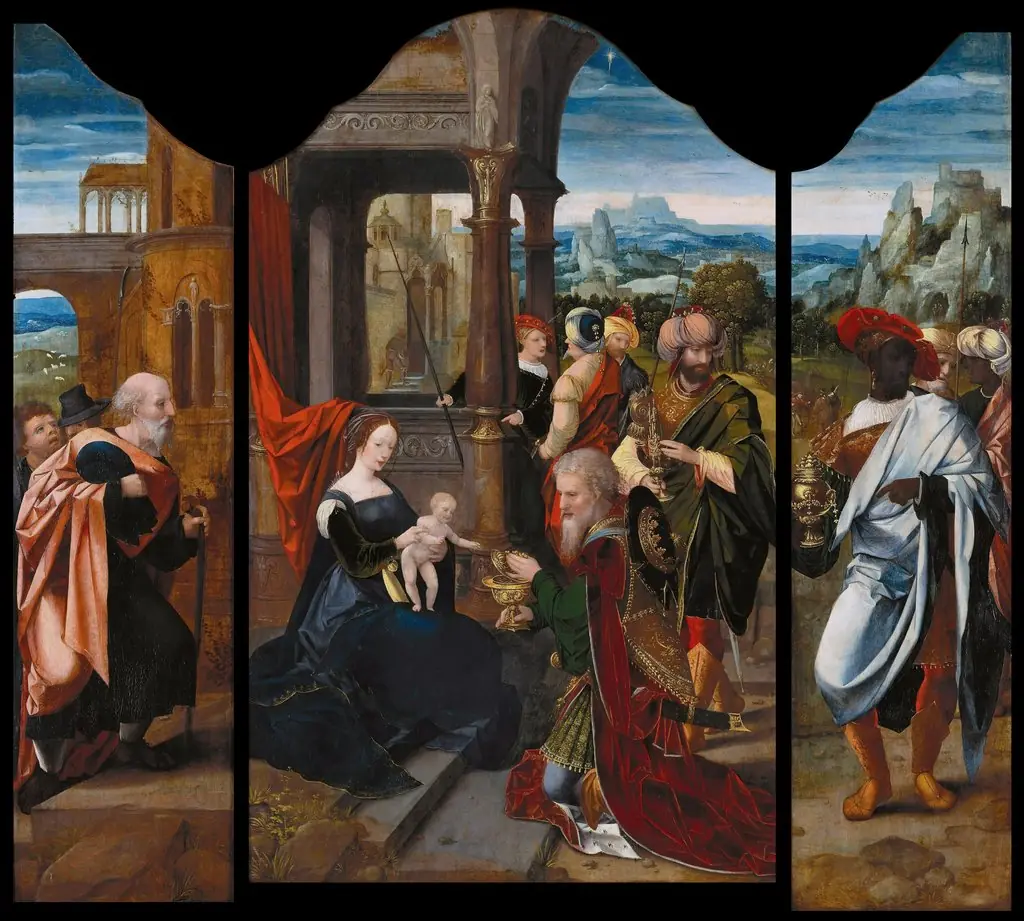 Triptych with the Adoration of the Magi
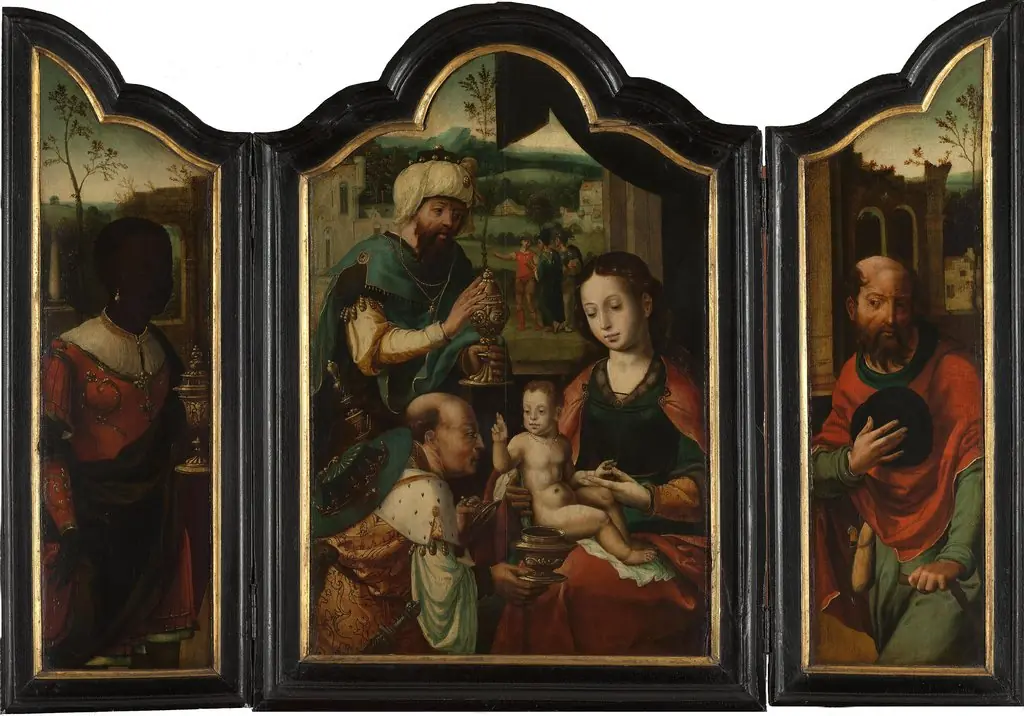 Triptych with Adoration of the Magi
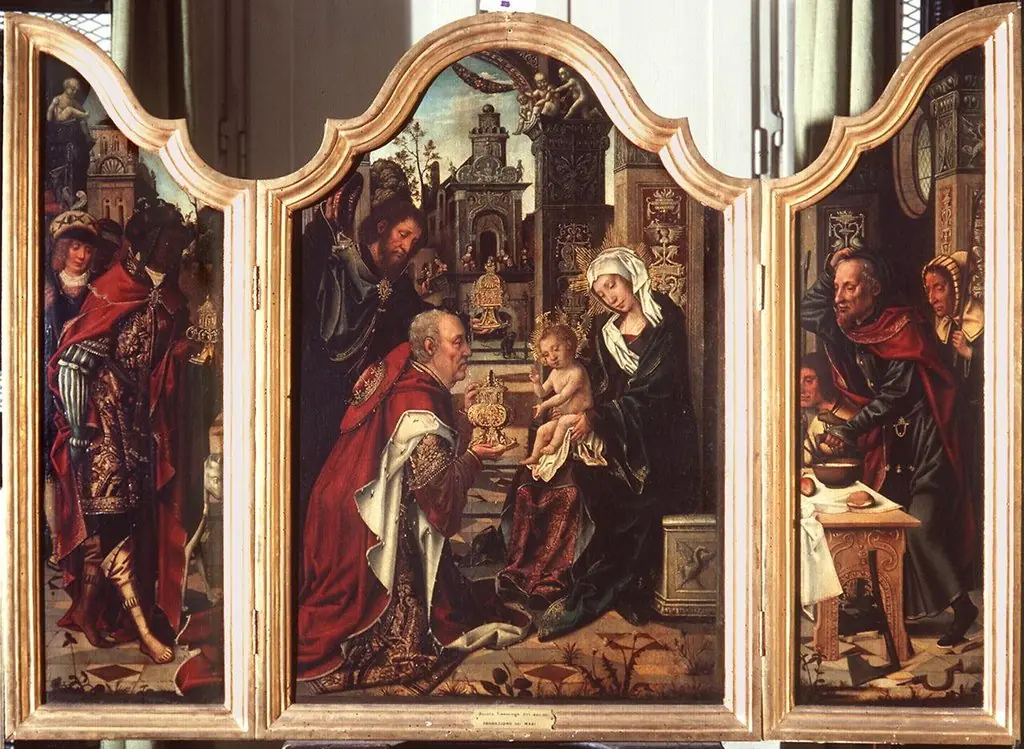 Triptych of the Adoration of the Magi
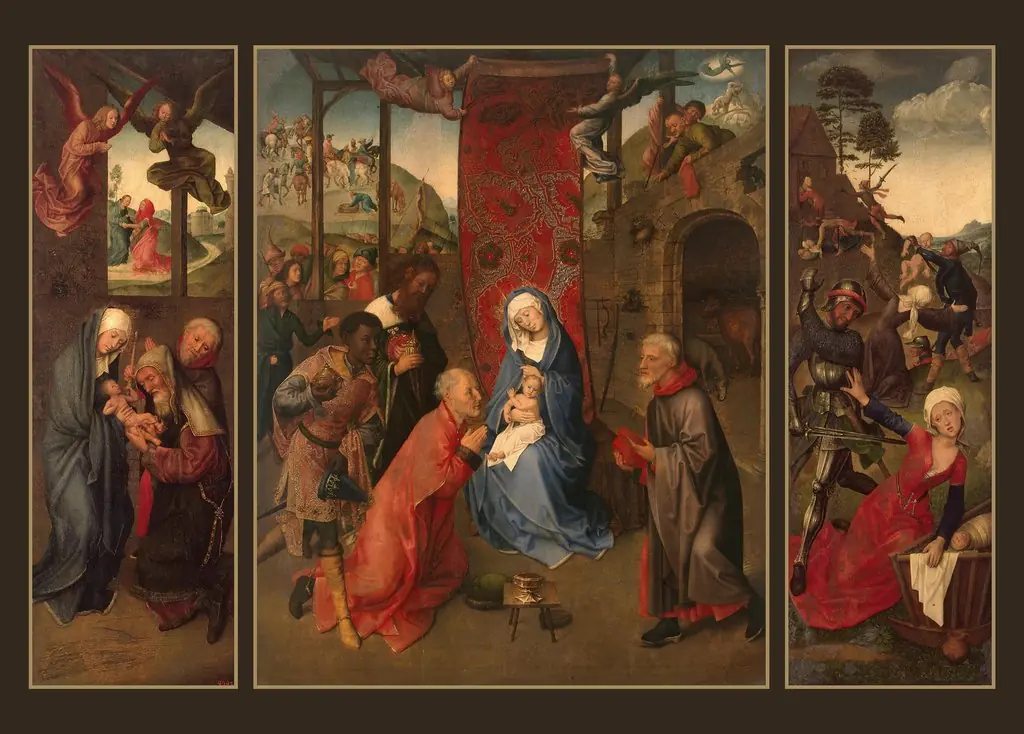 Adoration of the Magi (Triptych)
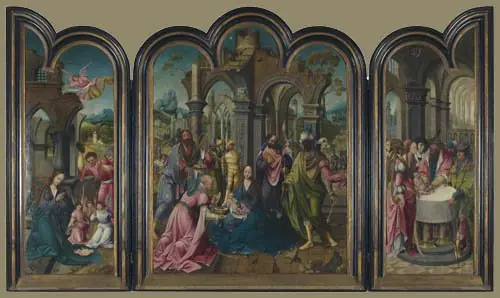 Triptych with adoration by the Magi
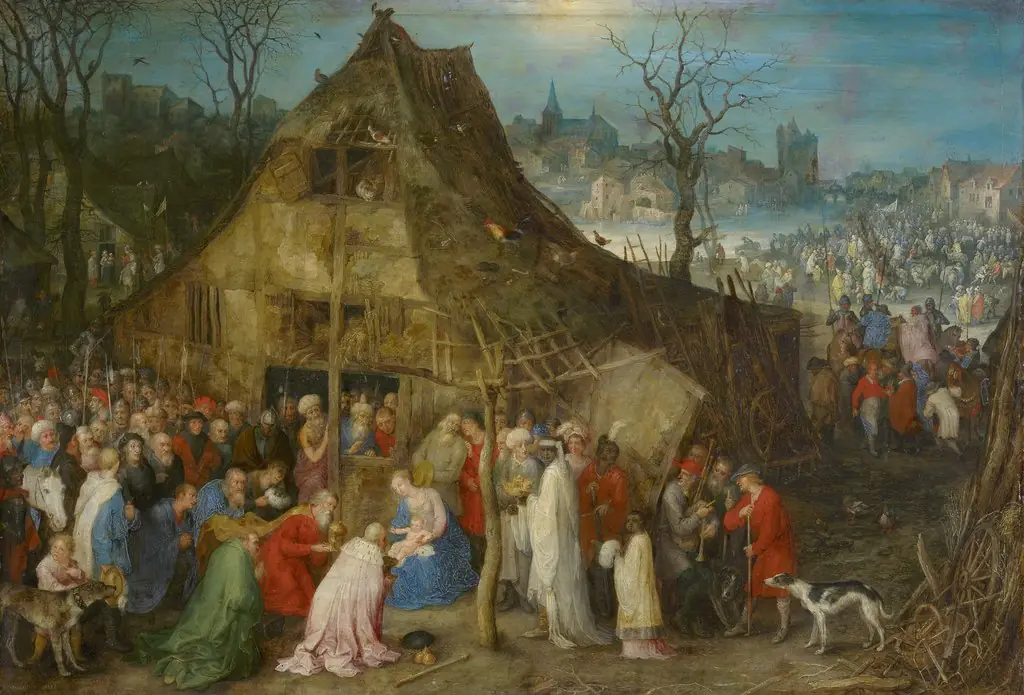 Adoration of the Magi