Artwork
Young Man
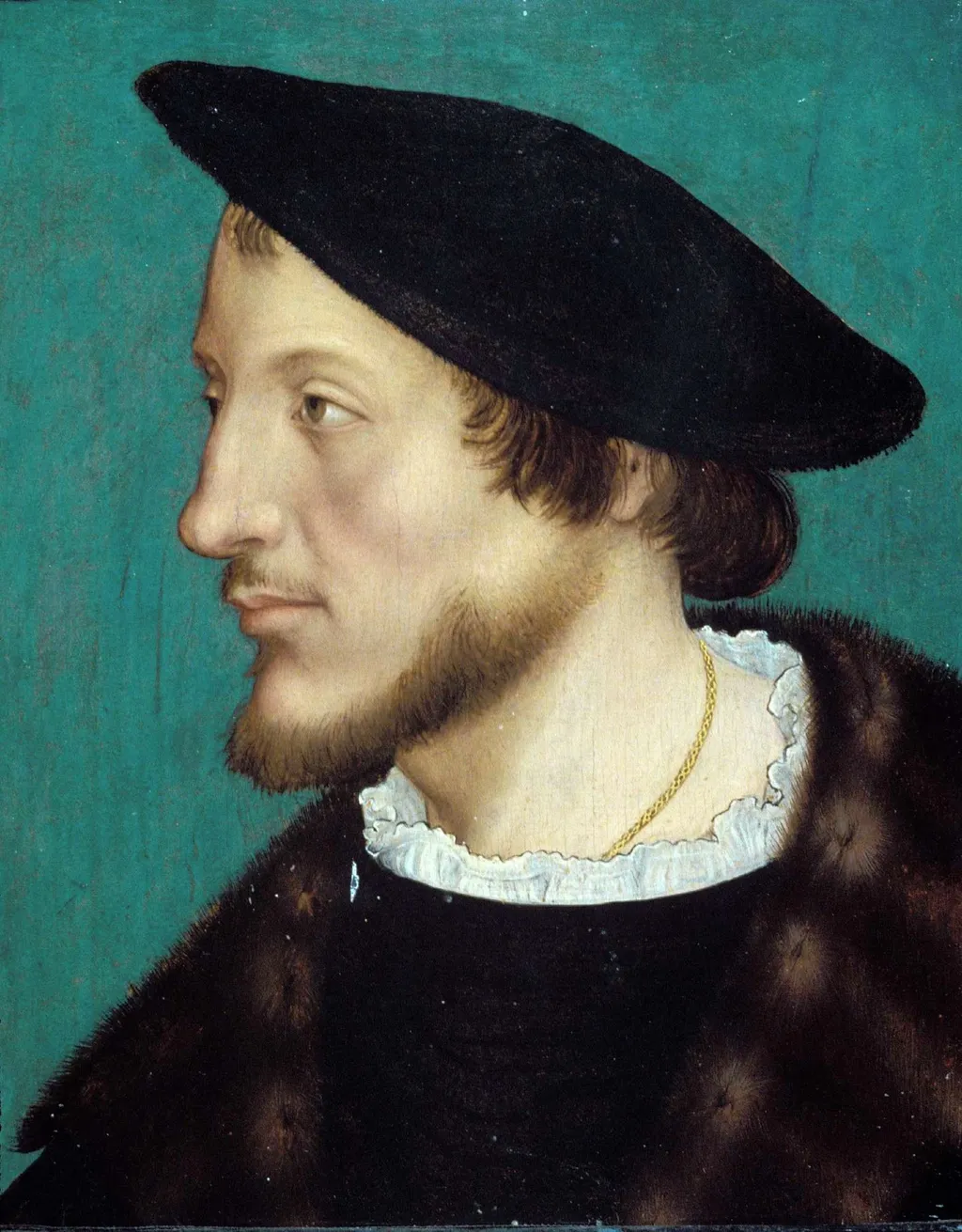
Young Man is an oil painting by Unknown. It dates from 1525 and is held in the collection of the Detroit Institute of Arts.
About this work
Overview
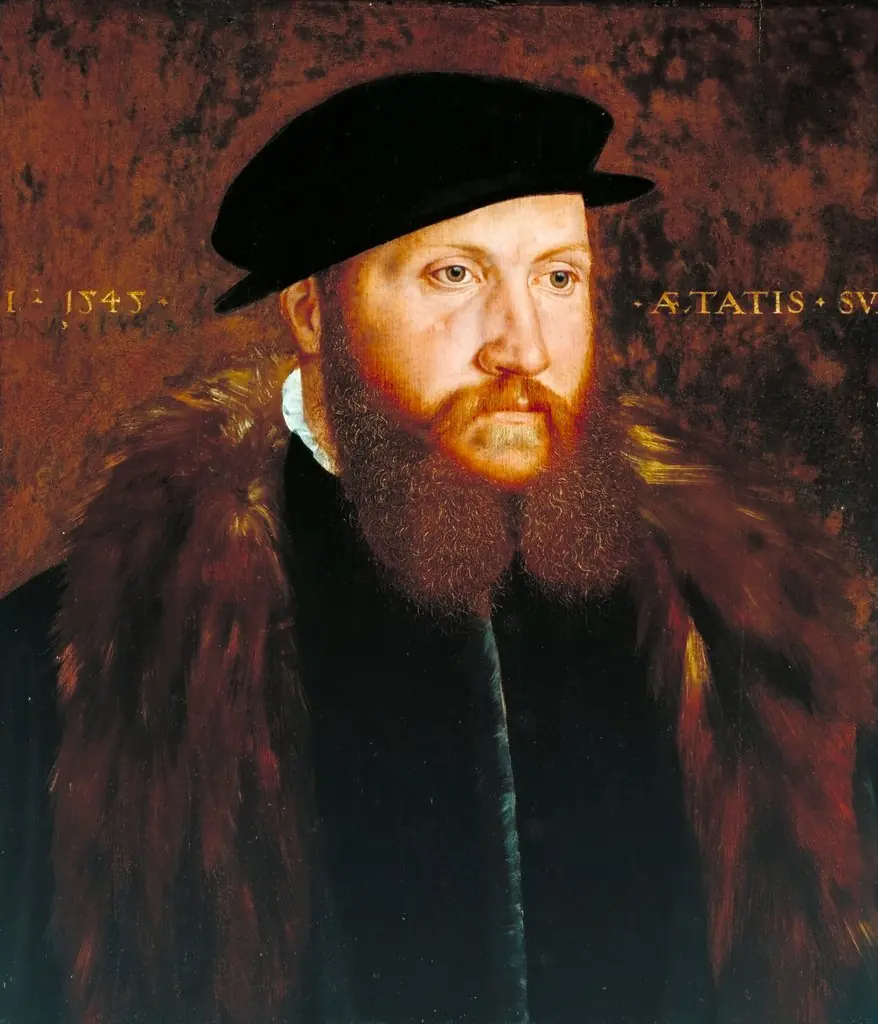
This oil painting presents a half-length portrait of a young man, rendered with precise attention to texture and form. The subject is framed from the chest upward, his posture calm and direct, engaging the viewer with a quiet presence. The composition emphasizes his attire and personal adornments, suggesting a deliberate focus on status and identity rather than emotional expression.
Subject & Meaning
The sitter’s black beret, white ruffled collar, and gold chain indicate membership in the urban elite, likely a noble or affluent merchant class individual.
The sitter’s black beret, white ruffled collar, and gold chain indicate membership in the urban elite, likely a noble or affluent merchant class individual. The neat beard and trimmed hair reflect contemporary ideals of refined masculinity. These elements function not as mere decoration but as markers of social standing, signaling wealth, taste, and self-awareness within the cultural norms of the period.
Technique & Style
The artist employs fine brushwork to capture the sheen of silk, the weave of wool, and the gleam of metal. Shadows are softly modeled to define the contours of the face and collar, while the background remains muted, directing focus to the figure. The rendering of the ruffled collar and chain demonstrates a mastery of surface detail, typical of Northern European portraiture of the era.
History & Provenance
The painting’s early ownership is undocumented, but its style aligns with works produced in the Low Countries during the late 16th or early 17th century. It entered institutional collections in the 19th century, where it was cataloged as a representative example of bourgeois portraiture. No definitive record of the sitter’s identity has been established.
Context
During this period, portraiture in Northern Europe shifted from religious or royal subjects to include affluent non-nobles. The emphasis on personal adornment and quiet dignity reflects a growing middle-class identity, where clothing and accessories became tools of self-representation. This portrait fits within a broader trend of individualized, secular imagery.
Legacy
The painting remains a quiet testament to the rise of individual portraiture outside aristocratic circles. Its technical precision and restrained elegance influenced later generations of portraitists who sought to convey character through detail rather than grandeur. It continues to be studied for its insight into early modern social codes and visual culture.
Artist & collection

 Domestic Scene
 Giacomo and Cardinal Marco, investing Andrea, Abbot of San Zeno, with his Benefice
 The Nymph of Fontainebleau
 Portrait of a Woman
 Madonna and Child with Saints in the Enclosed Garden
 Venus and Minerva
 Family Group of Four on Sofa
 Wall painting from Room H of the Villa of P. Fannius Synistor at Boscoreale
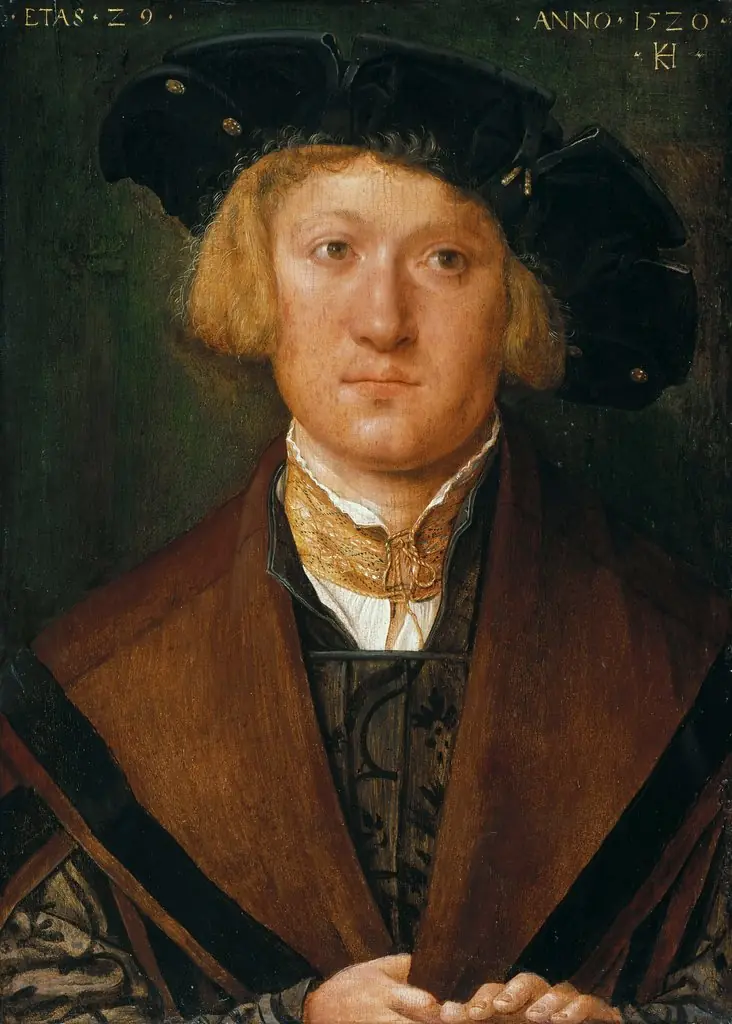 Portrait of a young Man
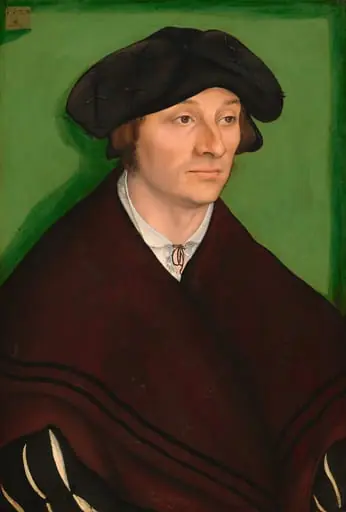 Portrait of a Man
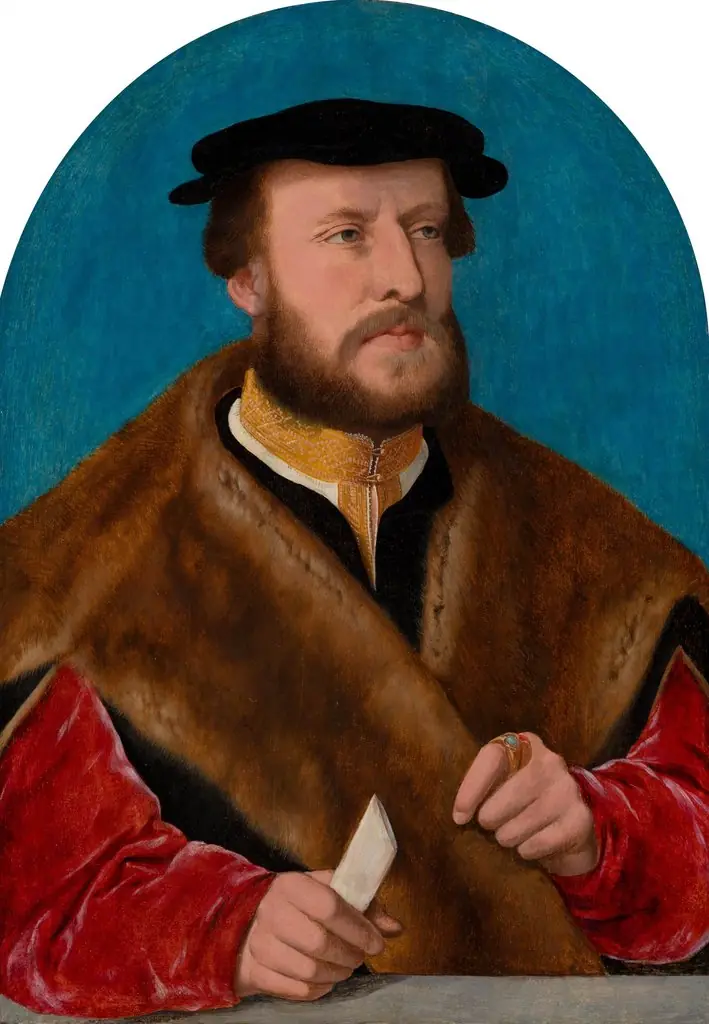 Portrait of Jakob Omphalius
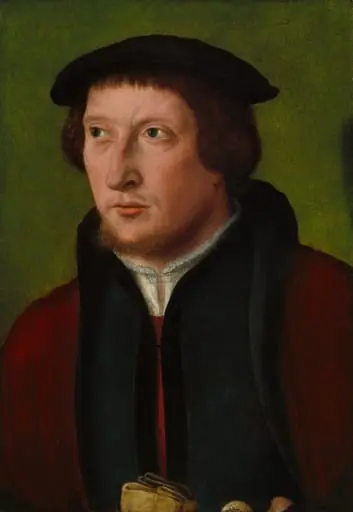 Portrait of a Man
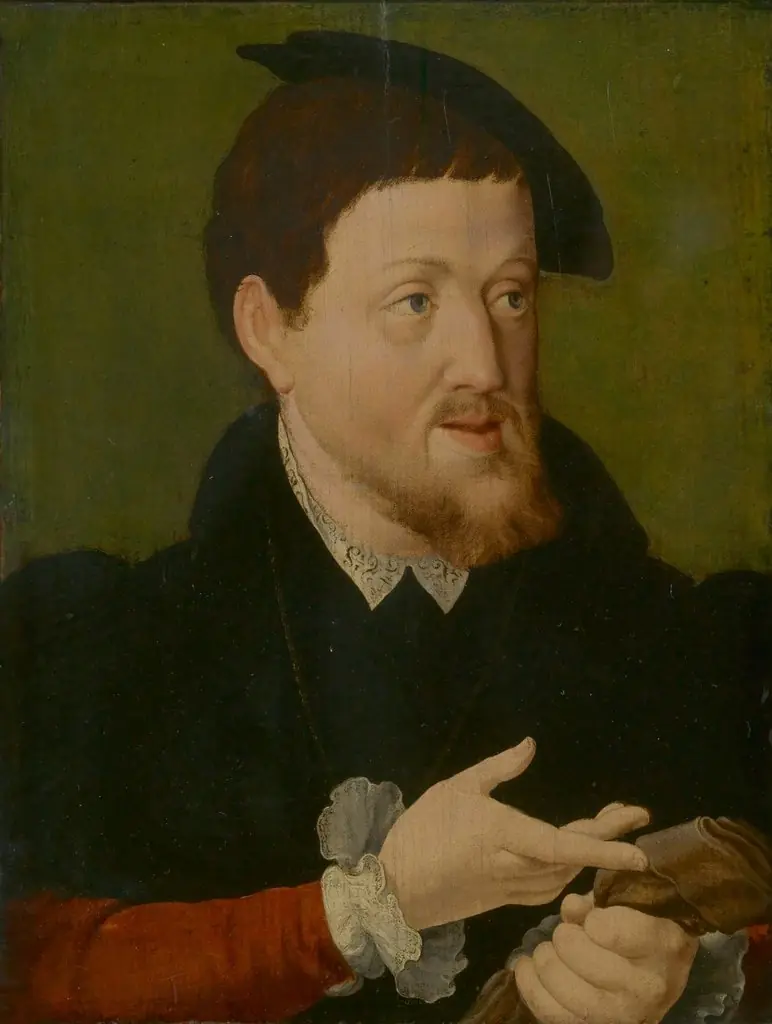 Portrait of emperor Charles V
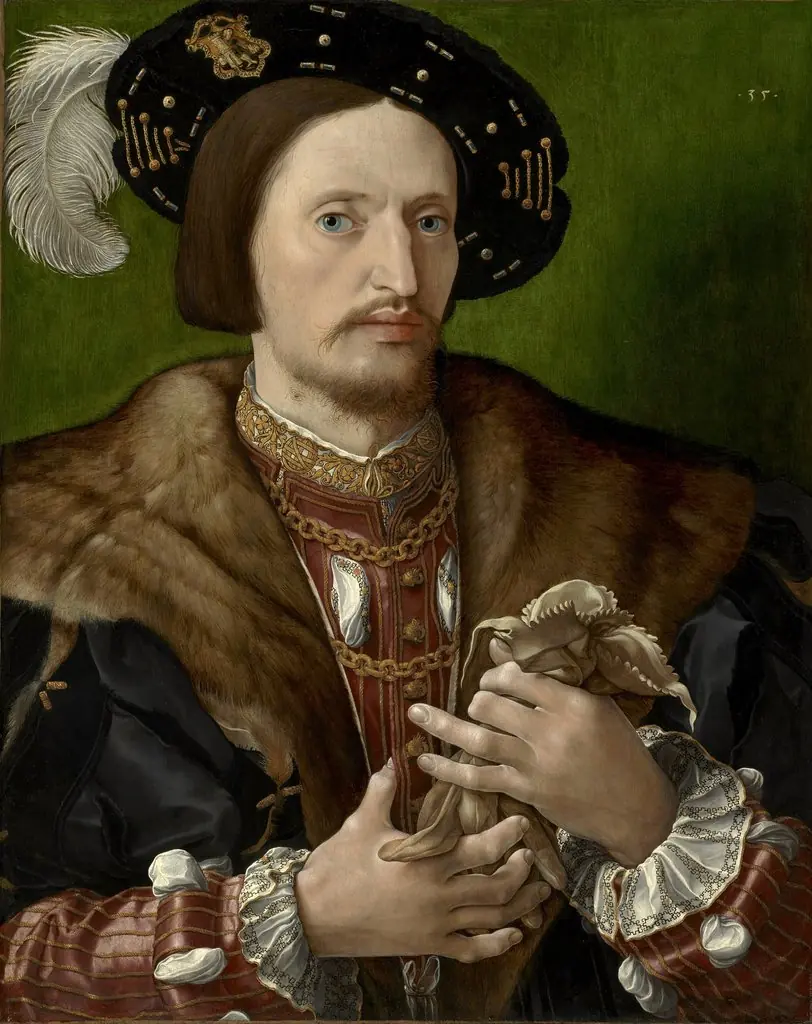 Portrait of a Gentleman holding Gloves
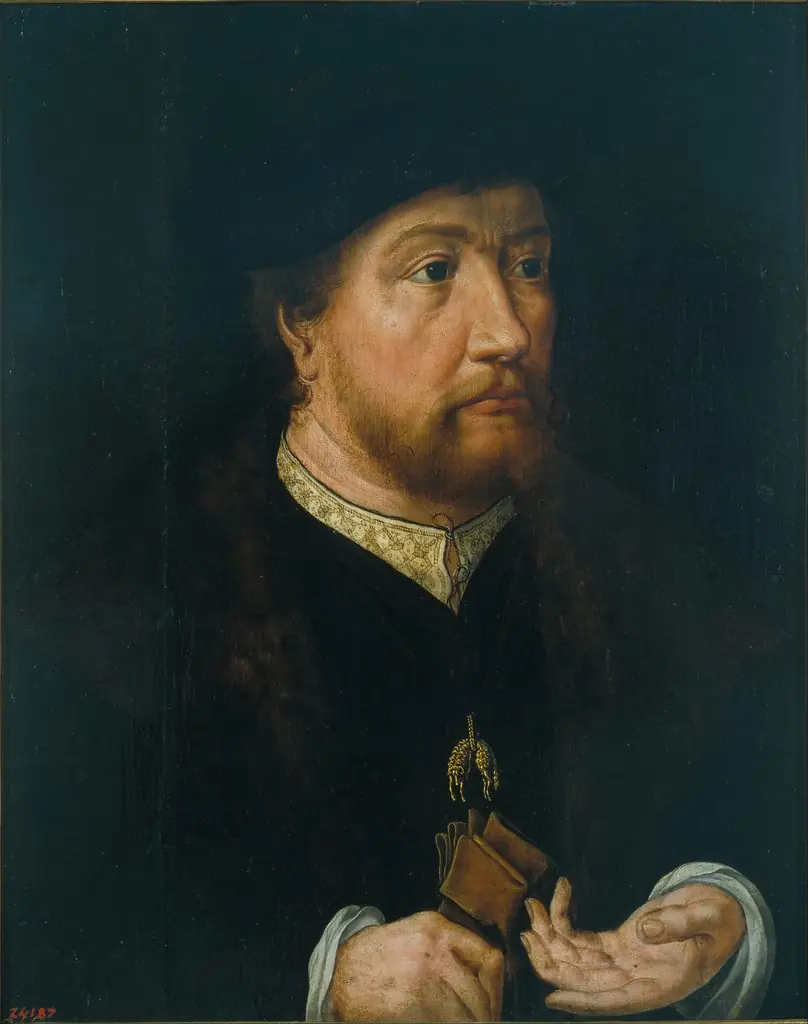 Portrait of Henry III, Count of Nassau
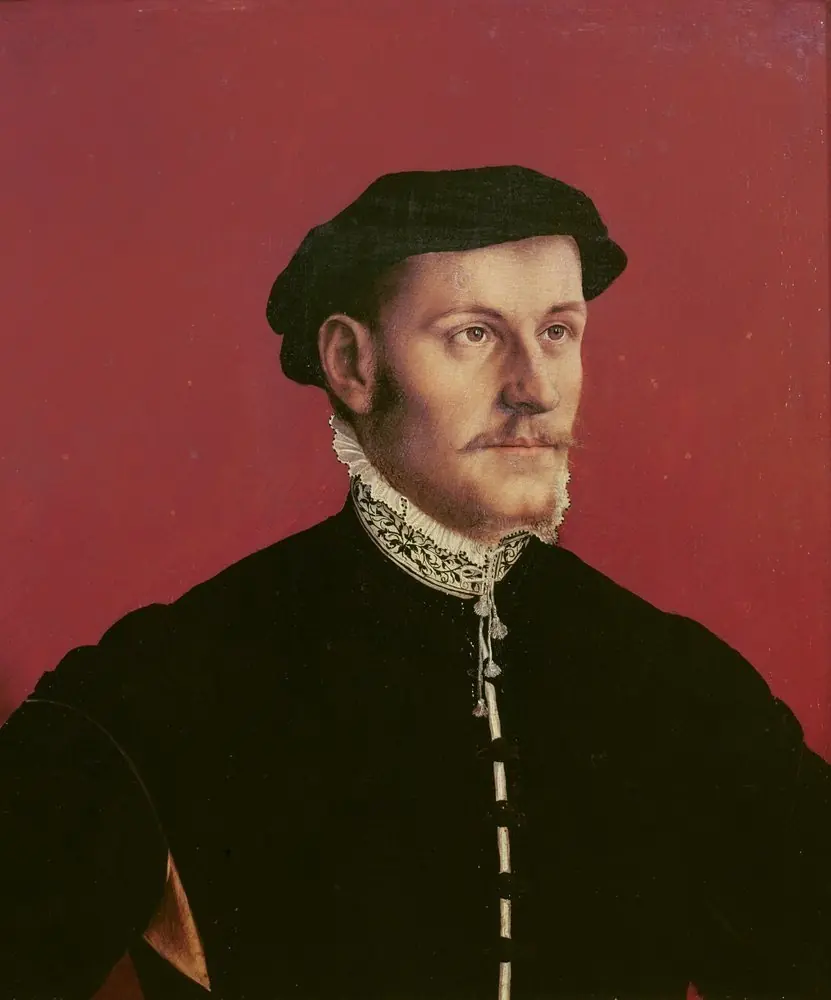 Portrait of an Unknown Gentleman
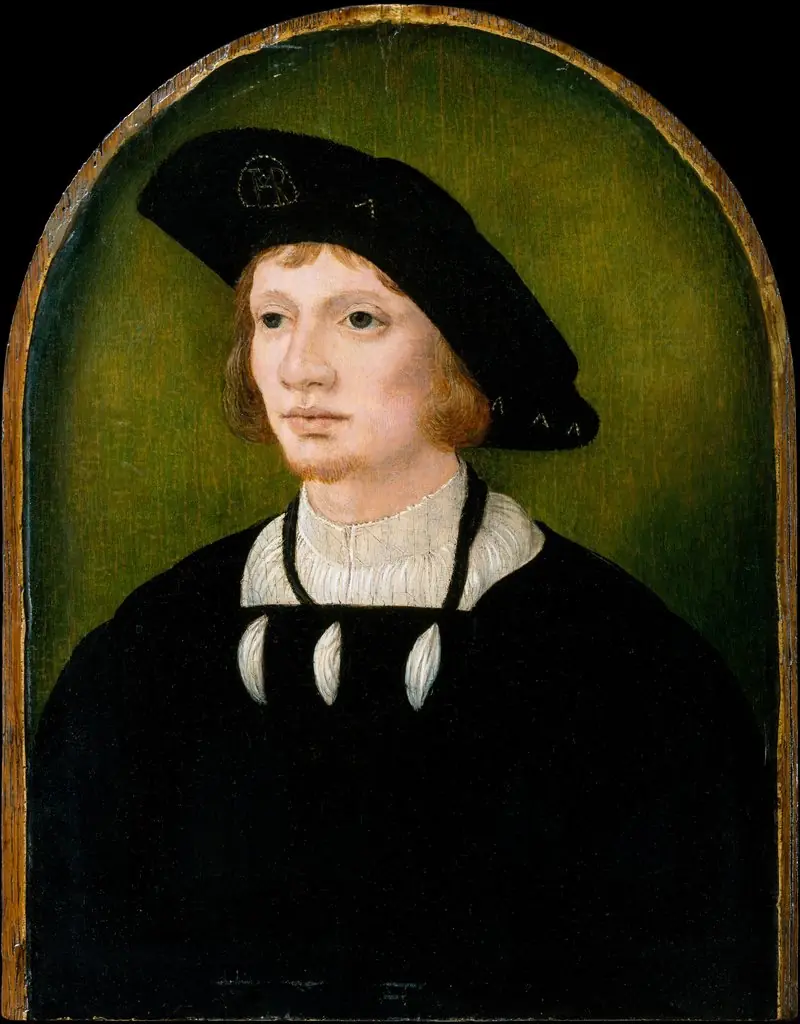 Portrait of a Man
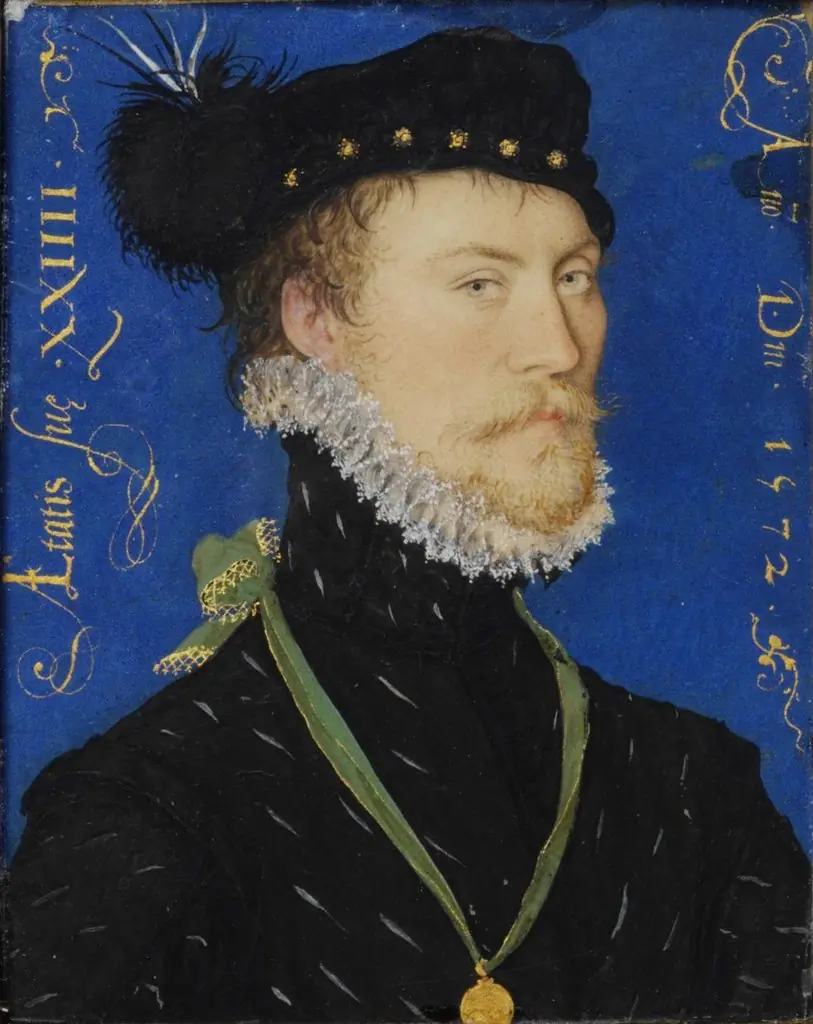 Portrait of an unknown man
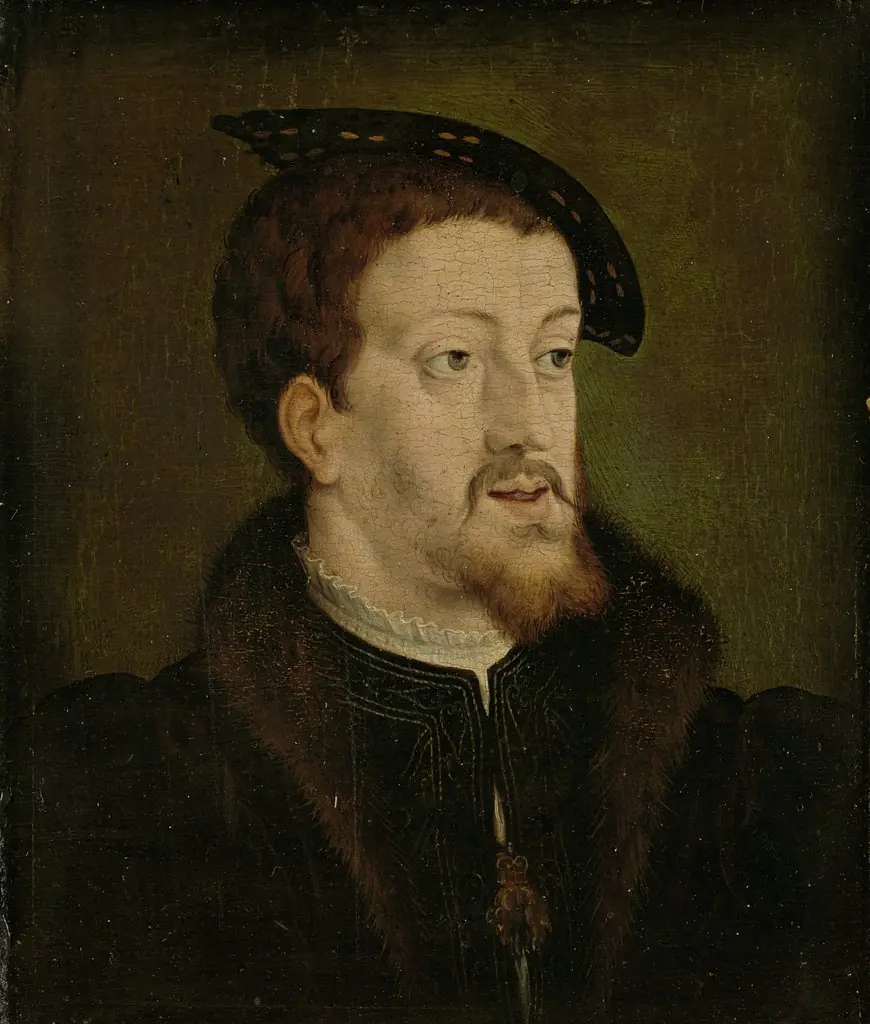 Portrait of Charles V (1500-58), emperor of the Holy Roman Empire
 A Man in a Black Cap