Artwork
Portrait of emperor Charles V
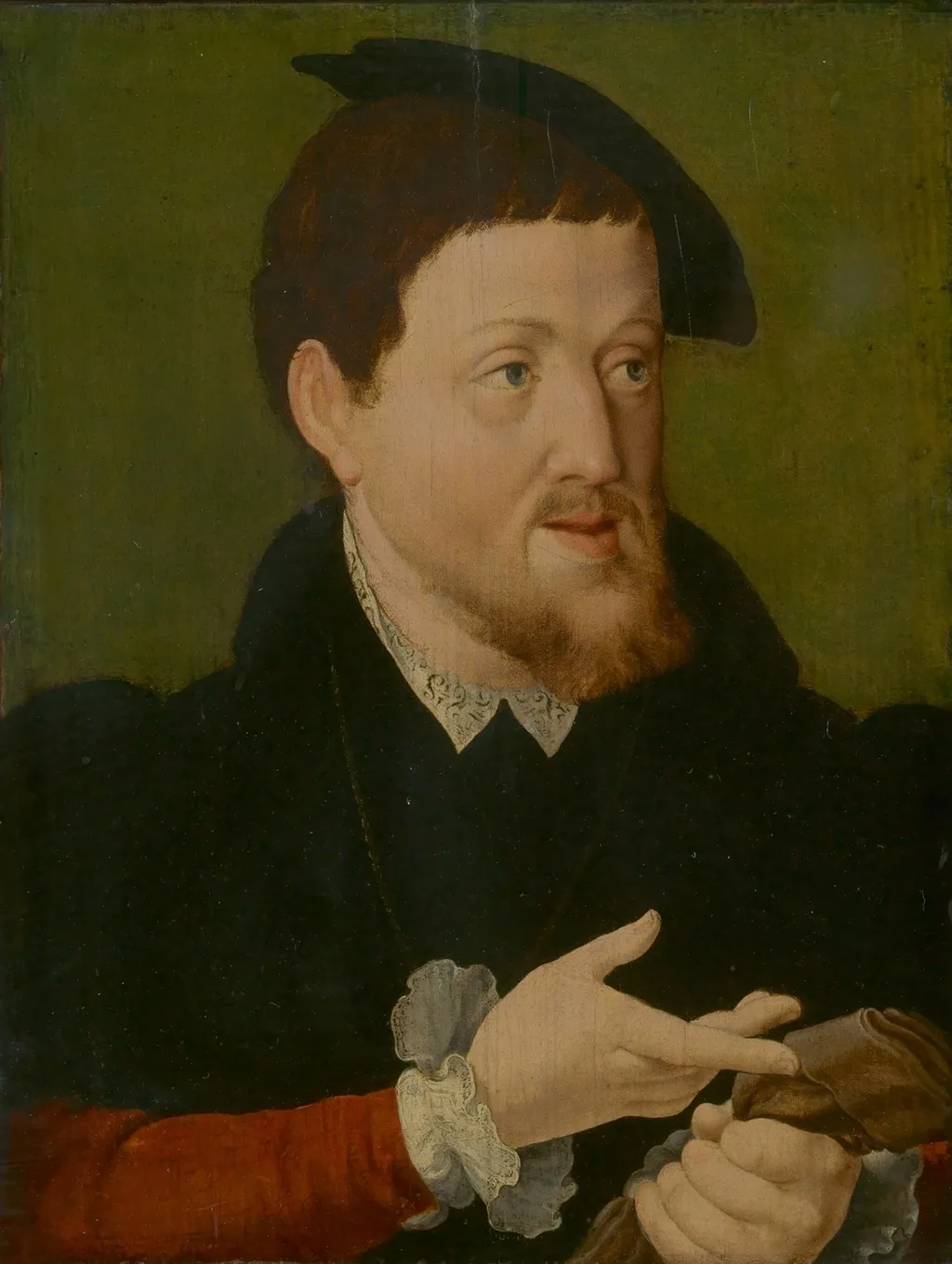
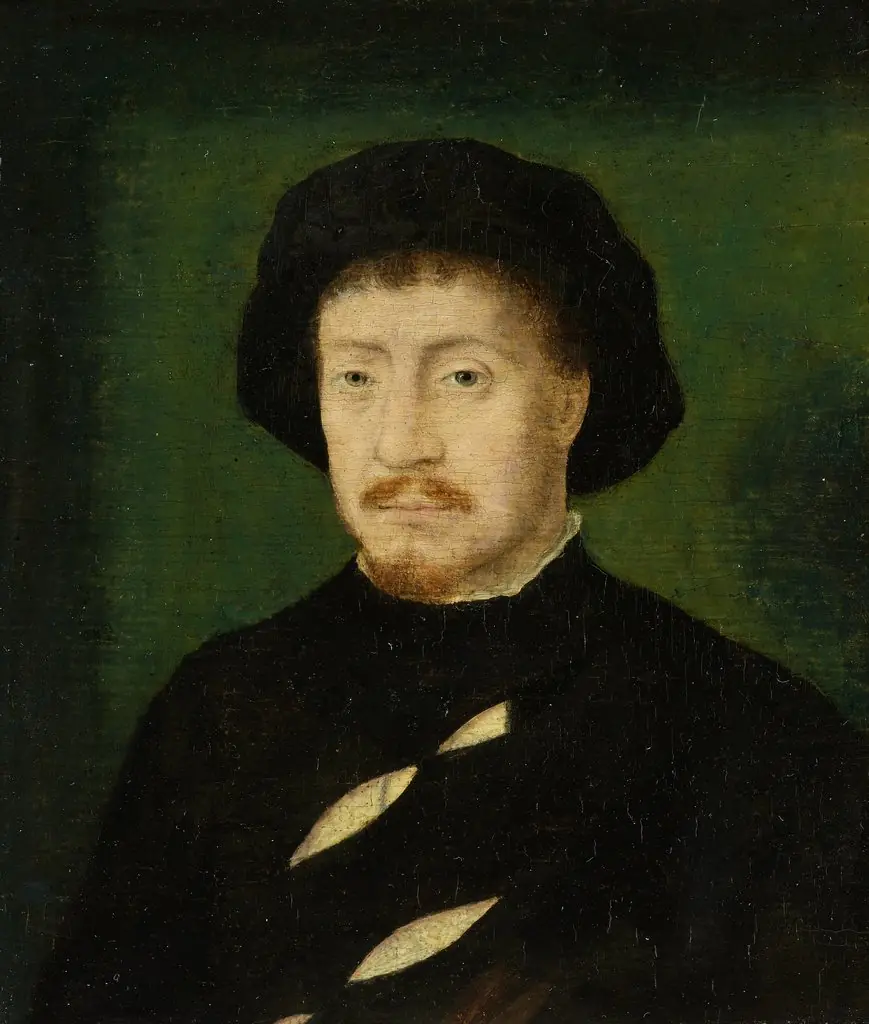
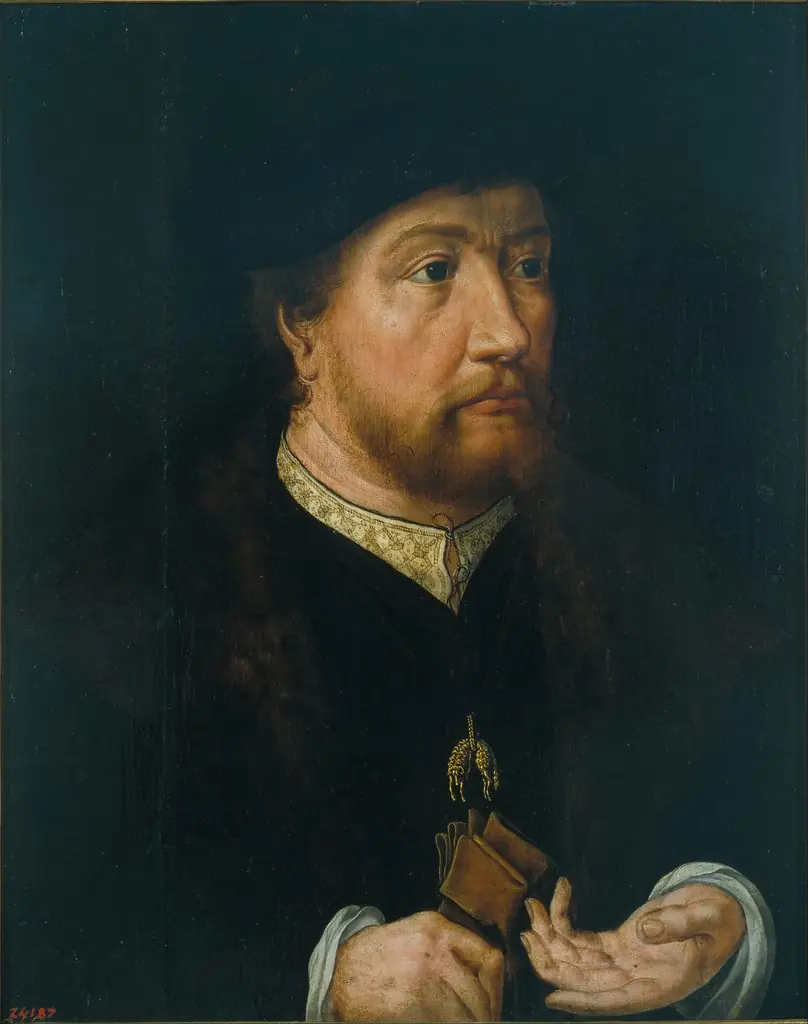
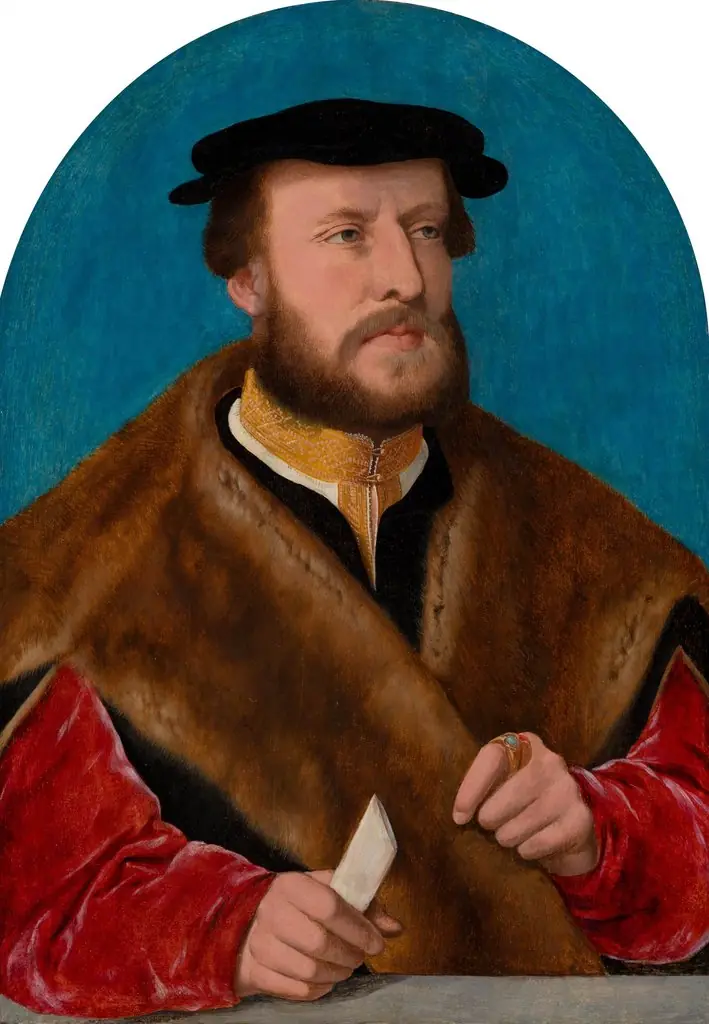
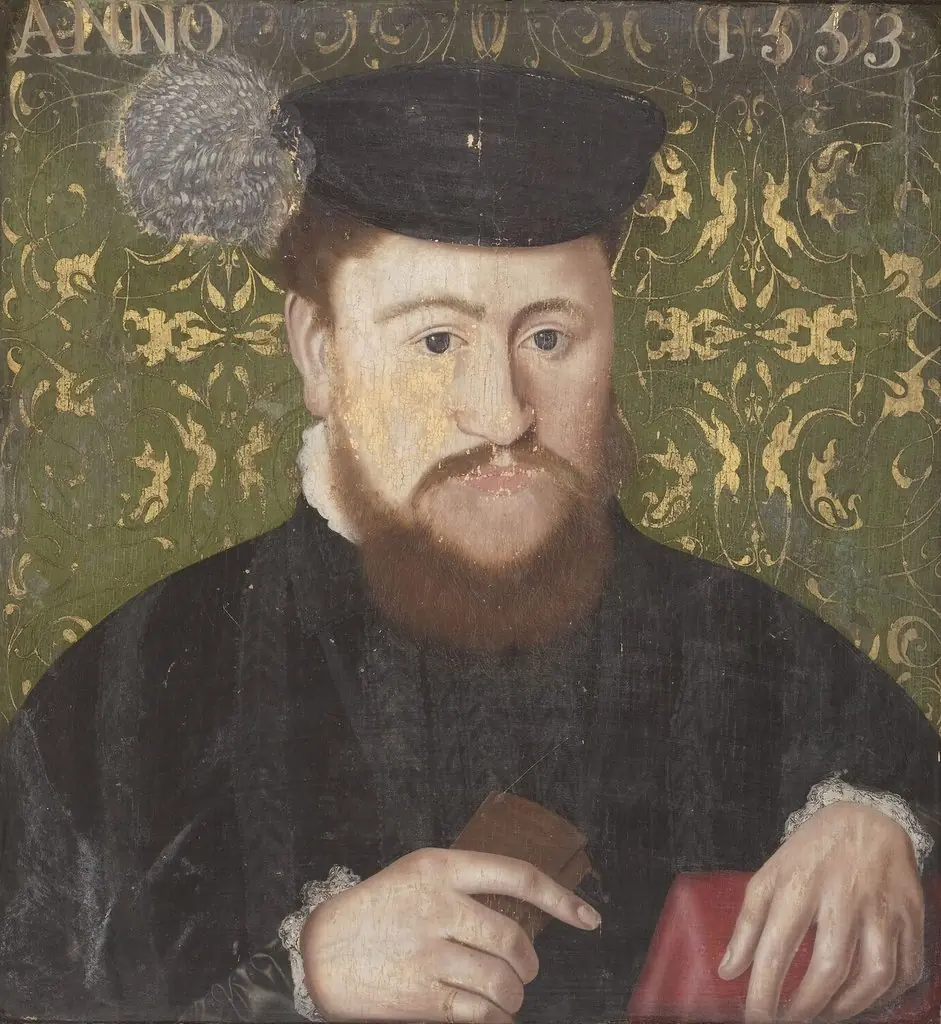
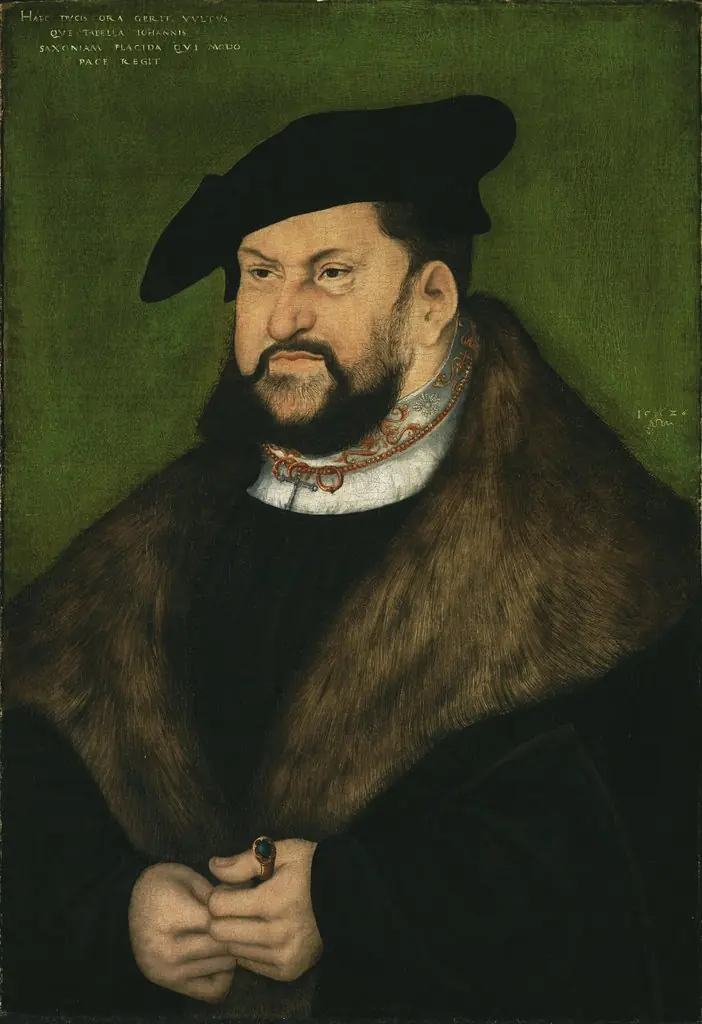
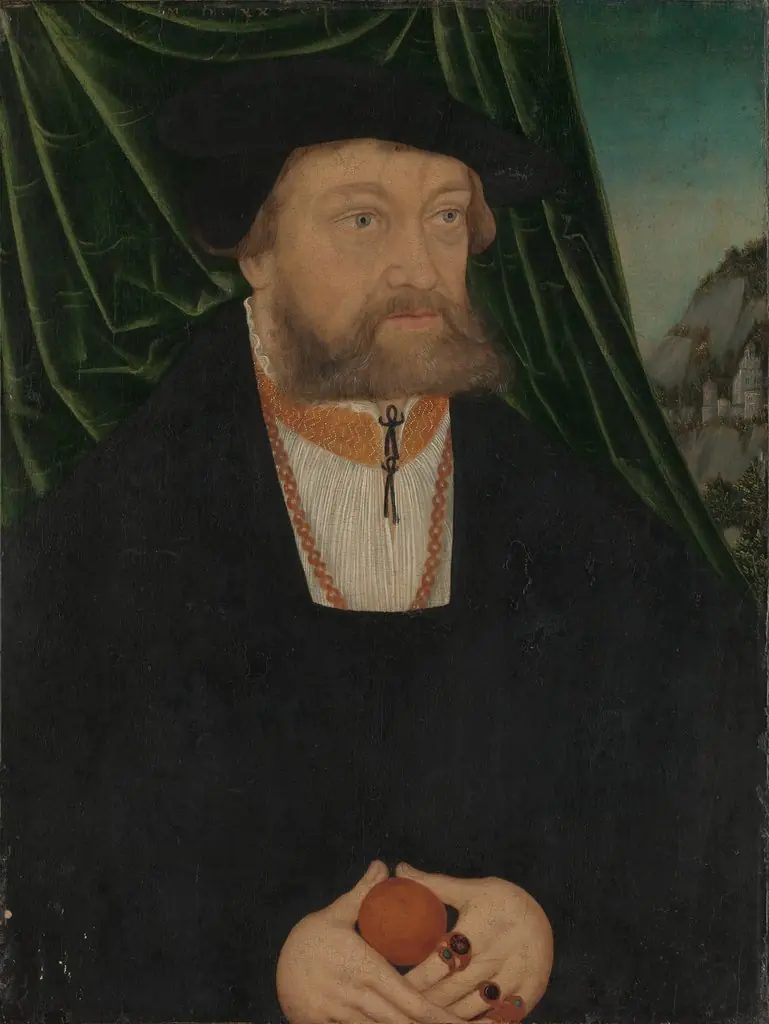
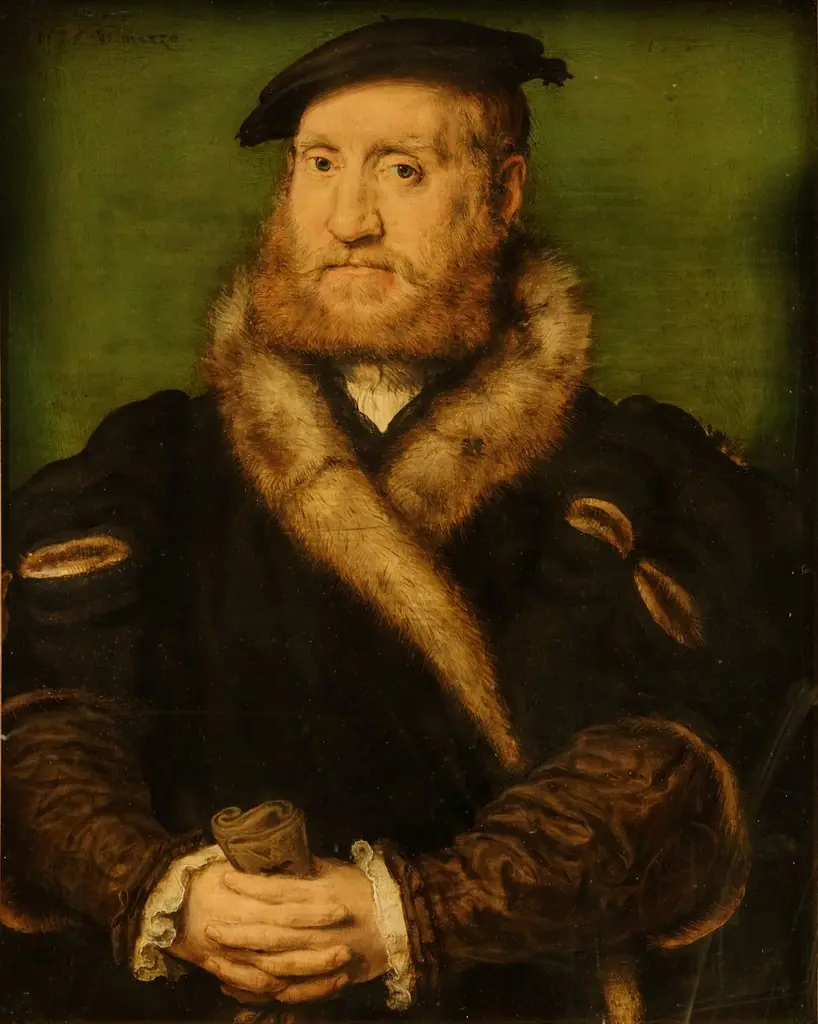
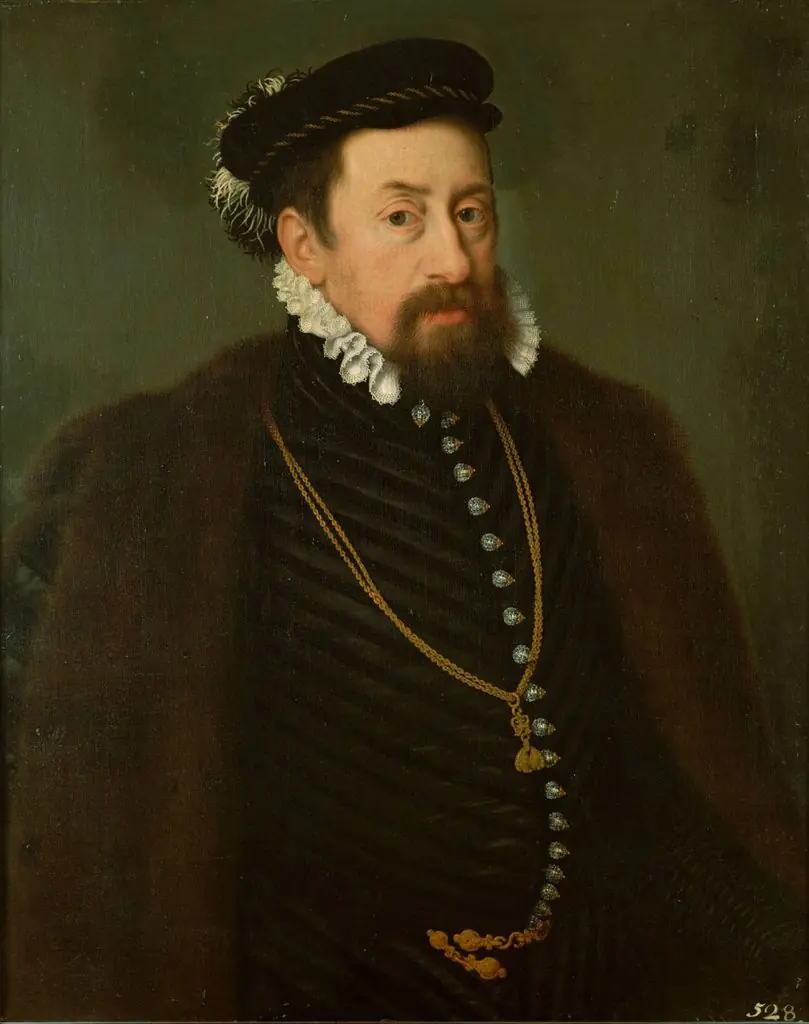
Portrait of emperor Charles V is an oil painting by the Mannerist artist Unknown. It dates from 1530 and is held in the collection of the Royal Museums of Fine Arts of Belgium. This oil painting depicts Emperor Charles V in formal attire, rendered with quiet precision.
About this work
Overview
The composition centers on his face and upper body, framed by a dark hat and coat, against a softly muted green background.
This oil painting depicts Emperor Charles V in formal attire, rendered with quiet precision. The composition centers on his face and upper body, framed by a dark hat and coat, against a softly muted green background. His gaze is direct and steady, conveying presence without overt drama. The brown object held in his hands remains ambiguous but contributes to the portrait’s sense of composed authority.
Subject & Meaning
Charles V, Holy Roman Emperor and ruler of vast European territories, is portrayed not as a conqueror but as a statesman. His restrained expression and somber clothing reflect the gravity of his position. The absence of regalia or symbols of power suggests an emphasis on personal dignity rather than imperial spectacle, aligning with his later retreat from public life.
Technique & Style
The artist employs fine brushwork to capture texture in the fabric of the coat and the softness of facial hair. Light falls subtly across the face, modeling features without theatrical contrast. The background’s neutral tone isolates the figure, directing attention to the precision of his attire and the stillness of his gaze. Color is deliberately limited, enhancing the portrait’s solemn tone.
History & Provenance
The painting is attributed to a member of Titian’s workshop, likely completed during Charles V’s later years. It may have served as a diplomatic gift or personal keepsake. Its survival in private collections before entering public ownership reflects its status as a valued likeness, though not among the emperor’s most celebrated portraits.
Context
In mid-16th century Europe, imperial portraiture balanced idealization with realism. Charles V’s image was carefully managed to project stability amid religious and political upheaval. This portrait, devoid of crowns or scepters, aligns with his increasing preference for private reflection over public ceremony, particularly after his abdication in 1556.
Legacy
Though less prominent than other imperial portraits by Titian, this work exemplifies the shift toward introspective representation in Habsburg imagery. Its understated elegance influenced later court portraiture, where psychological presence replaced ceremonial display. It remains a quiet testament to a ruler’s transition from power to retirement.
Artist & collection

Museum
Royal Museums of Fine Arts of Belgium
Continue through works from the same source collection.
 Domestic Scene
 Giacomo and Cardinal Marco, investing Andrea, Abbot of San Zeno, with his Benefice
 The Nymph of Fontainebleau
 Portrait of a Woman
 Madonna and Child with Saints in the Enclosed Garden
 Venus and Minerva
 Family Group of Four on Sofa
 Wall painting from Room H of the Villa of P. Fannius Synistor at Boscoreale