Artwork
Tantric Manuscript "Sangrahani Sutra"
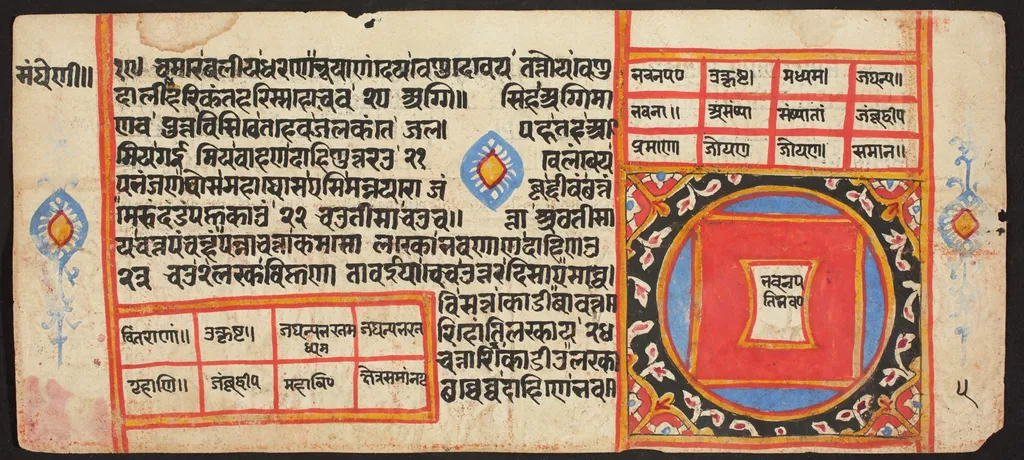
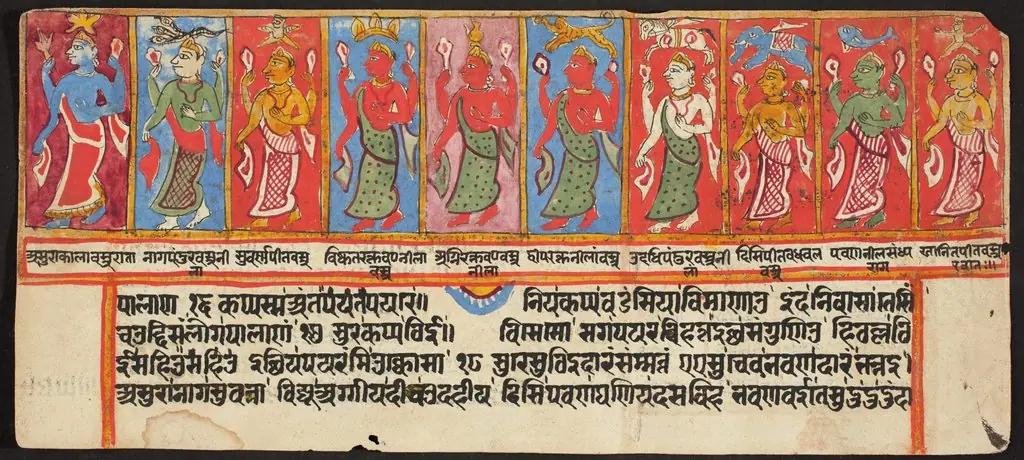
Tantric Manuscript "Sangrahani Sutra" is an unspecified painting by Unknown. It is held in the collection of the Detroit Institute of Arts. This painted manuscript contains the Sangrahani Sutra, a Buddhist text central to tantric practice.
About this work
Overview
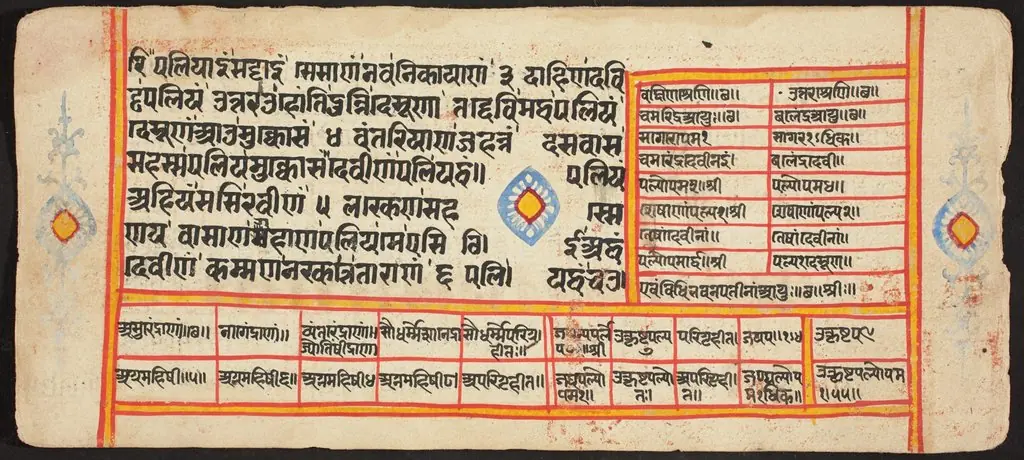
This painted manuscript contains the Sangrahani Sutra, a Buddhist text central to tantric practice. Created in medieval India, it combines scriptural content with visual symbolism to aid meditation and ritual. The work is not merely decorative but functions as a spiritual tool, integrating textual precision with iconographic detail to guide practitioners through esoteric teachings.
Subject & Meaning
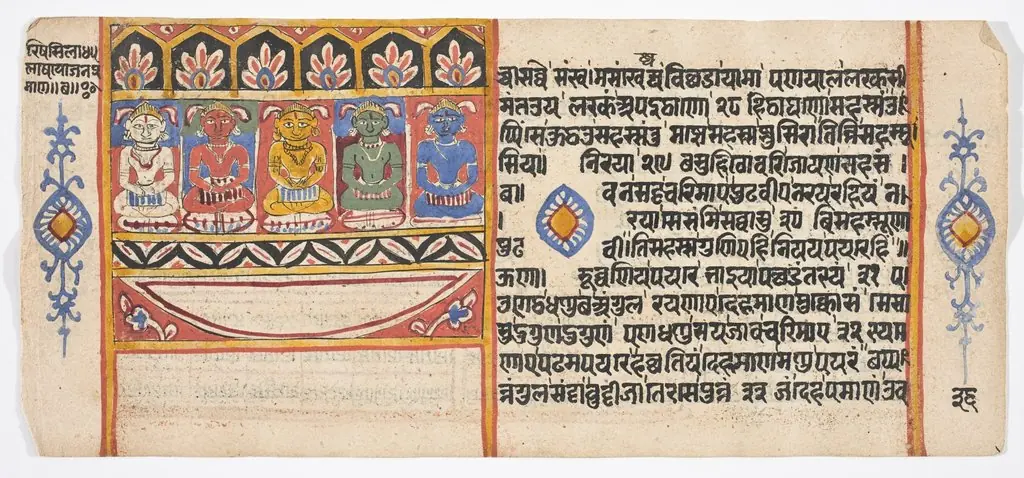
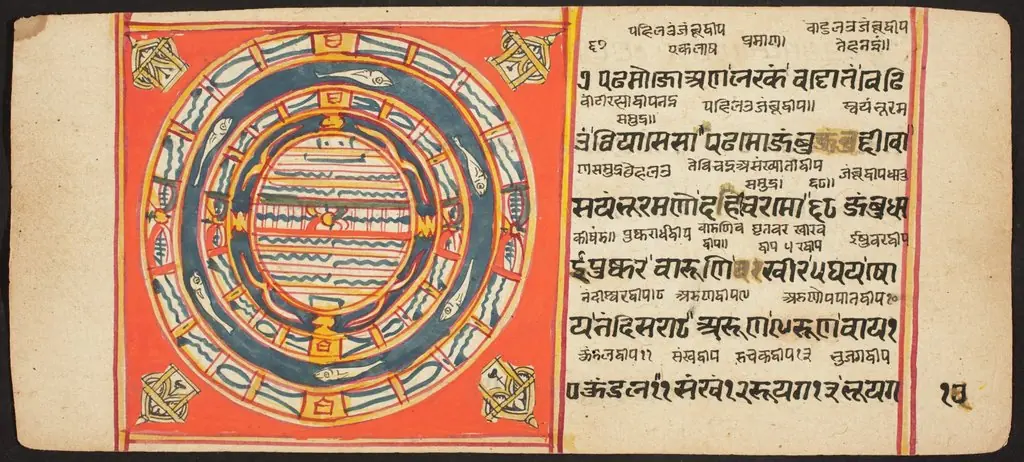
Figures are arranged according to tantric cosmology, with central deities surrounded by attendants and geometric patterns that encode meditative pathways.
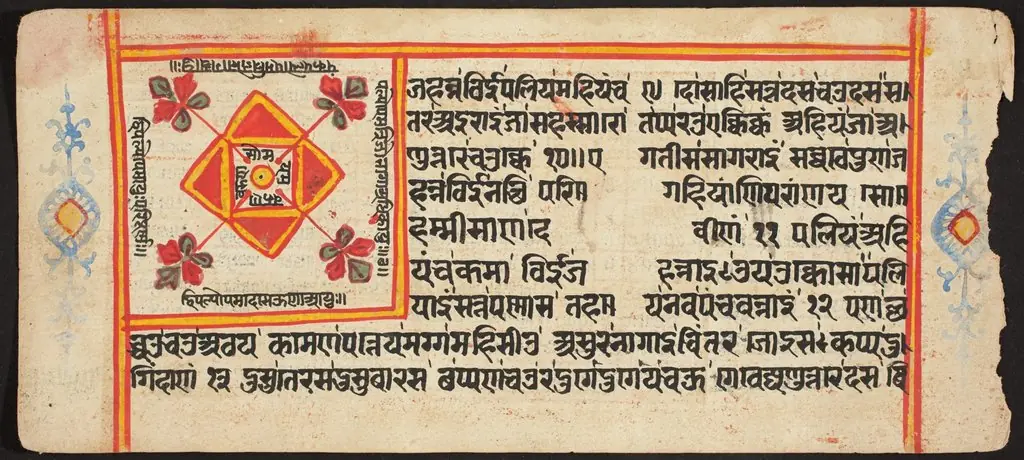
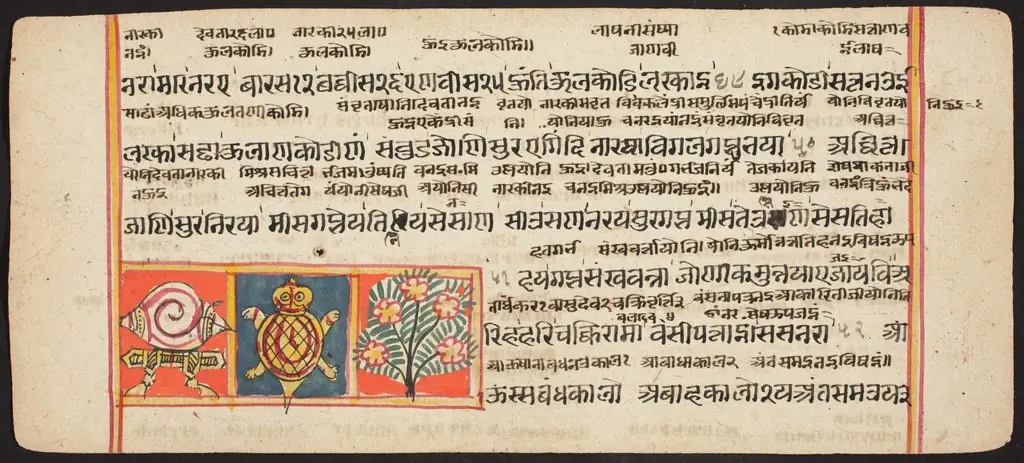
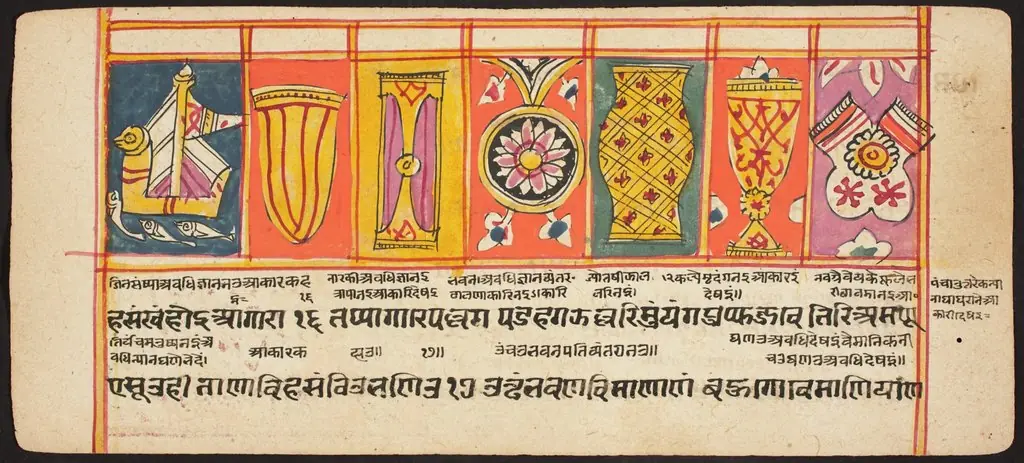
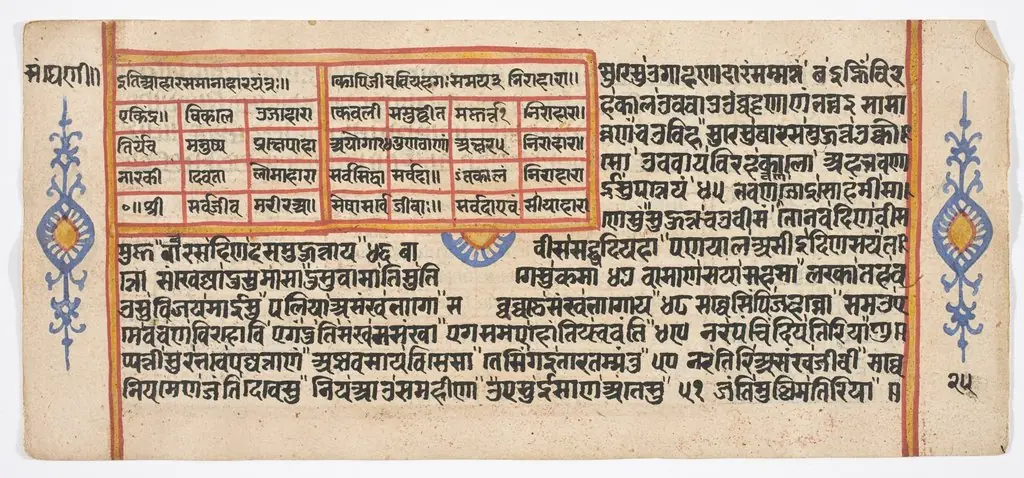
The imagery depicts deities, mandalas, and symbolic motifs drawn from Vajrayana Buddhism, each representing aspects of enlightenment and cosmic order. Figures are arranged according to tantric cosmology, with central deities surrounded by attendants and geometric patterns that encode meditative pathways. The visual language serves as a map for inner transformation, aligning the practitioner’s mind with transcendent realities.
Technique & Style
The painting employs mineral pigments on palm leaf or paper, with fine brushwork and restrained color palettes dominated by reds, ochres, and gold. Lines are precise and deliberate, reflecting the discipline of monastic art traditions. Composition is symmetrical and hierarchical, emphasizing spiritual order over naturalism. Details are rendered with meticulous care, suggesting prolonged, ritualized creation.
History & Provenance
Produced likely in eastern India during the Pala or Sena periods, the manuscript was used in monastic centers where tantric rituals were practiced. Its survival indicates preservation within religious communities, possibly passed between teachers and students. Later collections in Tibet and Nepal suggest transmission along trade and pilgrimage routes, though its original monastic context remains partially obscured.
Context
This work emerged within a flourishing tradition of tantric Buddhism that emphasized direct experience through ritual and visualization. Unlike mainstream Buddhist art, it prioritized esoteric symbolism accessible only to initiates. The manuscript reflects a broader cultural milieu where text, image, and practice were inseparable, serving both liturgical and pedagogical roles in monastic life.
Legacy
Surviving examples like this manuscript inform modern understanding of tantric Buddhist aesthetics and practice. They provide insight into how spiritual knowledge was transmitted visually in pre-modern South Asia. While no longer used in active ritual, they remain critical for scholarly study of religious iconography and the material culture of medieval Indian Buddhism.
Artist & collection

 Domestic Scene
 Giacomo and Cardinal Marco, investing Andrea, Abbot of San Zeno, with his Benefice
 The Nymph of Fontainebleau
 Portrait of a Woman
 Madonna and Child with Saints in the Enclosed Garden
 Venus and Minerva
 Family Group of Four on Sofa
 Wall painting from Room H of the Villa of P. Fannius Synistor at Boscoreale
 Tantric Manuscript "Sangrahani Sutra"
 Tantric Manuscript "Sangrahani Sutra"
 Tantric Manuscript "Sangrahani Sutra"
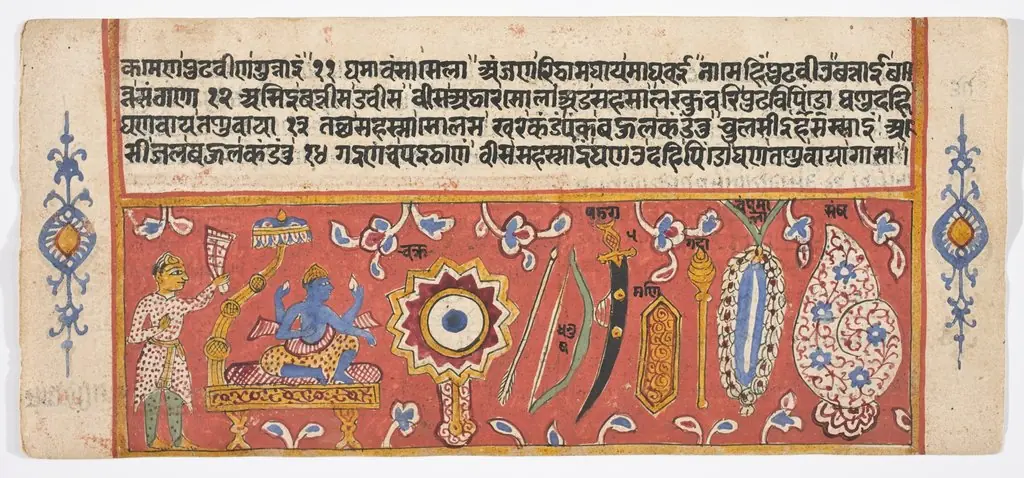 Tantric Manuscript "Sangrahani Sutra"
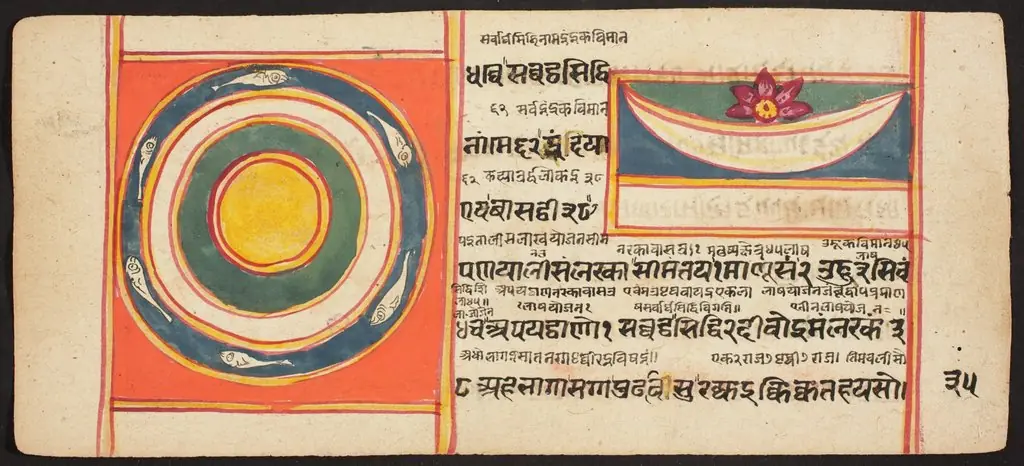 Tantric Manuscript "Sangrahani Sutra"
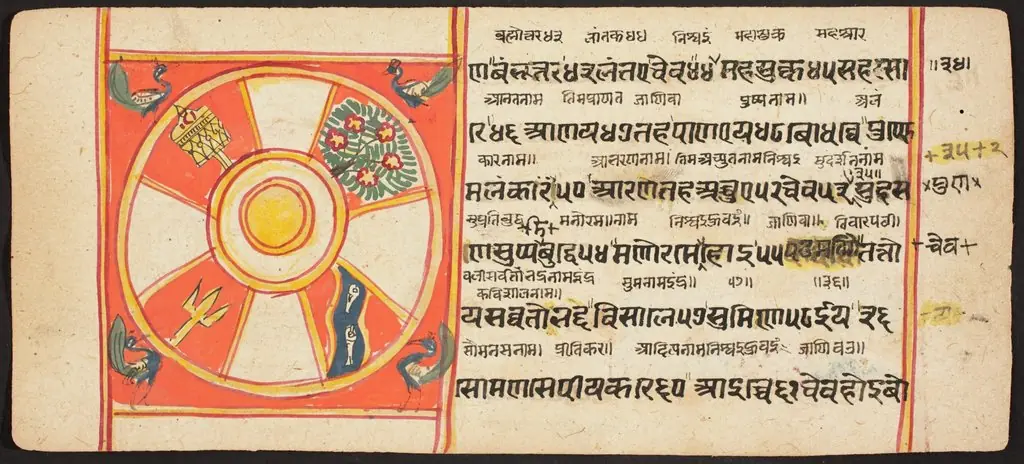 Tantric Manuscript "Sangrahani Sutra"
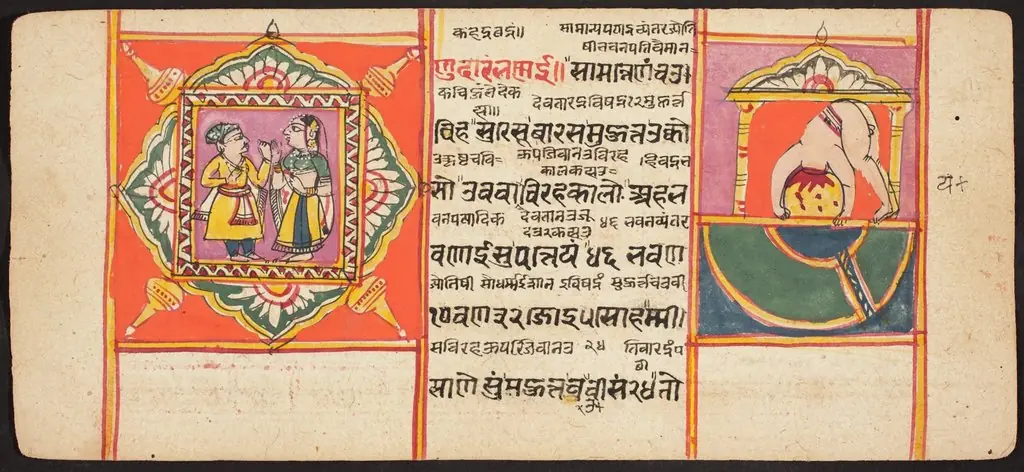 Tantric Manuscript "Sangrahani Sutra"
 Tantric Manuscript "Sangrahani Sutra"
 Tantric Manuscript "Sangrahani Sutra"
 Tantric Manuscript "Sangrahani Sutra"
 Tantric Manuscript "Sangrahani Sutra"
 Tantric Manuscript "Sangrahani Sutra"