Artwork
Ferdinand VII as a Boy
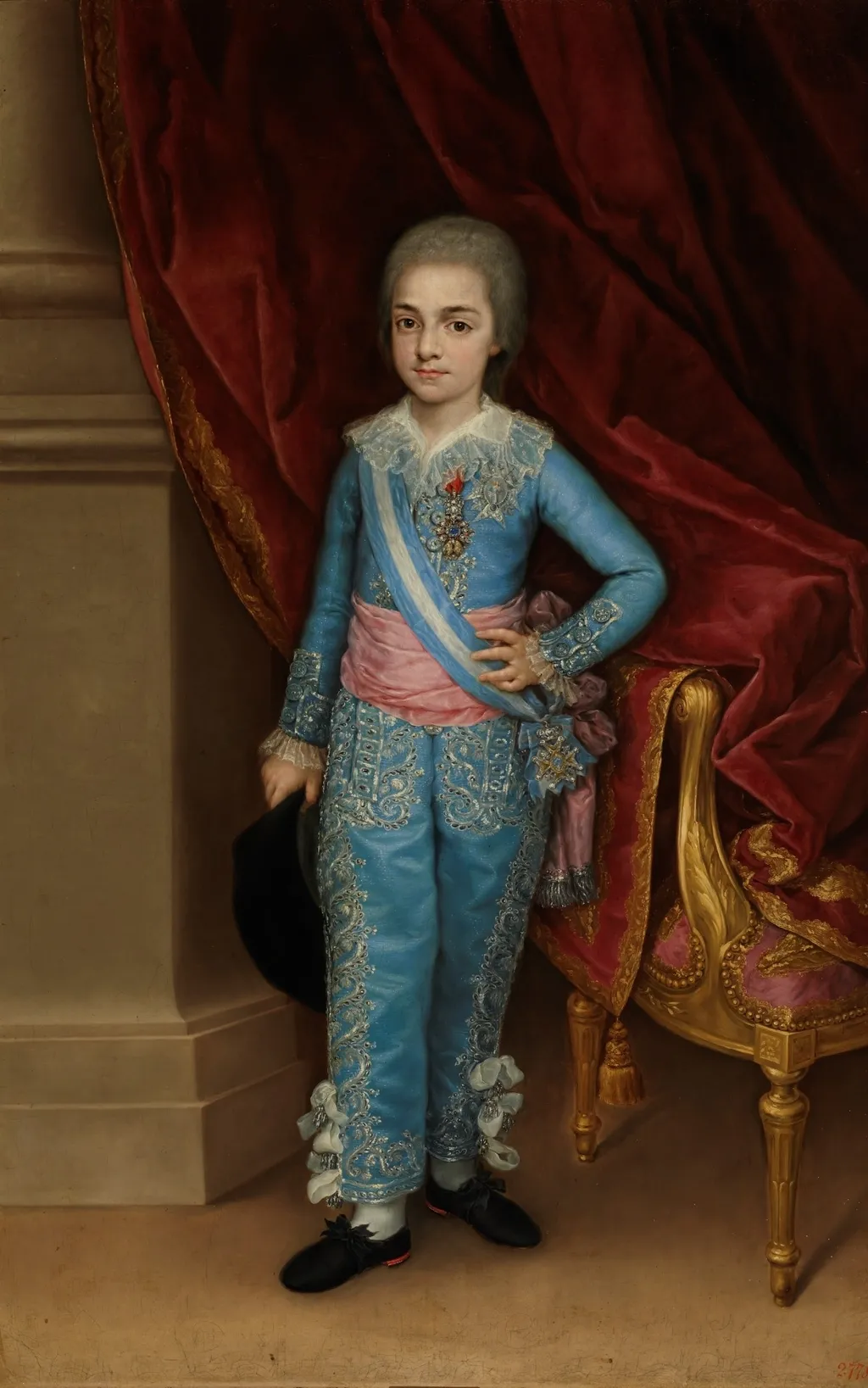
Ferdinand VII as a Boy is an oil painting by Ramón Bayeu. It is held in the collection of the Museo del Prado.
About this work
Overview
Ramón Bayeu’s oil portrait, painted in 1796, presents a young Ferdinand VII, the future monarch of Spain. The child stands before an opulent gilded chair, his solemn expression illuminated by a gentle light that highlights his features against a dark backdrop. The painting is part of the Museo del Prado’s collection.
Subject & Meaning
The work captures Ferdinand VII at an early age, emphasizing his royal status through sumptuous attire and regal accessories. The blue robe, gold embroidery, pink sash, and bow‑tied shoes signal his noble lineage, while his serious, almost contemplative gaze suggests the weight of future responsibilities.
Technique & Style
Bayeu employs a soft chiaroscuro, allowing the boy’s pale complexion to emerge from the surrounding darkness. The delicate modeling of light on the face creates a subtle glow, while the richly textured fabrics and heavy red curtains provide contrast and depth, characteristic of late‑18th‑century Spanish Neoclassicism.
History & Provenance
Executed for the Spanish court shortly after Ferdinand’s birth, the portrait remained in royal possession before entering the public domain. It was eventually transferred to the Museo del Prado, where it has been displayed as part of the institution’s holdings of court portraiture.
Context
Created during a period when Spanish artists were adapting Neoclassical ideals to court commissions, the painting reflects the era’s emphasis on clarity, order, and dignified representation. Bayeu, known for his tapestry designs, applied his skill in rendering fine detail and decorative elements to this intimate royal portrait.
Own this work as a print
Artist & collection
Artist
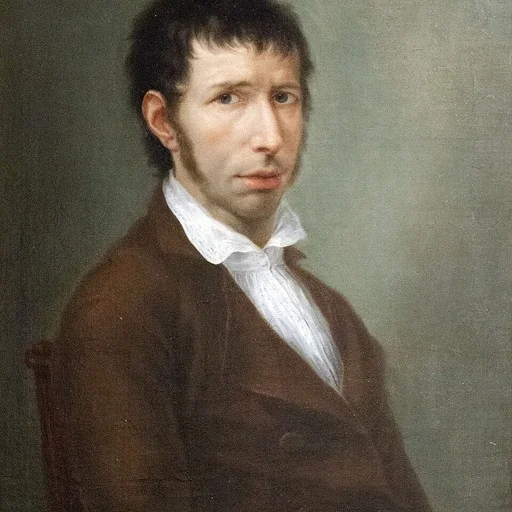
Ramón Bayeu y Subías (2 December 1744, Zaragoza – 1 March 1793, Aranjuez) was a Spanish Neoclassicist painter; known primarily for his work in tapestry design.

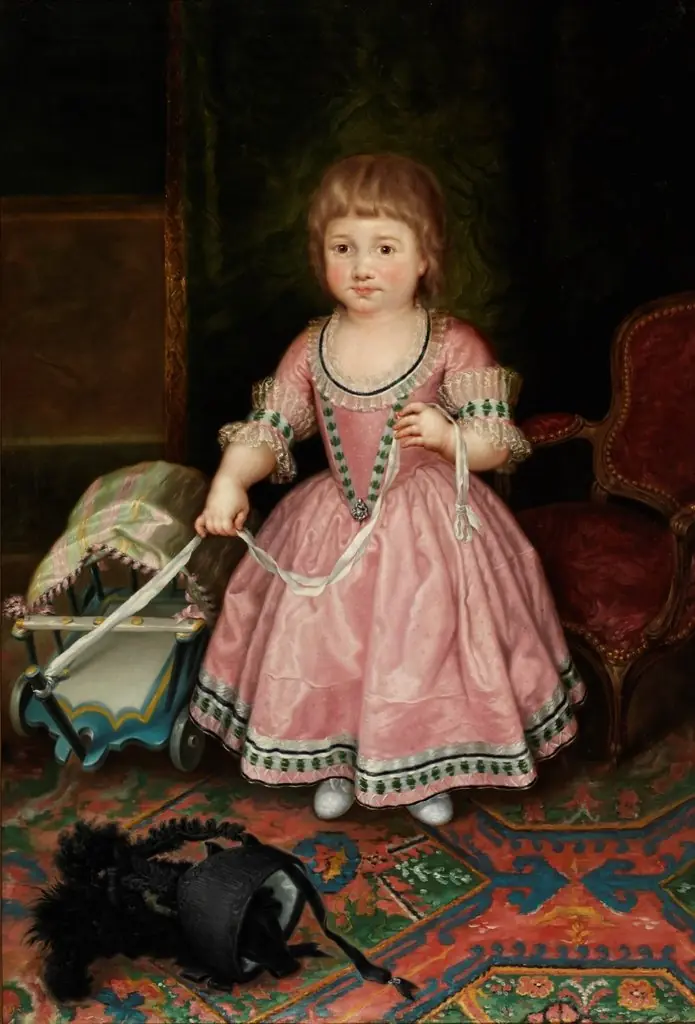
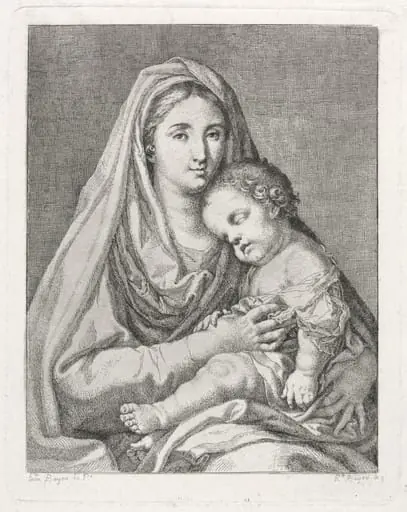
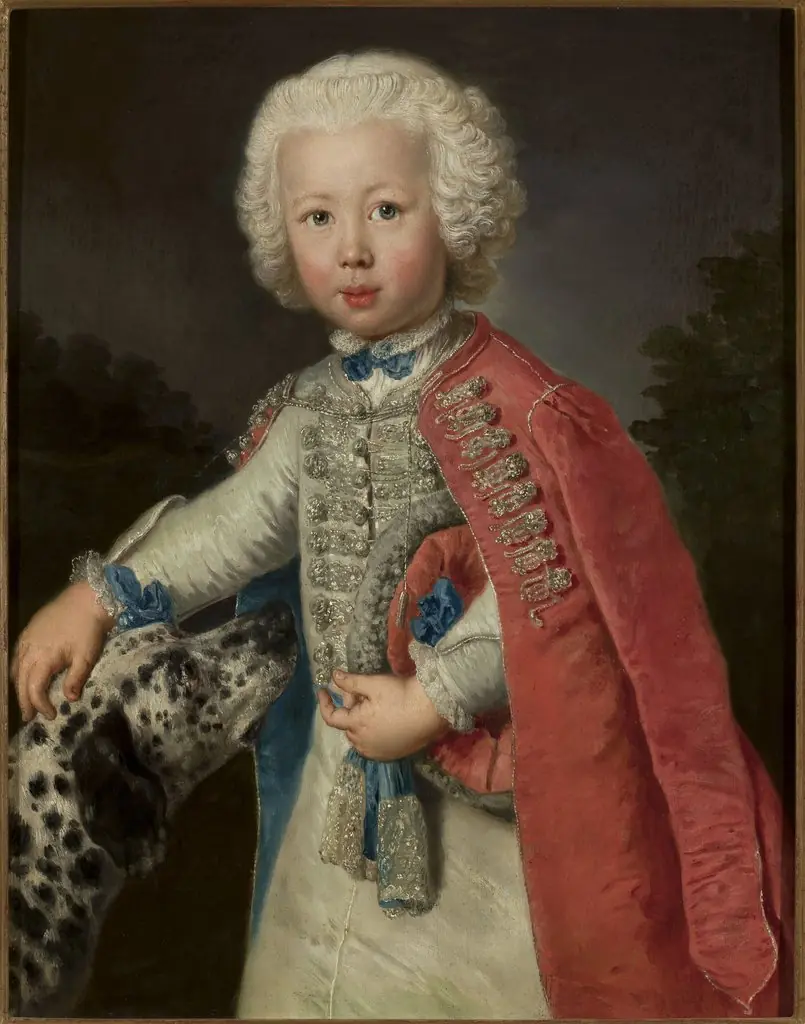 Portrait of a boy
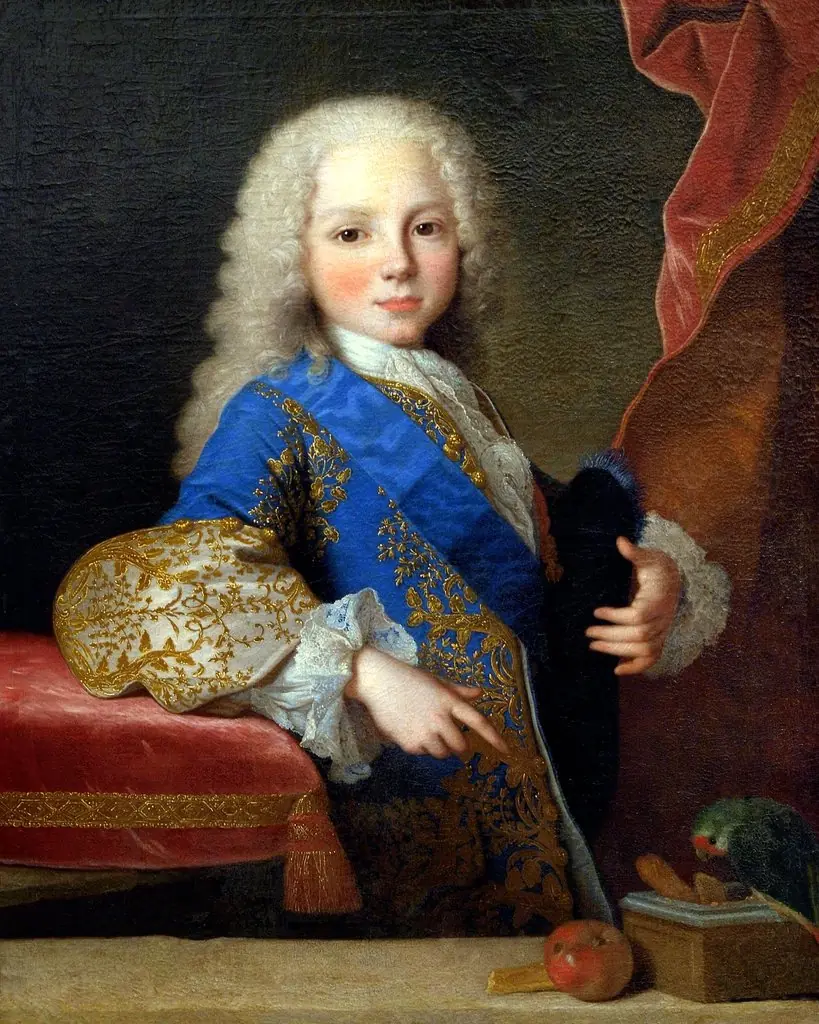 The Infant Philip of Bourbon, future Duke of Parma, Piacenza and Guastalla, in his childhood
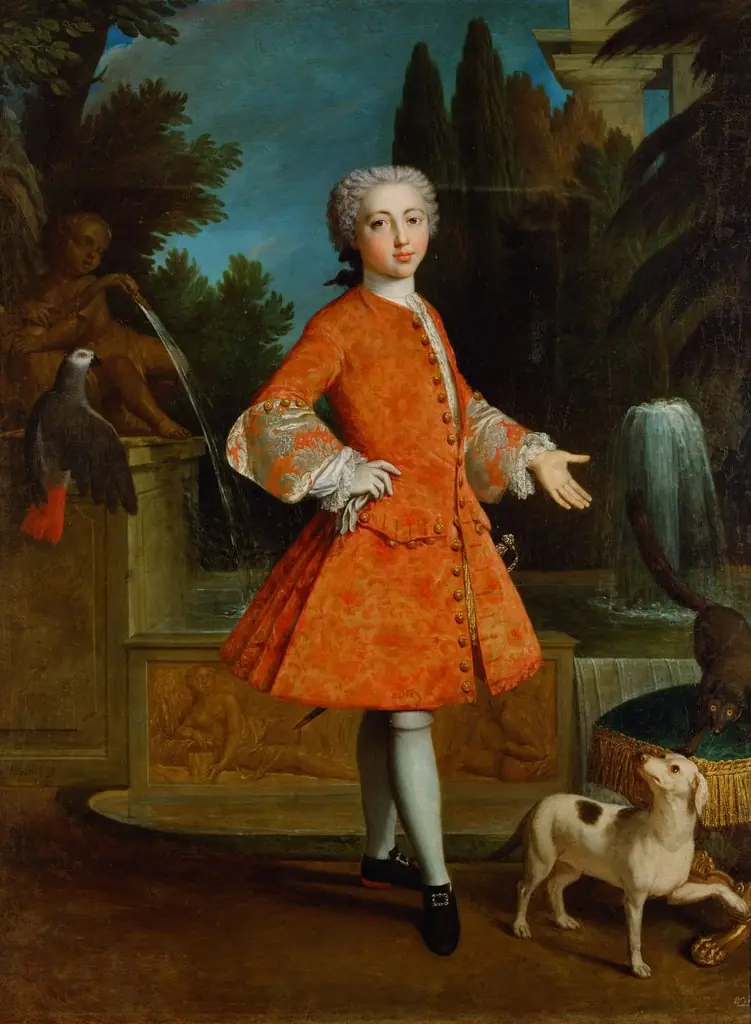 Duke Louis-Philippe of Orleans
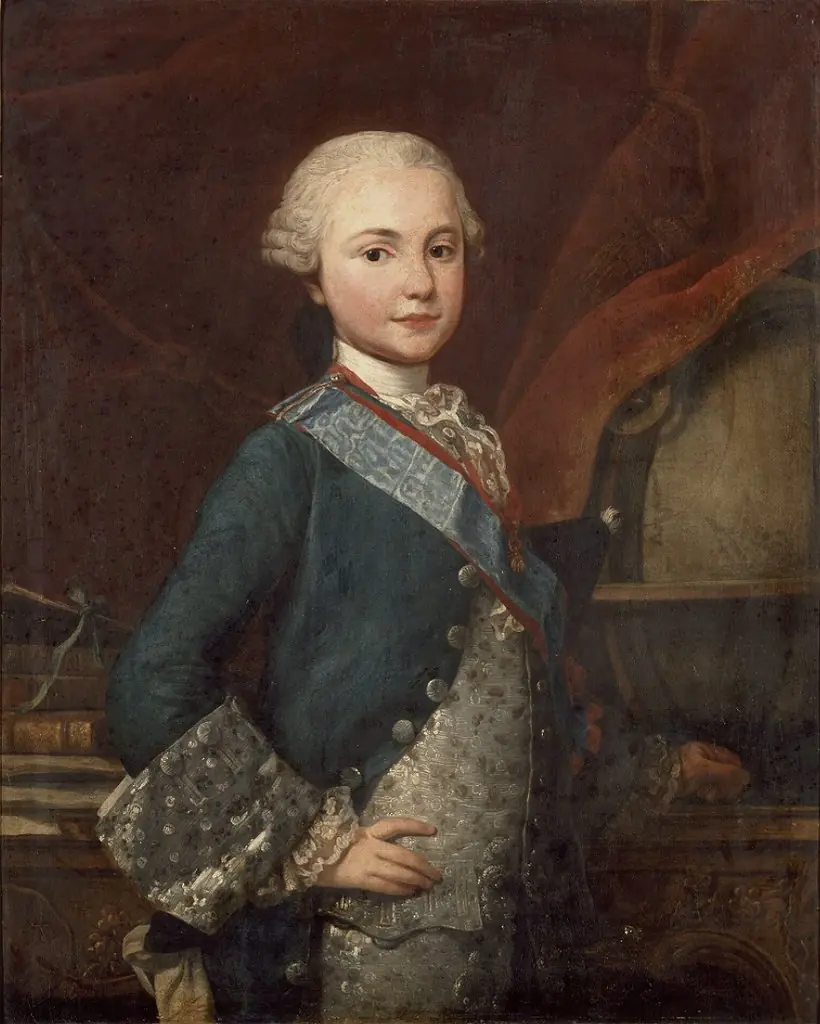 Ferdinando I of Parma
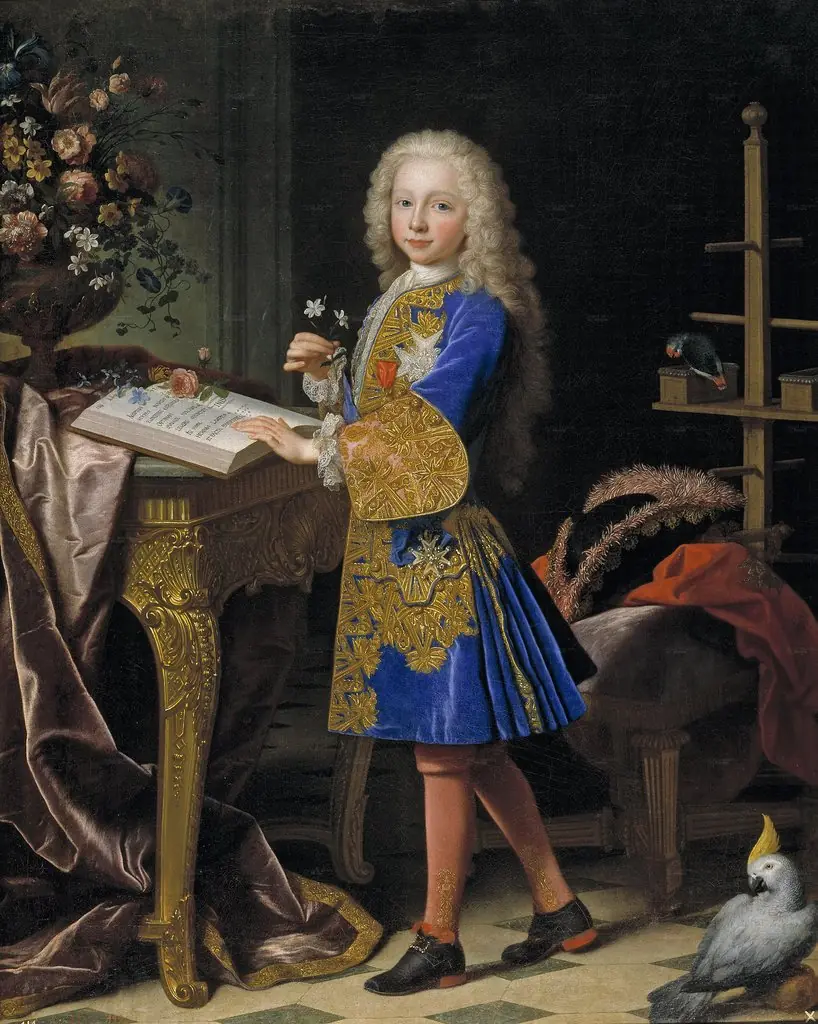 Charles III as a Child
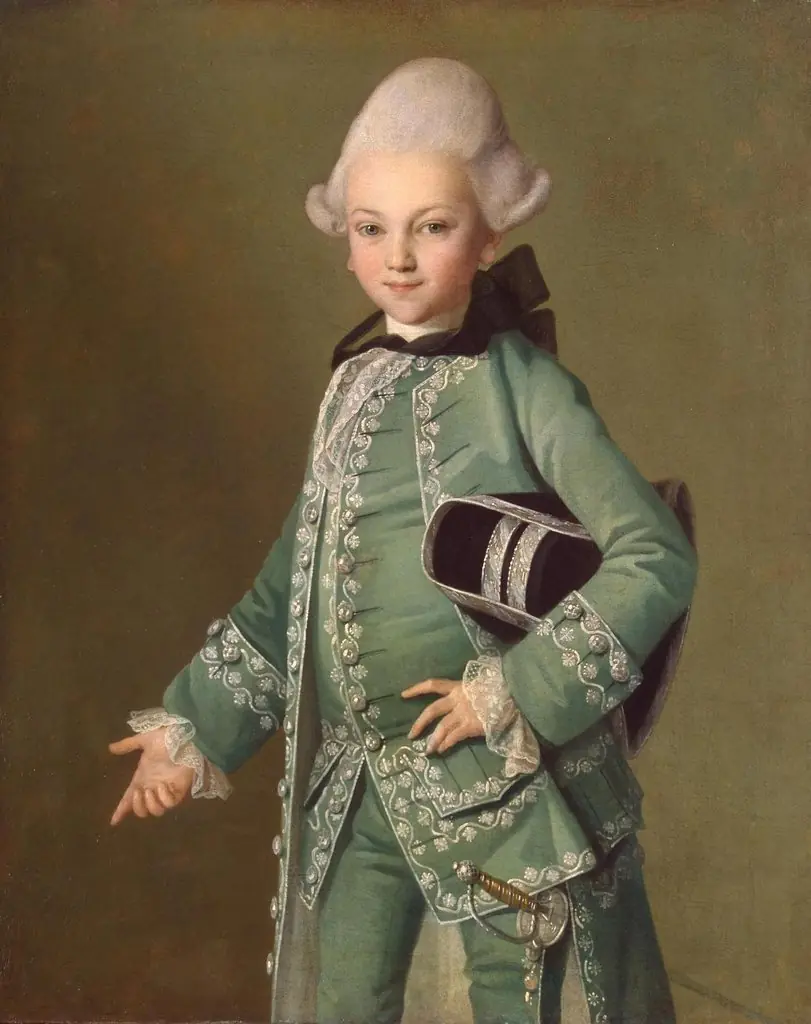 Portrait of Count Alexei Bobrinsky as a Child
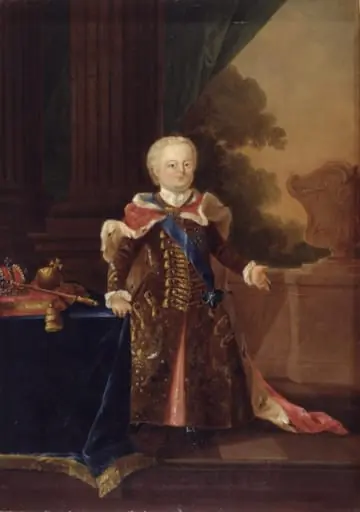 Ivan III or Ivan VI Antonovich. Full-length Portrait
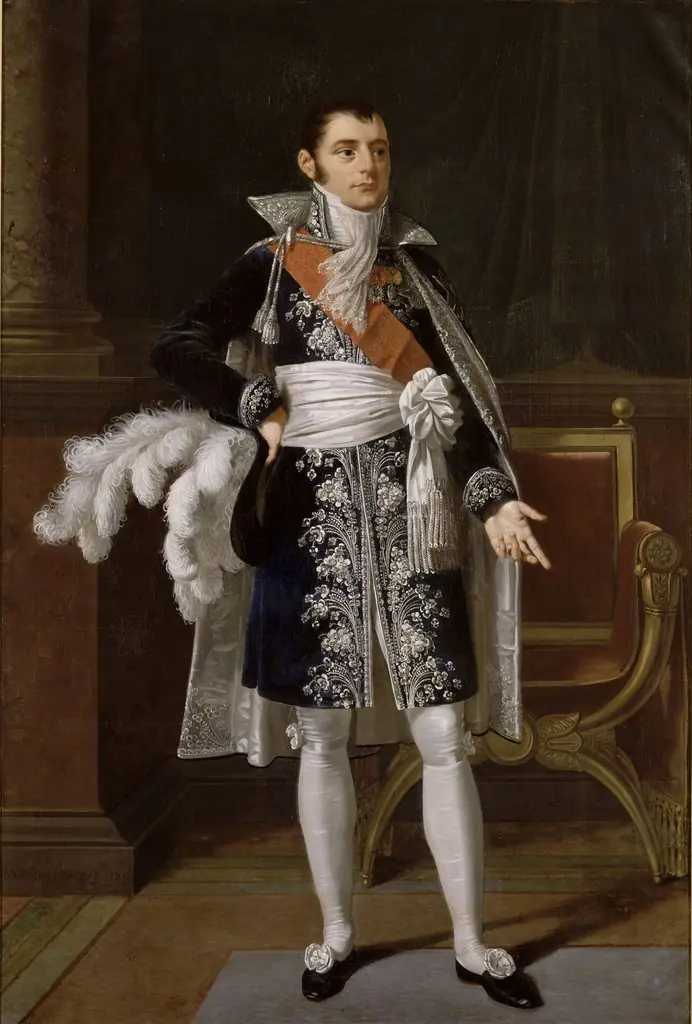 Portrait of Anne-Jean-Marie-René Savary, Duke of Rovigo (1774-1833)
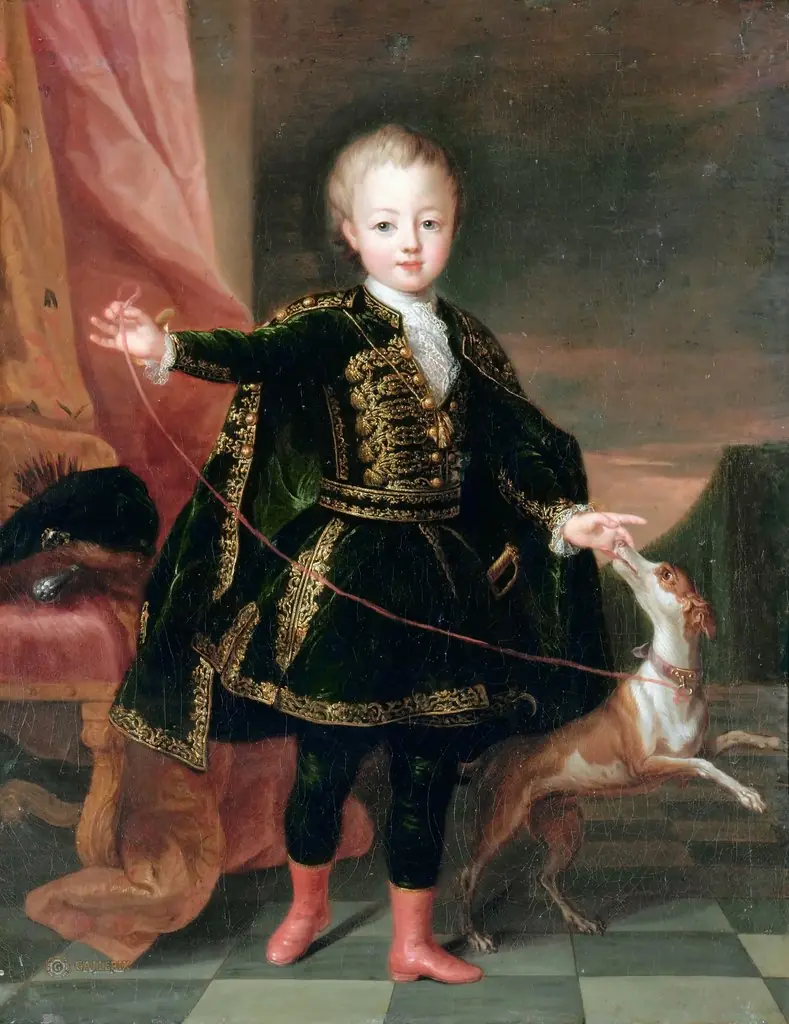 Portrait of Léopold Clément de Lorraine, Hereditary Prince of Lorraine (1707-1723)
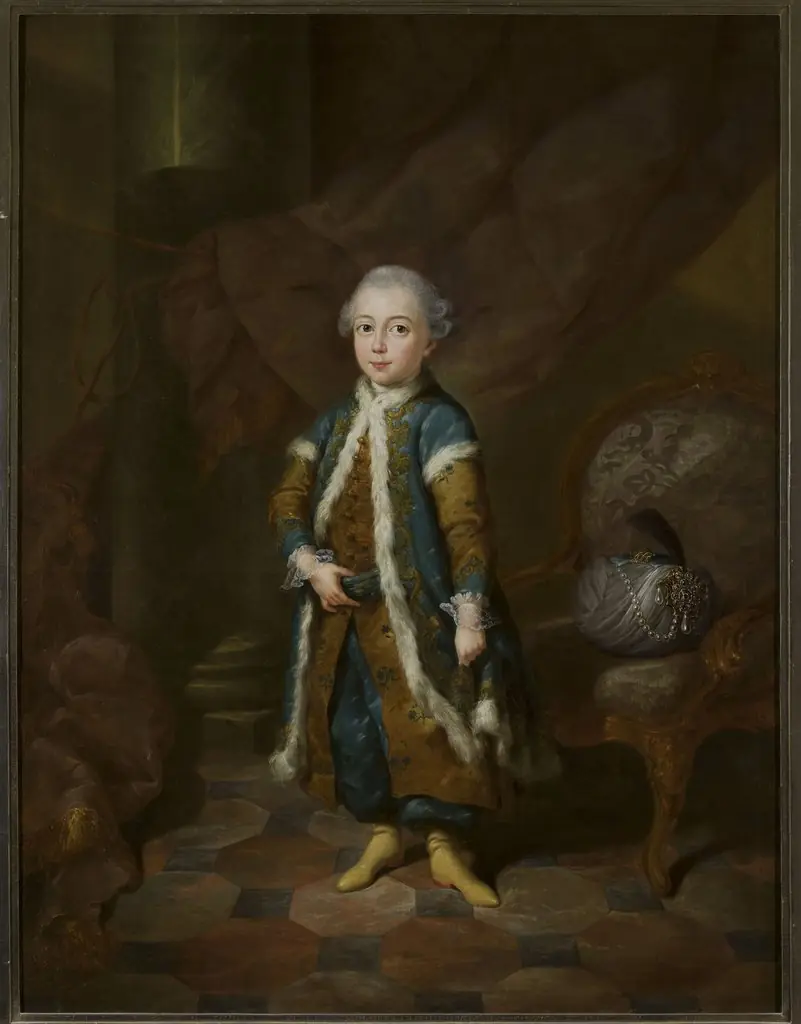 Portrait of Henirich Reuss
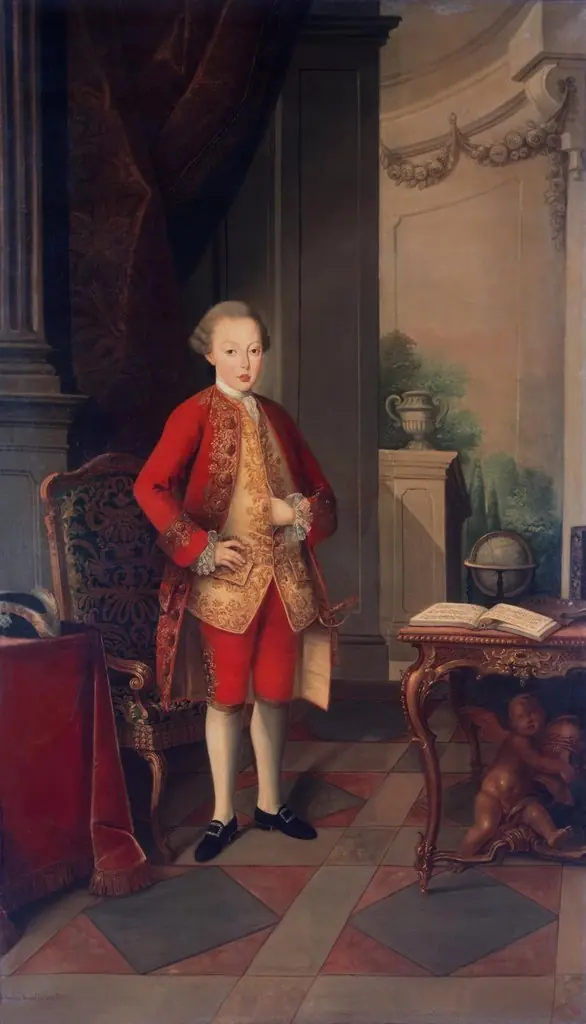 Portrait of Joseph, Prince of Brasil and Beira
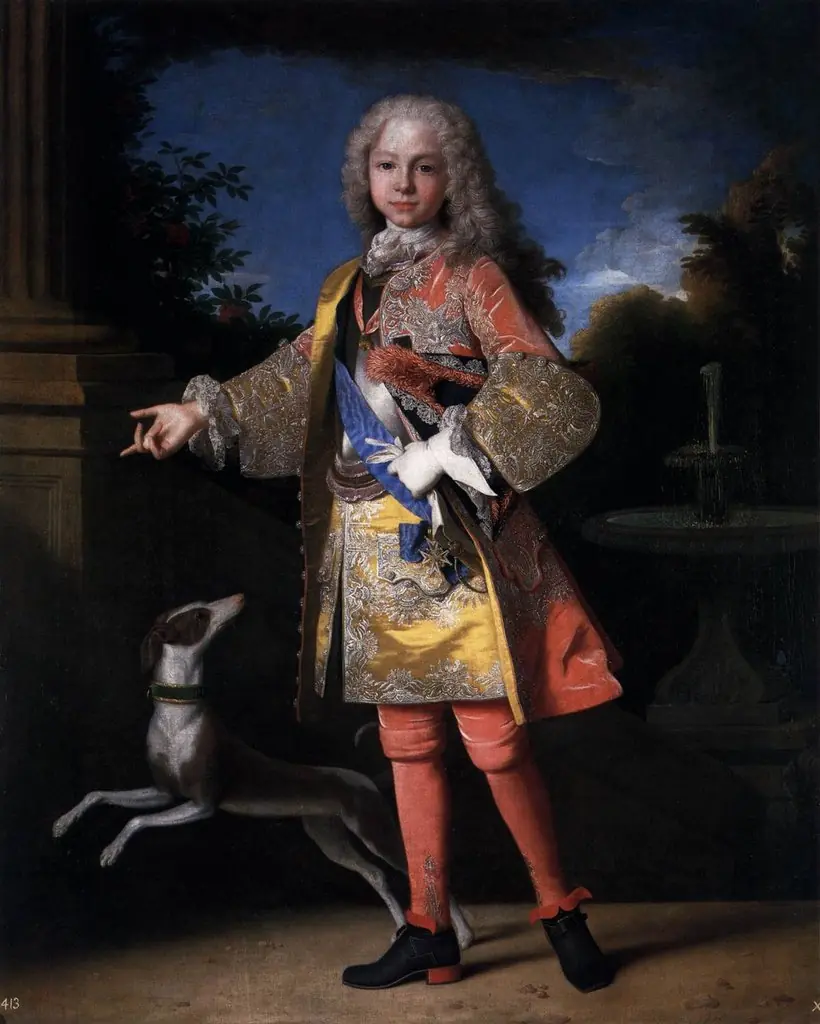 Portrait of Ferdinand VI as a Boy