Artwork
König Gustav III. (1746-1792) von Schweden in Uniform, Kniestück
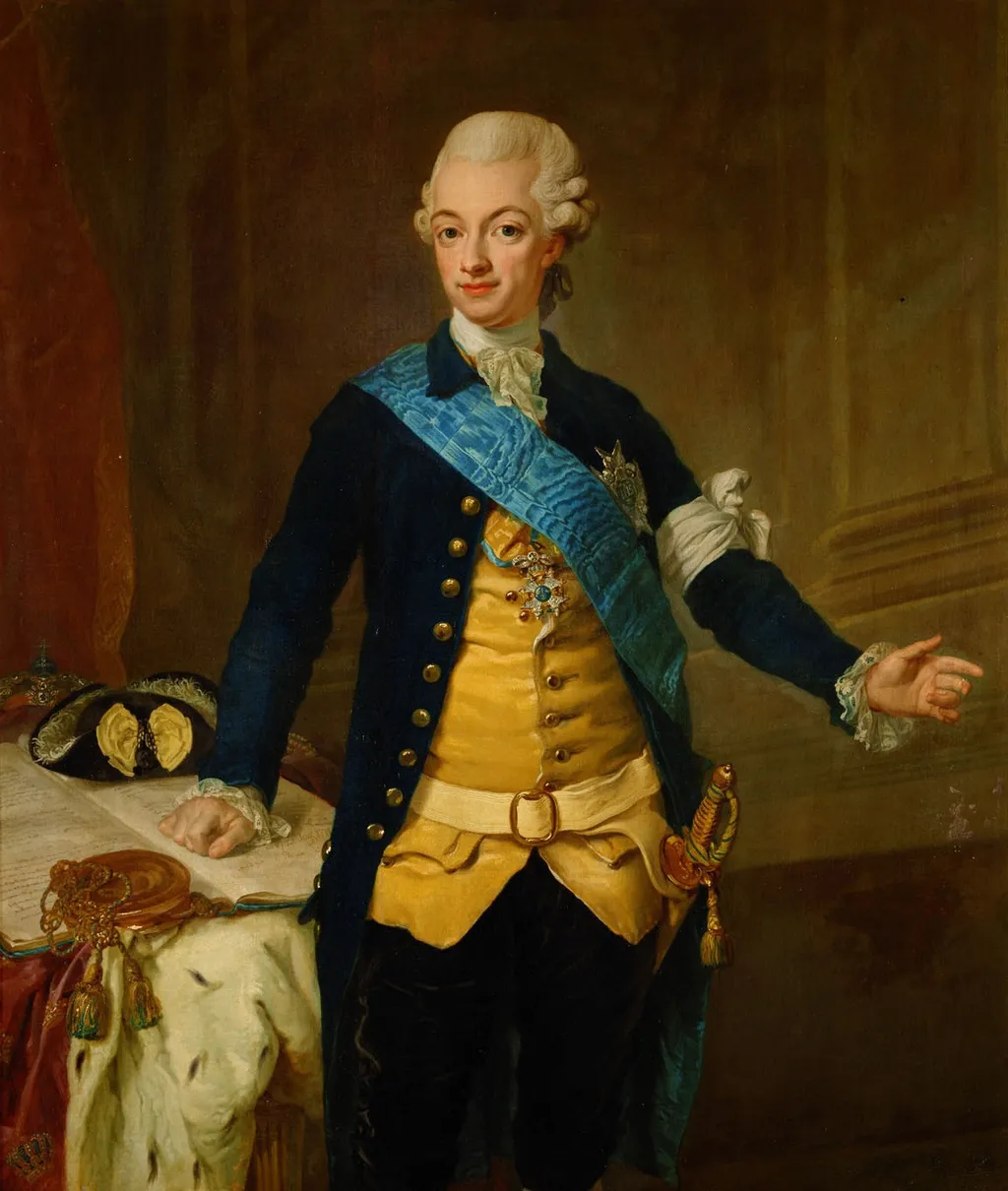
König Gustav III. (1746-1792) von Schweden in Uniform, Kniestück is an unspecified painting by the Rococo painting artist Lorens Pasch the Younger. It dates from 1771 and is held in the collection of the Kunsthistorisches Museum.
About this work
Overview
The work reflects the tradition of sovereign portraiture in 18th-century Europe, emphasizing authority through costume and setting rather than overt symbolism.
This 1771 portrait by Lorens Pasch the Younger captures King Gustav III of Sweden in full military dress, rendered as a half-length composition. Painted for the Swedish royal court, it was later acquired by the Kunsthistorisches Museum in Vienna. The work reflects the tradition of sovereign portraiture in 18th-century Europe, emphasizing authority through costume and setting rather than overt symbolism.
Subject & Meaning
King Gustav III is depicted in the uniform of a Swedish officer, his posture conveying both command and composure. The open book on the table and the placed hat suggest a ruler engaged with intellect and statecraft, balancing military duty with scholarly authority. The blue sash signifies his role as head of the Order of the Seraphim, reinforcing his position as sovereign and patron of Swedish culture.
Technique & Style
Pasch employs a refined, polished technique typical of late Rococo portraiture, with careful attention to fabric textures and metallic details. The dark blue coat, gold-buttoned waistcoat, and sash are rendered with precision, while the background remains softly muted to focus attention on the figure. Brushwork is controlled, avoiding dramatic chiaroscuro in favor of even illumination that highlights the king’s regalia.
History & Provenance
Commissioned shortly after Gustav III’s coronation, the painting was likely intended for display in royal residences. It entered the Kunsthistorisches Museum’s collection in the 19th century, possibly through Habsburg-Swedish diplomatic exchanges. Its preservation in Vienna reflects the interconnectedness of European royal courts and the movement of art as political currency.
Context
Painted during the early years of Gustav III’s reign, the portrait aligns with his efforts to modernize Sweden and assert cultural independence from Denmark and Russia. The emphasis on military dress and intellectual props mirrors his public image as an enlightened monarch—promoting arts, reforming governance, and reinforcing royal legitimacy through visual representation.
Legacy
The portrait remains a key visual document of Gustav III’s reign, illustrating how Swedish royalty adopted continental European conventions to project power. While not widely exhibited outside Vienna, it contributes to scholarly understanding of 18th-century Nordic court culture and the role of portraiture in state identity formation.
Artist & collection
Artist
Lorens Pasch the Younger (1733–1805) was an artist, born in Stockholm.

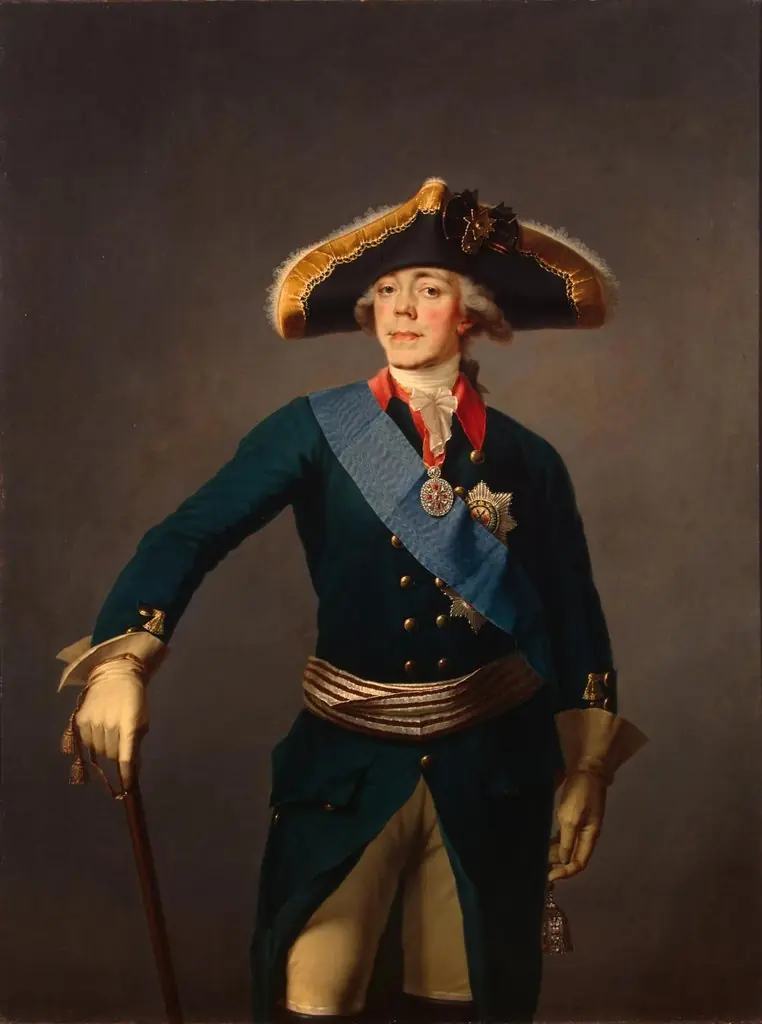 Portrait of Paul I
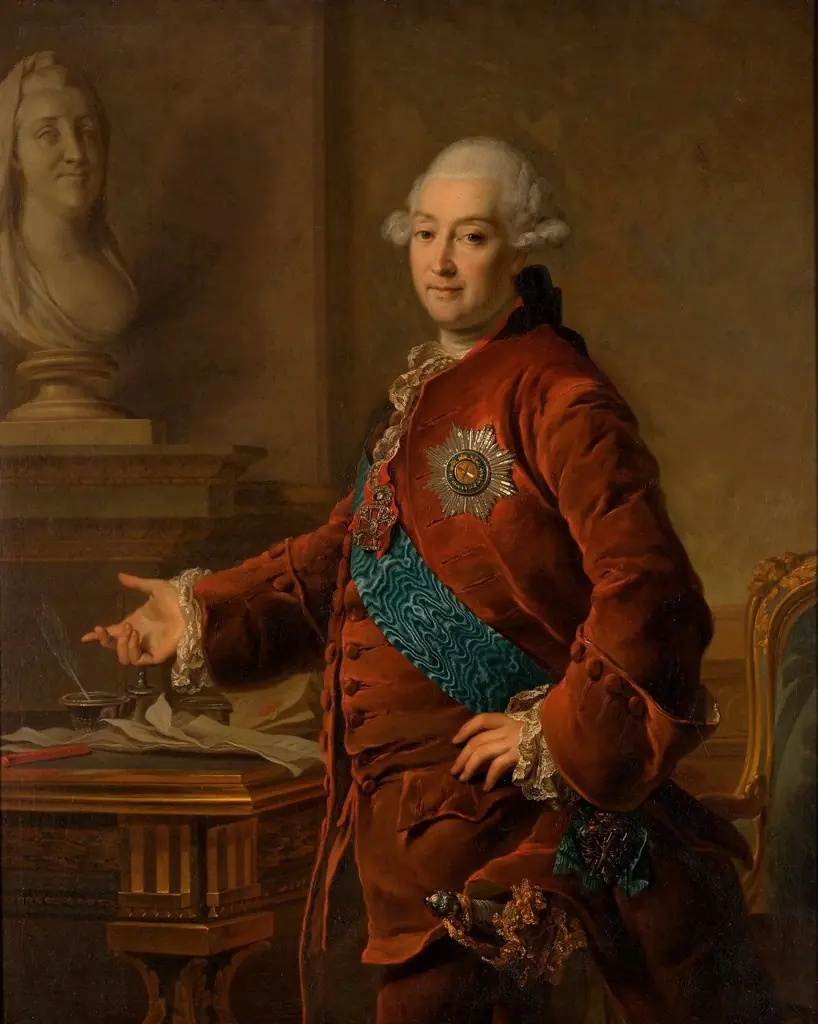 Portrait of Alexandr Mihailovich Golytsyn (1723-1807), vice-chancellor
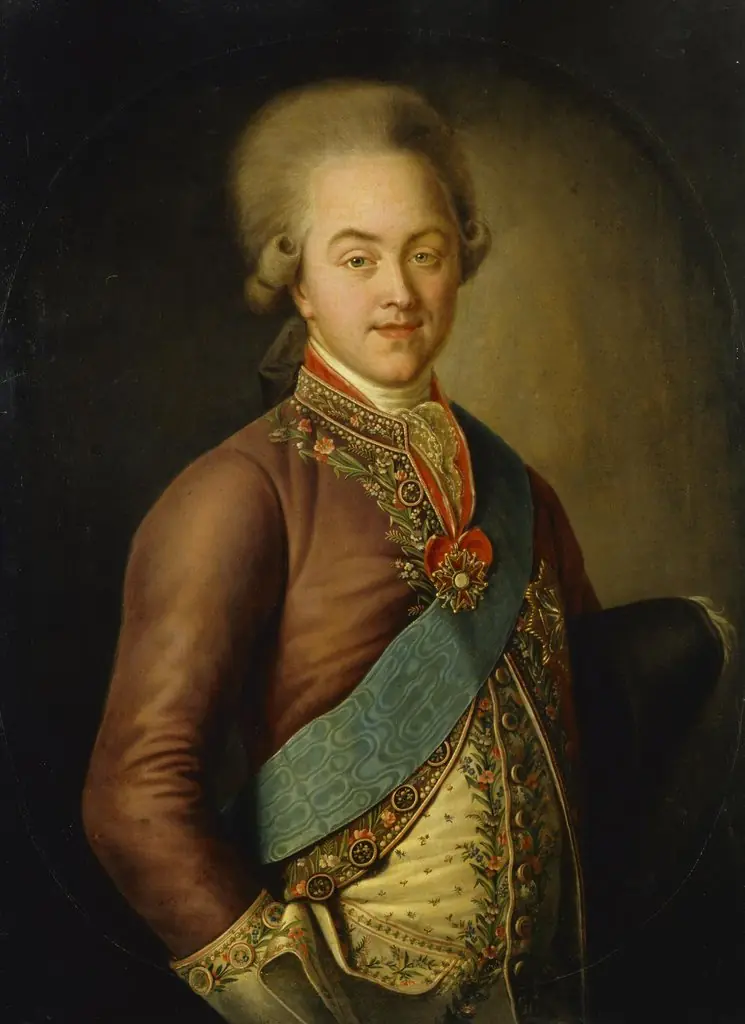 Portrait of Count N.P.Sheremetev
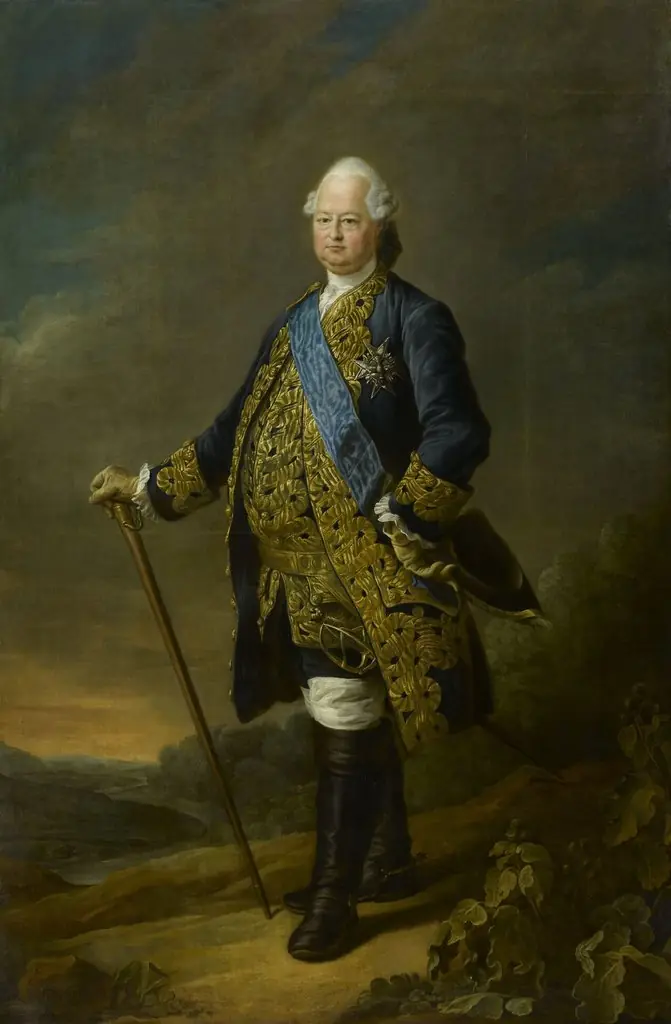 Louis de Bourbon-Condé, Count of Clermont (1709-1771)
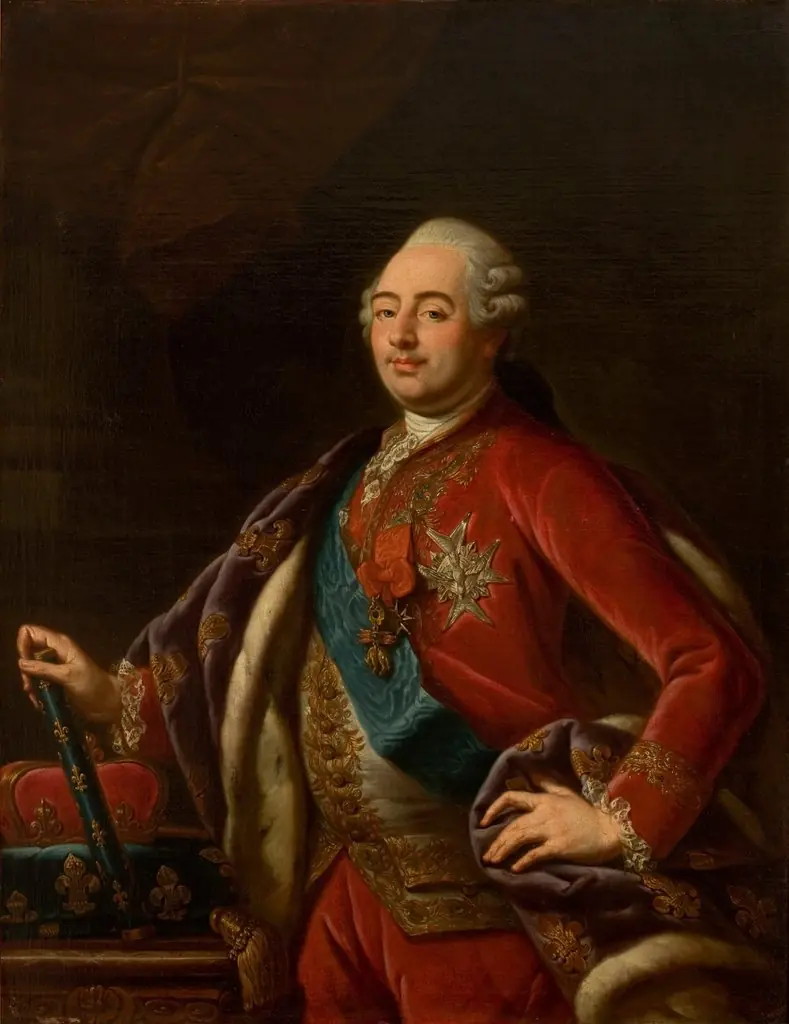 Retrato de Luís XVI
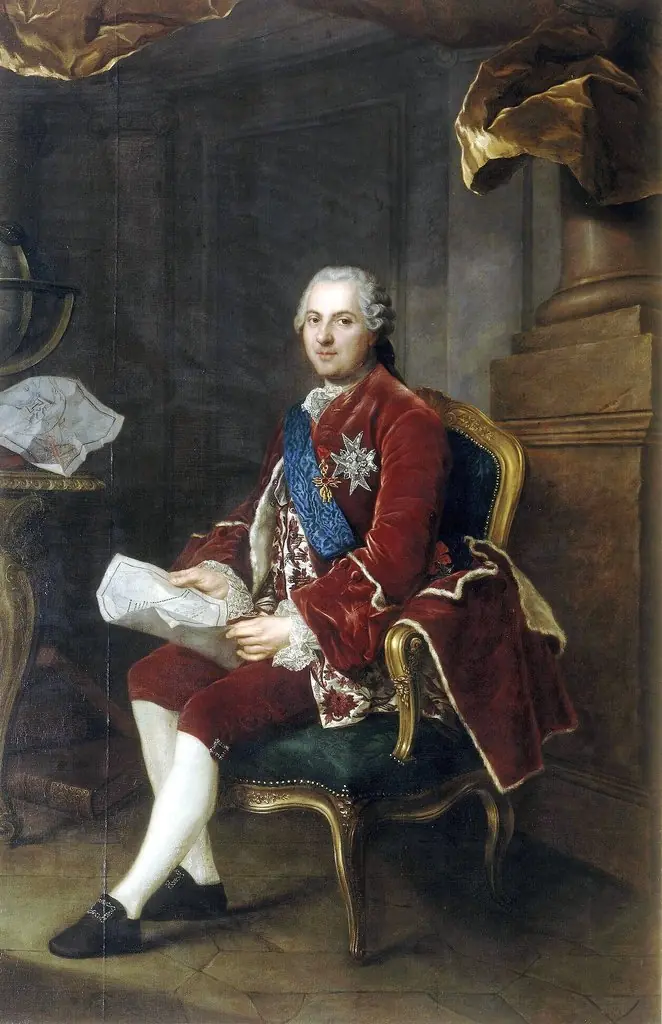 Louis, Dauphin of France
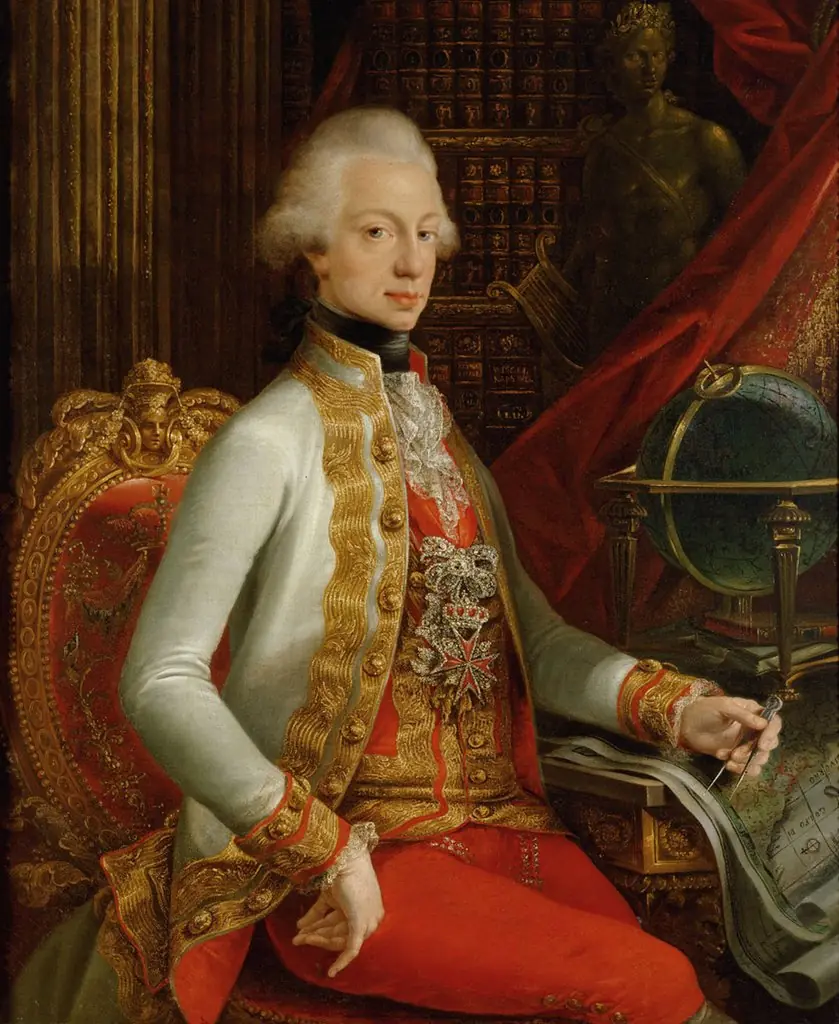 Portrait of Ferdinand III, Archduke of Austria and Grand Duke of Tuscany (1769-1824) sitting in his library
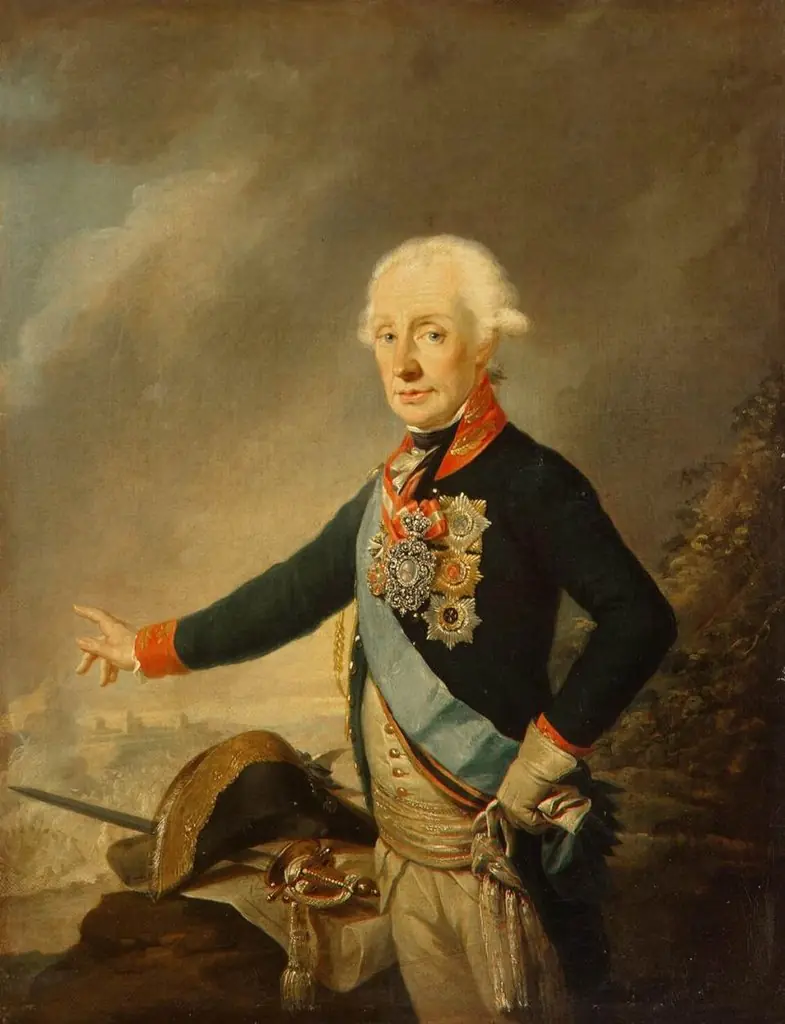 Portrait of Count Alexander Suvorov
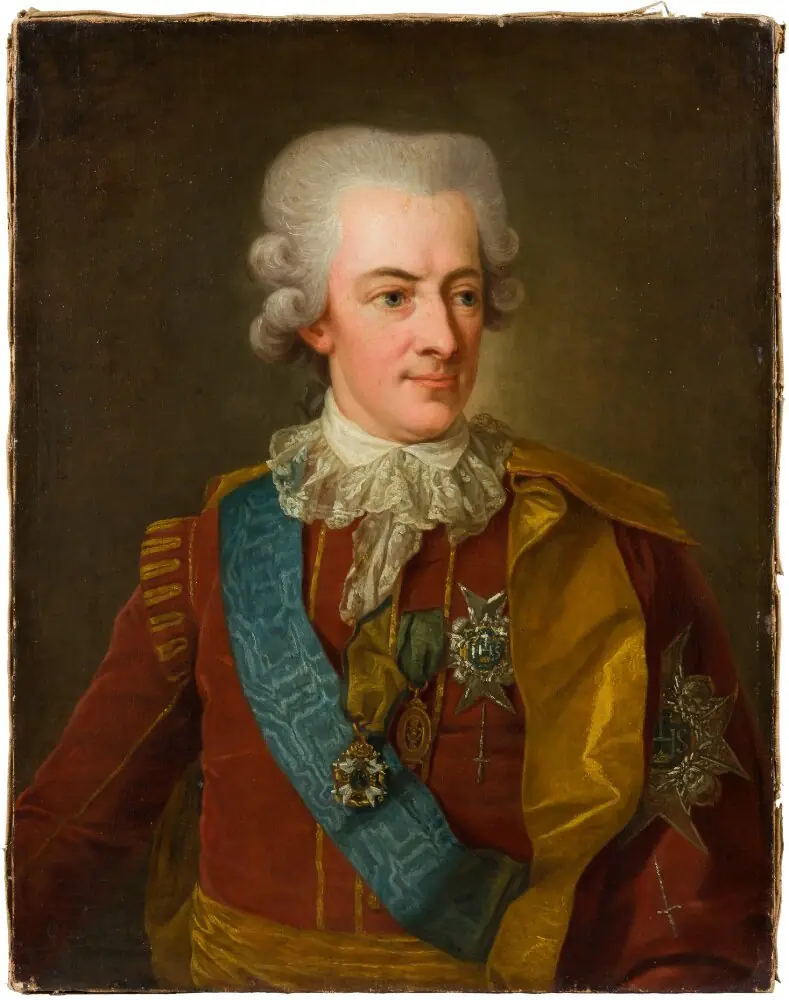 Gustav III (1746–1792), King of Sweden
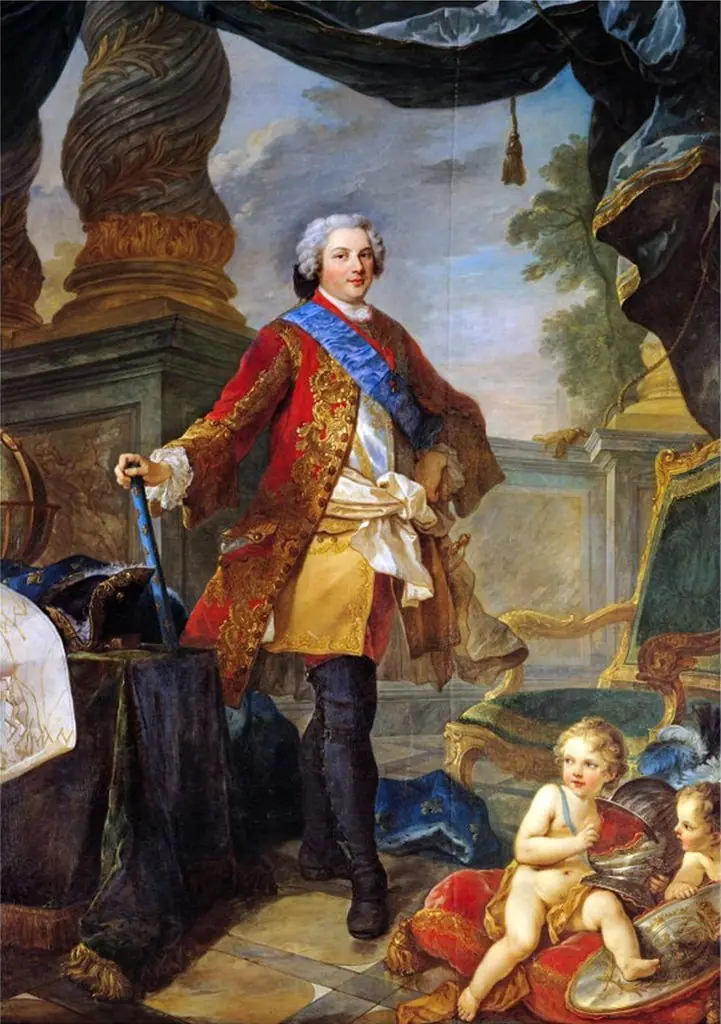 Portrait of Louis Dauphin of France with a Plan of the Siege of Tournai
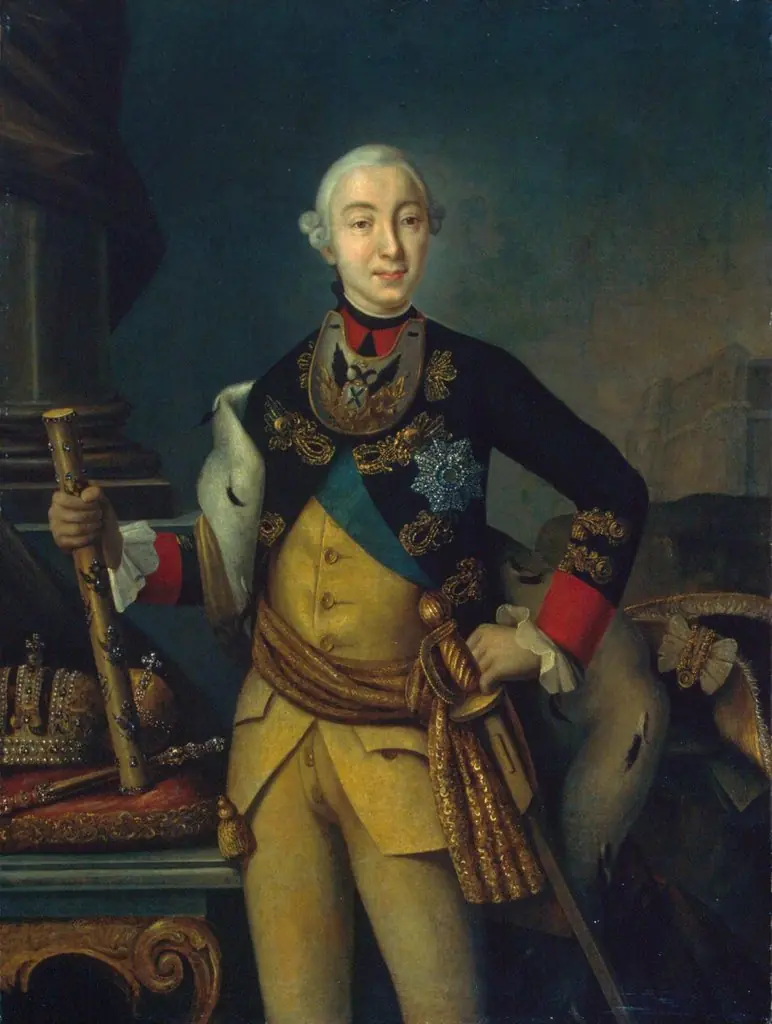 Portrait of Emperor Peter III
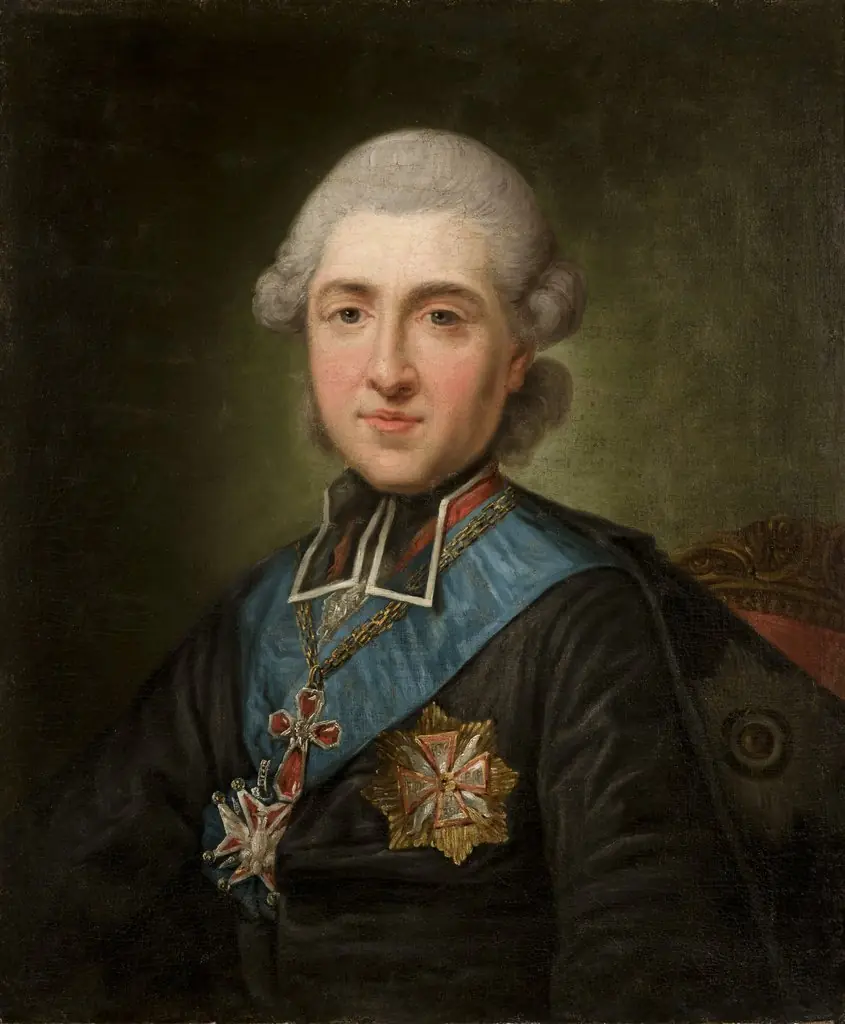 Portrait of Primate Michał Poniatowski