Artwork
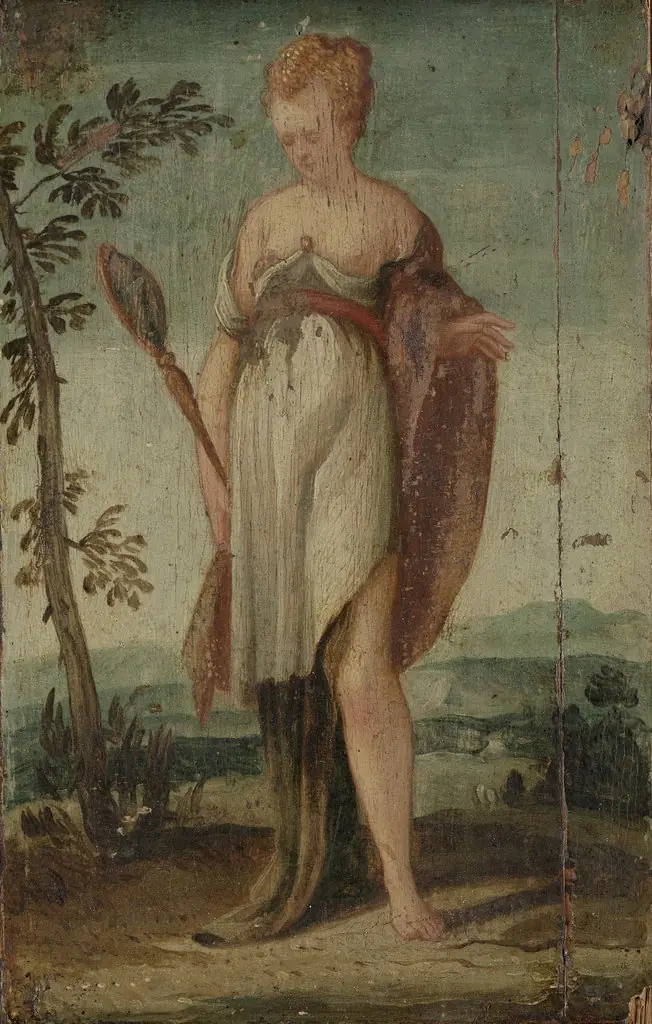
Venus with a Mirror
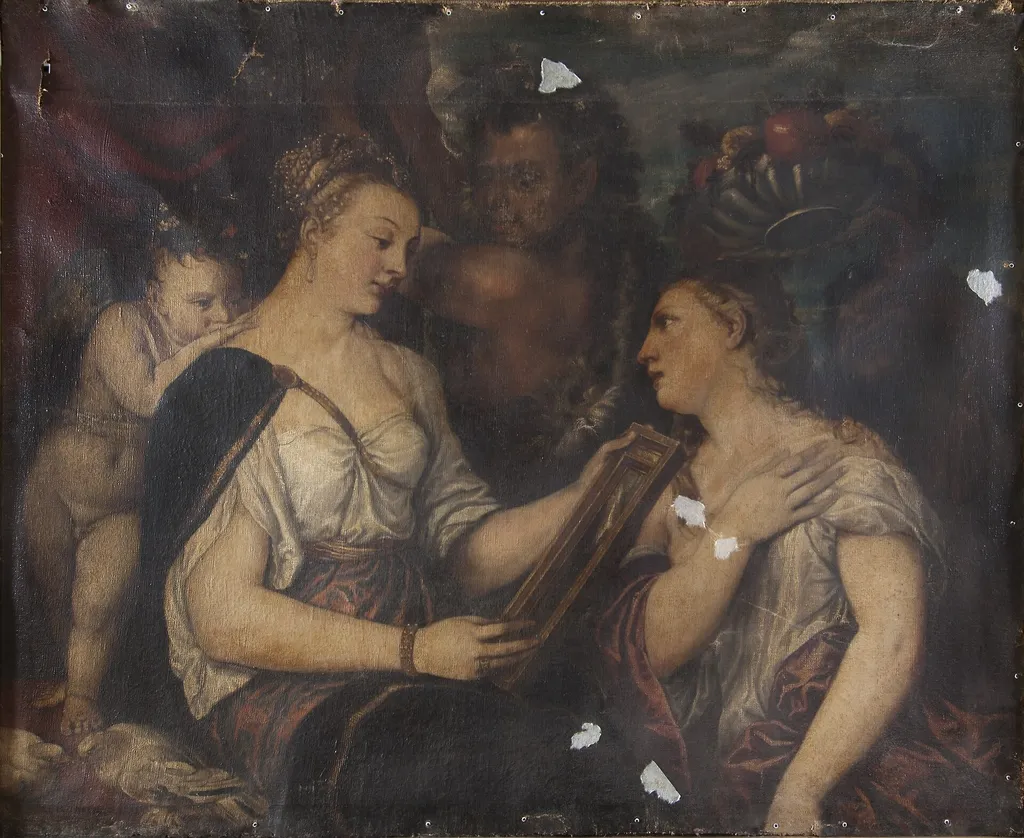
Venus with a Mirror is an oil painting by the Early Baroque Italian artist Unknown. It dates from 1650 and is held in the collection of the Nationalmuseum.
About this work
Overview
This oil painting depicts a reclining female figure holding a mirror, accompanied by two other figures: a standing woman and a child positioned behind them.
This oil painting depicts a reclining female figure holding a mirror, accompanied by two other figures: a standing woman and a child positioned behind them. The composition is quiet and contemplative, with muted tones and a soft, diffused light. Surface imperfections, including white spots, suggest age and possible restoration. The work reflects a traditional approach to mythological subjects, rendered with restrained color and deliberate stillness.
Subject & Meaning
The central figure is commonly interpreted as Venus, the Roman goddess of love, engaged in the act of viewing her reflection. The presence of a second woman and child may symbolize companionship or familial duty, possibly alluding to the virtues of modesty or domestic harmony. The mirror serves as a focal point, inviting reflection—not only literal but metaphorical—on beauty, identity, and the passage of time.
Technique & Style
The artist employed oil paint with a subdued palette, favoring soft transitions between tones rather than vivid contrasts. Brushwork is smooth and controlled, emphasizing the gentle contours of the figures and the quiet texture of their garments. The lighting is even and diffused, minimizing dramatic shadows, which contributes to the painting’s tranquil atmosphere and reinforces its introspective mood.
History & Provenance
The painting’s origins are not fully documented, but its style and condition suggest it was created in the late Renaissance or early Baroque period. Surface discoloration and white spots indicate aging and later intervention, possibly during 18th- or 19th-century restoration. Its ownership history remains unclear, though its subject matter aligns with popular mythological themes of the era among private collectors.
Context
During the period in which this work was likely made, depictions of Venus were common in European art, often used to explore ideals of beauty and femininity. Unlike more overtly sensual portrayals, this version emphasizes quiet dignity and restraint, reflecting a shift toward more intimate, domestic interpretations of classical subjects within private collections rather than public commissions.
Legacy
Though not widely known today, the painting exemplifies a quieter strand of mythological painting that prioritized contemplation over spectacle. Its restrained composition and subdued palette influenced later artists seeking to portray classical themes with psychological nuance rather than grandeur. It remains a quiet testament to the enduring appeal of Venus as a symbol of reflective, rather than performative, beauty.
Artist & collection

 Domestic Scene
 Giacomo and Cardinal Marco, investing Andrea, Abbot of San Zeno, with his Benefice
 The Nymph of Fontainebleau
 Portrait of a Woman
 Madonna and Child with Saints in the Enclosed Garden
 Venus and Minerva
 Family Group of Four on Sofa
 Wall painting from Room H of the Villa of P. Fannius Synistor at Boscoreale
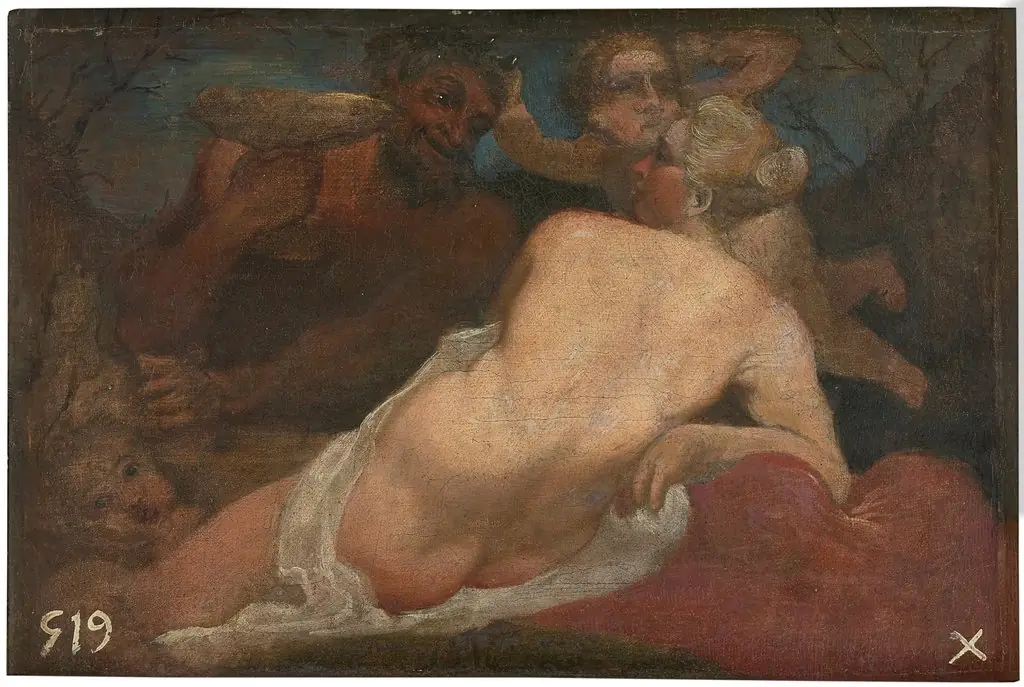 Venus and a Satyr
 Satir și numfă
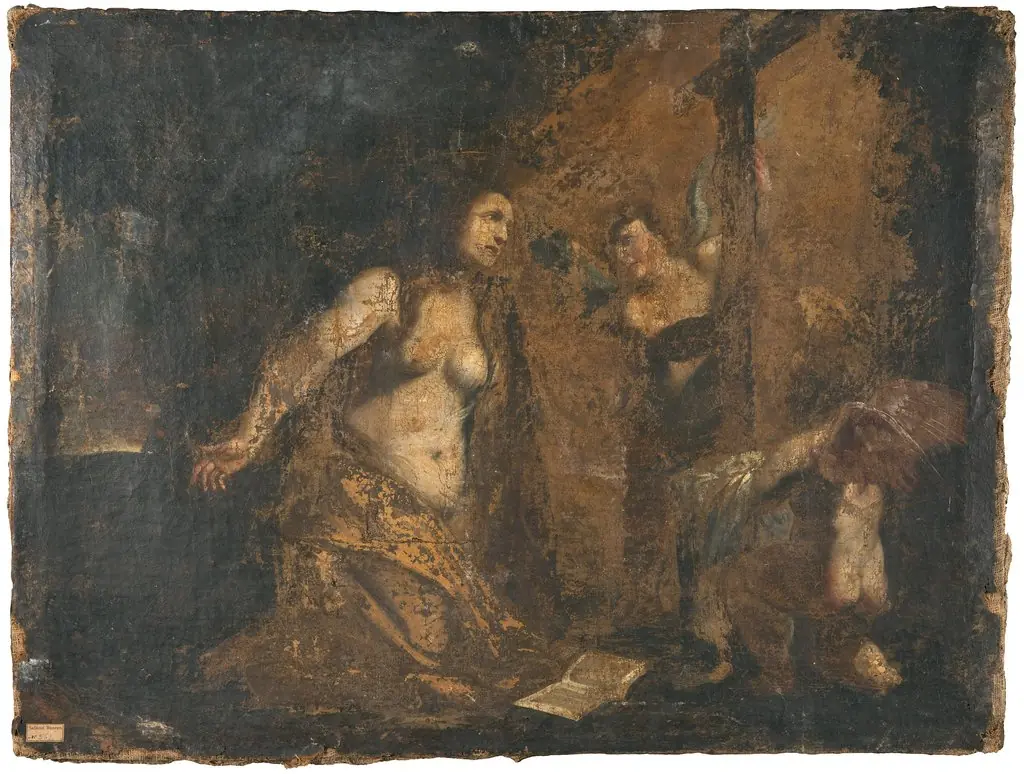 Den heliga Maria Magdalena
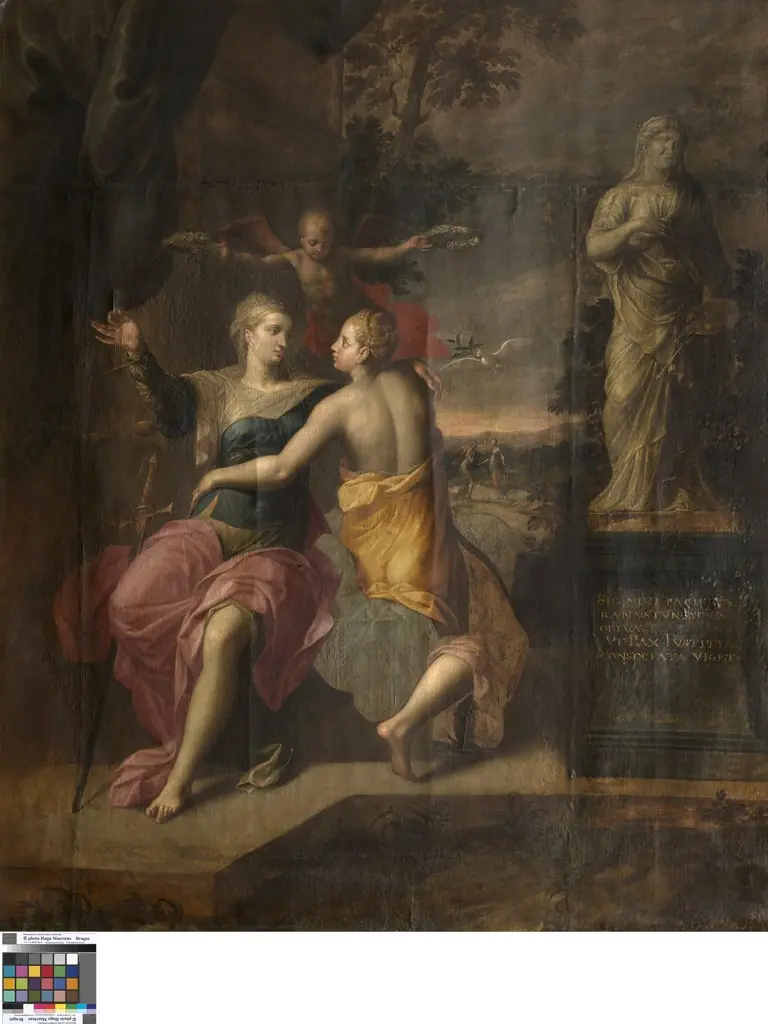 Justitia and Pax
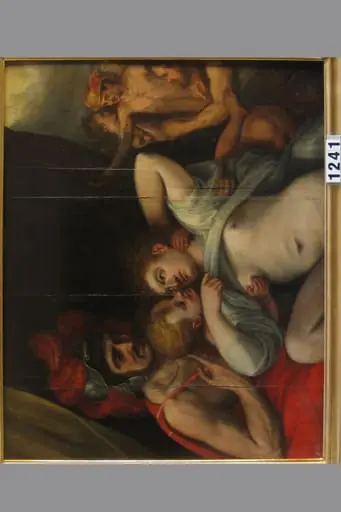 Marte și Venus pândiți de zeii din Olimp
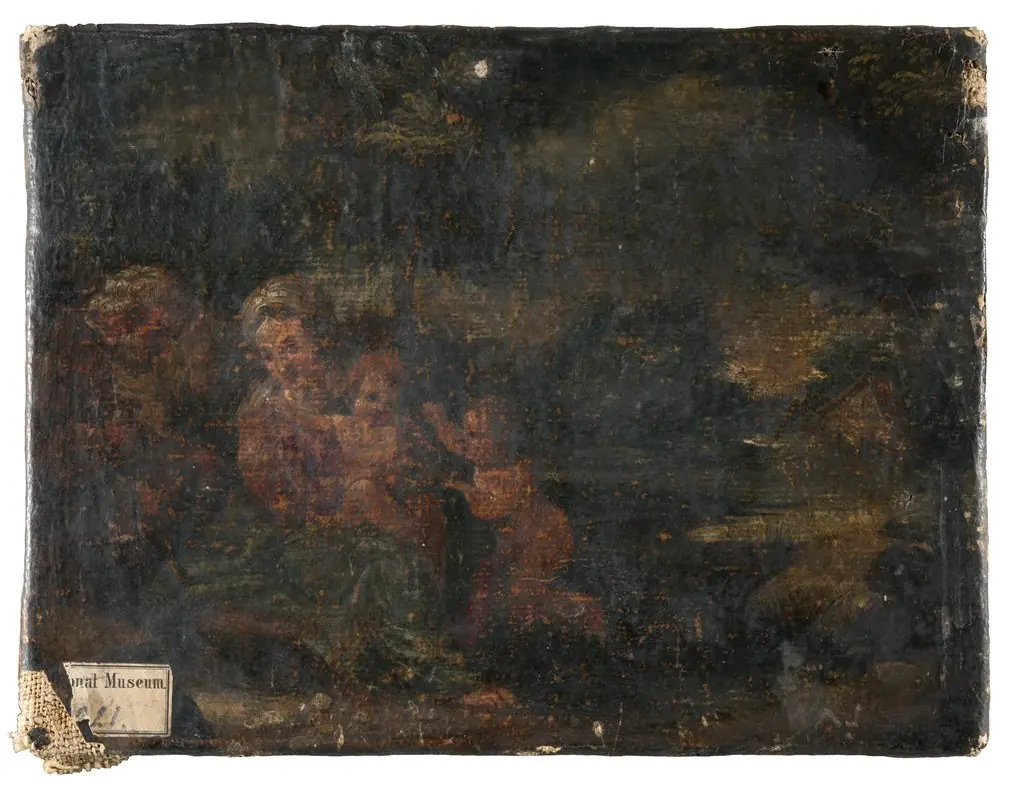 The Holy Family
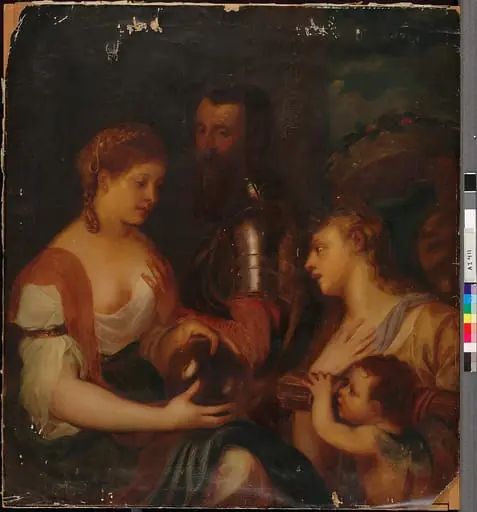 Markiisi Alfonso d'Avalos ja hänen rakastajattarensa, kopio Titiano Vecellis
 Lot flees Sodom
 Venus Blindfolding Cupid
 Finding of Erichthonius
 Vertumnus și Pomona (în Reg. Inv.: Vertumnus și Flora)
 Woman with Mirror