Artwork
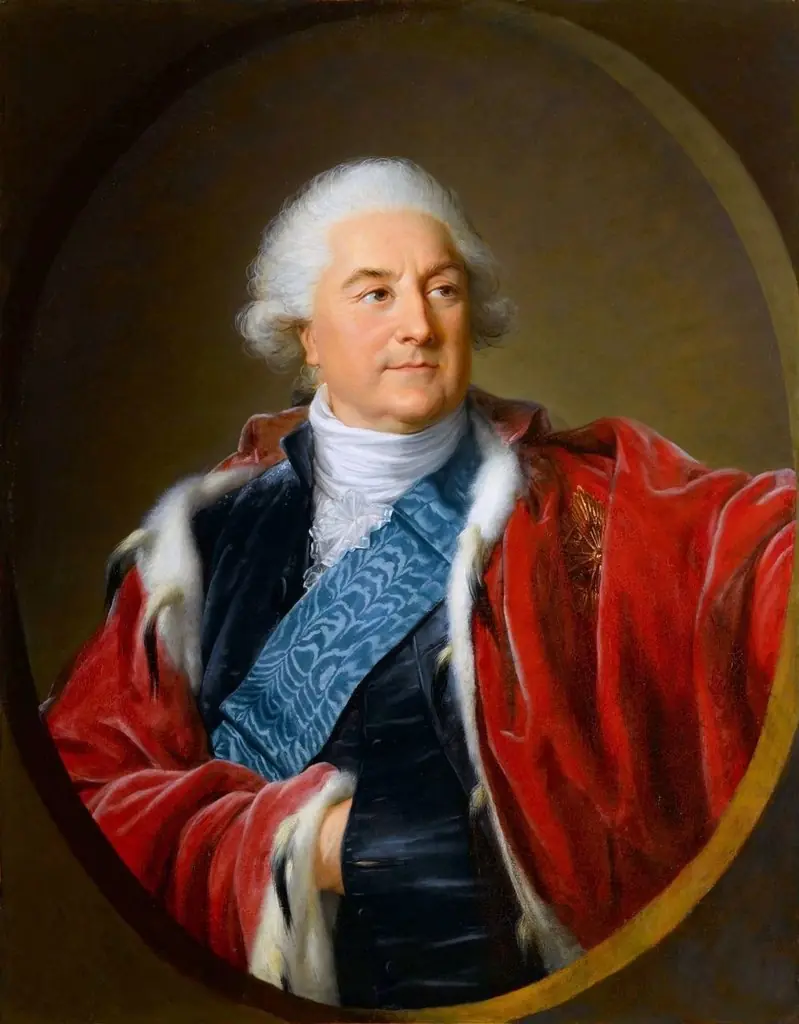
Portrait of Stanisław August Poniatowski in the general’s uniform
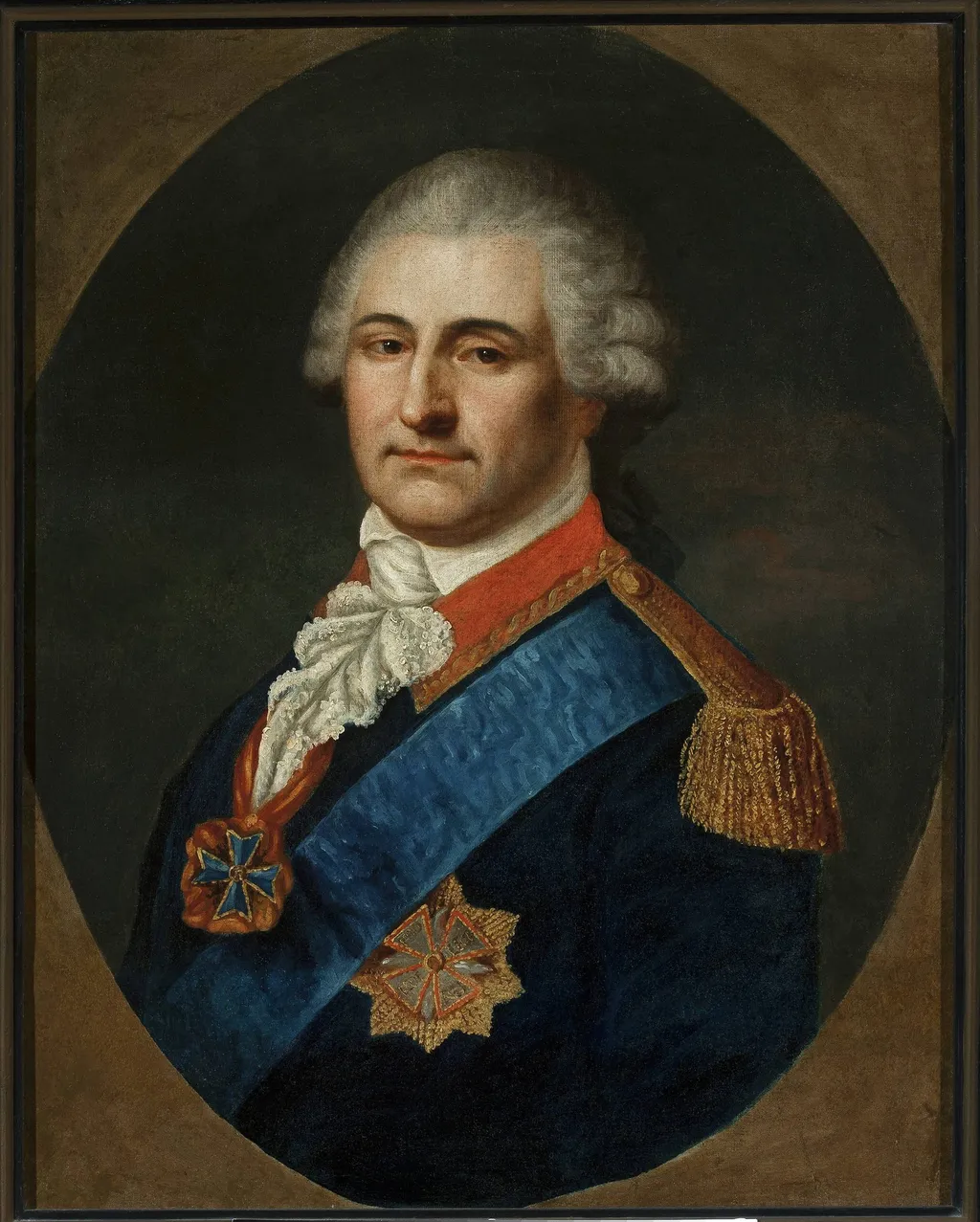
Portrait of Stanisław August Poniatowski in the general’s uniform is an oil painting by the Rococo painting artist Johann Baptist von Lampi the Elder. It dates from 1800 and is held in the collection of the National Museum in Warsaw.
About this work
Overview
Lampi, an Austrian-Italian artist active in Eastern Europe, completed the work after the partitions of Poland, during his time in the Russian Empire.
Painted around 1800 by Johann Baptist von Lampi the Elder, this oil portrait captures Stanisław August Poniatowski, the last king of Poland, dressed in a general’s uniform. Lampi, an Austrian-Italian artist active in Eastern Europe, completed the work after the partitions of Poland, during his time in the Russian Empire. The painting is now part of the National Museum in Warsaw’s collection, reflecting its historical significance in documenting Polish leadership under foreign domination.
Subject & Meaning
The portrait presents Poniatowski not as a monarch but as a military commander, a deliberate shift in representation following the loss of Poland’s sovereignty. His formal attire, including a blue uniform with gold trim and a red collar, signals authority and continuity of rank. The direct gaze and composed expression convey dignity amid political decline, suggesting an attempt to preserve the dignity of a deposed ruler through the language of military honor.
Technique & Style
Lampi employed a refined, detailed approach typical of late Rococo portraiture, emphasizing texture and precision in fabric and insignia. The dark, neutral background isolates the figure, heightening focus on the uniform’s intricate embroidery and the sash’s gold star. Brushwork is controlled yet expressive, particularly in the rendering of white hair and the crisp folds of the cravat, balancing realism with the ceremonial tone expected in aristocratic portraiture of the era.
History & Provenance
After the Third Partition of Poland in 1795, Lampi moved to the Russian Empire and gained patronage under Tsar Paul I. He painted Poniatowski during this period, likely as part of a broader effort to document former Polish nobility under Russian oversight. The portrait remained in Eastern European collections and eventually entered the National Museum in Warsaw, where it serves as a tangible link to the vanished Polish-Lithuanian Commonwealth.
Context
Created in the aftermath of Poland’s disappearance from the map, this portrait reflects the complex political climate of early 19th-century Eastern Europe. Former rulers were often depicted in military roles to maintain symbolic legitimacy. Lampi’s work aligns with imperial strategies of visual control, yet also preserves the personal dignity of a deposed king, offering a quiet resistance through formal solemnity rather than overt political statement.
Legacy
The portrait endures as a key visual document of Poland’s late Enlightenment era and the transition from monarchy to partitioned rule. It illustrates how portraiture functioned as both political tool and personal memorial. Lampi’s depiction, though commissioned under Russian influence, has been reclaimed in Polish cultural memory as a testament to the resilience of national identity in the face of erasure.
Artist & collection
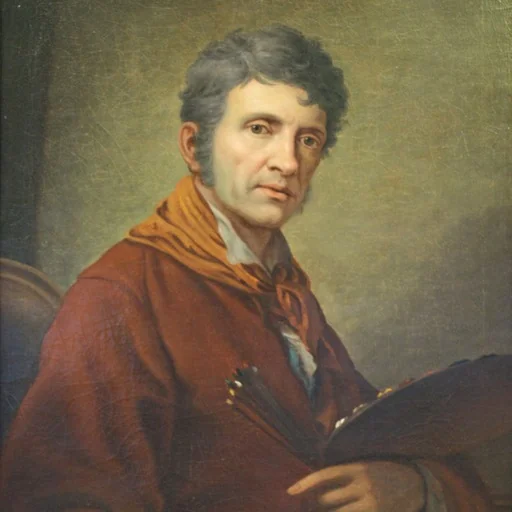
Artist
Johann Baptist von Lampi the Elder
Johann Baptist von Lampi the Elder (German: Johann Baptist von Lampi der Ältere, Polish: Jan Chrzciciel Lampi; 31 December 1751 – 11 February 1830) was an Austrian-Italian historical and portrait painter.

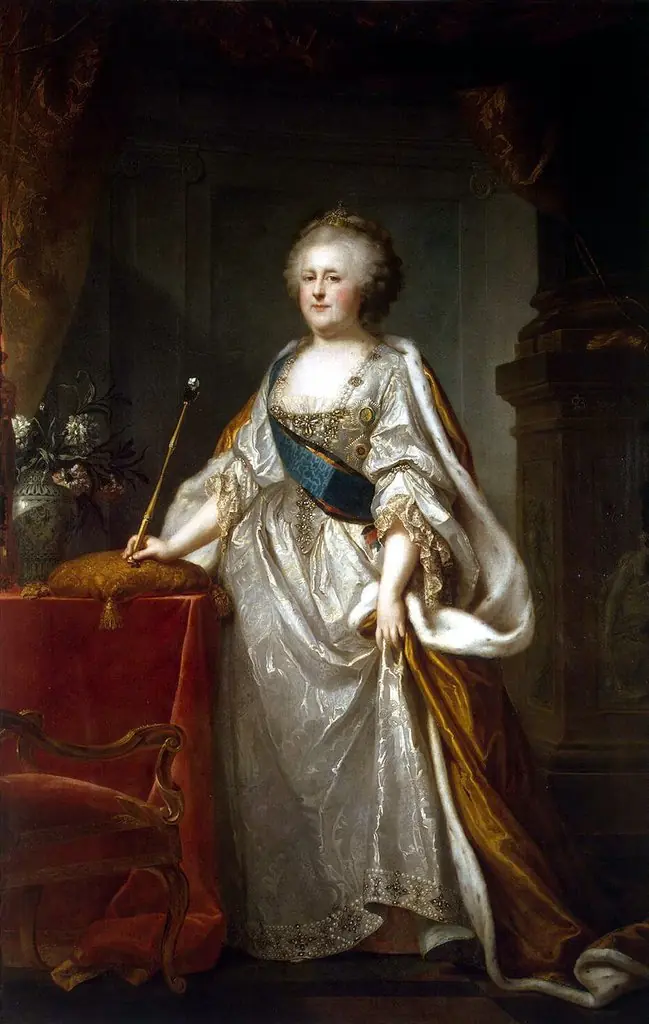
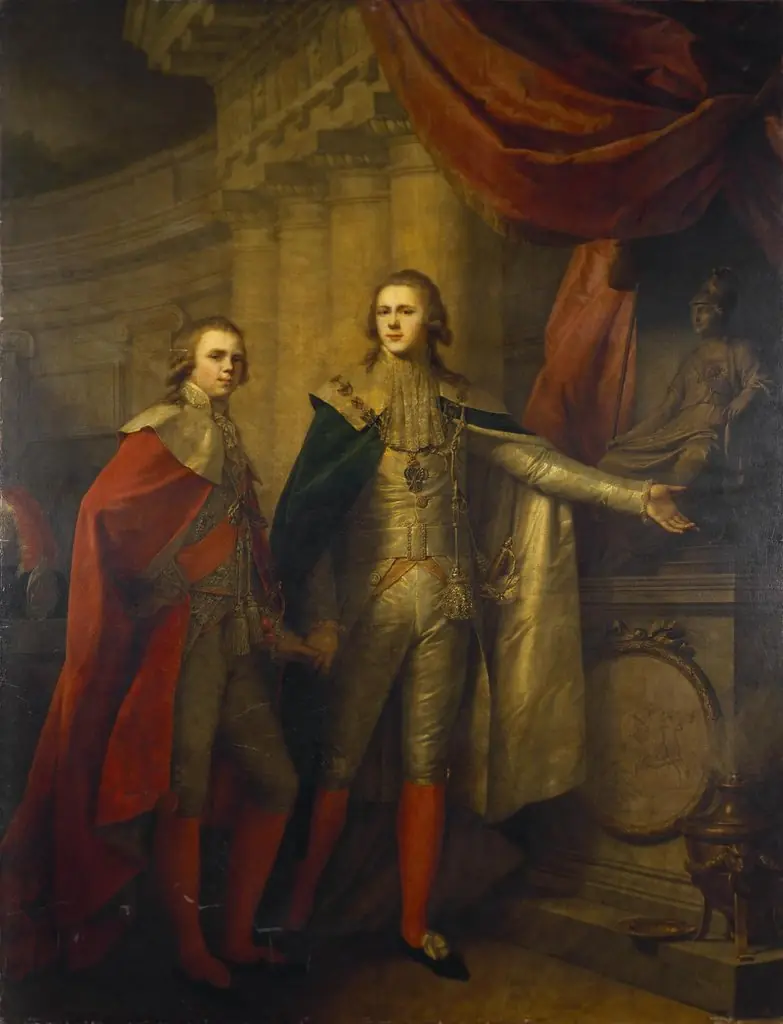
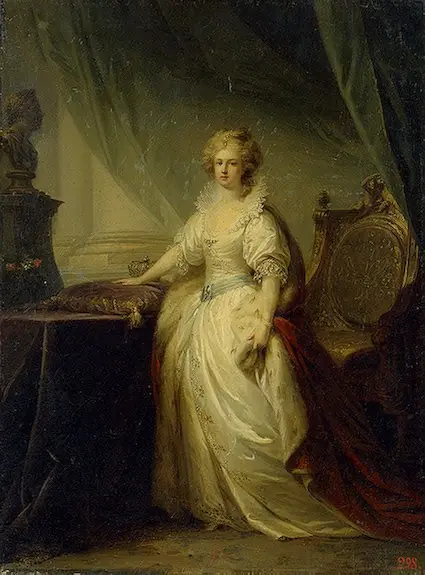
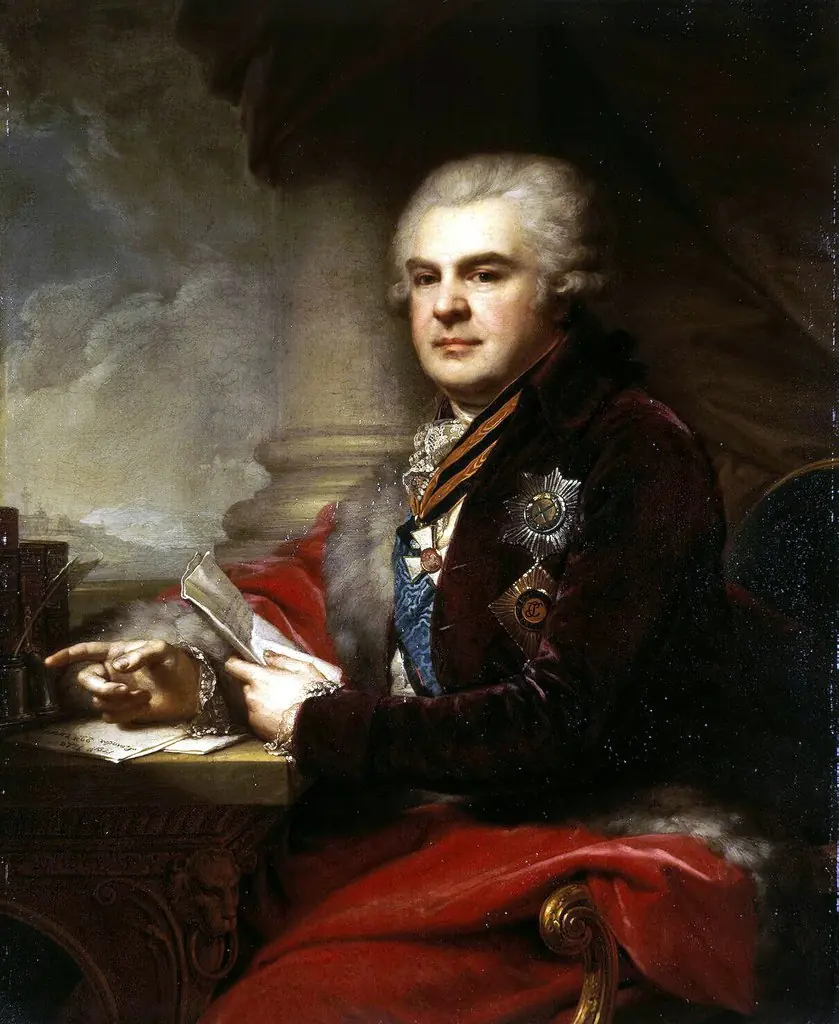
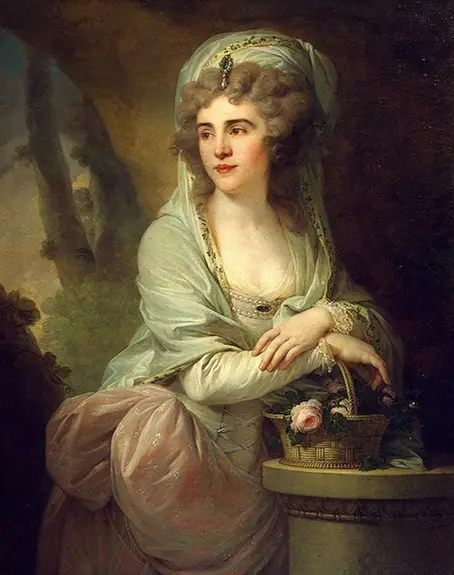
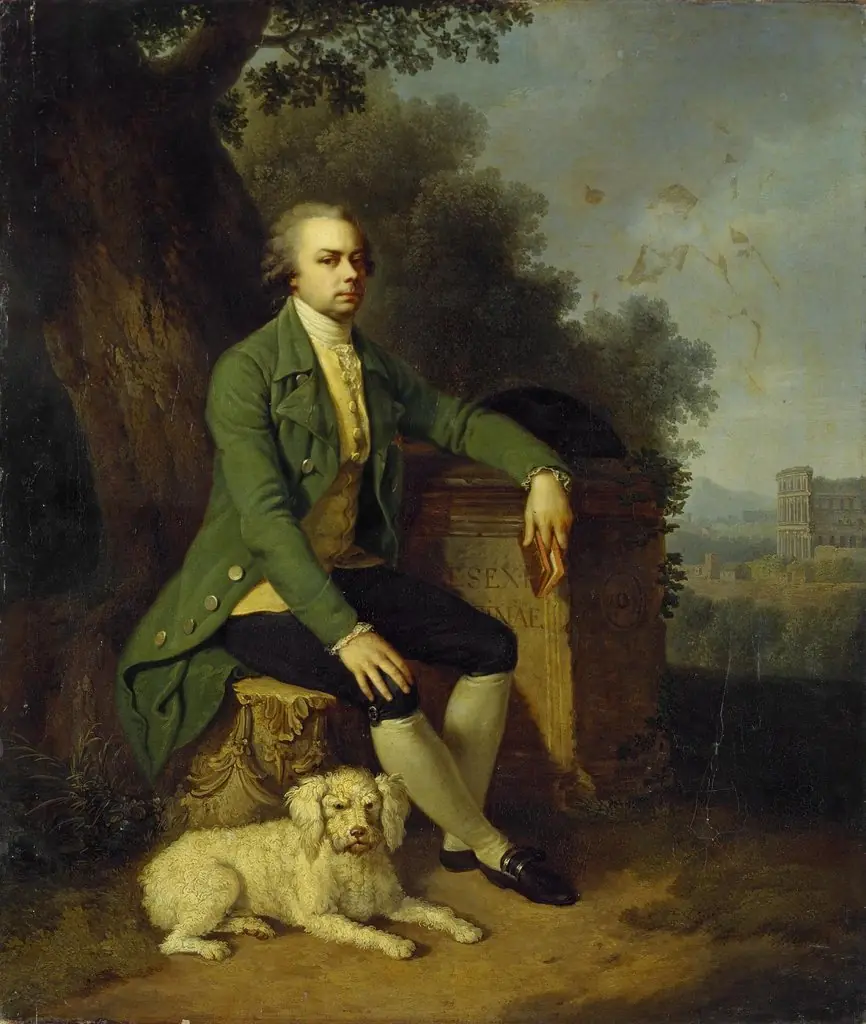
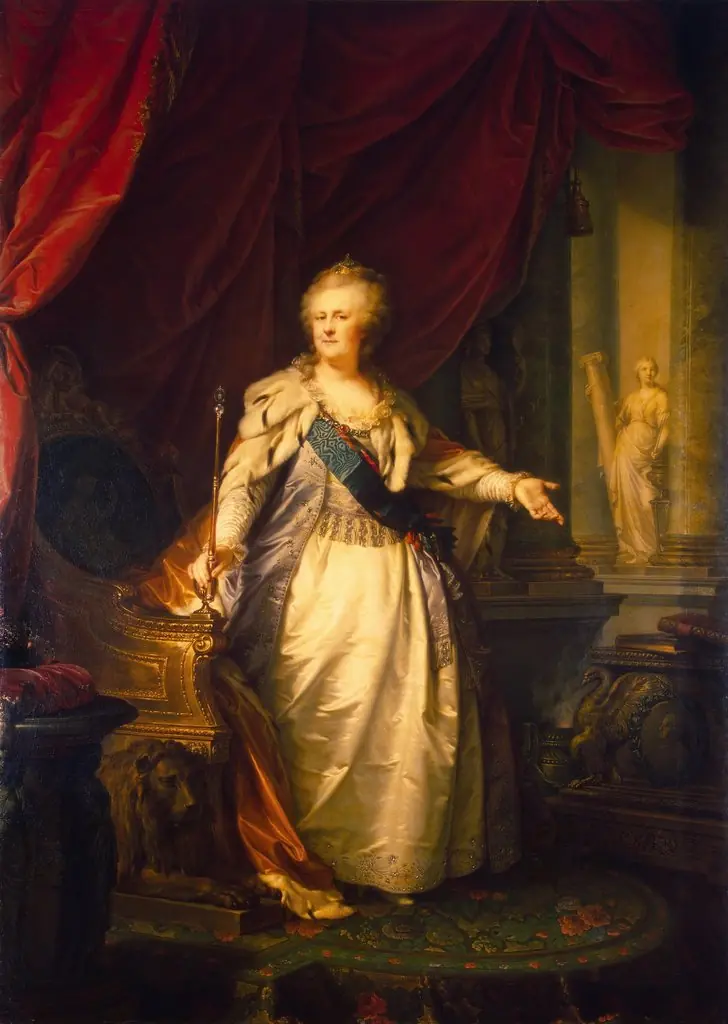
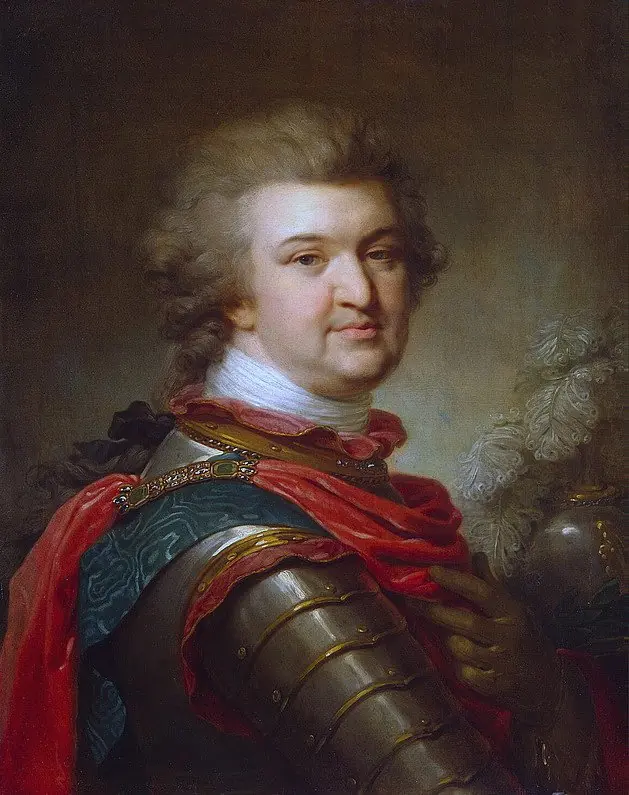
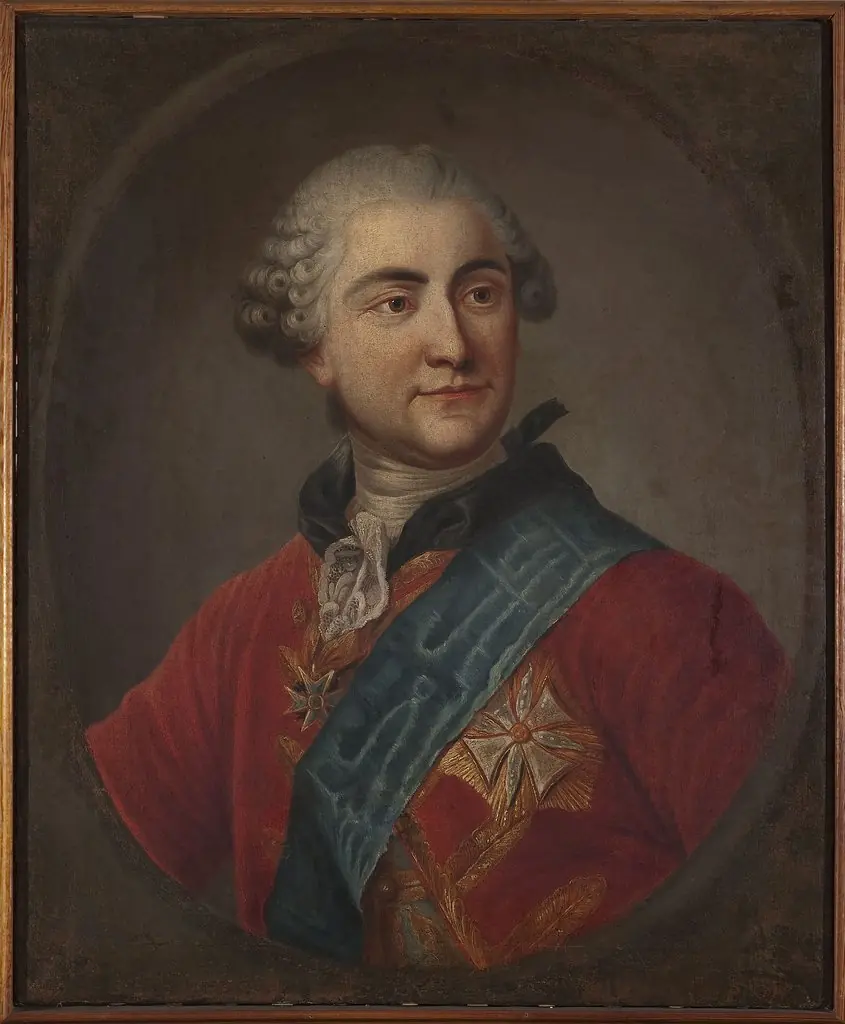 Portrait of Stanisław August Poniatowski
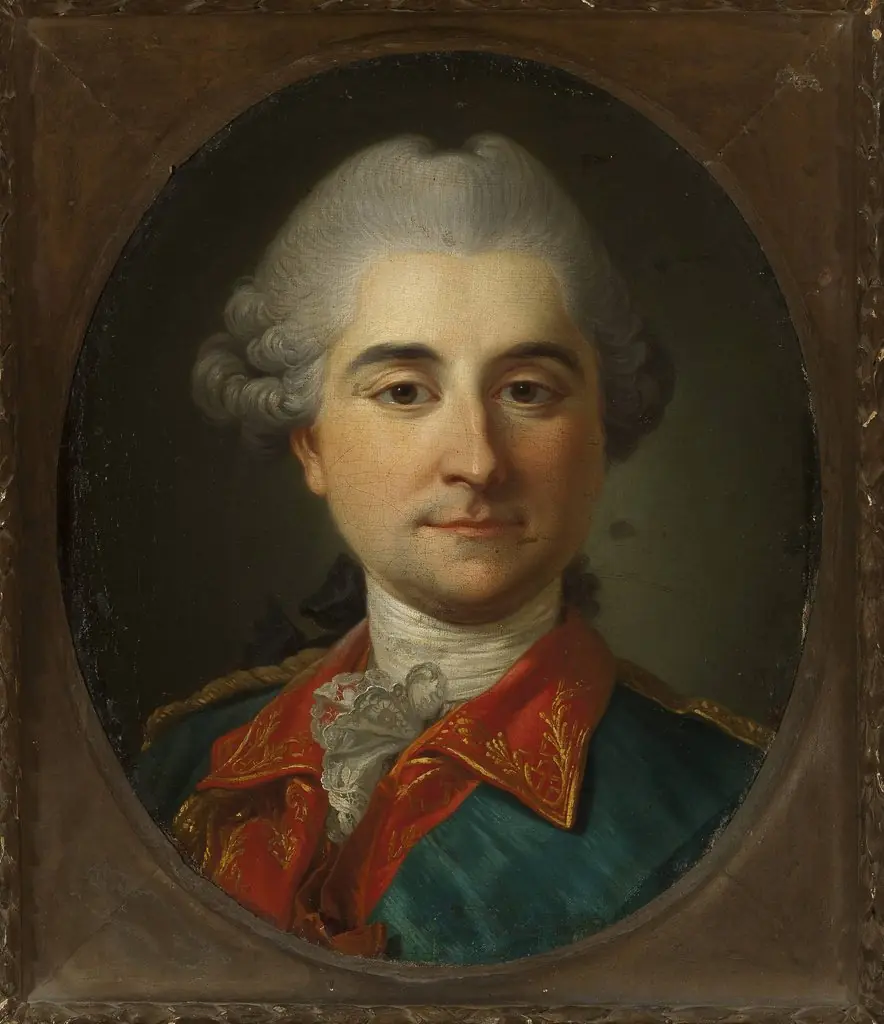 Portrait of Stanisław August Poniatowski
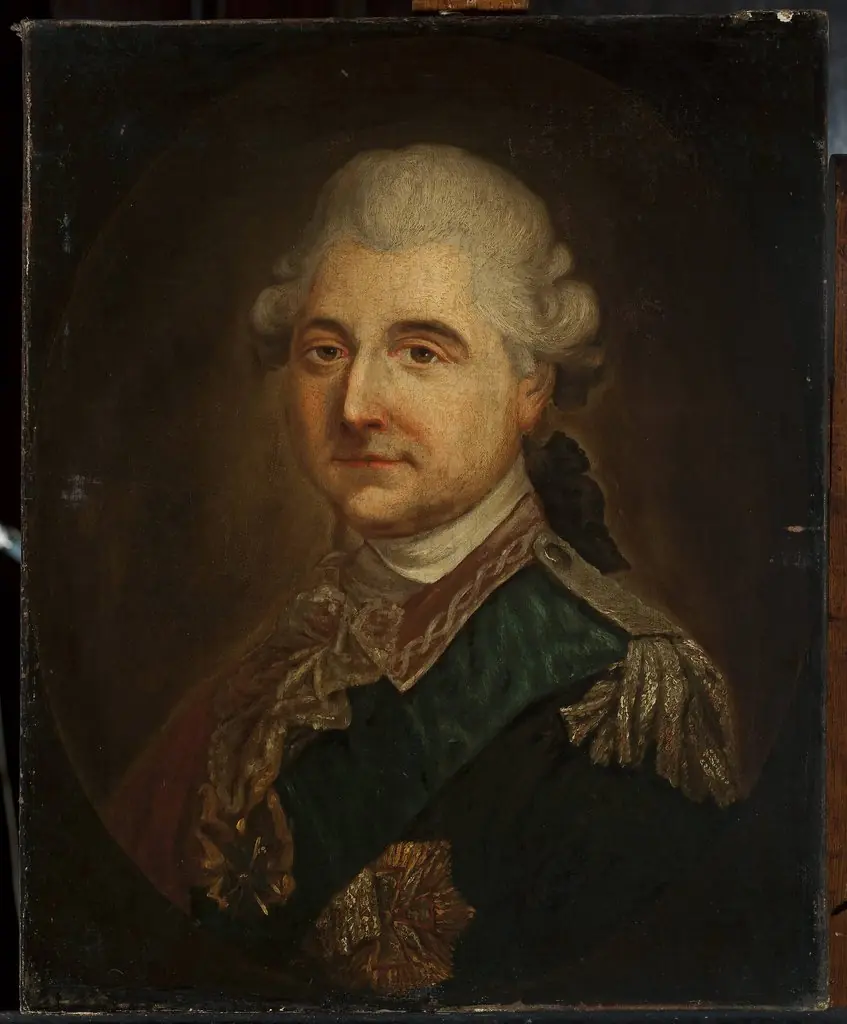 Portrait of Stanisław August Poniatowski in the uniform of the head of the Corps of Cadets
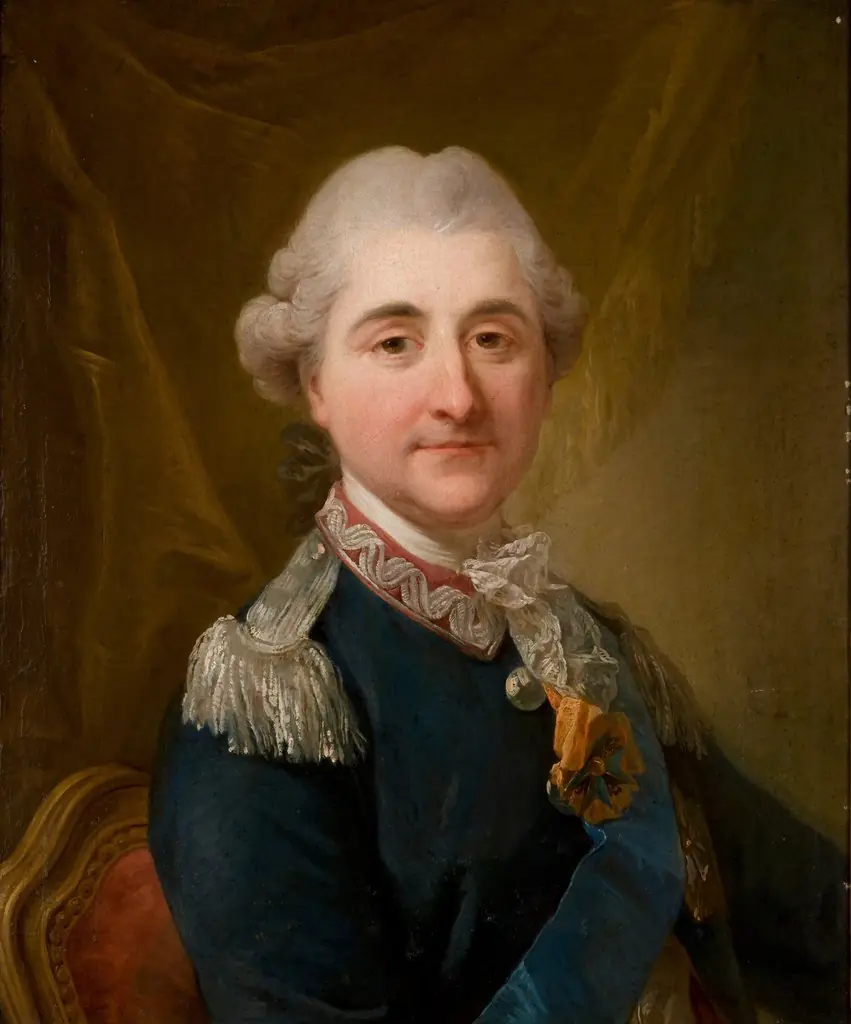 Portrait of King Stanislaus Augustus Poniatowski
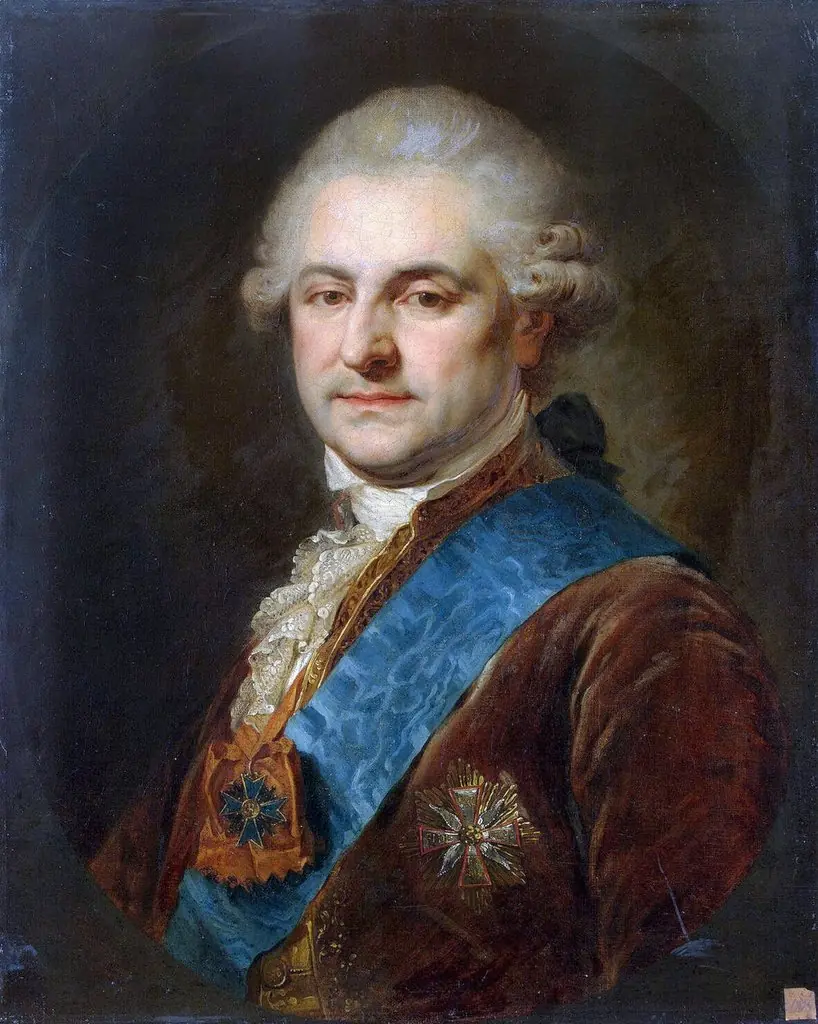 Portrait of Stanislas-Auguste Poniatowski
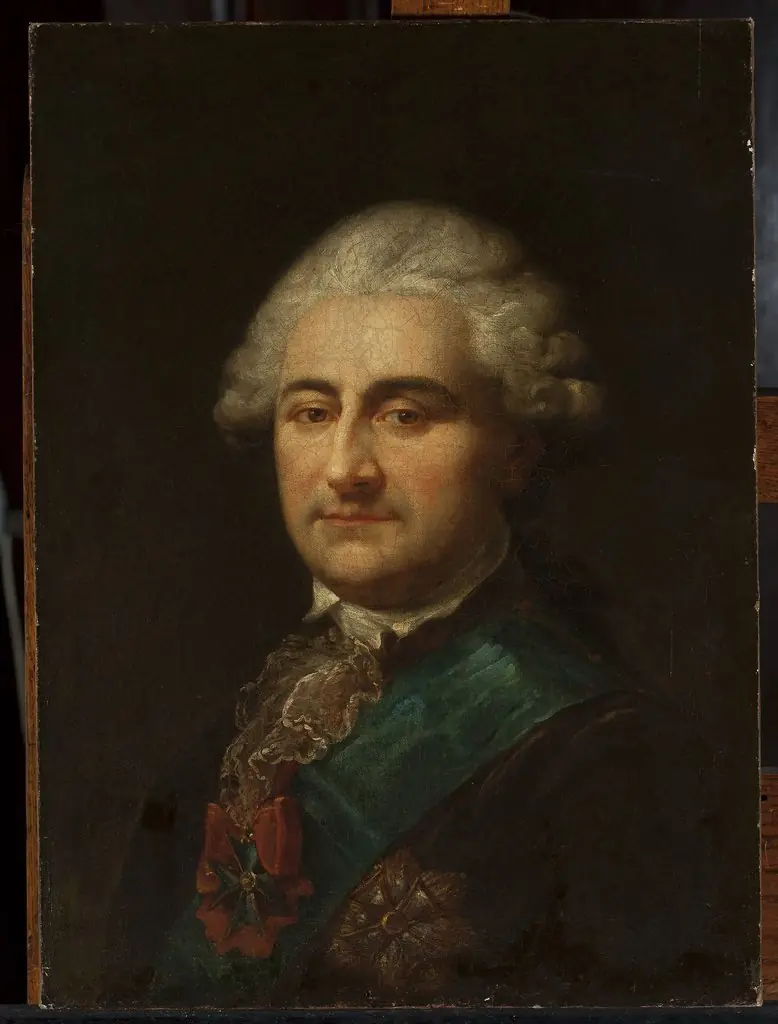 Portrait of Stanisław August Poniatowski with the Order of the White Eagle
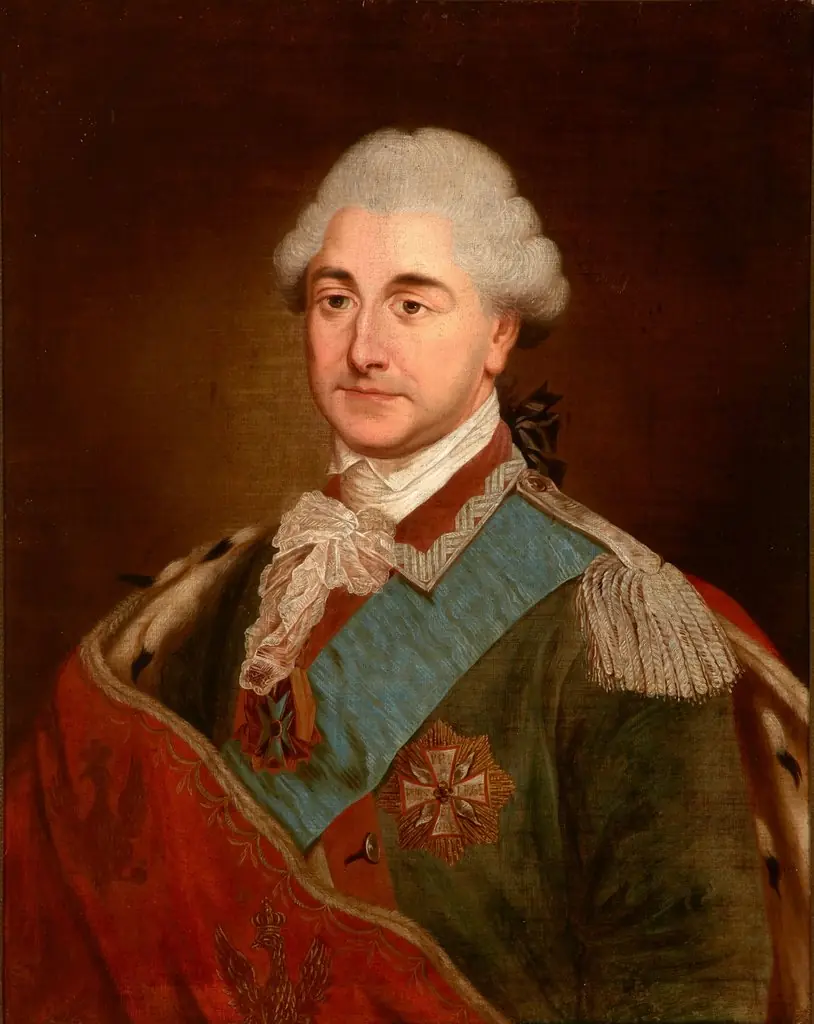 Portrait of Stanisław August Poniatowski (1732–1798), King of Poland
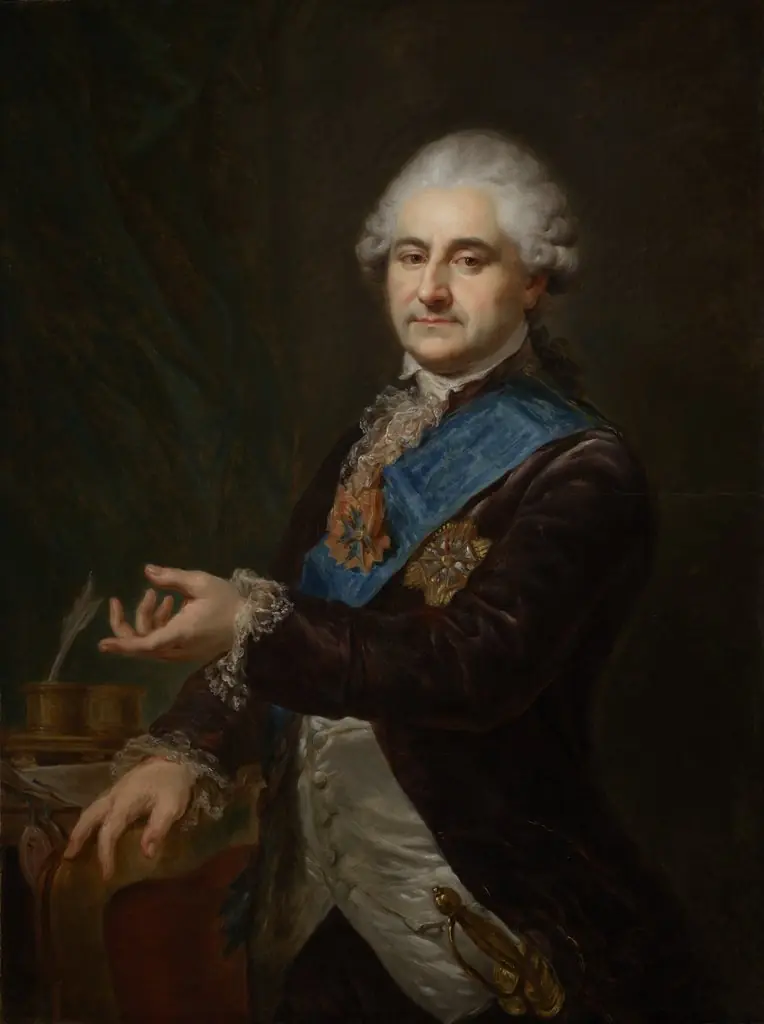 Portrait of Stanislaus Augustus Poniatowski (1732–1798)
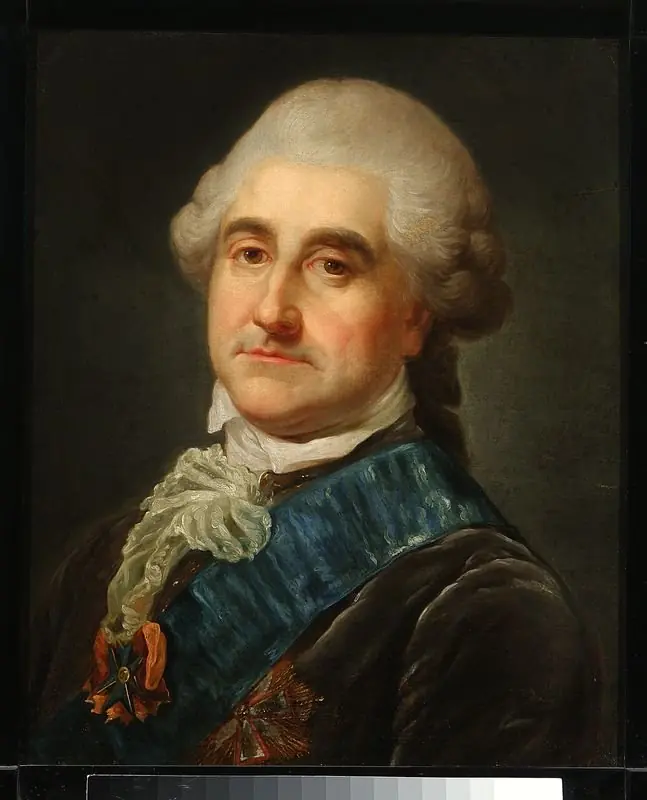 Portrait of Stanisław August Poniatowski
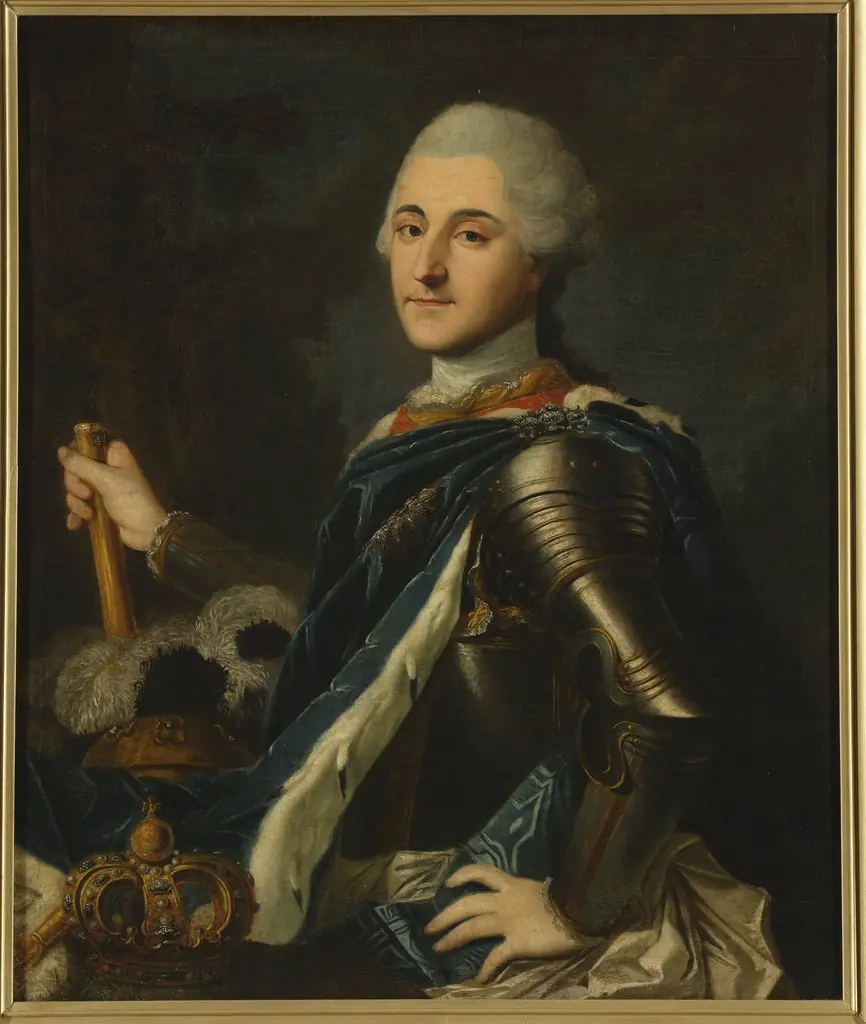 Portrait of king Stanisław August in armour
 Portrait of Stanislaus Augustus Poniatowski, king of Poland