Artwork
Meleager presents the head of the Calydonian boar to Atalanta
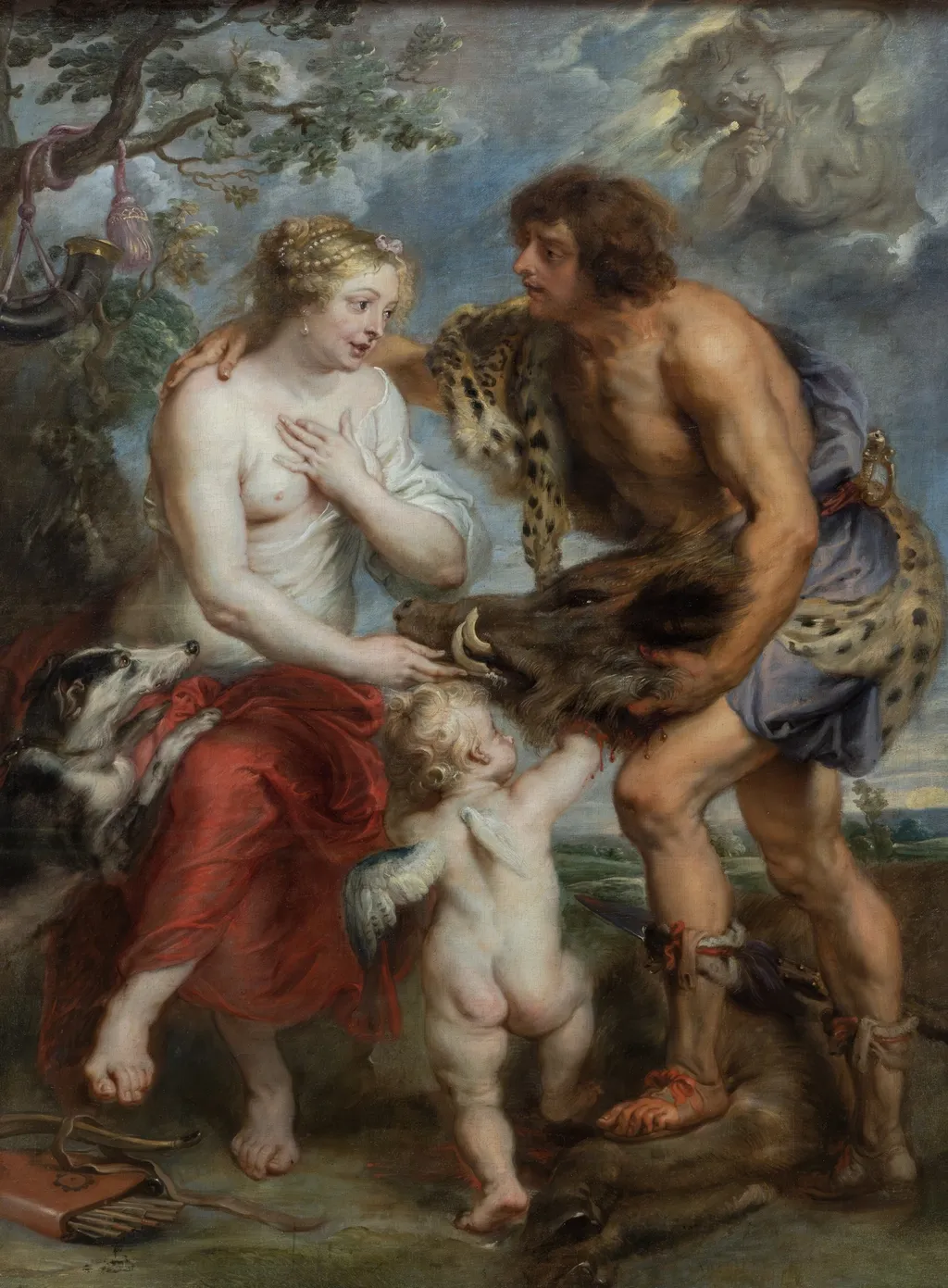
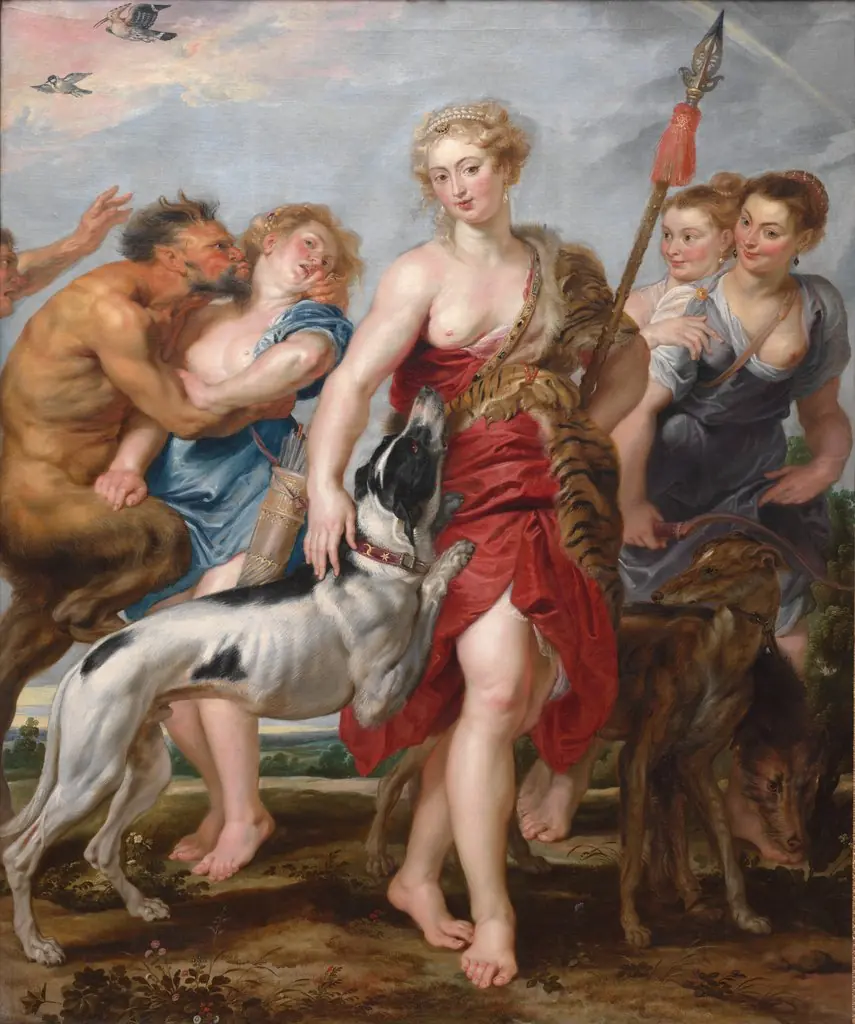
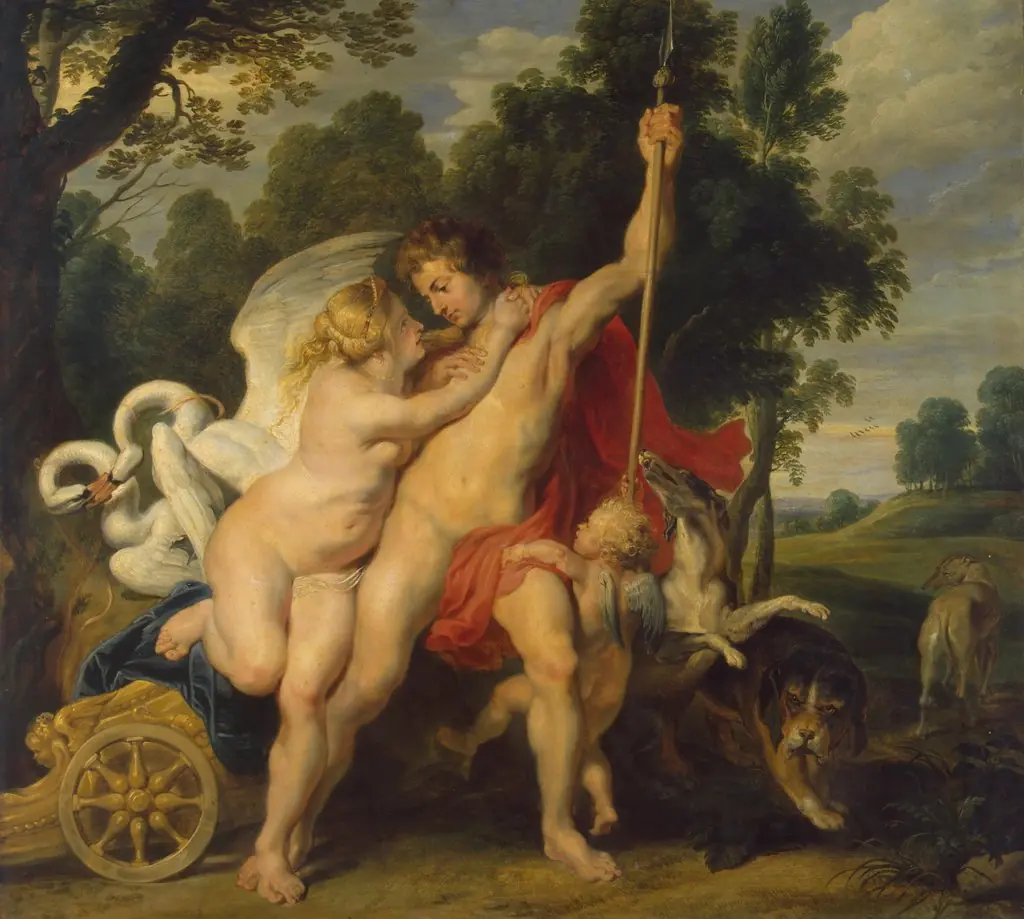
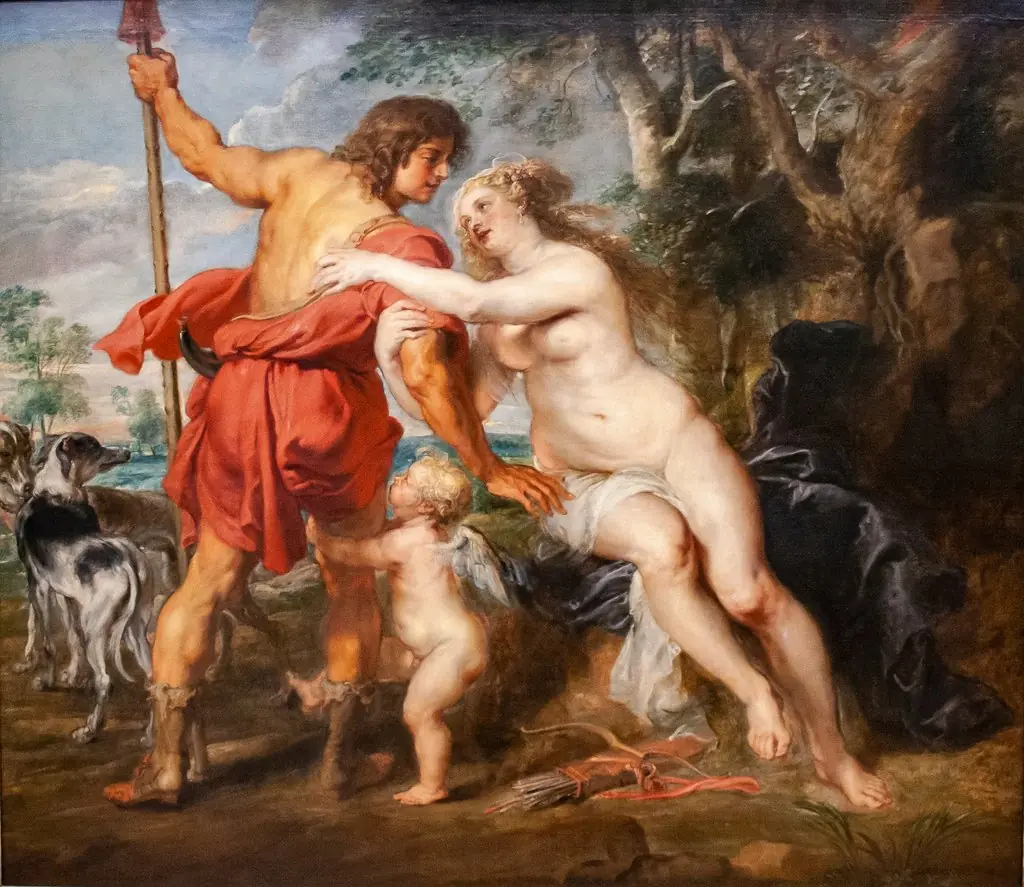
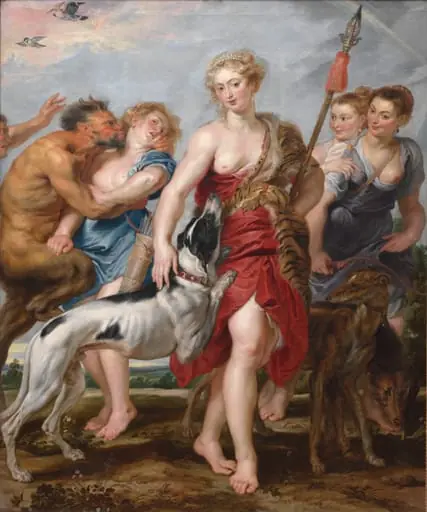
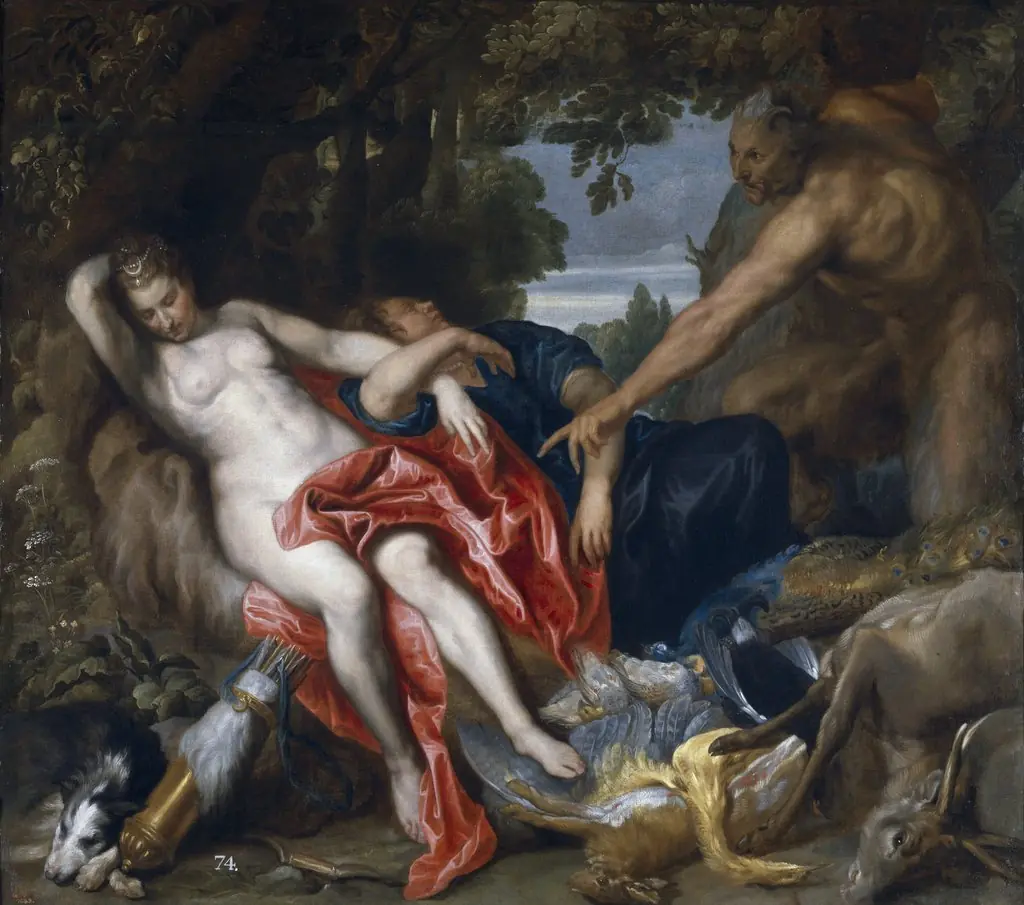
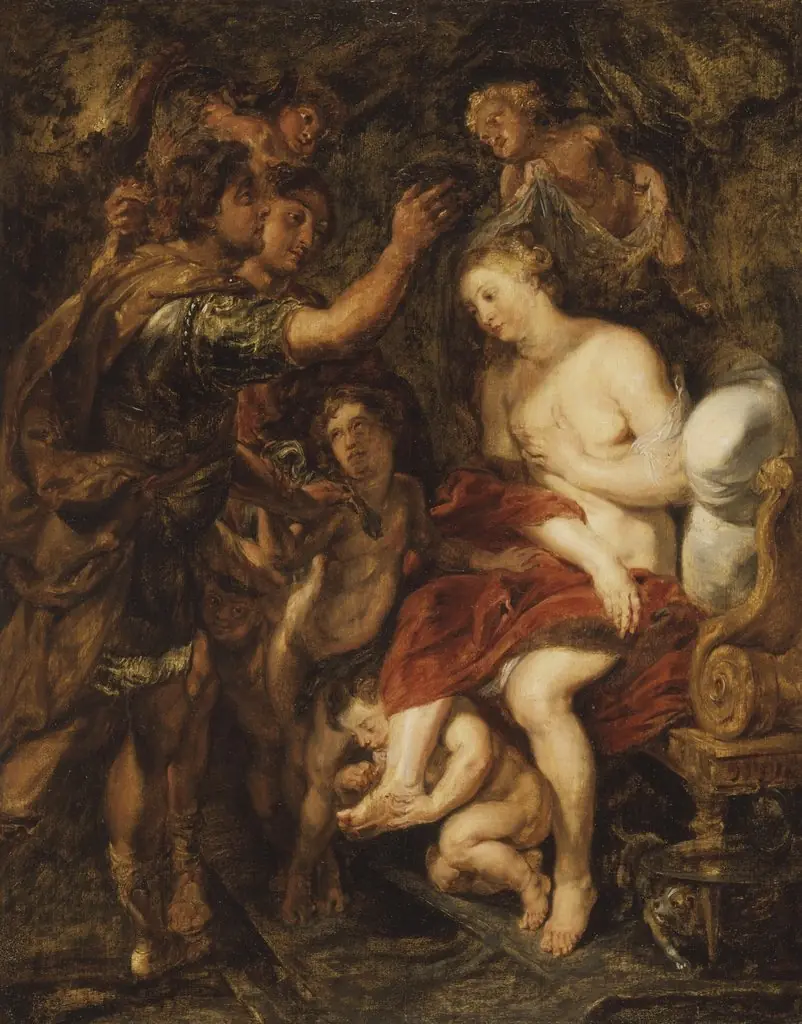
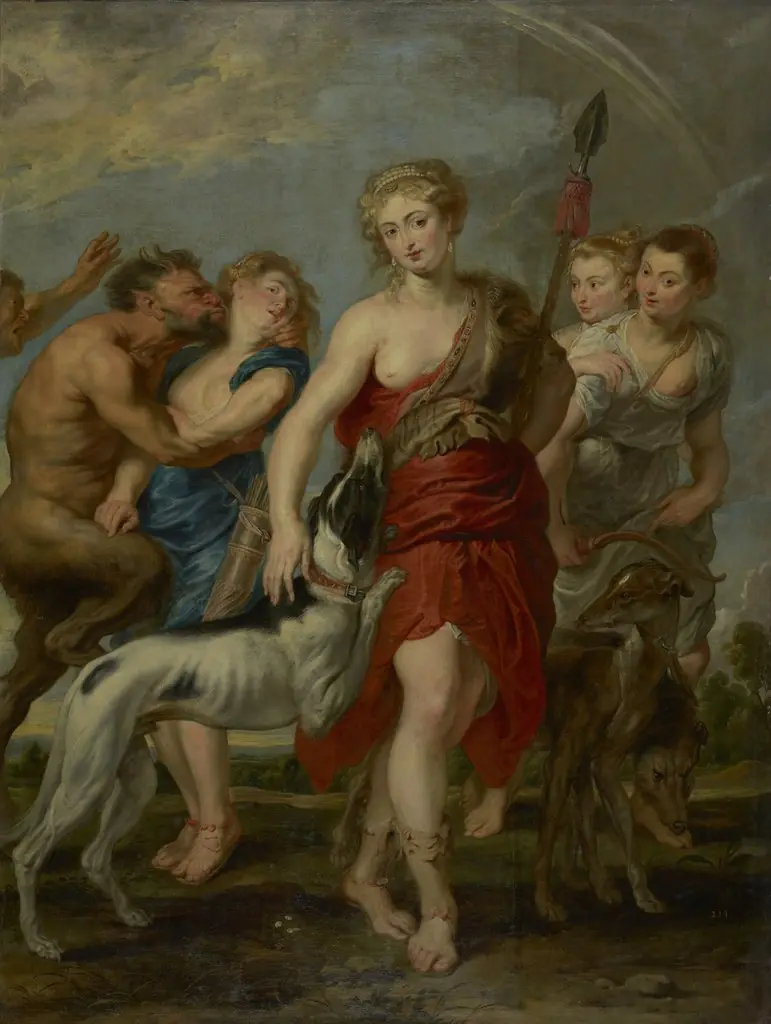
Meleager presents the head of the Calydonian boar to Atalanta is an unspecified painting by the Flemish Baroque painting artist Peter Paul Rubens. It dates from 1635 and is held in the collection of the Bavarian State Painting Collections.
About this work
Overview
Painted in 1635 by Peter Paul Rubens, this work illustrates a moment from Greek myth in which Meleager presents the slain Calydonian boar to Atalanta.
Painted in 1635 by Peter Paul Rubens, this work illustrates a moment from Greek myth in which Meleager presents the slain Calydonian boar to Atalanta. Executed during Rubens’s later career, the painting exemplifies his mature style: vigorous figures, rich coloration, and theatrical composition. It was created not as a commission but as a personal exploration of classical narrative, reflecting his enduring interest in ancient literature and human anatomy.
Subject & Meaning
The scene captures the aftermath of the Calydonian hunt, where Meleager, having killed the monstrous boar, honors Atalanta as the first to draw blood. In myth, this act sparks conflict over rightful claim to the prize. Rubens emphasizes the moment of gesture and recognition, not the ensuing dispute. The figures’ postures convey both triumph and tension, while the child and dog suggest domestic continuity amid heroic deeds.
Technique & Style
Rubens employs fluid brushwork and layered pigments to render flesh, fur, and fabric with tactile immediacy. The figures are sculpted through chiaroscuro, their forms emerging from shadow into warm, saturated light. The leopard skin and red drapery contrast against the muted greens and grays of the landscape, heightening emotional focus. Movement is implied through twisting torsos and flowing drapery, characteristic of Baroque dynamism.
History & Provenance
The painting was likely kept in Rubens’s own collection in Antwerp, where he maintained a studio and personal gallery. It remained in the Rubens family until the late 17th century, then entered private collections in the Netherlands and Germany. It was acquired by the Louvre in 1871, where it has been held since, cataloged as part of the museum’s core holdings of Flemish Baroque painting.
Context
Rubens painted this during a period when he increasingly turned to mythological themes for personal expression, away from large-scale religious commissions. The Counter-Reformation’s influence on art had shifted; instead of doctrinal clarity, artists like Rubens explored human emotion and classical antiquity as vehicles for moral and aesthetic reflection. His engagement with Ovid’s Metamorphoses informed many such works.
Legacy
This painting exemplifies Rubens’s ability to fuse classical narrative with visceral physicality, influencing later generations of European painters. While not as widely reproduced as his religious works, it remains a key example of his mythological phase. Scholars note its role in shaping 19th-century interpretations of antiquity, particularly in how it balances heroism with intimate human gesture.
Own this work as a print
Artist & collection
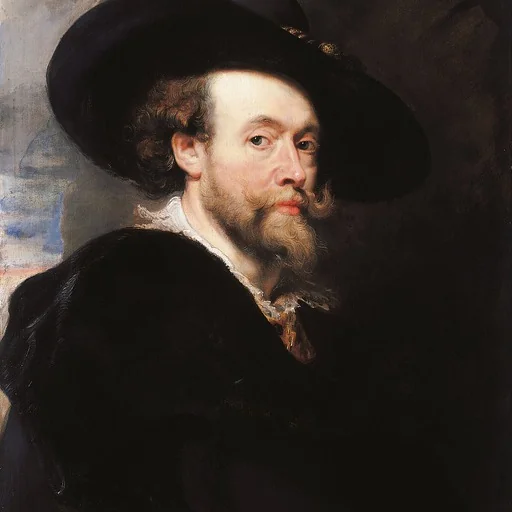
Artist
Sir Peter Paul Rubens ( ROO-bənz; Dutch: ; 28 June 1577 – 30 May 1640) was a Flemish artist and diplomat.