Artwork
Kakemono
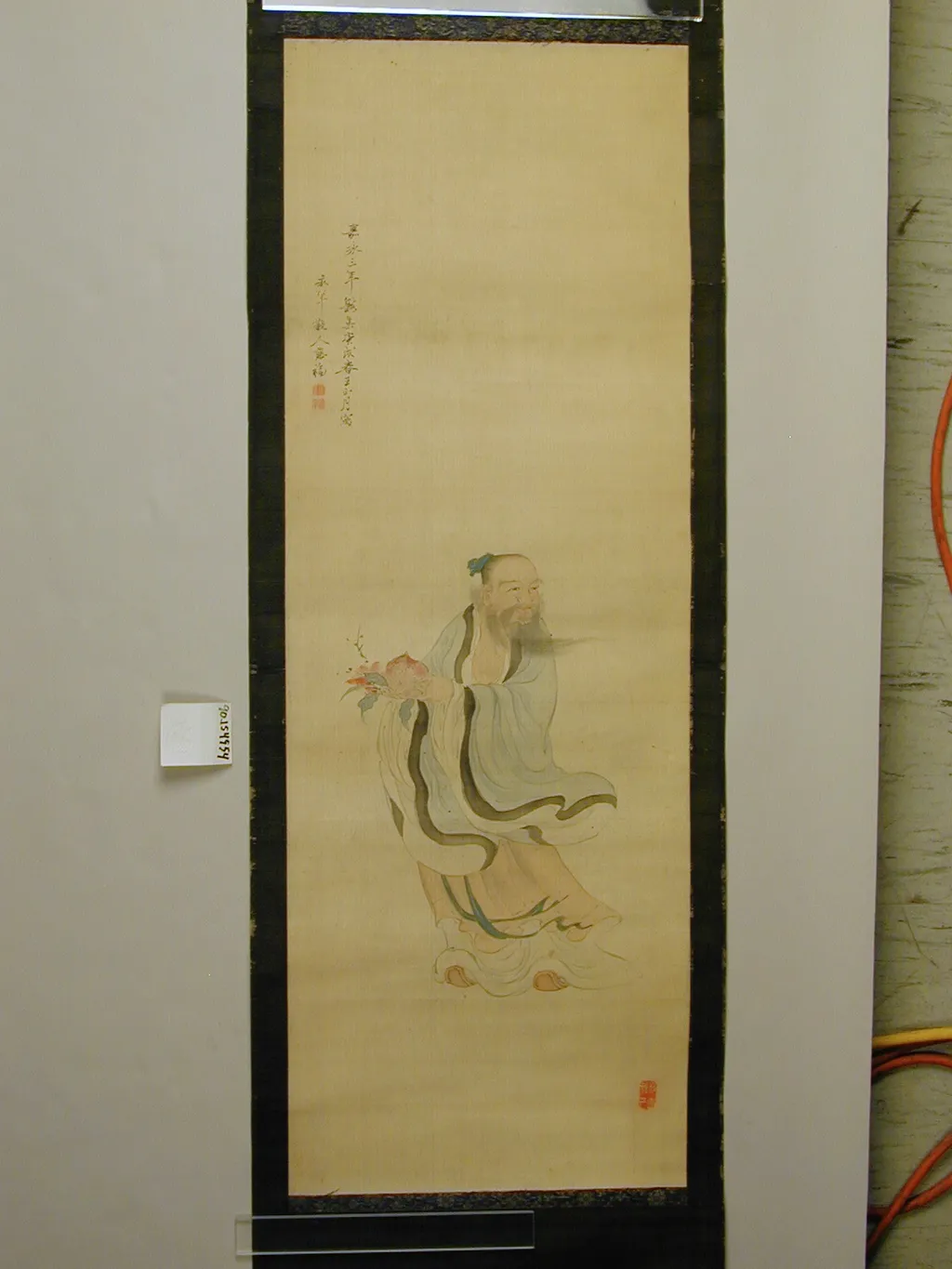
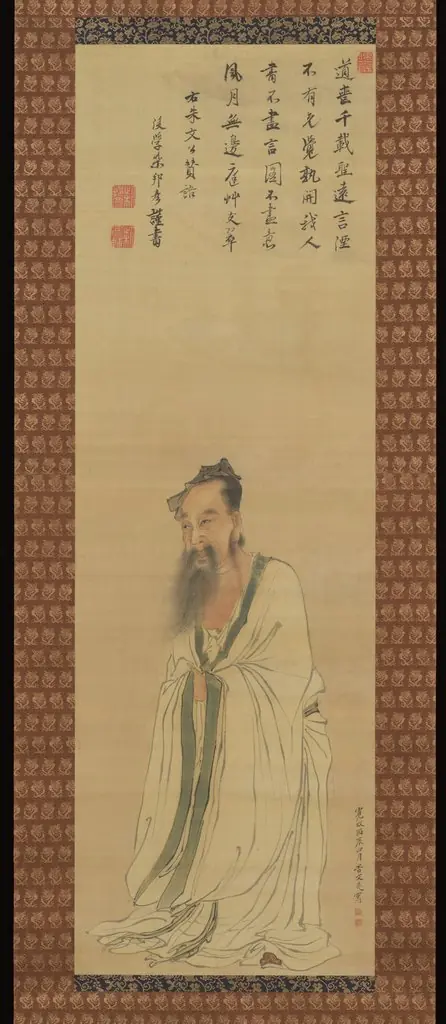
Kakemono is an unspecified painting by the Ukiyo-e artist Unknown. It dates from 1850 and is held in the collection of the Detroit Institute of Arts.
About this work
Overview
The minimal background and vertical calligraphy enhance the scroll’s meditative tone, typical of East Asian ink-and-color traditions.
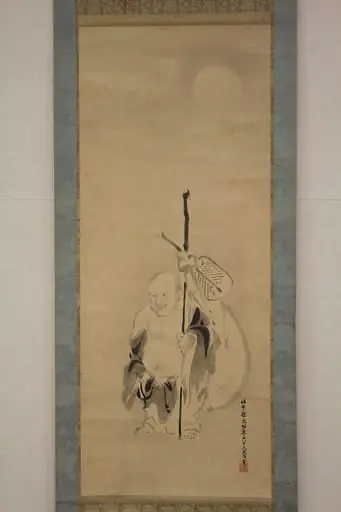
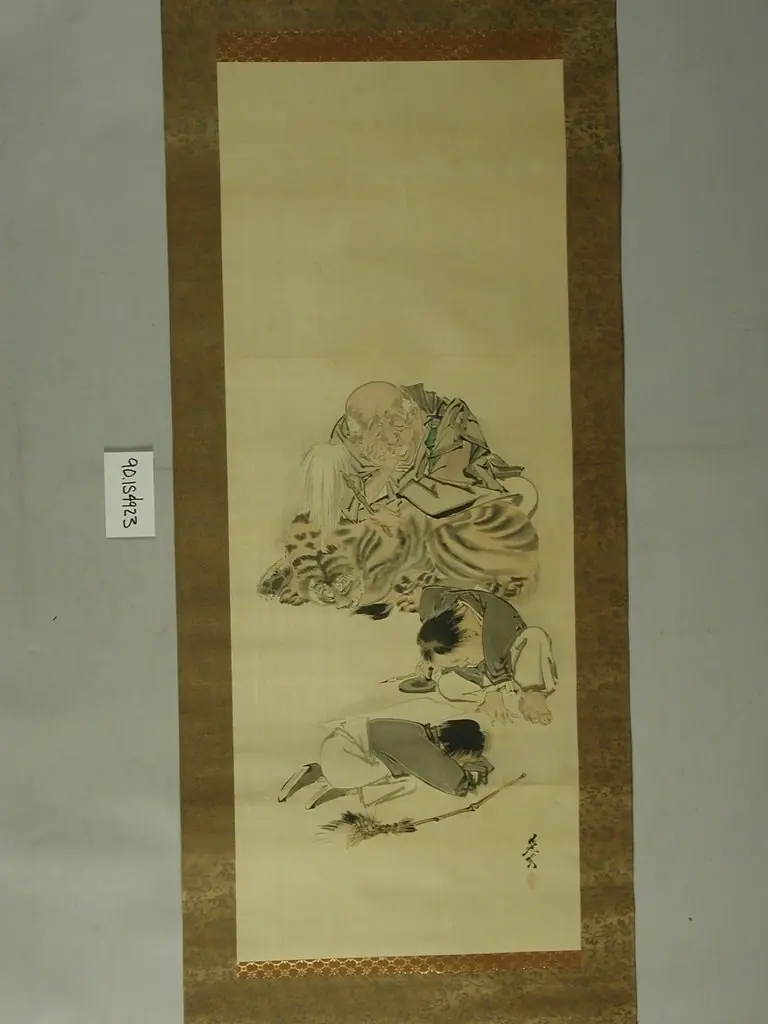
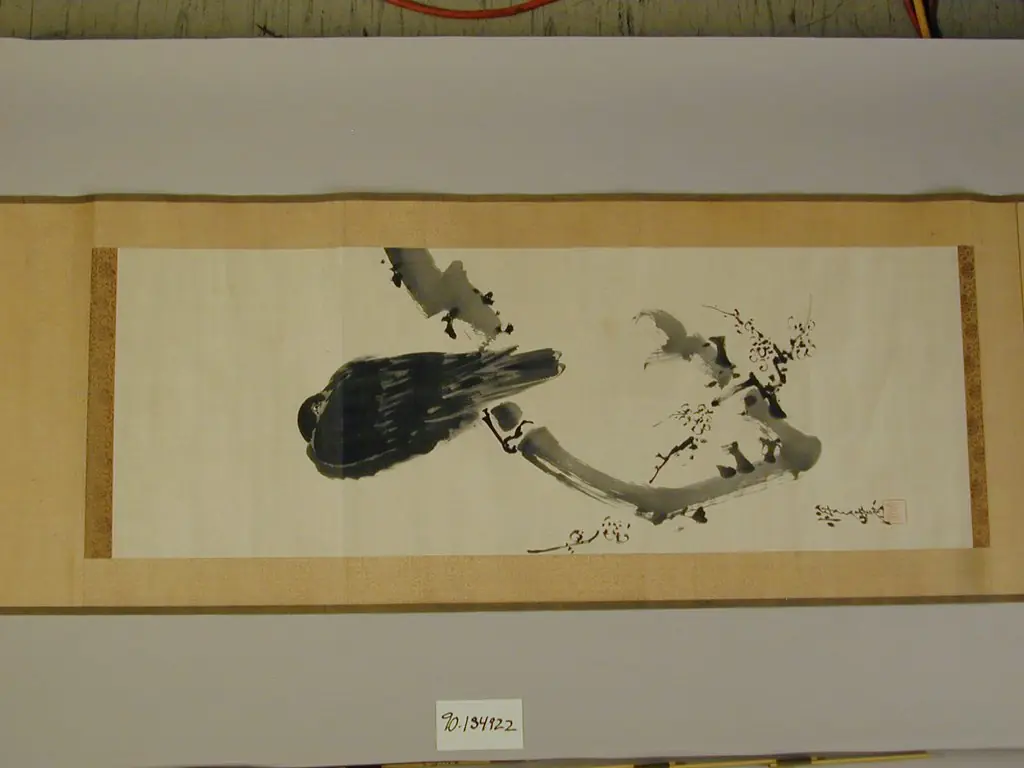
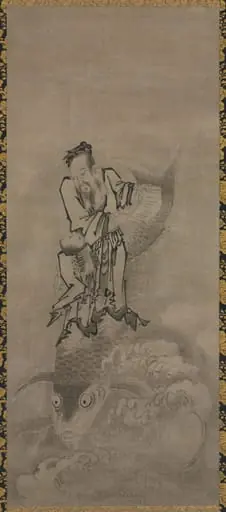
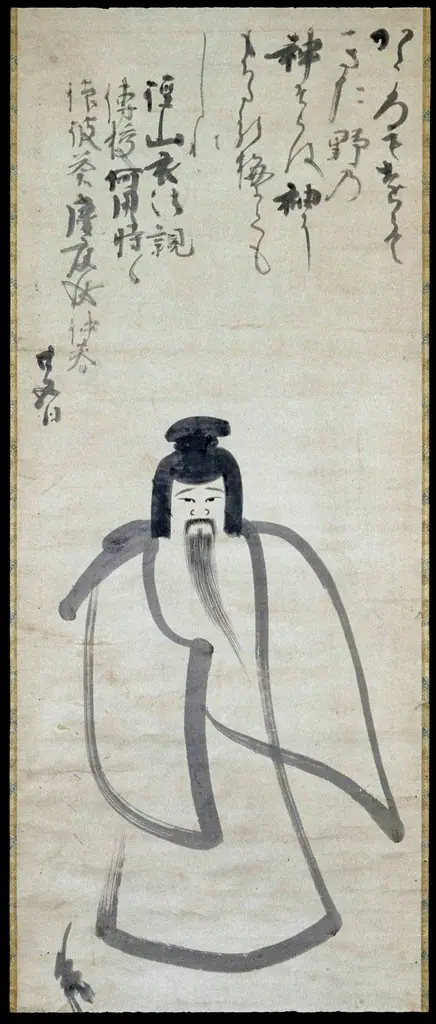
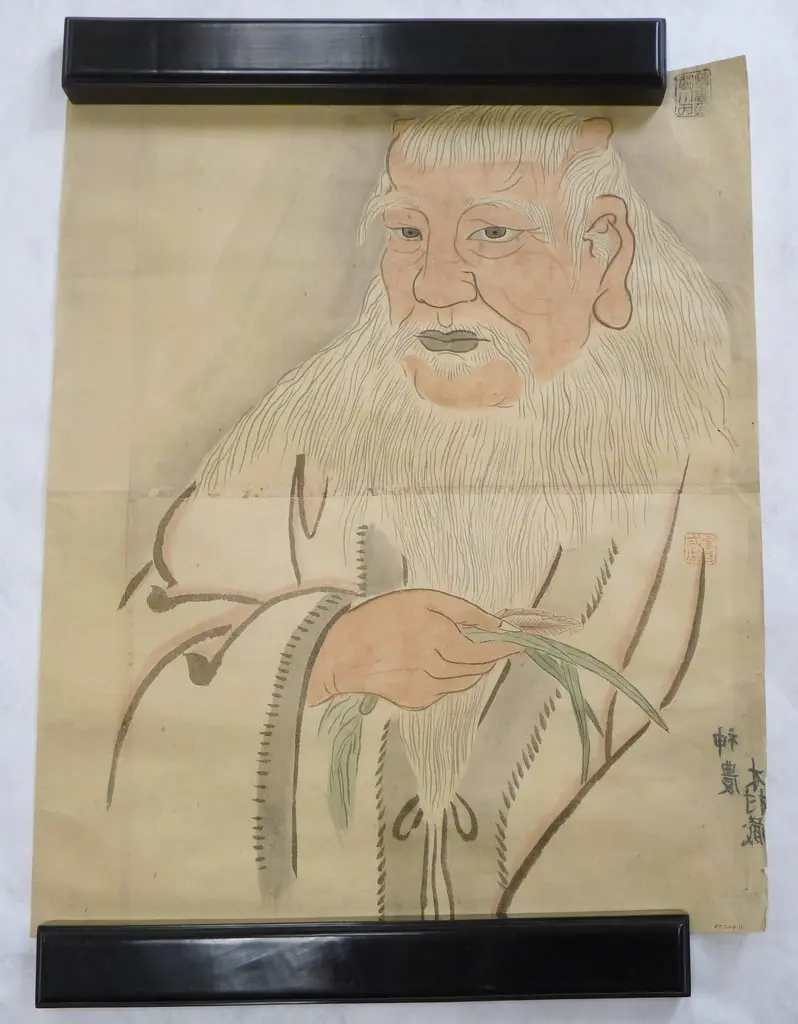
This kakemono is a vertical hanging scroll painting depicting a solitary male figure against a pale beige background. The figure, dressed in a white robe with black edging and a blue headband, holds a pink flower in his right hand. His long beard and restrained posture suggest a contemplative, possibly scholarly or spiritual identity. The minimal background and vertical calligraphy enhance the scroll’s meditative tone, typical of East Asian ink-and-color traditions.
Subject & Meaning
The figure’s attire and demeanor align with depictions of Daoist sages or reclusive scholars from Chinese tradition. The pink flower may symbolize transience, purity, or spiritual awakening, common motifs in literati art. The absence of narrative elements or landscape suggests an emphasis on inner stillness rather than external story. The calligraphy on the left likely complements the image with a poetic or philosophical inscription, reinforcing the theme of quiet contemplation.
Technique & Style
The painting employs delicate brushwork with restrained color—primarily ink washes and subtle pigments. The robe’s folds are rendered with fine, controlled lines, while the beard and hair suggest texture through layered strokes. The light beige background provides neutral contrast, allowing the figure and calligraphy to dominate. The composition follows the kakemono format’s vertical emphasis, guiding the viewer’s gaze downward in a deliberate, unhurried rhythm.
History & Provenance
Though specific origins are unrecorded, the style and format suggest it was produced in China or Japan during the late medieval to early modern period. Kakemono of this type were often created for private study or meditation spaces, not public display. The presence of Chinese characters indicates a cultural context rooted in classical East Asian scholarship, possibly linked to monastic or literati circles that valued introspective imagery.
Context
This work reflects the broader tradition of literati painting, where figures of sages or hermits served as embodiments of moral and spiritual ideals. Unlike courtly or religious art, such scrolls prioritized understated elegance and intellectual resonance. The vertical format, calligraphic integration, and monochromatic palette align with practices favored by scholar-officials who sought to express inner harmony through art.
Legacy
As a representative of the kakemono form, this painting contributes to a centuries-old visual language that values restraint and symbolic depth over ornamentation. Its preservation underscores the enduring appeal of solitary, contemplative figures in East Asian aesthetics. Though not widely known, such works continue to inform modern interpretations of spiritual imagery in both regional and global art contexts.
Artist & collection

 Domestic Scene
 Giacomo and Cardinal Marco, investing Andrea, Abbot of San Zeno, with his Benefice
 The Nymph of Fontainebleau
 Portrait of a Woman
 Madonna and Child with Saints in the Enclosed Garden
 Venus and Minerva
 Family Group of Four on Sofa
 Wall painting from Room H of the Villa of P. Fannius Synistor at Boscoreale