Artwork
Mandjus'ri
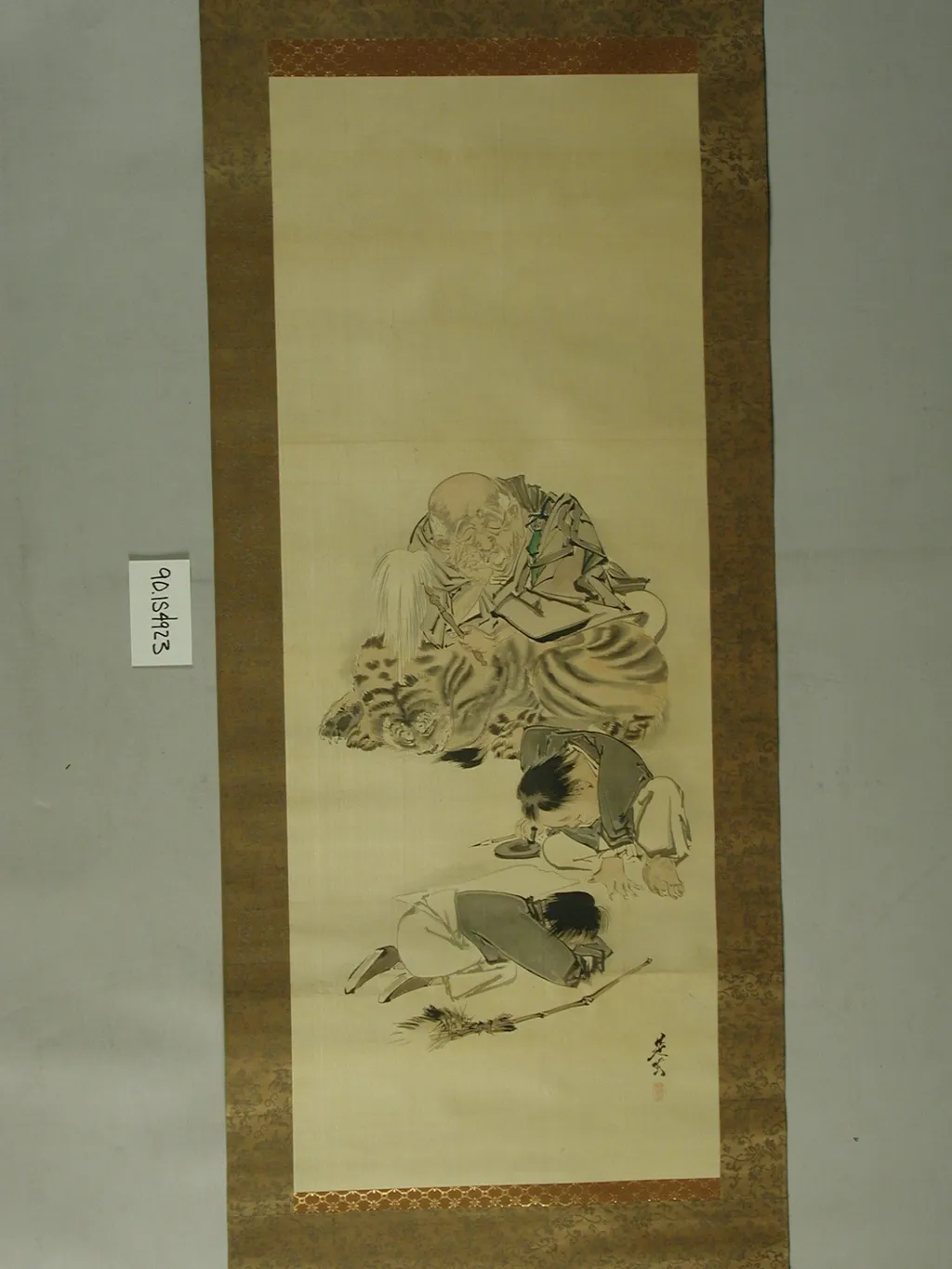
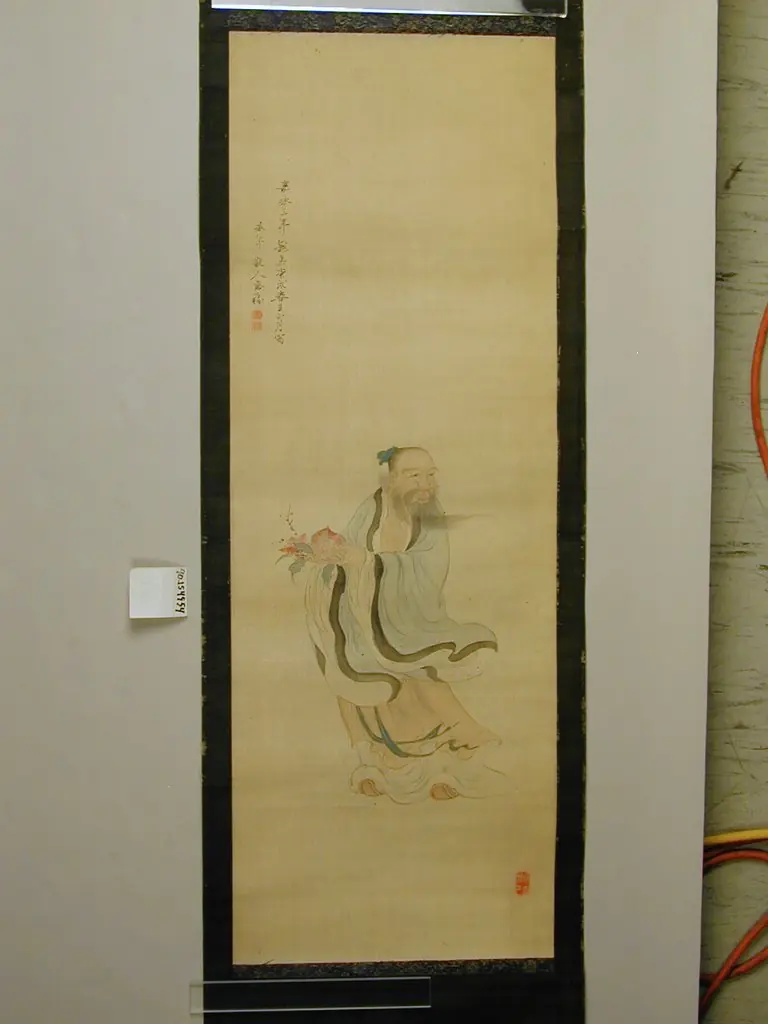
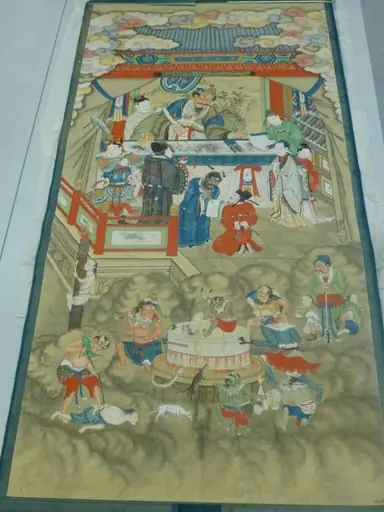
Mandjus'ri is an unspecified painting by Shibata Zeshin. It dates from 1857 and is held in the collection of the Detroit Institute of Arts.
About this work
Overview
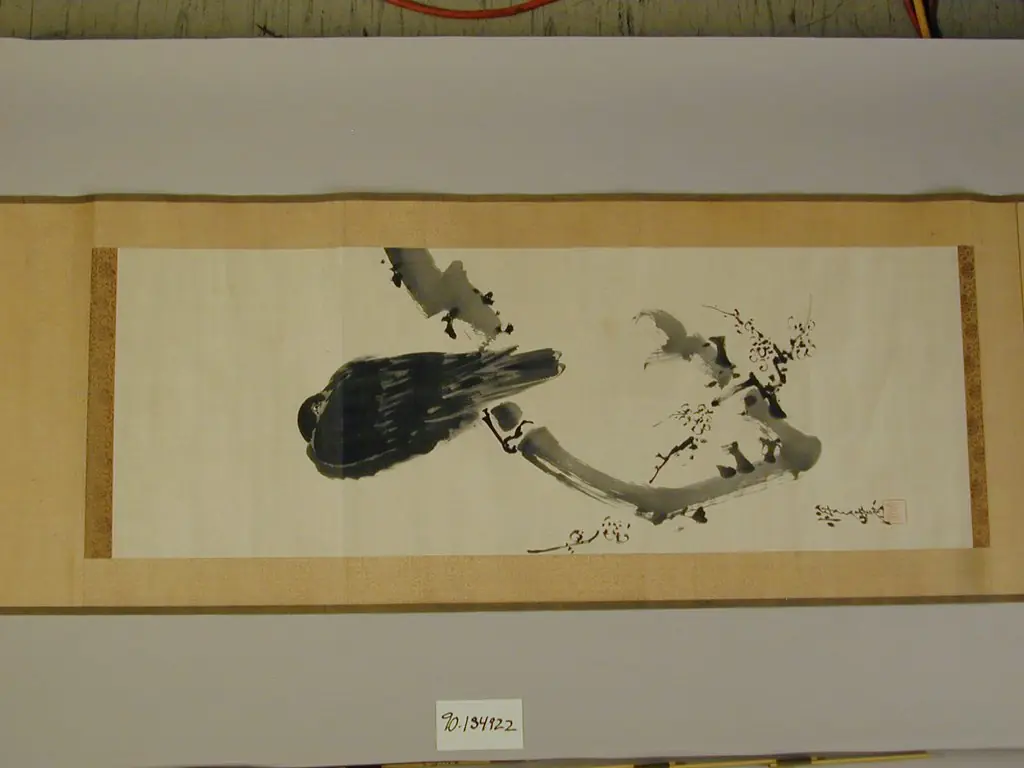
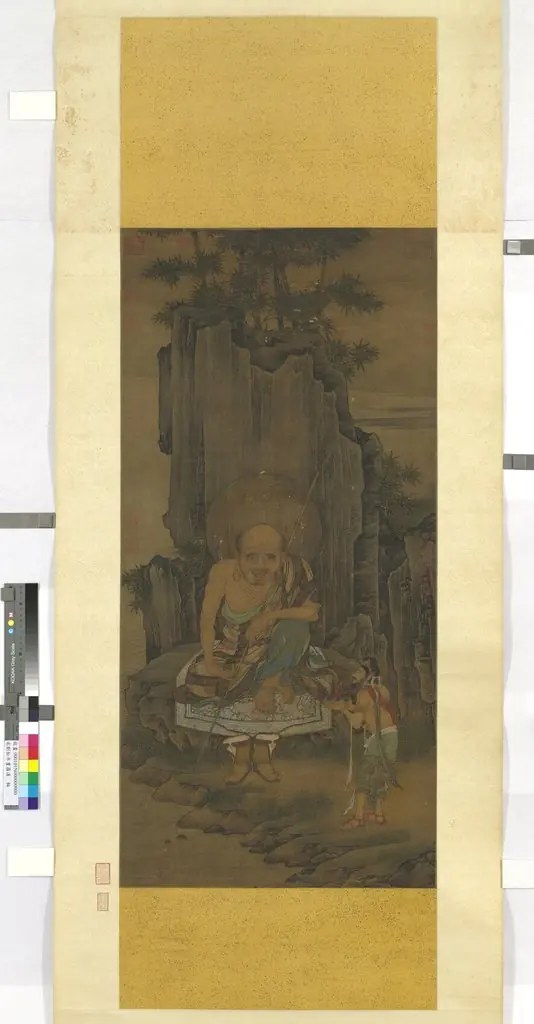
Mandjus'ri, attributed to the Japanese artist Shibata Zeshin and dated to around 1857, is an oil painting in the collection of the Detroit Institute of Arts. The composition presents a quiet interior where a bowed figure and a sleeping tiger share the space, surrounded by a muted background that reinforces a mood of calm reflection.
Subject & Meaning
The central human figure is rendered in a contemplative stance, head lowered and hands joined, suggesting meditation or prayer. Adjacent to him, a tiger lies with closed eyes, its relaxed posture echoing the man's serenity. The juxtaposition of a powerful animal in a state of repose alongside a human in quiet thought may allude to harmony between humanity and nature.
Technique & Style
Zeshin employs chiaroscuro to model the forms, using light and shadow to give the figures a three‑dimensional presence. Subtle tonal gradations create atmospheric depth, while delicate brushwork suggests the texture of the tiger’s fur and the fabric of the man's clothing. The restrained colour scheme, dominated by soft earth tones, contributes to the overall sense of stillness.
History & Provenance
Created in the late Edo period, the work entered the Detroit Institute of Arts as part of its Asian art acquisitions in the early twentieth century. Documentation traces its provenance to private Japanese collections before its transfer to the museum, where it has been displayed as an example of Zeshin’s later oeuvre.
Context
Shibata Zeshin is known for his versatility across media, including lacquerware and painting. By the 1850s he was integrating Western techniques such as chiaroscuro into traditional Japanese subjects. Mandjus'ri reflects this synthesis, situating a classic motif—a tiger—within a composition that incorporates Western notions of light, volume, and psychological introspection.
Artist & collection