Artwork
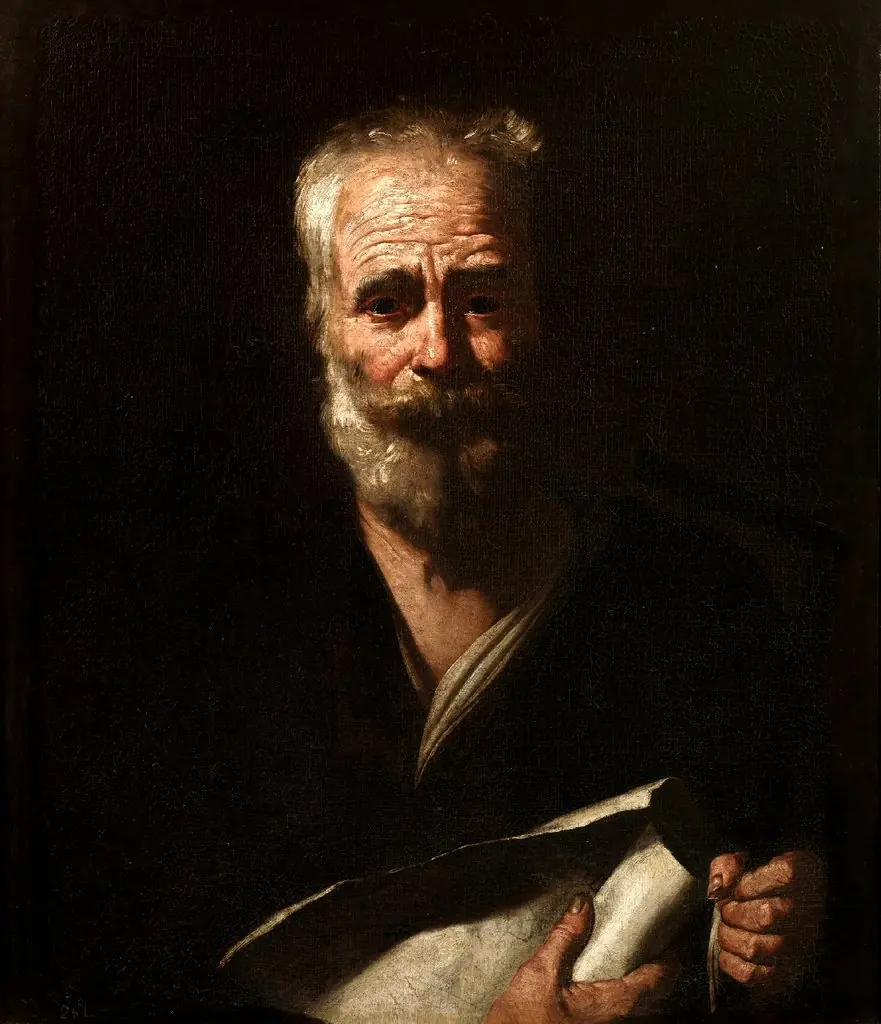
Head of Saint Peter
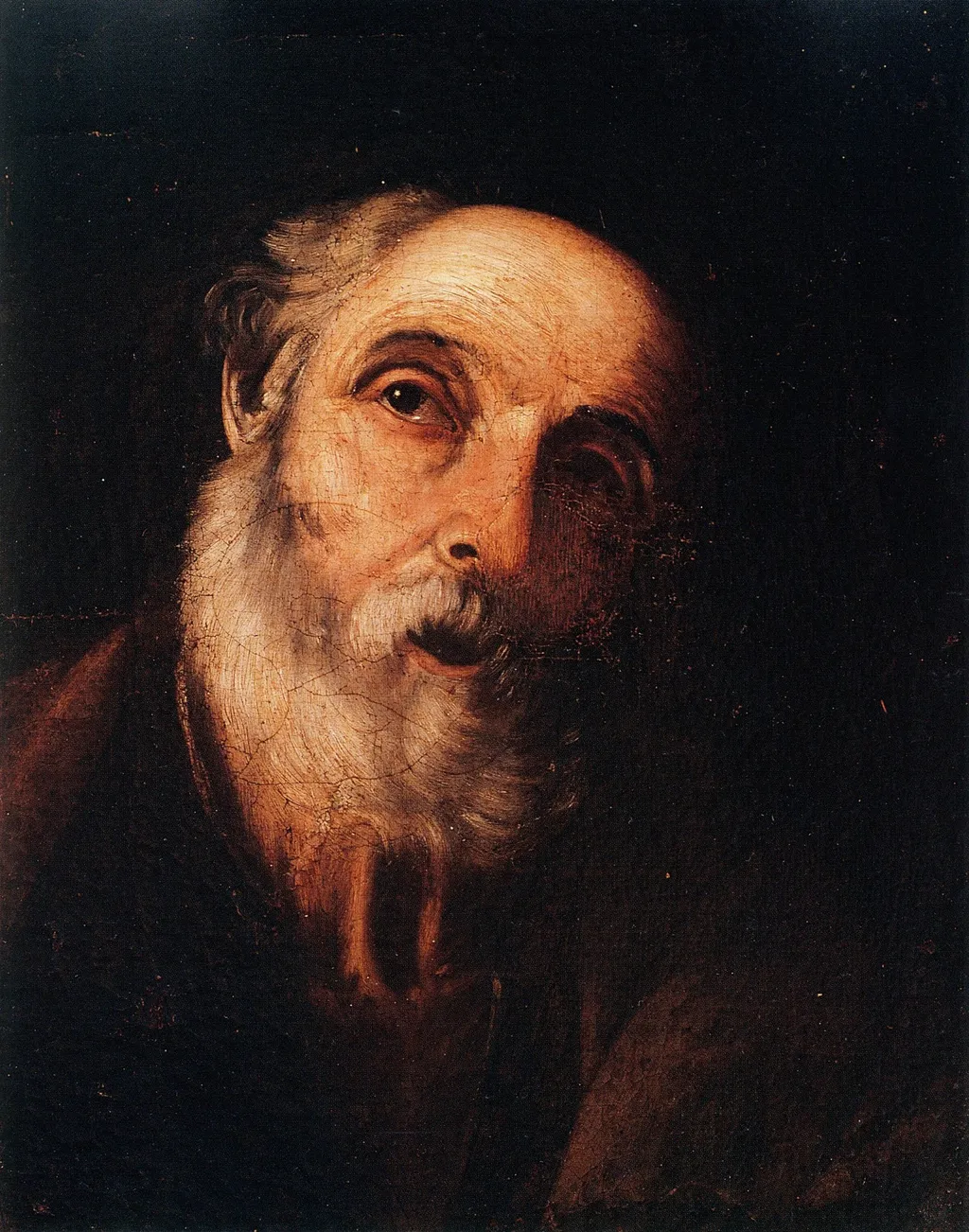
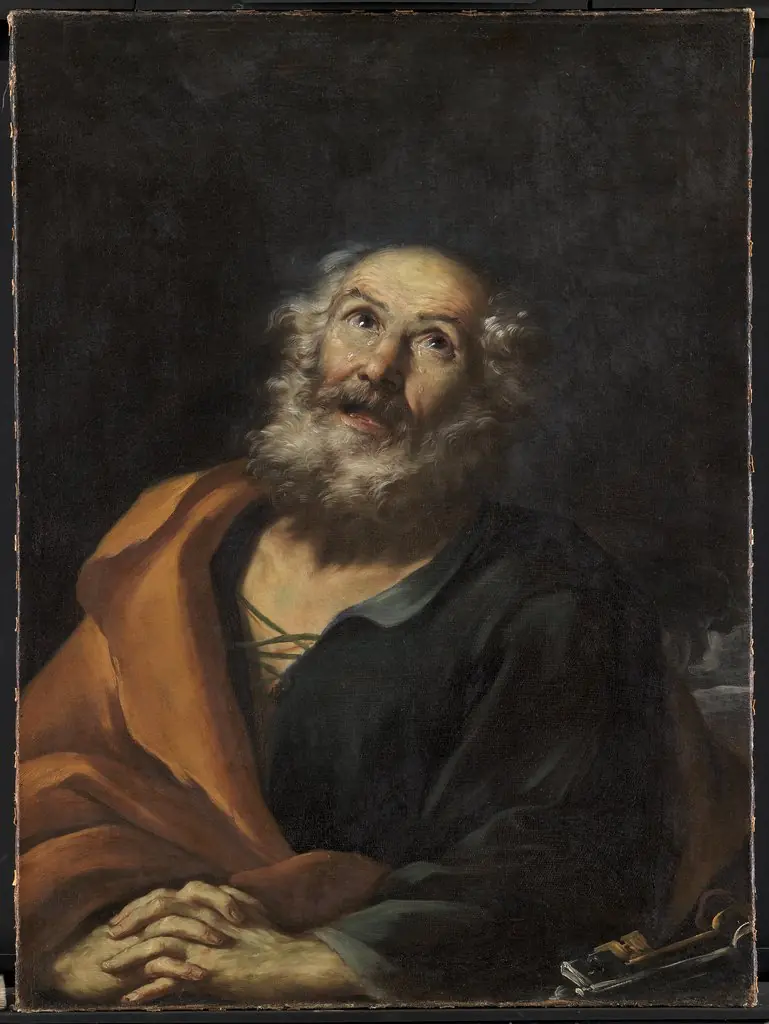
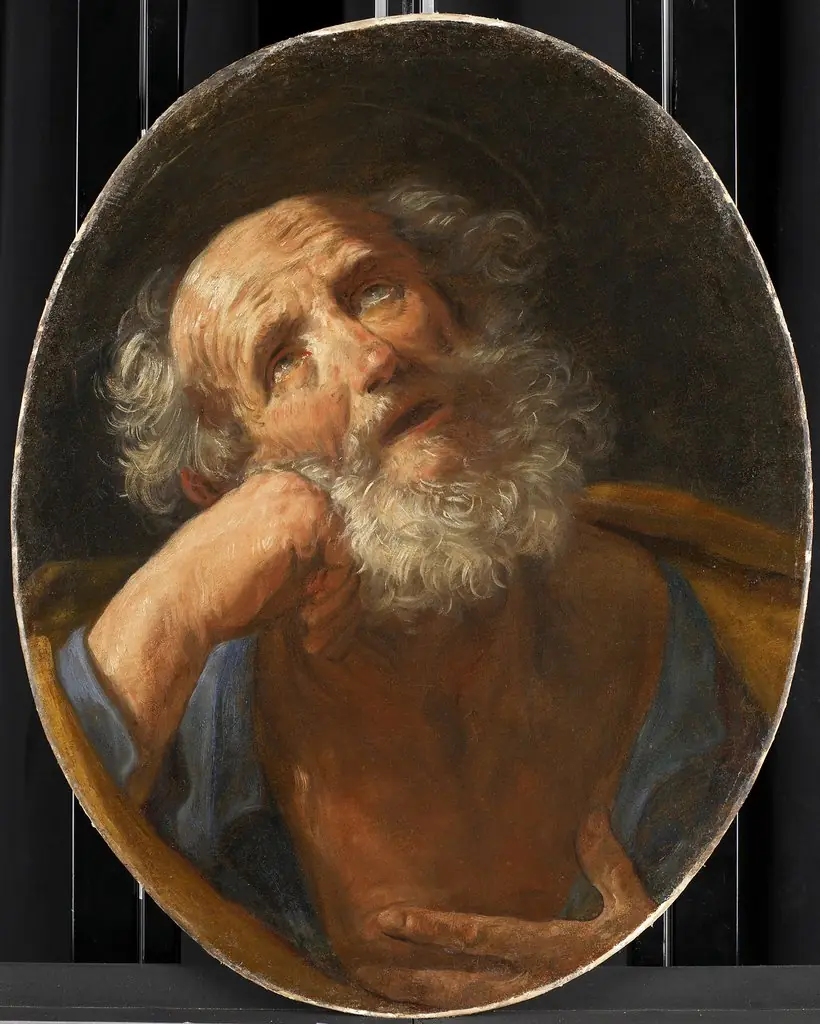
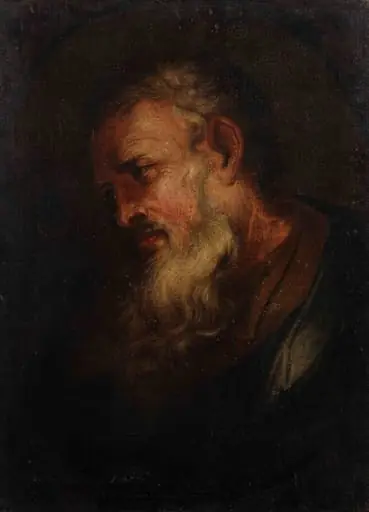
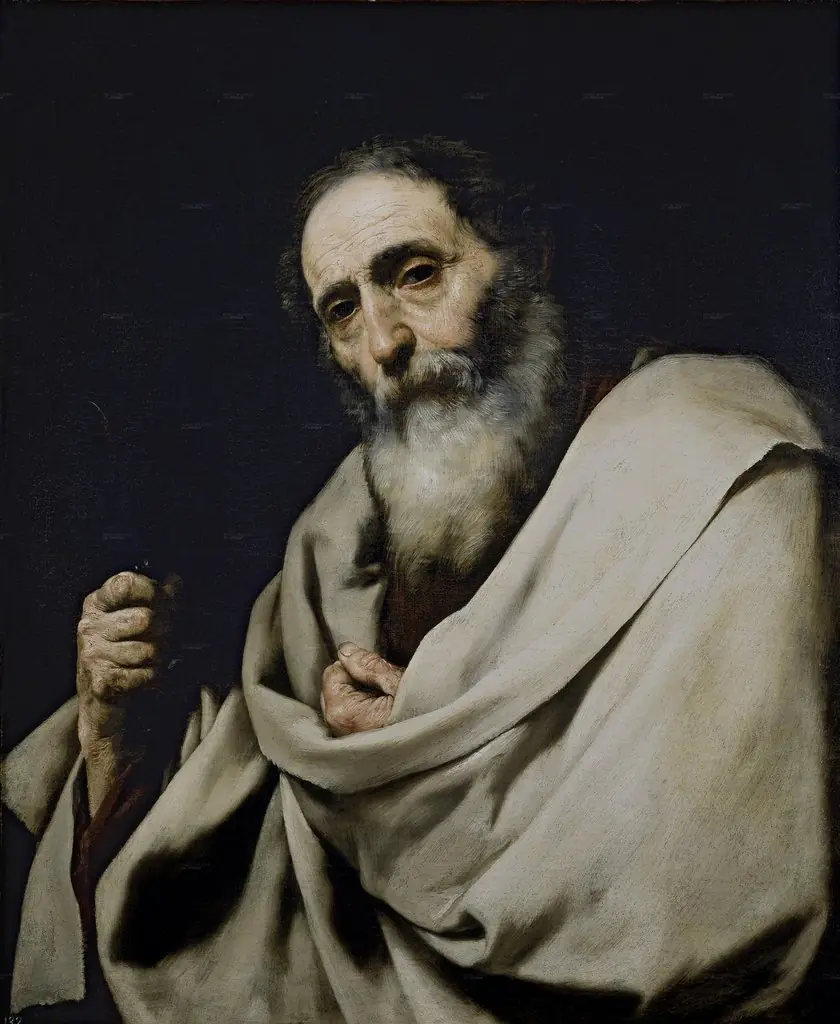
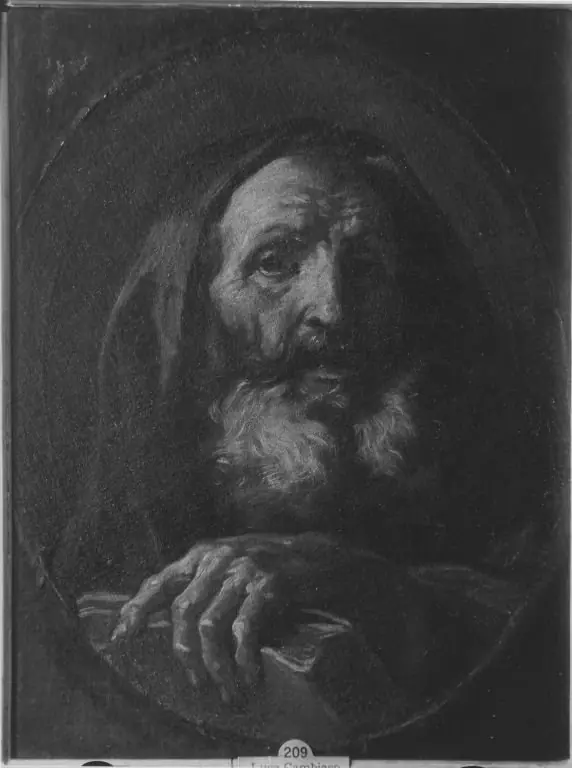
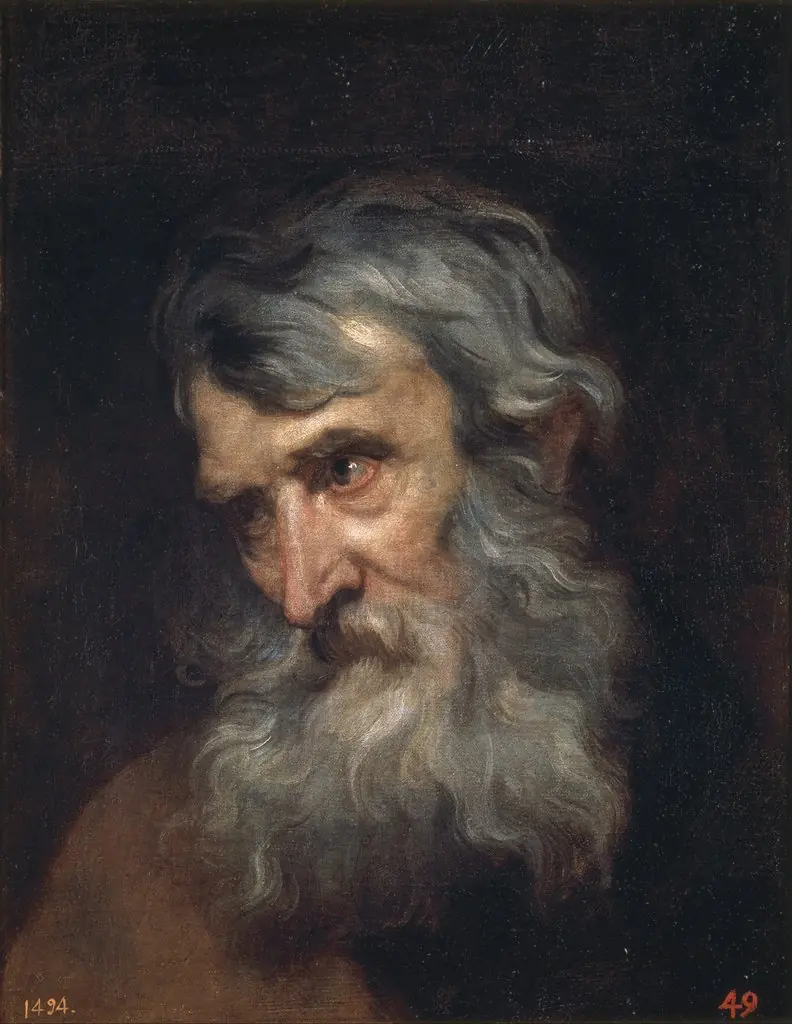
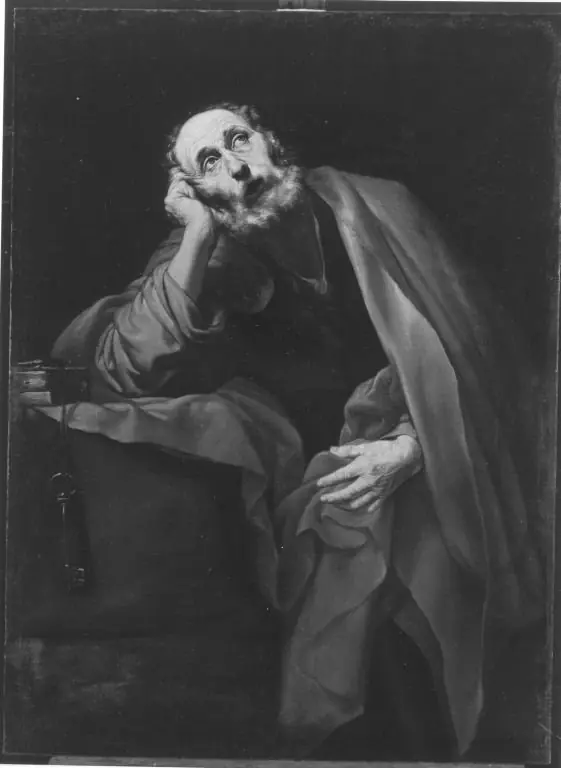
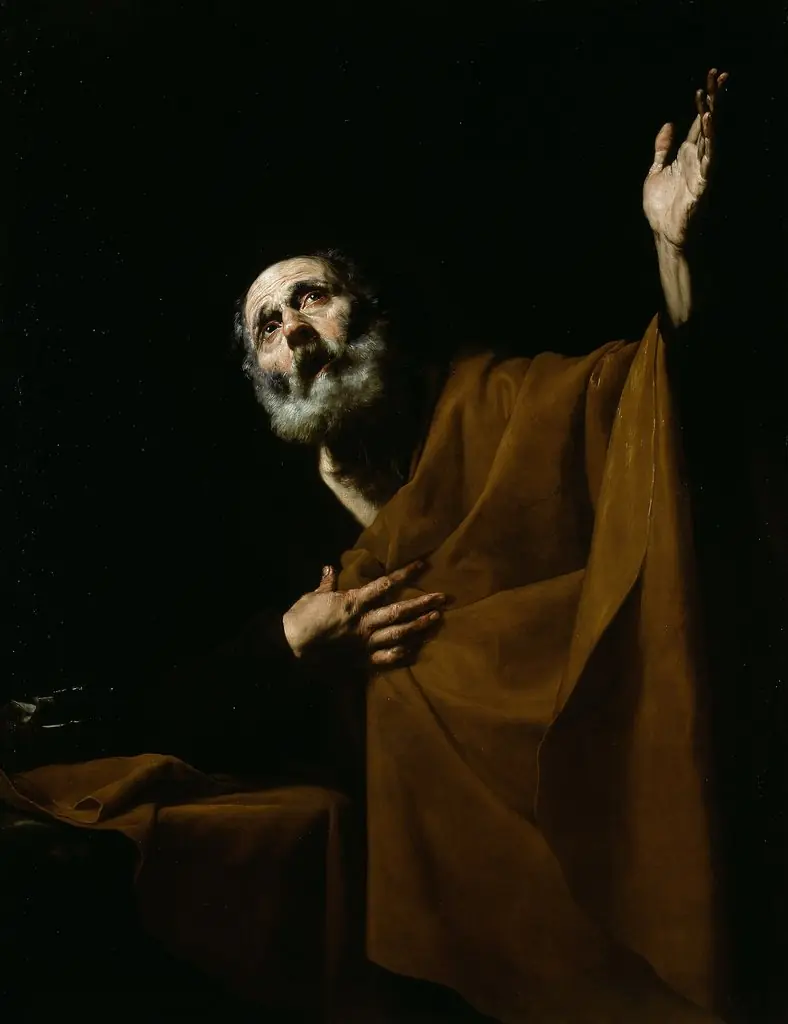
Head of Saint Peter is an oil painting by Unknown. It is held in the collection of the National Museum of Fine Arts, Argentina. This oil painting presents a close-up portrait of an elderly male figure, traditionally identified as Saint Peter.
About this work
Overview
This oil painting presents a close-up portrait of an elderly male figure, traditionally identified as Saint Peter. Rendered against a deep, unmodulated background, the composition isolates the head and upper shoulders, emphasizing facial expression and texture. The work relies on strong contrasts of light and shadow to model form, a technique characteristic of early modern European portraiture.
Subject & Meaning
His downward gaze and solemn expression suggest contemplation or sorrow, possibly reflecting themes of spiritual burden or mortal humility.
The figure’s long white beard and hair align with conventional iconography of Saint Peter, one of Christ’s apostles and the first pope. His downward gaze and solemn expression suggest contemplation or sorrow, possibly reflecting themes of spiritual burden or mortal humility. The absence of halos or other symbols invites a more humanized interpretation, focusing on inner gravity rather than divine attributes.
Technique & Style
The artist employs chiaroscuro to define the contours of the face and beard, using subtle gradations of light to model volume and texture. Skin and hair are rendered with careful brushwork, capturing fine strands and the roughness of aged flesh. The dark background eliminates spatial context, directing focus entirely to the face and its emotional resonance through tonal contrast.
History & Provenance
The painting’s origin and early ownership are undocumented. No signed or dated records link it to a specific artist or workshop. Its style suggests a Northern European or Italian source from the late 15th to early 16th century, but without archival evidence, its provenance remains speculative. It entered institutional collection in the 20th century.
Context
During the late Middle Ages and Renaissance, devotional portraits of saints were common in private chapels and monastic settings. This work reflects a trend toward intimate, psychologically nuanced depictions, moving away from rigid symbolic forms. Such images served as aids for personal prayer, inviting viewers to engage with the saint’s humanity as much as his holiness.
Legacy
Though not attributed to a major master, the painting exemplifies the period’s shift toward naturalism in religious imagery. Its focus on emotional depth and tactile realism influenced later devotional art, particularly in regions where personal piety shaped visual culture. It remains a quiet example of how modest works contributed to evolving spiritual aesthetics.
Artist & collection

Museum
National Museum of Fine Arts, Argentina
Continue through works from the same source collection.
 Domestic Scene
 Giacomo and Cardinal Marco, investing Andrea, Abbot of San Zeno, with his Benefice
 The Nymph of Fontainebleau
 Portrait of a Woman
 Madonna and Child with Saints in the Enclosed Garden
 Venus and Minerva
 Family Group of Four on Sofa
 Wall painting from Room H of the Villa of P. Fannius Synistor at Boscoreale