Artwork
Portrait of Sigismund III Vasa (1566–1632), King of Poland
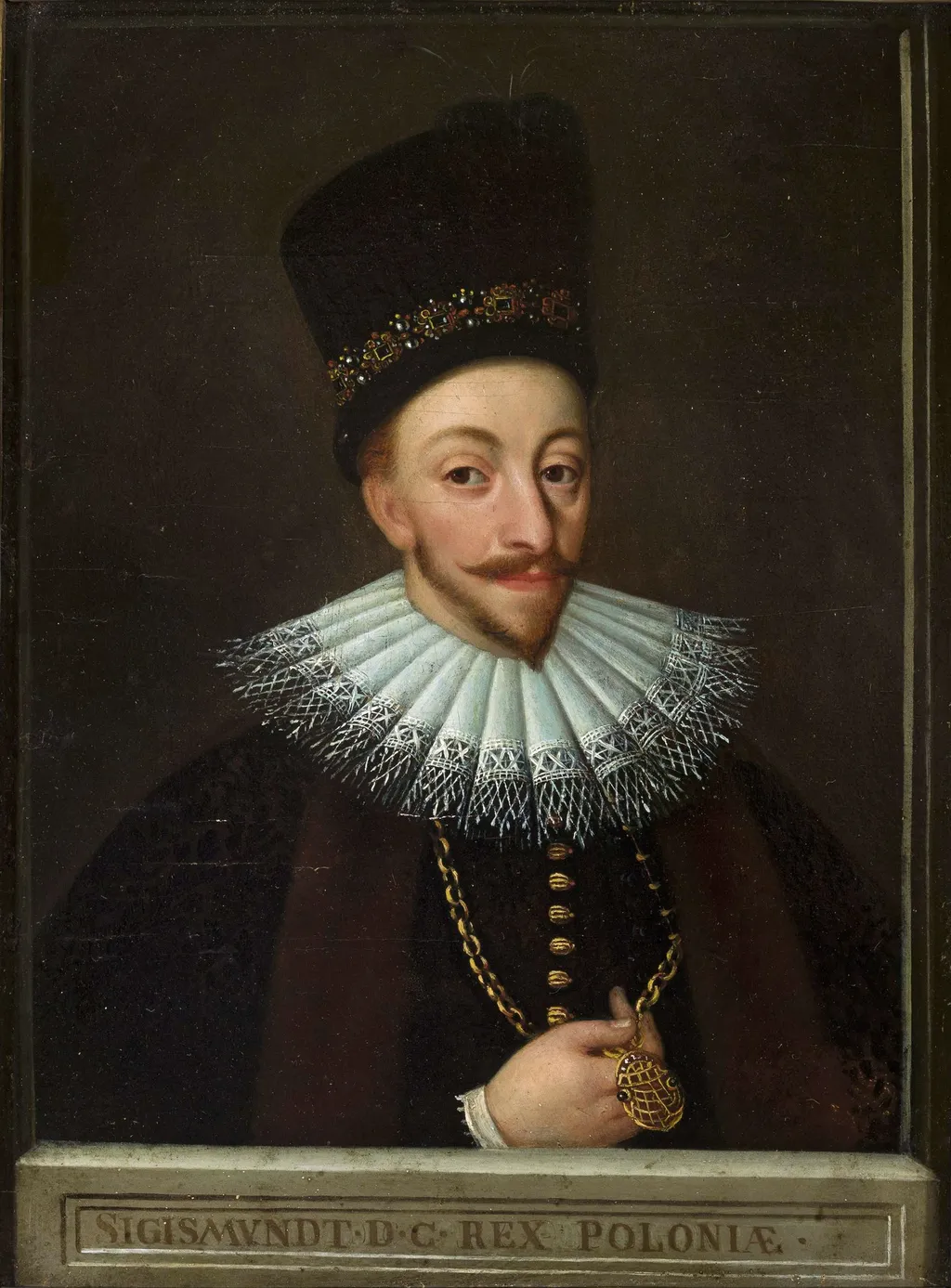
Portrait of Sigismund III Vasa (1566–1632), King of Poland is an oil painting by the Flemish Baroque painting artist Unknown. It dates from 1608 and is held in the collection of the National Museum in Warsaw. This oil painting is a close-up portrait of Sigismund III Vasa, King of Poland from 1566 to 1632, rendered in meticulous detail.
About this work
Overview
This oil painting is a close-up portrait of Sigismund III Vasa, King of Poland from 1566 to 1632, rendered in meticulous detail. The composition focuses on the king's likeness against a dark background.
Subject & Meaning
The subject, Sigismund III Vasa, is depicted in regalia, symbolizing his royal status. A large black hat with a gold chain, a stiff white lace collar, and a black jacket adorned with gold buttons convey his authority. His right hand grasps a small golden object, possibly a symbol of power or faith. Facial hair, a short beard, and mustache, add to his dignified portrayal.
Technique & Style
The painting utilizes chiaroscuro, evident in the strong contrast between the dark background and the illuminated face and collar, creating depth and emphasizing the subject's features. The level of detail, particularly in the lighting effects on the face and lace, highlights the artist's skill in capturing realism.
History & Provenance
While the artist is not specified in the provided details, the plaque within the painting confirms the subject as Sigismund III Vasa, King of Poland (1566–1632), suggesting the work was created during or shortly after his reign.
Context
Portraits of monarchs during this period often served to assert power, legitimacy, and wealth. This portrait, with its emphasis on regal attire and symbolic objects, aligns with the traditional purposes of royal portraiture in Europe during the late Renaissance to early Baroque periods.
Legacy
The painting's adherence to chiaroscuro techniques and its detailed realism place it within the broader artistic movements of its time. However, without the artist's name or more specific historical context, its direct influence or place within a specific artistic legacy cannot be fully assessed.
Artist & collection

 Domestic Scene
 Giacomo and Cardinal Marco, investing Andrea, Abbot of San Zeno, with his Benefice
 The Nymph of Fontainebleau
 Portrait of a Woman
 Madonna and Child with Saints in the Enclosed Garden
 Venus and Minerva
 Family Group of Four on Sofa
 Wall painting from Room H of the Villa of P. Fannius Synistor at Boscoreale
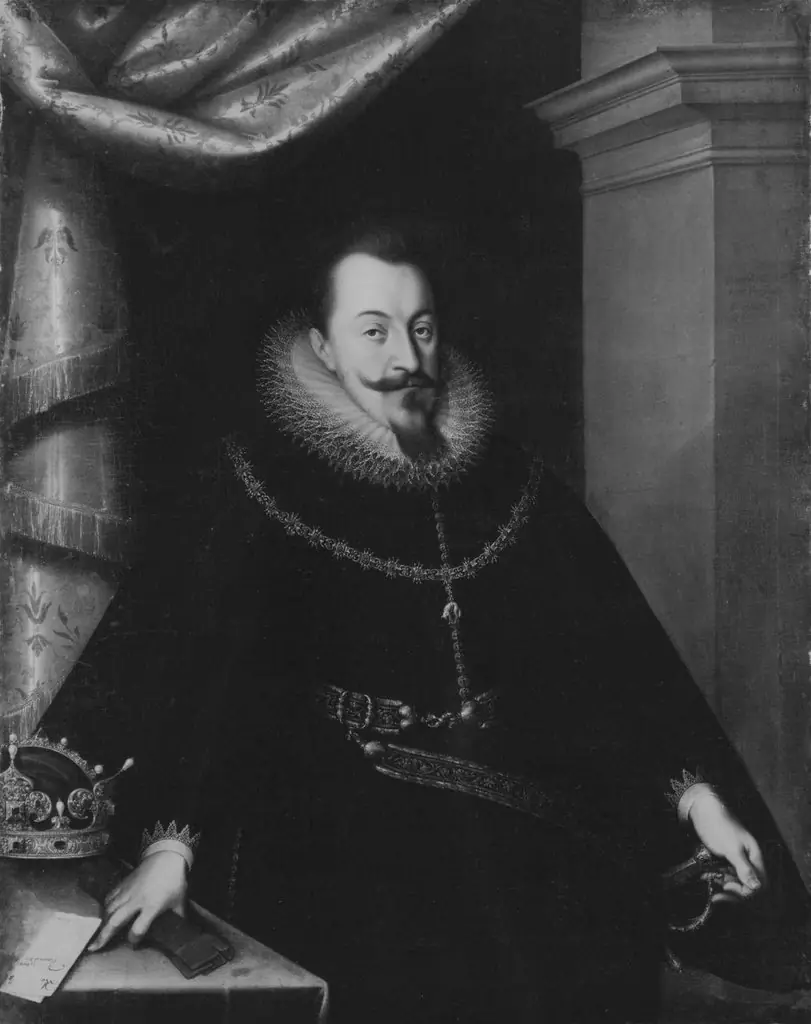 Bildnis des Königs Sigismund III. Vara von Polen und Schweden
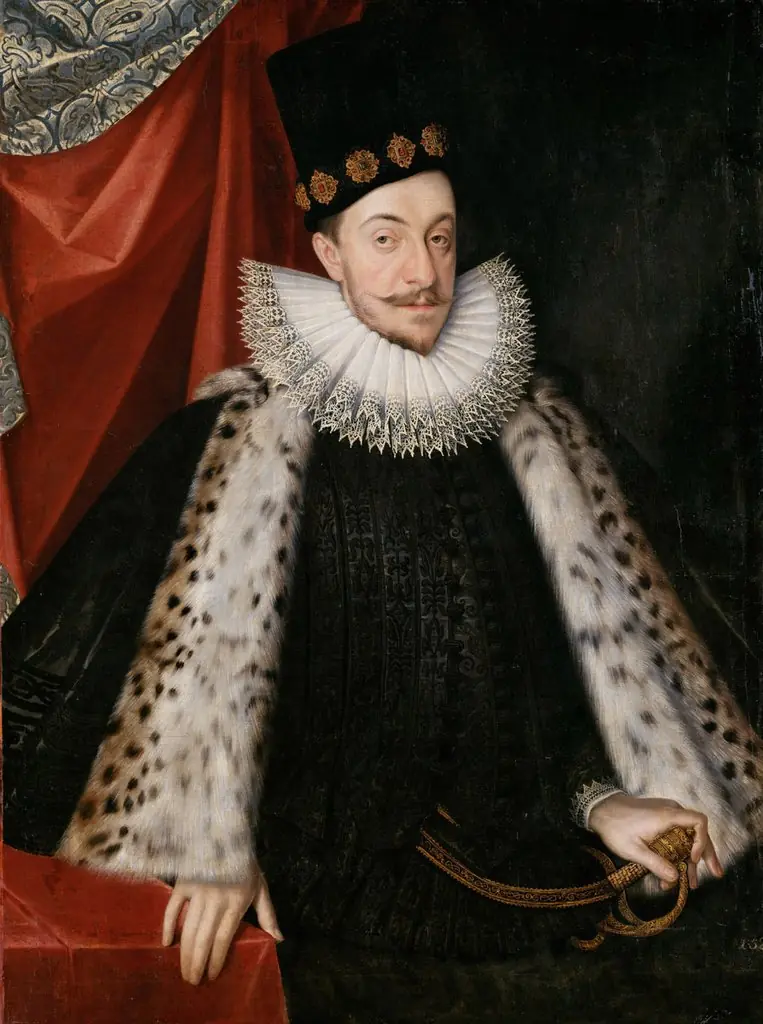 König Sigismund III. (1566-1632) von Polen, Kniestück
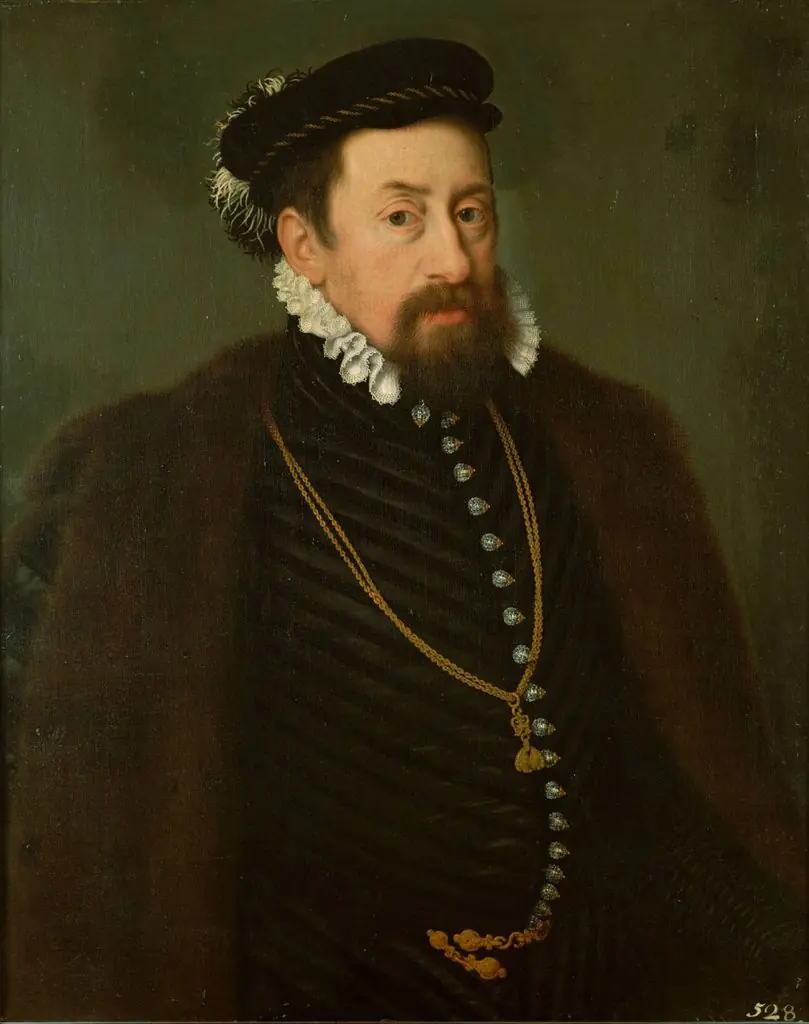 Kaiser Maximilian II. (1527-1576) als etwa Vierzigjähriger
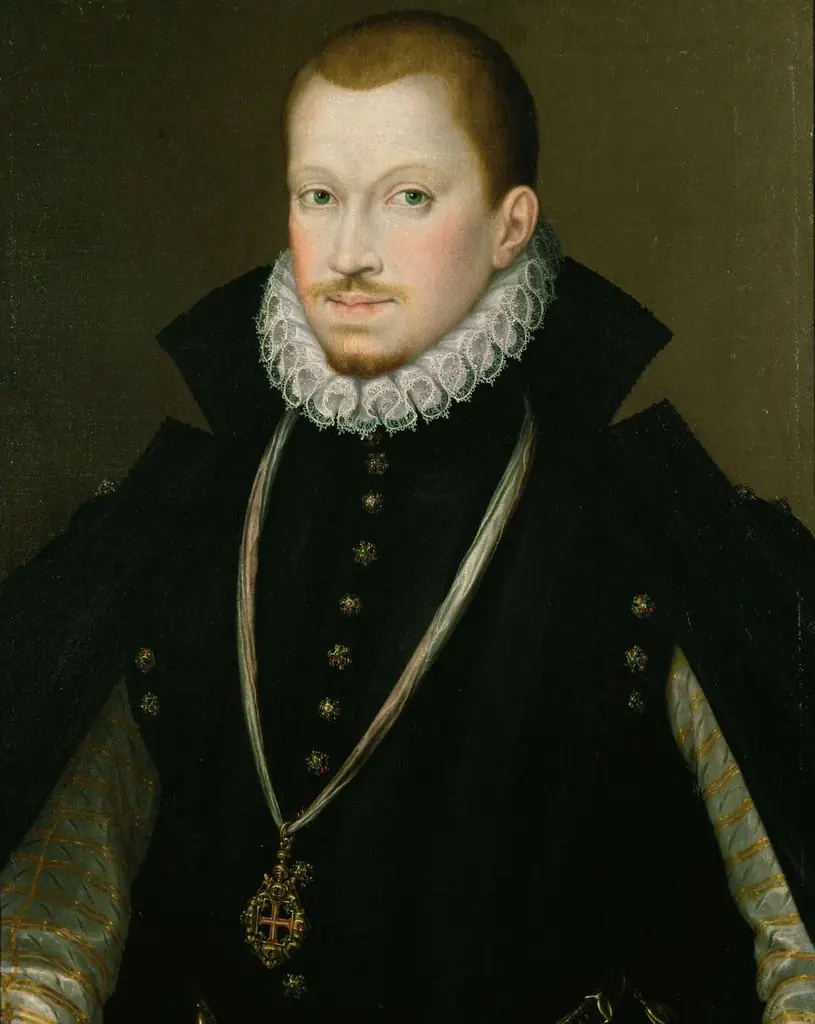 Don Sebastian (1554-nach 1578), König von Portugal, mit dem Kreuz des Christusordens, Halbfigur (beschnitten)
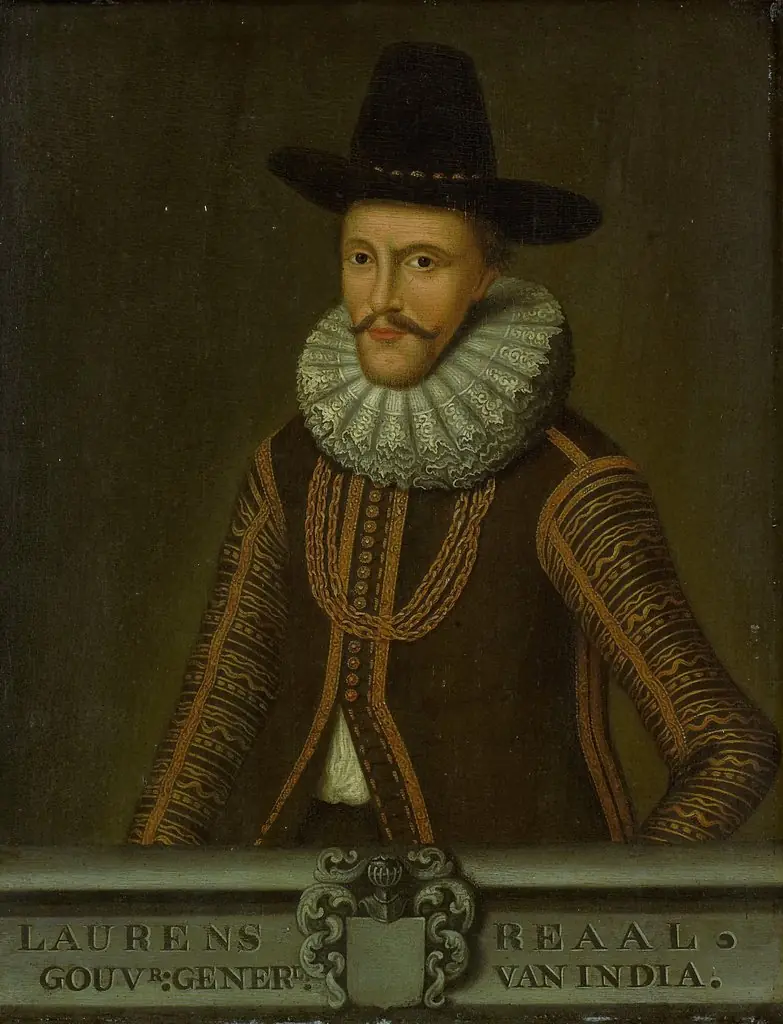 Portrait of Laurens Reael (1583-1637)
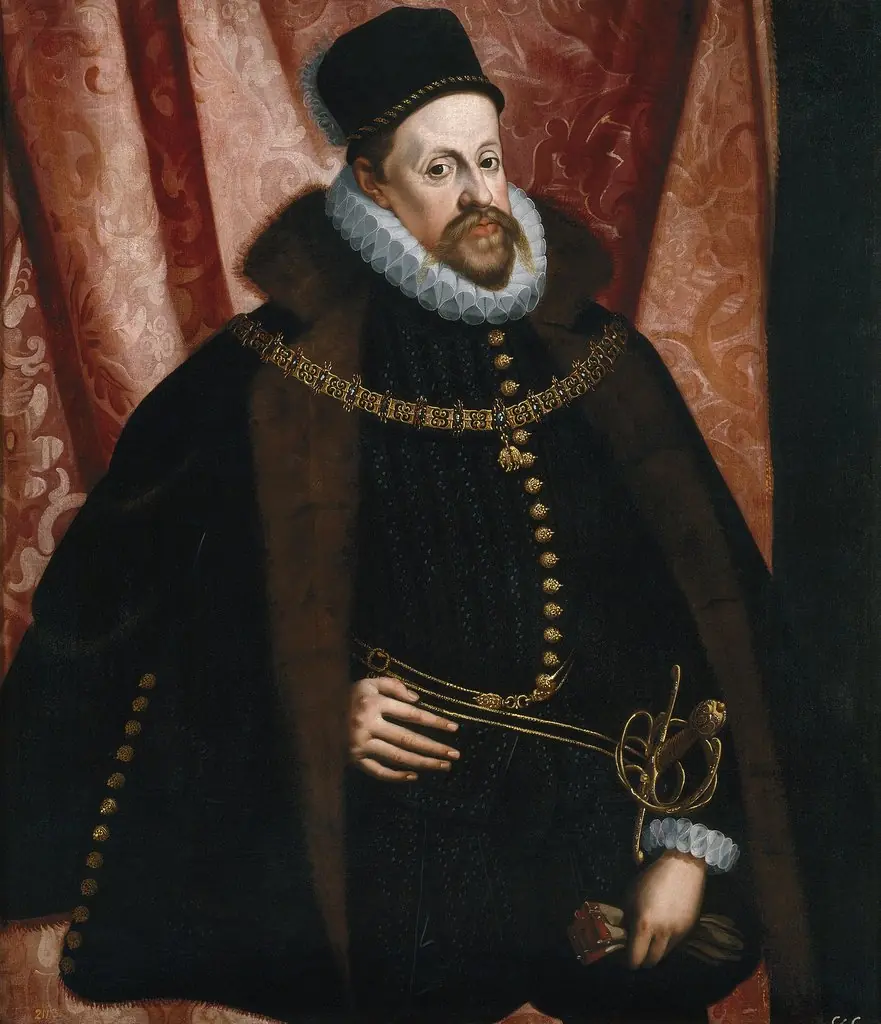 El archiduque Carlos de Austria, duque de Stiria
 Untitled
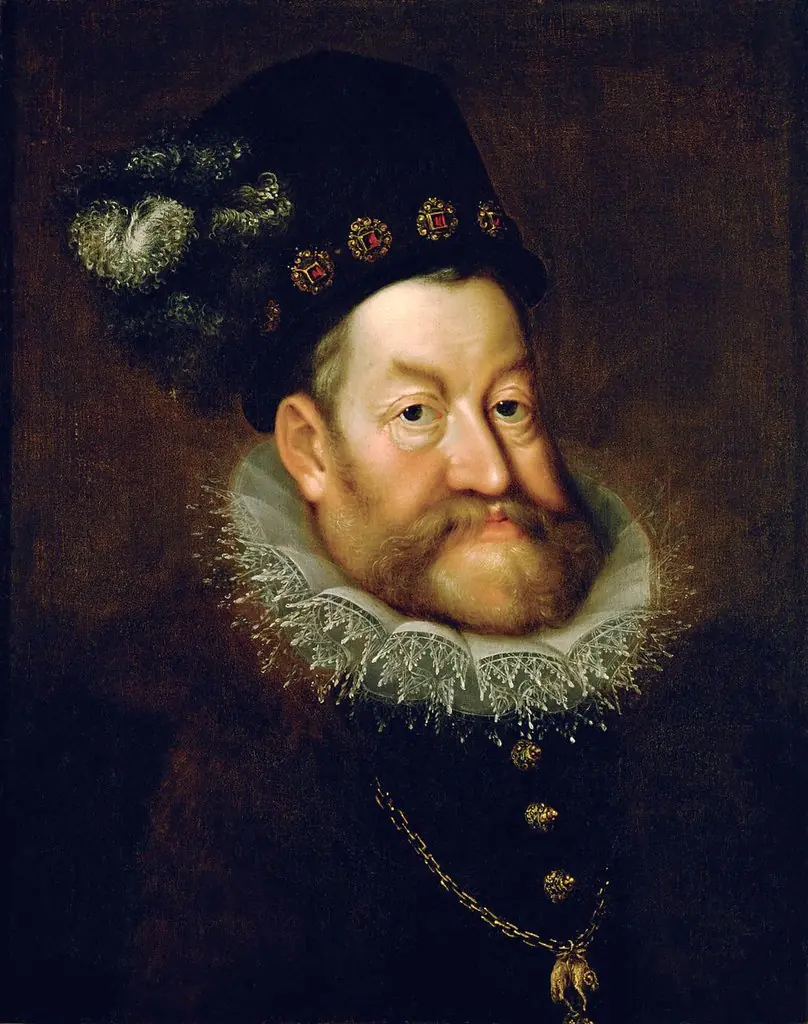 Portrait of Emperor Rudolf II
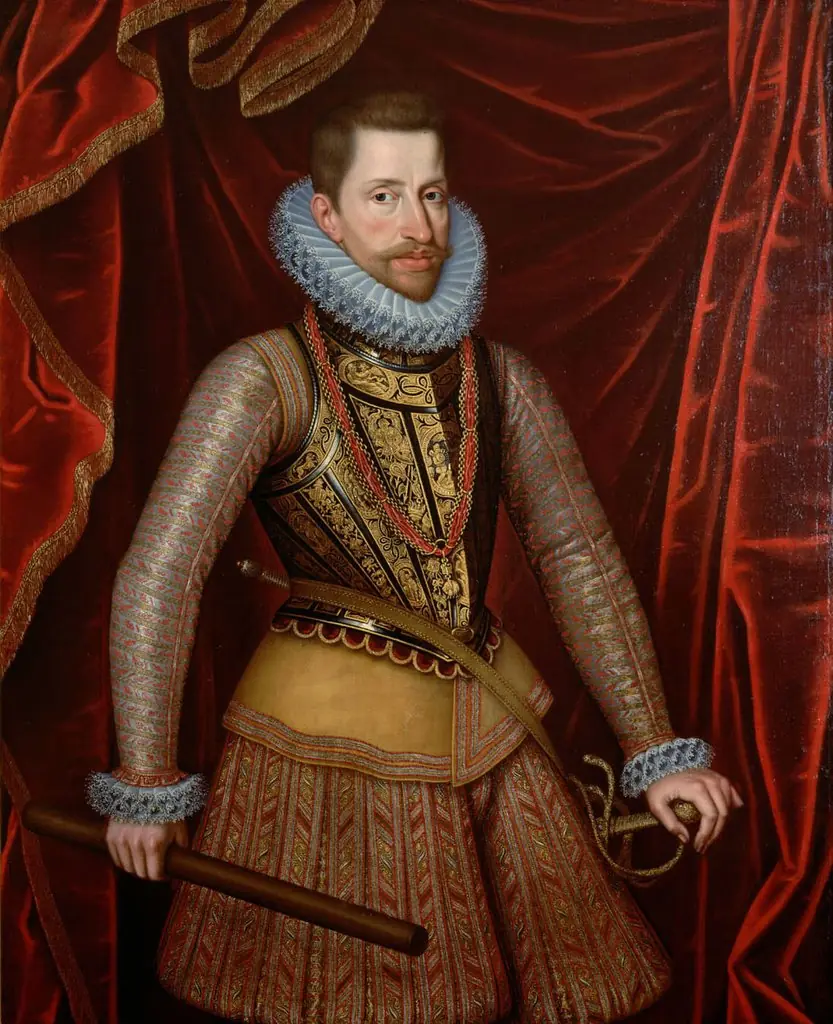 Portrait of Albrecht VII, Archduke of Austria (1559-1621)
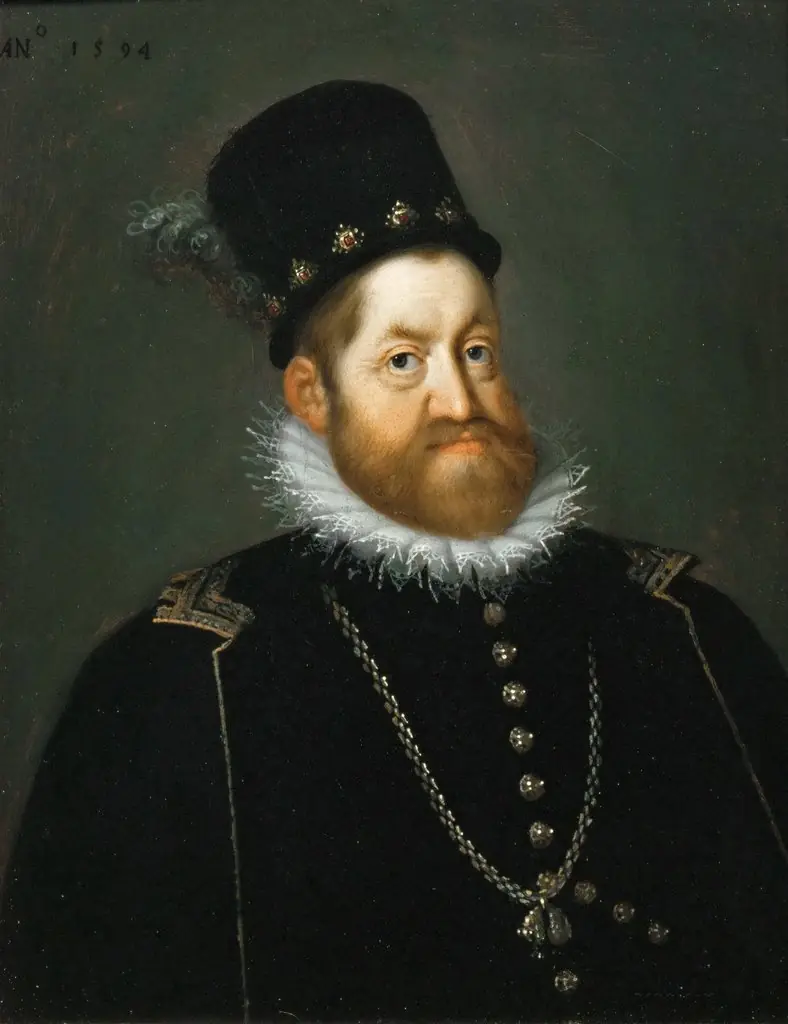 Porträt des Kaisers Rudolf II.