Artwork
Maria Josepha Anna von Bayern
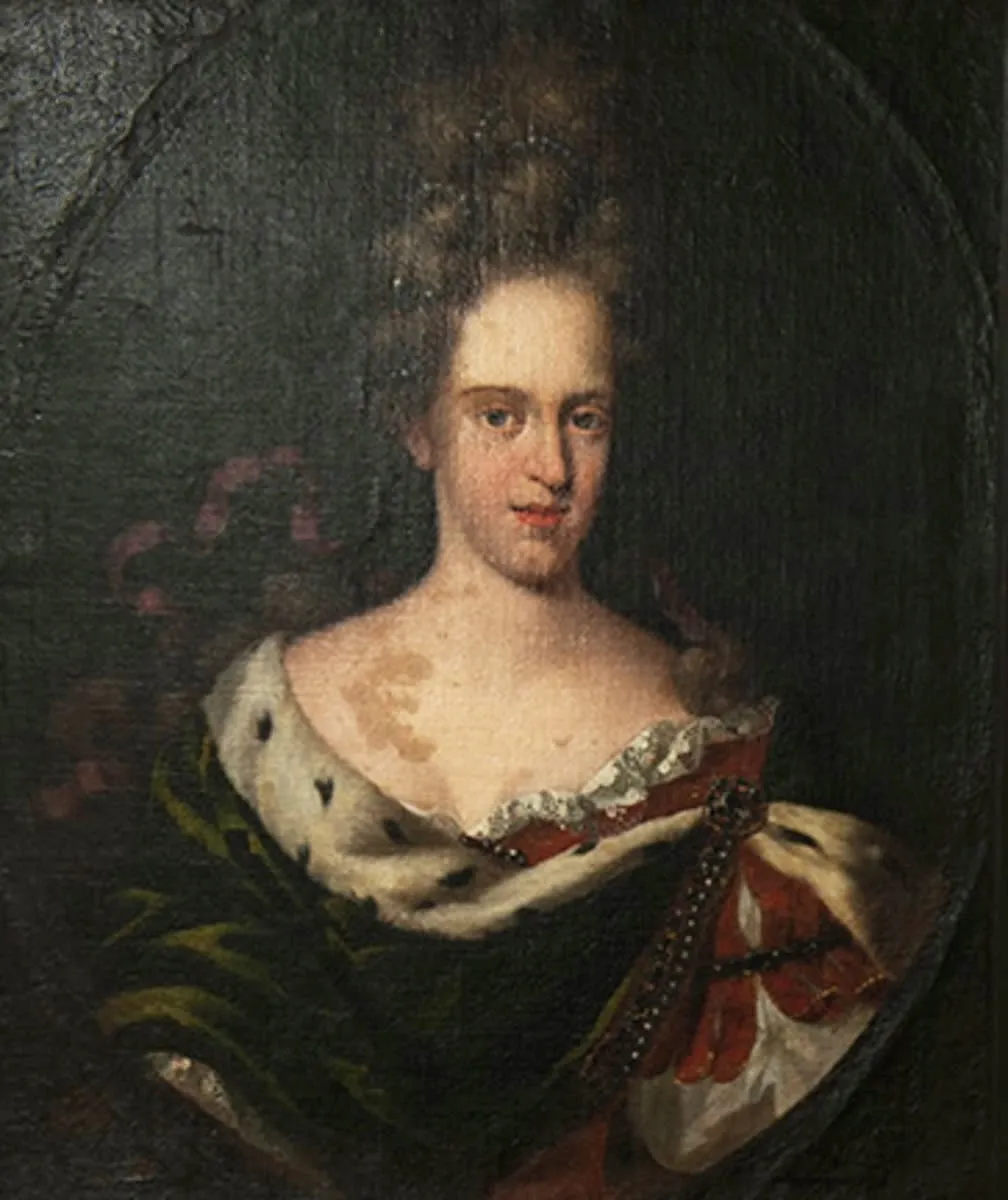
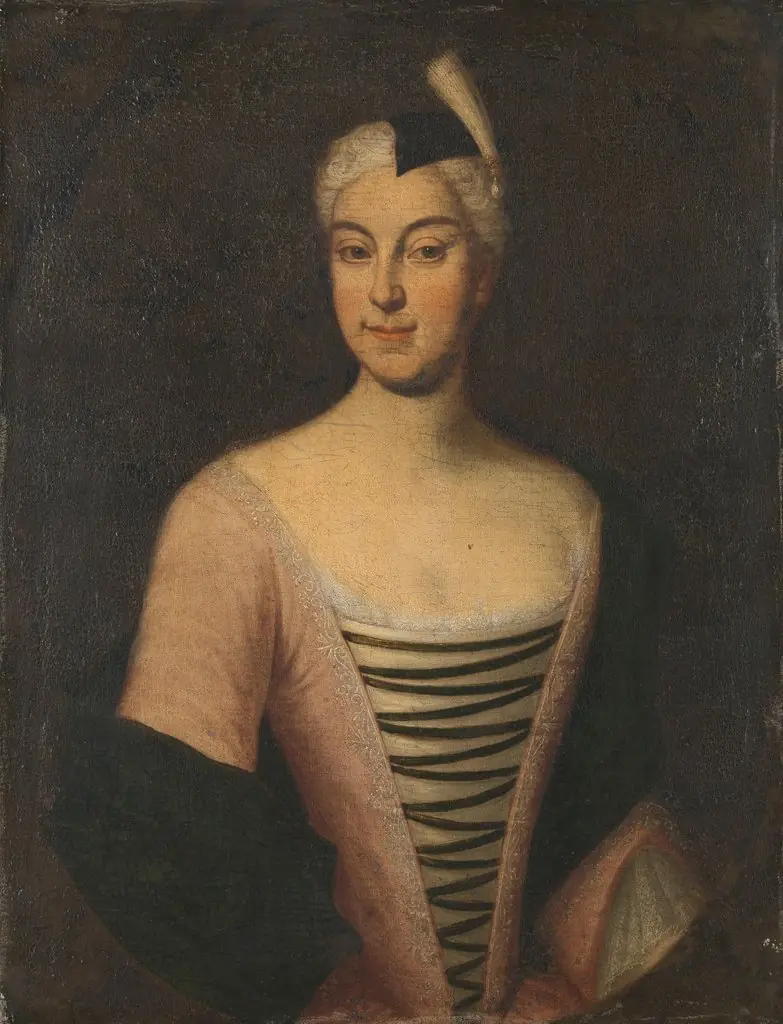
Maria Josepha Anna von Bayern is an oil painting by Unknown. It is held in the collection of the Bavarian State Painting Collections.
About this work
Overview
This oil painting portrays Maria Josepha Anna von Bayern, a member of the Bavarian royal family.
This oil painting portrays Maria Josepha Anna von Bayern, a member of the Bavarian royal family. Rendered in a dark, unadorned setting, the figure stands out through her detailed attire. The medium allows for subtle gradations of light and fabric texture, emphasizing the richness of her garments while the face remains softly indistinct, suggesting a deliberate artistic choice rather than technical limitation.
Subject & Meaning
The sitter, Maria Josepha Anna von Bayern, is depicted in formal court dress, indicating her noble status. The absence of overt symbolism or contextual elements shifts focus to her presence and attire alone. The neutral expression and blurred facial features may reflect contemporary conventions of royal portraiture, prioritizing dignity and decorum over individual expression or emotional display.
Technique & Style
Oil paint is used to build layered textures in the fabric of the dress, particularly in the green silk and the crisp white collar. The dark background enhances the luminosity of the clothing, creating a sense of volume and depth. Brushwork is controlled yet fluid, with soft transitions between tones, typical of late 18th-century portraiture that valued refinement over dramatic contrast.
History & Provenance
The painting is believed to have been commissioned during Maria Josepha Anna’s lifetime, likely in the late 1700s, as part of a family portrait tradition within the Bavarian court. Its survival suggests it remained in private or institutional collections, though its specific ownership history prior to modern documentation remains partially unrecorded.
Context
The attire—off-the-shoulder gown with a bow and lace collar—aligns with aristocratic fashion in southern Germany and Austria around the 1780s. Such styles were influenced by French court trends but adapted to regional tastes. Portraits like this served to affirm lineage and social standing, often displayed in family residences or ceremonial spaces.
Legacy
The painting contributes to the visual record of Bavarian nobility during the Enlightenment era. While not widely exhibited, it remains a representative example of court portraiture that prioritized status and material culture over psychological depth. Its preservation offers insight into the aesthetic values and social rituals of its time.
Artist & collection

 Domestic Scene
 Giacomo and Cardinal Marco, investing Andrea, Abbot of San Zeno, with his Benefice
 The Nymph of Fontainebleau
 Portrait of a Woman
 Madonna and Child with Saints in the Enclosed Garden
 Venus and Minerva
 Family Group of Four on Sofa
 Wall painting from Room H of the Villa of P. Fannius Synistor at Boscoreale
 Bildnis einer Fürstin
 Kaiserin Maria Amalia, Gemahlin Kaiser Karls VII.
 Portrait of D. Maria Bárbara de Bragança
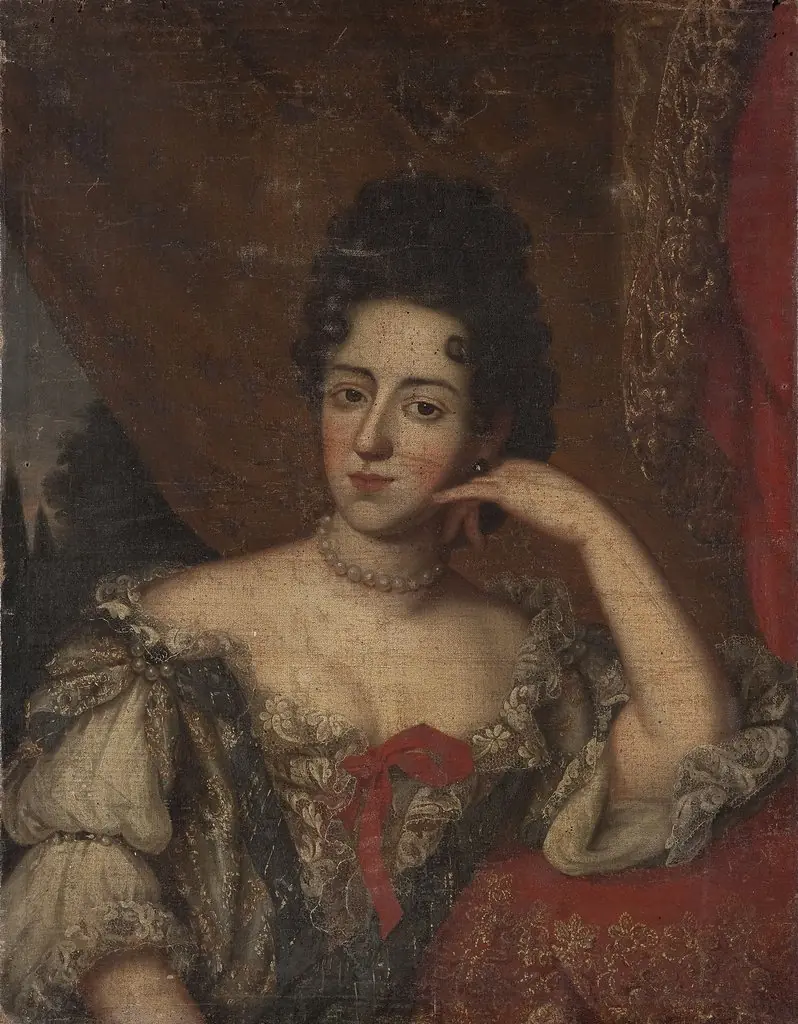 Portrait of Teresa Kunegunda Sobieska (1676–1730) /?/ aka Countes Hedwig of Neuburg
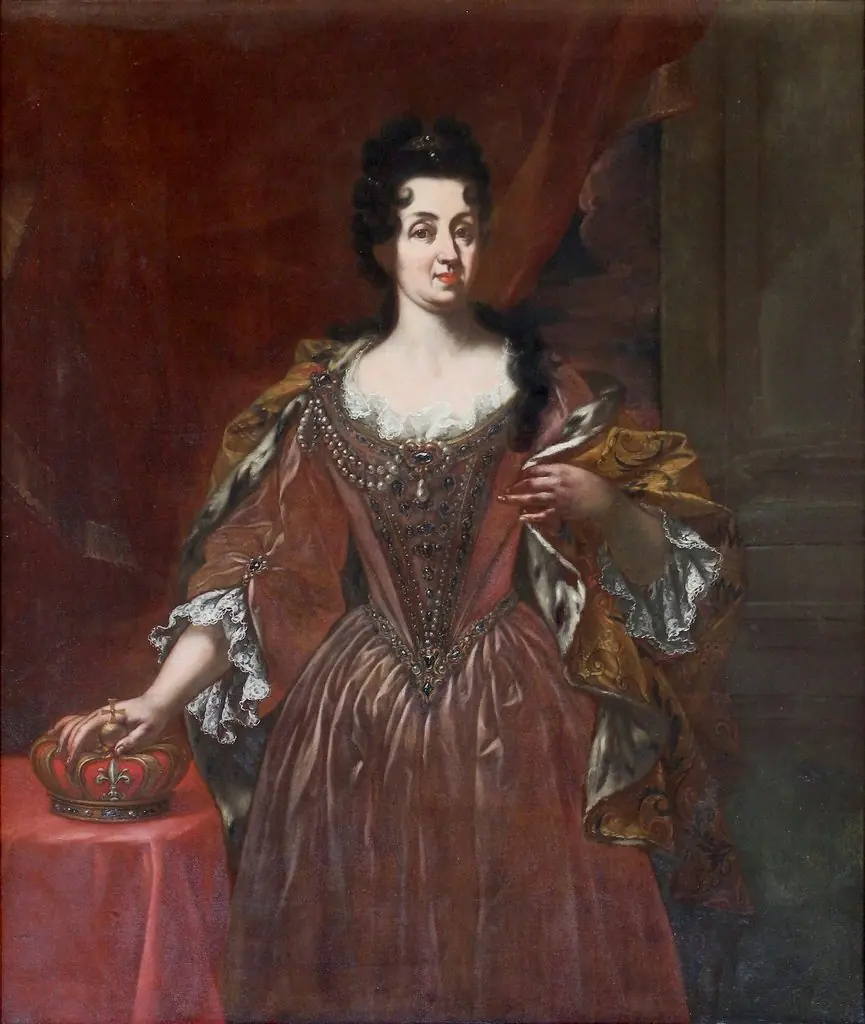 Portrait of Marguerite Louise d'Orléans, Grand Duchess of Tuscany
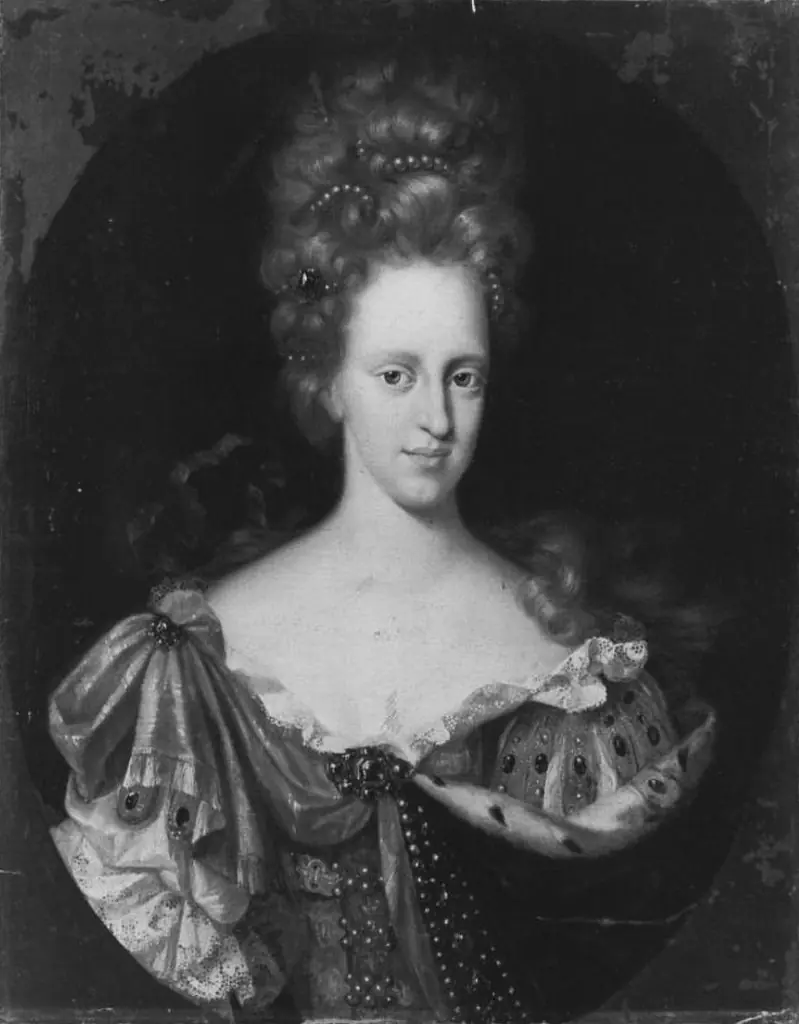 Prinzessin Hedwig Elisabeth Amalie
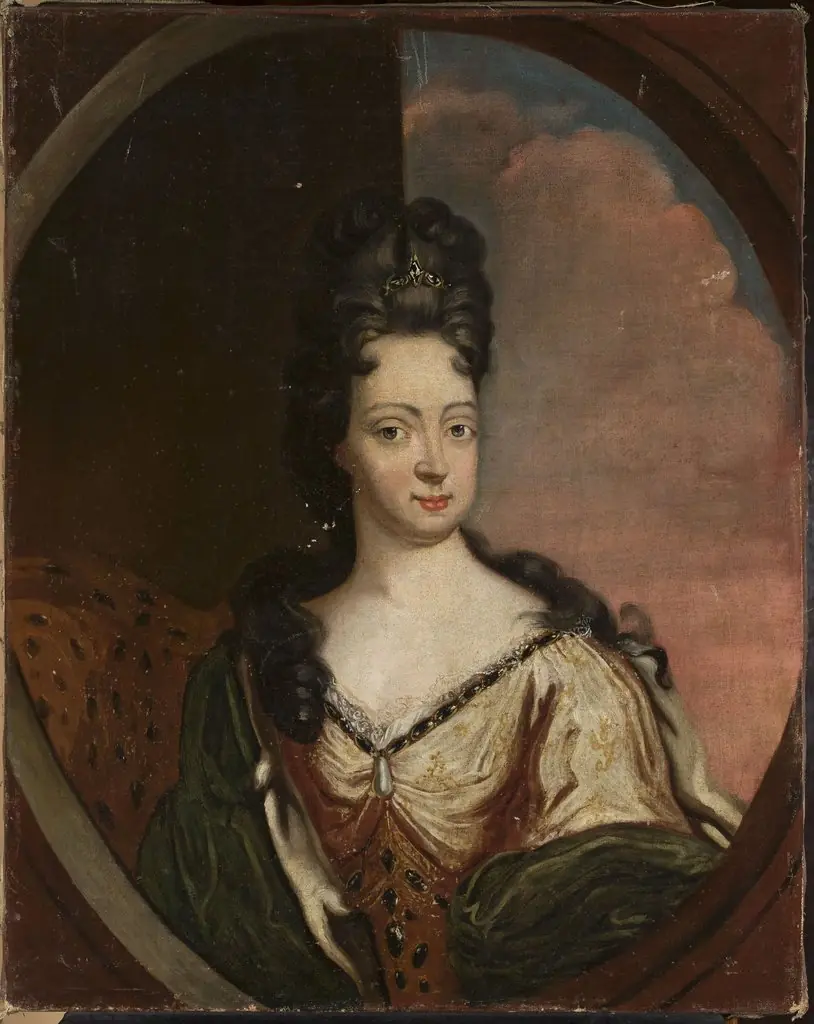 Elisabeth Christine of Brunswick-Wolfenbüttel (1691–1750), wife of emperor Charles VI, against clouds
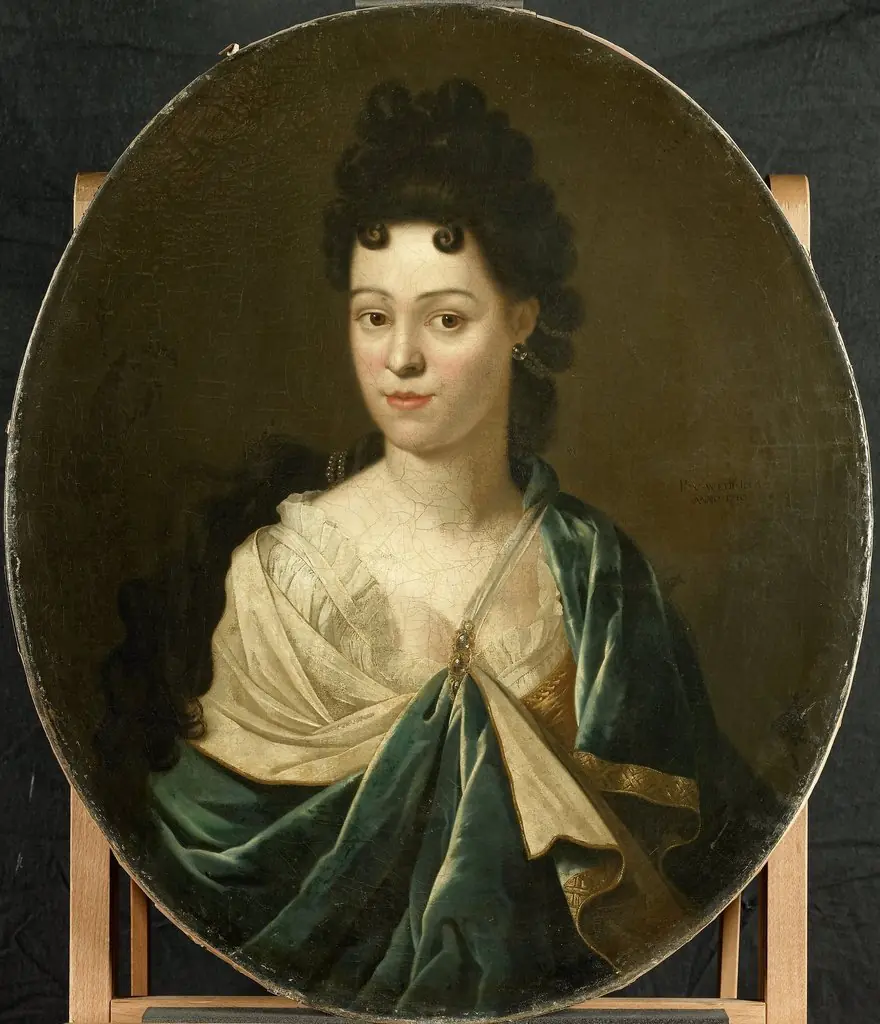 Portrait of Mrs. Brust-Batailhy
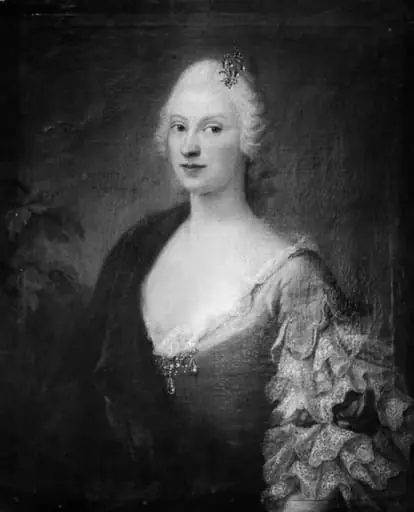 Portræt af fru Adelgunde Elisabeth Amalia von Scholten
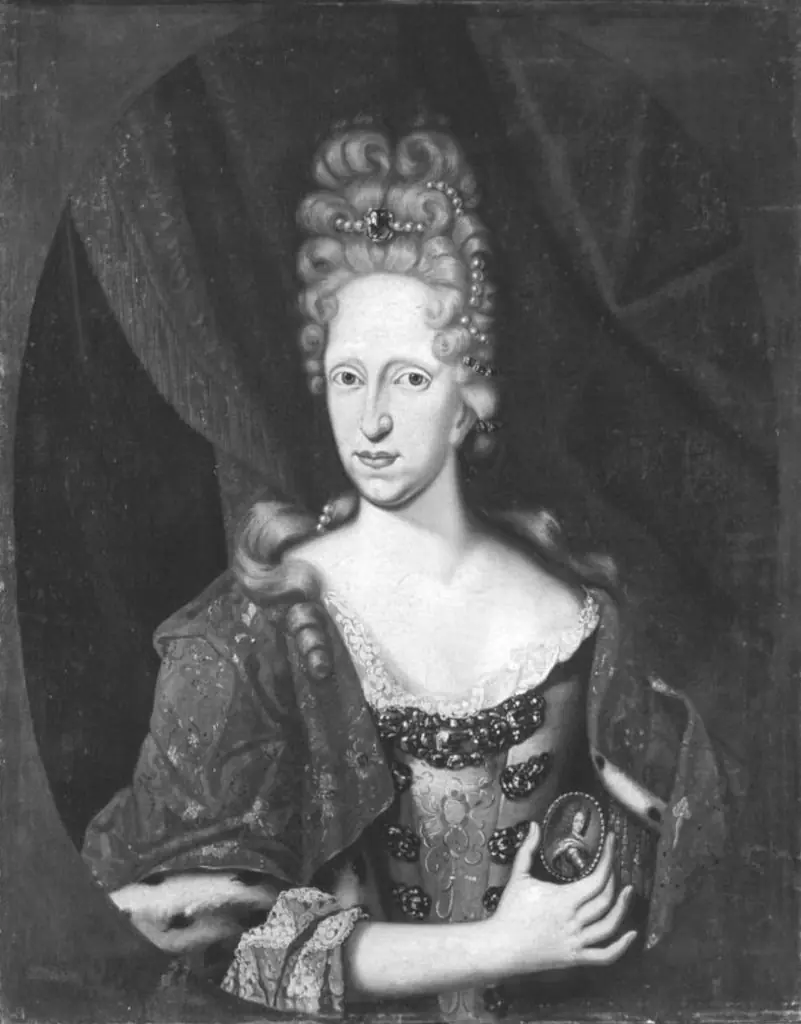 Pfalzgräfin Hedwig Elisabeth Amalie, Gemahlin des Prinzen Jacob Ludwig
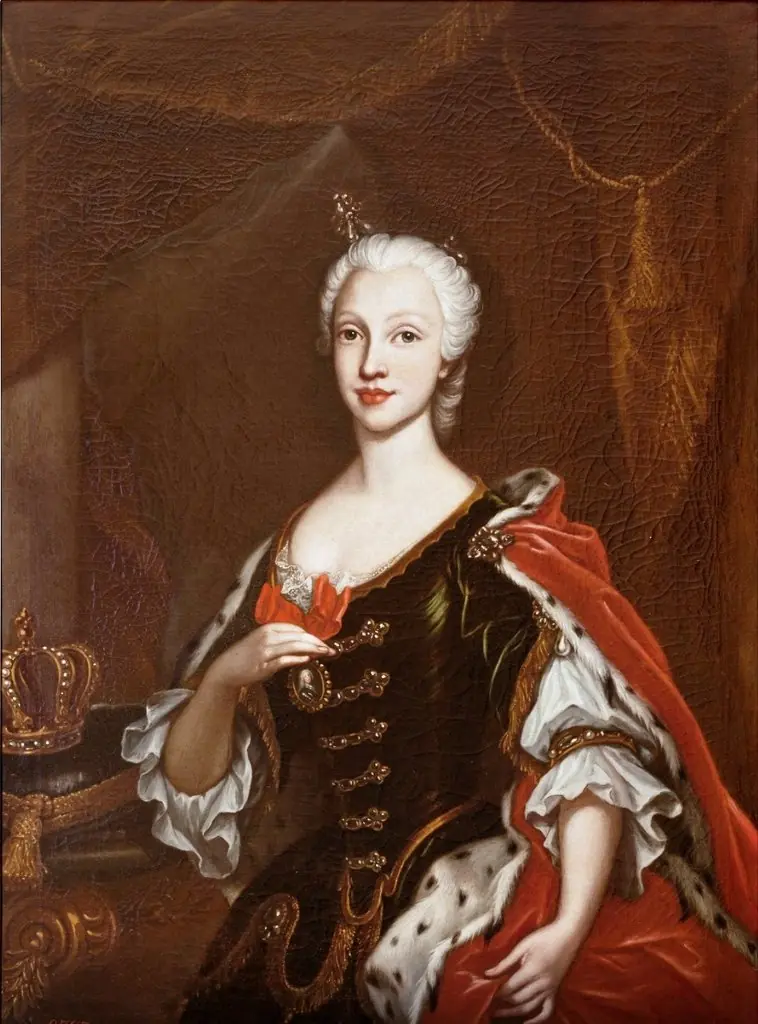 Maria Amalia of Saxony (1724-1760), Queen of Naples
 Portrait of a woman