Artwork
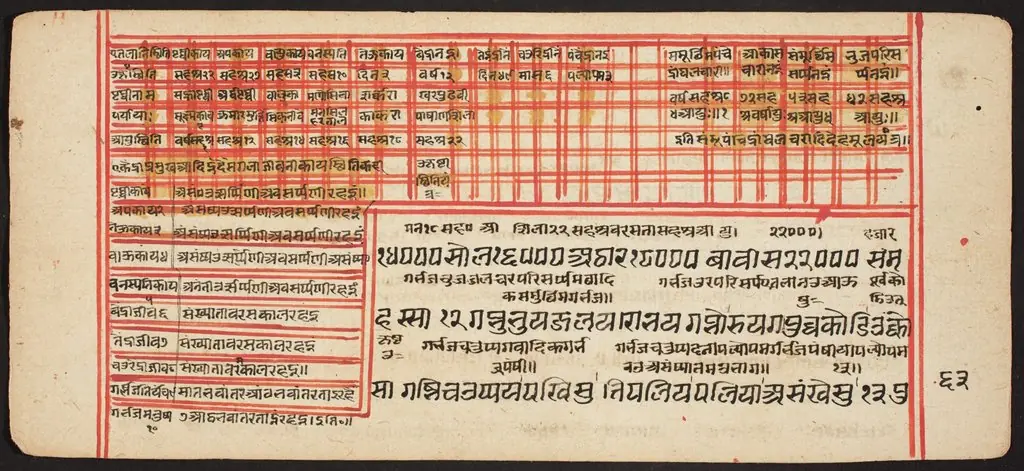
Tantric Manuscript "Sangrahani Sutra"
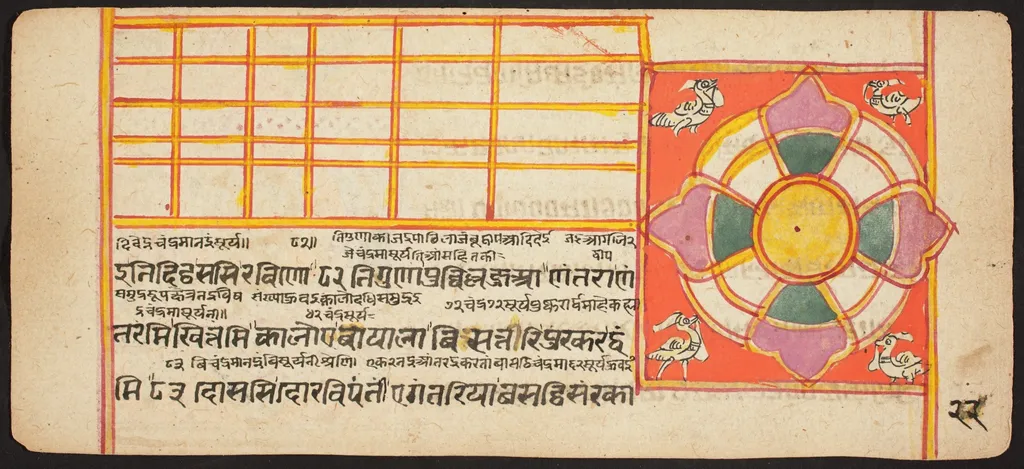
Tantric Manuscript "Sangrahani Sutra" is an unspecified painting by Unknown. It is held in the collection of the Detroit Institute of Arts.
About this work
Overview
The work is part of a broader corpus of illustrated religious manuscripts that transmitted esoteric teachings through image and word.
A painted manuscript fragment from the tantric Buddhist tradition, the Sangrahani Sutra was produced in medieval India, likely in the eastern regions where Vajrayana practices flourished. It combines sacred text with visual symbolism, serving both ritual and pedagogical purposes. The work is part of a broader corpus of illustrated religious manuscripts that transmitted esoteric teachings through image and word.
Subject & Meaning
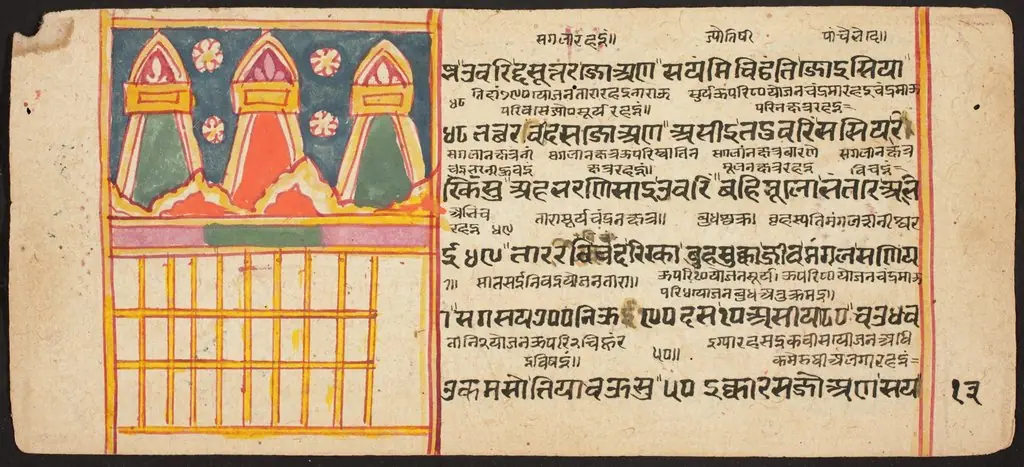
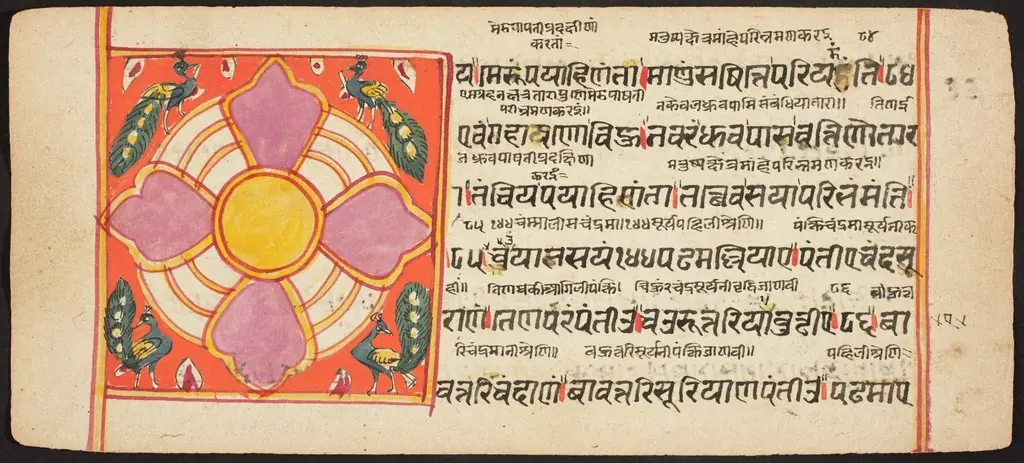
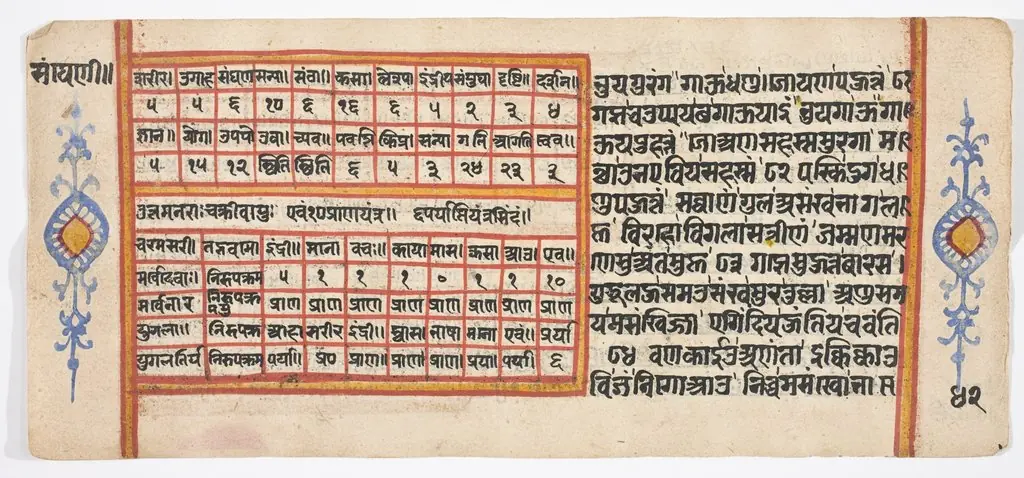
The painting illustrates doctrinal concepts from the Sangrahani Sutra, a text focused on the accumulation and protection of spiritual merit. Visual elements include deities, mandalas, and symbolic gestures, each encoding meditative states and cosmological principles. These images function as aids for visualization practices, guiding practitioners toward inner transformation through contemplation of sacred forms.
Technique & Style
Executed in mineral pigments on palm leaf or paper, the work employs fine brushwork and flat, saturated colors typical of eastern Indian manuscript painting. Figures are rendered with stylized proportions and intricate detailing, emphasizing symbolic clarity over naturalism. Gold leaf may be used sparingly to denote divine presence, reinforcing the sacred nature of the content.
History & Provenance
The manuscript likely originated in a monastic center in Bihar or Bengal between the 10th and 12th centuries. It was preserved within a monastic library until the decline of Buddhist institutions in eastern India. Surviving fragments were later collected by scholars and institutions, often through colonial-era acquisitions, and are now held in museum and library collections across Europe and Asia.
Context
This painting emerged during a period when tantric Buddhism was actively transmitted across South and Southeast Asia. Illustrated manuscripts like this one were central to monastic education and ritual life, particularly in regions where oral transmission remained primary. The fusion of text and image reflected a belief in the power of visual representation to convey metaphysical truths inaccessible through words alone.
Legacy
Though few illustrated tantric manuscripts survive intact, fragments like this one inform contemporary understanding of medieval Indian Buddhist art and practice. They provide critical evidence of how esoteric teachings were visually encoded and transmitted, influencing later Himalayan and Tibetan artistic traditions. Their study continues to deepen scholarly appreciation of non-iconographic religious expression in South Asia.
Artist & collection

 Domestic Scene
 Giacomo and Cardinal Marco, investing Andrea, Abbot of San Zeno, with his Benefice
 The Nymph of Fontainebleau
 Portrait of a Woman
 Madonna and Child with Saints in the Enclosed Garden
 Venus and Minerva
 Family Group of Four on Sofa
 Wall painting from Room H of the Villa of P. Fannius Synistor at Boscoreale
 Tantric Manuscript "Sangrahani Sutra"
 Tantric Manuscript "Sangrahani Sutra"
 Tantric Manuscript "Sangrahani Sutra"
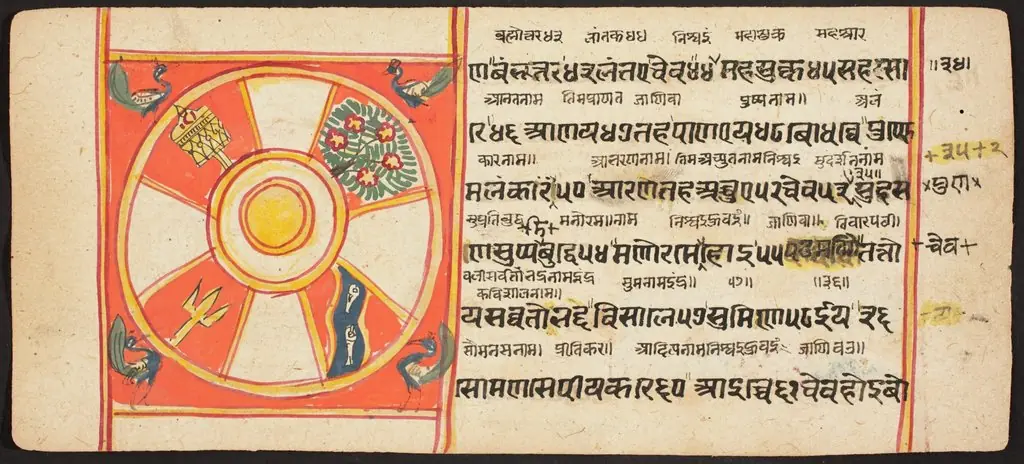 Tantric Manuscript "Sangrahani Sutra"
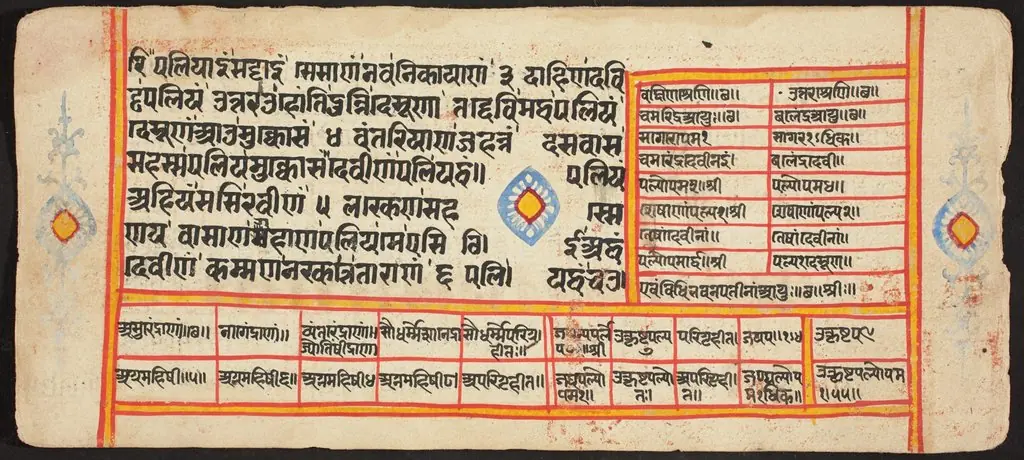 Tantric Manuscript "Sangrahani Sutra"
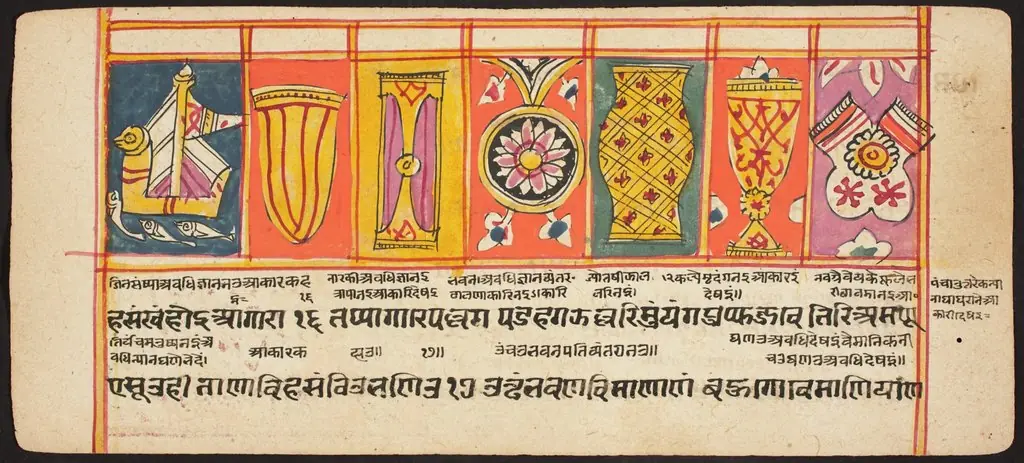 Tantric Manuscript "Sangrahani Sutra"
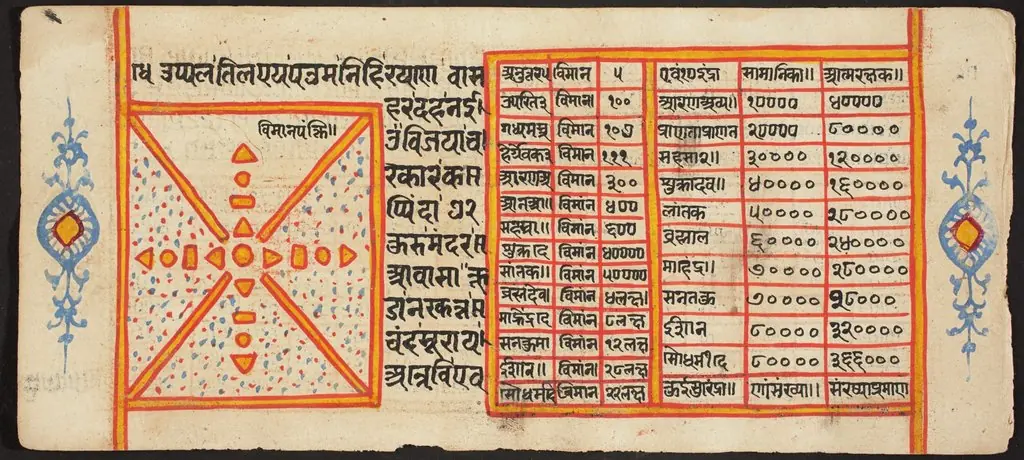 Tantric Manuscript "Sangrahani Sutra"
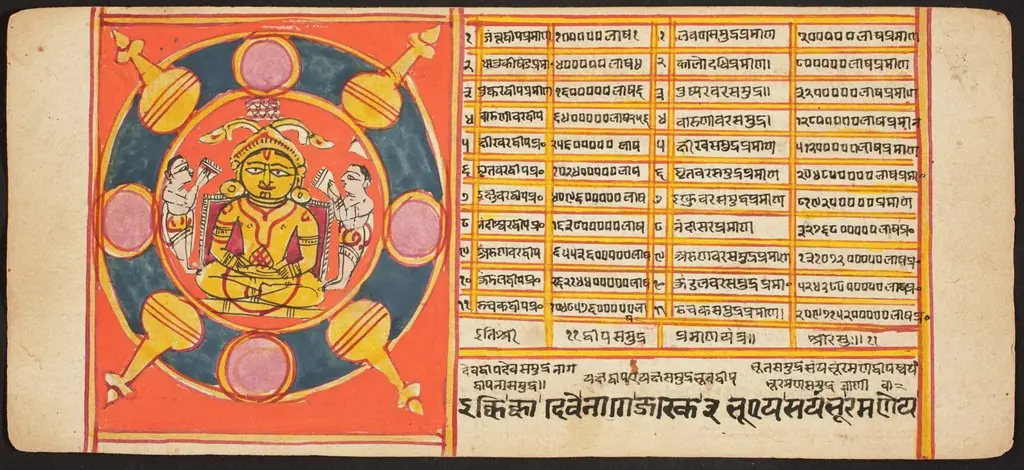 Tantric Manuscript "Sangrahani Sutra"
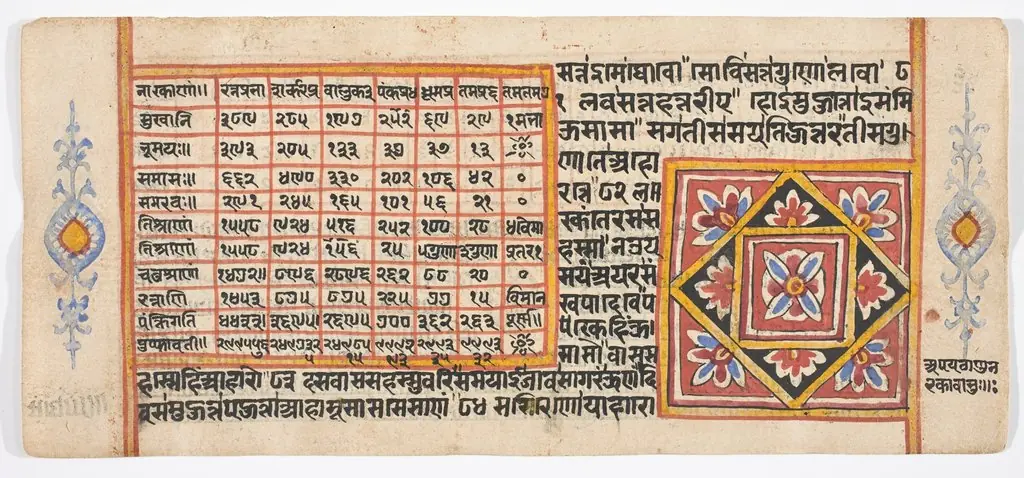 Tantric Manuscript "Sangrahani Sutra"
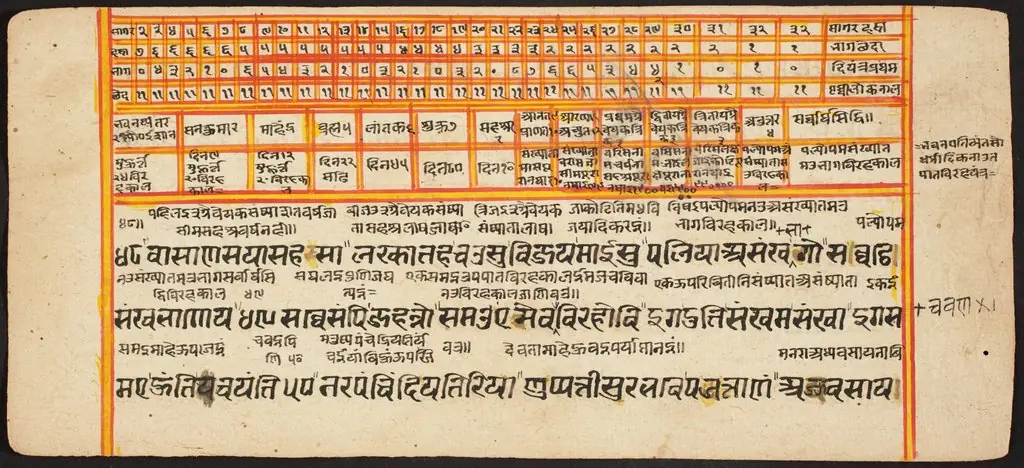 Tantric Manuscript "Sangrahani Sutra"
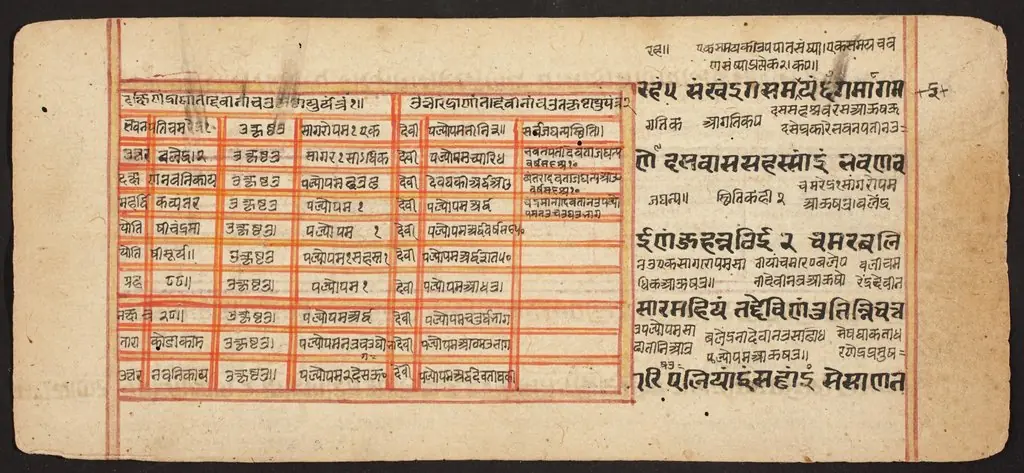 Tantric Manuscript "Sangrahani Sutra"
 Tantric Manuscript "Sangrahani Sutra"