Artwork
Page from Tales of a Parrot (Tuti-nama): text page
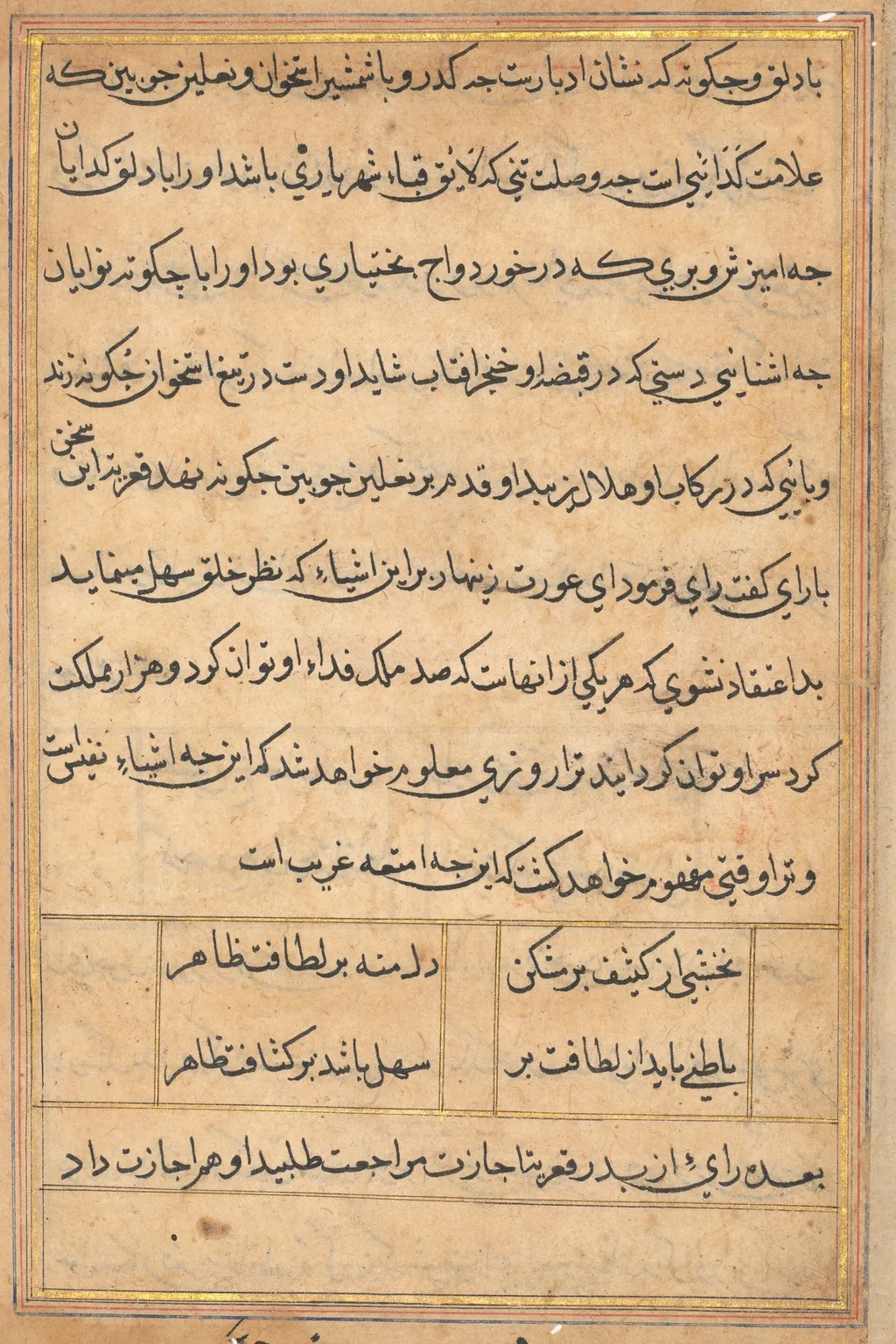
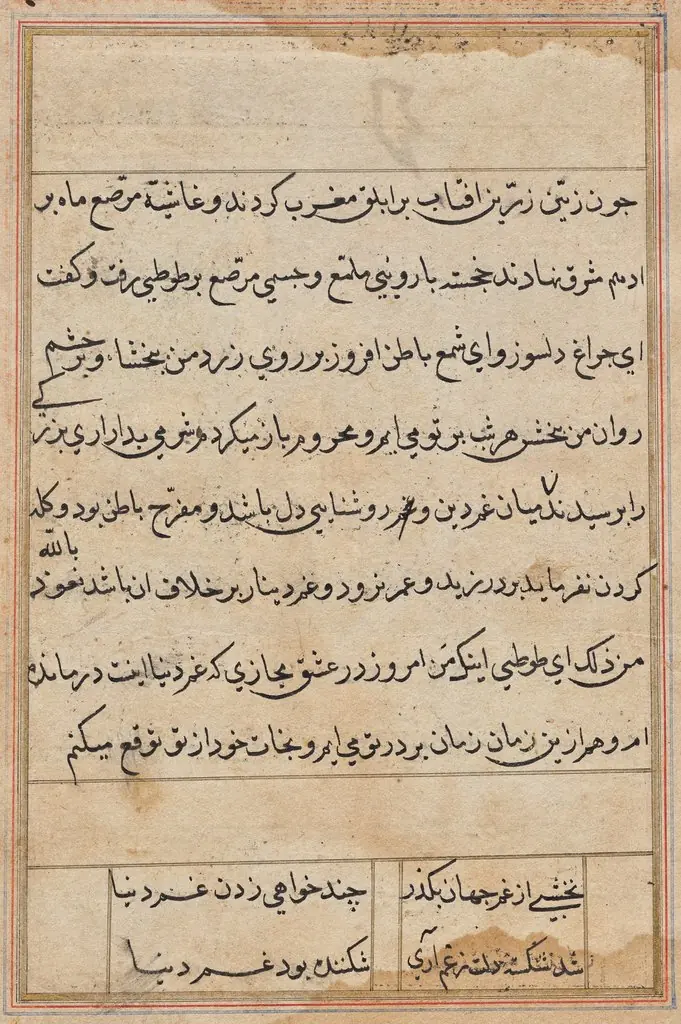
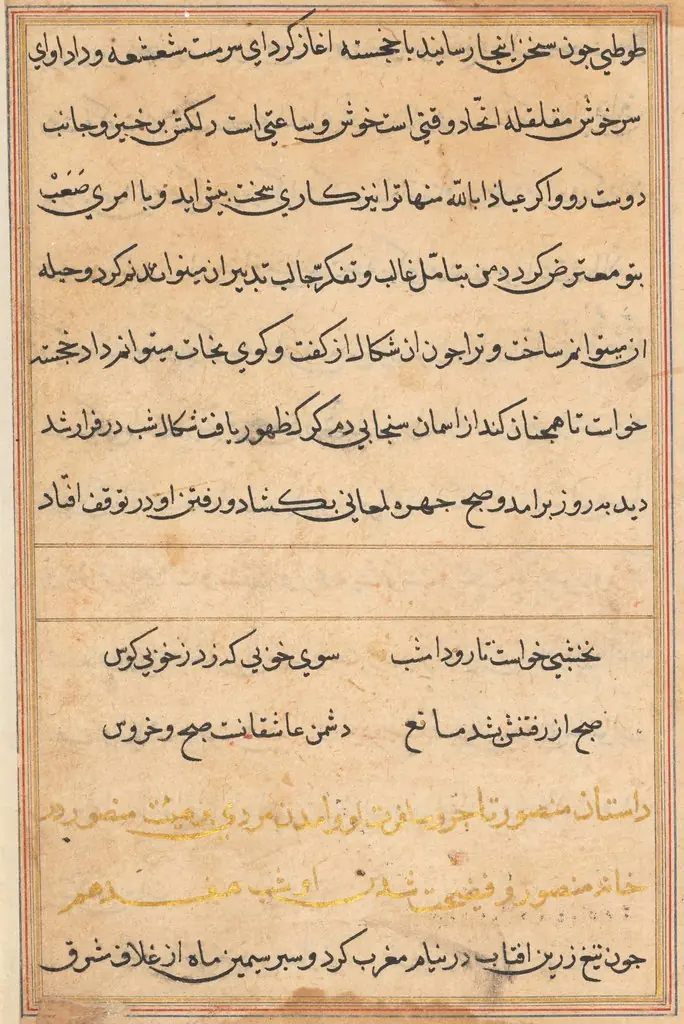
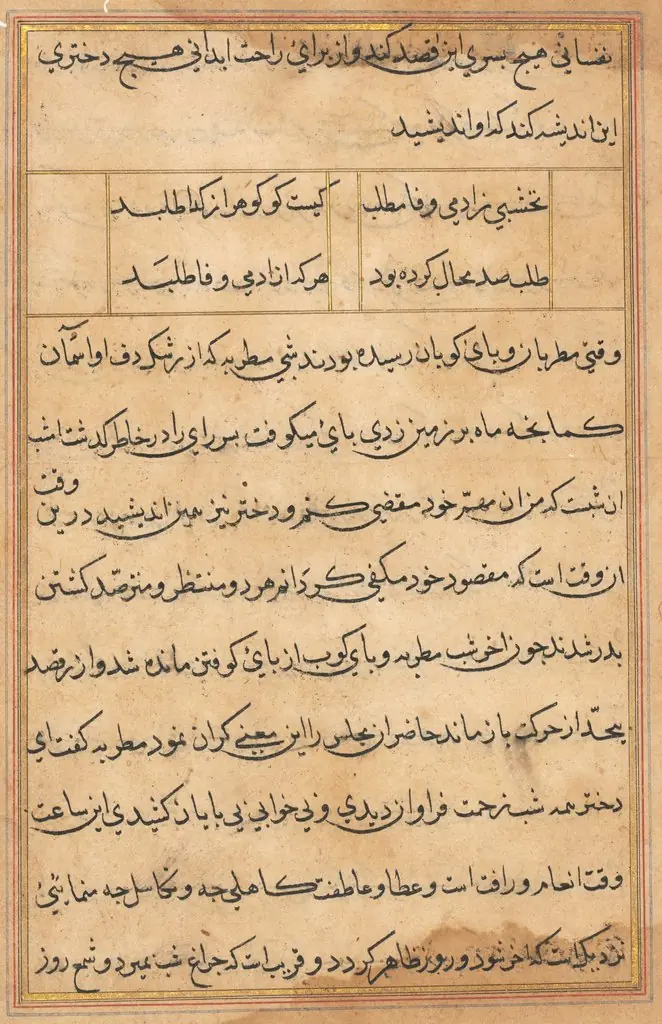
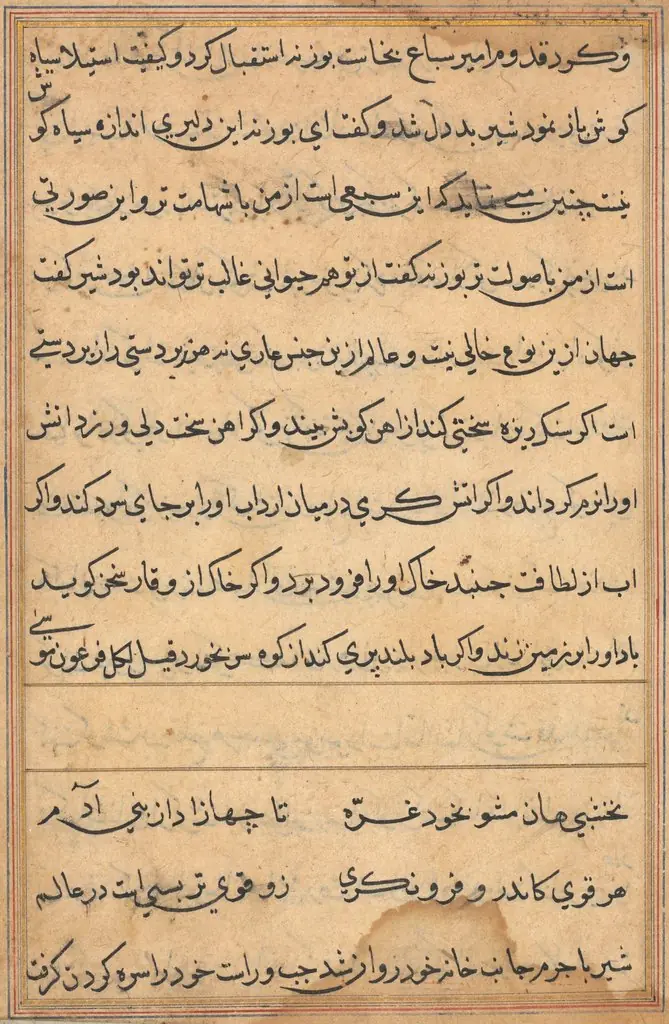
Page from Tales of a Parrot (Tuti-nama): text page is an unspecified painting. It dates from 1560 and is held in the collection of the Cleveland Museum of Art.
About this work
Overview
This illuminated page originates from the Persian manuscript *Tales of a Parrot* (Tuti‑nama), a narrative work commissioned for Prince Salim. Executed on light brown paper, the surface is densely covered with black calligraphic text arranged in orderly rows and bordered by delicate gold lines, while a faint yellow edge frames the whole composition.
Subject & Meaning
The manuscript recounts a series of moral and romantic anecdotes featuring a talking parrot, a popular literary motif in Safavid Iran that combined entertainment with ethical instruction. The page’s content, though not specified here, would have contributed to the larger didactic and courtly narrative intended for the young prince.
Technique & Style
The calligraphy displays meticulous hand‑shaped letters, characteristic of the refined Nastaʿlīq script favored in Persian literature of the period. Gold filigree outlines accentuate the margins, and a modest decorative panel at the bottom, divided into two boxed sections, provides visual balance without overwhelming the textual focus.
History & Provenance
Created for Prince Salim, likely a member of the Safavid royal family, the page later entered the collection of the Cleveland Museum of Art, where it is presently conserved and displayed. Its journey from a private court manuscript to a public institution reflects the broader dispersal of Persian codices in the 20th century.
Context
During the Safavid era (1501–1736), illustrated books served both as luxury objects and as vehicles for cultural transmission. *Tales of a Parrot* fits within this tradition, merging literary storytelling with the visual elegance of calligraphy and modest ornamentation, catering to elite patronage.
Legacy
The page exemplifies the high level of craftsmanship in Persian manuscript production and offers scholars insight into courtly education and aesthetic preferences of the time. Its preservation allows contemporary audiences to engage directly with the visual and textual culture of Safavid Iran.
Artist & collection

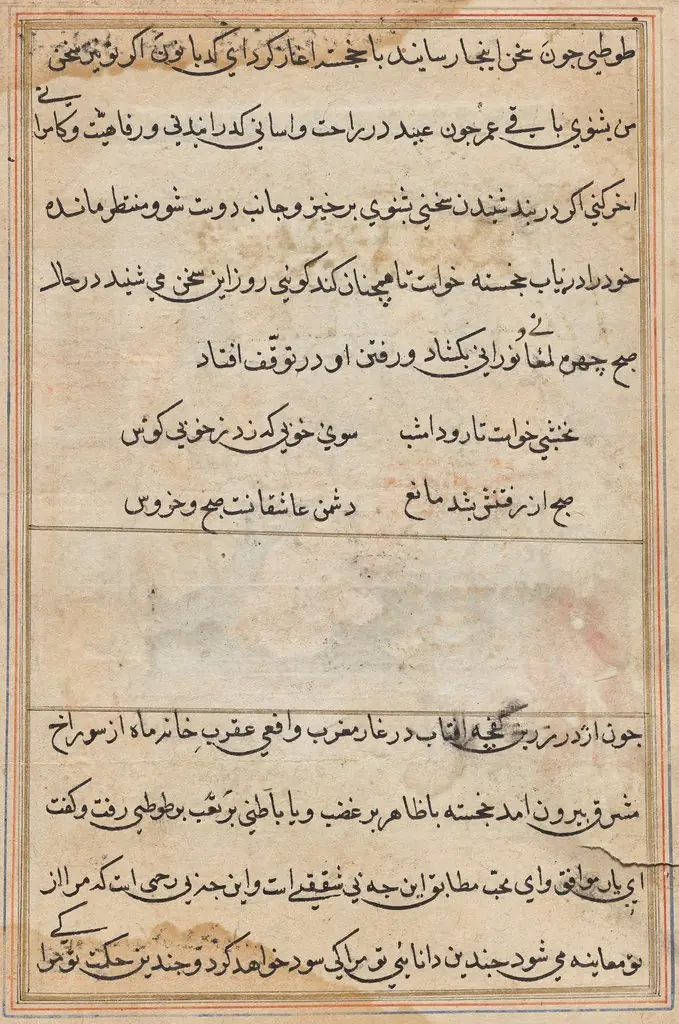 Page from Tales of a Parrot (Tuti-nama): text page
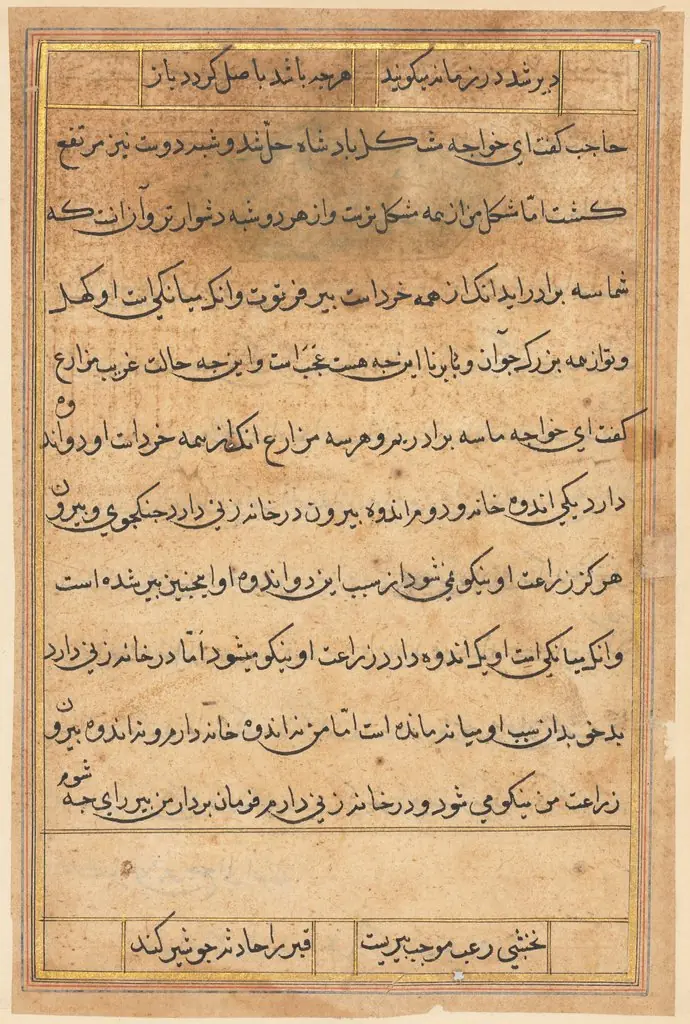 Page from Tales of a Parrot (Tuti-nama): text page
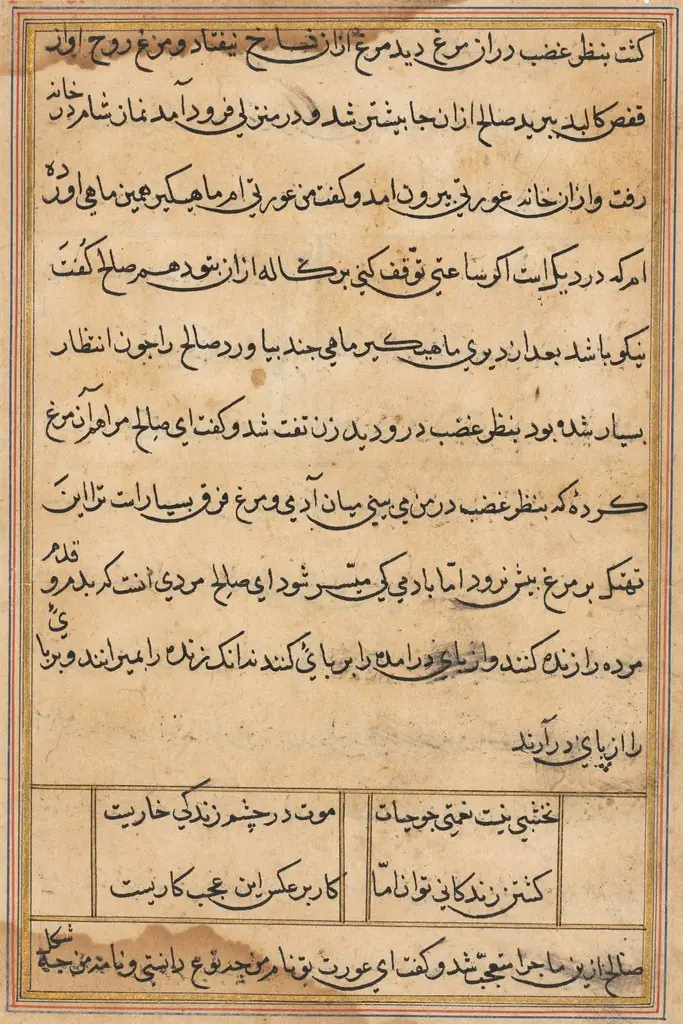 Page from Tales of a Parrot (Tuti-nama): text page
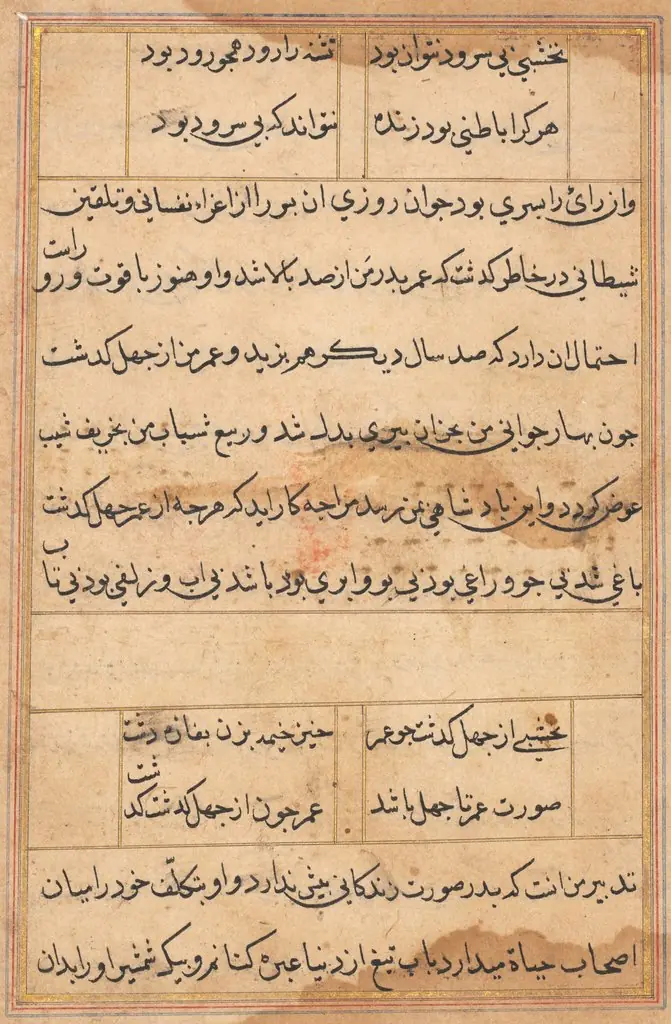 Page from Tales of a Parrot (Tuti-nama): text page
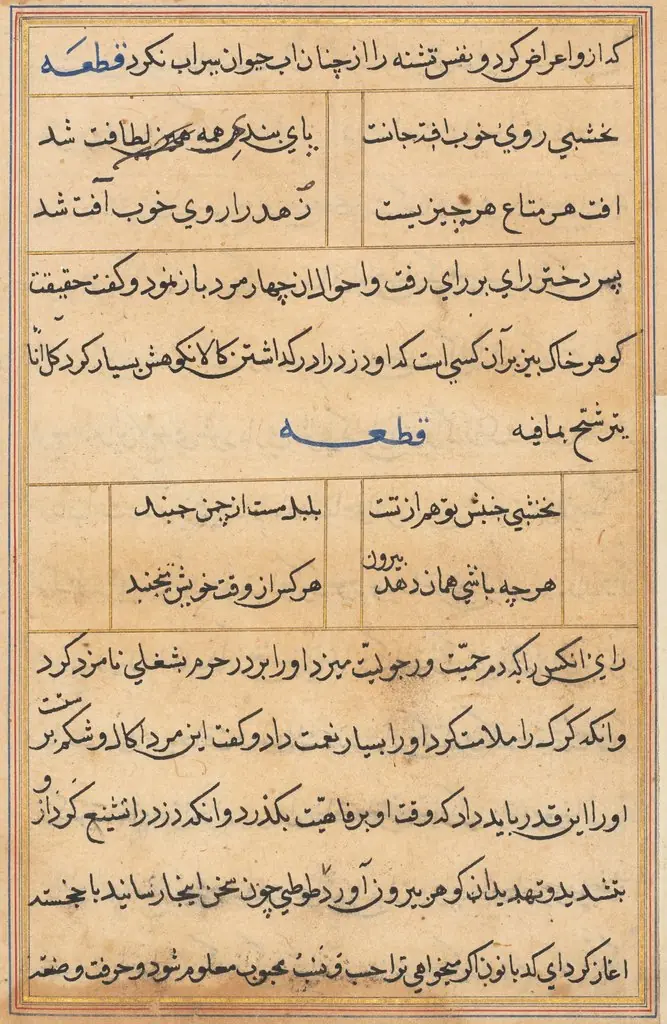 Page from Tales of a Parrot (Tuti-nama): text page
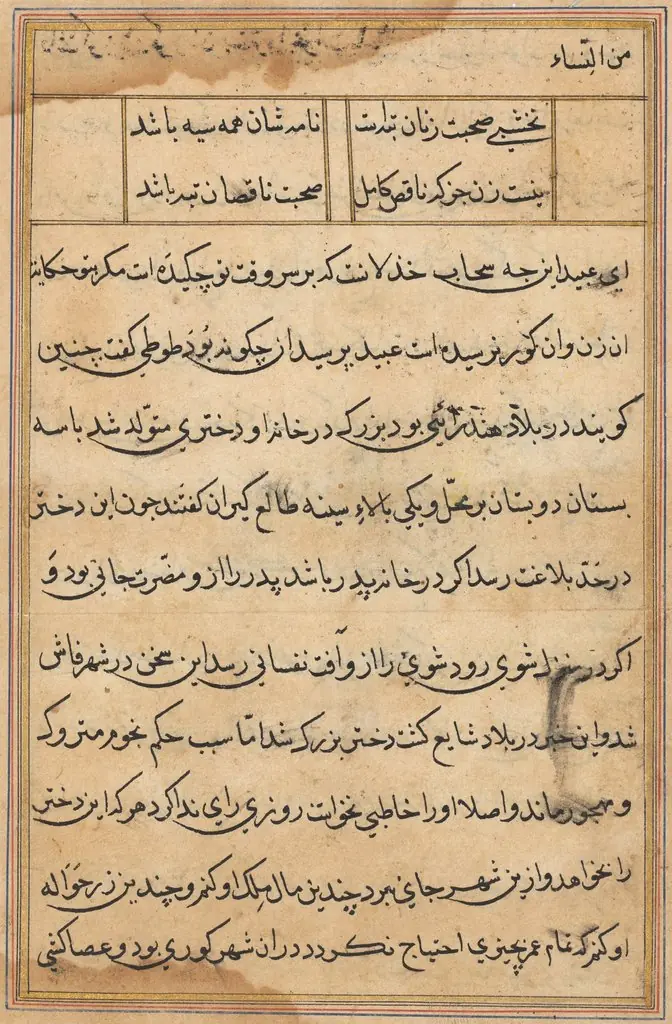 Page from Tales of a Parrot (Tuti-nama): text page
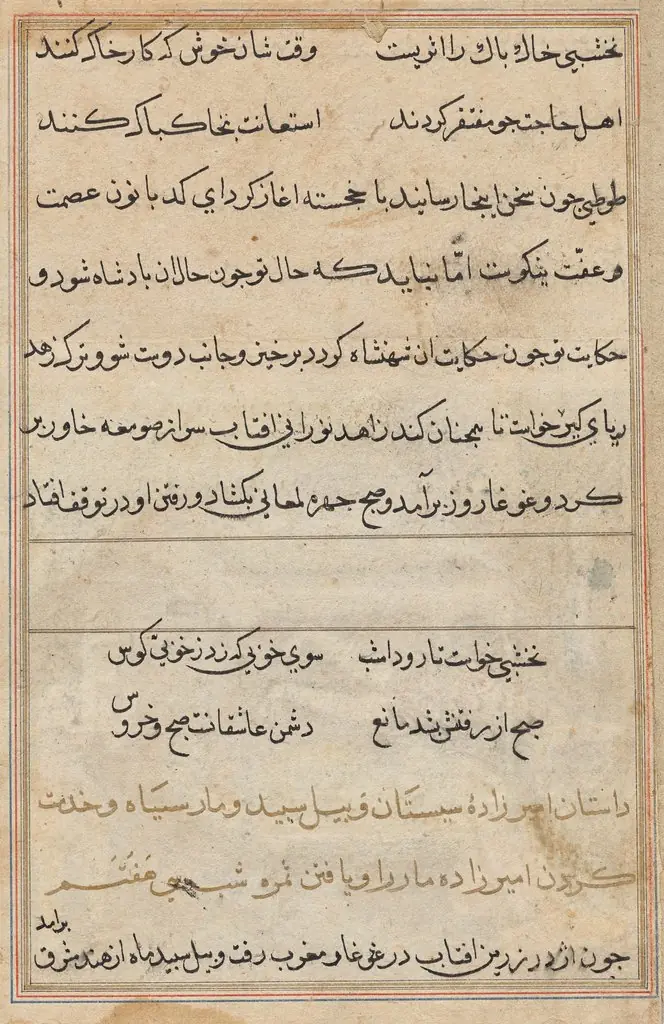 Page from Tales of a Parrot (Tuti-nama): text page
 Page from Tales of a Parrot (Tuti-nama): text page
 Page from Tales of a Parrot (Tuti-nama): text page
 Page from Tales of a Parrot (Tuti-nama): text page
 Page from Tales of a Parrot (Tuti-nama): text page