Artwork
Page from Tales of a Parrot (Tuti-nama): text page
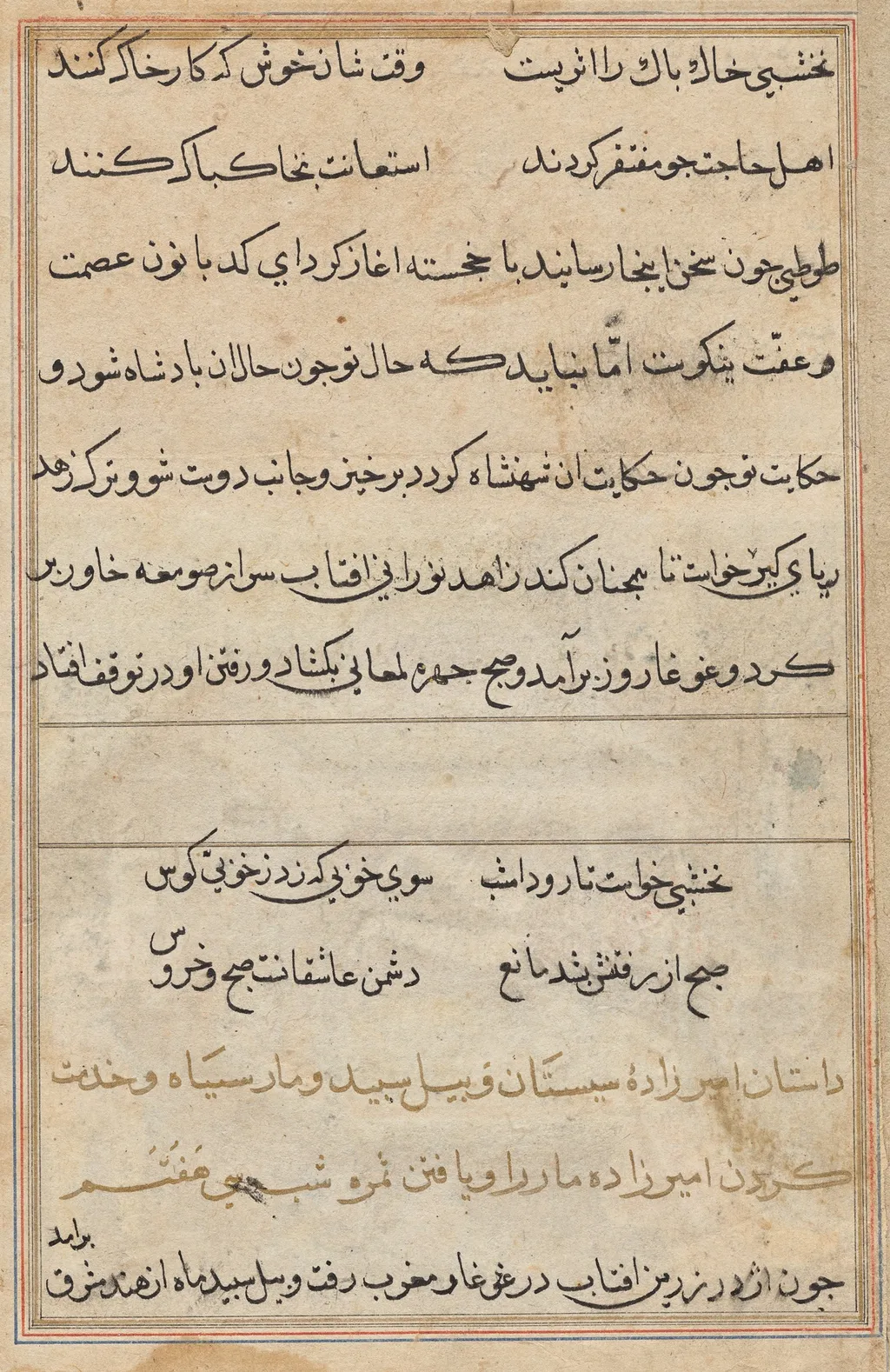
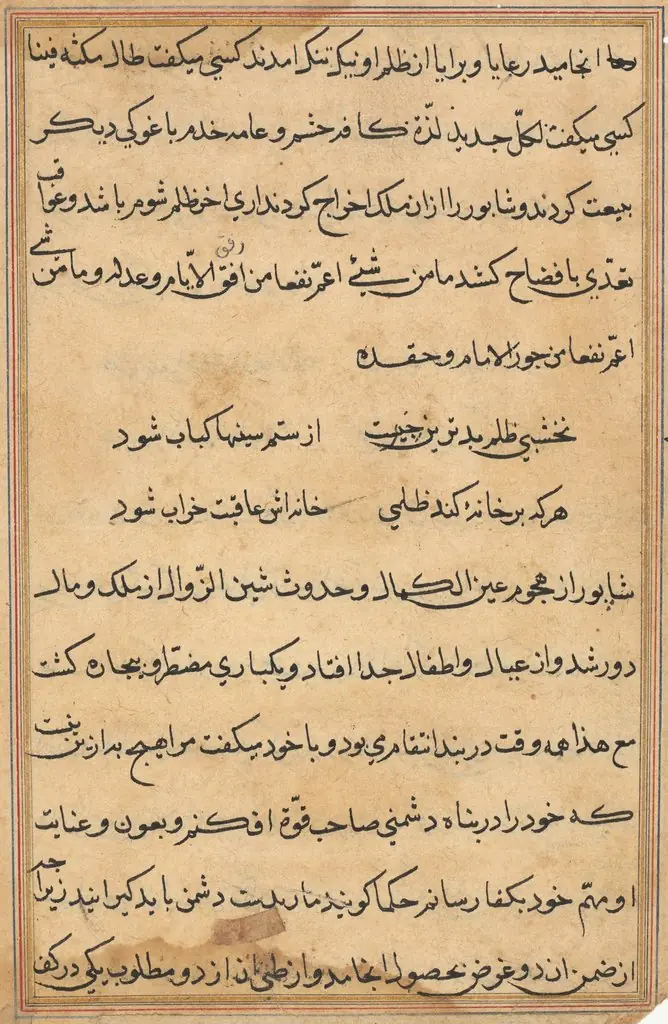
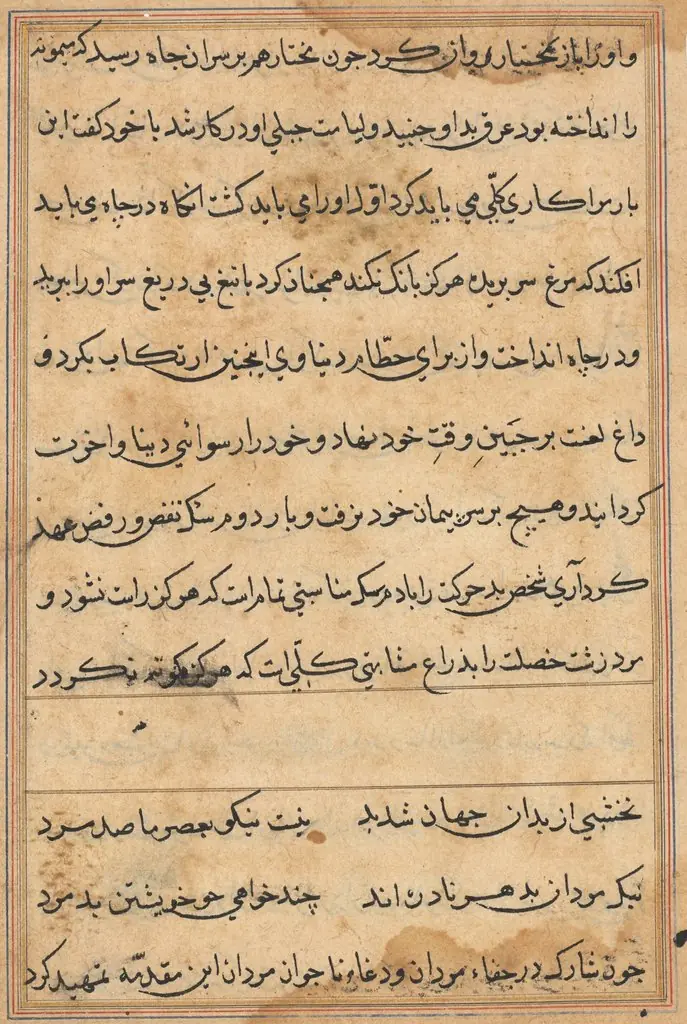
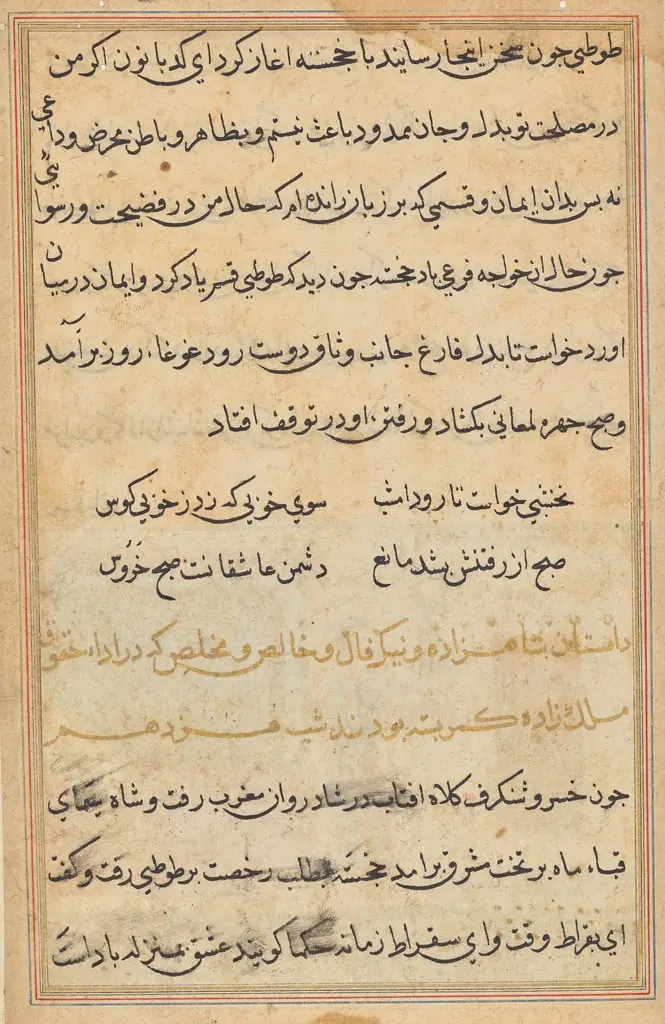
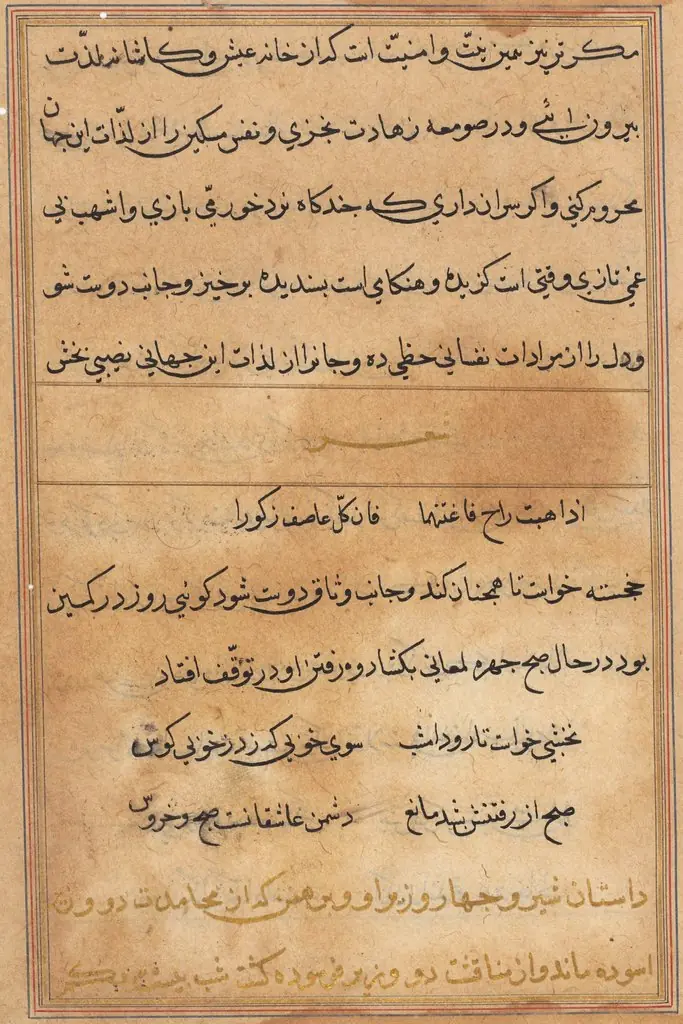
Page from Tales of a Parrot (Tuti-nama): text page is an unspecified painting. It dates from 1560 and is held in the collection of the Cleveland Museum of Art. The object is a single folio from the illustrated manuscript known as *Tales of a Parrot* (Tuti‑nama).
About this work
Overview
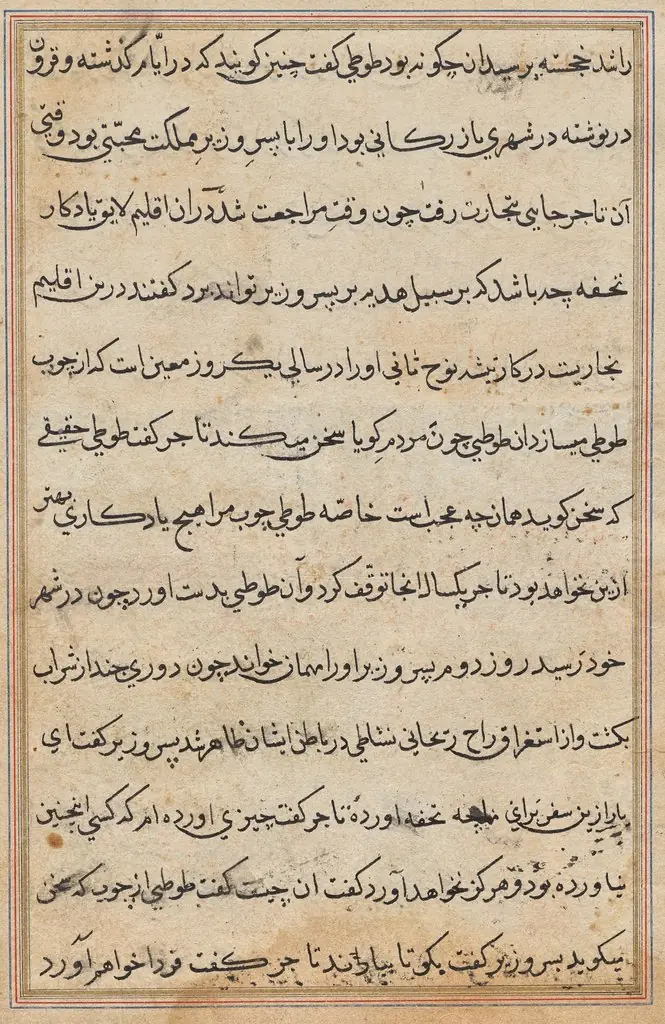
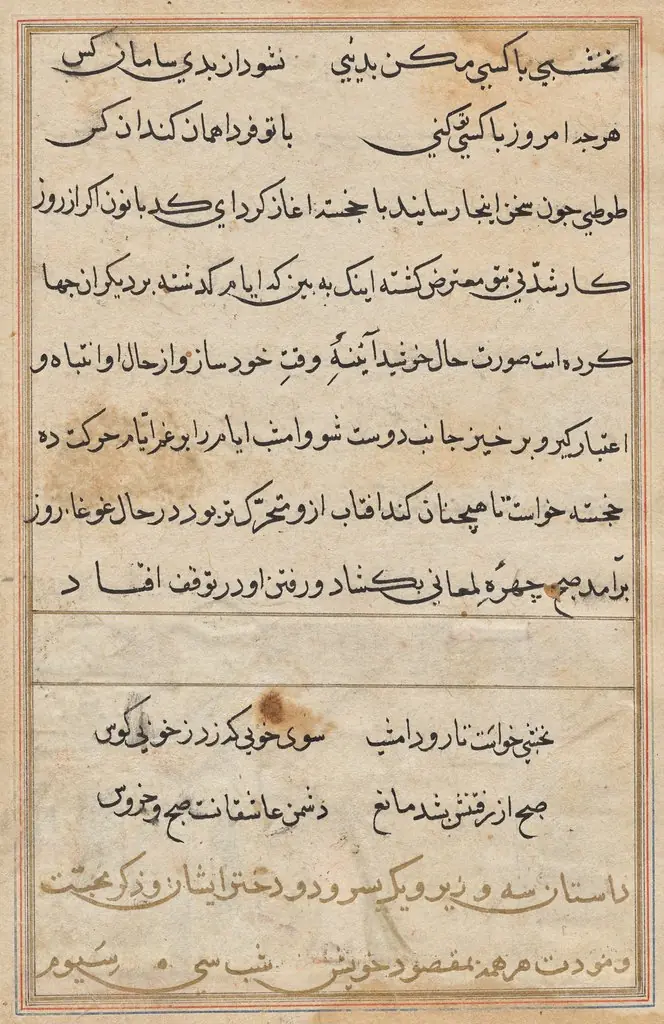
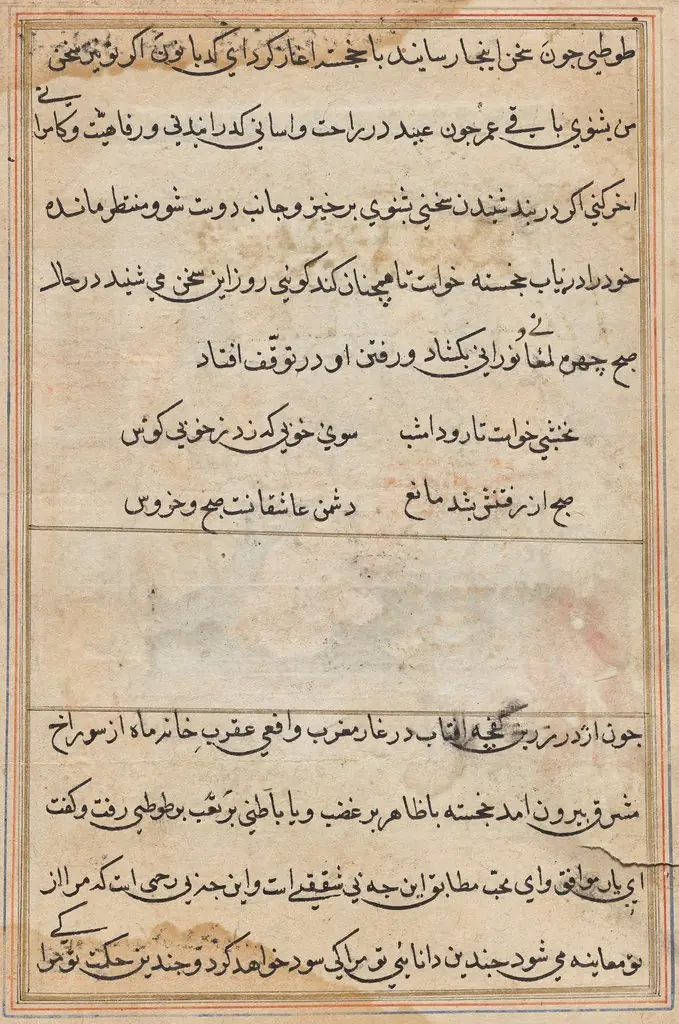
The object is a single folio from the illustrated manuscript known as *Tales of a Parrot* (Tuti‑nama). The sheet consists of a paper surface bearing dense black calligraphy arranged in orderly rows, framed by thin red and blue lines that form a decorative border.
Subject & Meaning
The page contains narrative text, presumably a segment of the collection of stories traditionally recounted in the *Tuti‑nama*, a Persian work that blends moral instruction with entertainment. The precise, rhythmic hand suggests an emphasis on readability and reverence for the literary content.
Technique & Style
The script is rendered in a fine, black ink applied with a controlled hand; occasional larger or bolder characters introduce visual cadence. The paper exhibits a warm, slightly browned patina, indicating age, while the bordering lines are executed in red and blue pigments that contrast with the monochrome text.
History & Provenance
The manuscript was produced for Prince Salim, a high‑ranking patron whose identity situates the work within a courtly context. Its survival as an individual page indicates it was likely detached from a larger codex for preservation or study.
Context
*Tales of a Parrot* belongs to a tradition of Persian storytelling manuscripts that flourished under royal patronage, where elaborate calligraphy and modest decorative elements complemented the literary prestige of the text.
Legacy
Although only a fragment, the page exemplifies the convergence of literary art and visual refinement characteristic of Persian court manuscripts, offering scholars insight into the material culture of elite patronage during its period of production.
Artist & collection

 Page from Tales of a Parrot (Tuti-nama): text page
 Page from Tales of a Parrot (Tuti-nama): text page
 Page from Tales of a Parrot (Tuti-nama): text page
 Page from Tales of a Parrot (Tuti-nama): text page
 Page from Tales of a Parrot (Tuti-nama): text page
 Page from Tales of a Parrot (Tuti-nama): text page
 Page from Tales of a Parrot (Tuti-nama): text page
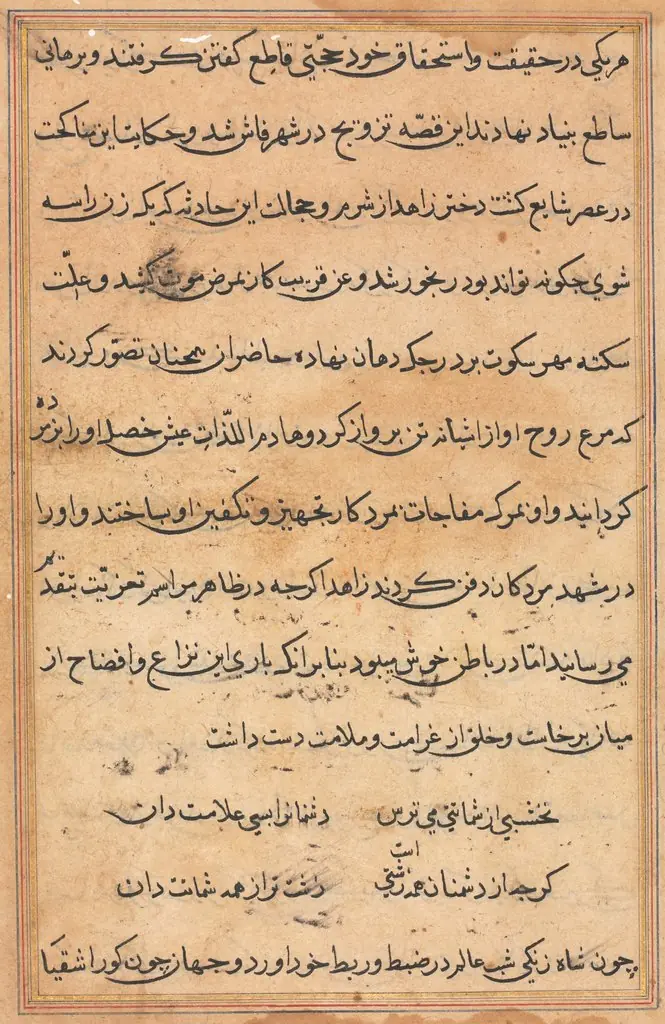 Page from Tales of a Parrot (Tuti-nama): text page
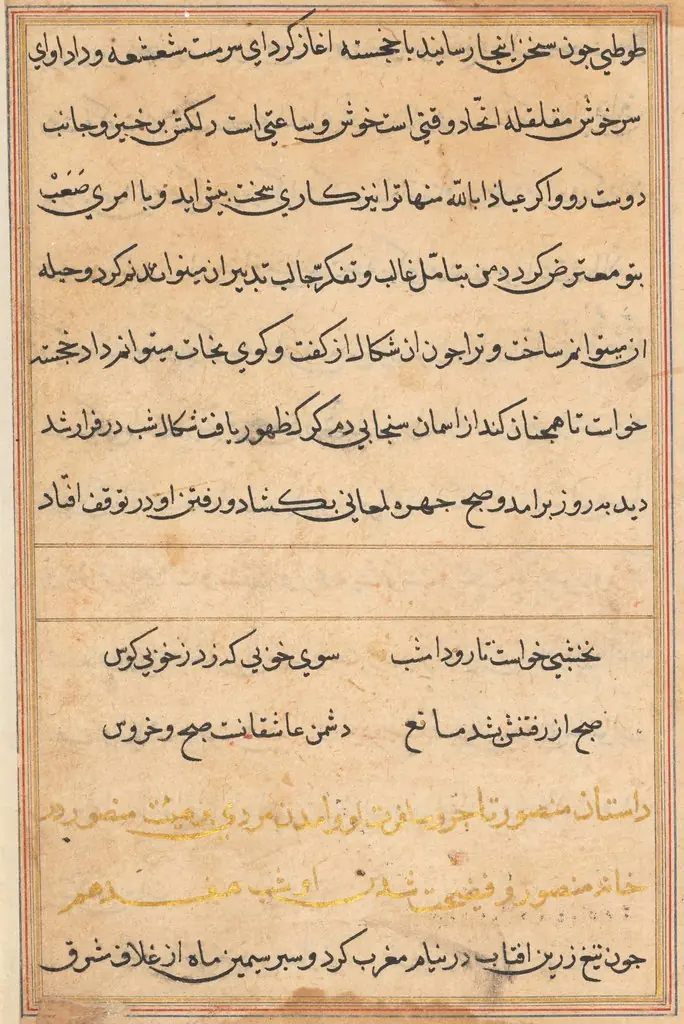 Page from Tales of a Parrot (Tuti-nama): text page
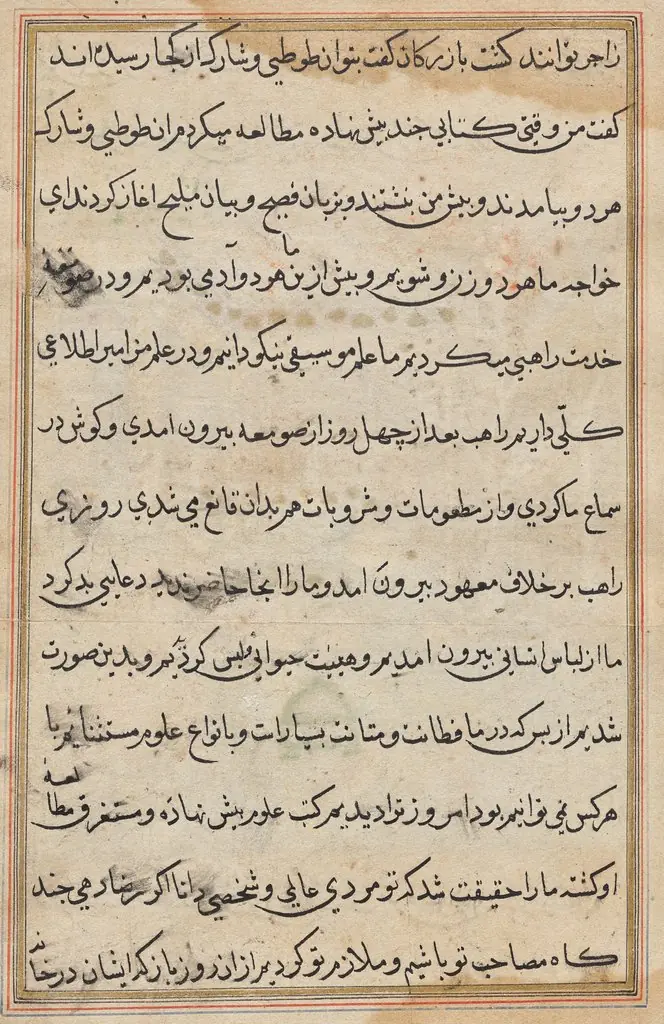 Page from Tales of a Parrot (Tuti-nama): text page