Artwork
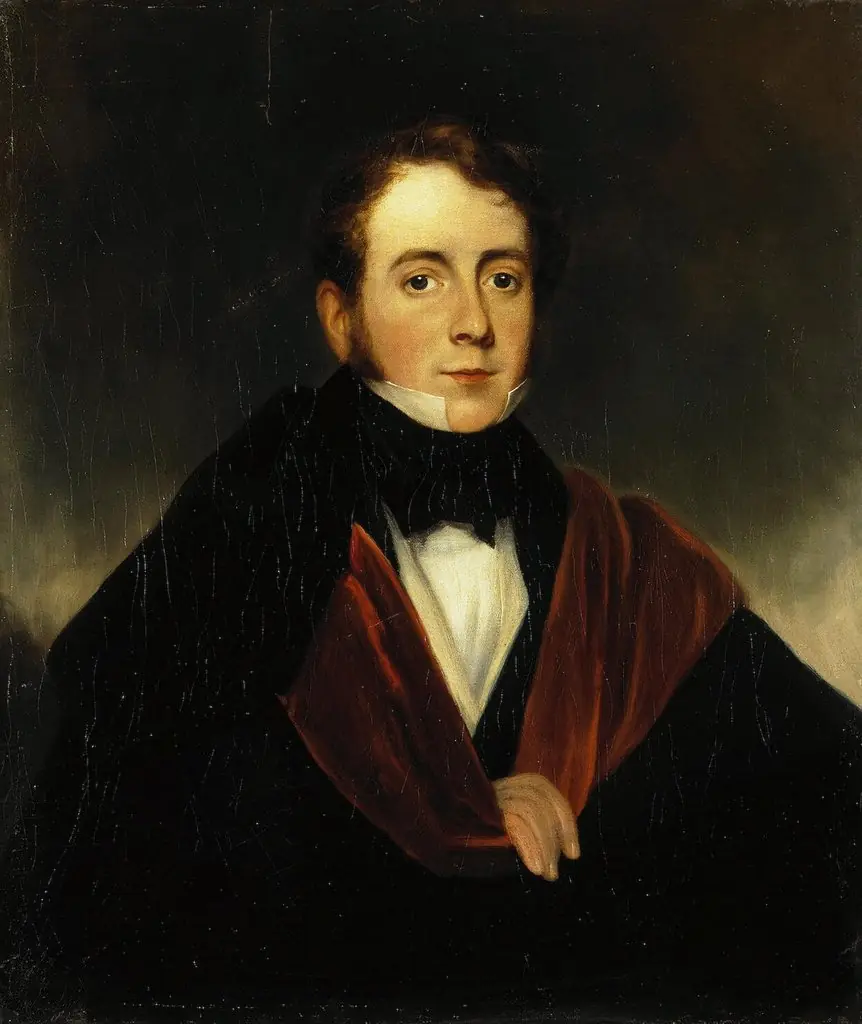
Portrait of a Man in a Black Frock Coat
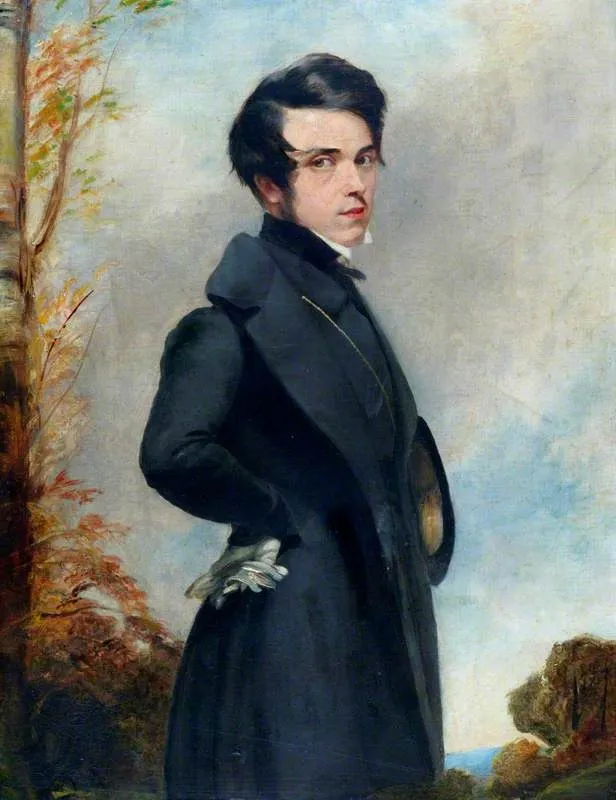
Portrait of a Man in a Black Frock Coat is an unspecified painting by the Biedermeier artist Unknown. It dates from 1830 and is held in the collection of the Victoria and Albert Museum. This oil painting depicts a man in formal attire, standing calmly against a quiet natural backdrop.
About this work
Overview
This oil painting depicts a man in formal attire, standing calmly against a quiet natural backdrop. The composition centers on his upright posture and restrained expression, with the landscape behind him rendered in soft tones to avoid distraction. The balance between figure and environment suggests a deliberate harmony, emphasizing dignity rather than drama.
Subject & Meaning
The subject is a man dressed in a black frock coat, white shirt, and black bow tie—attire associated with mid-19th-century bourgeois professionalism. His pose, with one hand resting on his hip, conveys quiet confidence without ostentation. The absence of symbolic objects or elaborate setting implies an emphasis on personal presence rather than social status or narrative.
Technique & Style
The artist employs subtle gradations of color to model the figure, with the dark coat contrasting against the lighter shirt and tie. Brushwork is controlled, particularly in the rendering of fabric and hair, while the background is painted with looser, atmospheric strokes. This contrast directs attention to the subject while integrating him into a tranquil, natural world.
History & Provenance
The painting’s origin and early ownership remain undocumented in public records. It has been held in private collections since at least the early 20th century, with no known exhibition history prior to the late 1900s. Its attribution to a specific artist has not been conclusively established, though stylistic elements align with mid-1800s European portraiture.
Context
Created during a period when formal portraiture was common among the urban middle class, the work reflects a shift from aristocratic grandeur to understated individuality. The inclusion of a natural landscape, though subdued, echoes contemporary tastes for connecting personal identity with serene, unspoiled nature—a trend seen in both painting and photography of the era.
Legacy
Though not widely known or reproduced, the painting exemplifies a quiet genre of 19th-century portraiture that valued composure and subtlety over spectacle. It contributes to the broader understanding of how non-elite individuals sought to represent themselves through controlled, dignified imagery during a time of social and technological change.
Artist & collection

 Domestic Scene
 Giacomo and Cardinal Marco, investing Andrea, Abbot of San Zeno, with his Benefice
 The Nymph of Fontainebleau
 Portrait of a Woman
 Madonna and Child with Saints in the Enclosed Garden
 Venus and Minerva
 Family Group of Four on Sofa
 Wall painting from Room H of the Villa of P. Fannius Synistor at Boscoreale
 Portrait of a Man
 Pryse Loveden 1815-1855 (copy)
 Self Portrait
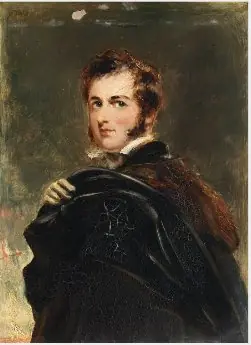 Portrait of William Lamb, 2nd Viscount Melbourne (1779-1848), Statesman
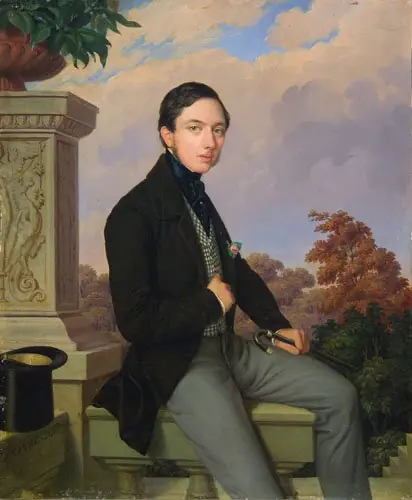 Portrait of György Lenhossék
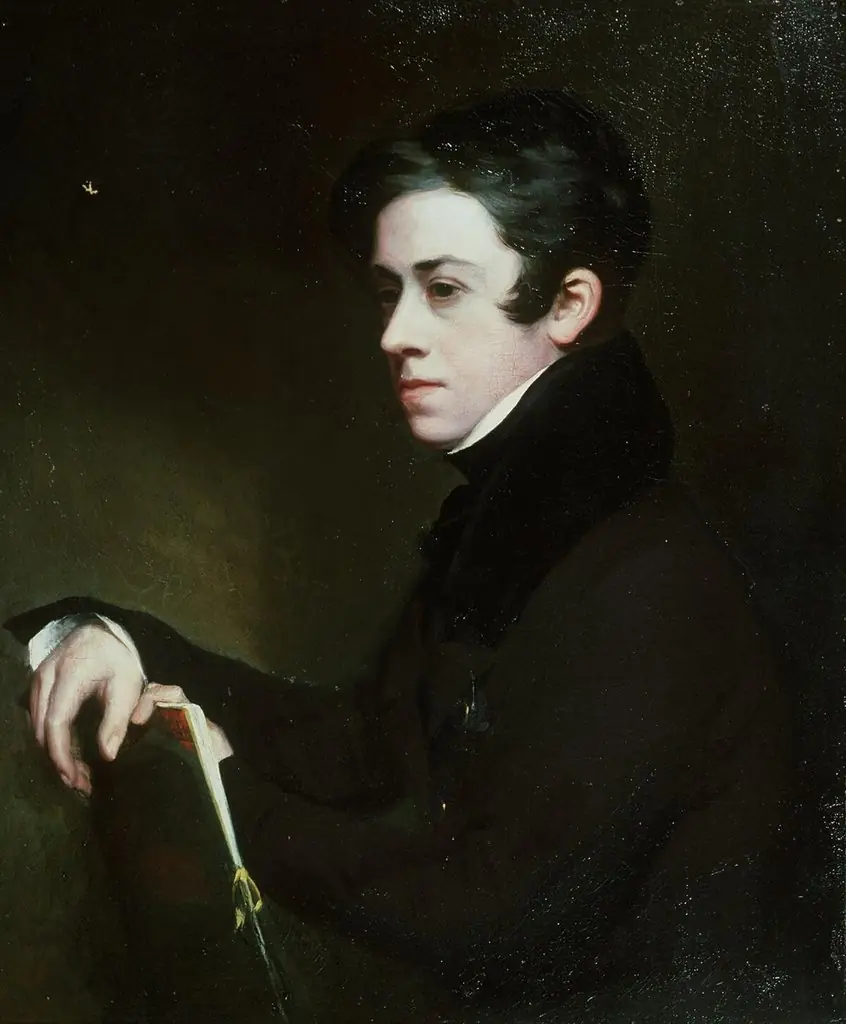 Thomas Brigstocke
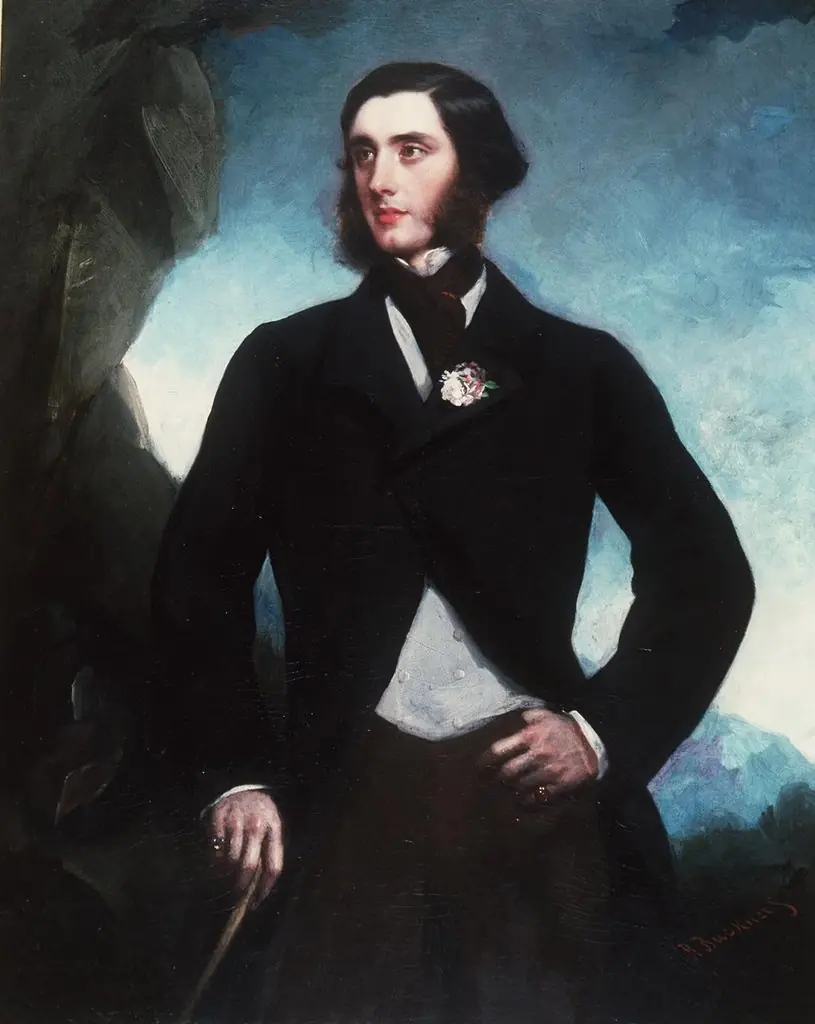 William Graham Vivian (1827-1912)
 Sir Frederic Madden (1801–1873), Keeper of Manuscripts (1837–1866)
 Self-Portrait of Carl Edward Bolin
 Henry Thornely