Artwork
William Graham Vivian (1827-1912)
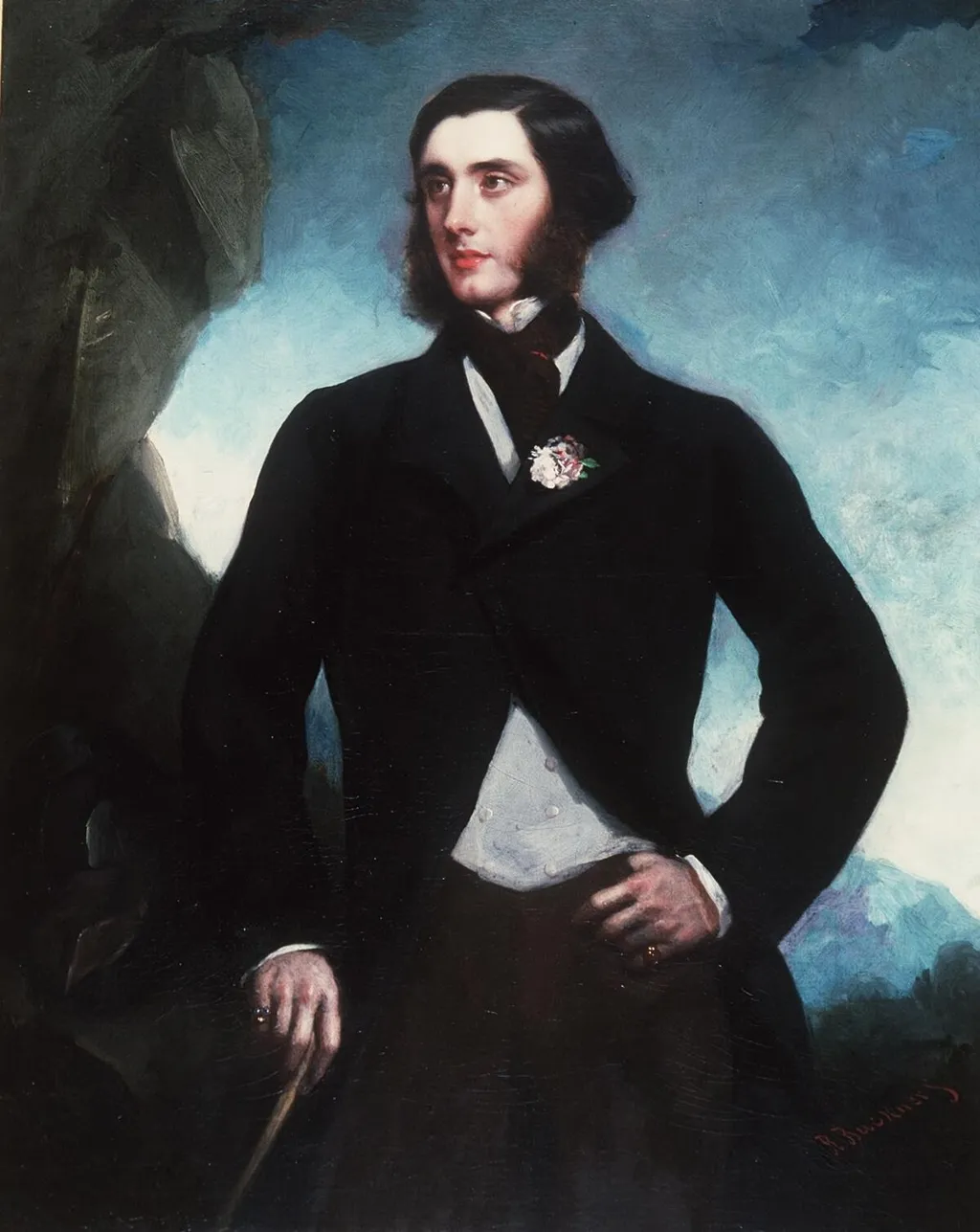
William Graham Vivian (1827-1912) is an oil painting by the British Romanticist artist Richard Buckner. It dates from 1860 and is held in the collection of the National Library of Wales.
About this work
Overview
The work is part of the National Library of Wales’s collection, where it serves as a record of individual identity within a structured social hierarchy.
This 1860 oil portrait by Richard Buckner captures William Graham Vivian, a notable figure of mid-Victorian Britain. Executed in the traditional manner of British portraiture, the painting reflects the era’s emphasis on dignity and social standing. Buckner, active in London from the 1840s to 1870s, specialized in depicting members of the professional and upper classes. The work is part of the National Library of Wales’s collection, where it serves as a record of individual identity within a structured social hierarchy.
Subject & Meaning
William Graham Vivian is portrayed with composed formality, his serious expression and direct gaze to the left conveying quiet authority. His attire—black suit, white shirt, and black bow tie—signals urban professionalism, while the white flower on his lapel and the cane suggest refined personal taste. The ring on his left hand implies status or familial connection. The pose, with one hand on the hip, balances restraint with subtle confidence, reflecting Victorian ideals of self-possession and decorum.
Technique & Style
Buckner employs a restrained palette and smooth brushwork typical of mid-19th-century British portraiture. The dark tones of the suit contrast with the pale shirt and the soft blue sky background, drawing focus to the sitter’s face and posture. The rendering of fabric and texture is precise but not overly detailed, avoiding theatricality. The clouds in the background are lightly suggested, providing atmospheric depth without distracting from the subject’s presence.
History & Provenance
Commissioned during the height of Buckner’s career, the portrait likely originated as a private commission, possibly for Vivian’s family or professional circle. It entered the National Library of Wales’s collection through documented acquisition, though the exact path from private ownership to institutional custody remains unrecorded. Its preservation reflects the institution’s interest in documenting Welsh-connected figures of the Victorian era, even when the sitter’s direct ties to Wales are not fully established.
Context
In the 1860s, formal portraiture remained a key medium for asserting social identity among Britain’s middle and upper classes. Artists like Buckner catered to a clientele seeking to document their status through visual representation. Vivian’s image aligns with contemporaneous trends: sober dress, controlled expression, and minimal background detail. Such portraits functioned as both personal mementos and public assertions of respectability within a rapidly changing society.
Legacy
The portrait endures as a representative example of Victorian-era portraiture, illustrating the conventions of its time without overt individualism. While Richard Buckner is not widely remembered today, his body of work contributes to the visual archive of 19th-century British life. Vivian’s likeness, preserved in a national collection, continues to offer insight into the aesthetics and values of middle-class identity during the Industrial Age.
Own this work as a print
Artist & collection
Artist
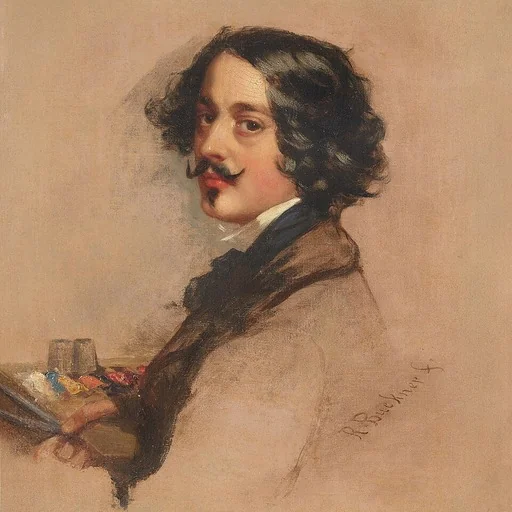
Richard Buckner (1812–1883) of Cleveland Row in St James's, London was an English painter best known for his prolific portraiture, particularly of Victorian society ladies (1840–1877).

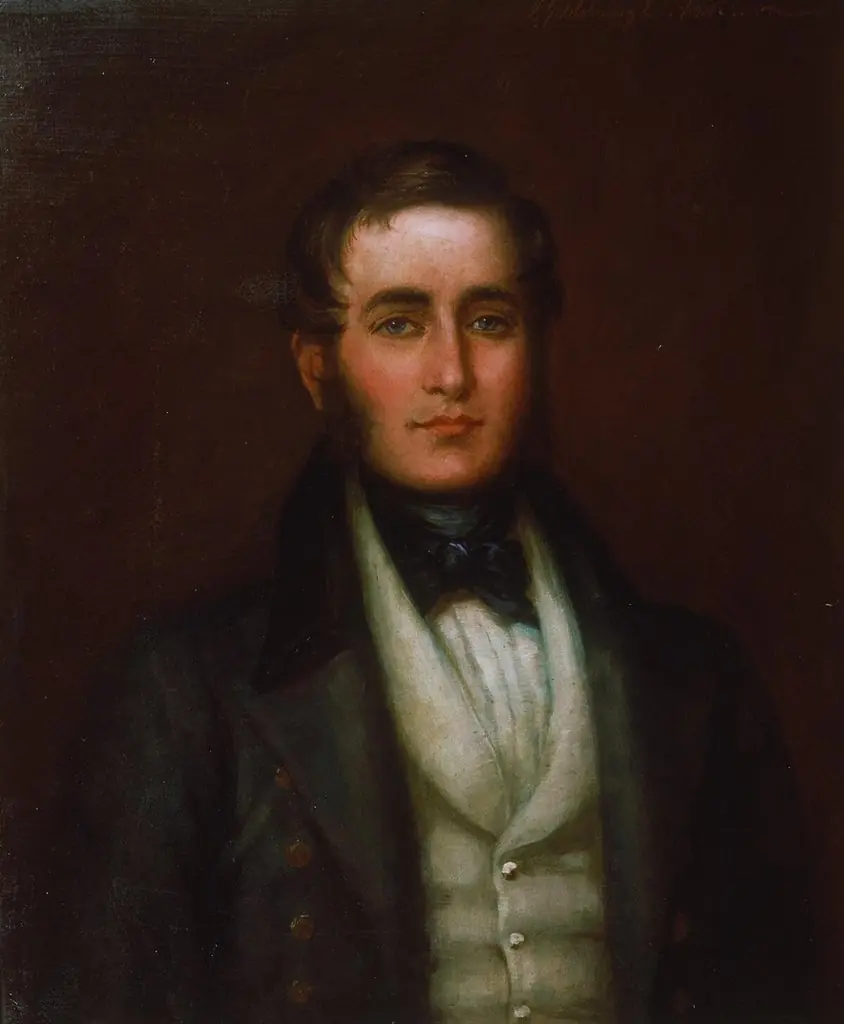 Pryse Loveden 1815-1855 (copy)
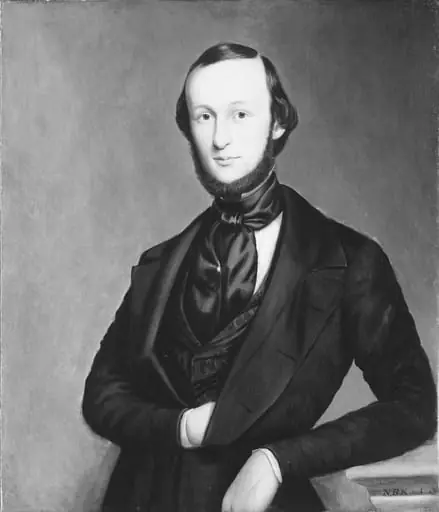 Charles Henry Augustus Carter
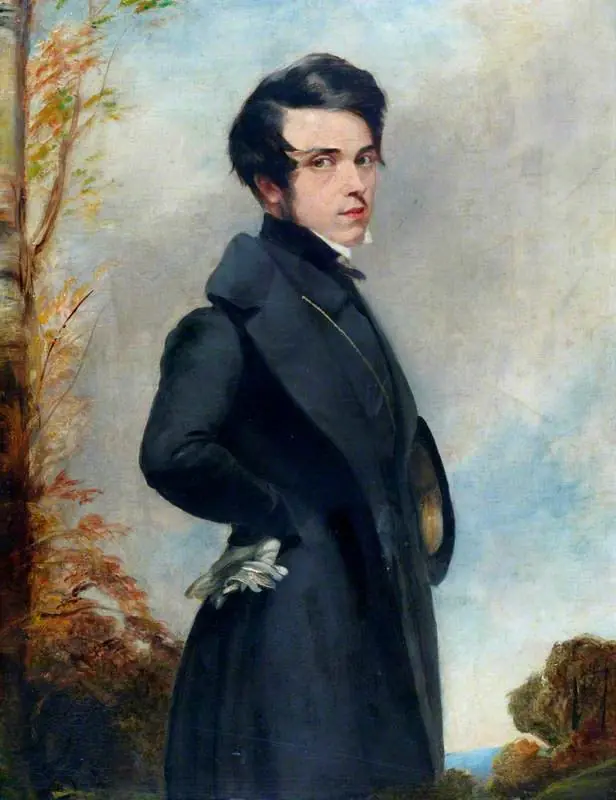 Portrait of a Man in a Black Frock Coat
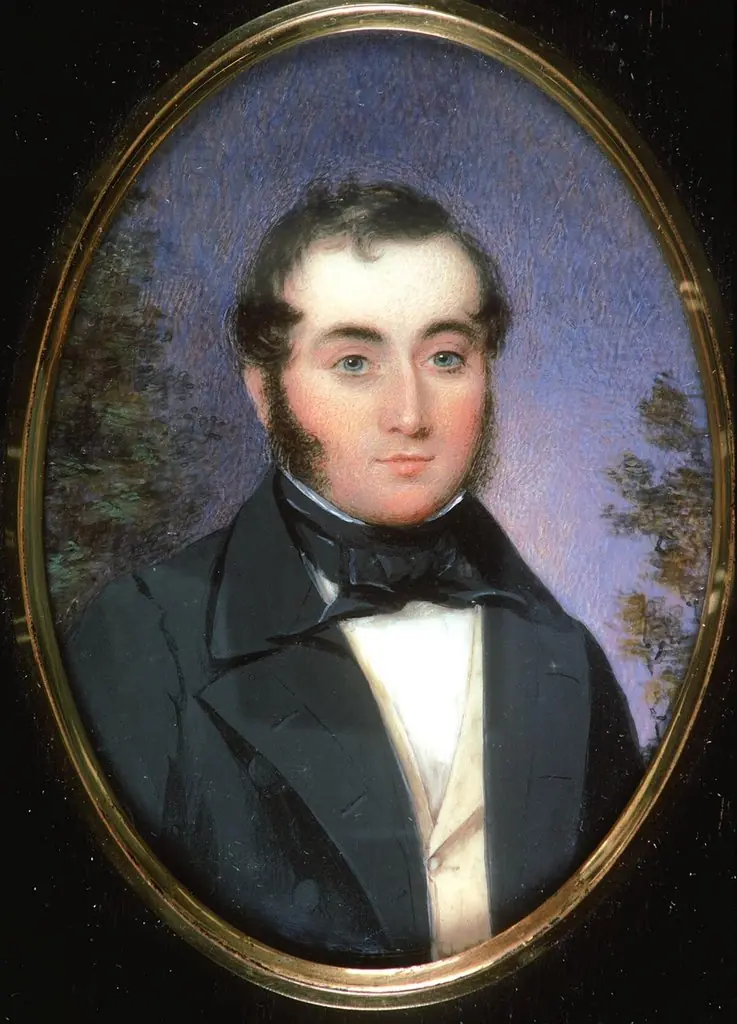 Gentleman in black coat
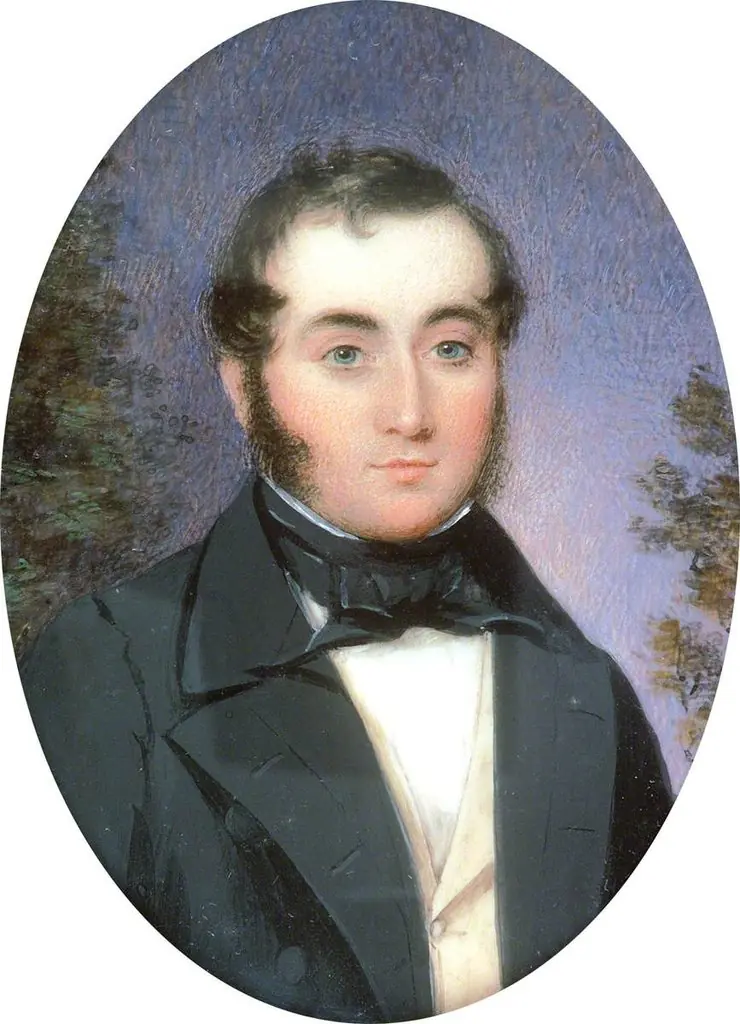 Portrait of a Gentleman in a Black Coat
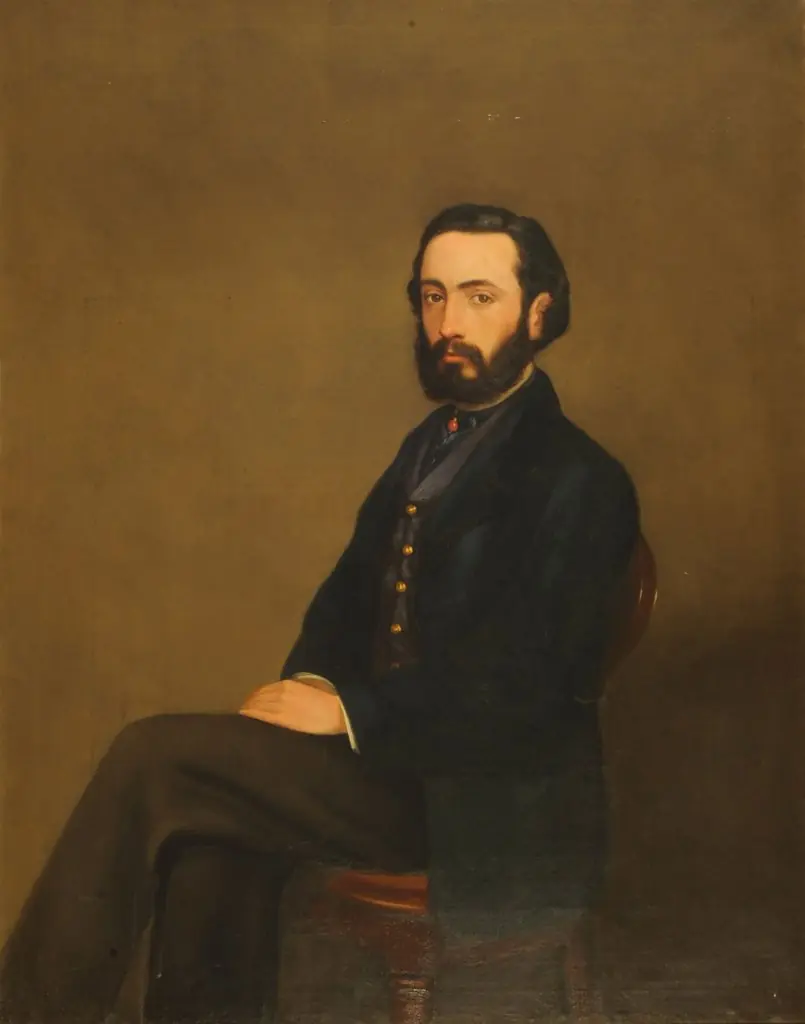 Selbstporträt
 John Constable
 An officer in military uniform
 Powell MacRae
 James, Lord Ruthven
 Portrait of Frederick H. Hemming
 Portrait of Józef Węgleński