Artwork
Herzog Albrecht Kasimir August von Sachsen-Teschen (1738-1822 als Oberst - Inhaber seines Kürassierregiments. 1791)
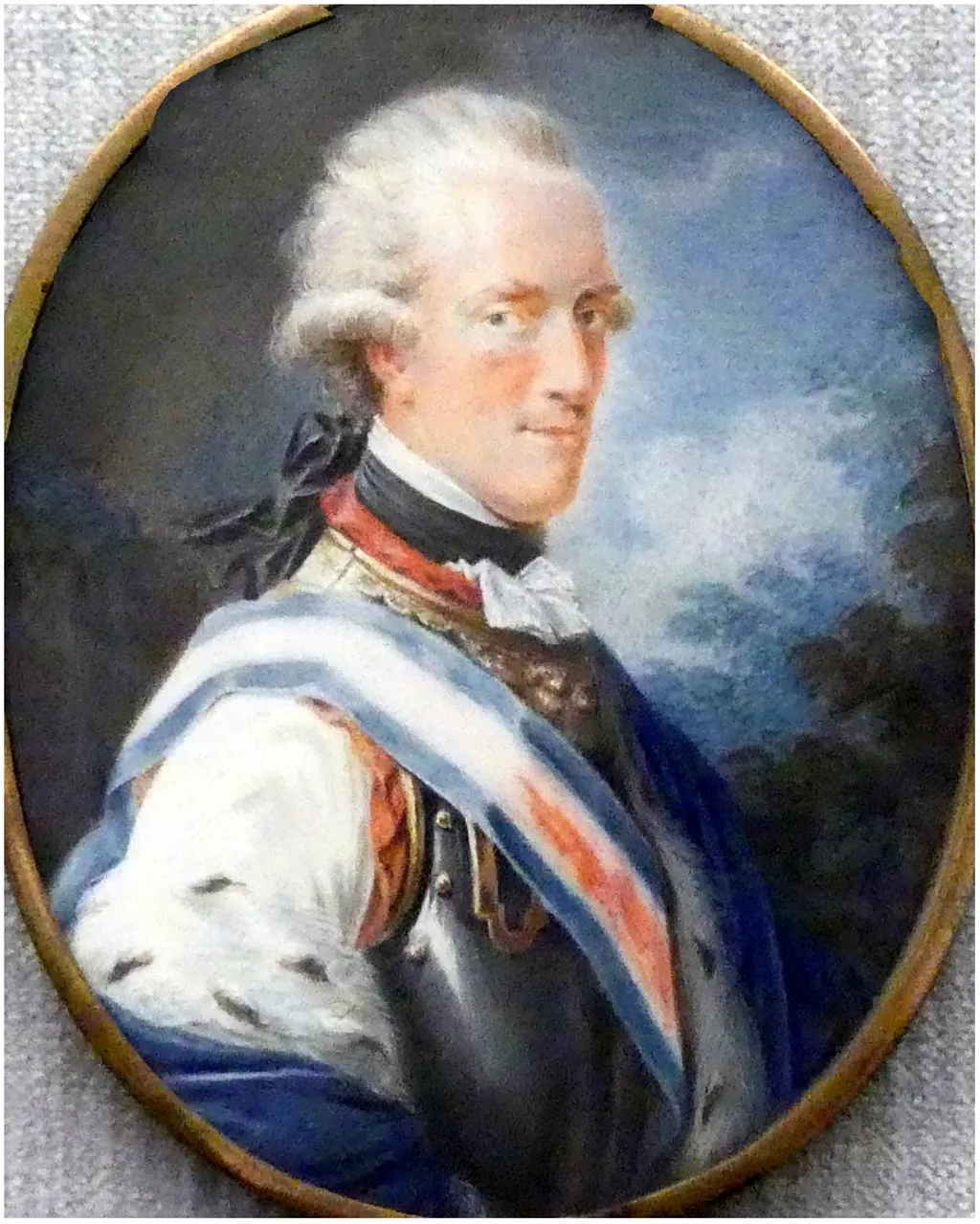
Herzog Albrecht Kasimir August von Sachsen-Teschen (1738-1822 als Oberst - Inhaber seines Kürassierregiments. 1791) is a watercolor painting by the Rococo painting artist Unknown. It dates from 1796 and is held in the collection of the Gemäldegalerie Berlin.
About this work
Overview
Executed in 1791, the work reflects the tradition of intimate, high-status portraiture favored in Central European courts.
This small portrait in ivory captures Herzog Albrecht Kasimir August von Sachsen-Teschen, a military commander and nobleman, depicted in his role as colonel and proprietor of a cuirassier regiment. Executed in 1791, the work reflects the tradition of intimate, high-status portraiture favored in Central European courts. The medium of ivory, rare for its delicacy and luminosity, underscores the subject’s elevated social standing and the precision expected in aristocratic likenesses.
Subject & Meaning
The duke is portrayed in uniform, his white hair and composed expression conveying age and authority. The blue and white sash signifies his military rank and affiliation with a specific regiment, while the dark vest and white shirt reflect formal military dress of the period. The portrait does not emphasize battle or triumph but rather dignified command, aligning with Enlightenment ideals of noble responsibility and restrained leadership.
Technique & Style
Rendered on ivory, the portrait employs fine brushwork to capture subtle textures: the sheen of silk, the softness of hair, and the crispness of fabric folds. The artist uses muted tones with strategic highlights to model the face and sash, creating a sense of volume without overt drama. The background is left unadorned, focusing attention entirely on the figure and reinforcing the intimacy typical of miniature portraiture.
History & Provenance
Commissioned in 1791, the portrait likely originated in the Habsburg court circles where the duke held military and administrative posts. It remained within family collections until the 19th century, possibly transferred through marriage alliances or state service. Its survival in ivory, rather than oil, suggests it was intended for private display or as a personal keepsake among close associates.
Context
In late 18th-century Austria, noble officers often commissioned portraits to affirm their status within the military hierarchy. Ivory miniatures were prized for their portability and exclusivity, frequently exchanged among aristocrats or carried as tokens of loyalty. This work reflects the intersection of military identity and aristocratic self-representation during a period of reform and conflict in the Habsburg domains.
Legacy
The portrait stands as a quiet testament to the role of personal imagery in aristocratic culture, where visual identity reinforced social and institutional ties. Though not widely exhibited, it contributes to the understanding of how military leadership was visually codified in small-scale formats. Its preservation offers insight into the material culture of Central European nobility beyond grand public monuments.
Artist & collection

 Domestic Scene
 Giacomo and Cardinal Marco, investing Andrea, Abbot of San Zeno, with his Benefice
 The Nymph of Fontainebleau
 Portrait of a Woman
 Madonna and Child with Saints in the Enclosed Garden
 Venus and Minerva
 Family Group of Four on Sofa
 Wall painting from Room H of the Villa of P. Fannius Synistor at Boscoreale
 Herzog Clemens Franz de Paula von Bayern
 Bildnis des Kurfürsten Karl Theodor von Pfalz-Bayern (Werkstatt)
 Portrait of Michał Krasiński (1712–1784), marshal general of Bar Confederation
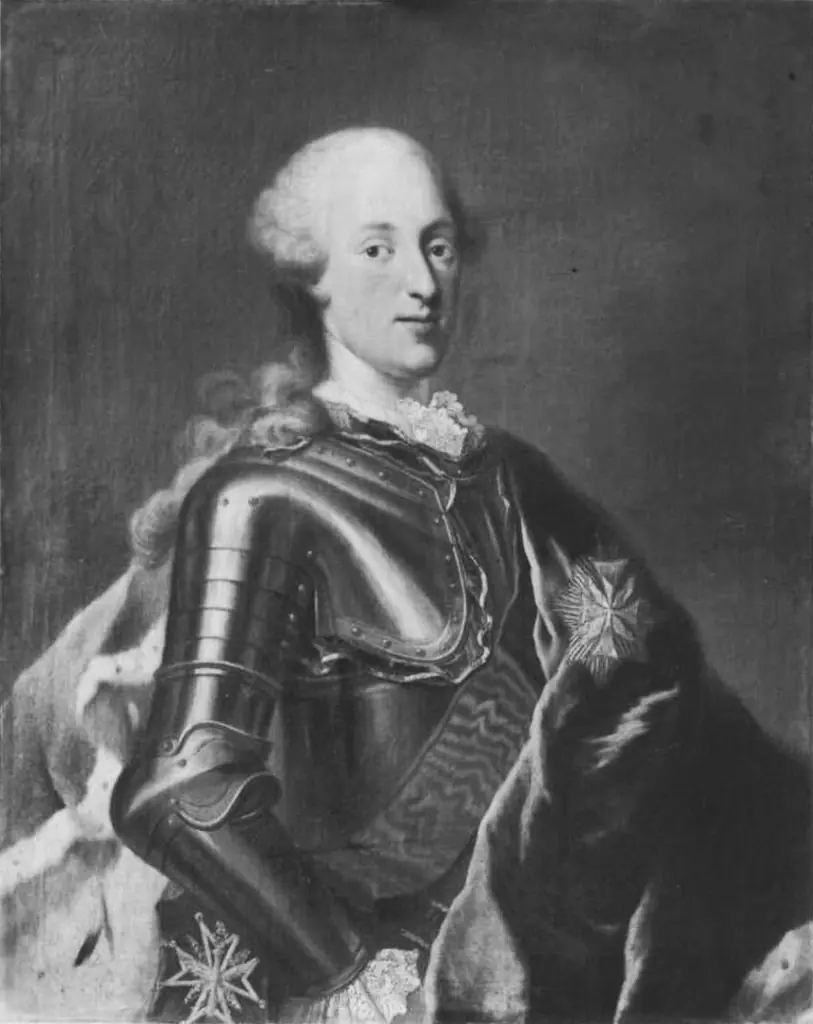 Bildnis eines sächsischen Prinzen
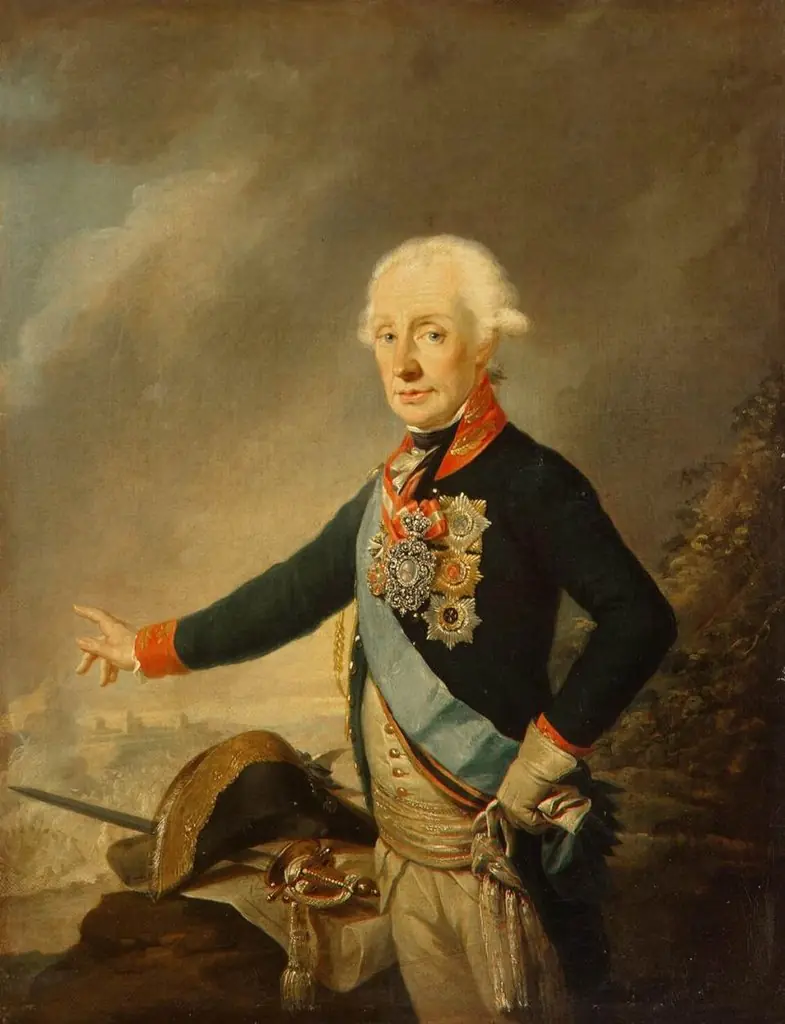 Portrait of Count Alexander Suvorov
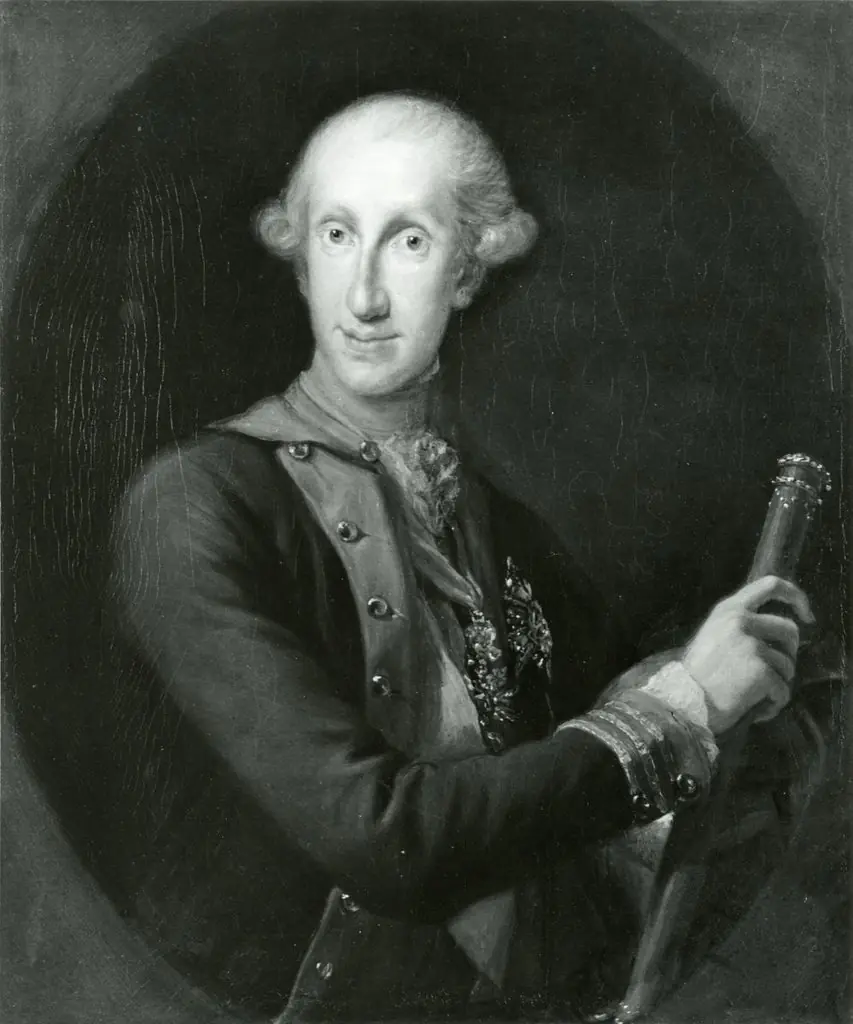 Portrait of Ferdinand IV Bourbon
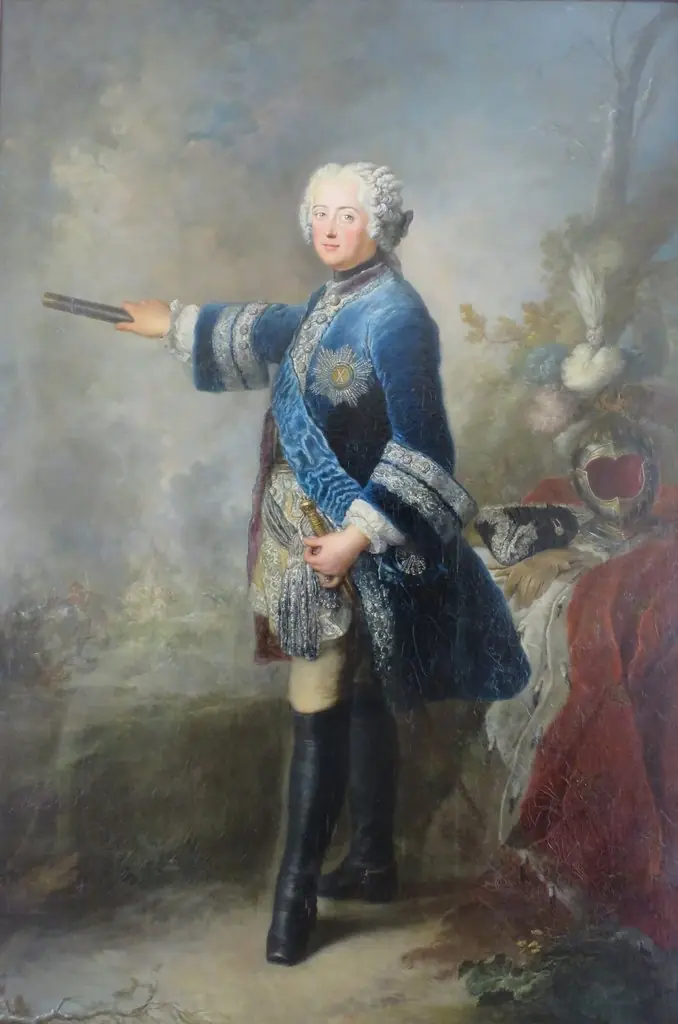 Portrait of Frederick II, King of Prussia
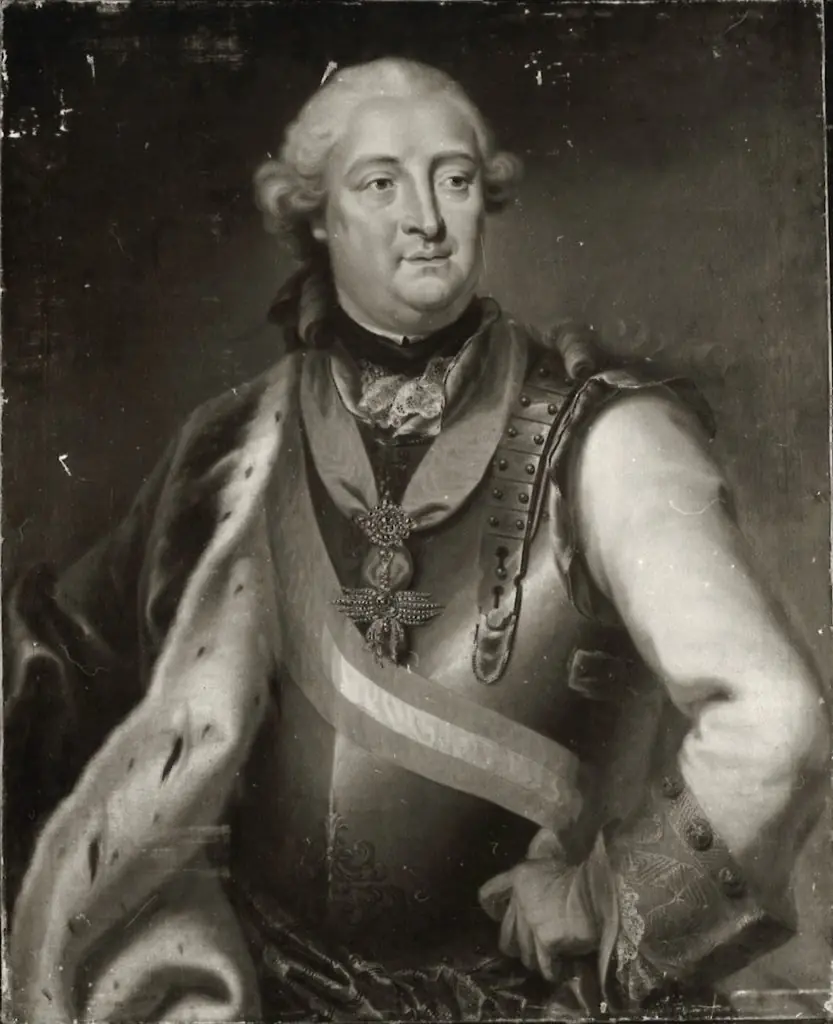 Bildnis des Karl August von Pfalz-Zweibrücken-Birkenfeld
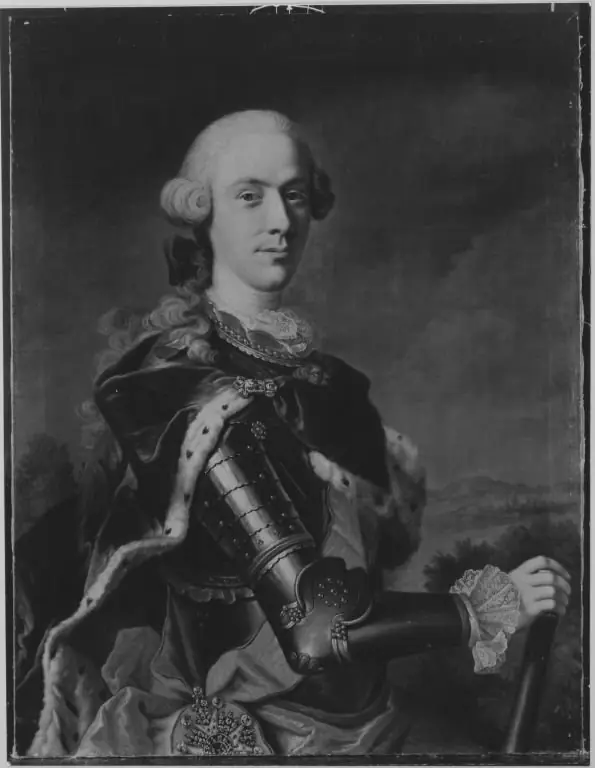 Bildnis von Christian IV., Herzog von Pfalz-Zweibrücken (1722-1775)
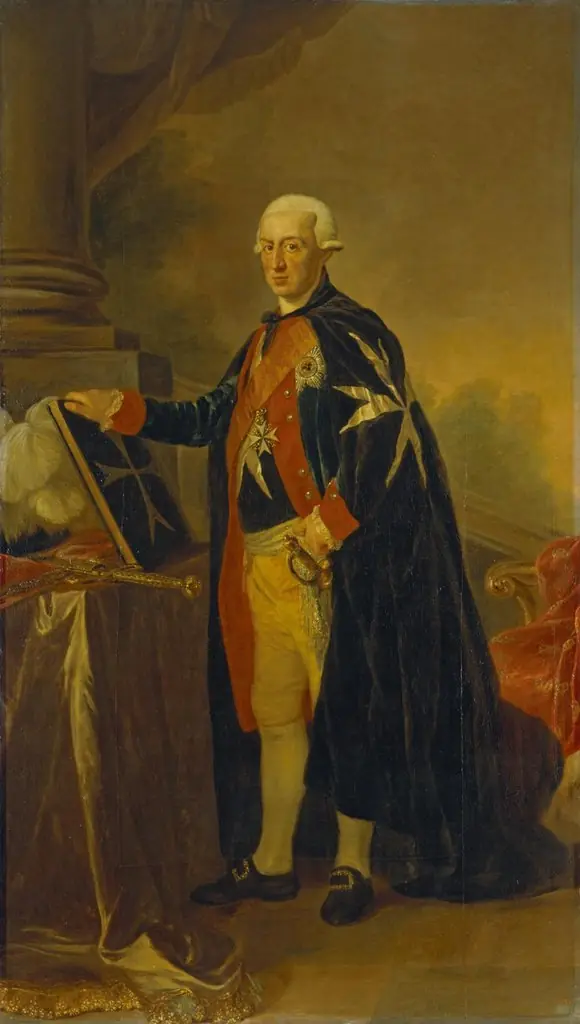 Portrait of Prince Augustus Ferdinand of Prussia
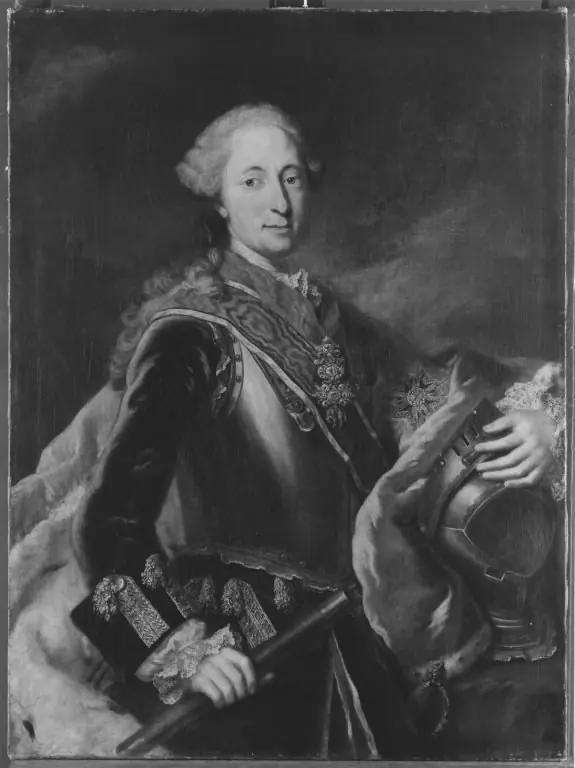 Kurfürst Max III. Joseph von Bayern (zugeschrieben)
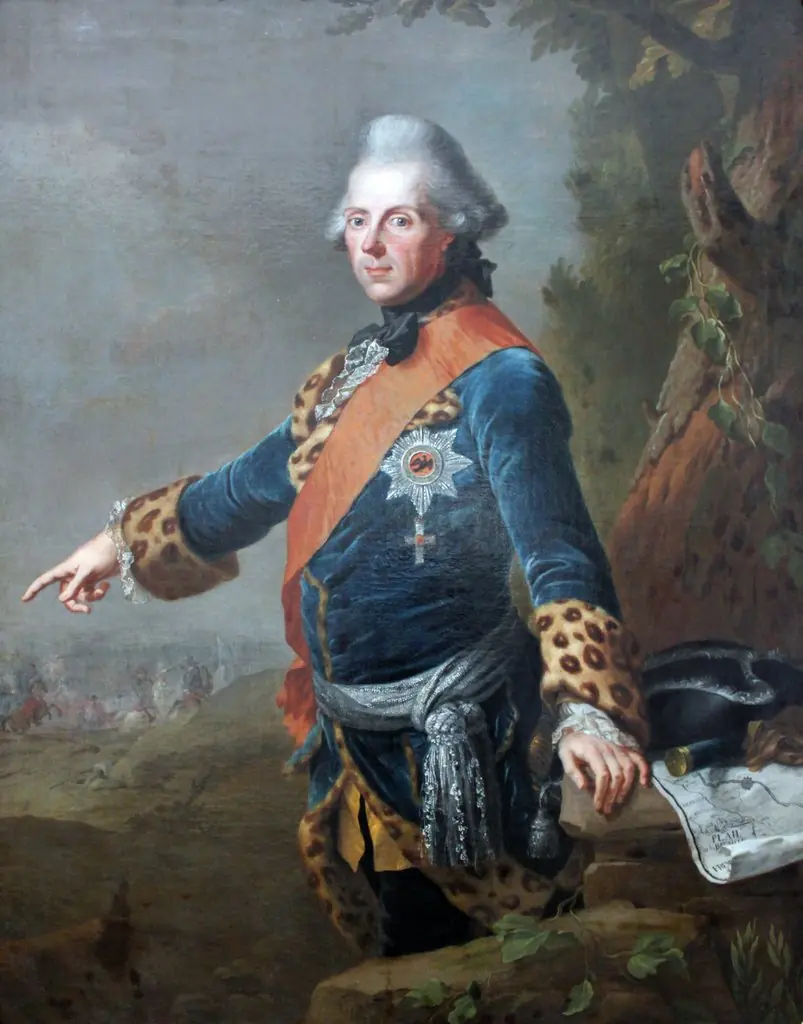 Prince Henry of Prussia (1726-1802)