Artwork
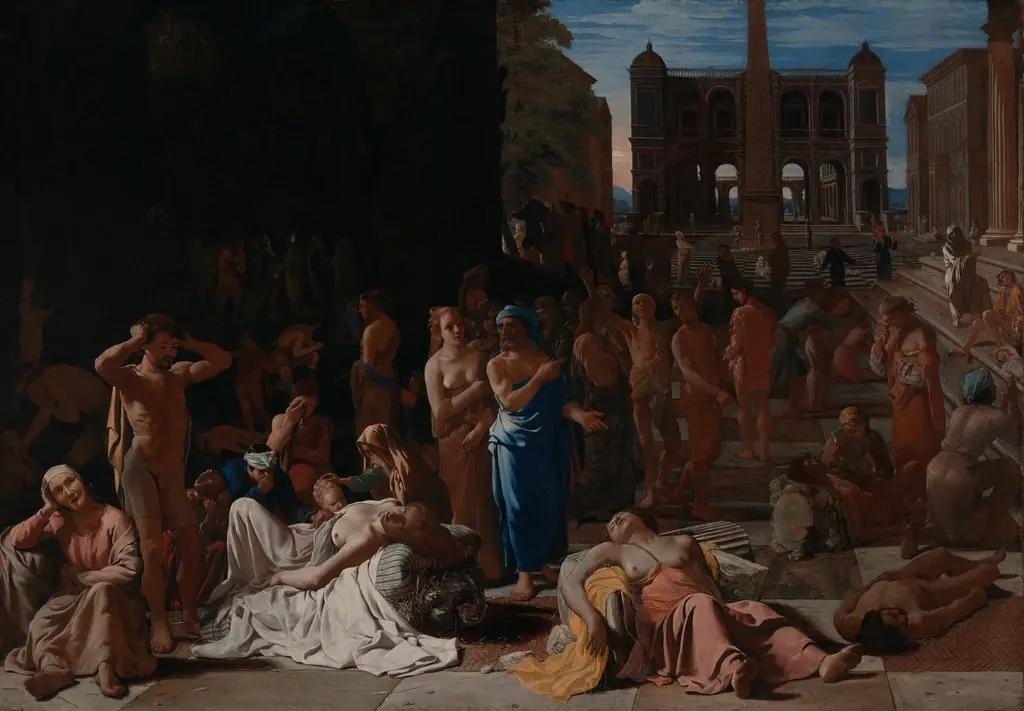
The Plague at Ashdod
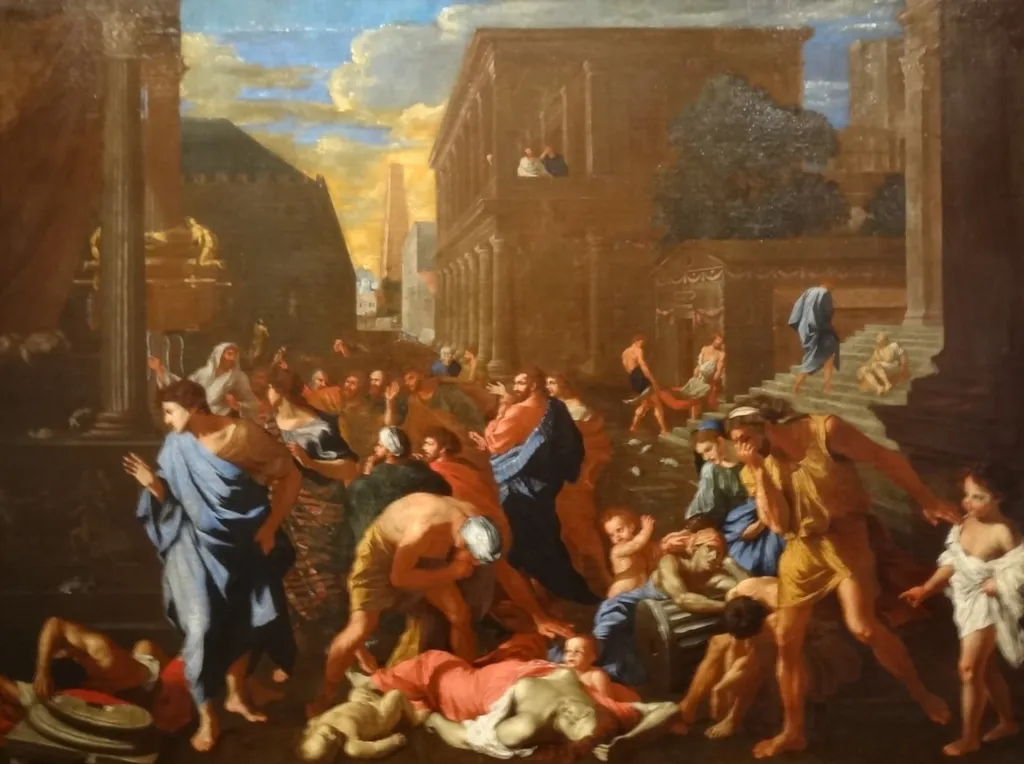
The Plague at Ashdod is an oil painting by the Early Baroque Italian artist Unknown. It dates from 1620 and is held in the collection of the National Museum of Ancient Art.
About this work
Overview
This oil painting captures a moment of crisis in an ancient urban setting, likely inspired by biblical or classical narratives of epidemic disaster.
This oil painting captures a moment of crisis in an ancient urban setting, likely inspired by biblical or classical narratives of epidemic disaster. Figures are shown in disarray—some collapsing, others fleeing—amid stone architecture and draped garments. Warm hues dominate the palette, intensifying the emotional gravity, while bold contrasts of light and shadow heighten the sense of turmoil and physical collapse.
Subject & Meaning
The scene illustrates the outbreak of plague in Ashdod, as described in the Book of Samuel, where divine punishment strikes the Philistine city after they seize the Ark of the Covenant. The chaos reflects both physical suffering and spiritual dread, with the fallen figure at center possibly symbolizing the collapse of power and order under divine retribution.
Technique & Style
The artist employs chiaroscuro to model forms with dramatic lighting, isolating figures in pools of warmth against darker recesses. Thick impasto adds tactile urgency to skin and fabric, while loose brushwork in the background suggests motion and distance. The composition directs the eye toward the central group, reinforcing the narrative focus on suffering and helplessness.
History & Provenance
Painted in the early 17th century, the work emerged during a period when religious themes were frequently revisited in European art. It likely originated in Italy or the Southern Netherlands, where artists responded to Counter-Reformation demands for emotionally charged biblical scenes. Its early ownership remains undocumented, but it entered a public collection by the late 18th century.
Context
Created amid recurring plague outbreaks in Europe, the painting resonated with contemporary fears of disease and divine judgment. Artists often turned to ancient biblical plagues as allegories for present suffering, blending historical narrative with visceral realism. The depiction of classical architecture reflects Renaissance fascination with antiquity, even as the subject matter evoked immediate, lived trauma.
Legacy
The work contributed to a broader tradition of plague imagery in Western art, influencing later depictions of collective suffering. Though not widely exhibited in its time, its emotional intensity and technical vigor secured its place in studies of Baroque religious painting. It remains a reference for how visual art processed societal trauma through historical allegory.
Artist & collection

 Domestic Scene
 Giacomo and Cardinal Marco, investing Andrea, Abbot of San Zeno, with his Benefice
 The Nymph of Fontainebleau
 Portrait of a Woman
 Madonna and Child with Saints in the Enclosed Garden
 Venus and Minerva
 Family Group of Four on Sofa
 Wall painting from Room H of the Villa of P. Fannius Synistor at Boscoreale
 Massacre of the Innocents
 Camillus and the Schoolmaster of Falerii
 Saints Peter and John Healing the Lame Man
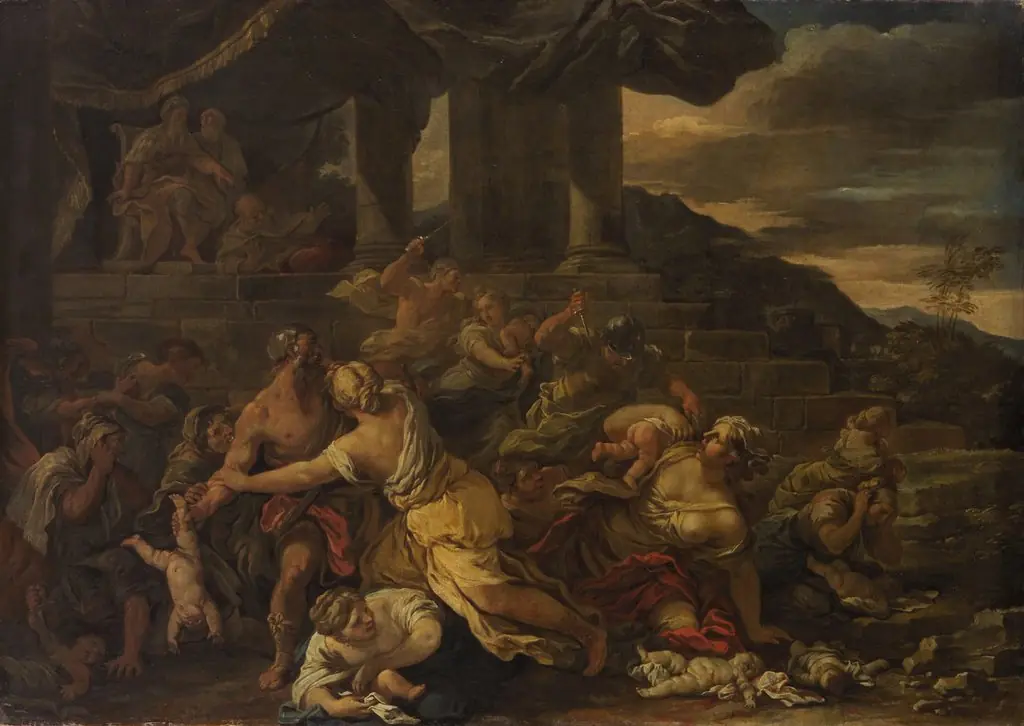 Killing of the Children in Bethlehem
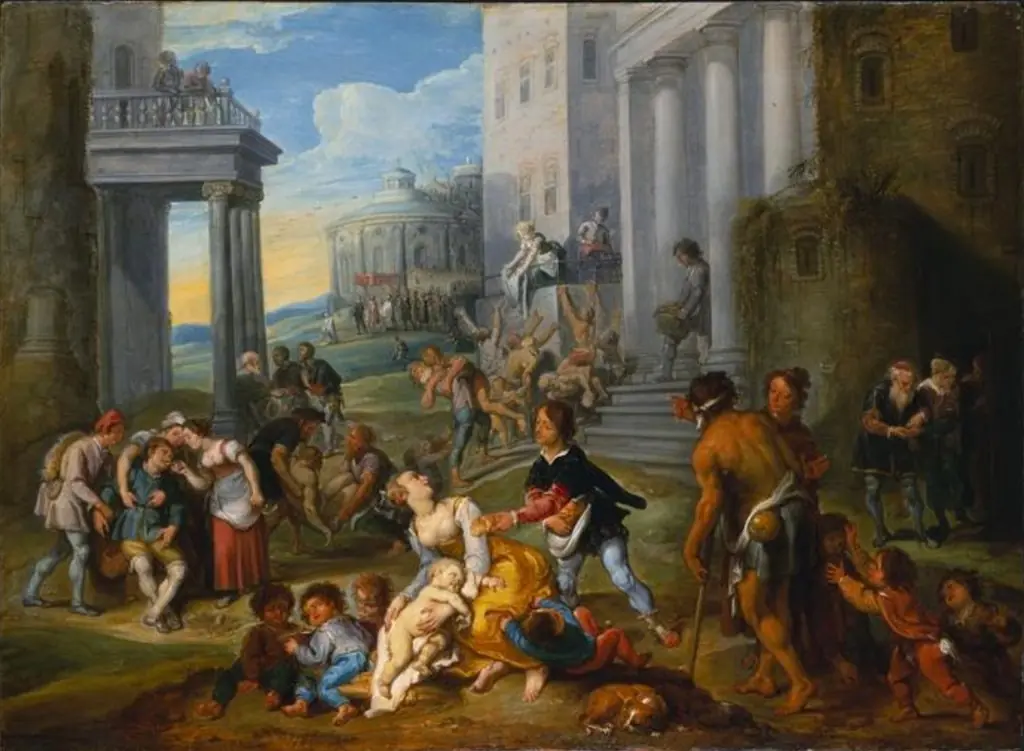 The seven works of mercy
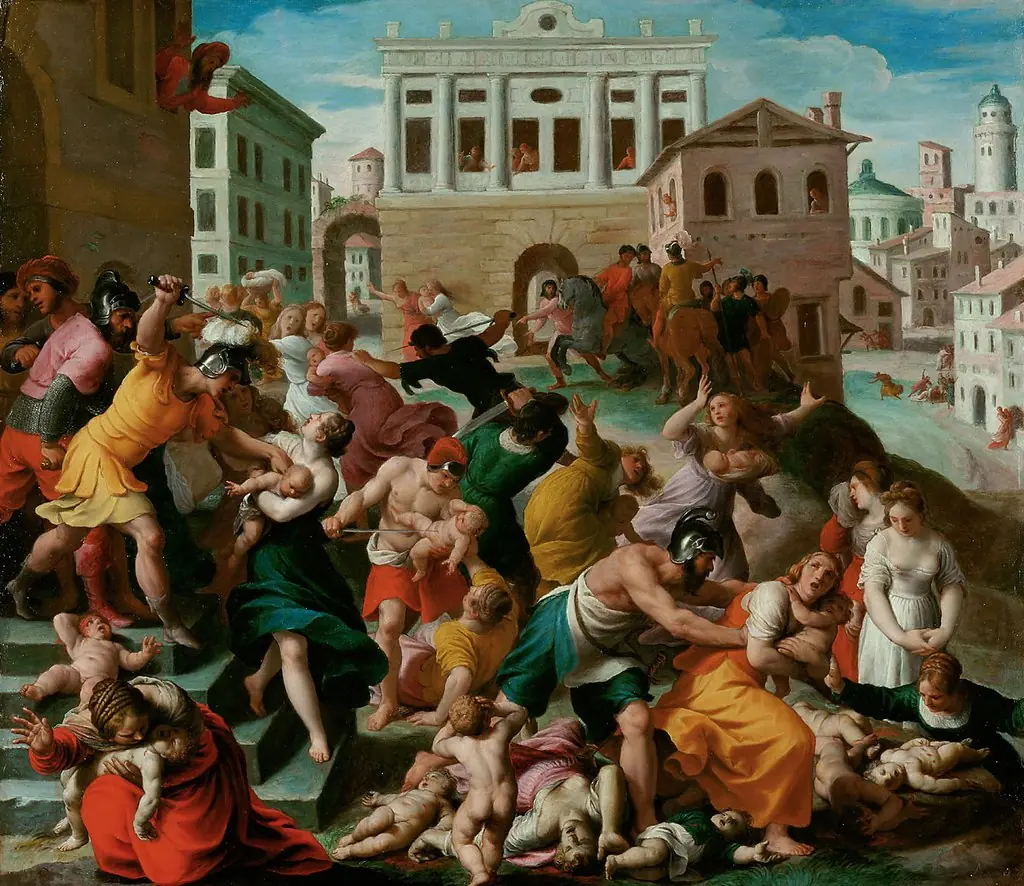 Bethlehemic Child Murder
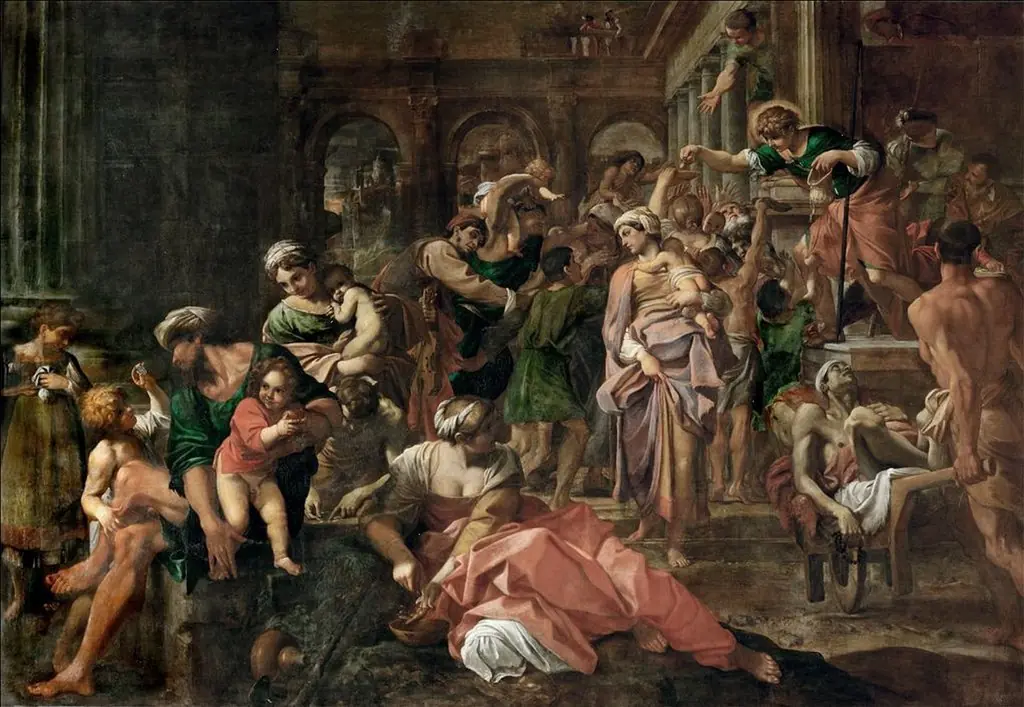 Saint Roch Distributing Alms
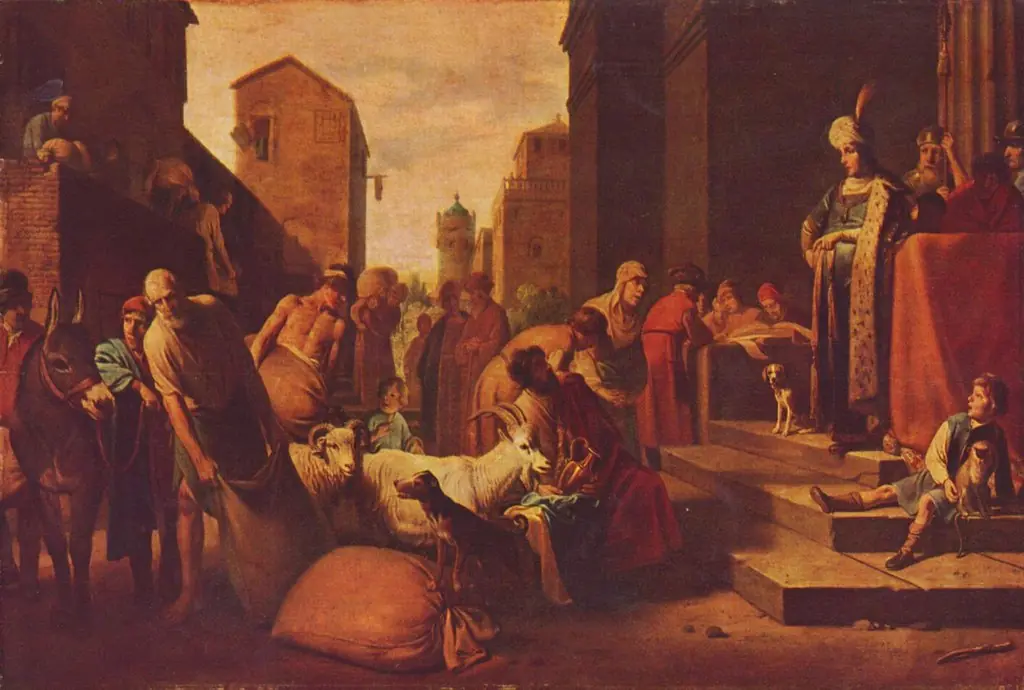 Joseph Selling Grain in Egypt
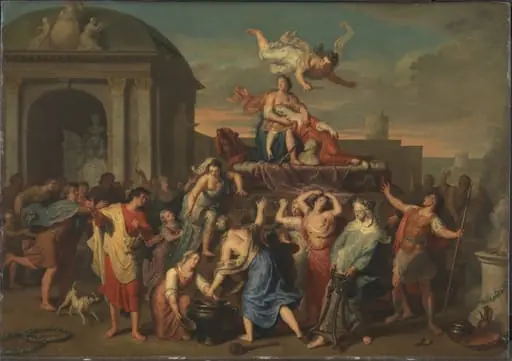 Death of Dido
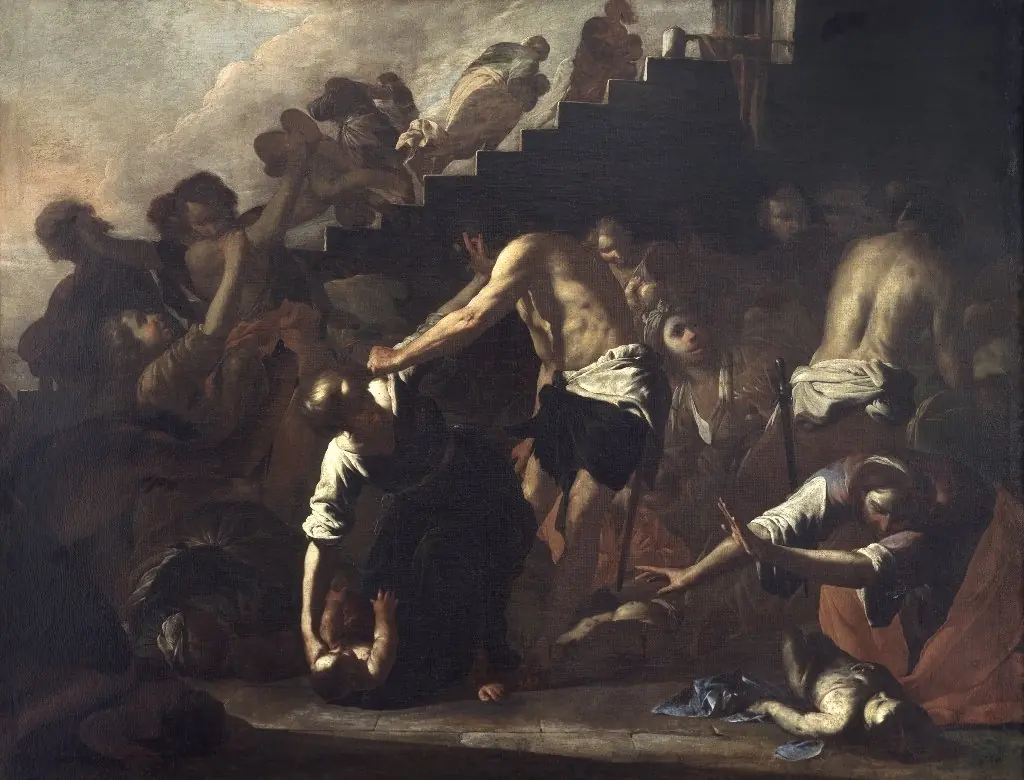 Massacre of the Innocents
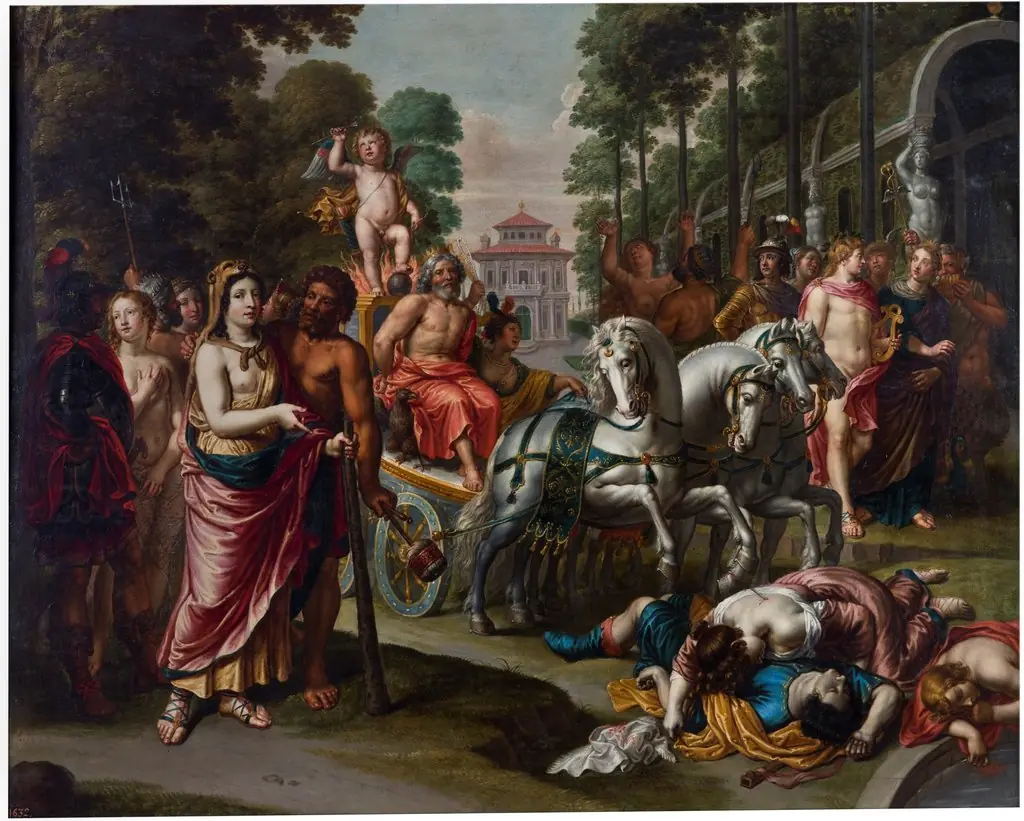 Triumph of Love
 Plague in an Ancient City