Artwork
Der verlorene Sohn
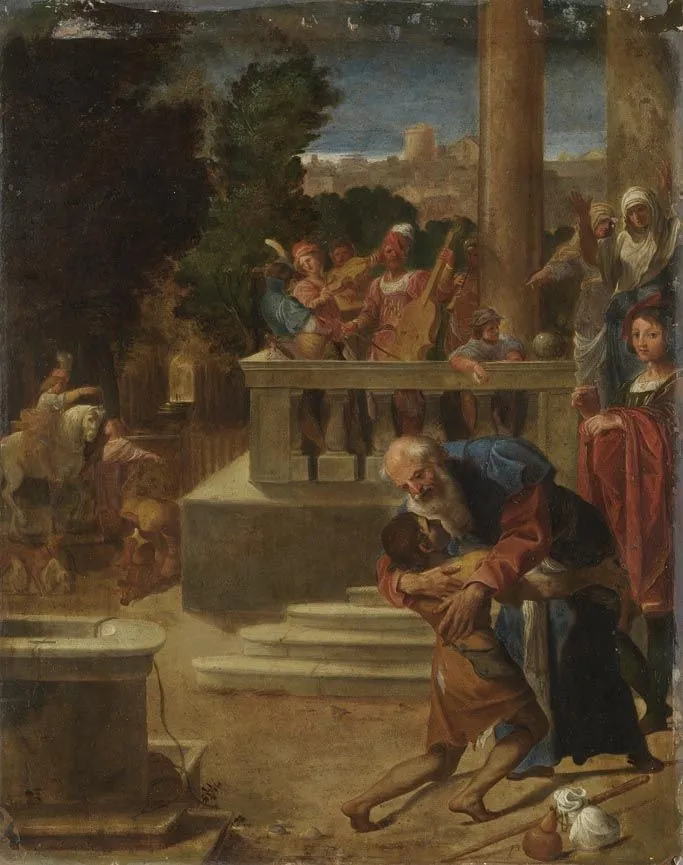
Der verlorene Sohn is an unspecified painting by the Early Baroque Italian artist Unknown. It dates from 1600 and is held in the collection of the Bavarian State Painting Collections.
About this work
Overview
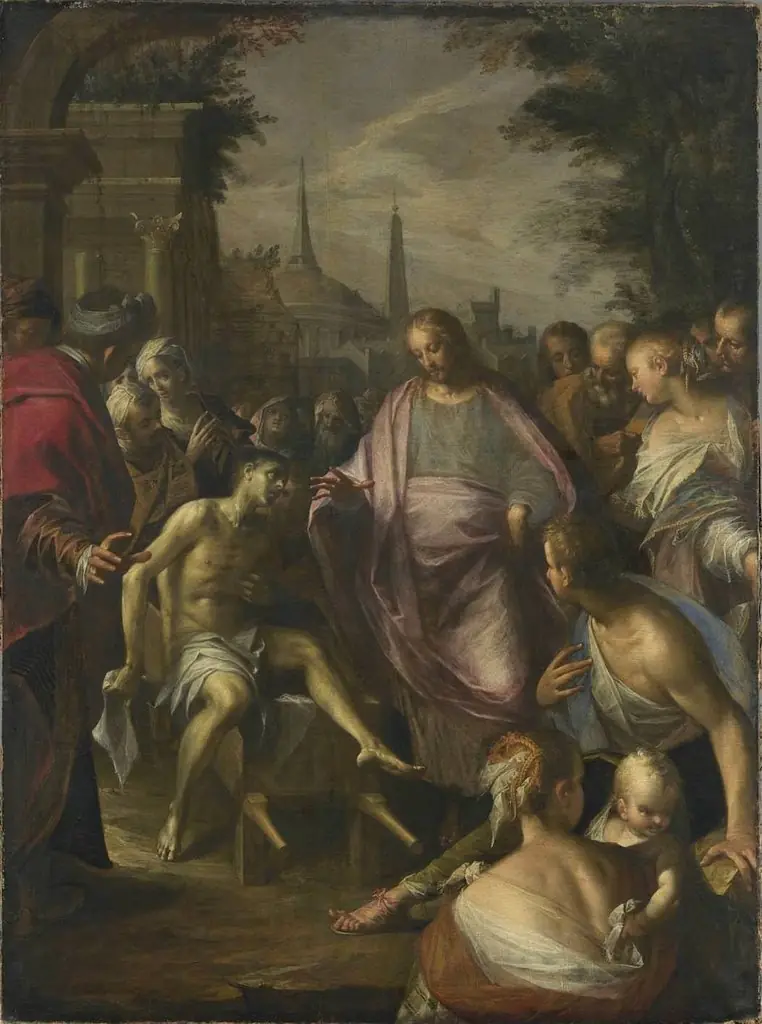
The work is dominated by warm reds, earthy browns and muted blues, while a distant backdrop hints at trees and distant architecture.
Der verlorene Sohn is a painted composition that presents a crowded interior scene. Central to the image is an elderly, bearded figure kneeling and cradling a smaller, dark‑toned figure. Behind them, a group assembled on an elevated platform gestures and points, creating a sense of narrative tension. The work is dominated by warm reds, earthy browns and muted blues, while a distant backdrop hints at trees and distant architecture.
Subject & Meaning
The focal interaction between the kneeling elder and the diminutive figure suggests a moment of loss or repentance, echoing the biblical parable of the prodigal son. The surrounding onlookers, caught in various poses of accusation or curiosity, reinforce the theme of communal judgment and personal remorse.
Technique & Style
The artist employs chiaroscuro, contrasting illuminated faces and hands with deep shadows that model the forms and heighten drama. Brushwork is relatively tight in the foreground, allowing details such as the beard’s texture and the gestures of the platform figures to emerge, while the background recedes in softer, less defined tones.
History & Provenance
The painting’s title, Der verlorene Sohn, is German for “The Lost Son,” indicating a likely origin in a German‑speaking context. No specific dates or ownership records are provided, but the stylistic use of chiaroscuro aligns it with 19th‑century European narrative painting traditions.
Context
Within the broader tradition of religious and moral genre scenes, the work reflects the continued interest in depicting biblical stories as moral exempla for contemporary audiences. The composition’s crowded setting and expressive gestures echo the didactic tableaux common in academic art of the period.
Artist & collection

 Domestic Scene
 Giacomo and Cardinal Marco, investing Andrea, Abbot of San Zeno, with his Benefice
 The Nymph of Fontainebleau
 Portrait of a Woman
 Madonna and Child with Saints in the Enclosed Garden
 Venus and Minerva
 Family Group of Four on Sofa
 Wall painting from Room H of the Villa of P. Fannius Synistor at Boscoreale
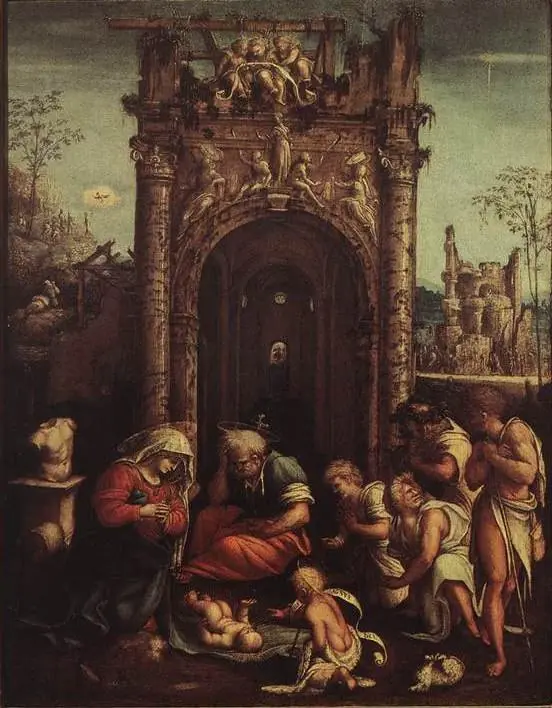 The Adoration of the Shepherds
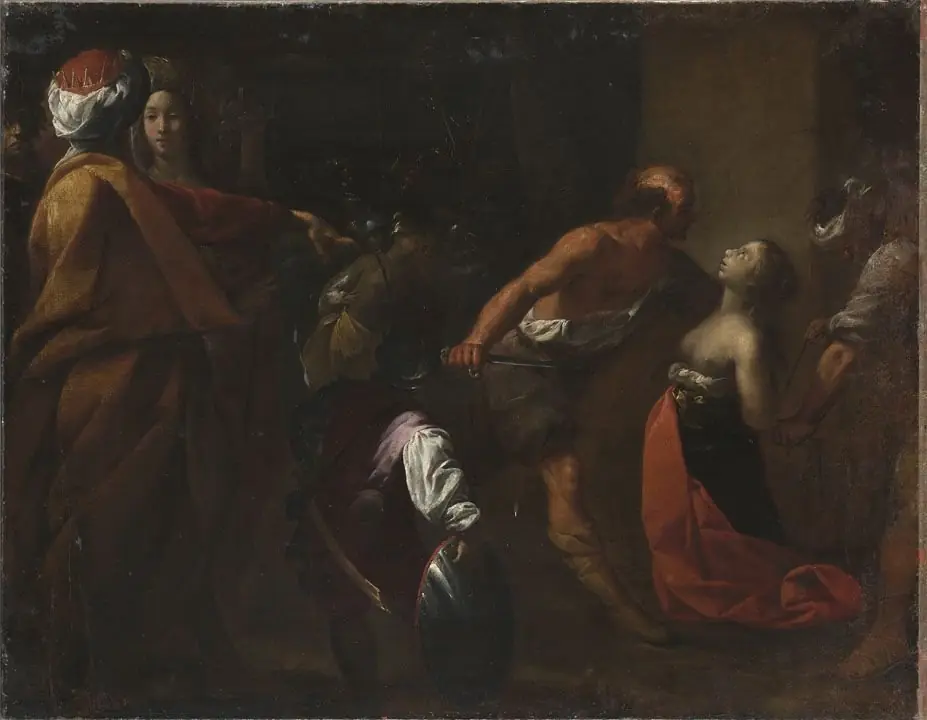 Martyrium der hl. Justina
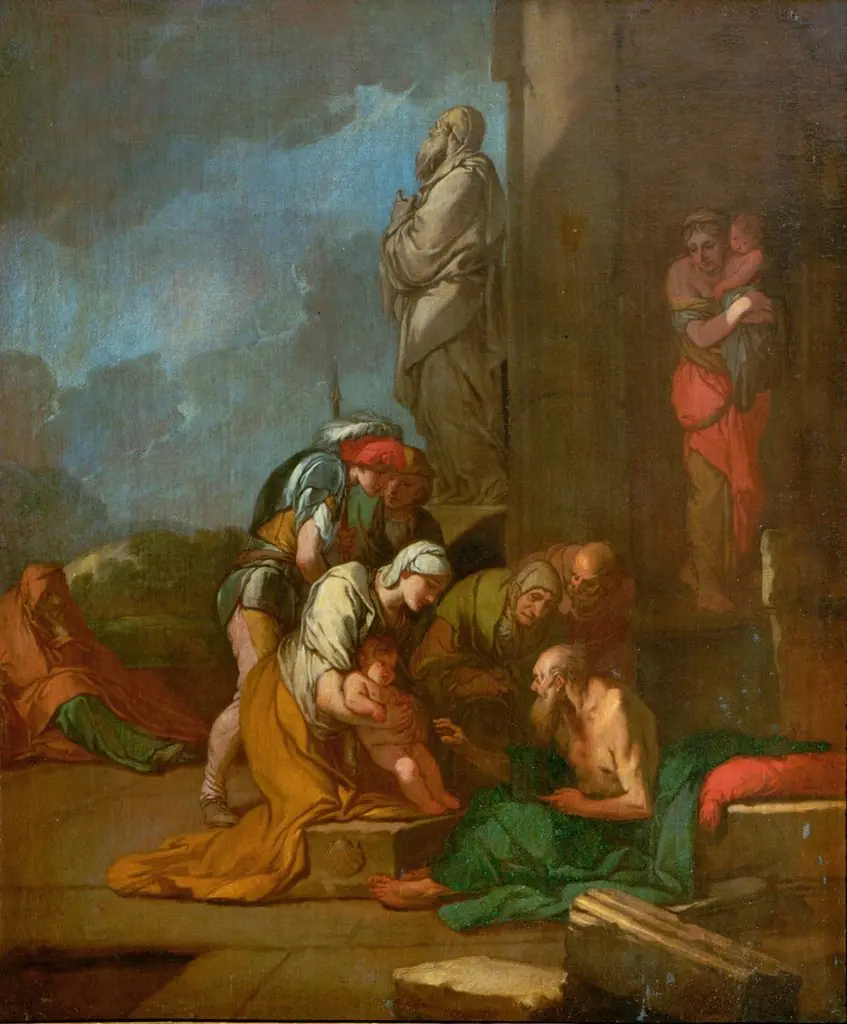 Nymphe Liriope bringt ihren Sohn Narcissus zu Tiresias
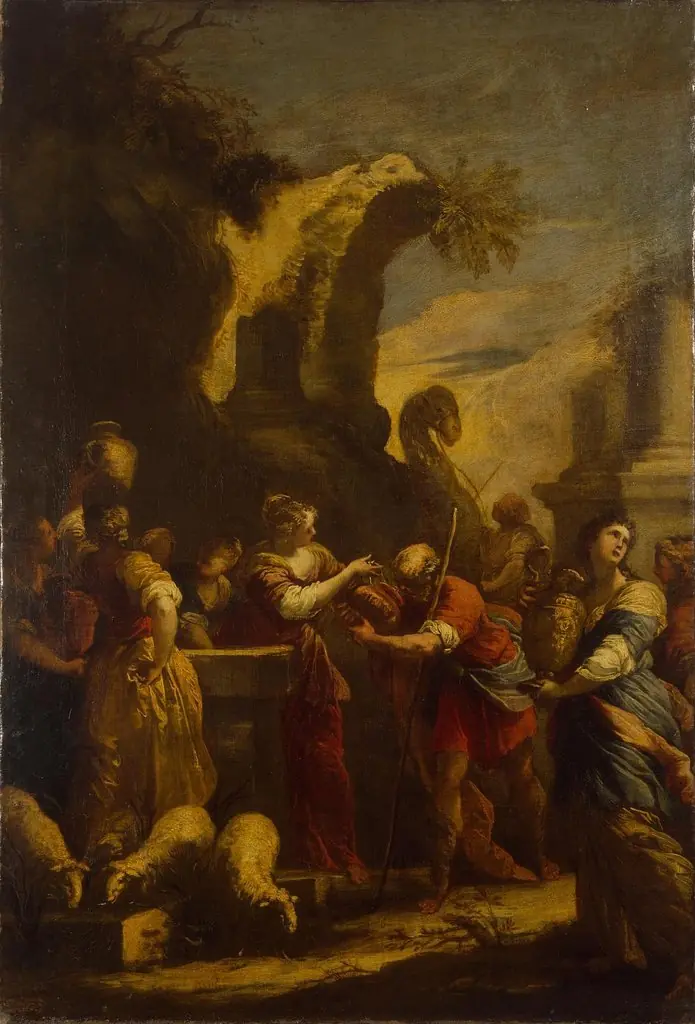 Rebecca at the Well
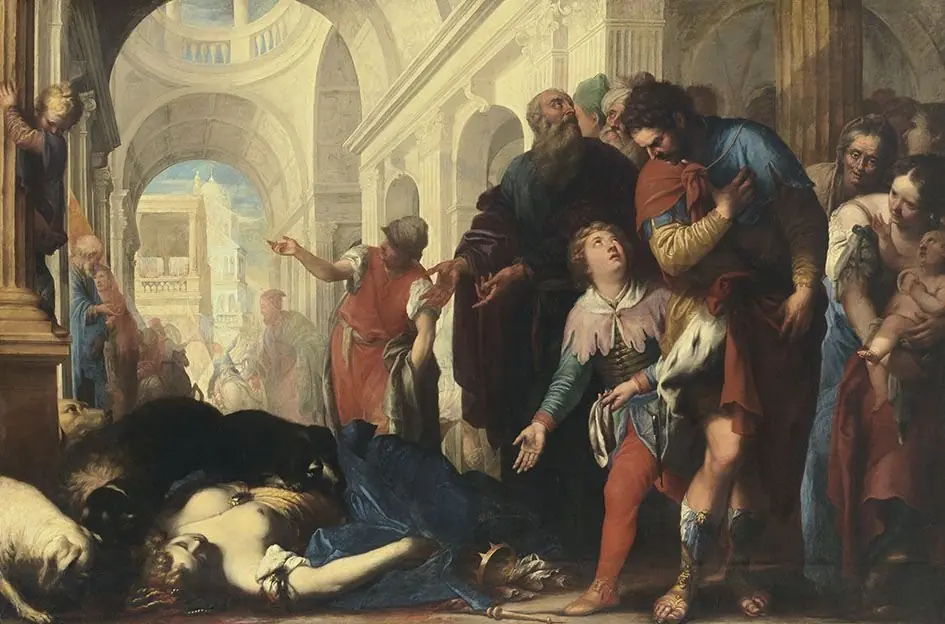 Königin Jezabel wird den Hunden vorgeworfen
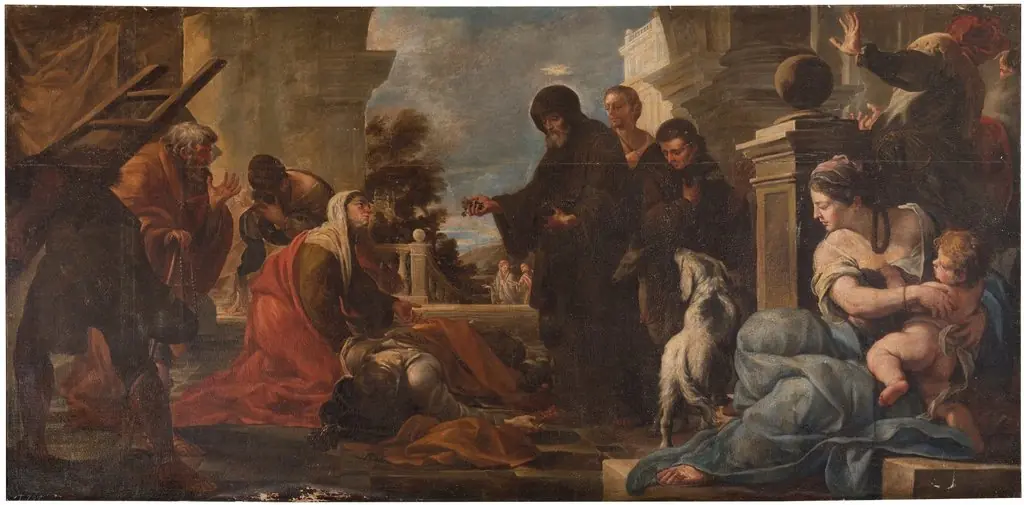 Milagro de San Francisco de Paula
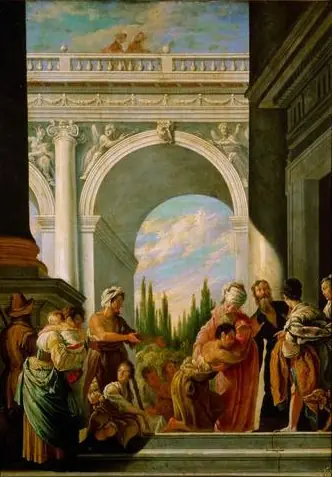 Gleichnis vom verlorenen Sohn
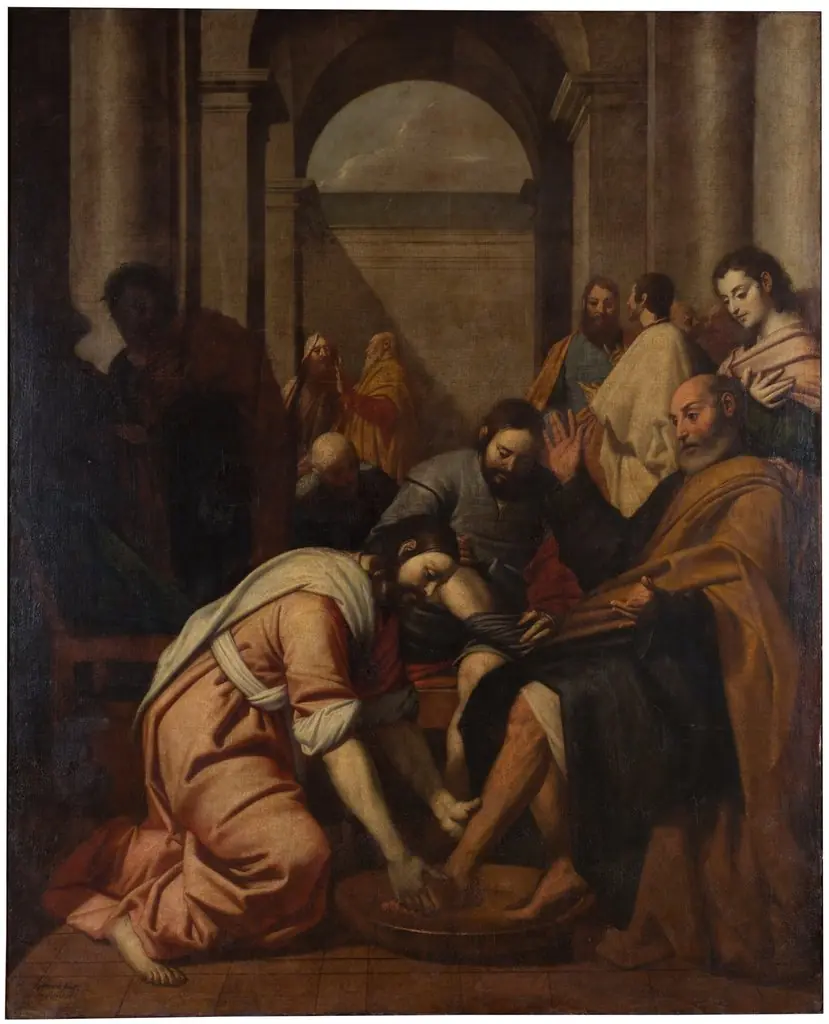 Jesus Washing Peter's Feet
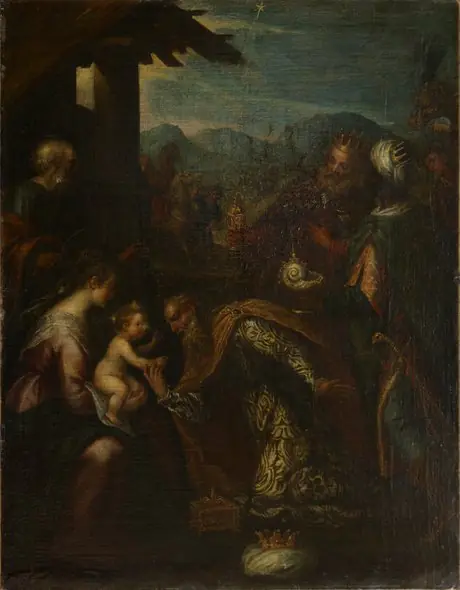 Adoration of the Magi
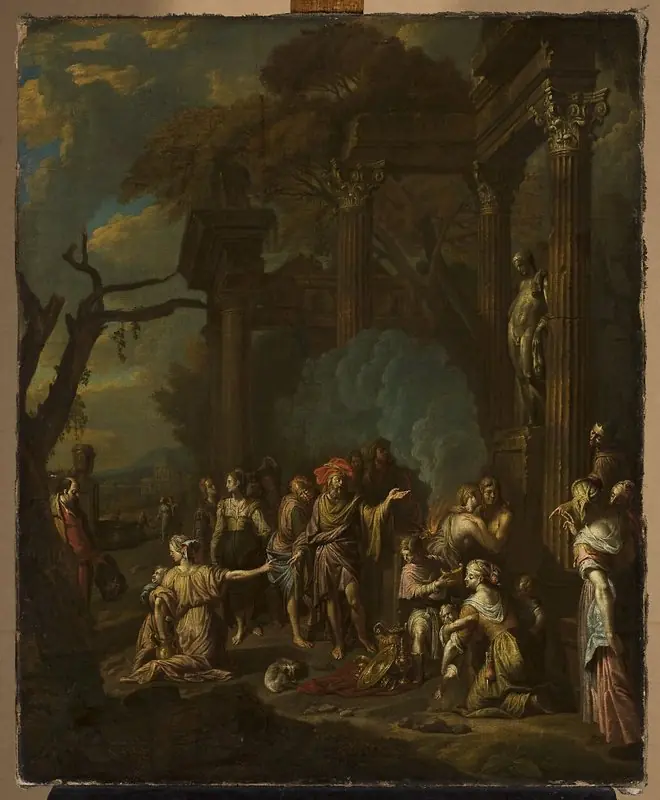 Offerings
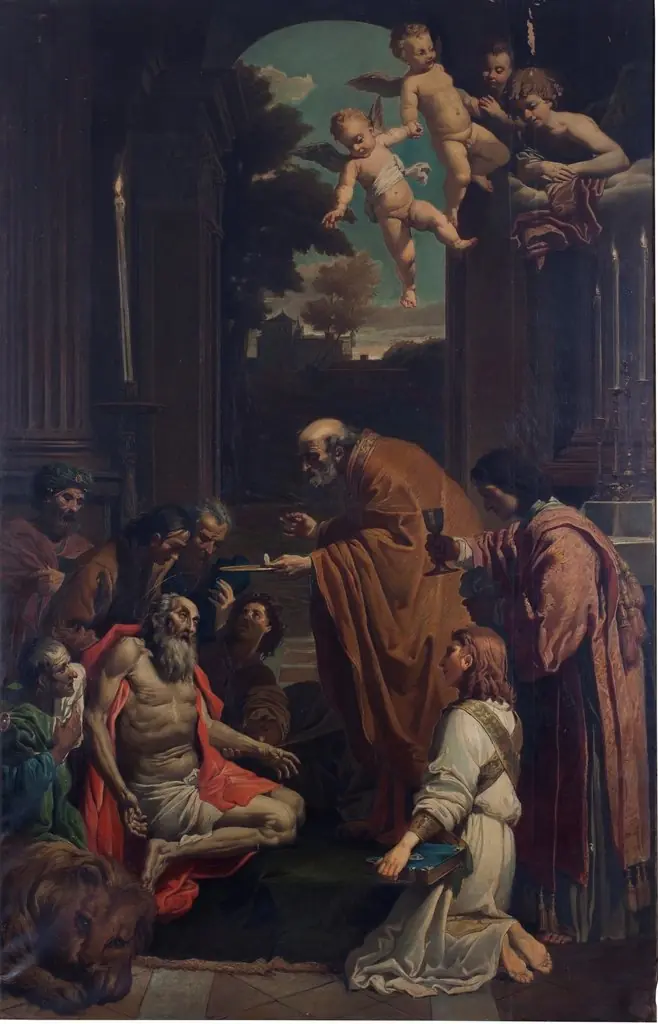 Última comunión de san Jerónimo o El viático de san Jerónimo
 Die Auferweckung des Jünglings von Naim