Artwork
Adoration of the Magi
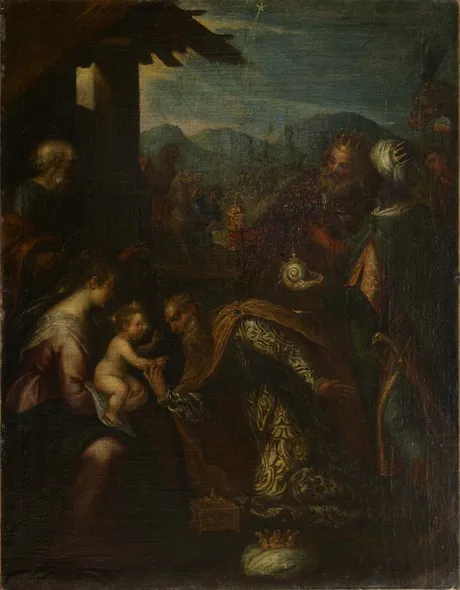
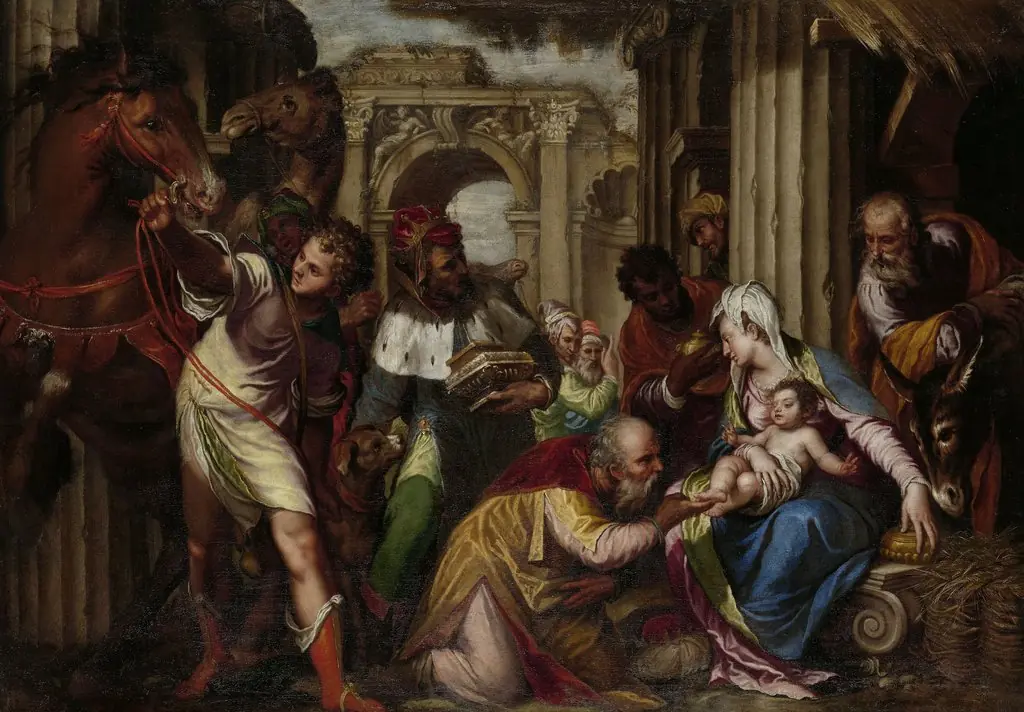
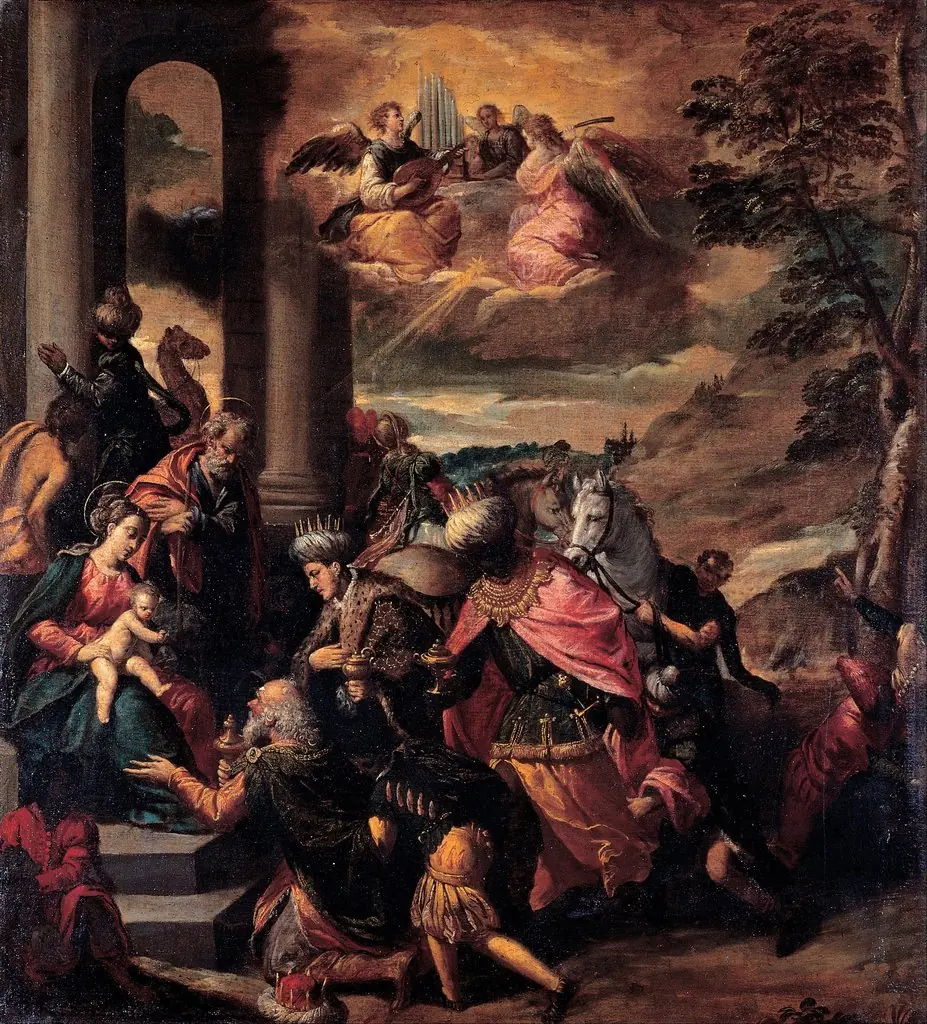
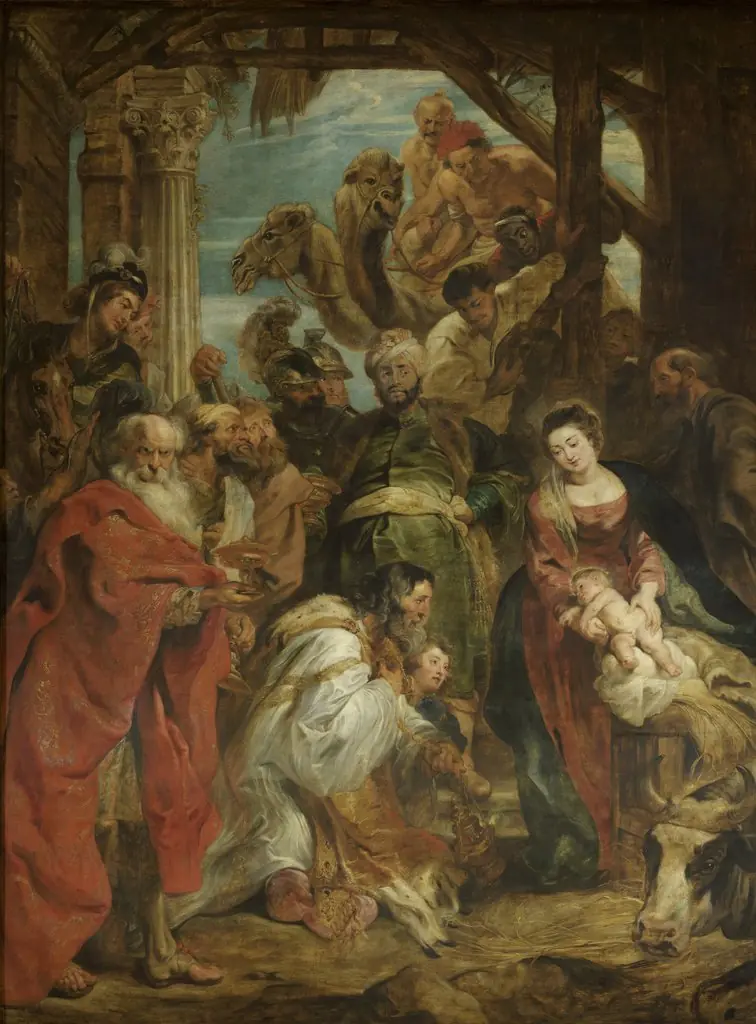
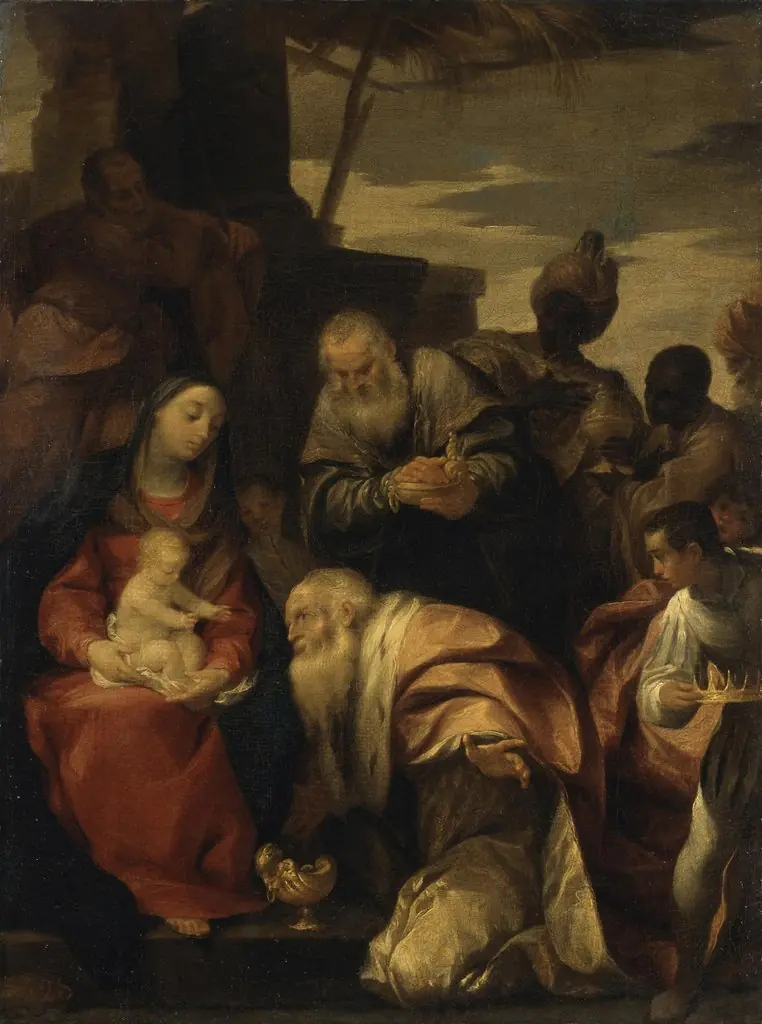
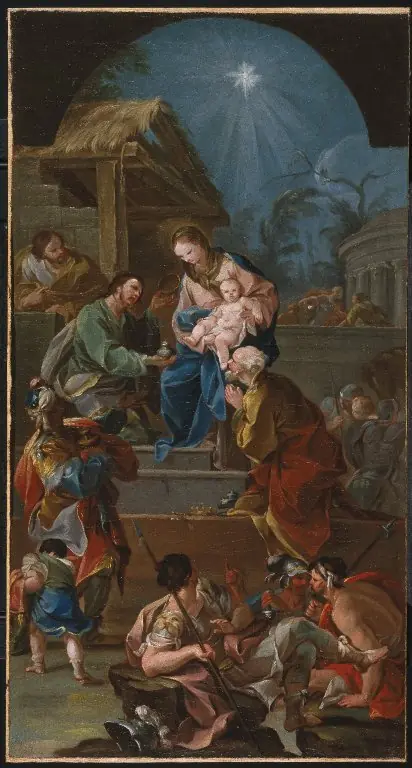
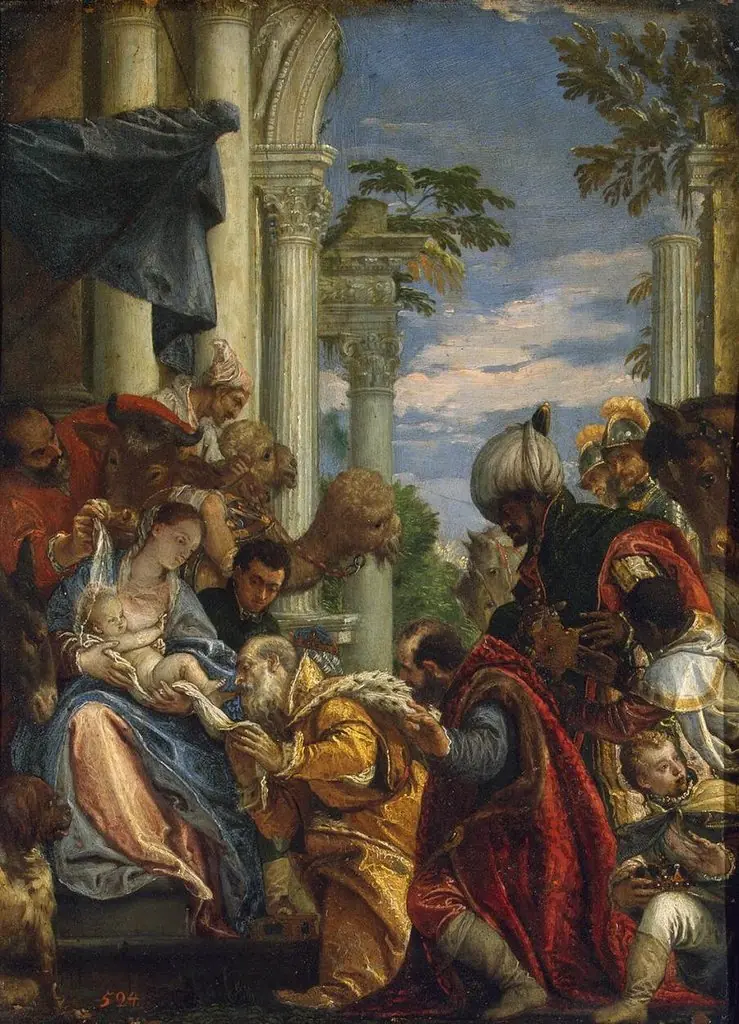
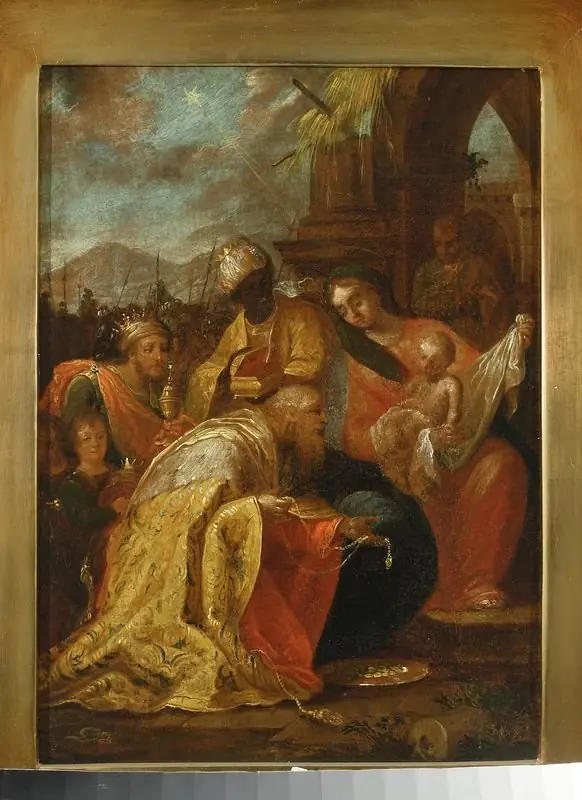
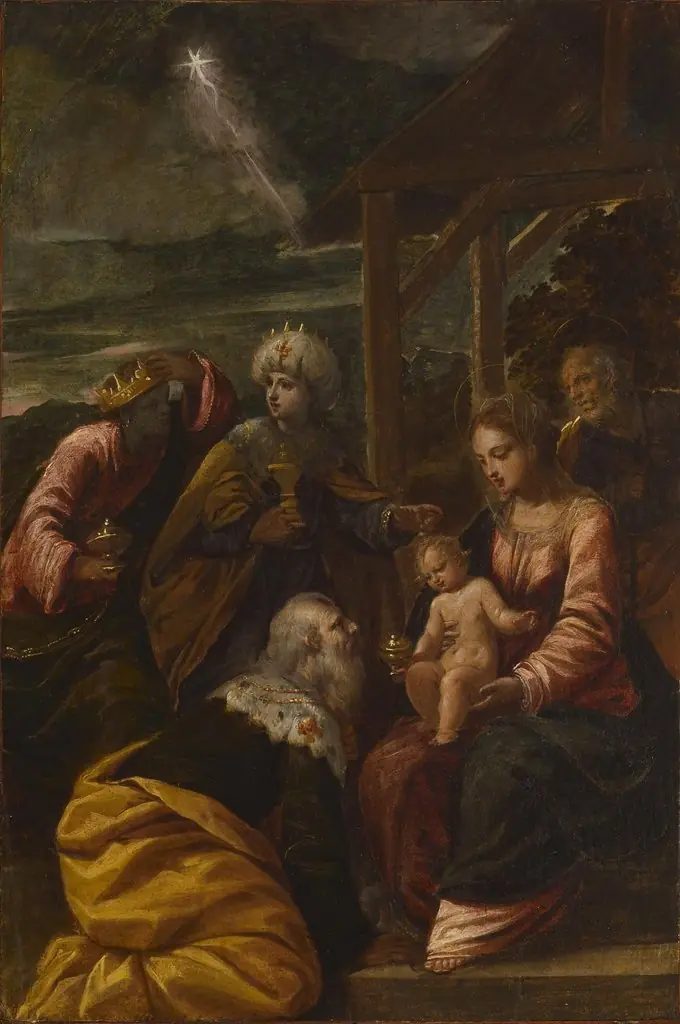
Adoration of the Magi is an oil painting by the Mannerist artist Paolo Farinati. It dates from 1550 and is held in the collection of the National Gallery of Armenia.
About this work
Overview
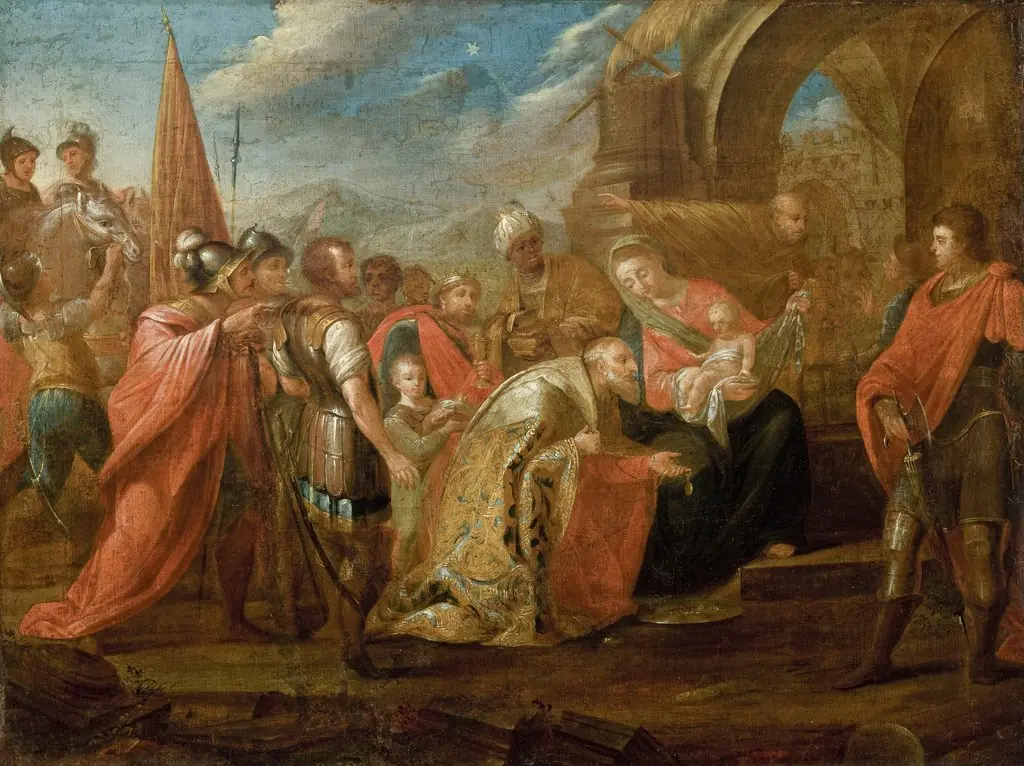
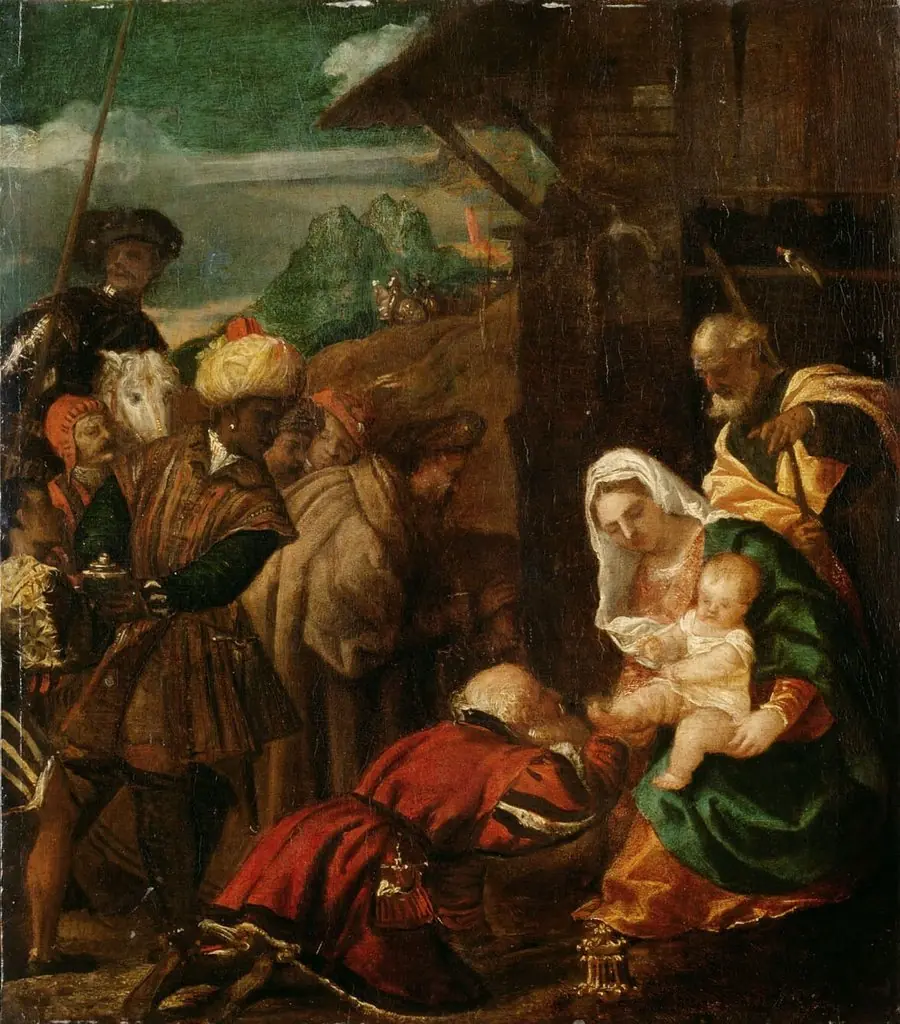
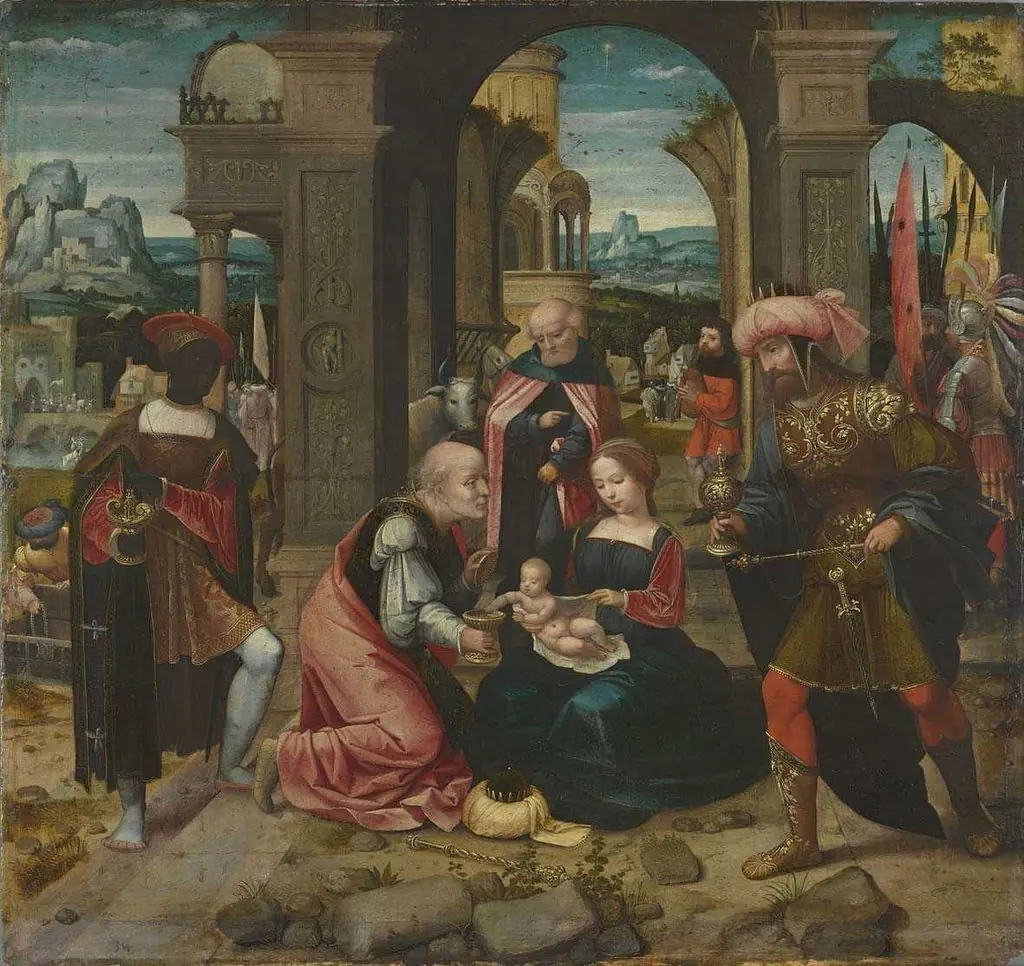
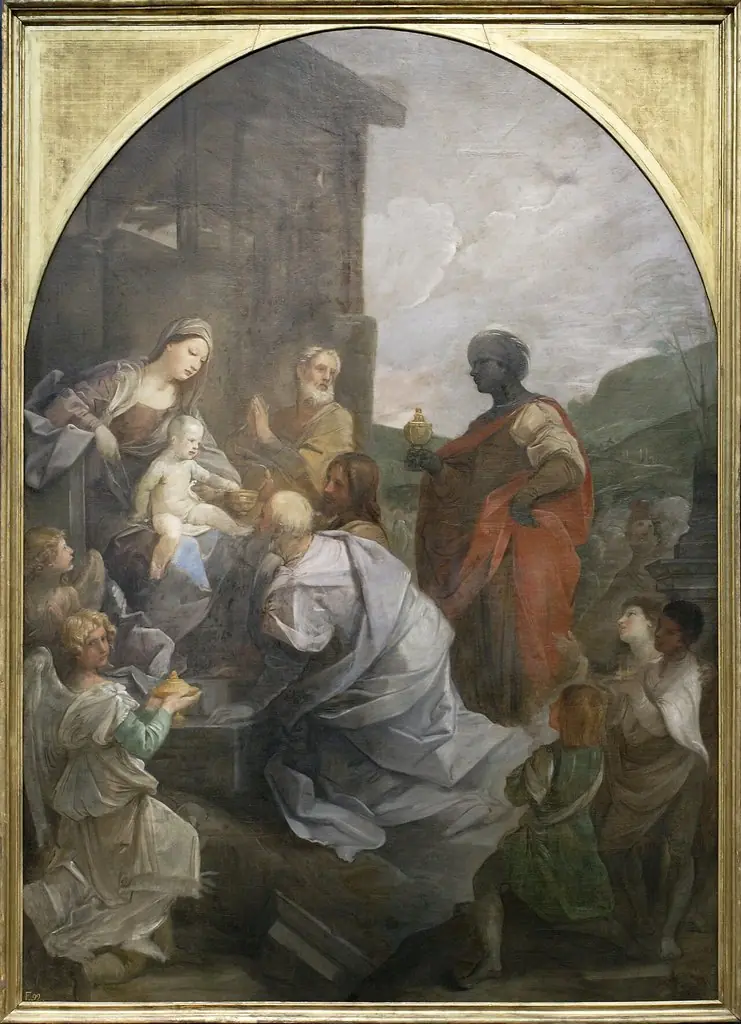
Created circa 1550 by the Italian Mannerist Paolo Farinati, this oil on canvas portrays the biblical episode of the Magi’s homage to the infant Jesus. The composition centers on the child, surrounded by richly attired visitors offering their gifts, set against a distant landscape of mountains beneath a clear sky.
Subject & Meaning
The work visualizes the traditional narrative of the three wise men presenting gold, frankincense, and myrrh to the newborn Messiah. Farinati emphasizes the tender interaction between the child and his venerable guests, suggesting both reverence and intimate human connection within the sacred moment.
Technique & Style
Executed in oil, the painting displays characteristic Mannerist elongation of forms and a sophisticated handling of light and shadow. Chiaroscuro intensifies the three‑dimensionality of the figures, while visible brushwork adds texture to fabrics and the surrounding terrain, creating a warm, enveloping atmosphere.
History & Provenance
After its completion in the mid‑16th century, the canvas entered various private collections before being acquired by the National Gallery of Armenia, where it remains on display. Its attribution to Farinati aligns with his activity in Verona, Mantua and Venice during the same period.
Context
Farinati worked alongside contemporaries such as Paolo Veronese, drawing on the Florentine Mannerist tradition while adapting it to the tastes of northern Italian patrons. The painting reflects the era’s fascination with elaborate costume, dramatic lighting, and the fusion of devotional narrative with courtly elegance.
Artist & collection
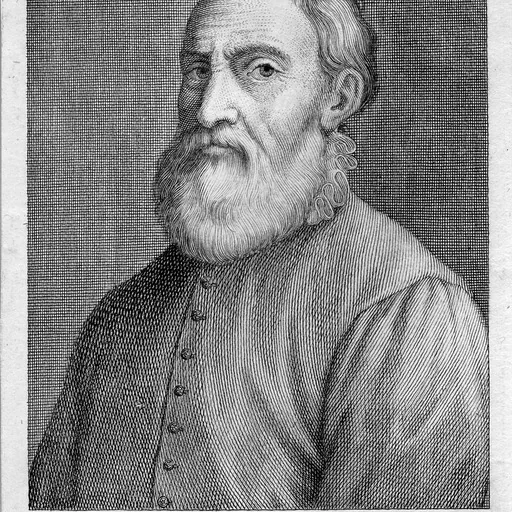
Artist
Paolo Farinati (also known as Farinato or Farinato degli Uberti; c. 1524 – c. 1606) was an Italian painter of the Mannerist style, active mainly in his native Verona, but also in Mantua and Venice. He may have ancestors…