Artwork
Jesus Washing Peter's Feet
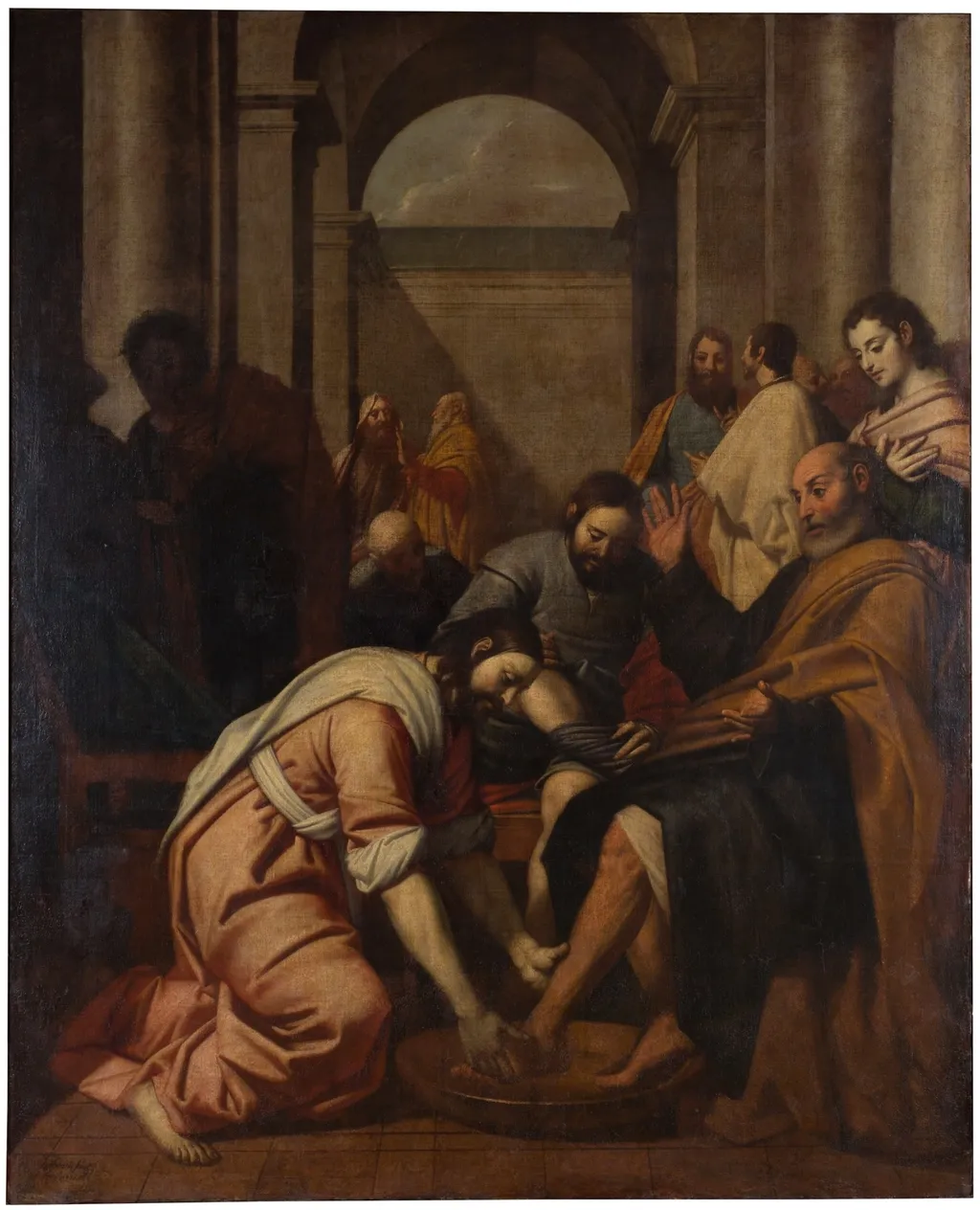
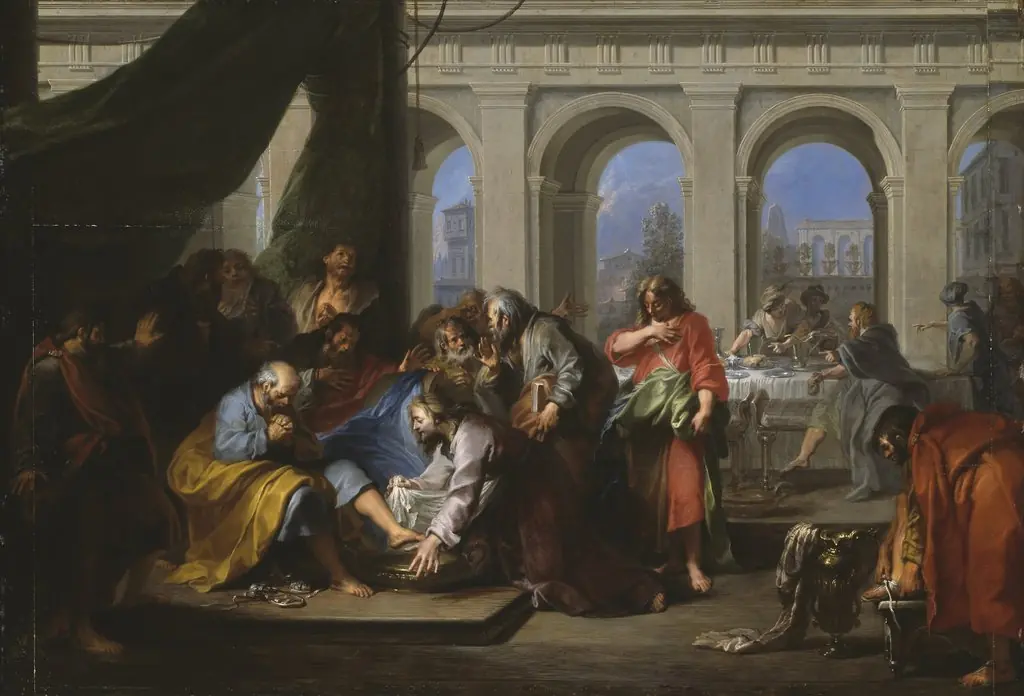
Jesus Washing Peter's Feet is an oil painting by the Early Baroque Italian artist Antonio Arias Fernández. It dates from 1657 and is held in the collection of the Museo del Prado.
About this work
Overview
It is now held in the Museo del Prado, Madrid, where it remains one of the few surviving large-scale religious works by the artist.
Antonio Arias Fernández completed this oil-on-canvas painting in 1657, during his mature period in Italy. Born in Madrid around 1614, he trained under Pedro de las Cuevas and earned significant patronage early in his career. The work belongs to a series of religious commissions he produced for Spanish nobility and institutions. It is now held in the Museo del Prado, Madrid, where it remains one of the few surviving large-scale religious works by the artist.
Subject & Meaning
The scene depicts the moment from the Gospel of John when Jesus kneels to wash the feet of Peter, a gesture of humility that prefigures the Eucharist and the call to serve others. Peter’s visible astonishment reflects his reluctance to accept such service from his master. The act symbolizes spiritual cleansing and the inversion of social hierarchy, central themes in Christian teachings of the time. The composition emphasizes quiet reverence over dramatic spectacle.
Technique & Style
Arias employed chiaroscuro to model the figures with strong contrasts between shadow and light, drawing attention to the central interaction. The palette is restrained, dominated by deep browns, muted reds, and earth tones, with only a few draperies catching subtle highlights. The figures are rendered with careful attention to gesture and expression, particularly Peter’s face, which conveys emotional tension. The background recedes into near darkness, focusing the viewer’s attention on the intimate moment.
History & Provenance
Commissioned during Arias’s time in Italy, the painting likely entered Spanish collections through his patrons, possibly linked to the Conde-Duque de Olivares, a major supporter of the arts. It was recorded in royal inventories by the late 17th century and transferred to the Prado in the 19th century. Its survival is notable, as many of Arias’s works were lost or dispersed after his death in 1675.
Context
Painted during the height of the Spanish Baroque, the work reflects the Counter-Reformation emphasis on emotional piety and biblical realism. While Italian influences are evident in the lighting and composition, Arias’s approach remains grounded in Spanish devotional traditions. The painting aligns with contemporaneous works by Ribera and Caravaggio’s followers, yet avoids overt theatricality, favoring introspection over spectacle.
Legacy
Though Arias is less known today than his Italian contemporaries, this painting stands as a testament to his skill in conveying spiritual gravity through restrained means. It remains a key example of Spanish Baroque religious painting outside the major centers of Seville or Madrid, illustrating how artists trained in Spain absorbed and adapted Italian techniques to serve local devotional needs.
Own this work as a print
Artist & collection
Artist
Antonio Fernández Arias (around 1614 – 1684) was a Spanish painter of the Baroque period.

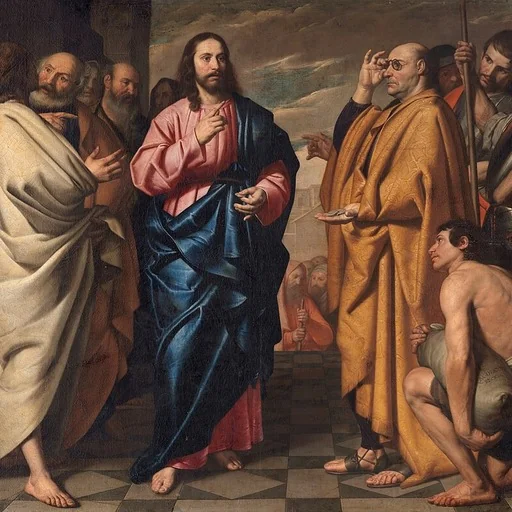
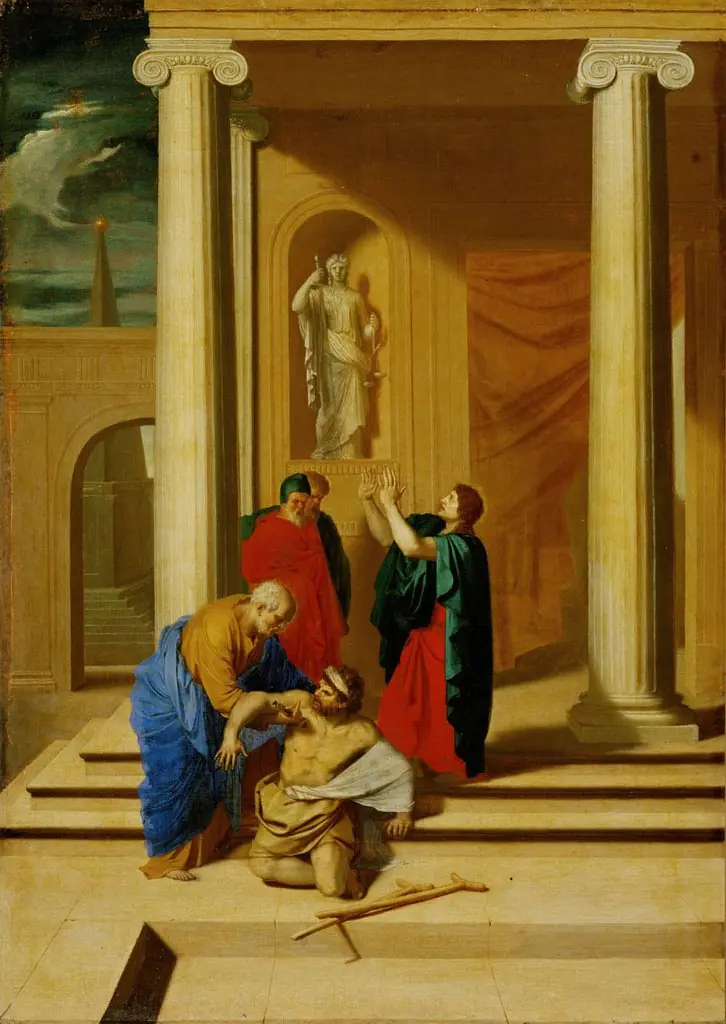 Peter and John heal a lame man in the temple
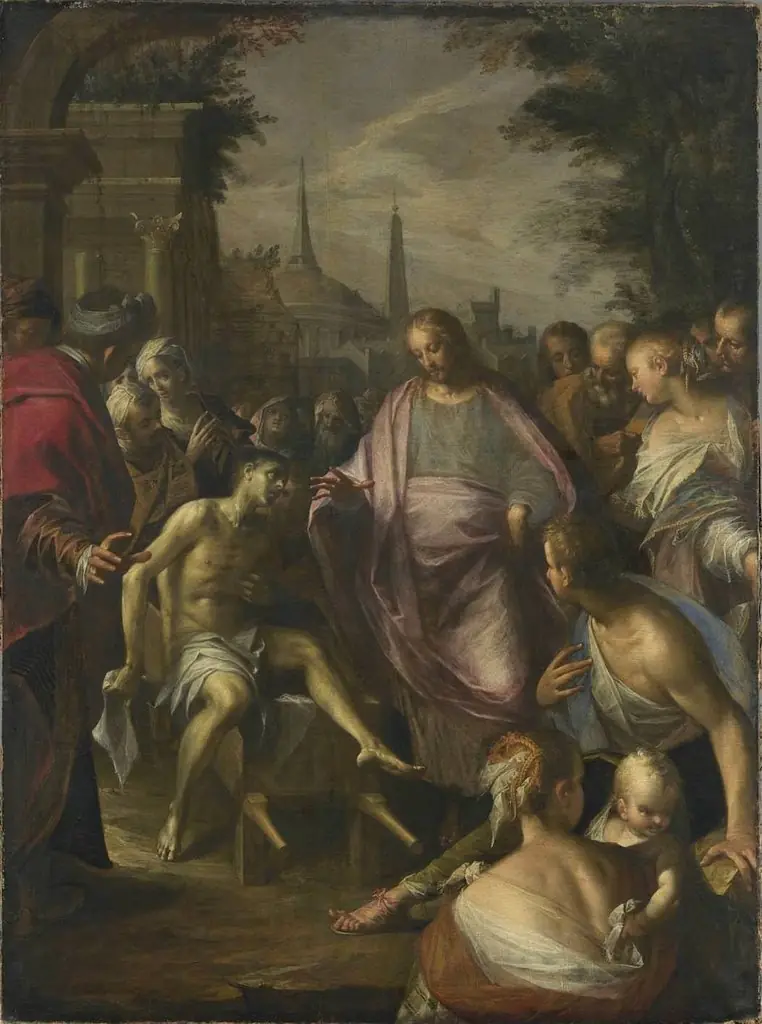 Die Auferweckung des Jünglings von Naim
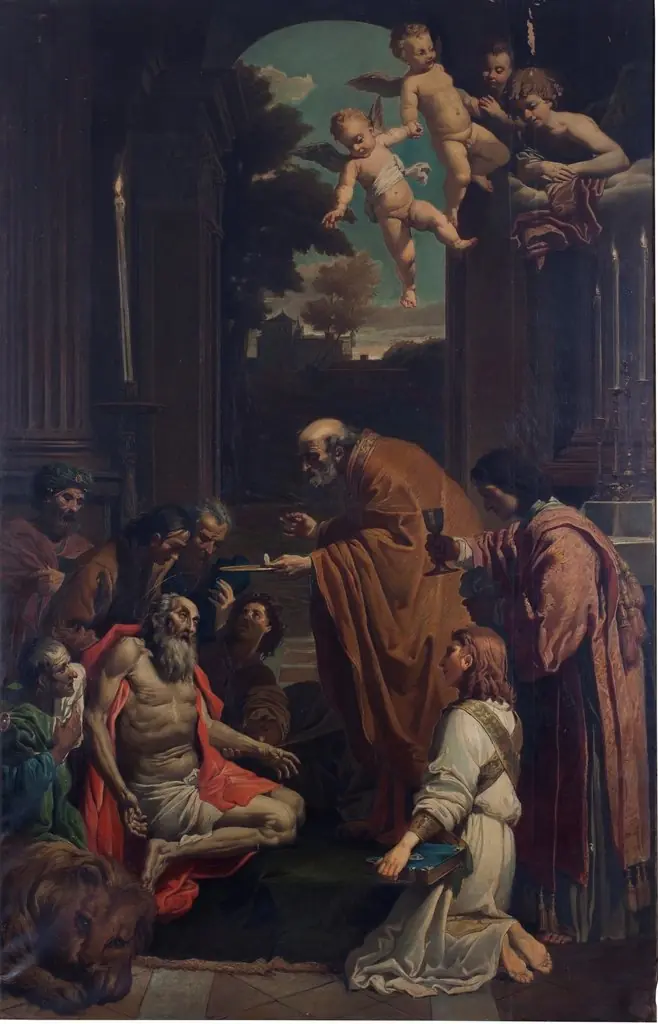 Última comunión de san Jerónimo o El viático de san Jerónimo
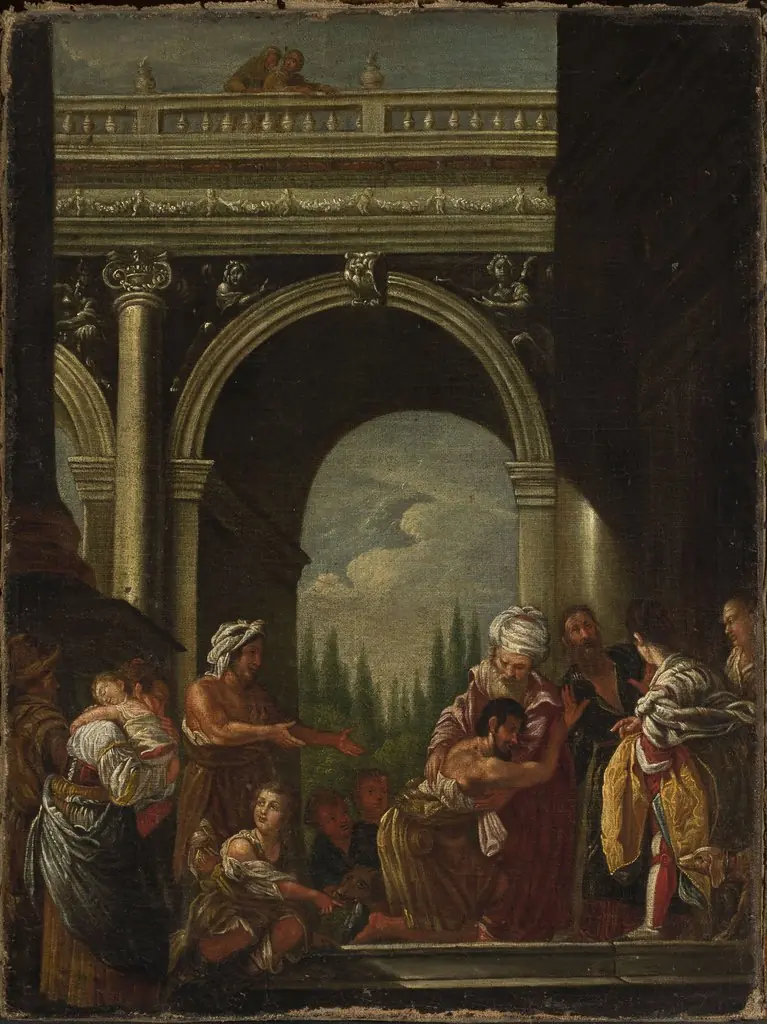 Return of the prodigal son
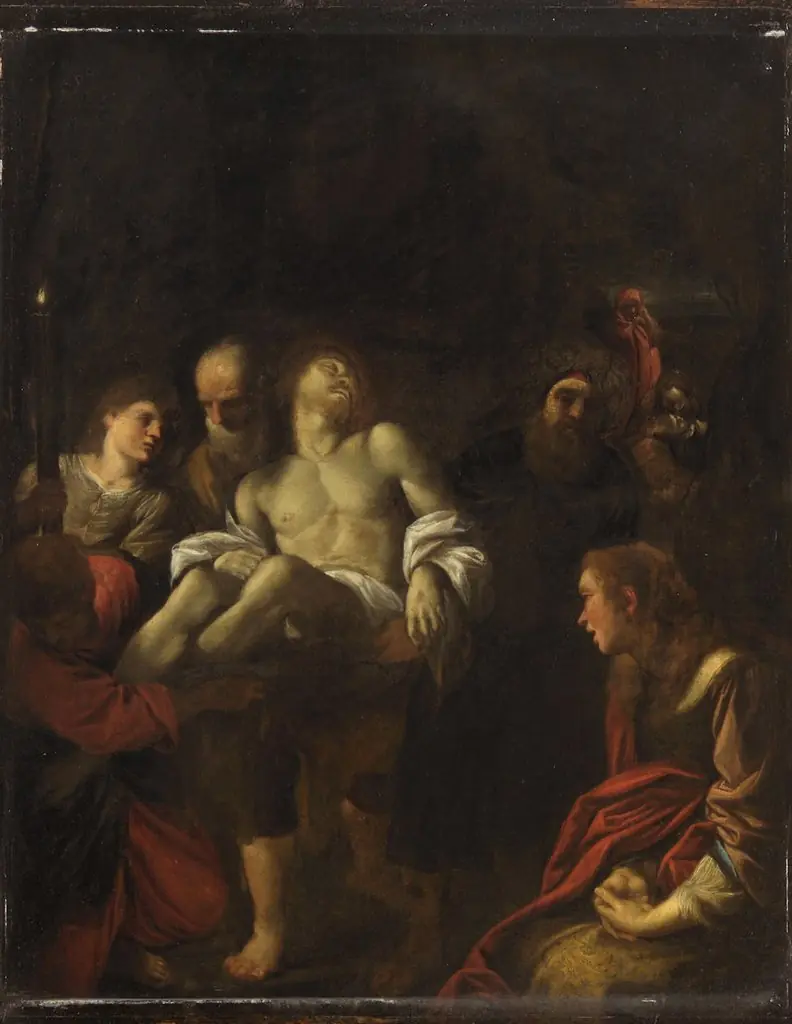 Entombment of Christ
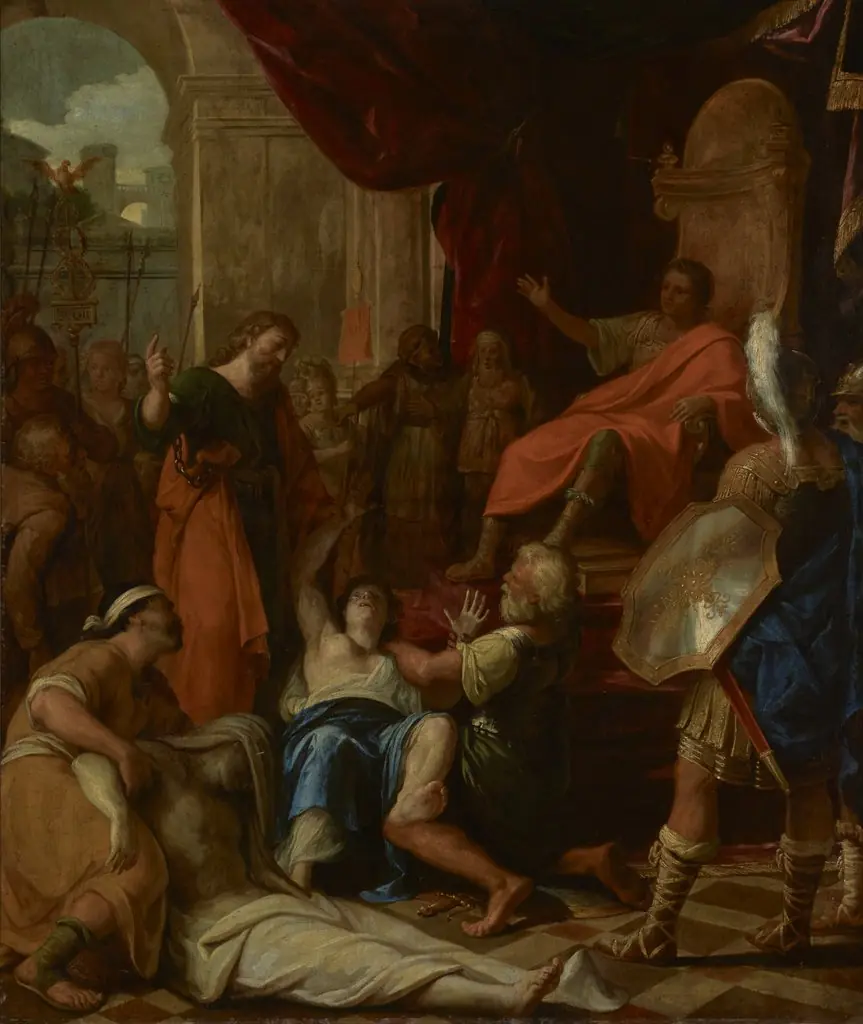 Christ Before Pilate
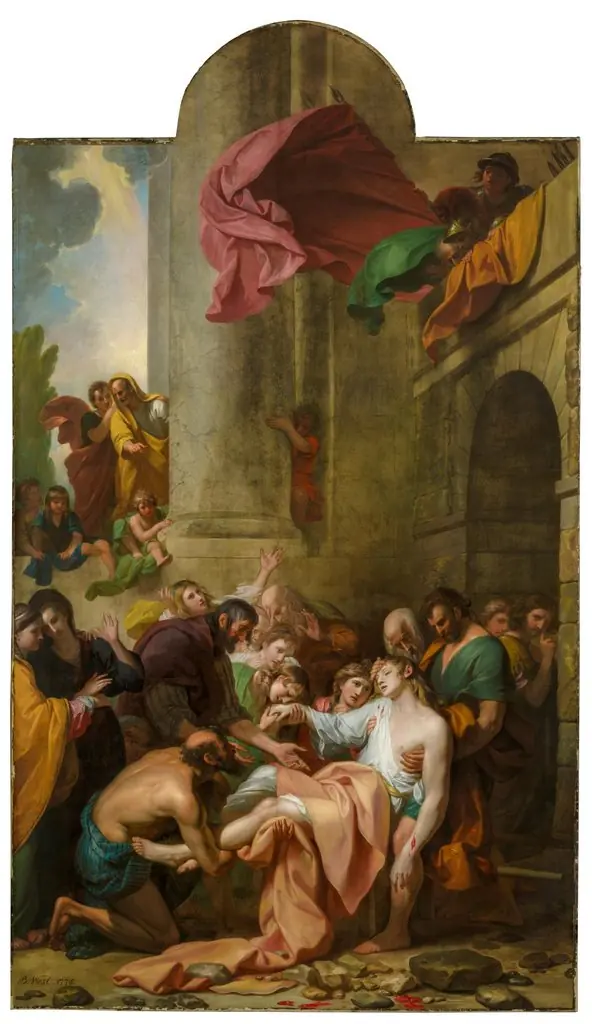 Devout Men Taking the Body of Saint Stephen
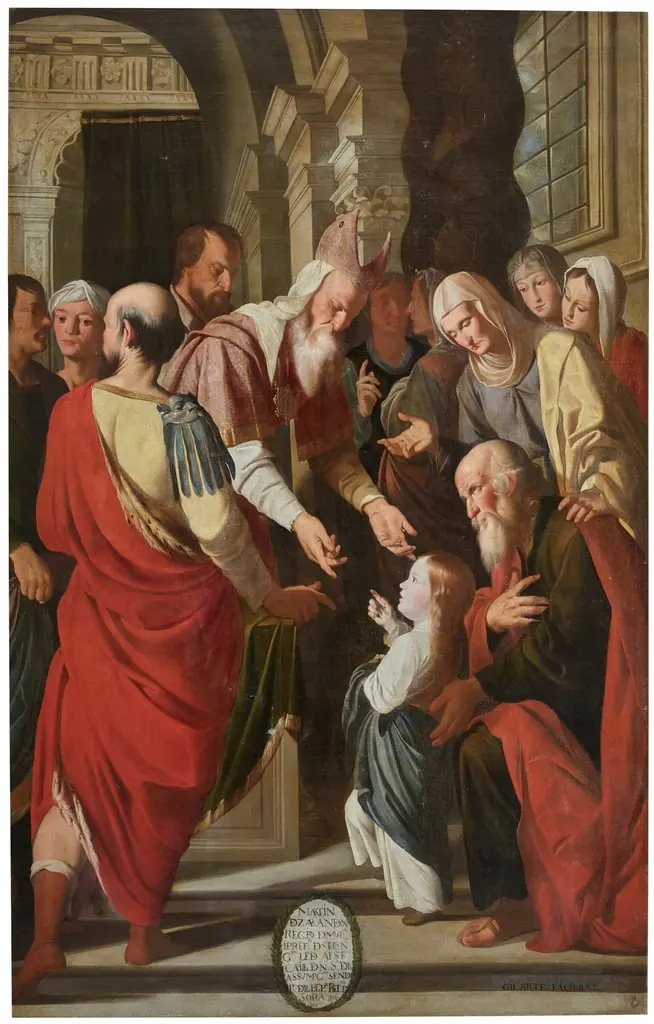 La Presentación de la Virgen en el Templo
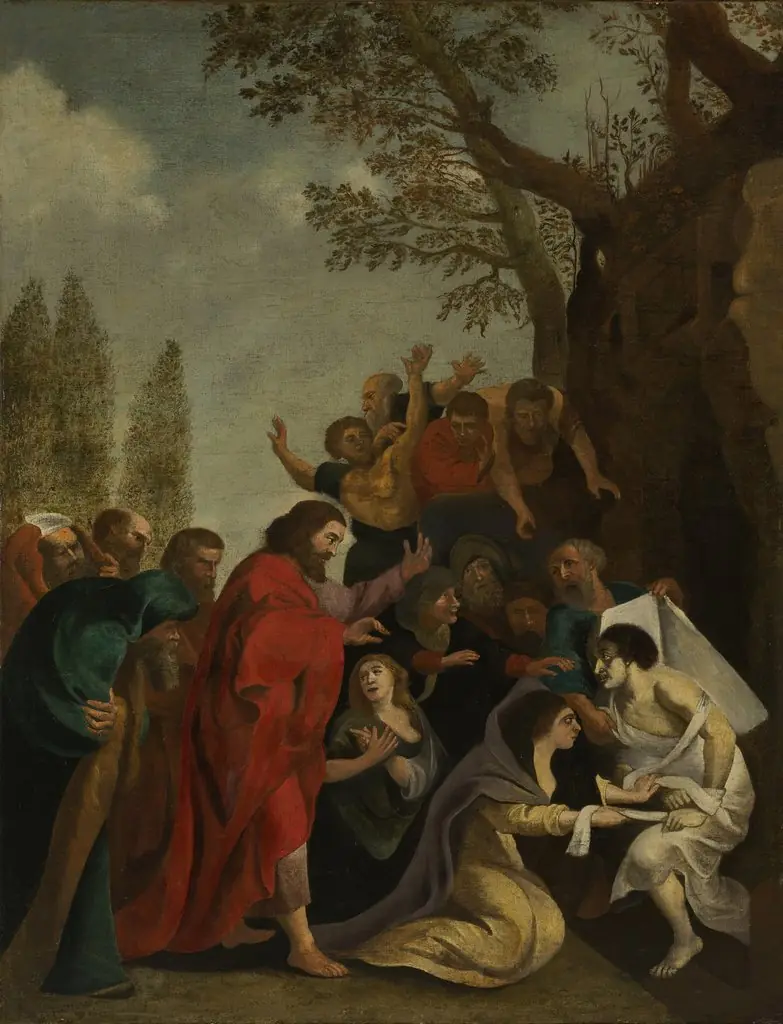 The raising of Lazarus (copy)
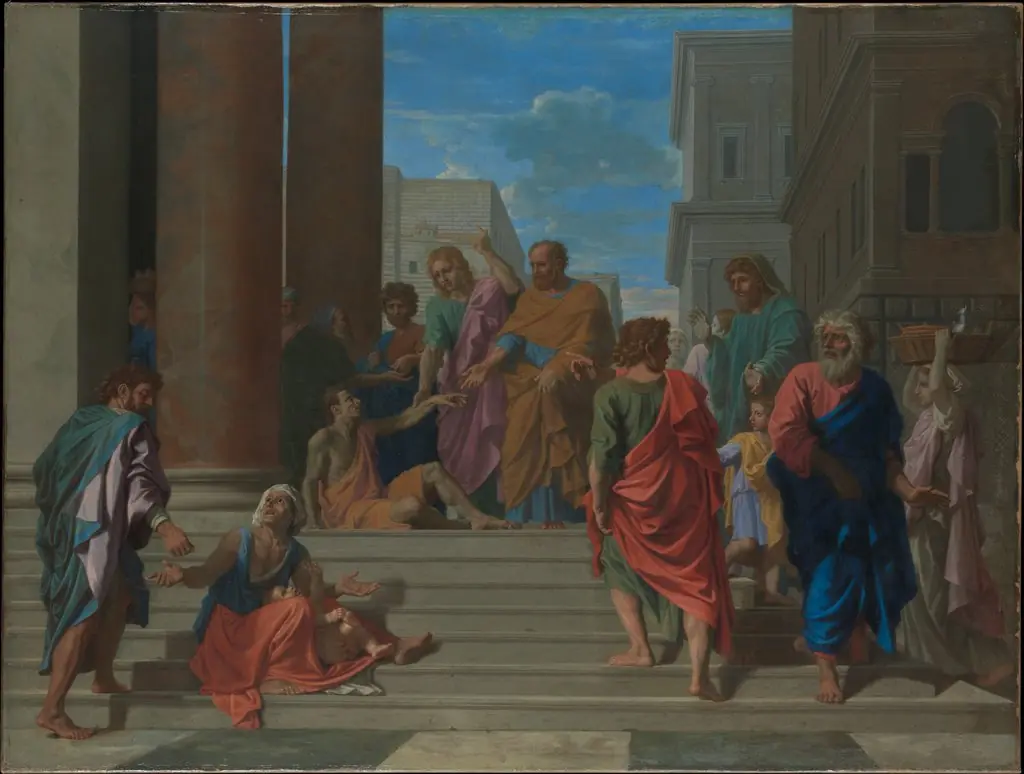 Saints Peter and John Healing the Lame Man
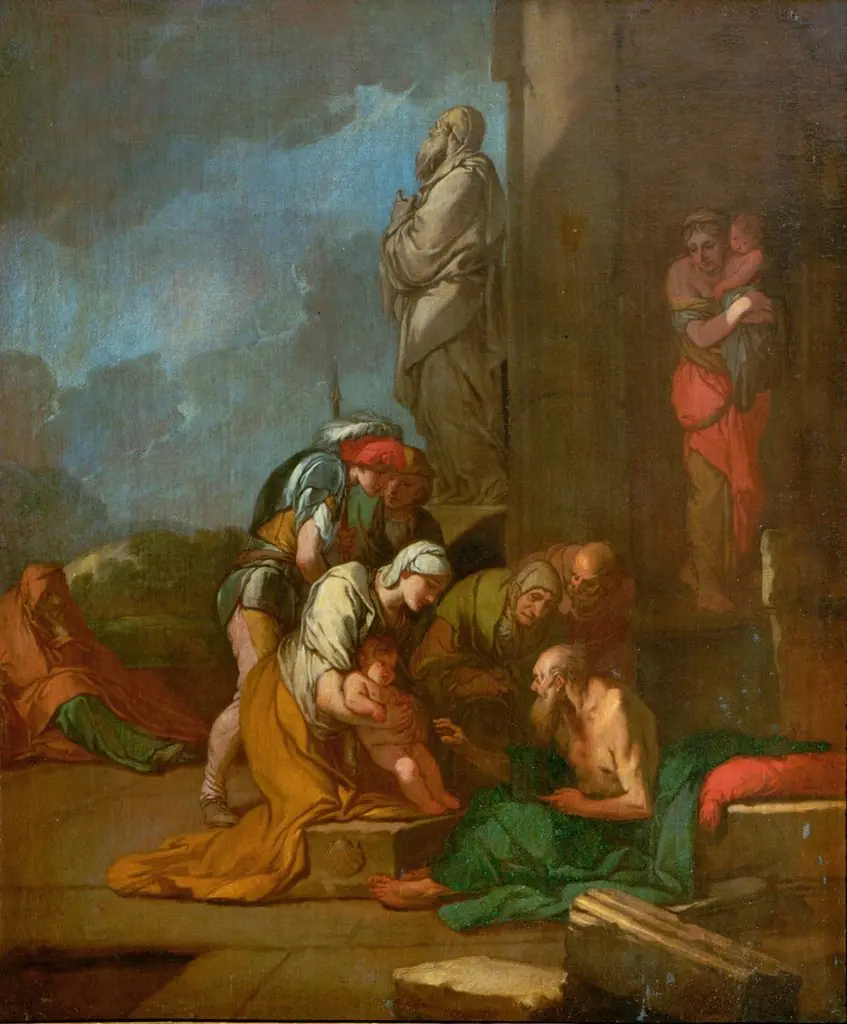 Nymphe Liriope bringt ihren Sohn Narcissus zu Tiresias
 Christ Washing the Feet of His Disciples