Artwork
Page from Tales of a Parrot (Tuti-nama): text page
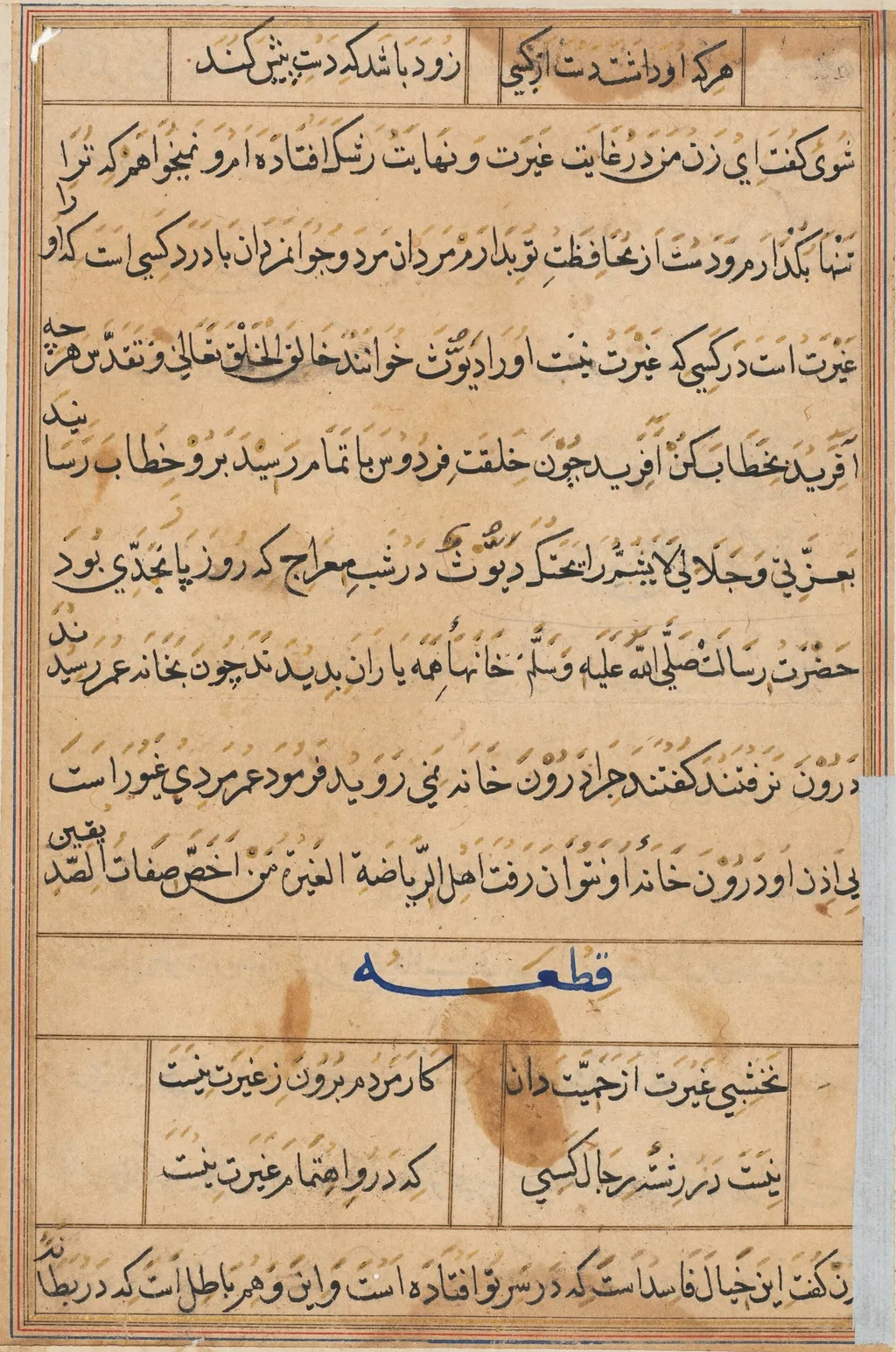
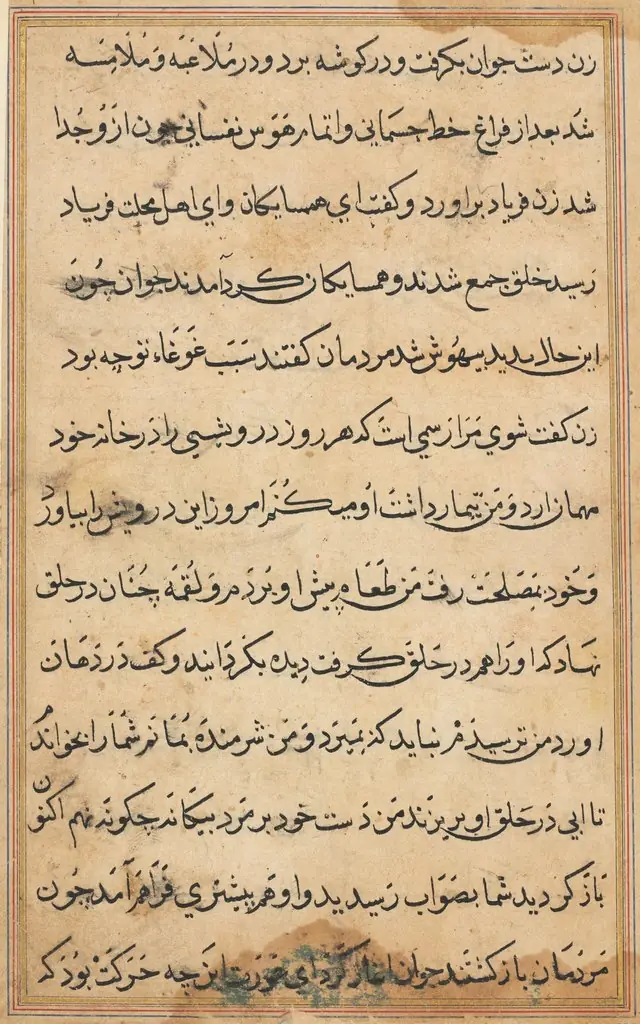
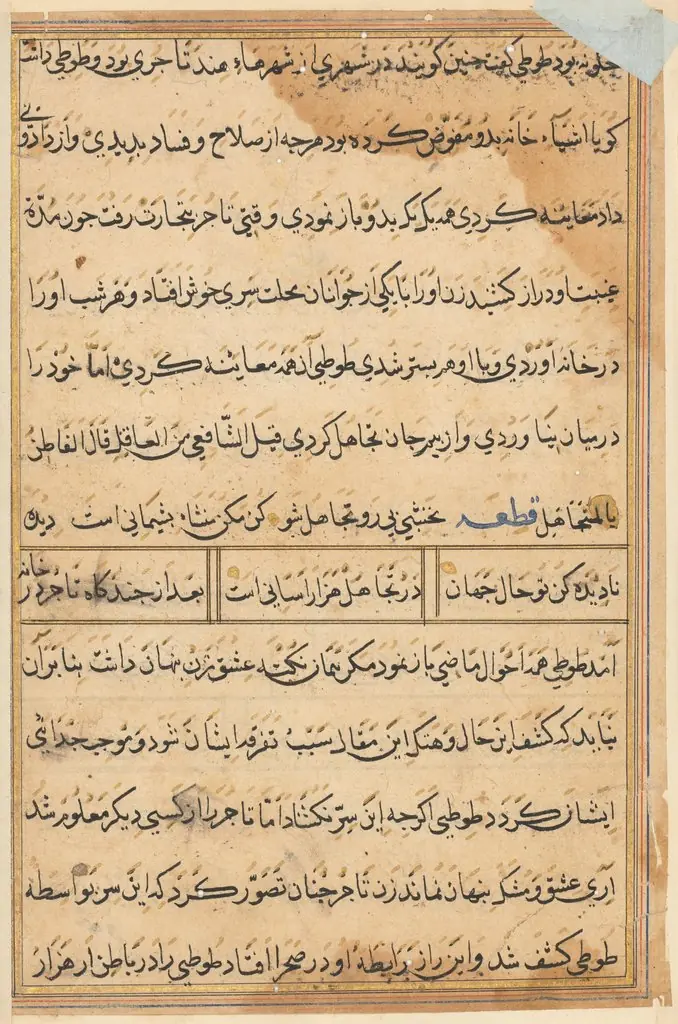
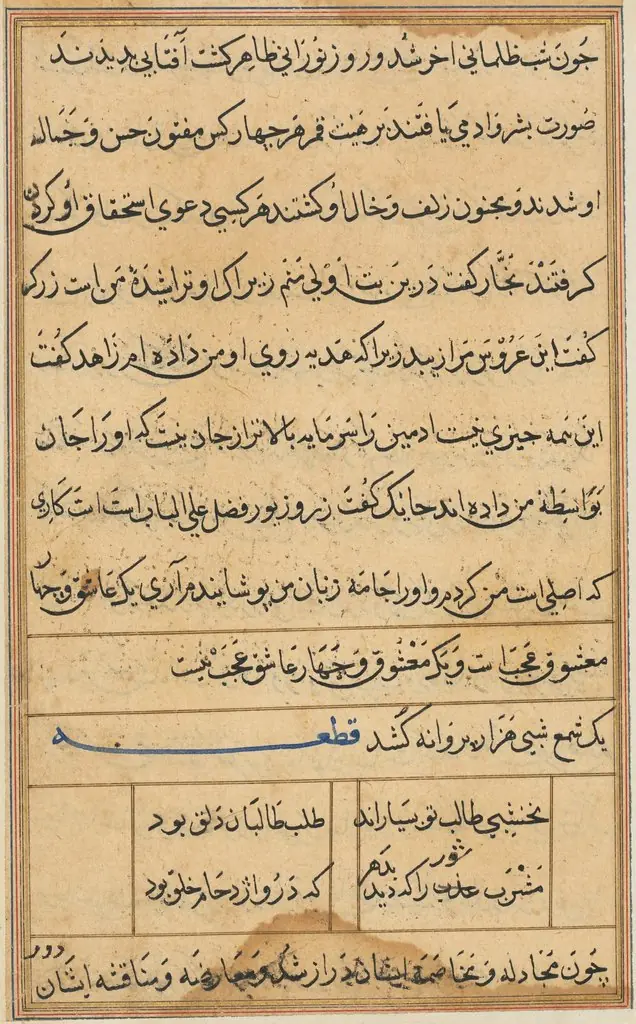
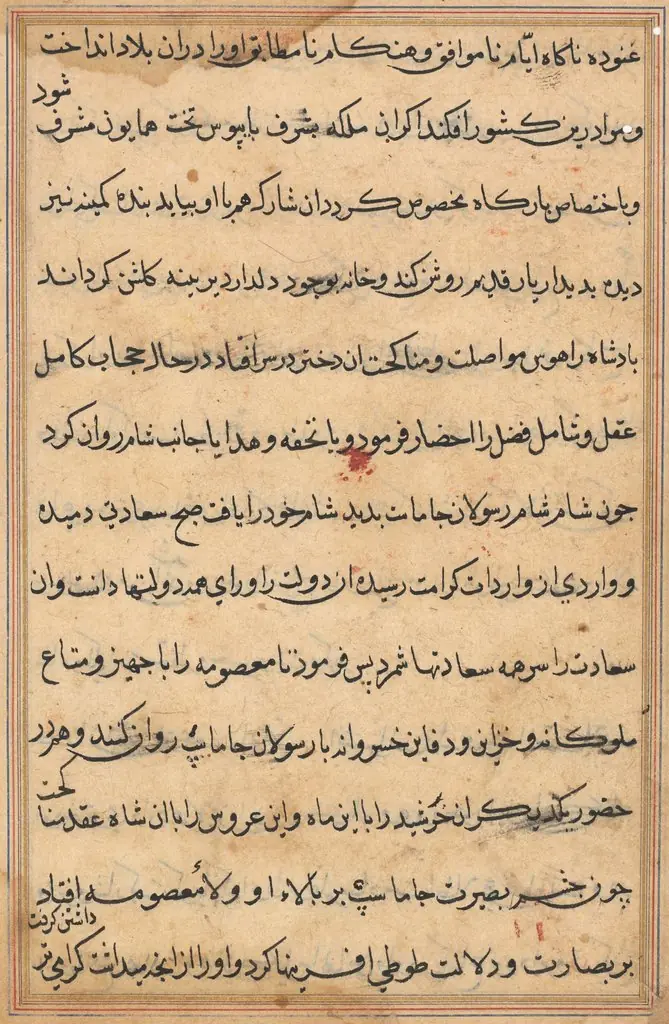
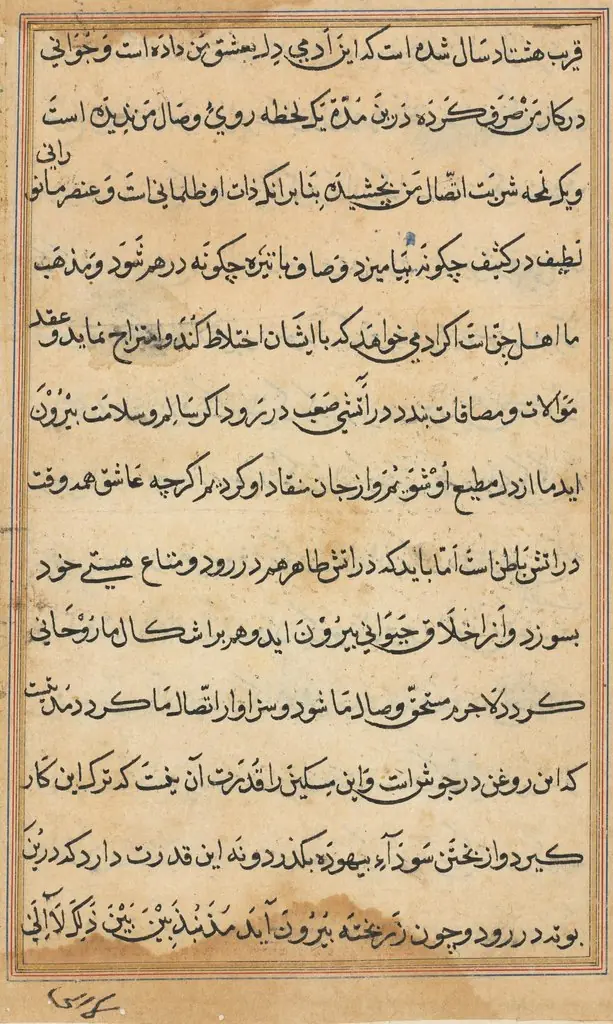
Page from Tales of a Parrot (Tuti-nama): text page is an unspecified painting. It dates from 1560 and is held in the collection of the Cleveland Museum of Art. The object is a single folio from the medieval Persian manuscript known as the *Tuti‑nama* (Tales of a Parrot).
About this work
Overview
The object is a single folio from the medieval Persian manuscript known as the *Tuti‑nama* (Tales of a Parrot). The page consists solely of handwritten text rendered in black ink upon a light‑brown parchment, showing signs of extensive handling and marginal staining typical of a well‑used codex.
Subject & Meaning
The *Tuti‑nama* is a collection of moral anecdotes and fables, traditionally presented as dialogues between a parrot and a king. This particular leaf contains a portion of the narrative, offering ethical instruction through allegorical storytelling, a common didactic device in Persian literary culture.
Technique & Style
The script is executed in an elaborate, cursive calligraphy characterized by intricate swirls and flowing curves, indicative of a high‑status production. Black iron‑gall ink provides strong contrast against the parchment, while the presence of darker brown spots and edge lines reflects the material’s age and repeated use.
History & Provenance
The manuscript originates from the medieval Islamic world, likely produced in a Persianate court or scholarly workshop. The page’s condition suggests it has been preserved within a collection that valued its textual content, though specific ownership records are not documented in the available data.
Context
During the period of its creation, illustrated manuscripts were central to the transmission of literary and moral teachings. While many *Tuti‑nama* copies feature elaborate miniature paintings, this leaf represents a text‑only segment, underscoring the primacy of the written word in certain sections of the work.
Artist & collection

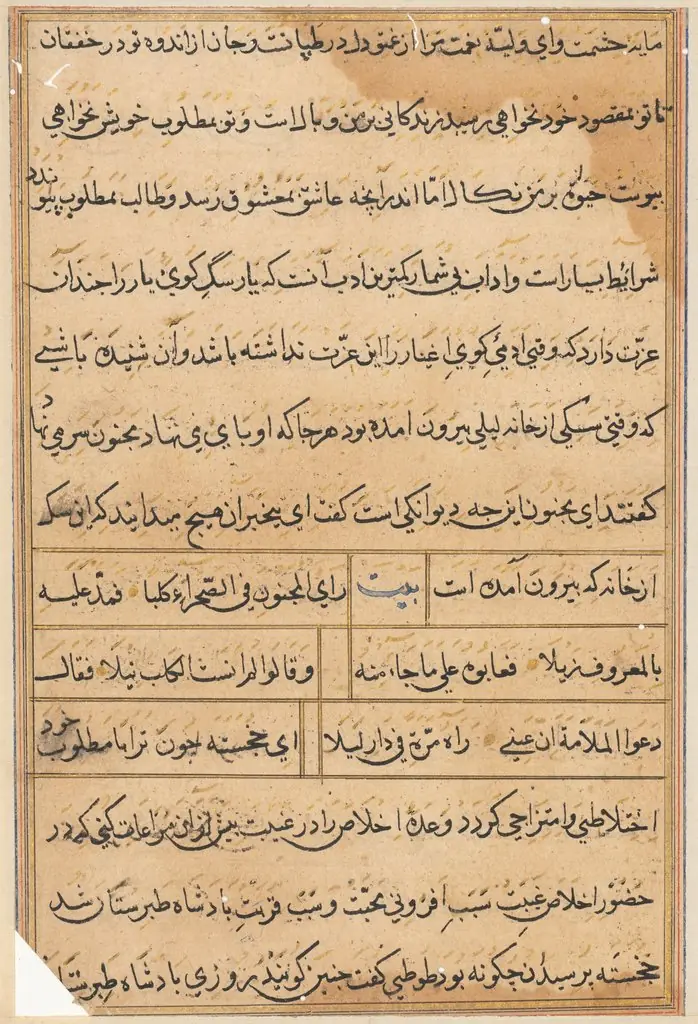 Page from Tales of a Parrot (Tuti-nama): text page
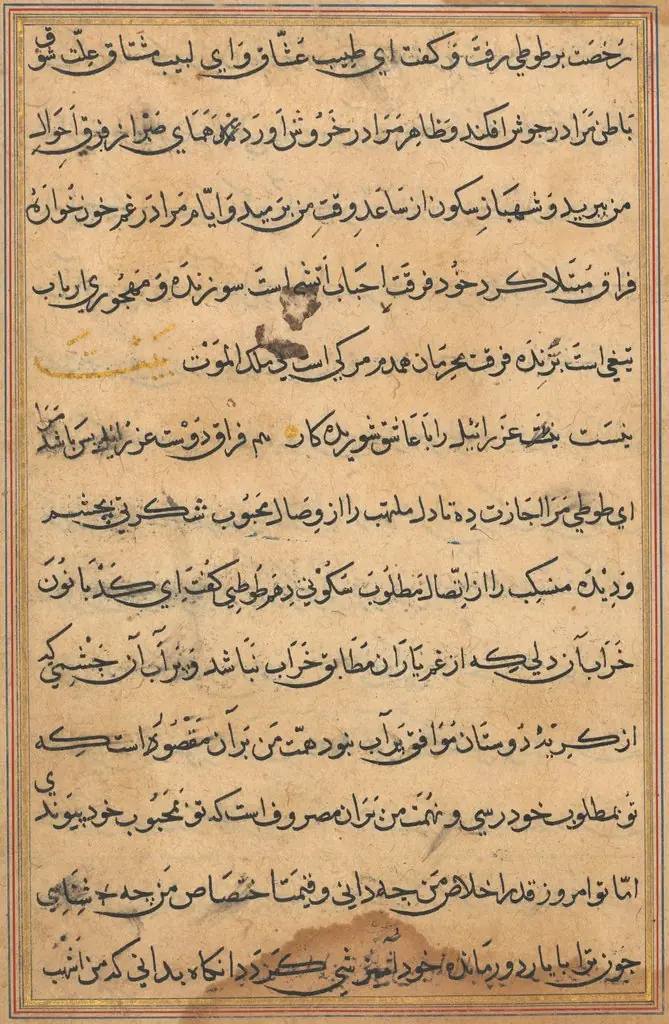 Page from Tales of a Parrot (Tuti-nama): text page
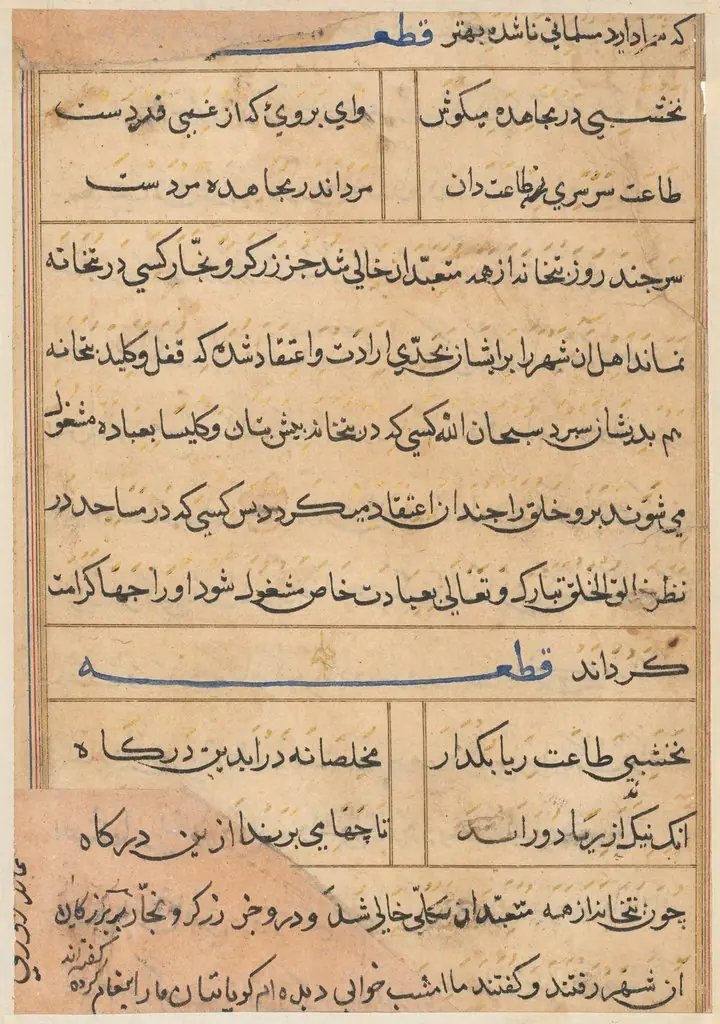 Page from Tales of a Parrot (Tuti-nama): text page
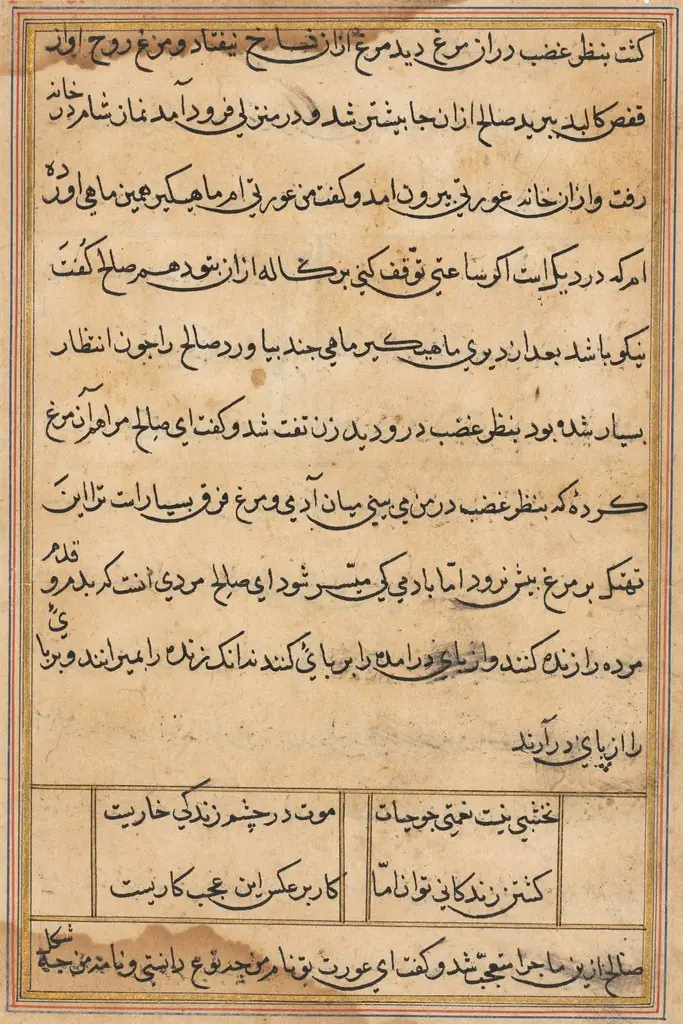 Page from Tales of a Parrot (Tuti-nama): text page
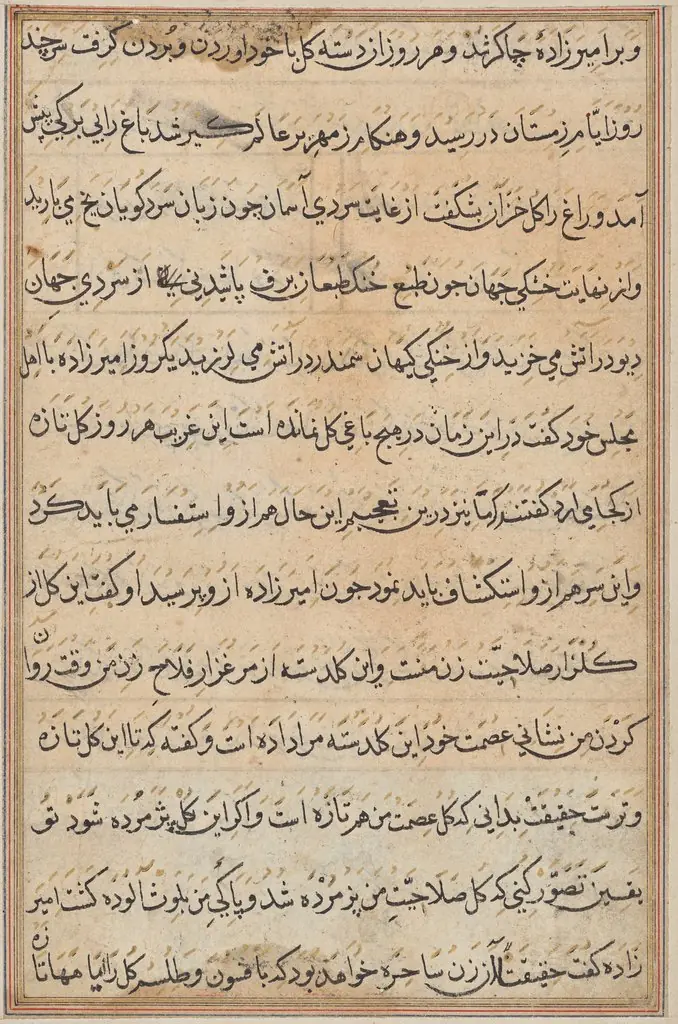 Page from Tales of a Parrot (Tuti-nama): text page
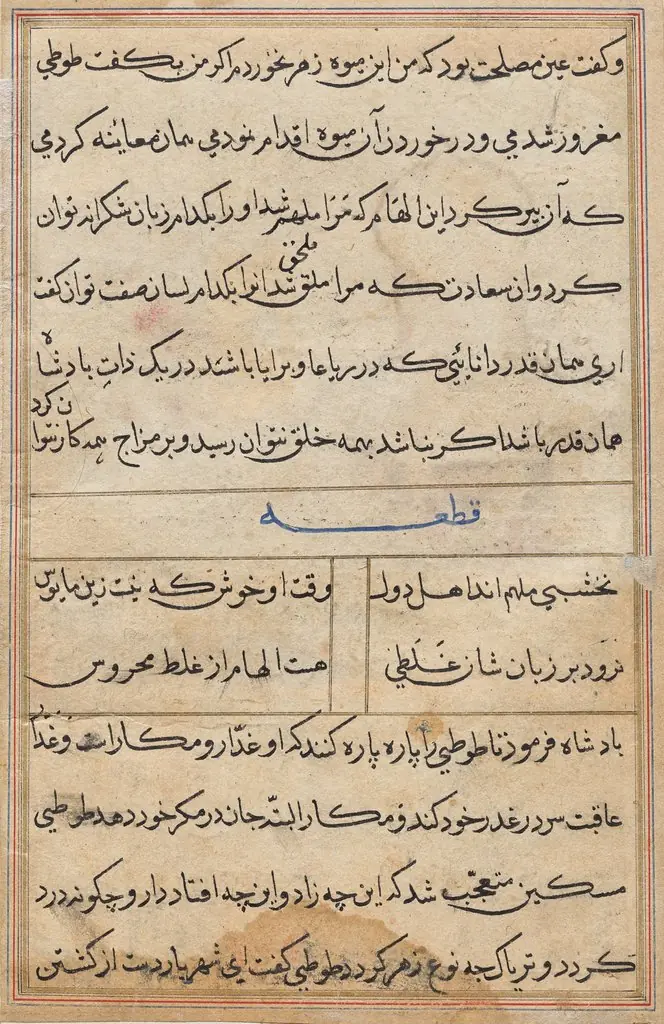 Page from Tales of a Parrot (Tuti-nama): text page
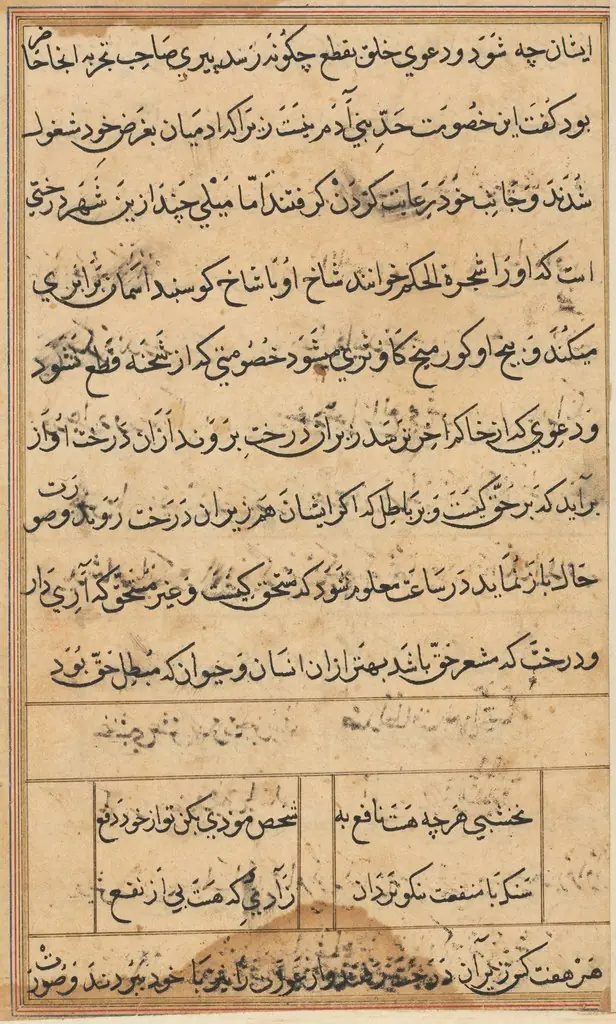 Page from Tales of a Parrot (Tuti-nama): text page
 Page from Tales of a Parrot (Tuti-nama): text page
 Page from Tales of a Parrot (Tuti-nama): text page
 Page from Tales of a Parrot (Tuti-nama): text page
 Page from Tales of a Parrot (Tuti-nama): text page
 Page from Tales of a Parrot (Tuti-nama): text page