Artwork
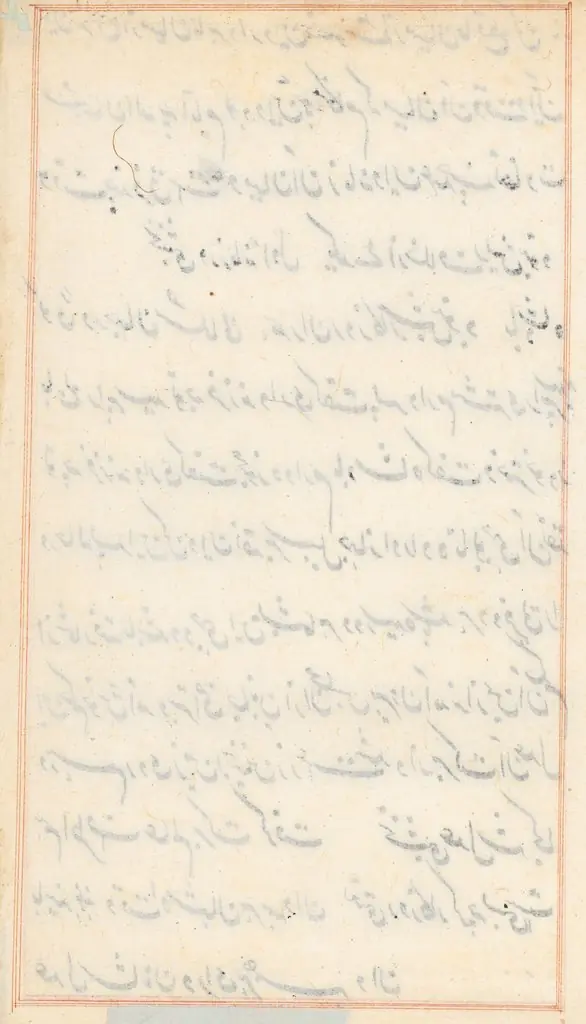
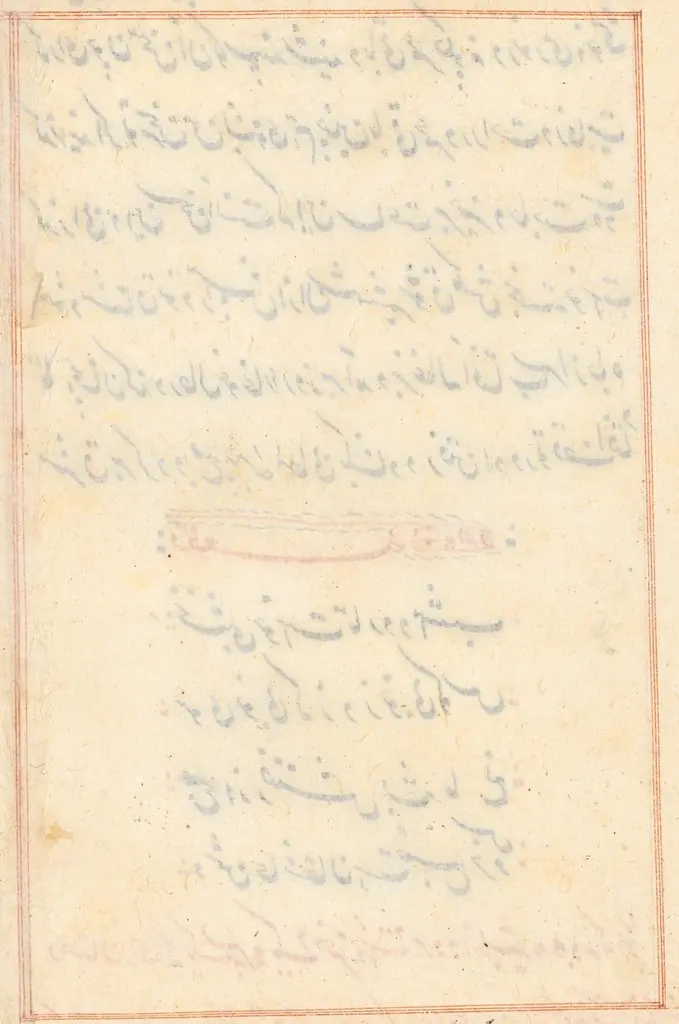
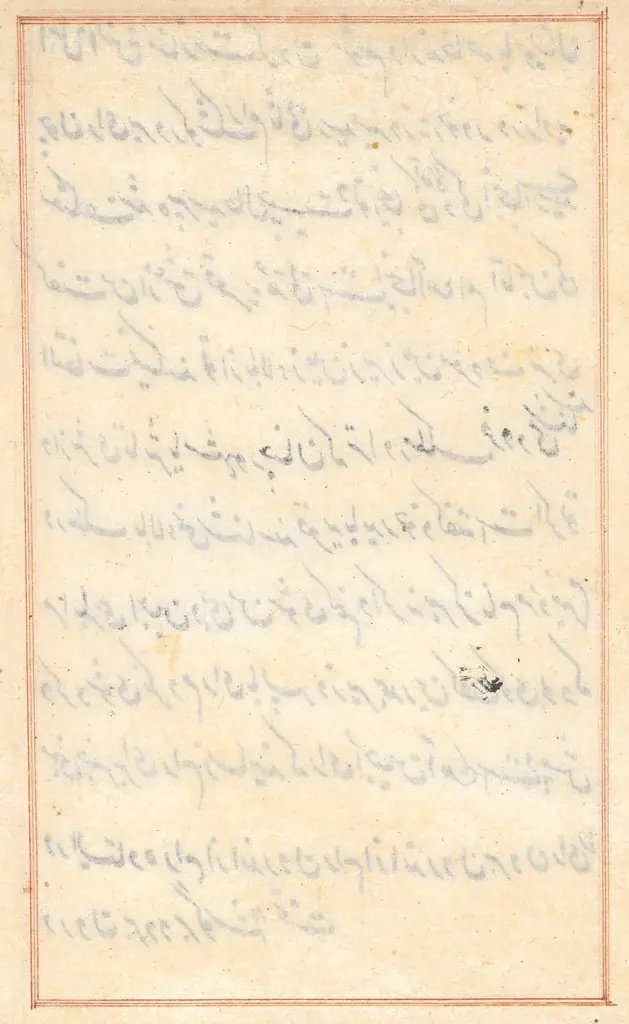
Page from Tales of a Parrot (Tuti-nama): text page (blank)
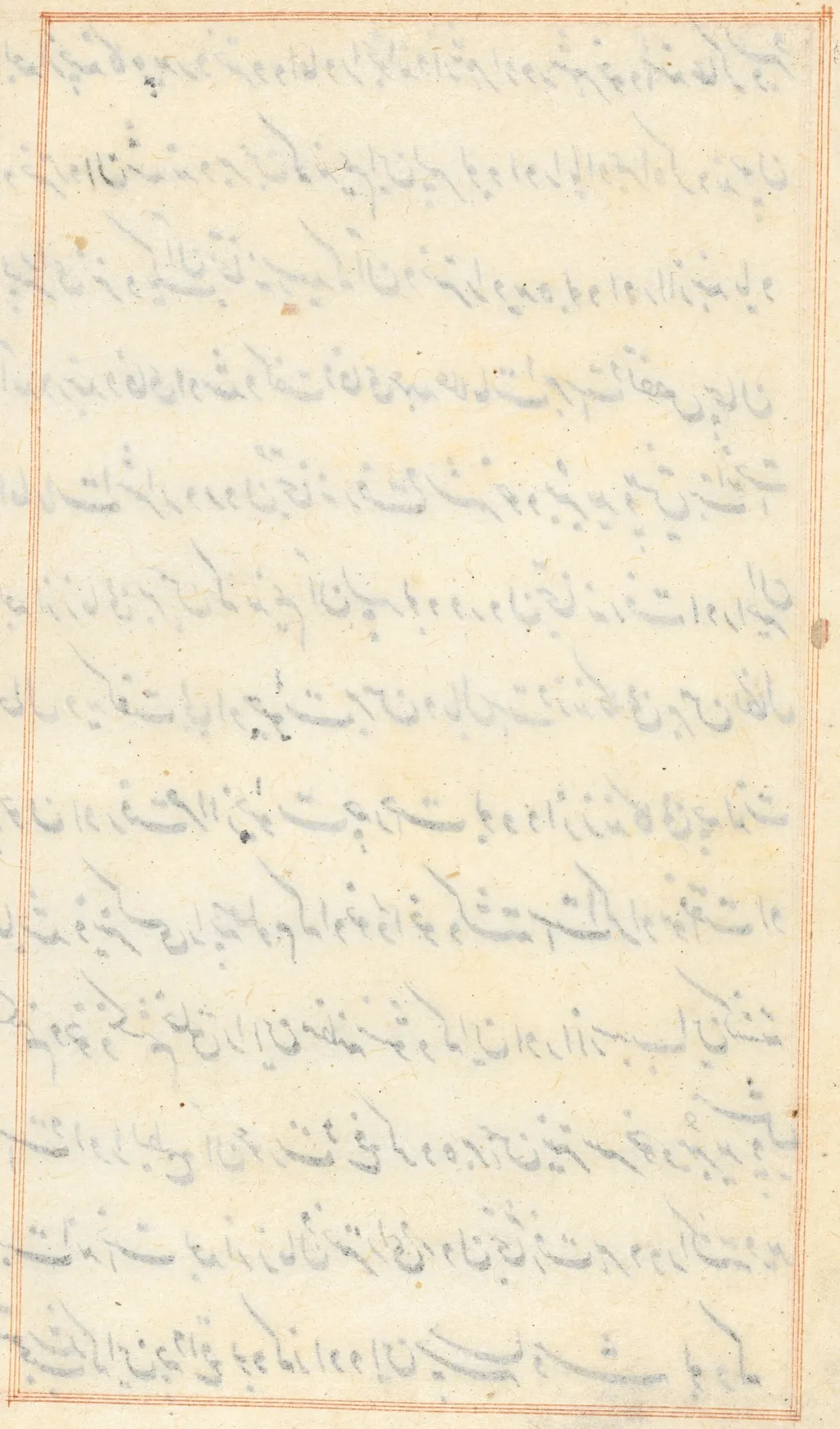
Page from Tales of a Parrot (Tuti-nama): text page (blank) is an unspecified painting. It dates from 1560 and is held in the collection of the Cleveland Museum of Art. The object is a single leaf from the Persian manuscript known as the *Tales of a Parrot* (Tuti‑nama).
About this work
Overview
The object is a single leaf from the Persian manuscript known as the *Tales of a Parrot* (Tuti‑nama). It consists of a sheet of light‑coloured paper bearing a continuous line of blue calligraphy, framed by a narrow red border. The surface shows signs of age, with slight wear and discoloration, but the text remains legible and uniformly executed.
Subject & Meaning
The blue script records a narrative passage from the *Tuti‑nama*, a collection of moral and didactic stories traditionally illustrated for courtly audiences. Although this particular leaf contains no accompanying miniatures, the text itself conveys the tale’s ethical lesson, reflecting the manuscript’s role as both literary entertainment and instructional guide in its original cultural context.
Technique & Style
The calligrapher employed a tight, even hand using a fine brush or pen, producing smooth, flowing strokes characteristic of Persian Nastaʿlīq script. The red marginal line is applied with a thin brush, delineating the page’s edge without interrupting the text. The paper, likely handmade mulberry or hemp, exhibits a subtle texture that has softened with centuries of handling.
History & Provenance
This leaf is part of the Cleveland Museum of Art’s collection of Persian illustrated books, acquired through the museum’s early‑20th‑century acquisitions of Islamic manuscripts. The manuscript’s provenance traces back to Safavid Iran, where such texts were commissioned for elite patrons, before entering the Western art market and eventually the museum’s holdings.
Context
The *Tuti‑nama* belongs to a broader tradition of illustrated moral compendia that flourished in the Islamic world from the 14th to 17th centuries. While many copies feature elaborate miniature paintings, some versions, like this one, prioritize textual presentation, highlighting the importance of the narrative itself within the literary culture of the period.
Artist & collection

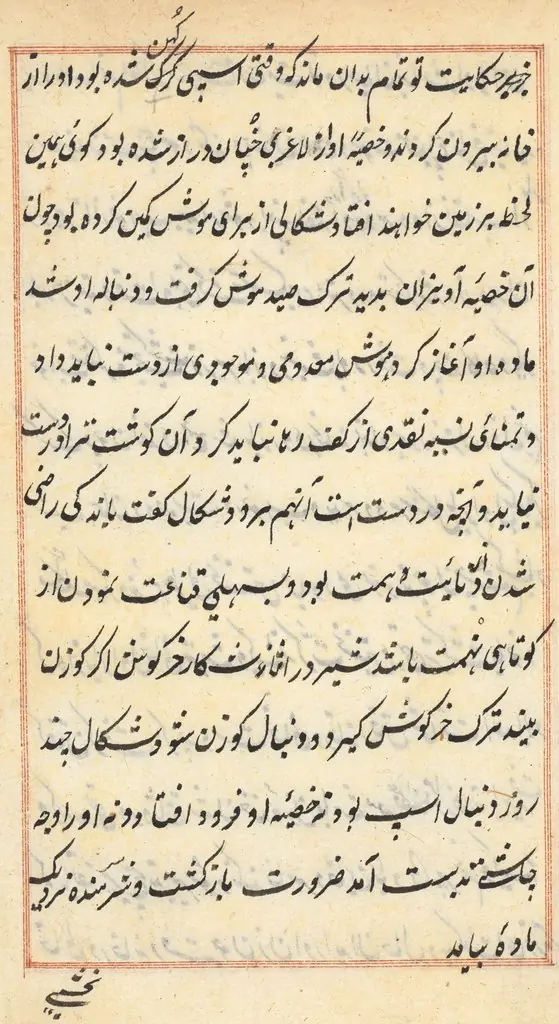 Page from Tales of a Parrot (Tuti-nama): text page
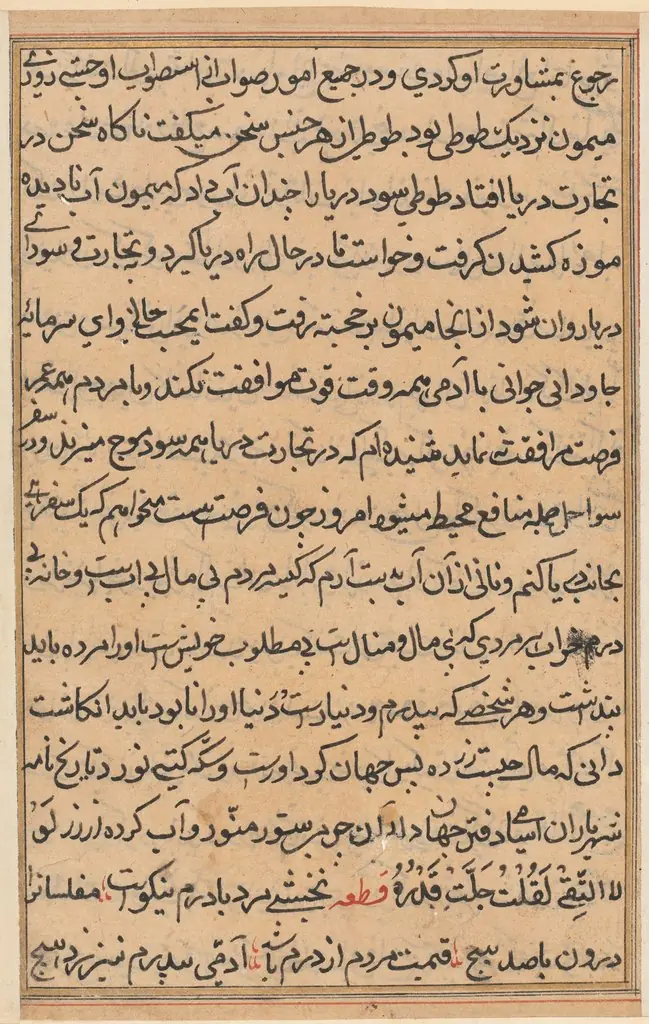 Page from Tales of a Parrot (Tuti-nama): text page
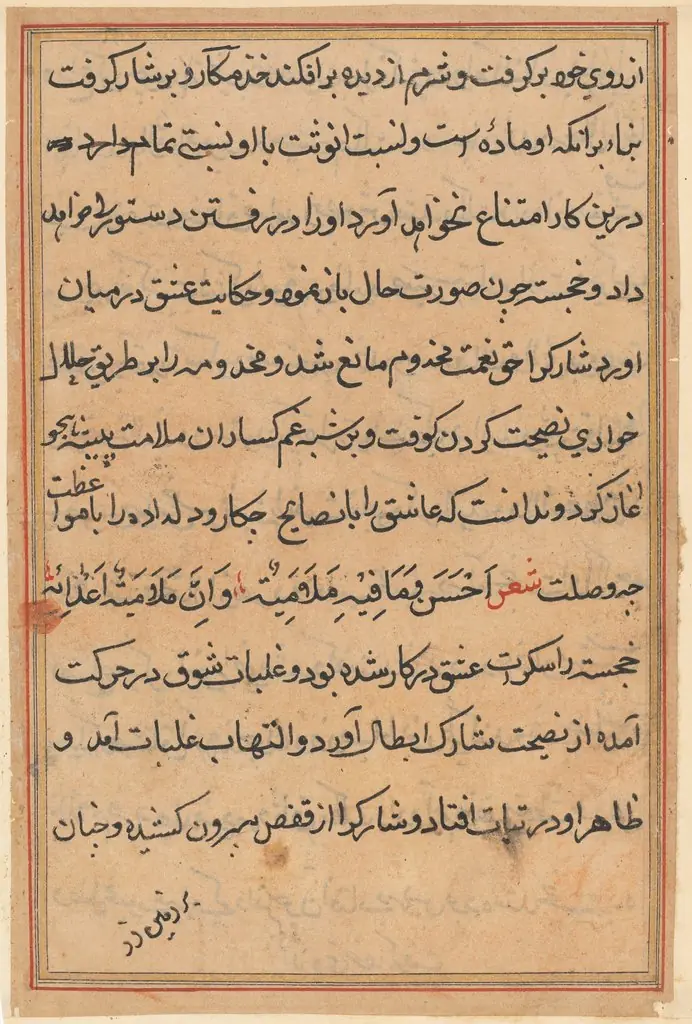 Page from Tales of a Parrot (Tuti-nama): text page
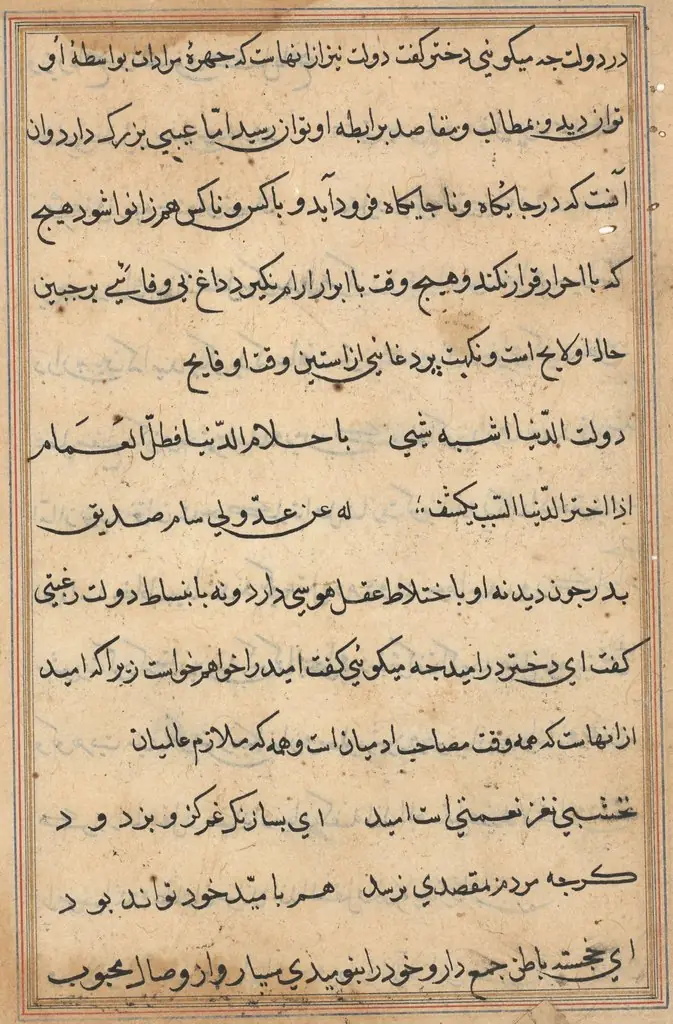 Page from Tales of a Parrot (Tuti-nama): text page
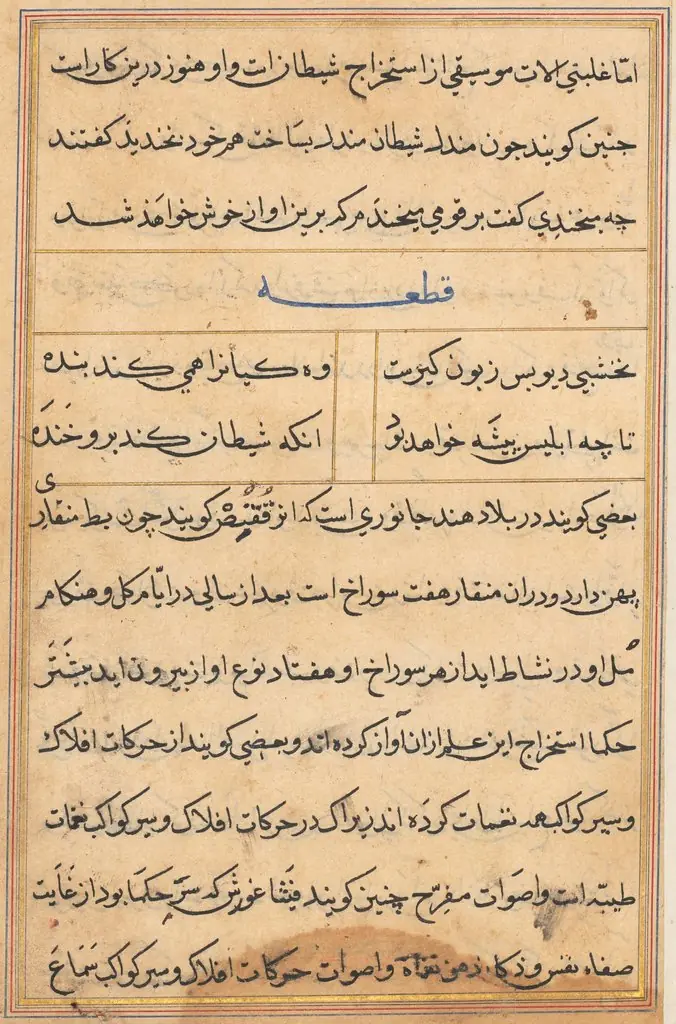 Page from Tales of a Parrot (Tuti-nama): text page
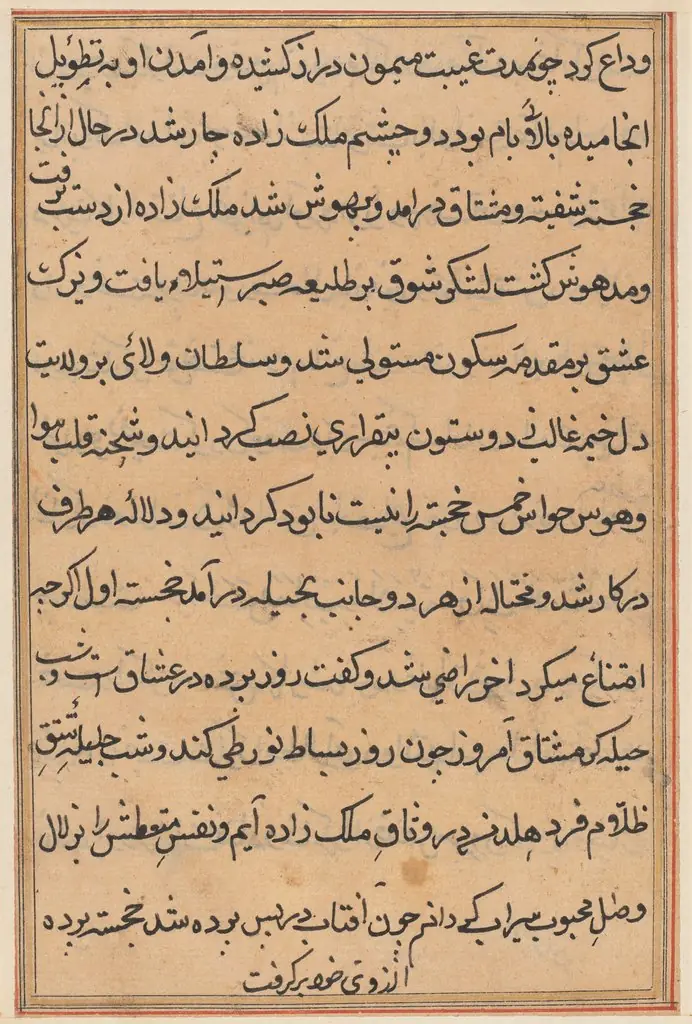 Page from Tales of a Parrot (Tuti-nama): text page
 Page from Tales of a Parrot (Tuti-nama): text page
 Page from Tales of a Parrot (Tuti-nama): text page