Artwork
明孝宗坐像 軸
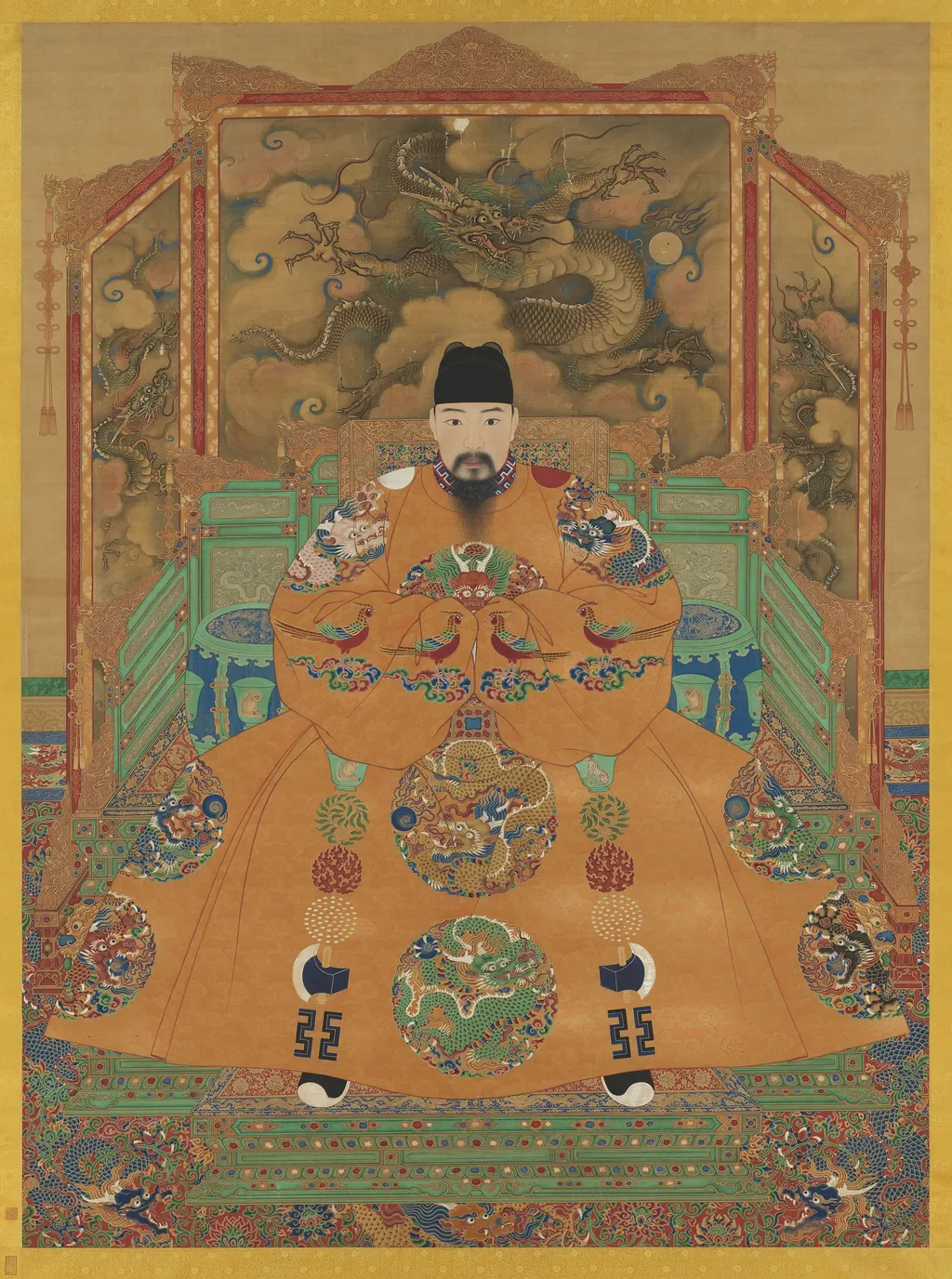
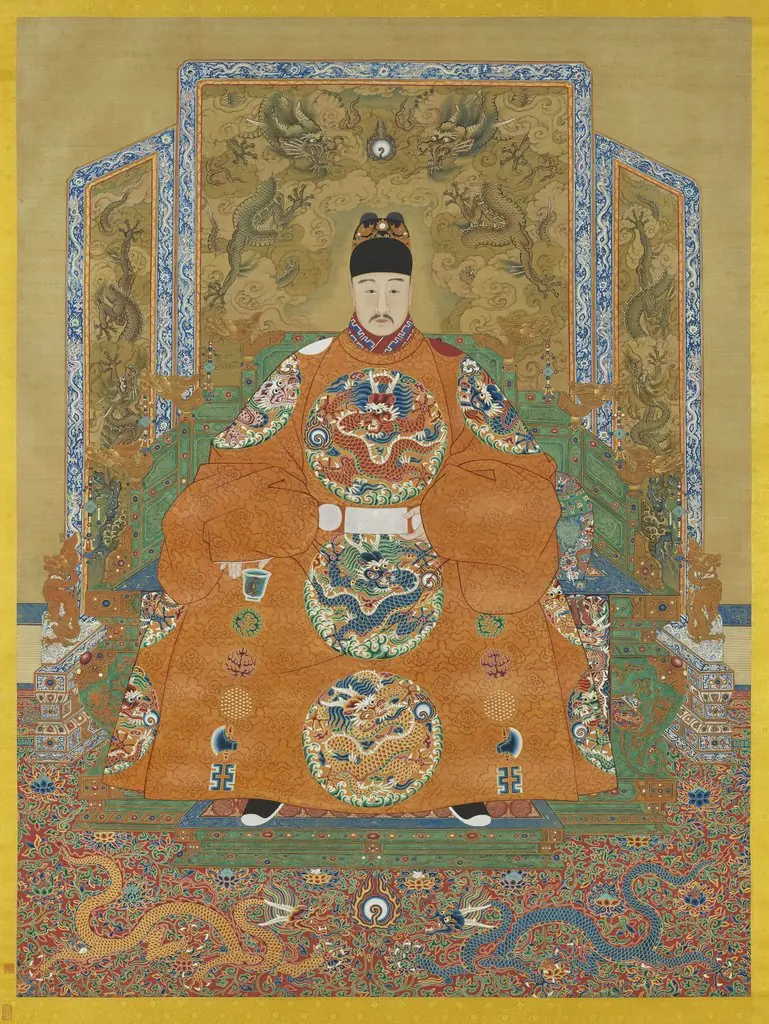
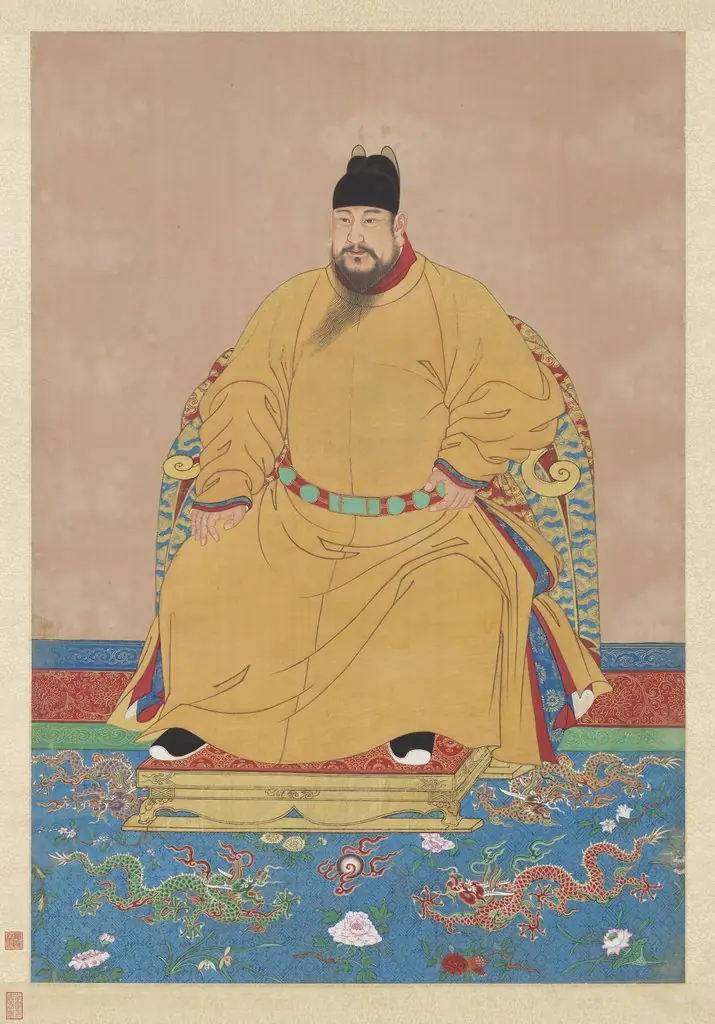
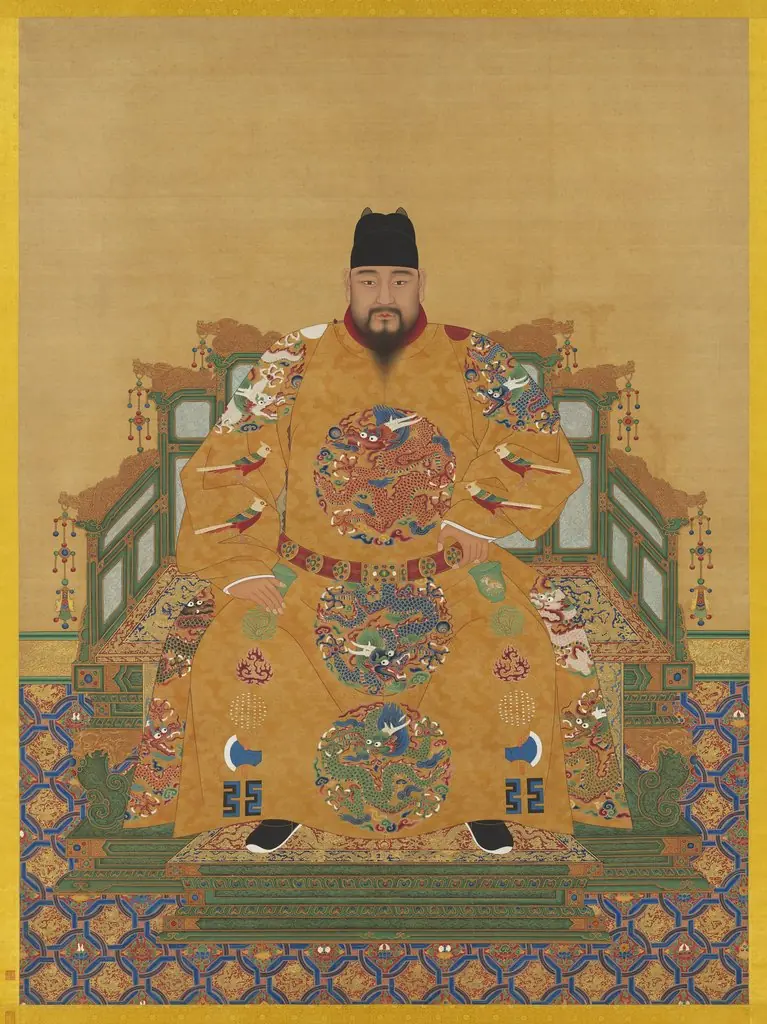
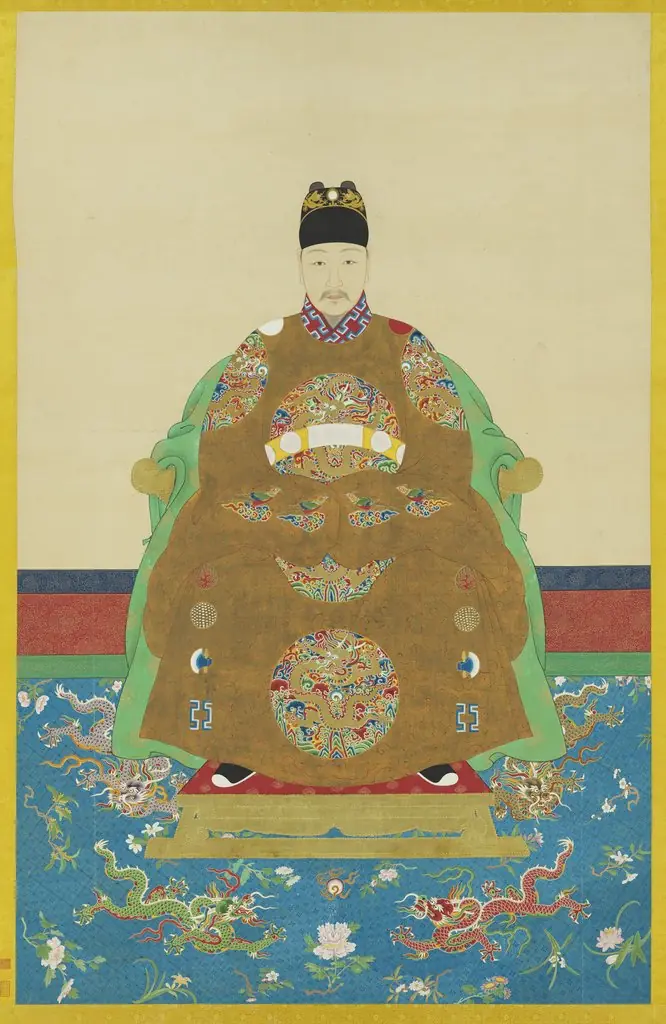
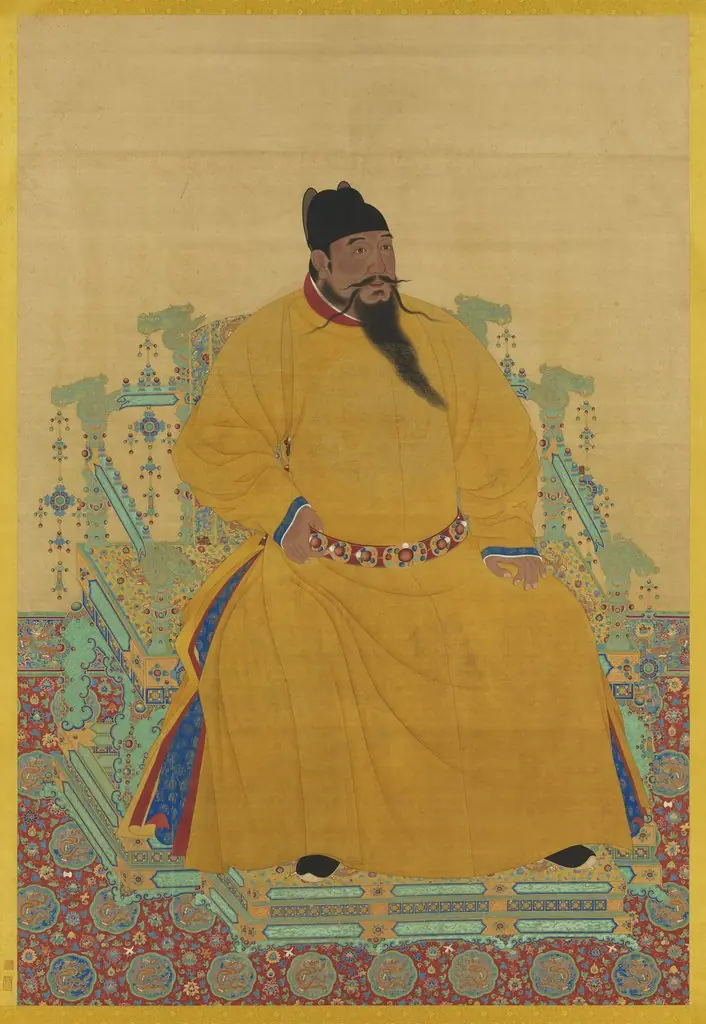
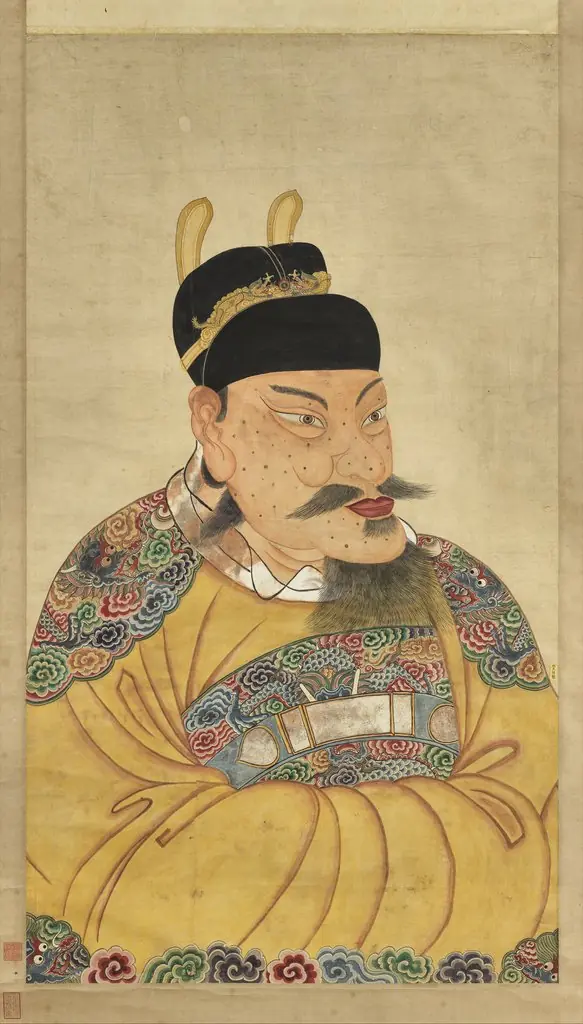
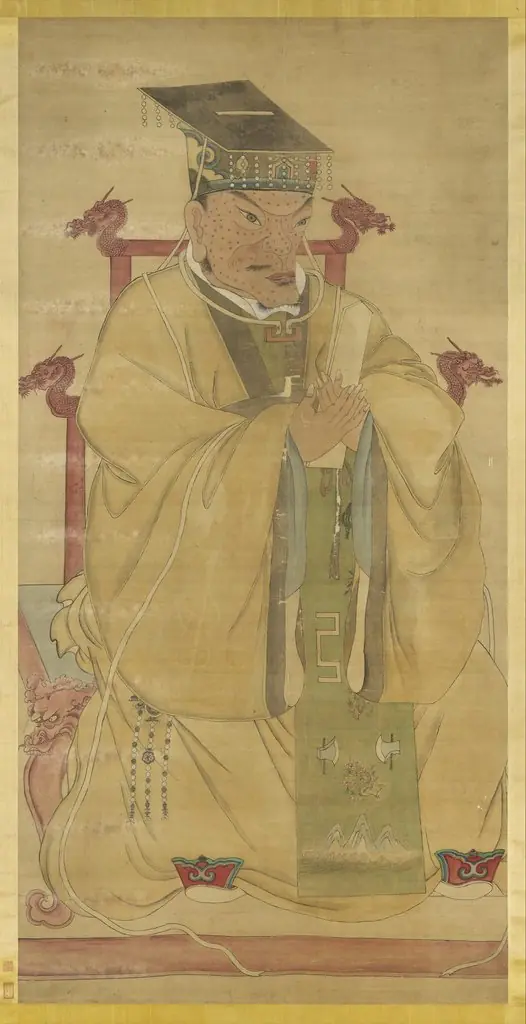
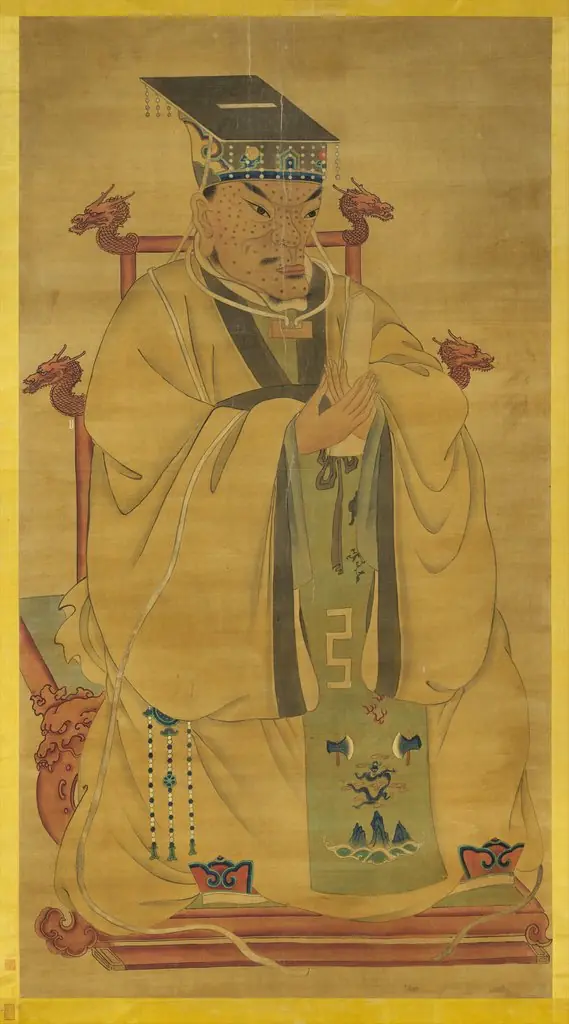
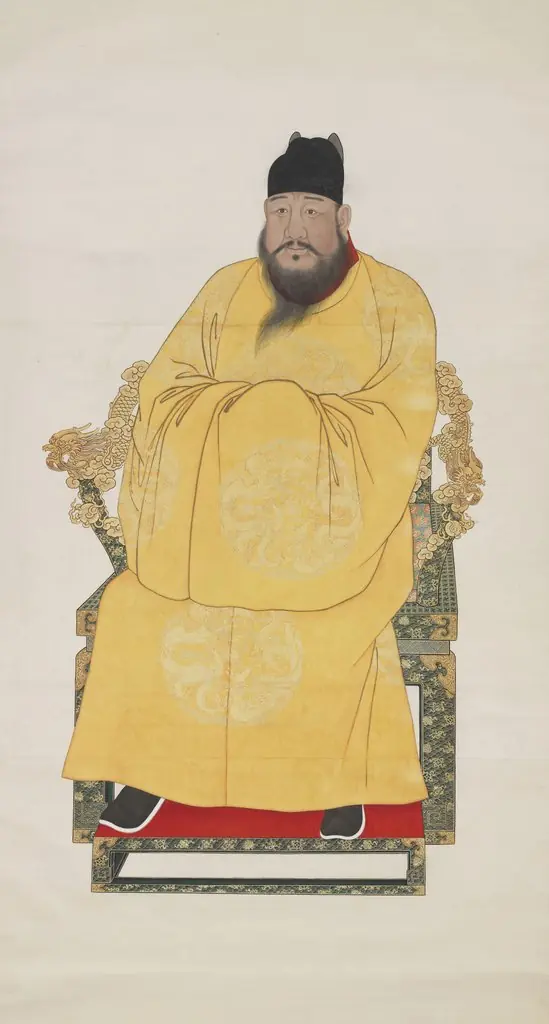
明孝宗坐像 軸 is an unspecified painting by Unknown. It is held in the collection of the National Palace Museum. The hanging scroll presents a seated figure on an elaborate throne, rendered in vivid hues and detailed ornamentation.
About this work
Overview
The throne itself is painted in green with gold trim, while a large dragon motif occupies the background, reinforcing the sense of imperial authority.
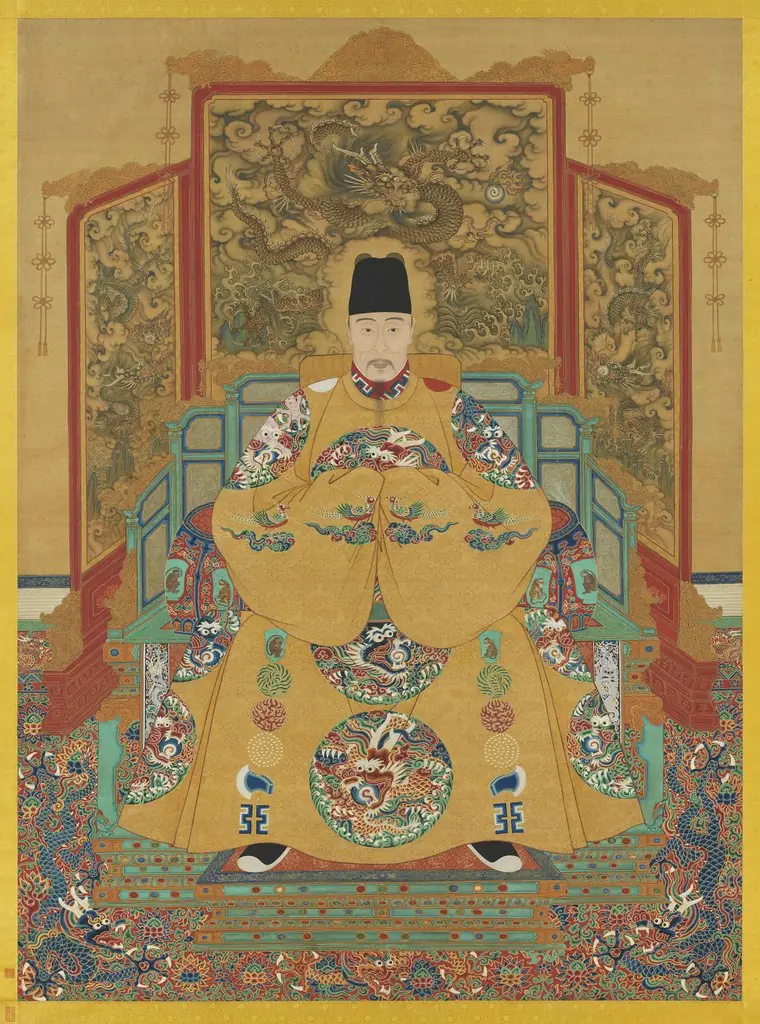
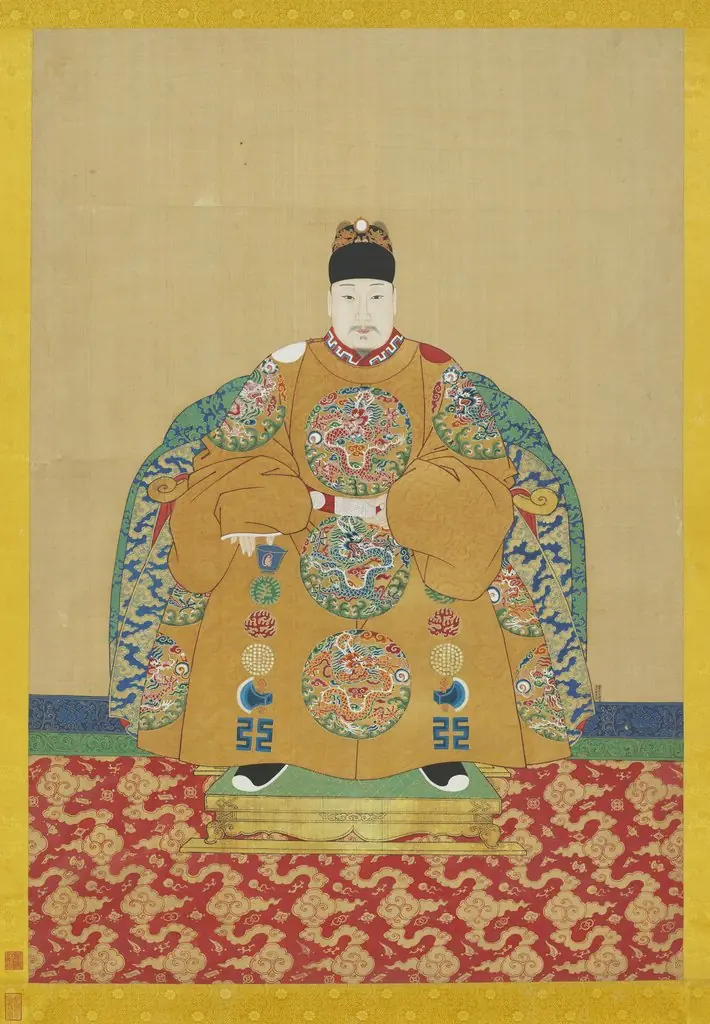
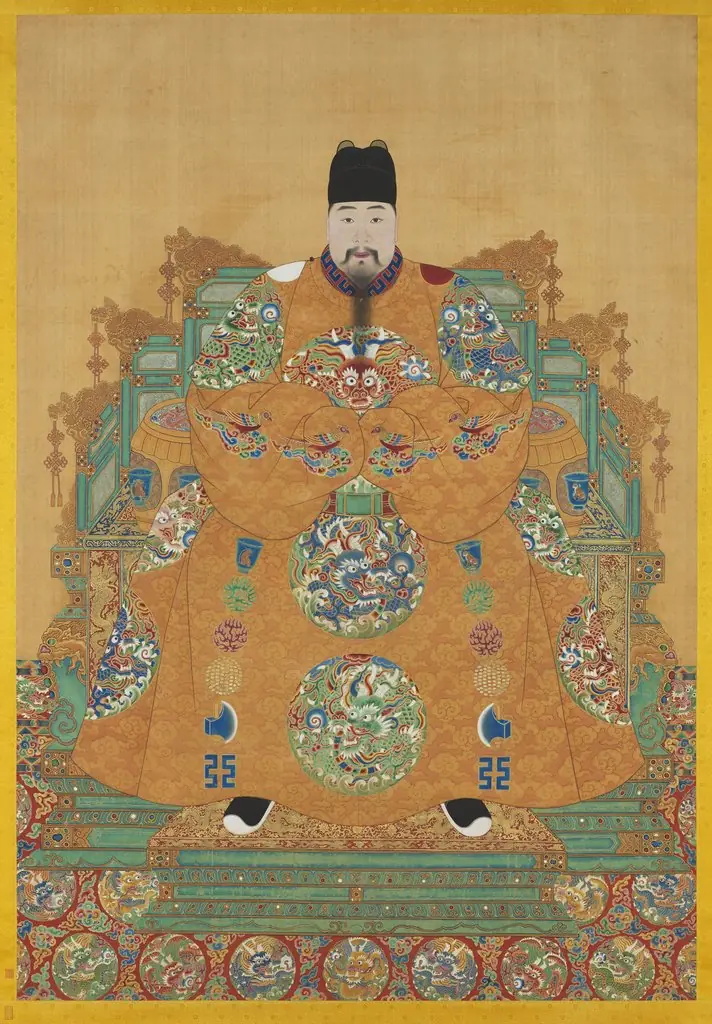
The hanging scroll presents a seated figure on an elaborate throne, rendered in vivid hues and detailed ornamentation. The central figure wears an orange robe with intricate motifs, a black hat, and a long black beard, embodying the regal attire of a Chinese emperor. The throne itself is painted in green with gold trim, while a large dragon motif occupies the background, reinforcing the sense of imperial authority.
Subject & Meaning
The portrait depicts Emperor Xiaozong of the Ming dynasty, whose reign spanned from 1464 to 1487. The inclusion of the dragon—a traditional symbol of the emperor—alongside luxurious fabrics and elaborate patterns underscores the sovereign’s divine right to rule and the wealth associated with the throne.
Technique & Style
Executed on silk in the traditional Chinese hanging‑scroll format, the work employs fine brushwork to delineate the robe’s patterned designs and the throne’s gilded accents. The bright palette—orange, green, black, and gold—combined with meticulous detailing reflects court painting conventions of the late Ming period, emphasizing realism and decorative richness.
History & Provenance
The scroll is a later copy of an original Ming portrait, likely produced during the Qing dynasty to commemorate the earlier emperor. It entered the museum collection through a private acquisition in the early twentieth century, where it has been catalogued as a representative example of imperial portraiture.
Context
Portraits of reigning emperors were central to court visual culture, serving both as political propaganda and as ritual objects displayed in palaces. This image aligns with the broader tradition of Ming portraiture that emphasized the emperor’s moral authority and the cosmic order symbolized by the dragon motif.
Legacy
The painting continues to inform scholars about Ming court aesthetics, ceremonial dress, and the visual language of imperial power. Its preservation allows comparative study with other dynastic portraits, contributing to a deeper understanding of Chinese portraiture’s evolution across centuries.
Artist & collection

 Domestic Scene
 Giacomo and Cardinal Marco, investing Andrea, Abbot of San Zeno, with his Benefice
 The Nymph of Fontainebleau
 Portrait of a Woman
 Madonna and Child with Saints in the Enclosed Garden
 Venus and Minerva
 Family Group of Four on Sofa
 Wall painting from Room H of the Villa of P. Fannius Synistor at Boscoreale