Artwork
明成祖坐像 軸
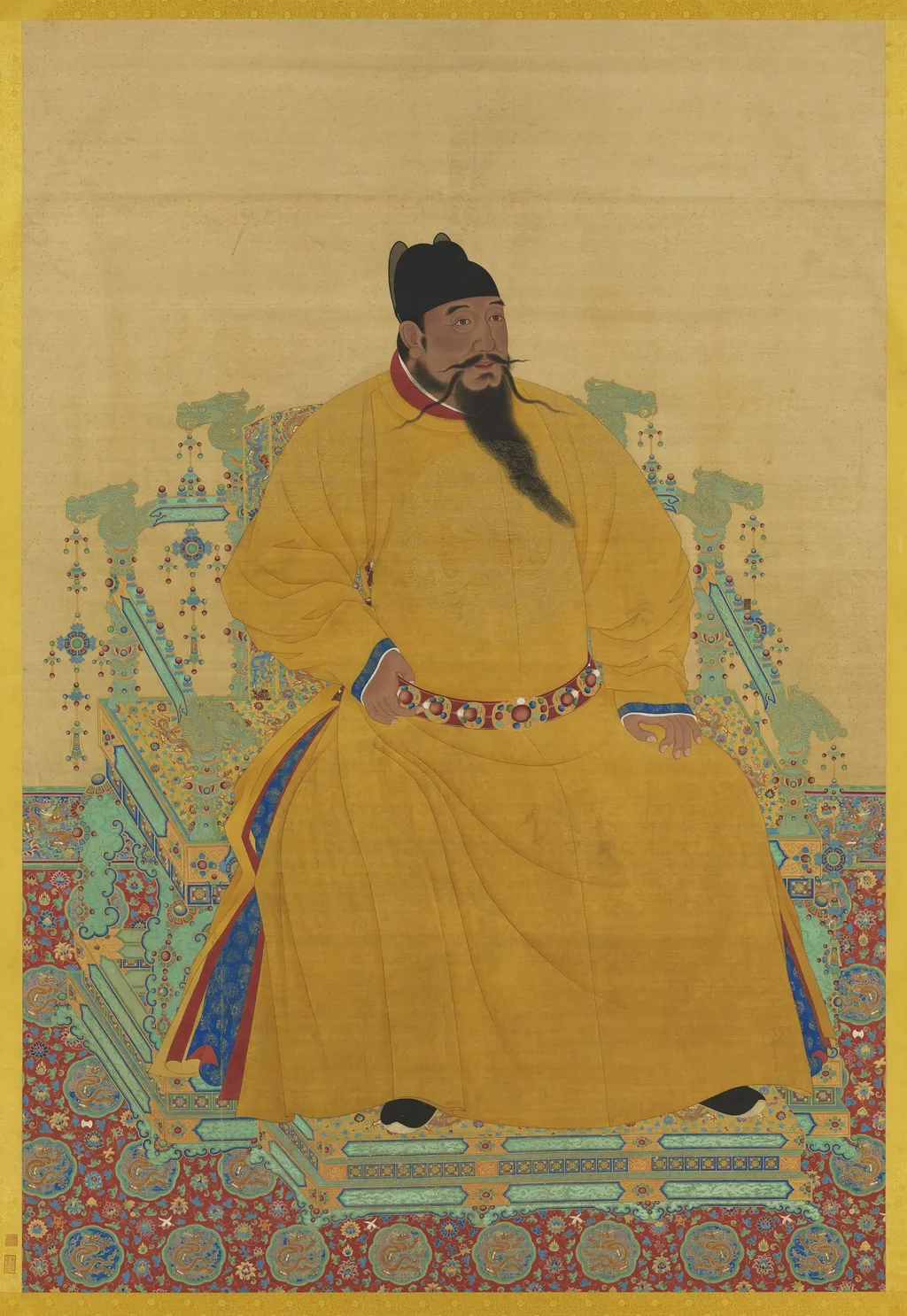
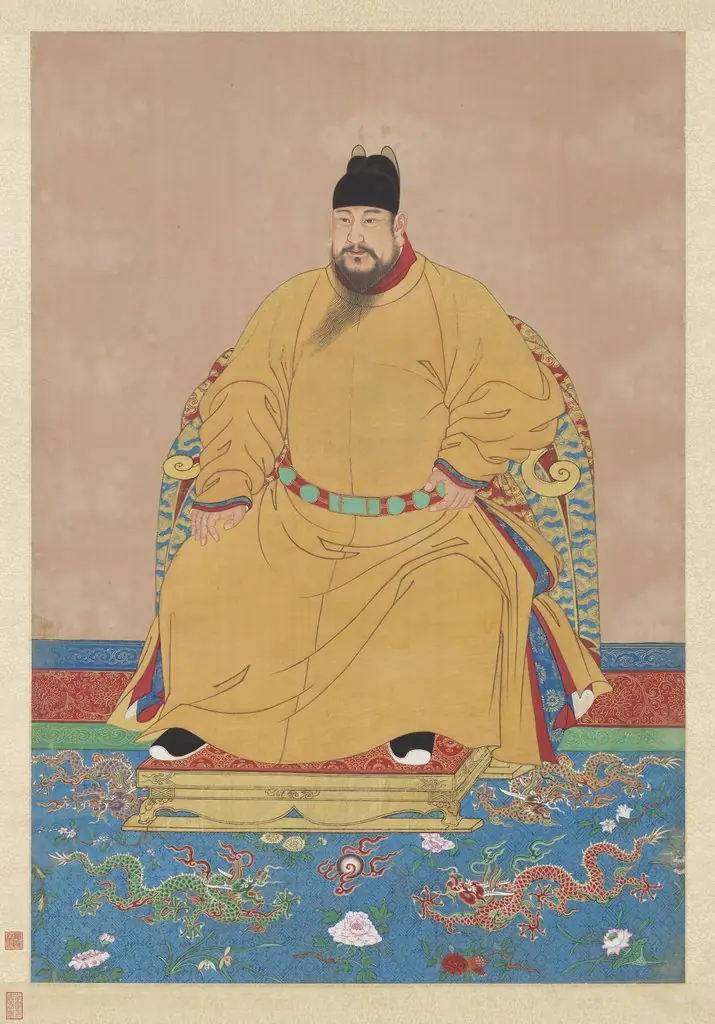
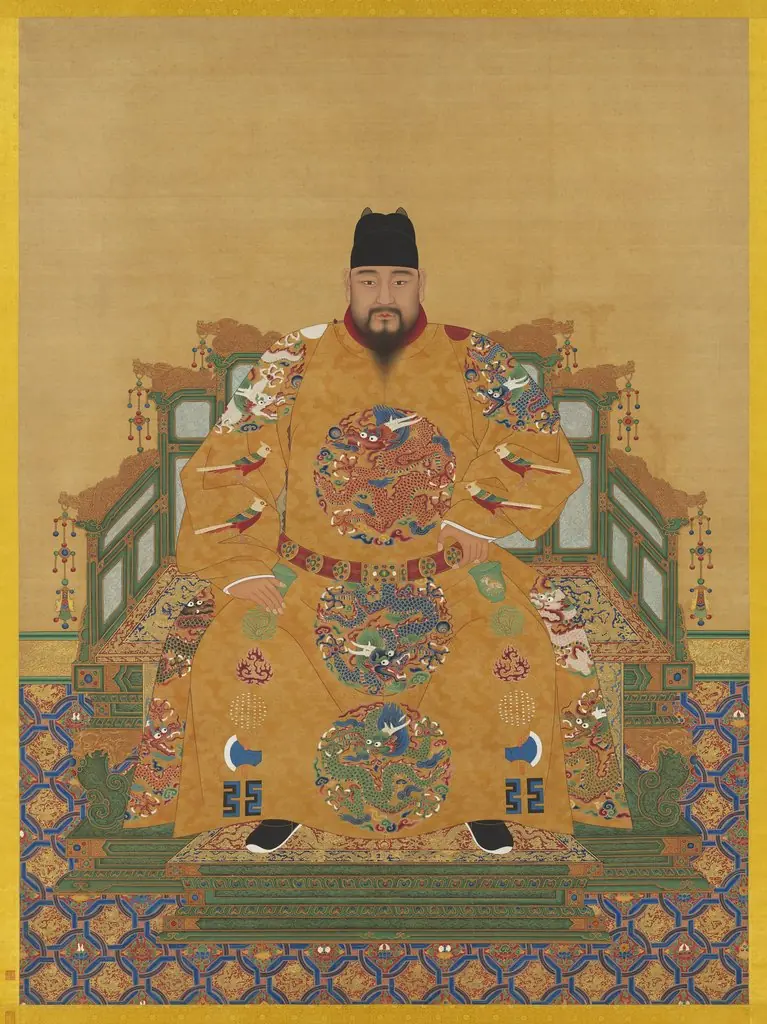
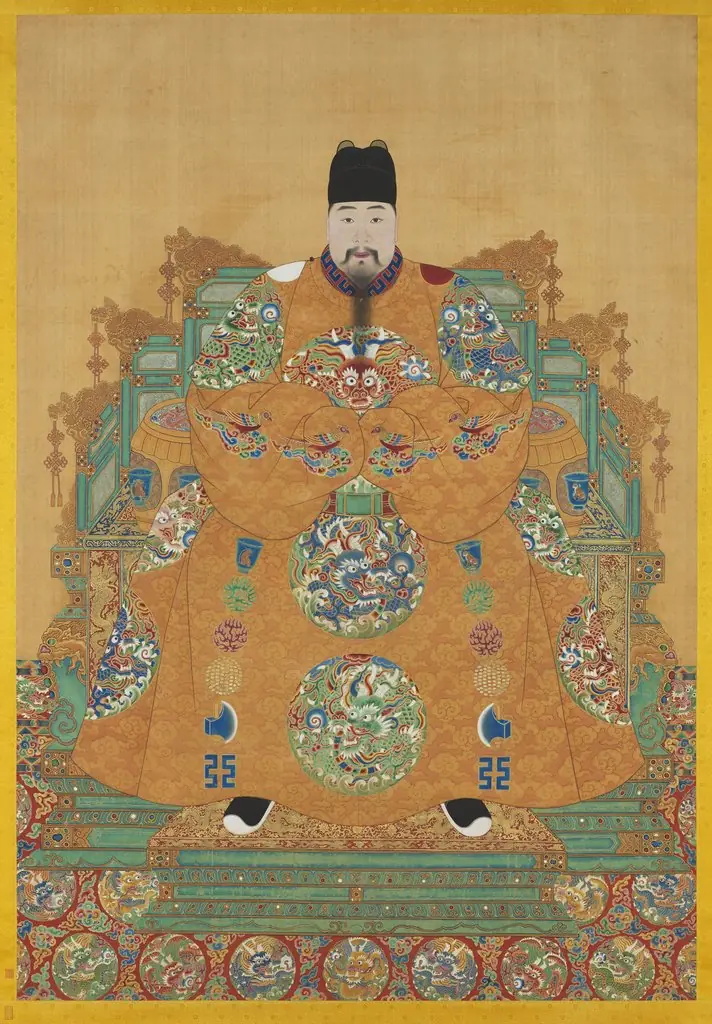
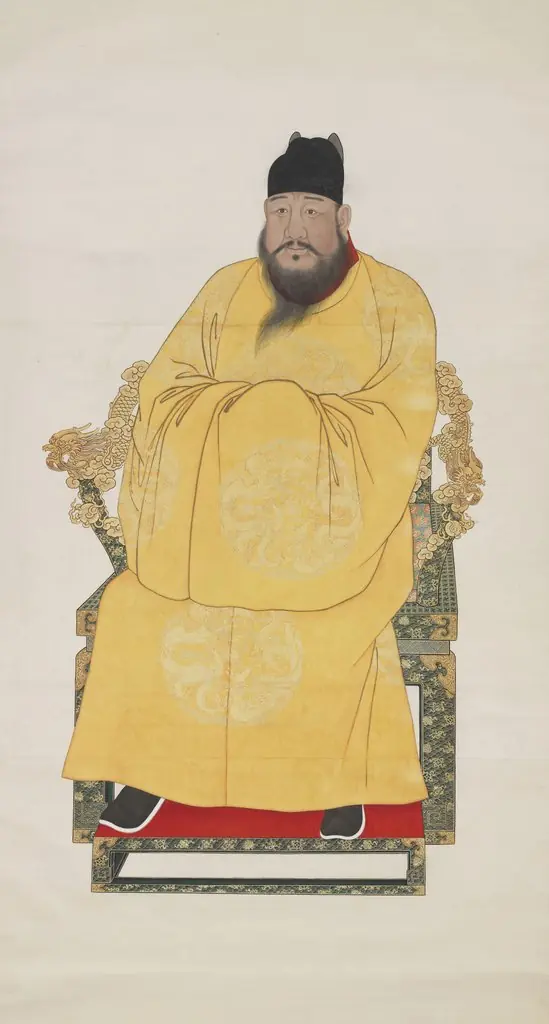
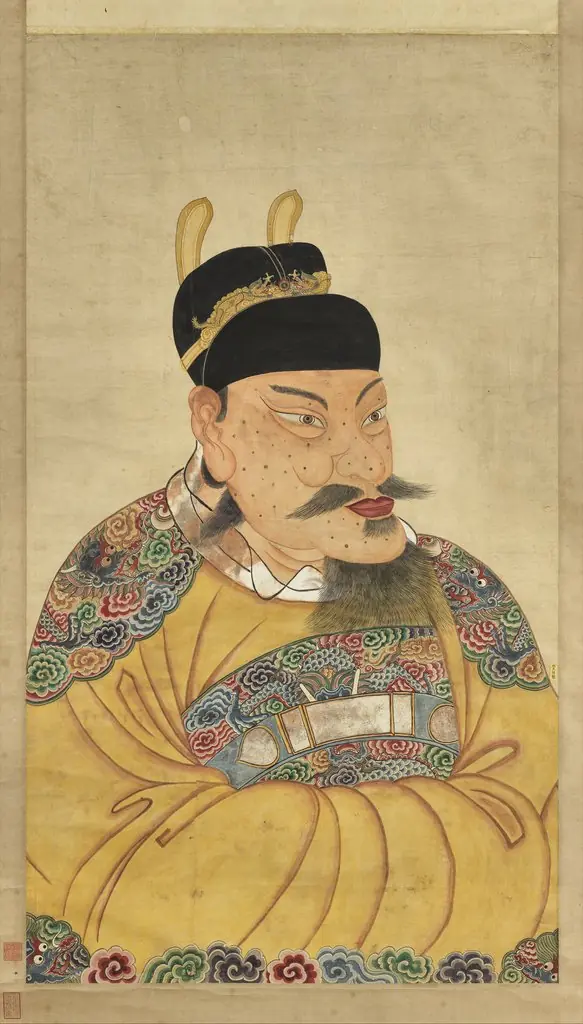
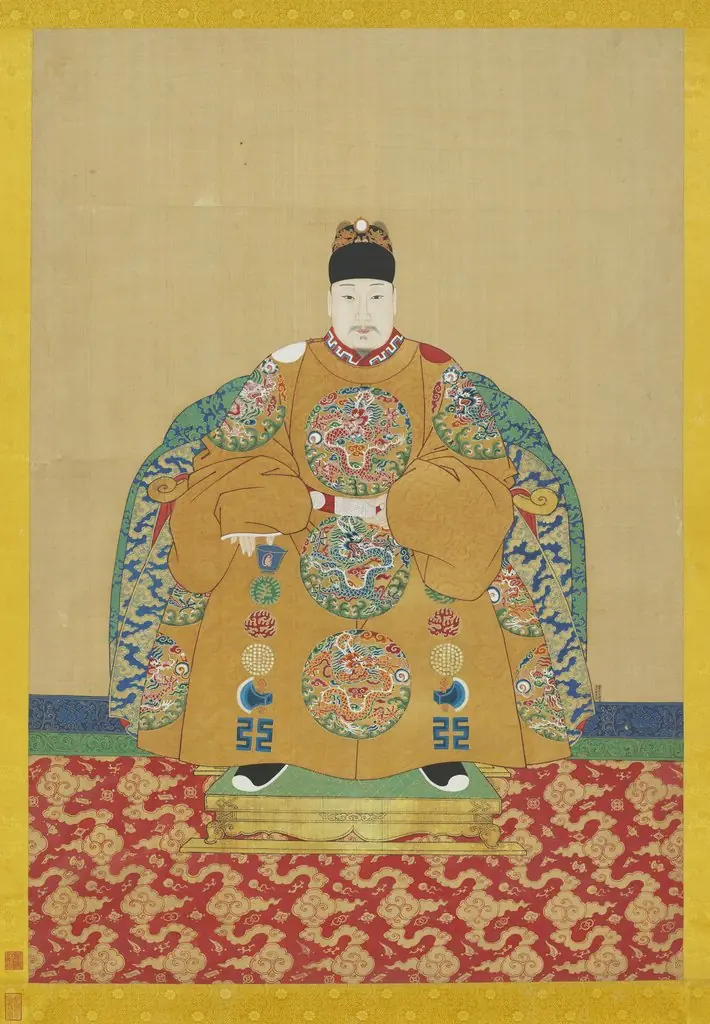
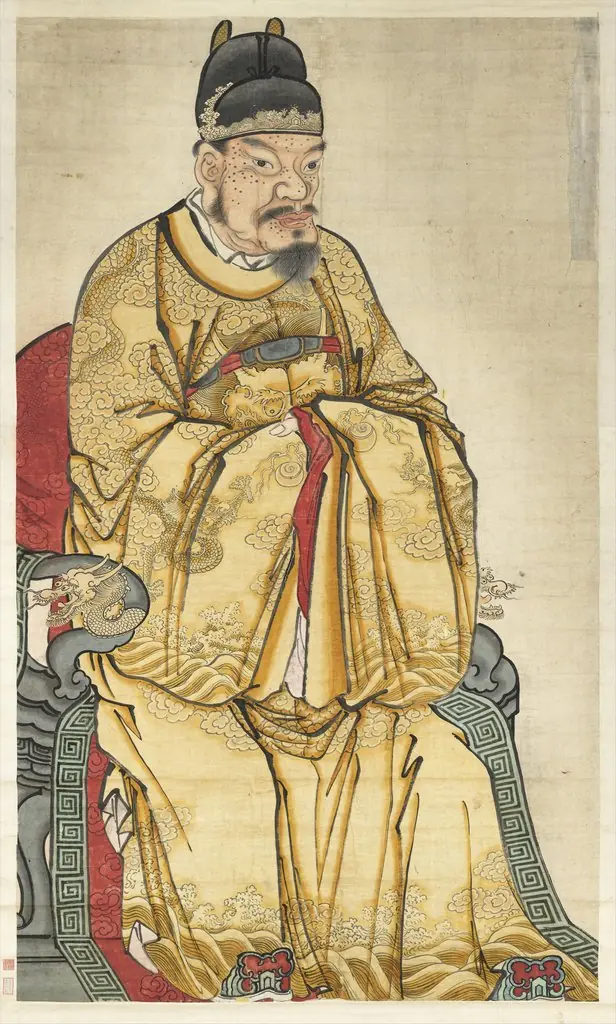
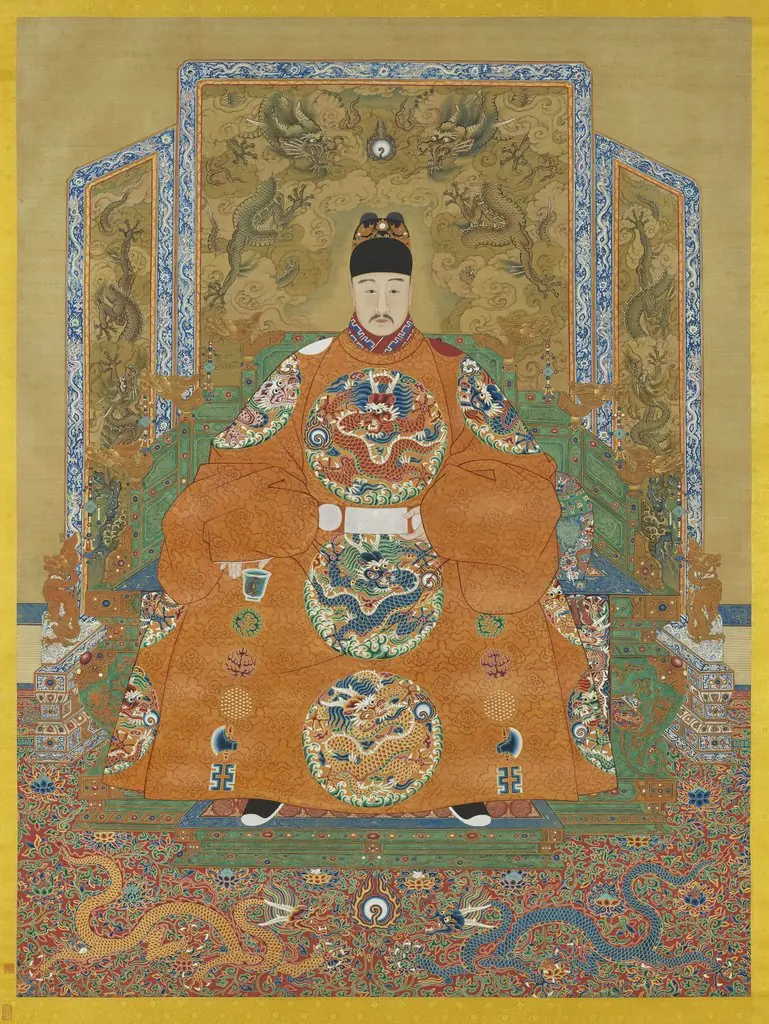
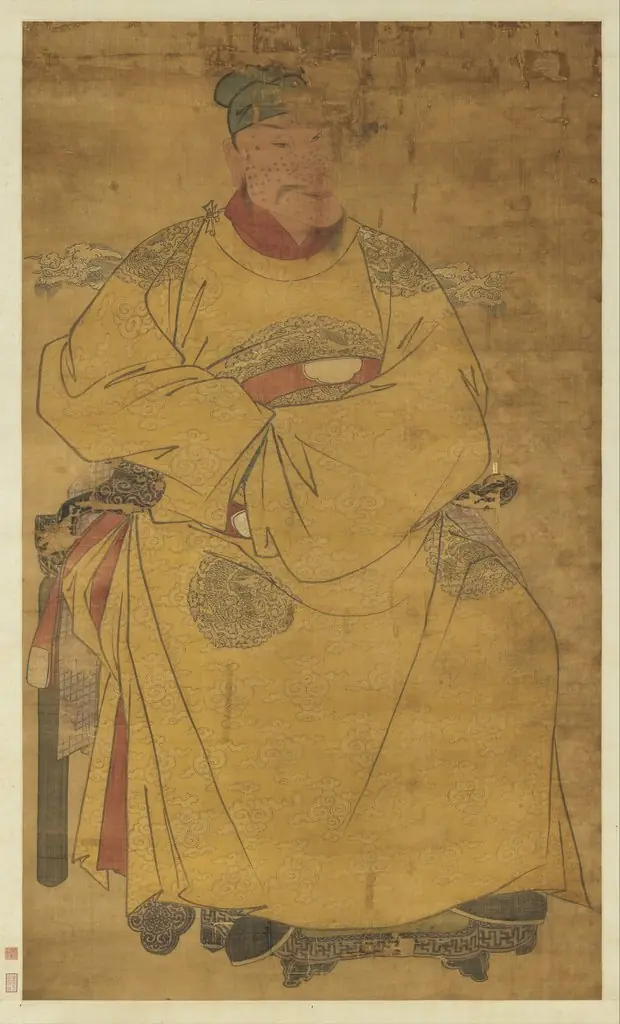
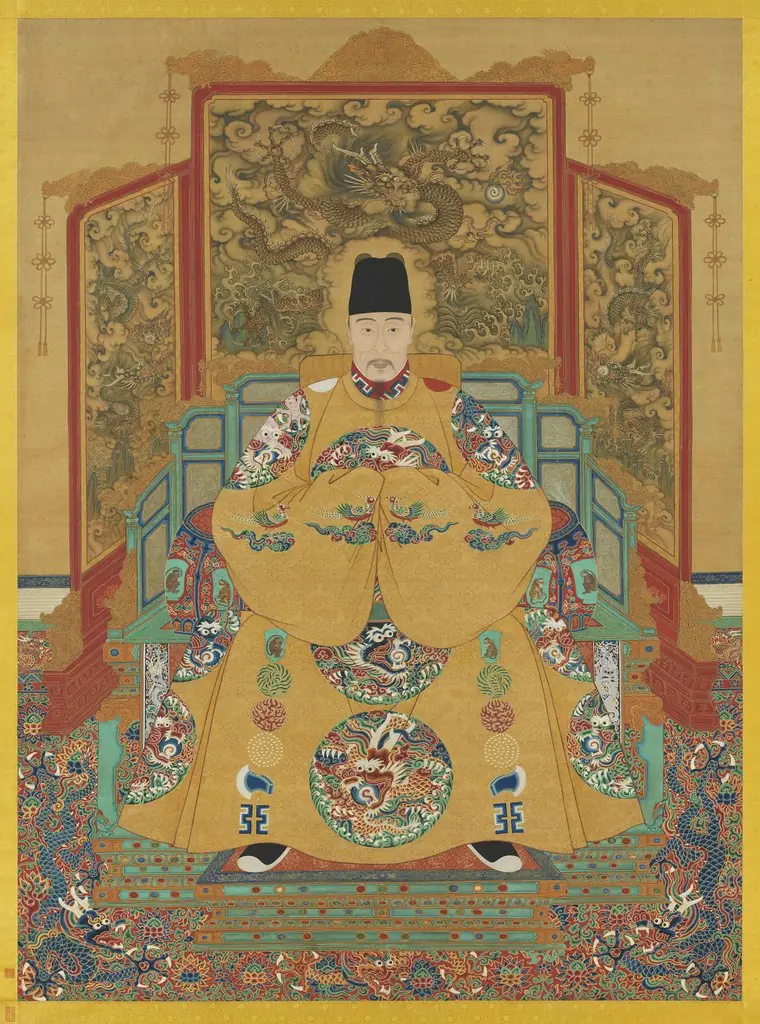
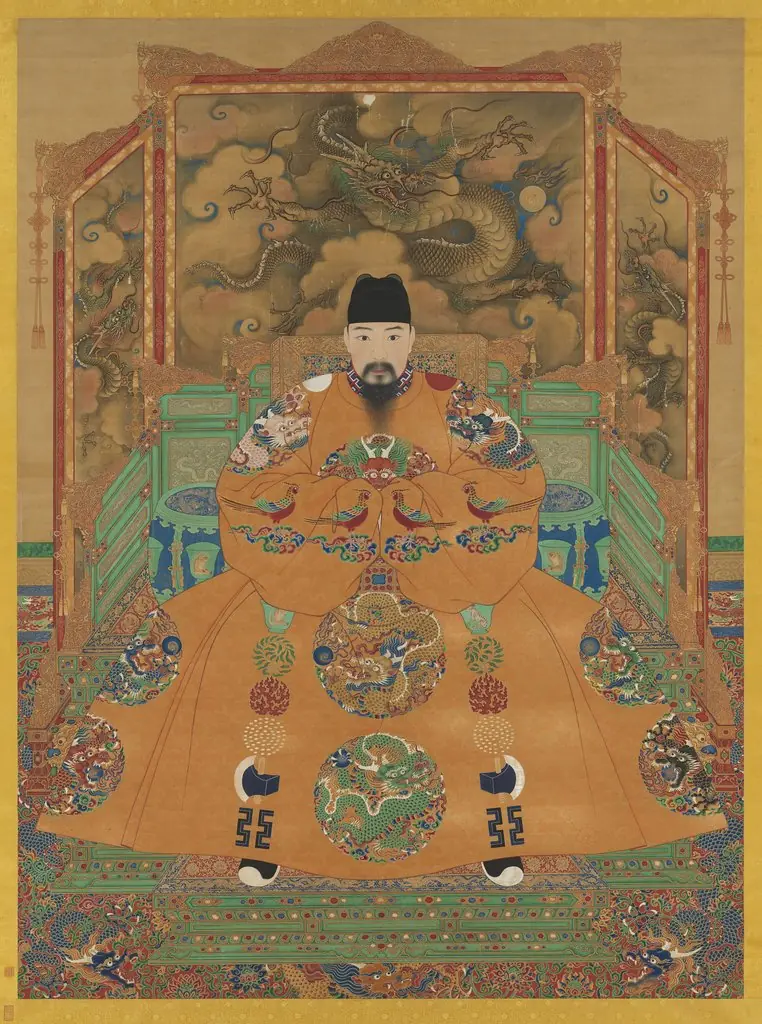
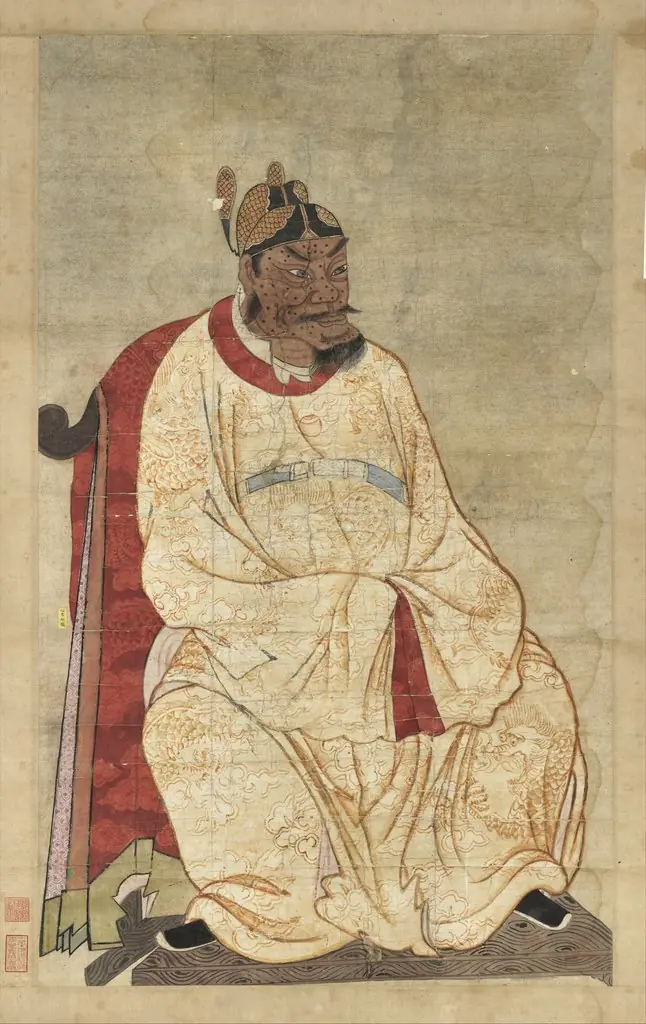
明成祖坐像 軸 is an unspecified painting by the Early Renaissance artist Unknown. It dates from 1450 and is held in the collection of the National Palace Museum. This vertical scroll painting portrays the Yongle Emperor of the Ming dynasty seated on a ceremonial throne.
About this work
Overview
The emperor is depicted with formal stillness, surrounded by ornate textiles and symbolic motifs that emphasize his authority and divine mandate.
This vertical scroll painting portrays the Yongle Emperor of the Ming dynasty seated on a ceremonial throne. Rendered in ink and color on silk, the work follows imperial portrait conventions of early 15th-century China. The emperor is depicted with formal stillness, surrounded by ornate textiles and symbolic motifs that emphasize his authority and divine mandate. The composition is tightly focused, with no background landscape, reinforcing the centrality of the ruler.
Subject & Meaning
The figure is identified as the Yongle Emperor, ruler from 1402 to 1424, shown in full regalia to assert his legitimacy and imperial dignity. His yellow robe, reserved for the emperor, and the dragon-patterned throne signify his supreme status. The black hat, known as a mianliu, and long beard reflect Confucian ideals of wisdom and age. The elaborate belt and decorative motifs reinforce cosmic order and the emperor’s role as mediator between heaven and earth.
Technique & Style
The painting employs fine brushwork to render intricate patterns on fabric and throne, using layered pigments to suggest texture and depth. Colors are rich but controlled—gold, crimson, and cobalt blue dominate, creating visual hierarchy without excess. Facial features are rendered with subtle modeling, while clothing and furnishings are meticulously detailed, reflecting court workshop standards. The flat, frontal composition adheres to traditional Chinese imperial portraiture, prioritizing symbolic presence over naturalism.
History & Provenance
Created during the Yongle reign, likely by court painters in Nanjing or Beijing, the portrait served ritual or ancestral purposes. It remained in the imperial collection, possibly displayed in palace shrines or used in ceremonies honoring ancestors. Its survival through dynastic transitions suggests careful preservation. Later Qing dynasty inscriptions or seals may be present, though the original Ming attribution remains primary.
Context
This portrait emerged during a period of centralized imperial power, when the Yongle Emperor expanded China’s influence through maritime expeditions and architectural projects like the Forbidden City. Imperial portraiture was a tool of political legitimacy, reinforcing continuity with past rulers. Such images were not public displays but controlled objects within the palace, used to affirm dynastic authority among officials and descendants.
Legacy
The painting exemplifies Ming court aesthetics and the enduring tradition of ruler-as-symbol in Chinese art. Later dynasties adopted similar formats for imperial portraits, preserving its compositional and symbolic language. Today, it remains a key reference for understanding how visual culture reinforced political ideology in pre-modern China, studied more for its historical function than artistic innovation.
Artist & collection

 Domestic Scene
 Giacomo and Cardinal Marco, investing Andrea, Abbot of San Zeno, with his Benefice
 The Nymph of Fontainebleau
 Portrait of a Woman
 Madonna and Child with Saints in the Enclosed Garden
 Venus and Minerva
 Family Group of Four on Sofa
 Wall painting from Room H of the Villa of P. Fannius Synistor at Boscoreale