Artwork
Portrait of Mikołaj Hieronim Sieniawski (d. 1683)
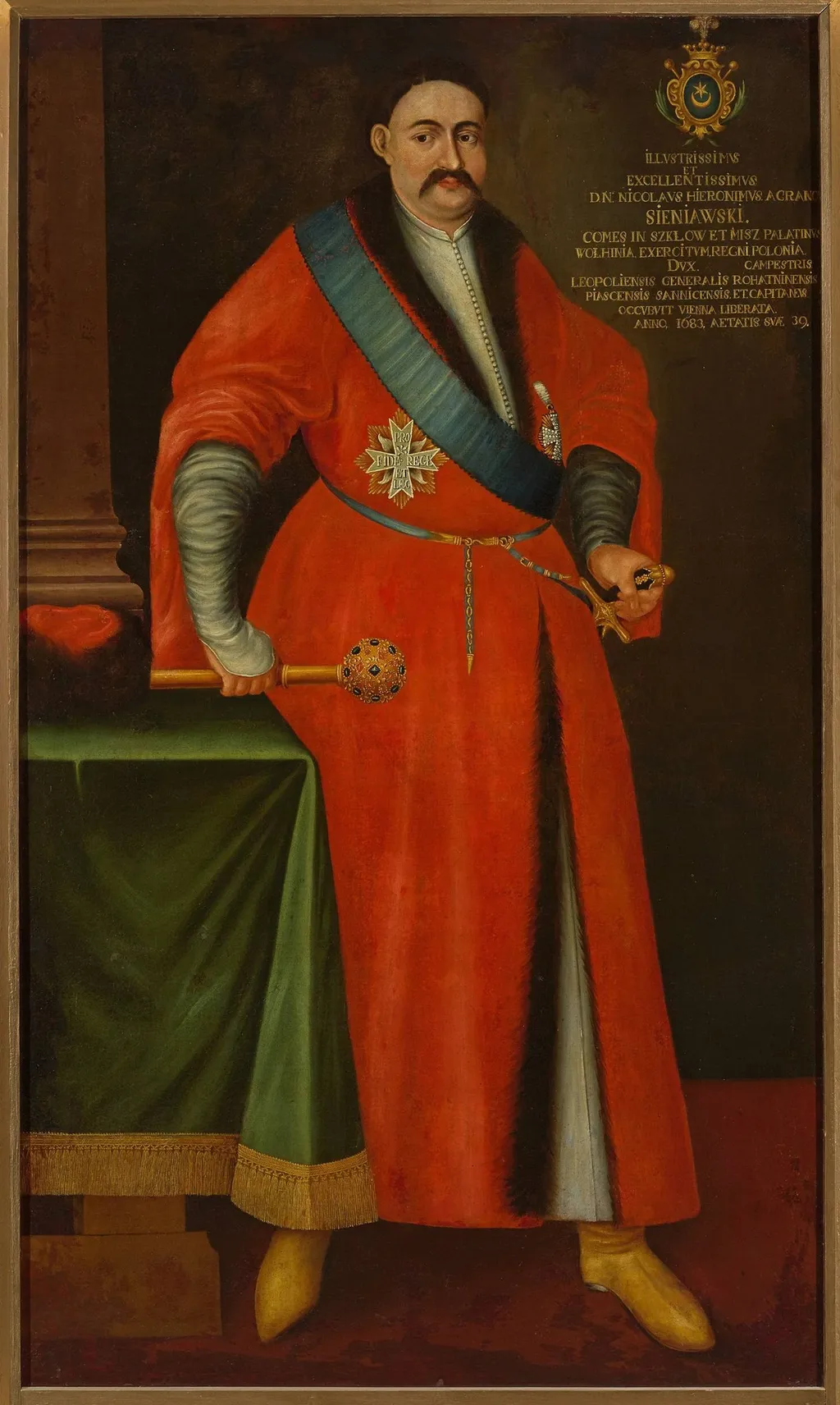
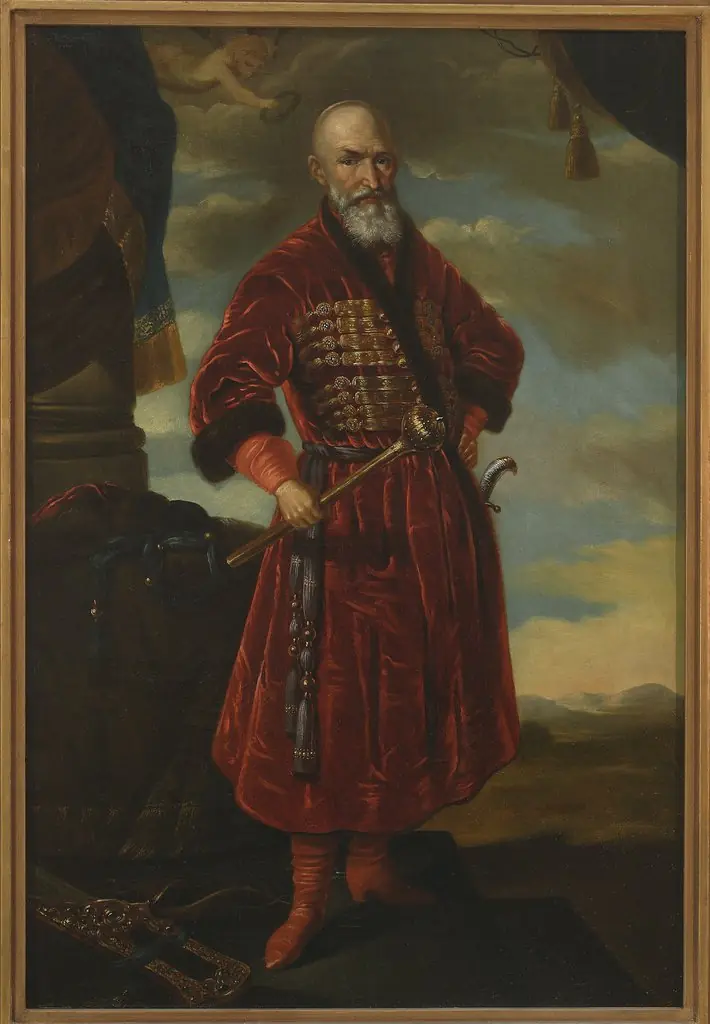
Portrait of Mikołaj Hieronim Sieniawski (d. 1683) is an oil painting by the Flemish Baroque painting artist Unknown. It dates from 1692 and is held in the collection of the National Museum in Warsaw. This oil painting depicts Mikołaj Hieronim Sieniawski, a Polish nobleman who died in 1683.
About this work
Overview
This oil painting depicts Mikołaj Hieronim Sieniawski, a Polish nobleman who died in 1683. Rendered in full figure, he stands against a dark, unadorned background with a simple table and draped curtain. His attire is richly detailed, emphasizing status through color and ornamentation. The composition focuses on his presence, with minimal distractions, typical of 17th-century Polish portraiture.
Subject & Meaning
The gold staff and star-shaped medal signify his political and military authority, while the blue sash may denote membership in a chivalric order.
Sieniawski is portrayed as a high-ranking official, identified by his titles including Palatine of Poland. The gold staff and star-shaped medal signify his political and military authority, while the blue sash may denote membership in a chivalric order. The small object in his hand, though indistinct, likely symbolizes administrative or ceremonial function. The portrait asserts his social rank and public role within the Polish-Lithuanian Commonwealth.
Technique & Style
The artist employs bold contrasts, particularly the vivid red robe against the dark background, to draw attention to the subject. Details in the gold trim, gloves, and medal are rendered with precision, suggesting attention to texture and material. The background remains flat and unmodeled, focusing the viewer’s attention entirely on the figure. Brushwork is controlled, with no visible impasto or expressive strokes.
History & Provenance
The painting was created during Sieniawski’s lifetime, likely commissioned to commemorate his public service. It remained within Polish noble circles and eventually entered the collection of the National Museum in Warsaw. Inscriptions on the work confirm his identity and titles, supporting its authenticity as a contemporary record of his status and role in the late 17th-century Polish elite.
Context
This portrait reflects the conventions of aristocratic representation in the Polish-Lithuanian Commonwealth, where visual symbols of office and lineage were crucial. Similar portraits of senators and magnates were common, serving both personal commemoration and political assertion. The plain background and formal pose align with broader European trends, yet the emphasis on Polish insignia distinguishes it within regional artistic practice.
Legacy
The painting endures as a representative example of Polish noble portraiture from the late Baroque period. It contributes to the understanding of how political identity was visually constructed in the Commonwealth. Its preservation in the National Museum in Warsaw allows ongoing study of aristocratic dress, heraldry, and the role of portraiture in sustaining social hierarchy during a time of political transformation.
Artist & collection

 Domestic Scene
 Giacomo and Cardinal Marco, investing Andrea, Abbot of San Zeno, with his Benefice
 The Nymph of Fontainebleau
 Portrait of a Woman
 Madonna and Child with Saints in the Enclosed Garden
 Venus and Minerva
 Family Group of Four on Sofa
 Wall painting from Room H of the Villa of P. Fannius Synistor at Boscoreale
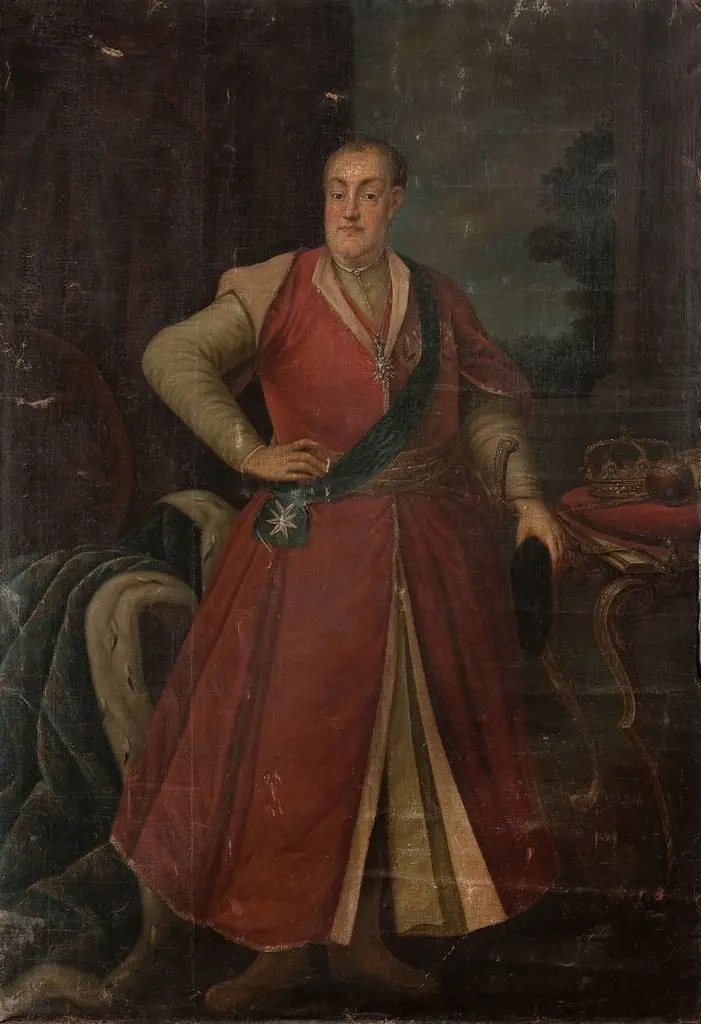 Portrait of Augustus III (1696–1763), King of Poland
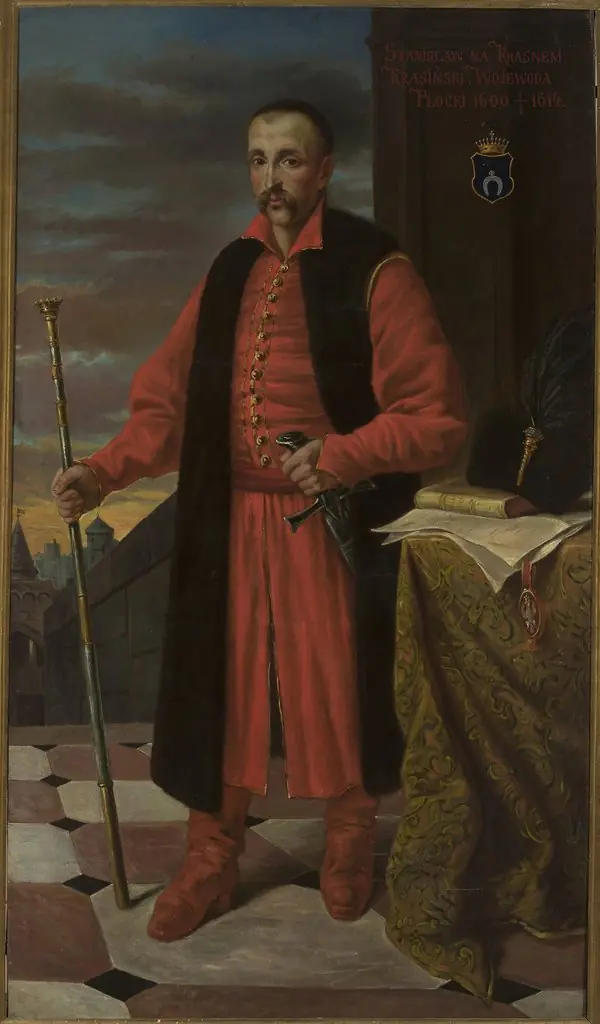 Portrait of Stanisław Krasiński (1558–1617), voivode of Płock
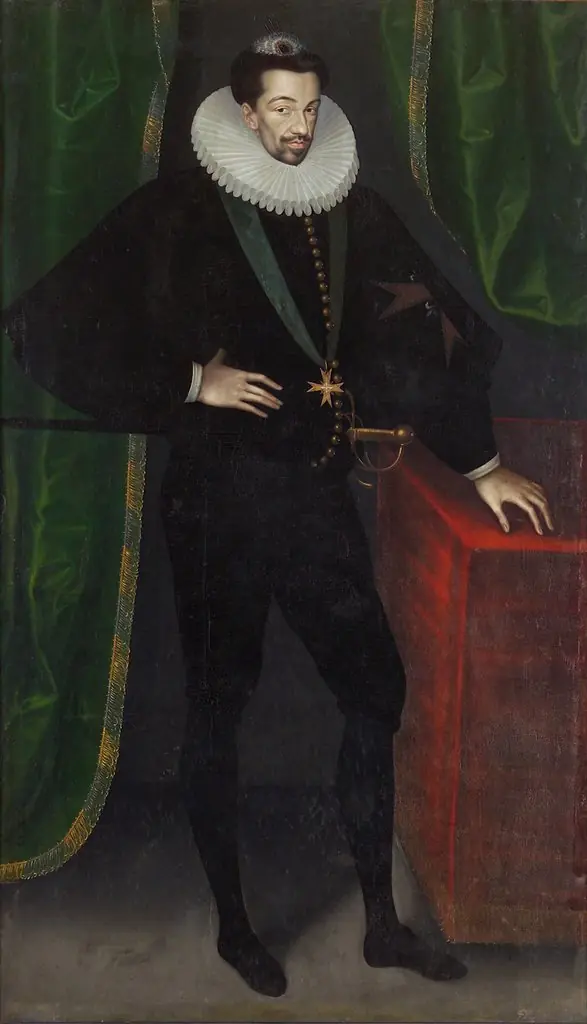 König Heinrich III. von Frankreich (1551-1589), in ganzer Figur
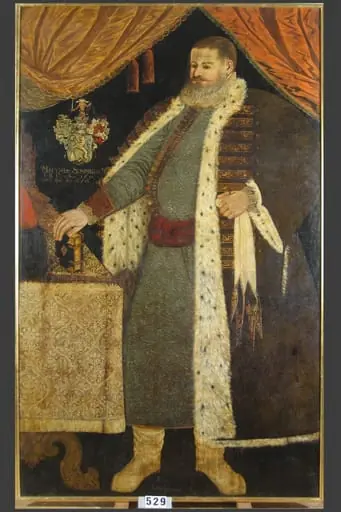 Matthias Semriger, comite al sașilor
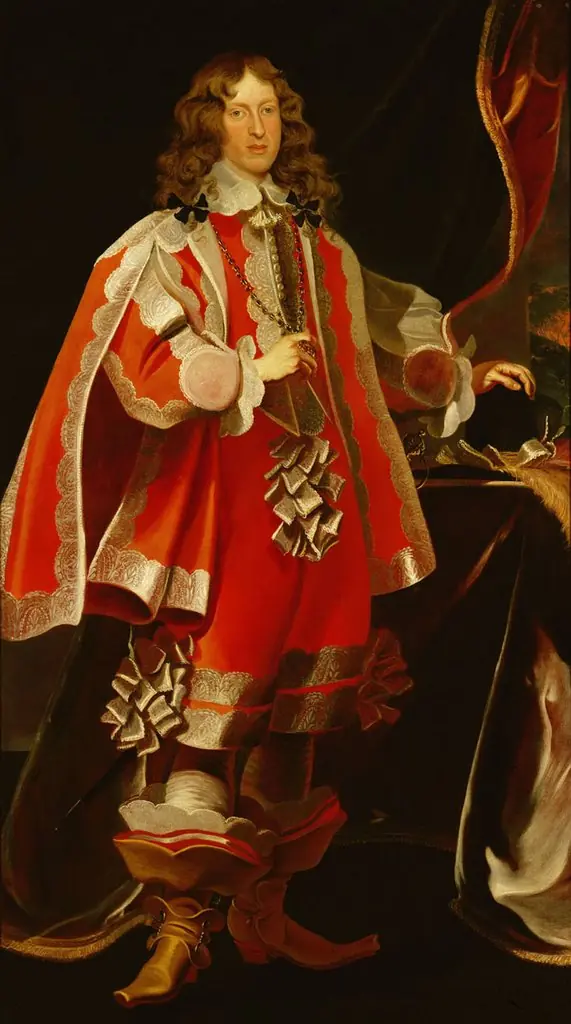 Ferdinand Charles, Archduke of Further Austria
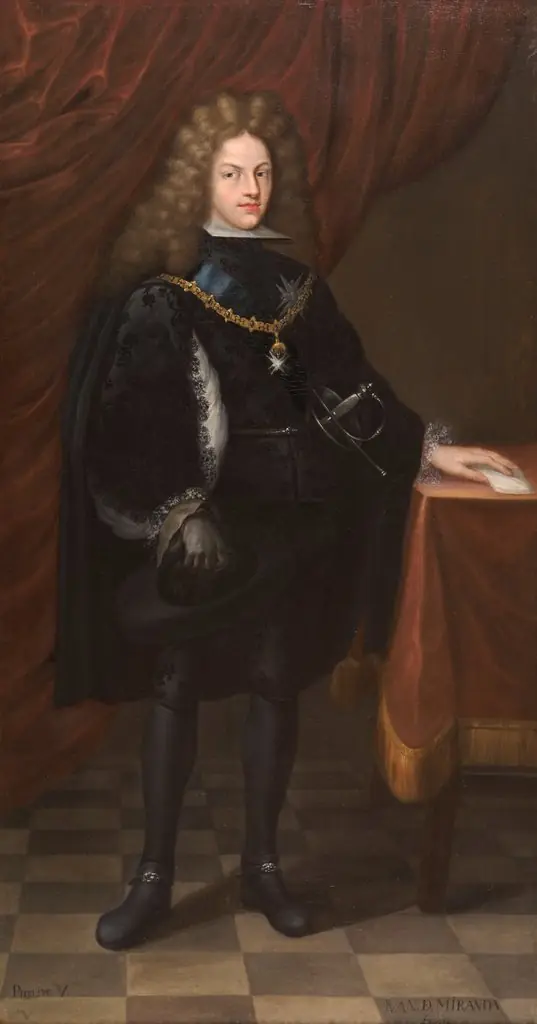 Philip V of Spain
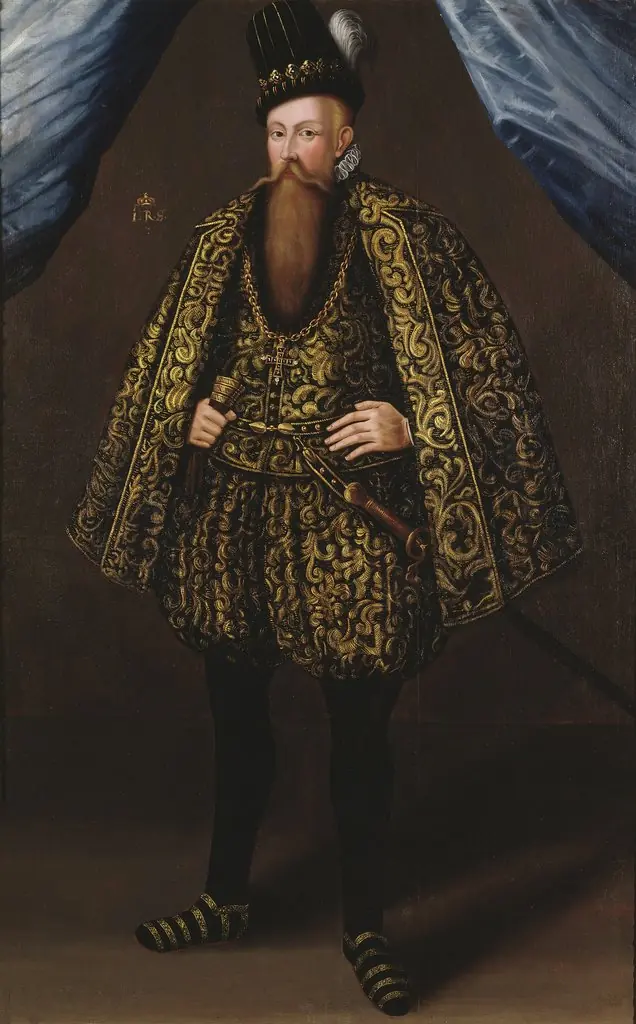 Johan III, 1537-92, konung av Sverige
 Portrait of a Gentleman, probably of the West Family
 Portrait of king Sigismund II Augustus (1520–1572)
 Grand-duke Ferdinand II of Tuscany (1610-1670) in Armour
 Portrait of Wasyl Tyszkiewicz, Leliwa coat of arms (?–1571), voivode of Podlasie
 Portrait of Stefan Czarniecki (1599–1665)