Artwork
宋代帝半身像册-宋朝哲宗皇帝像
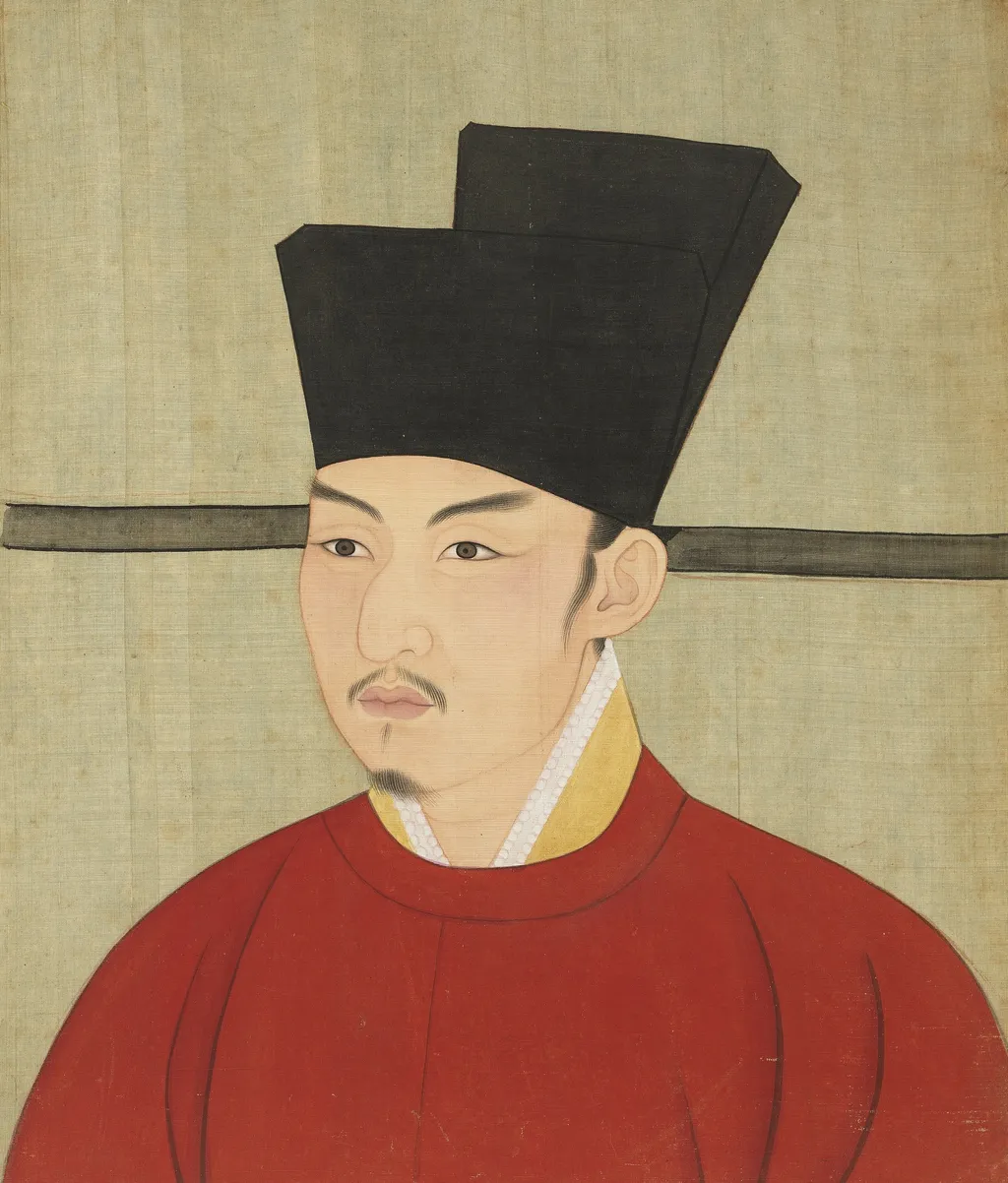
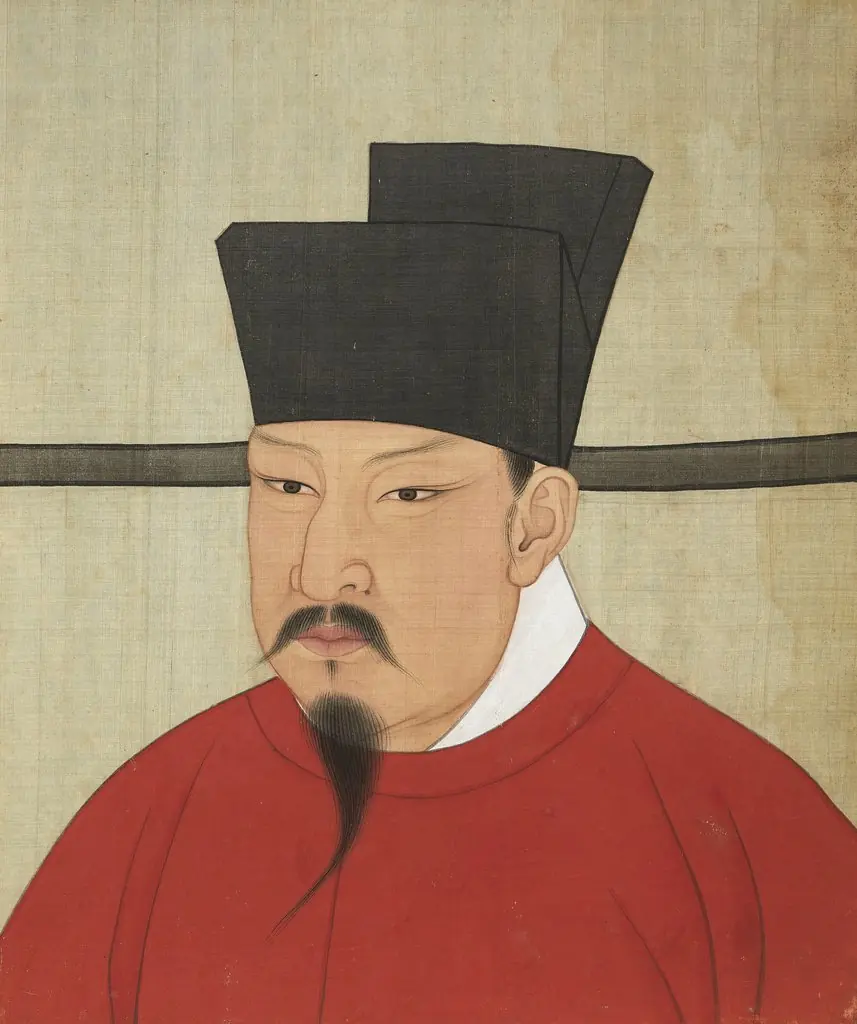
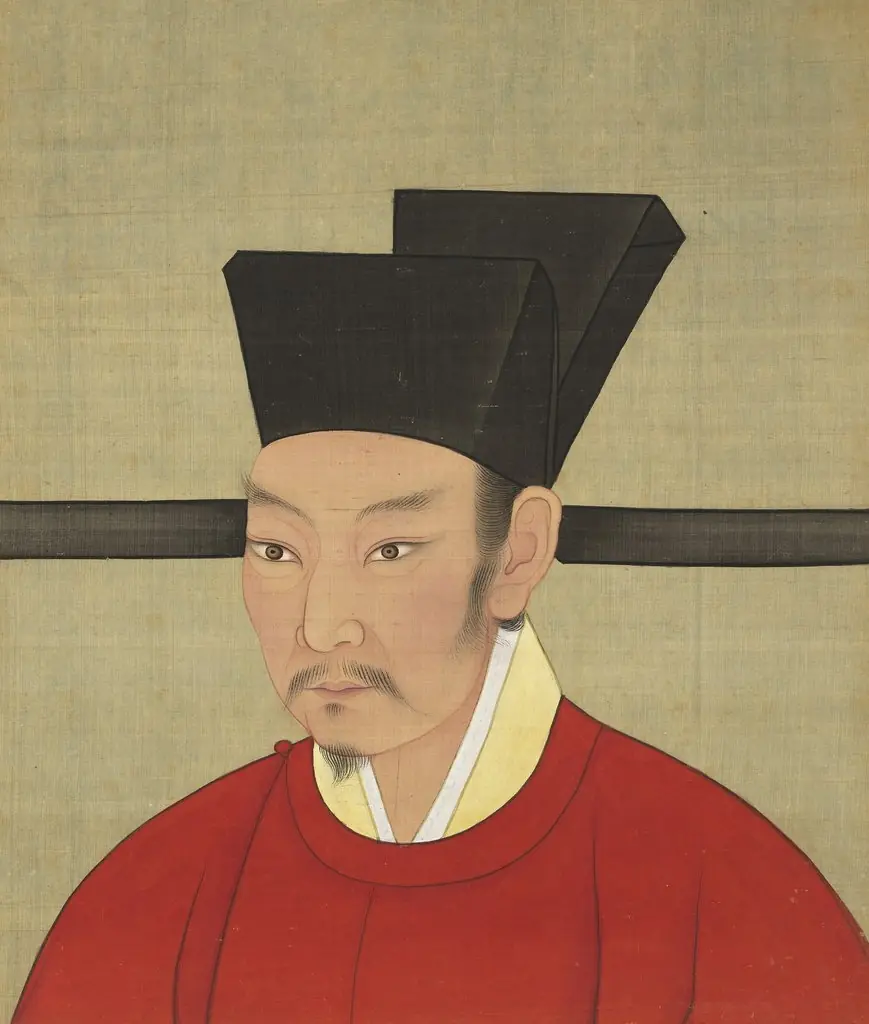
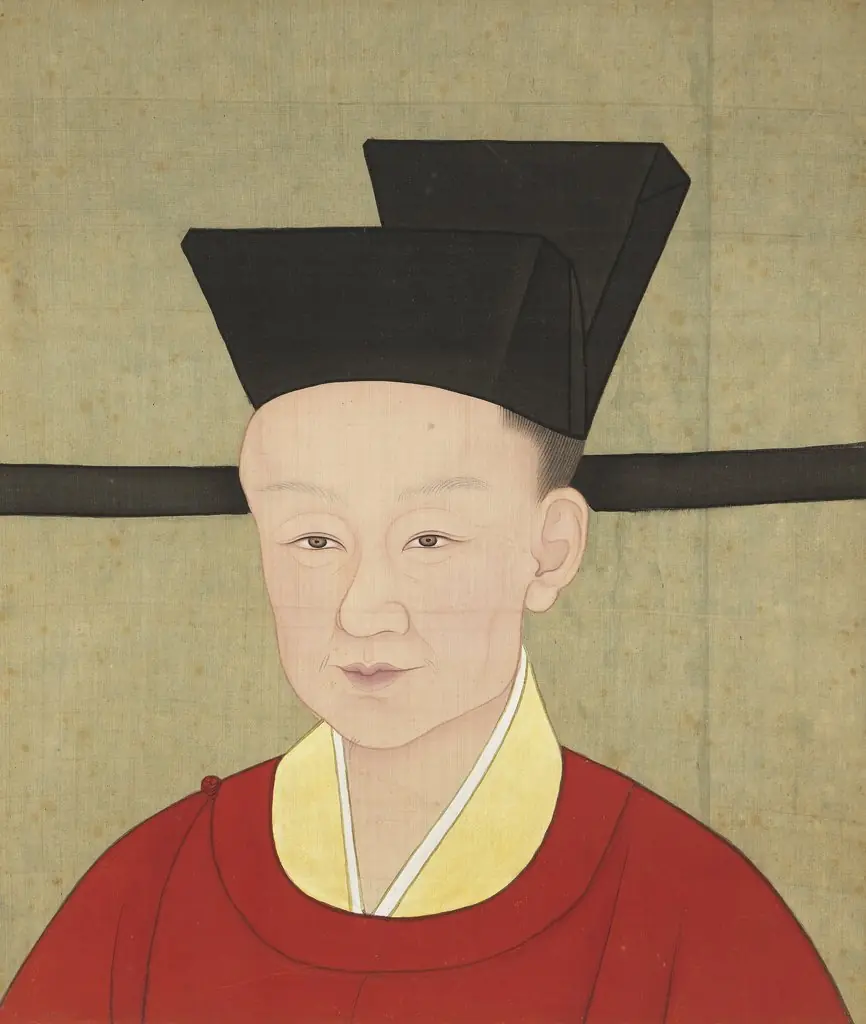
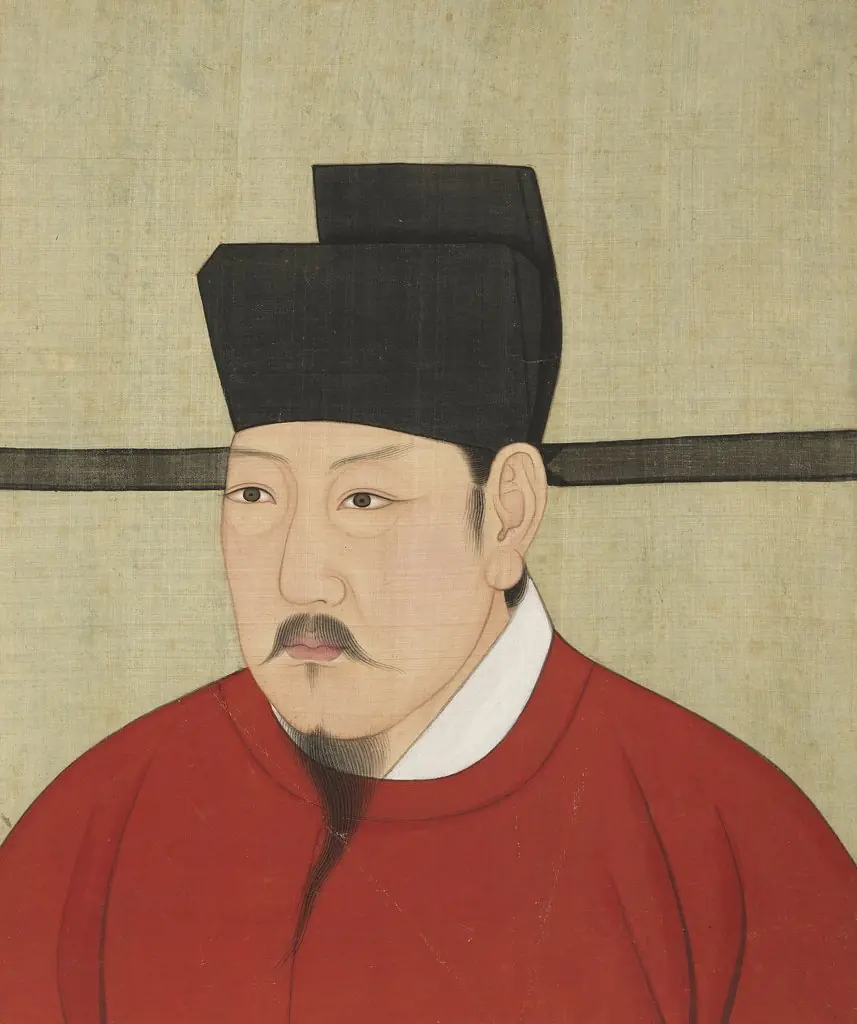
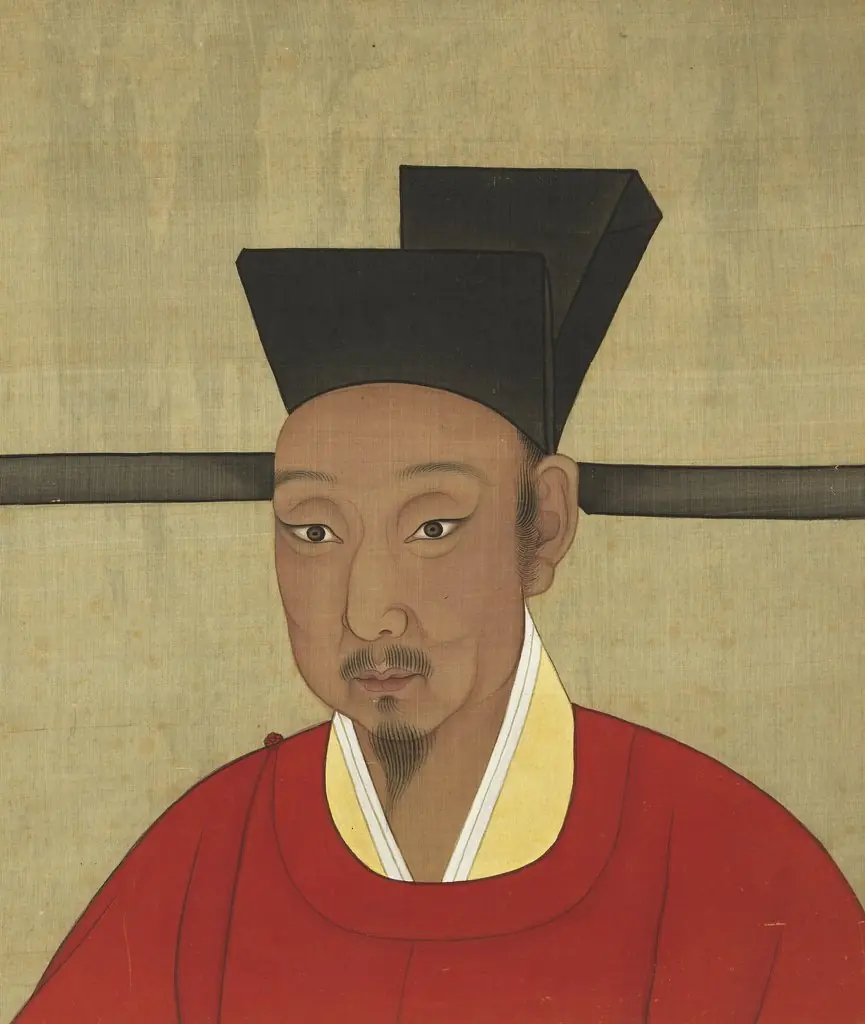
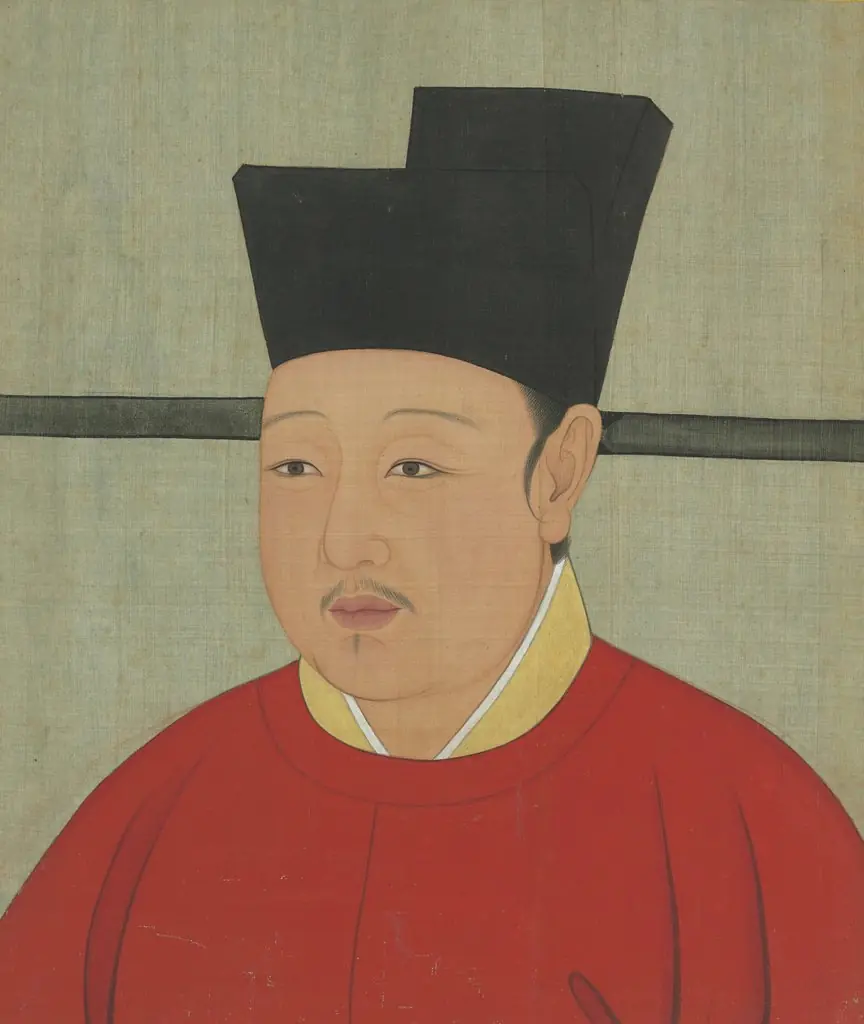
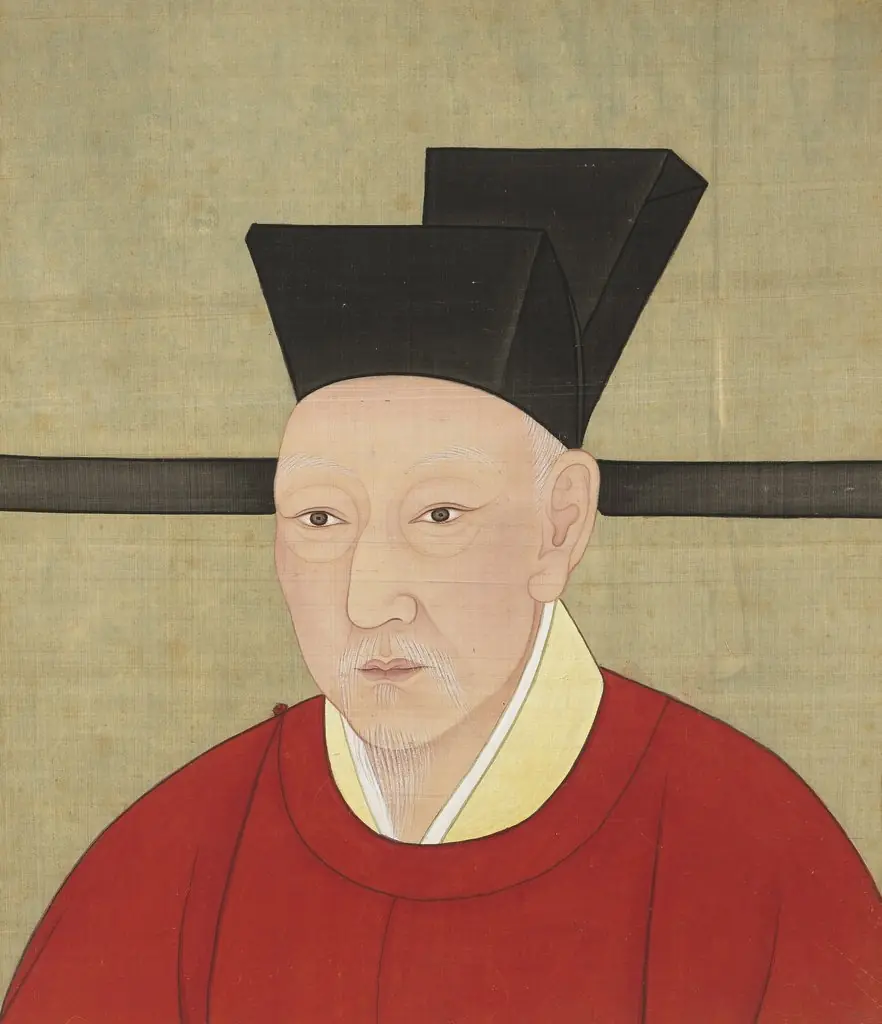
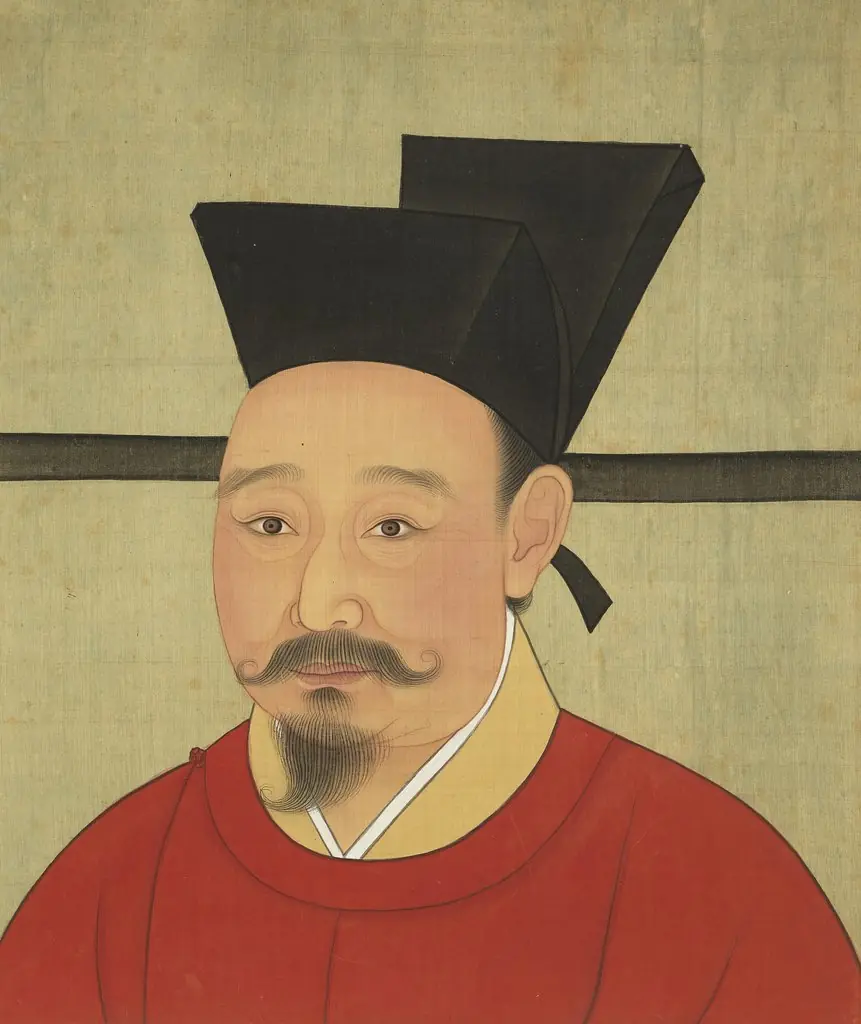
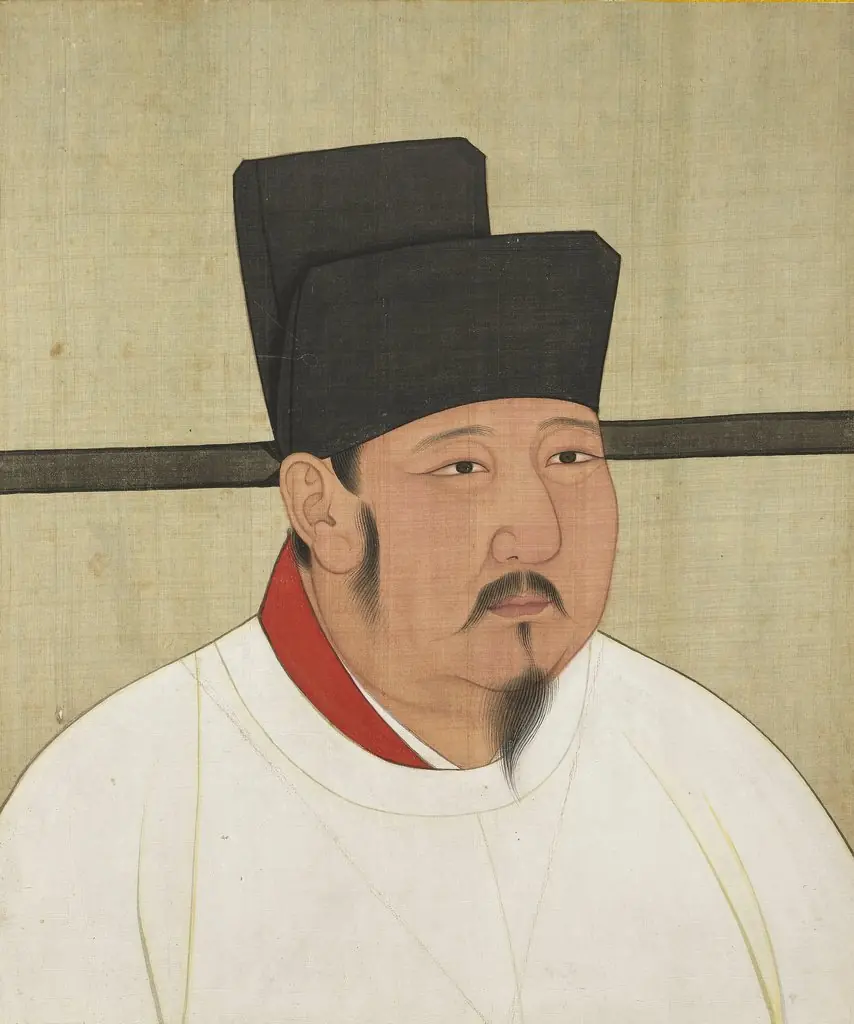
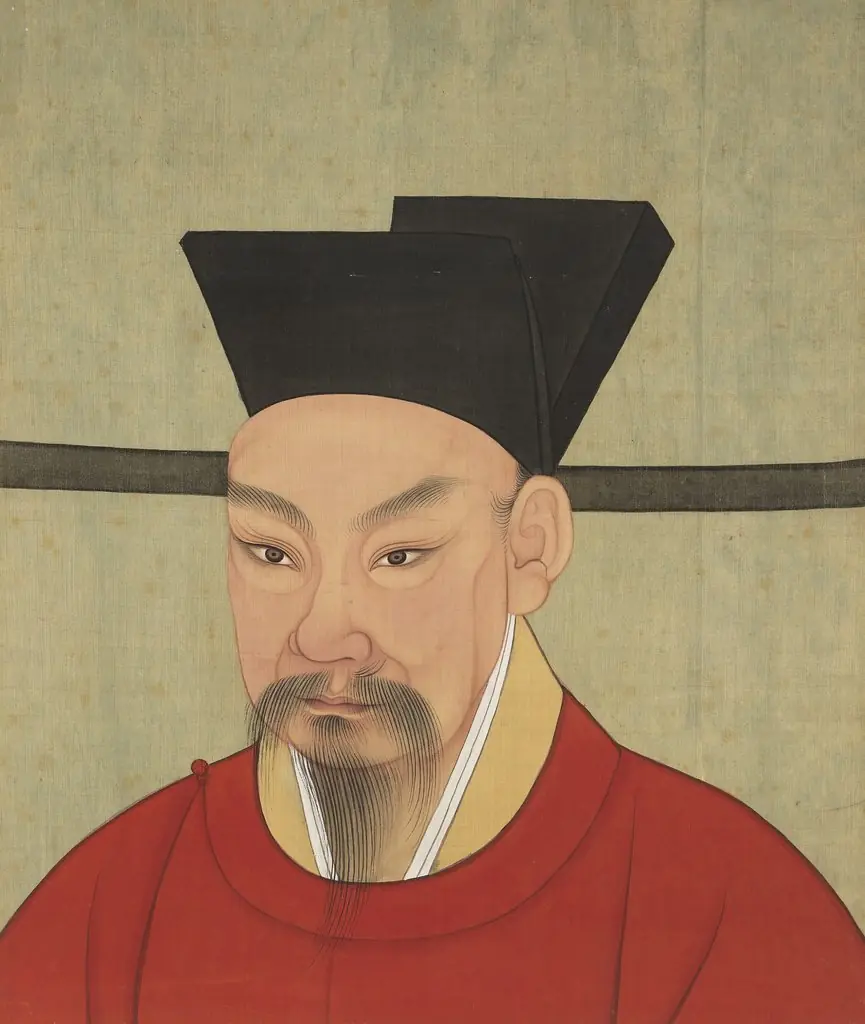
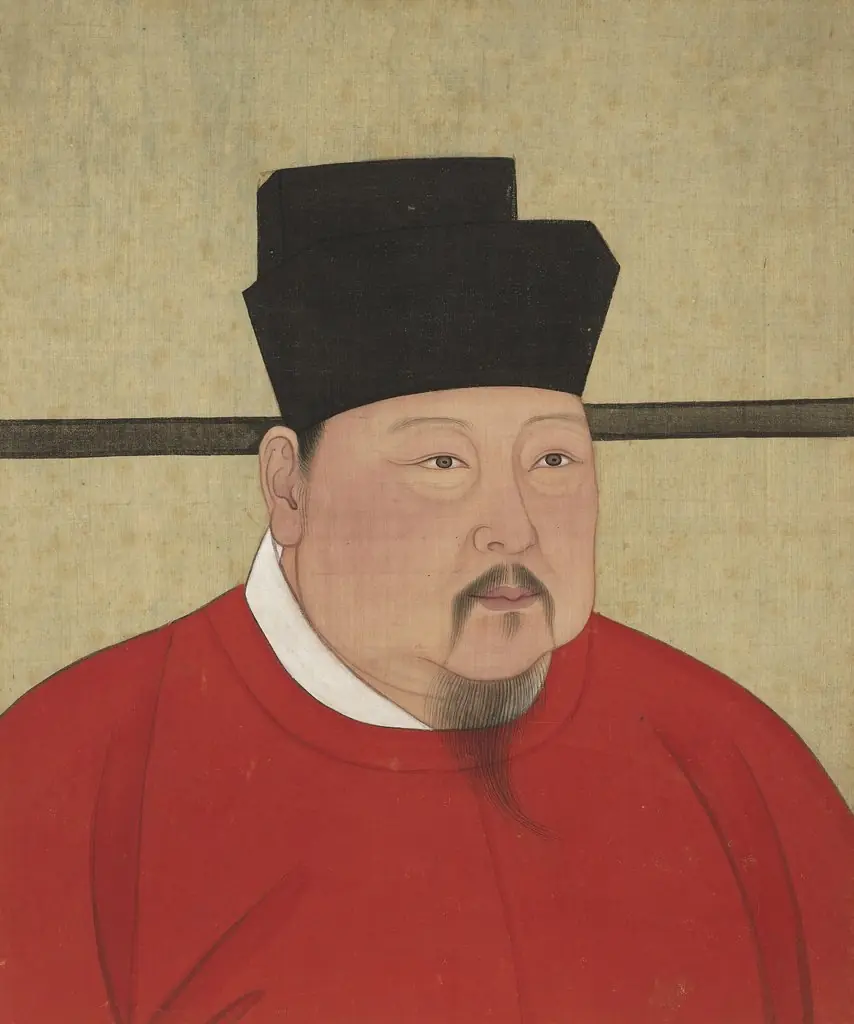
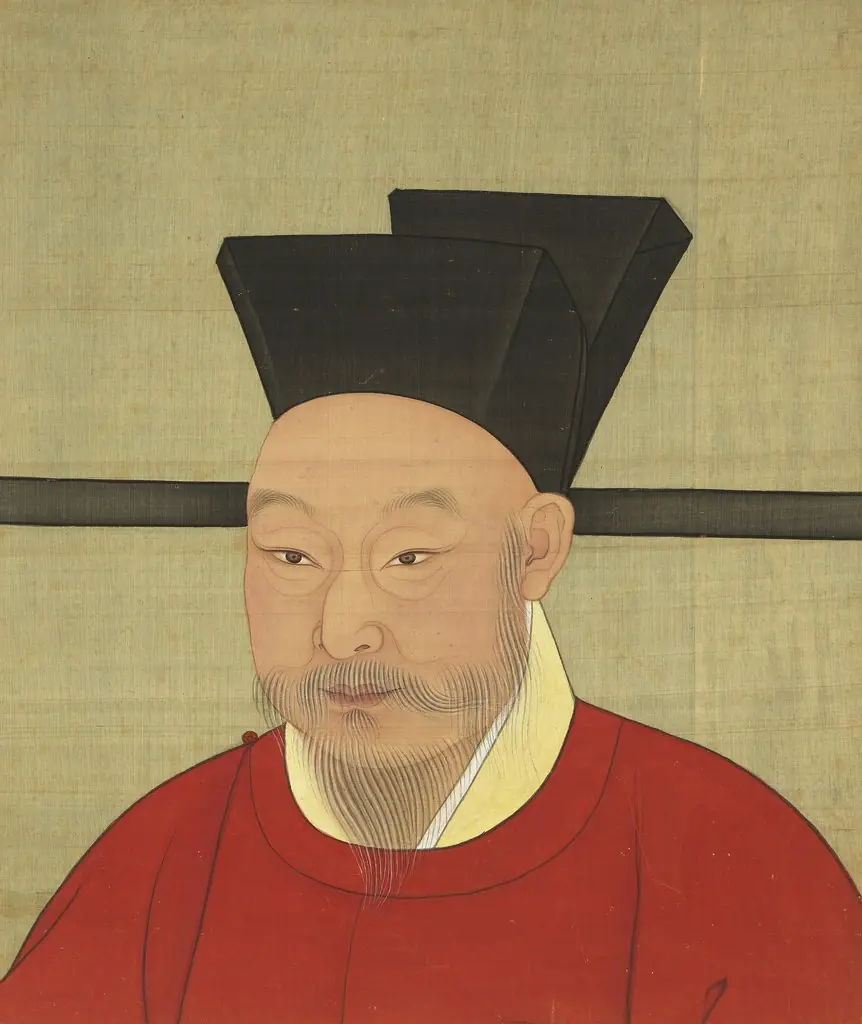
宋代帝半身像册-宋朝哲宗皇帝像 is an unspecified painting by Unknown. It is held in the collection of the National Palace Museum. This silk painting from the Song dynasty portrays a seated figure in a red robe and black hat, rendered from the chest upward.
About this work
Overview
This silk painting from the Song dynasty portrays a seated figure in a red robe and black hat, rendered from the chest upward. The subject faces directly forward, his expression neutral, with a thin mustache and goatee. A light beige backdrop is interrupted by a darker horizontal band positioned behind the head, emphasizing the figure’s presence.
Subject & Meaning
The individual is likely an imperial portrait, suggested by the formal attire and headgear typical of Song court officials. The restrained facial expression and simple composition convey a dignified, contemplative presence, aligning with the Confucian ideals of measured authority and moral composure.
Technique & Style
Executed on silk, the work employs fine brushwork to delineate the folds of the red robe and the delicate features of the face. The limited palette—predominantly reds, blacks, and muted earth tones—focuses attention on the figure, while the subtle horizontal line behind the head adds depth without distracting from the portrait.
History & Provenance
Attributed to the period of Emperor Zhezong’s reign (r. 1085–1100), the painting is part of a larger collection of imperial half‑body portraits from the Song era. Its survival on silk indicates careful preservation, and it has been documented in catalogues of Song court art.
Context
During the Song dynasty, portraiture of emperors and high officials served both ceremonial and documentary purposes, reinforcing hierarchical order. The use of silk as a support reflects the high status of the subject, as silk was reserved for elite artworks and official commissions.
Legacy
The piece exemplifies the Song court’s aesthetic of restrained elegance and provides valuable insight into the visual conventions of imperial representation. It continues to inform scholars about courtly dress, artistic materials, and the role of portraiture in reinforcing political legitimacy.
Artist & collection

 Domestic Scene
 Giacomo and Cardinal Marco, investing Andrea, Abbot of San Zeno, with his Benefice
 The Nymph of Fontainebleau
 Portrait of a Woman
 Madonna and Child with Saints in the Enclosed Garden
 Venus and Minerva
 Family Group of Four on Sofa
 Wall painting from Room H of the Villa of P. Fannius Synistor at Boscoreale