Artwork
宋代帝半身像册-宋朝度宗皇帝像
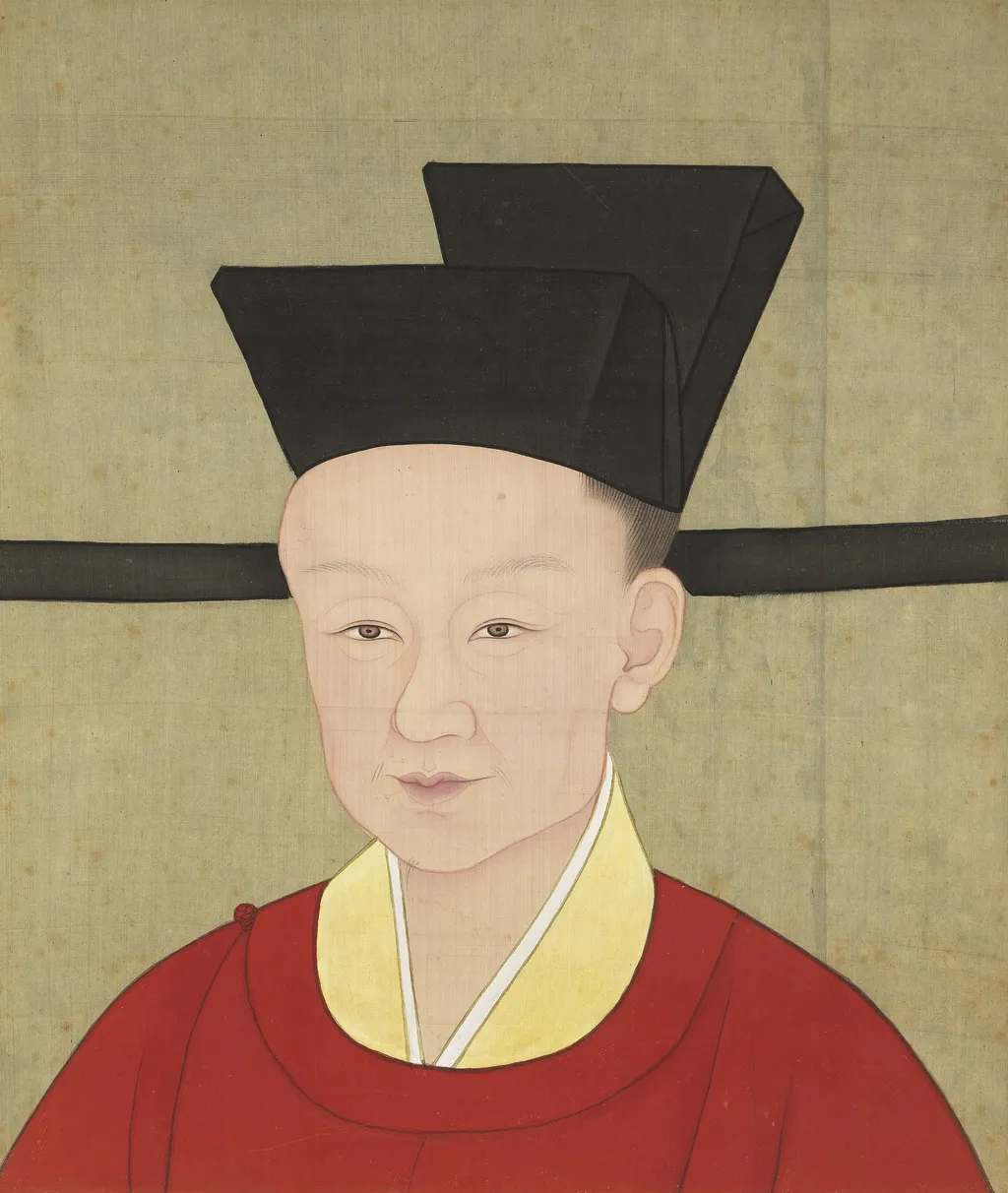
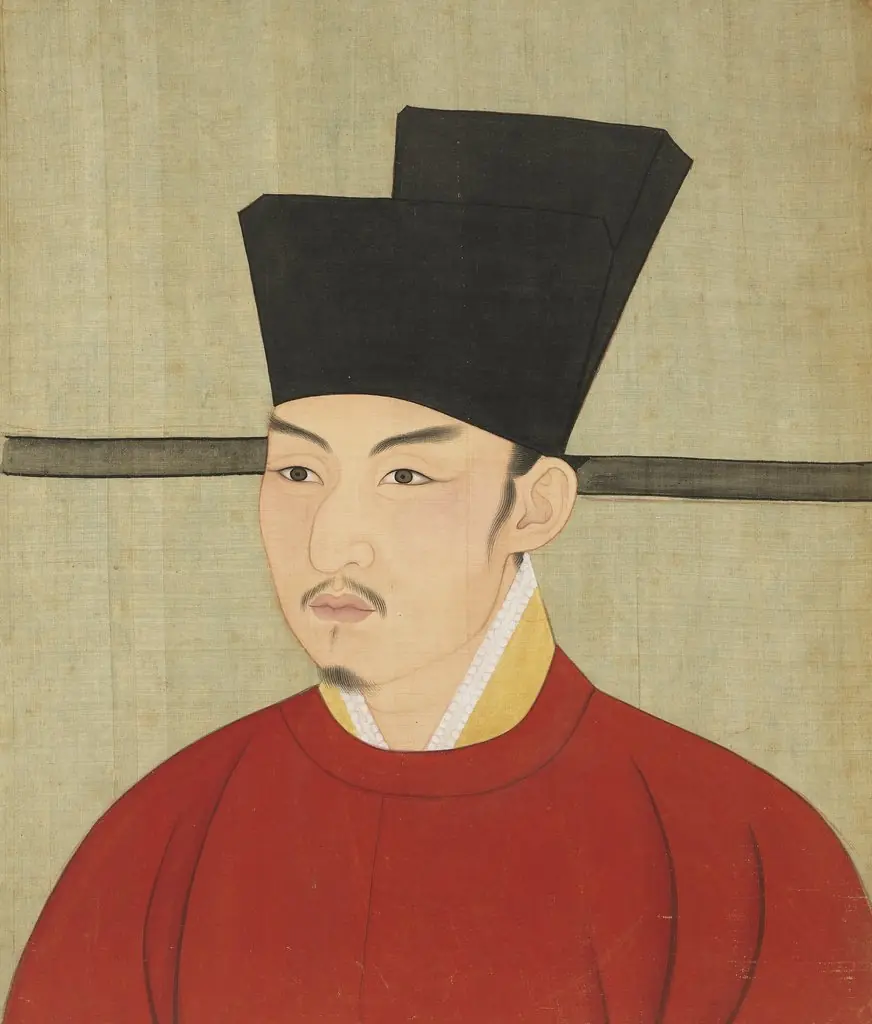
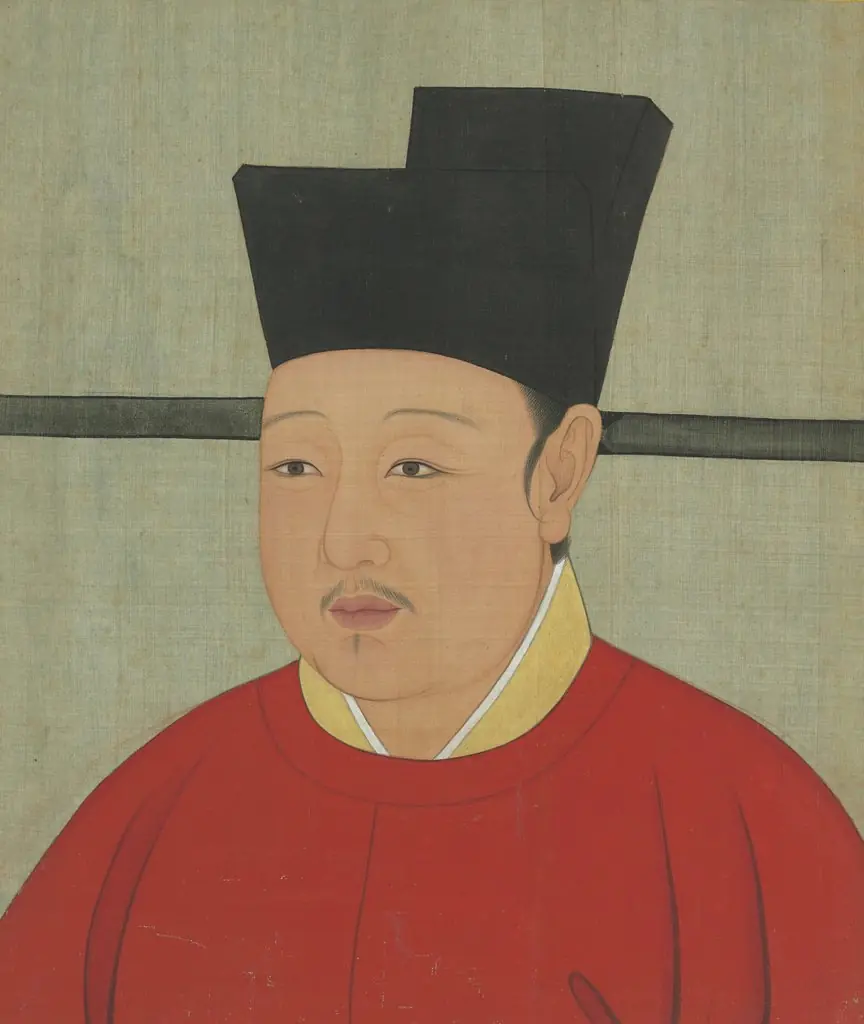
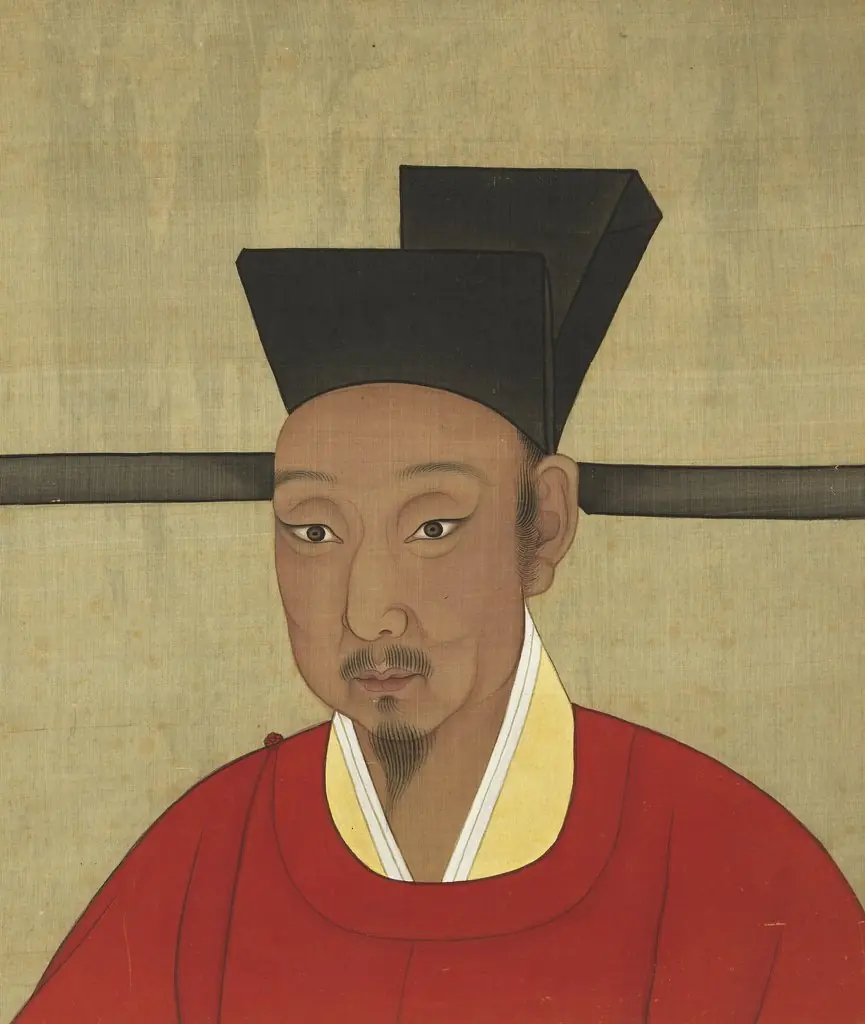
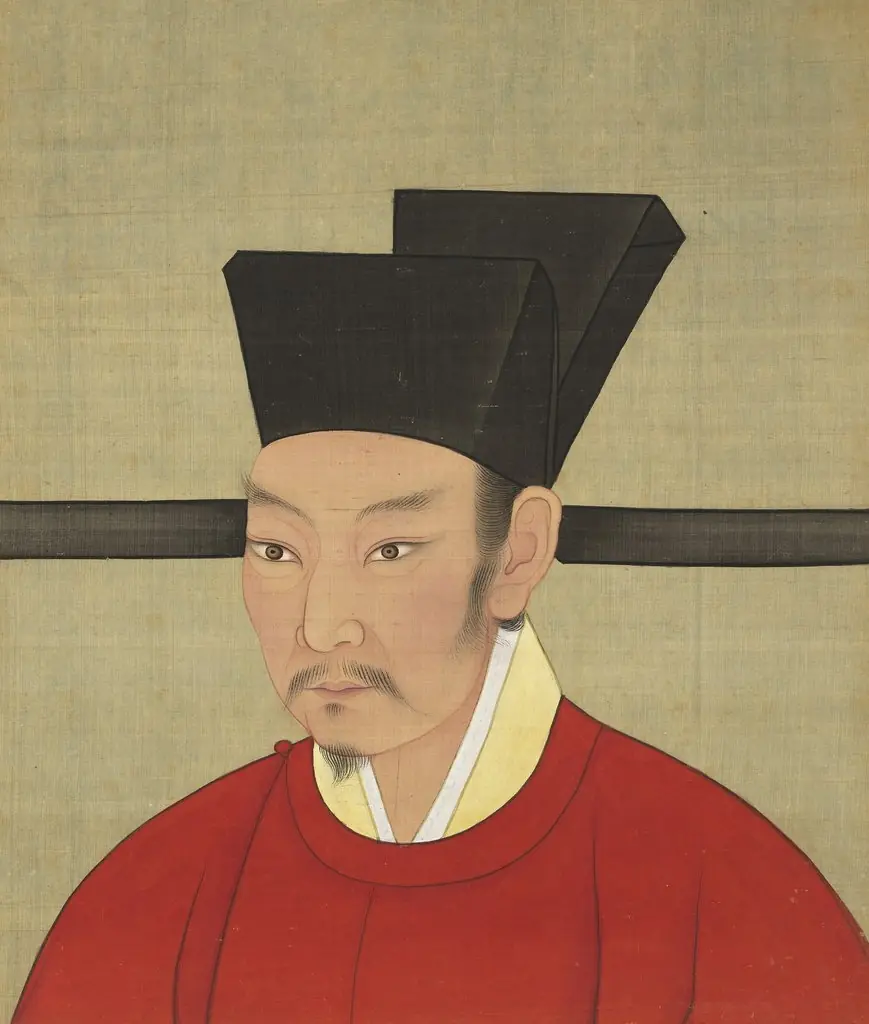
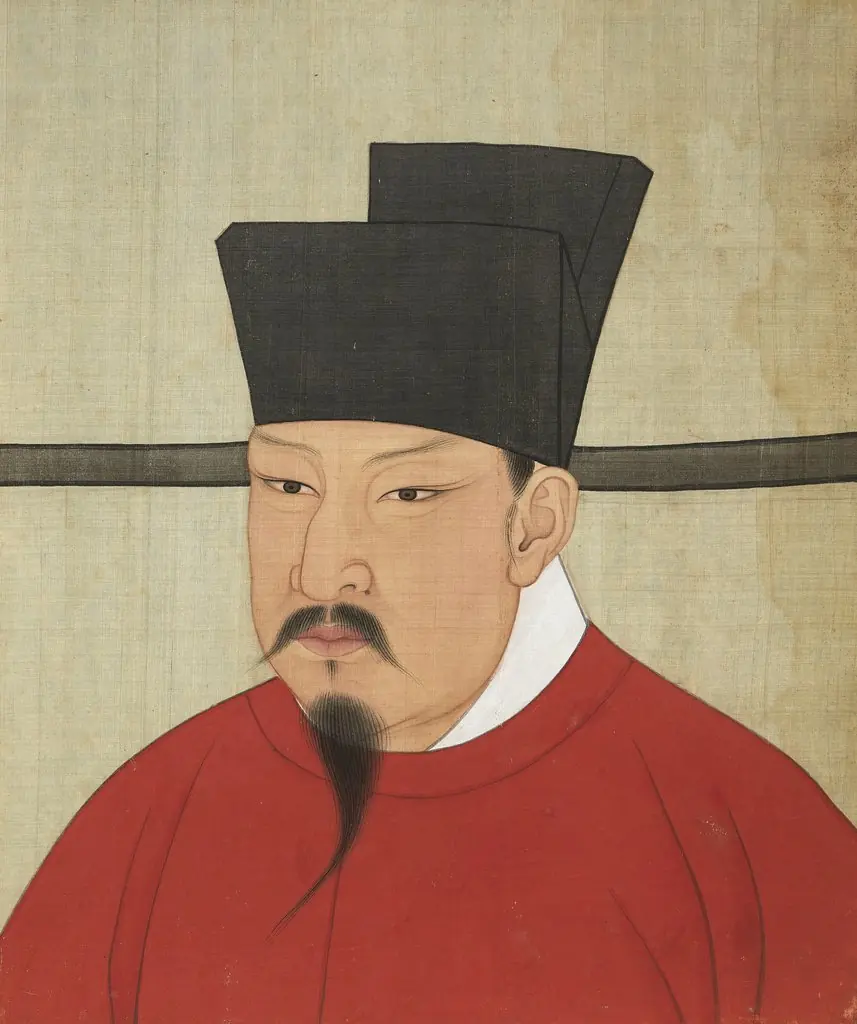
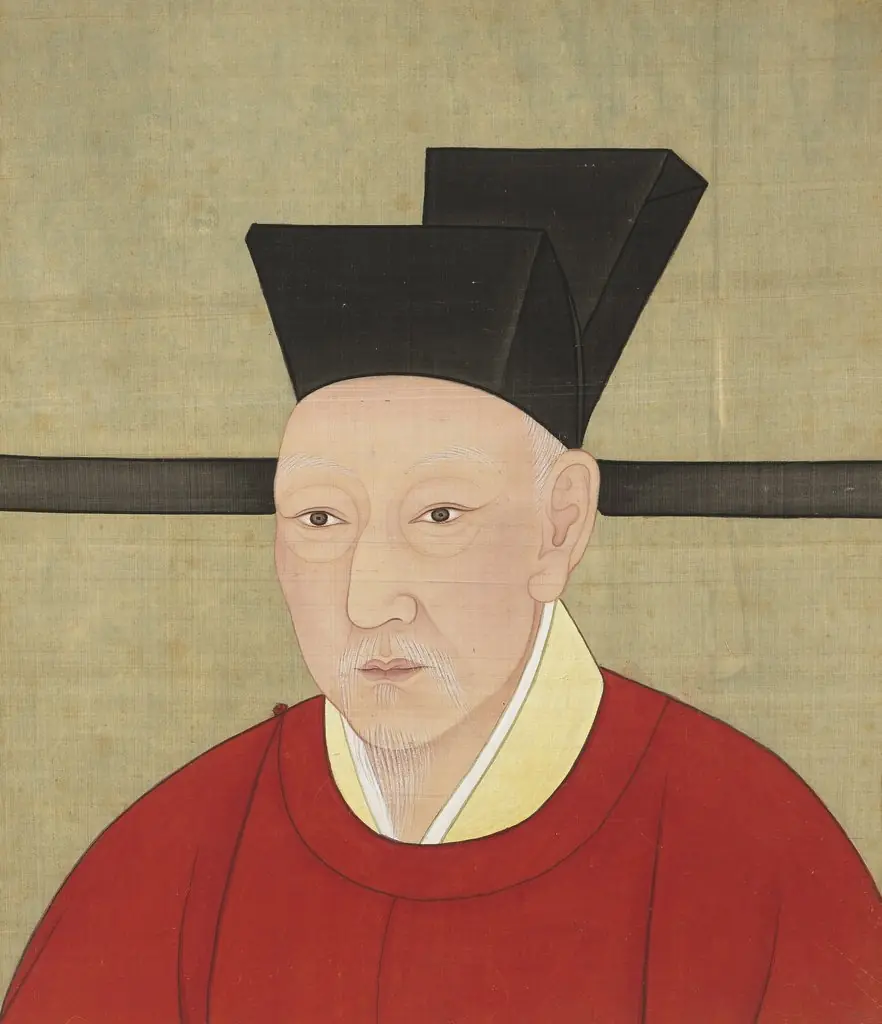
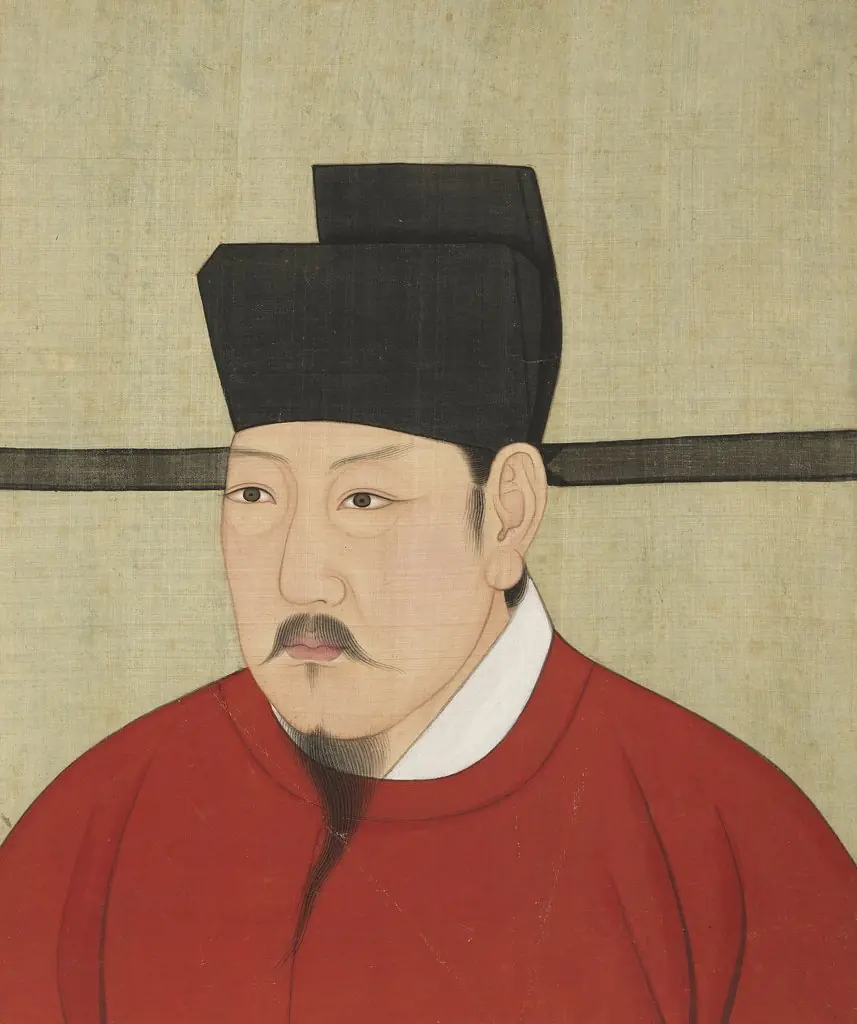
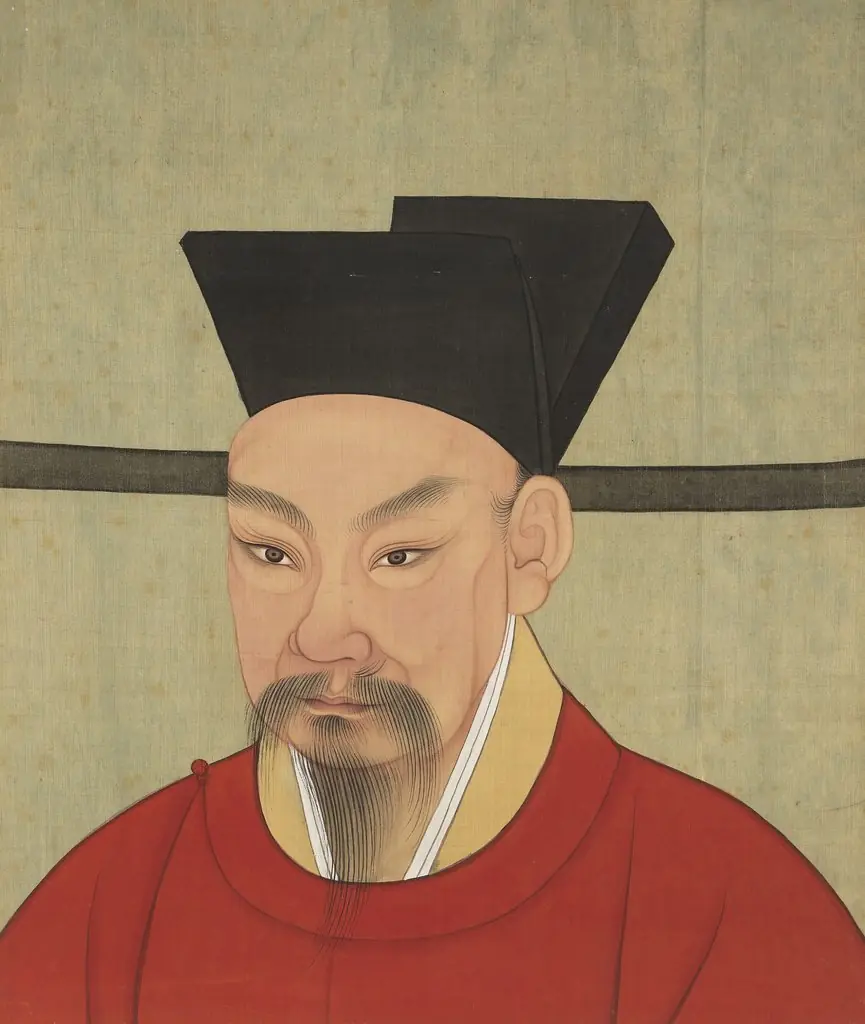
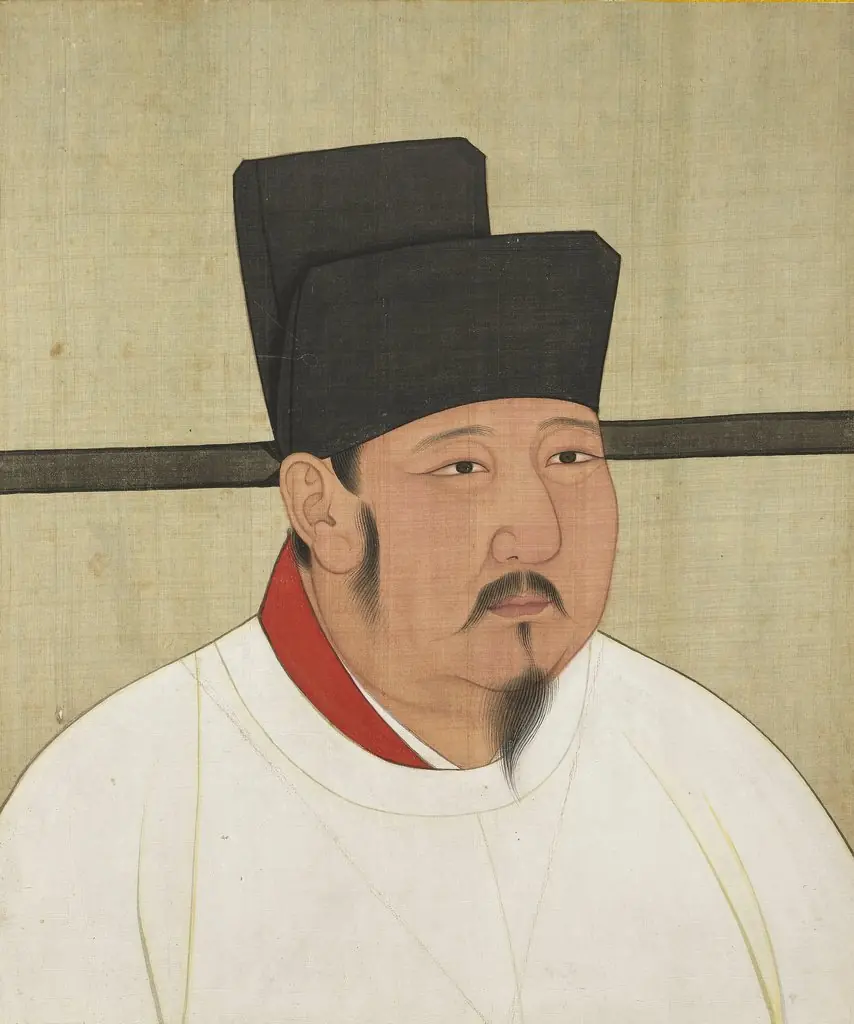
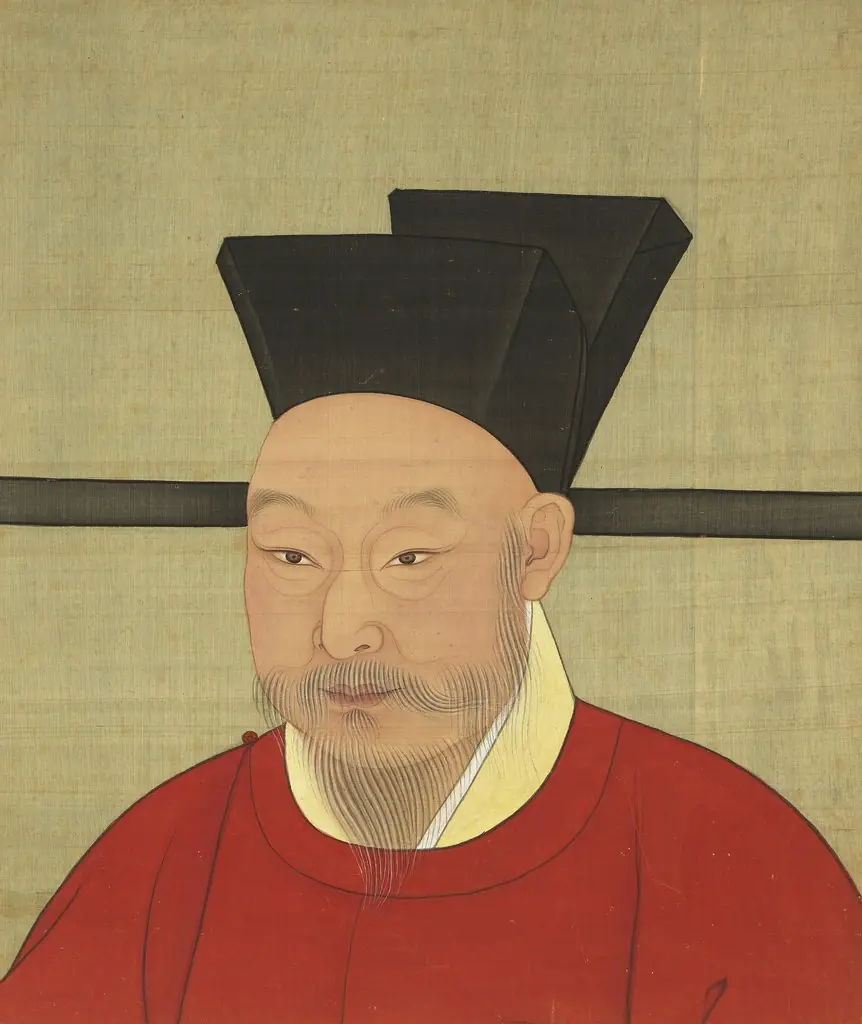
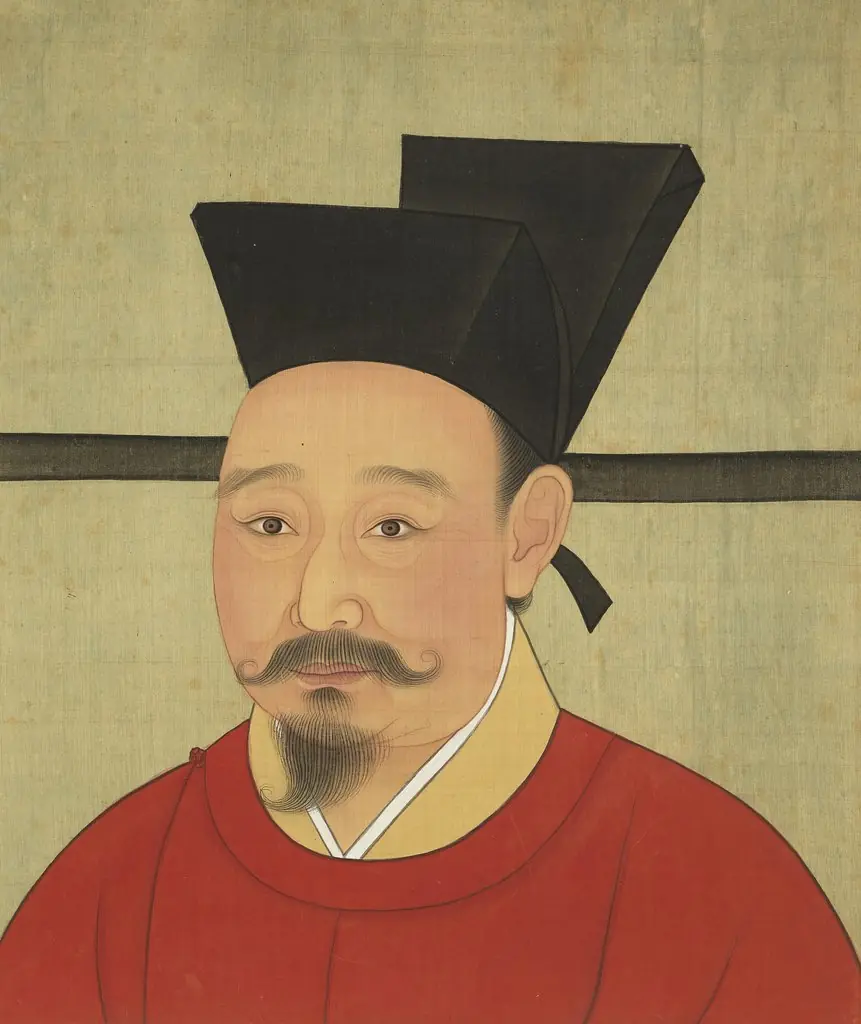
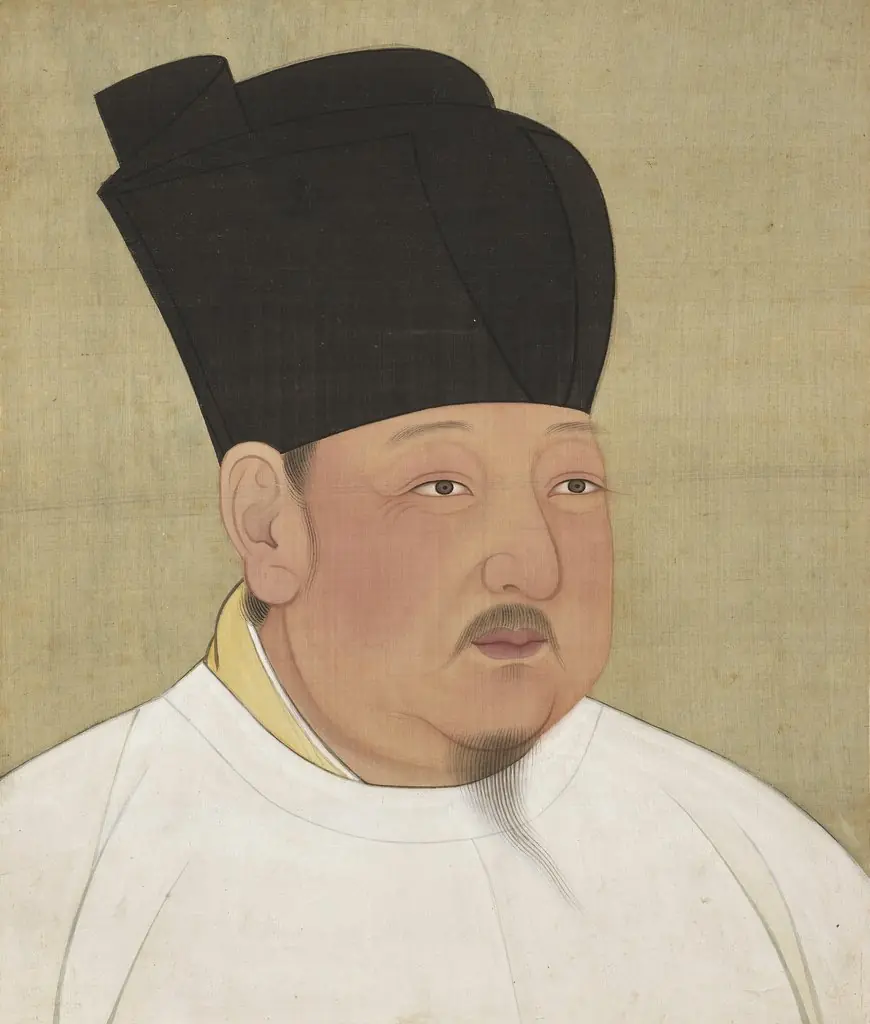
宋代帝半身像册-宋朝度宗皇帝像 is an unspecified painting by Unknown. It is held in the collection of the National Palace Museum. This silk painting is one of a series depicting Southern Song emperors, created during or shortly after the reign of Emperor Duzong.
About this work
Overview
This silk painting is one of a series depicting Southern Song emperors, created during or shortly after the reign of Emperor Duzong. Rendered in restrained tones, it presents the ruler in formal court attire, emphasizing dignity over grandeur. The composition avoids ornate decoration, focusing instead on the figure’s posture and attire to convey imperial authority through quiet solemnity.
Subject & Meaning
The portrait represents Emperor Duzong, the tenth ruler of the Southern Song dynasty, shown in ceremonial robes that signify his status.
The portrait represents Emperor Duzong, the tenth ruler of the Southern Song dynasty, shown in ceremonial robes that signify his status. His downward gaze and neutral expression reflect Confucian ideals of humility and contemplative rule. The absence of symbolic embellishments suggests an emphasis on personal bearing rather than divine association, aligning with the dynasty’s later emphasis on administrative propriety.
Technique & Style
Executed in fine brushwork on silk, the painting uses subtle gradations of ink and mineral pigments to define fabric folds and facial contours. The red robe and black hat are rendered with precision, while the muted background enhances the figure’s presence without distraction. The restrained palette and lack of perspective reinforce a timeless, frontal composition typical of imperial portraiture in the Southern Song period.
History & Provenance
Part of a documented imperial portrait series commissioned by the Song court, this work likely originated in the palace at Lin’an. It survived the fall of the dynasty and entered private or monastic collections before being preserved in institutional archives. Its survival reflects the continued reverence for Song imperial imagery, even after political collapse.
Context
Created during a period of Mongol military pressure, the portrait reflects a court increasingly focused on ritual continuity rather than expansion. The simplicity of the image contrasts with earlier dynastic portraits, mirroring the Southern Song’s retreat from overt displays of power. Such images served as tools of legitimacy, reinforcing imperial identity amid territorial loss.
Legacy
This portrait remains a key example of Southern Song imperial iconography, influencing later dynastic portraiture in China and Korea. Its understated aesthetic contributed to enduring ideals of restrained authority in East Asian court art. Modern scholars value it not for its drama, but for its quiet embodiment of bureaucratic virtue in a time of crisis.
Artist & collection

 Domestic Scene
 Giacomo and Cardinal Marco, investing Andrea, Abbot of San Zeno, with his Benefice
 The Nymph of Fontainebleau
 Portrait of a Woman
 Madonna and Child with Saints in the Enclosed Garden
 Venus and Minerva
 Family Group of Four on Sofa
 Wall painting from Room H of the Villa of P. Fannius Synistor at Boscoreale