Artwork
宋代帝半身像册-宋朝钦宗皇帝像
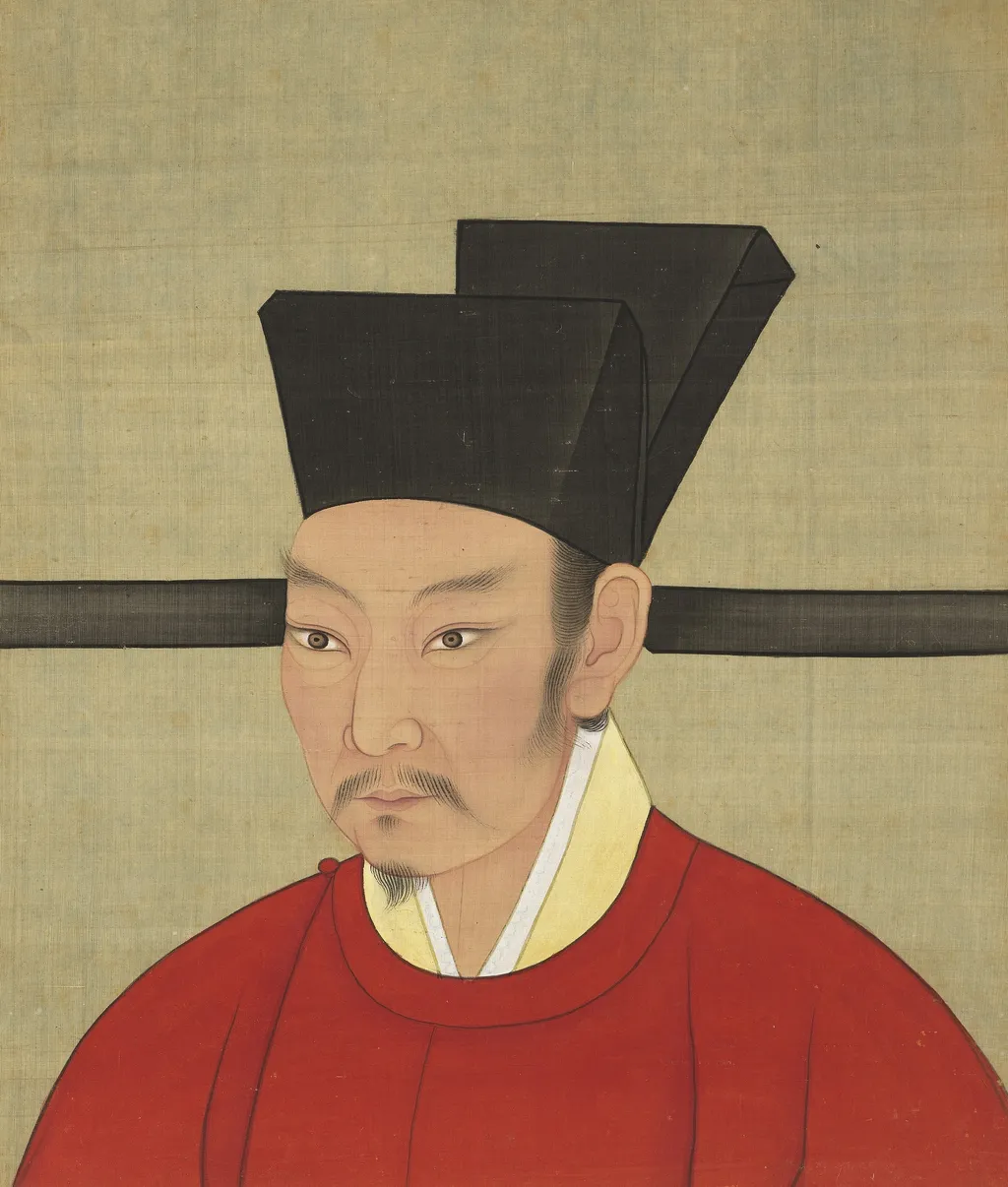
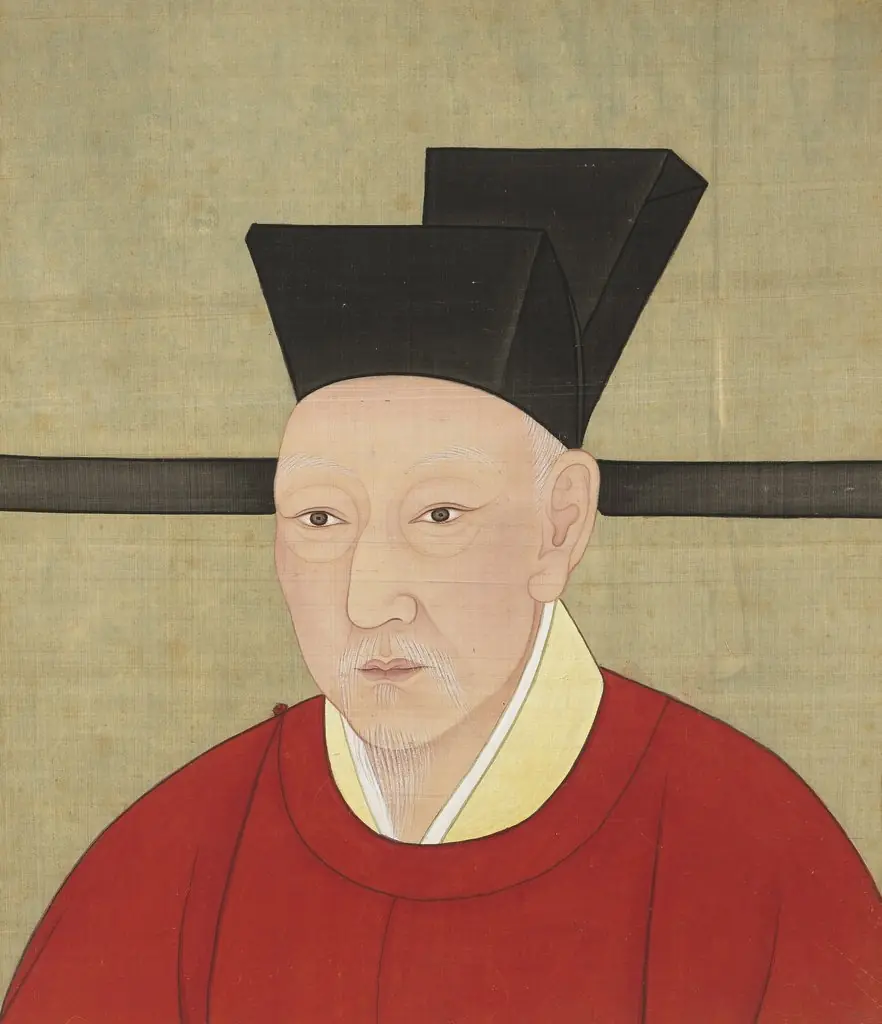
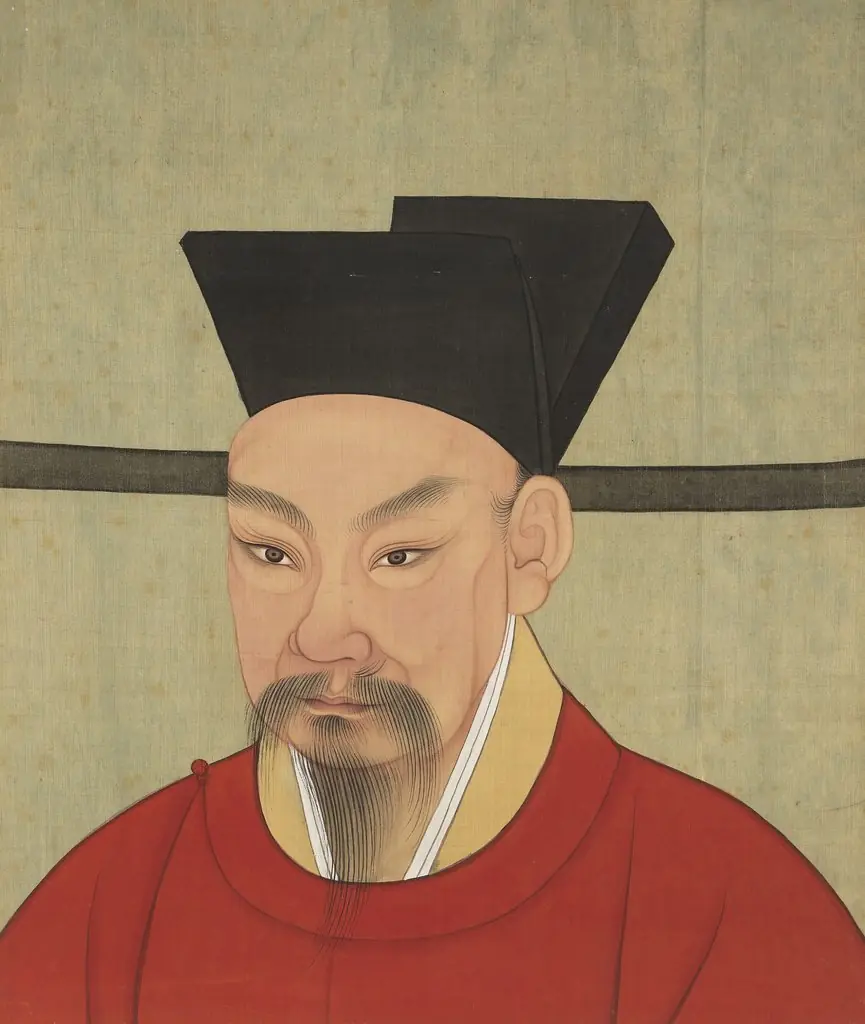
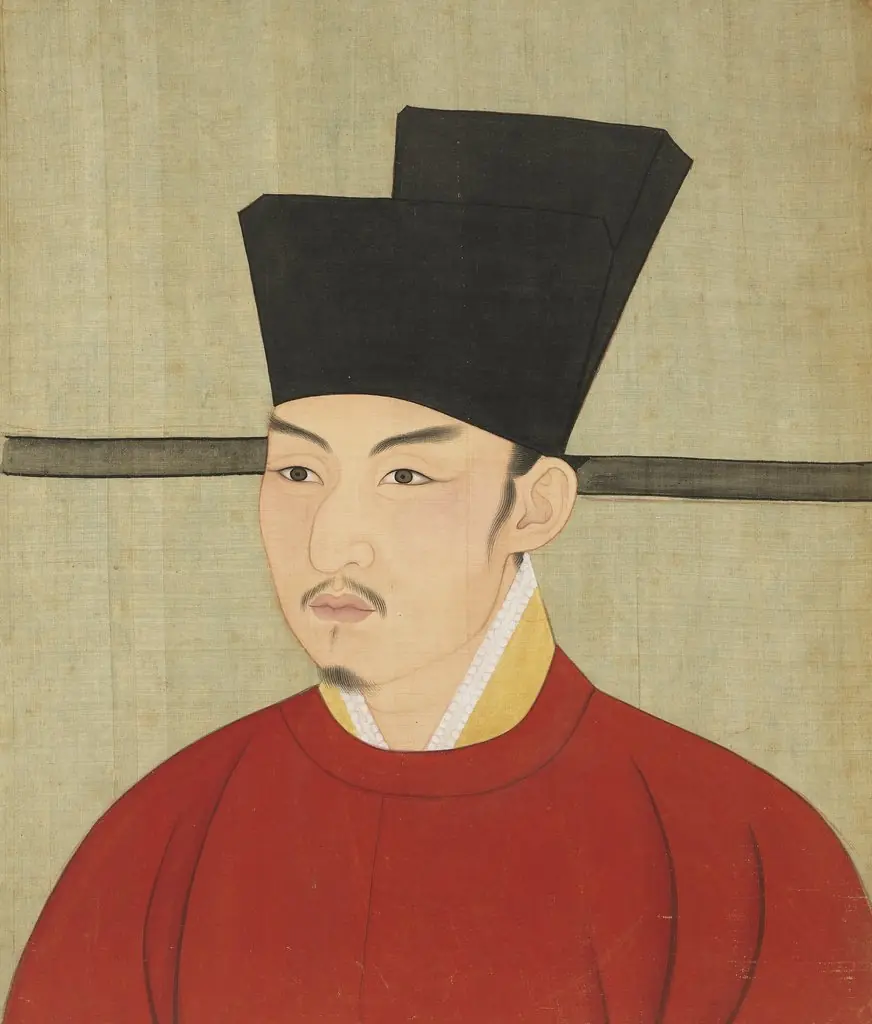
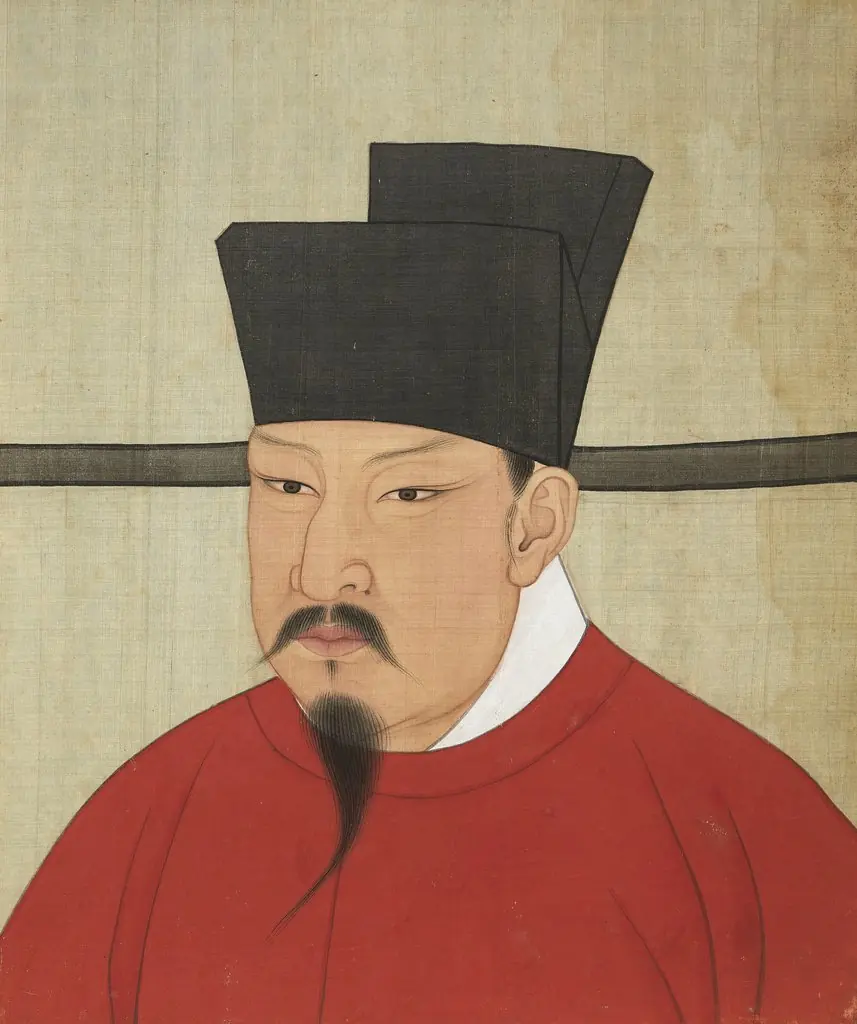
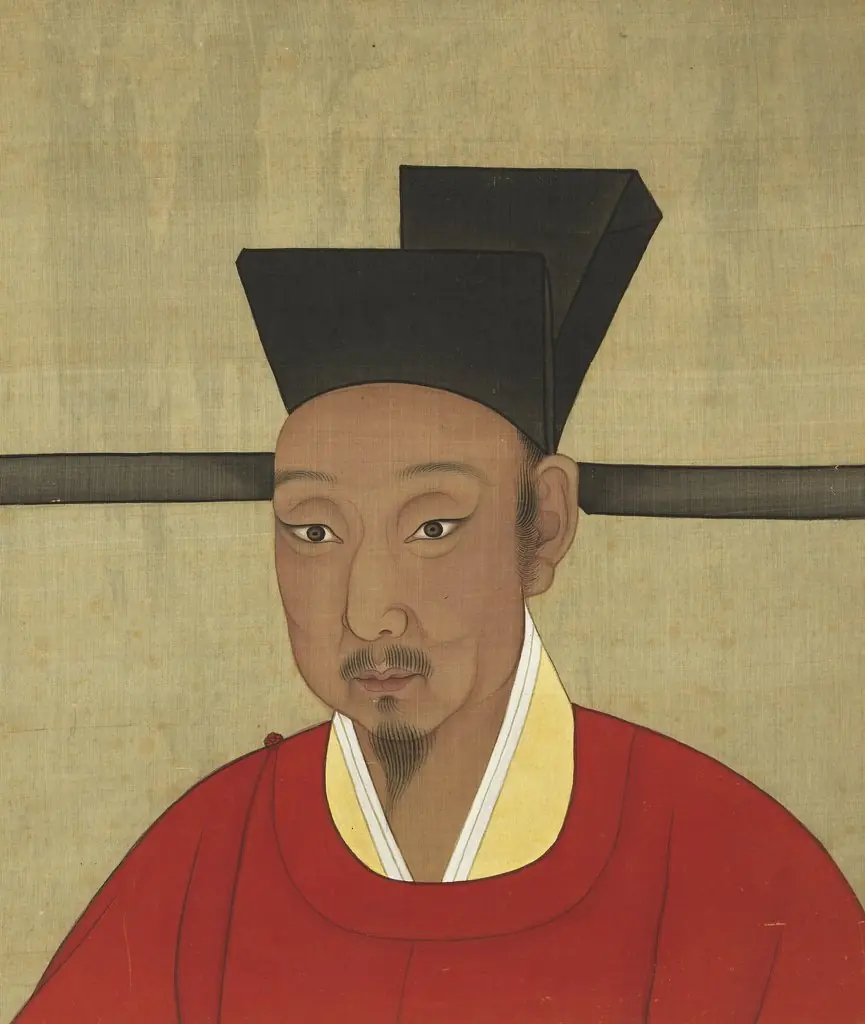
宋代帝半身像册-宋朝钦宗皇帝像 is an unspecified painting by Unknown. It is held in the collection of the National Palace Museum. This silk painting is one of a series depicting Southern Song emperors, created during or shortly after the 12th century.
About this work
Overview
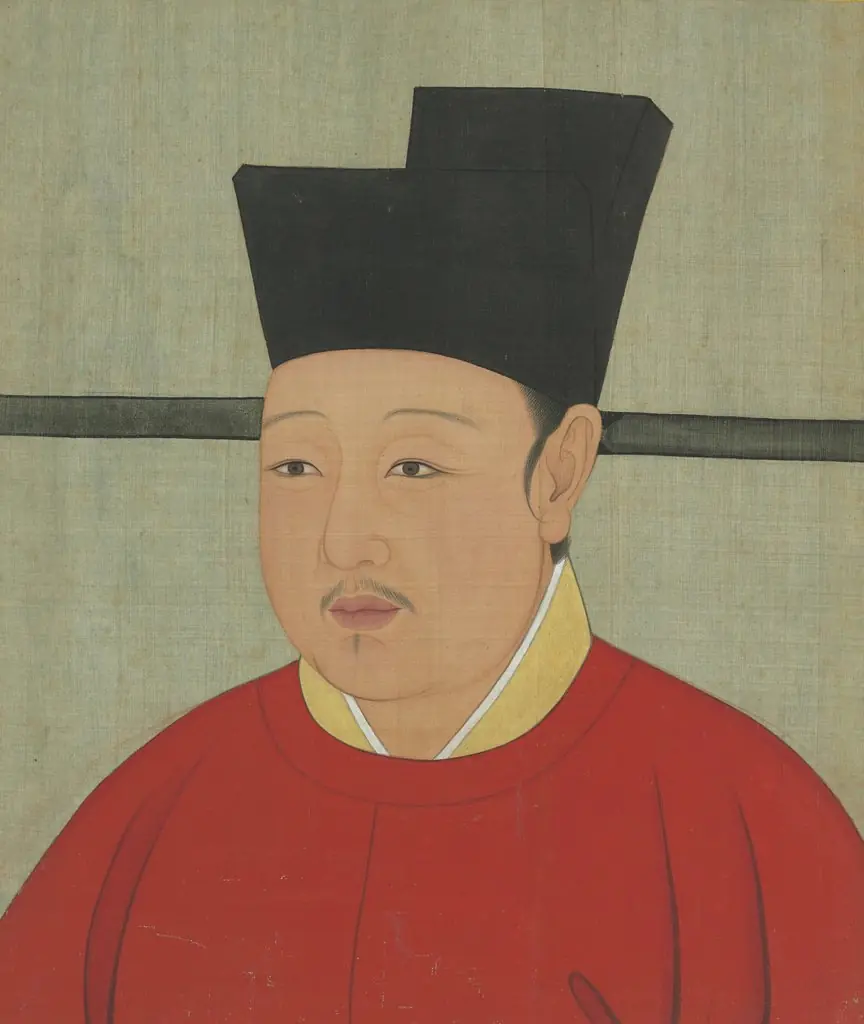
The composition is restrained, emphasizing stillness and dignity, with minimal background elements to focus attention on the figure.
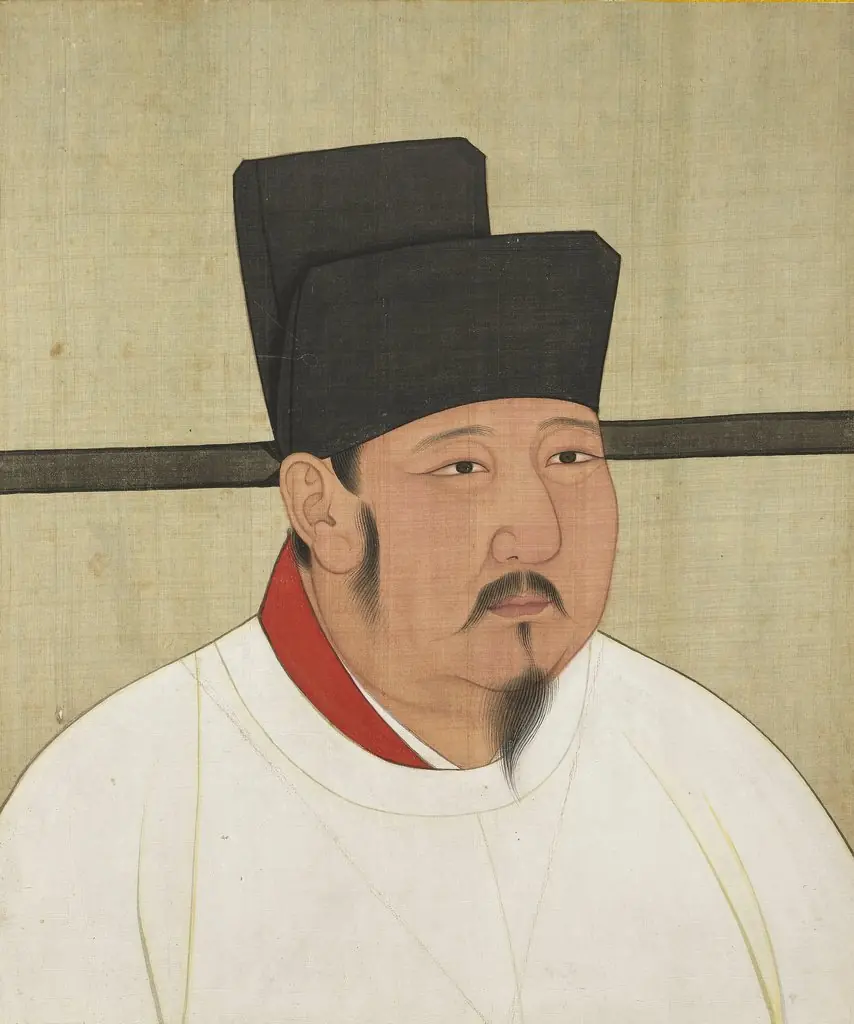
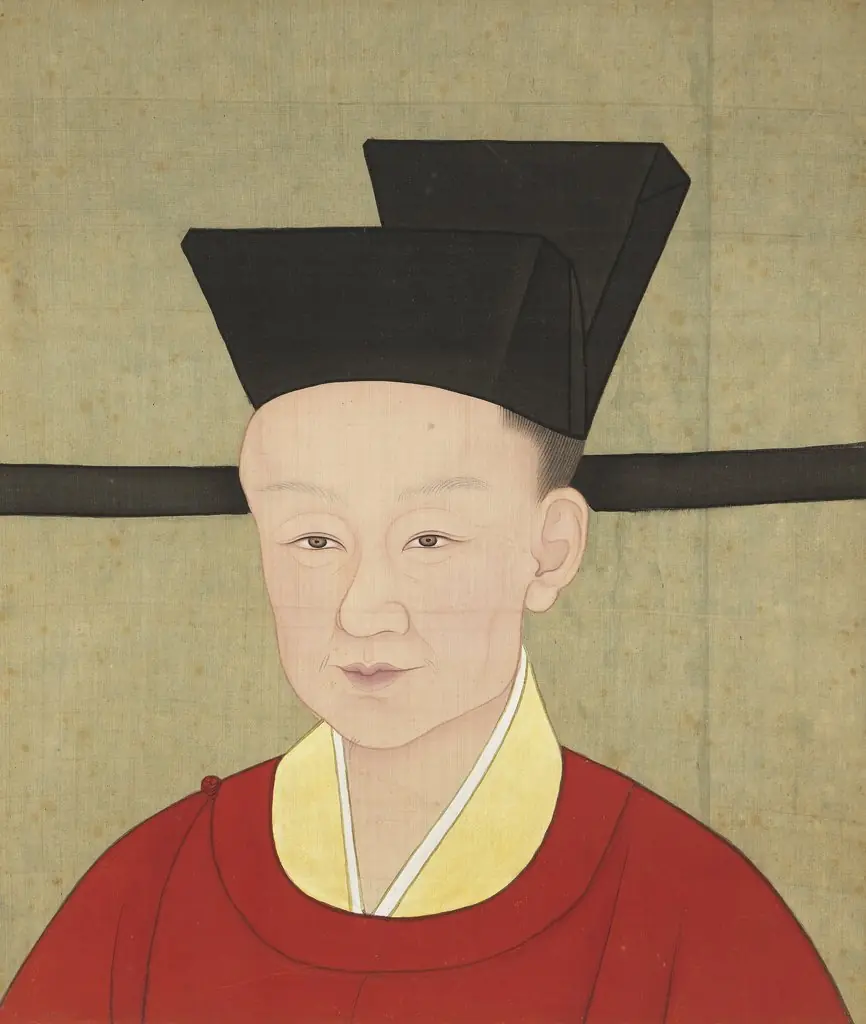
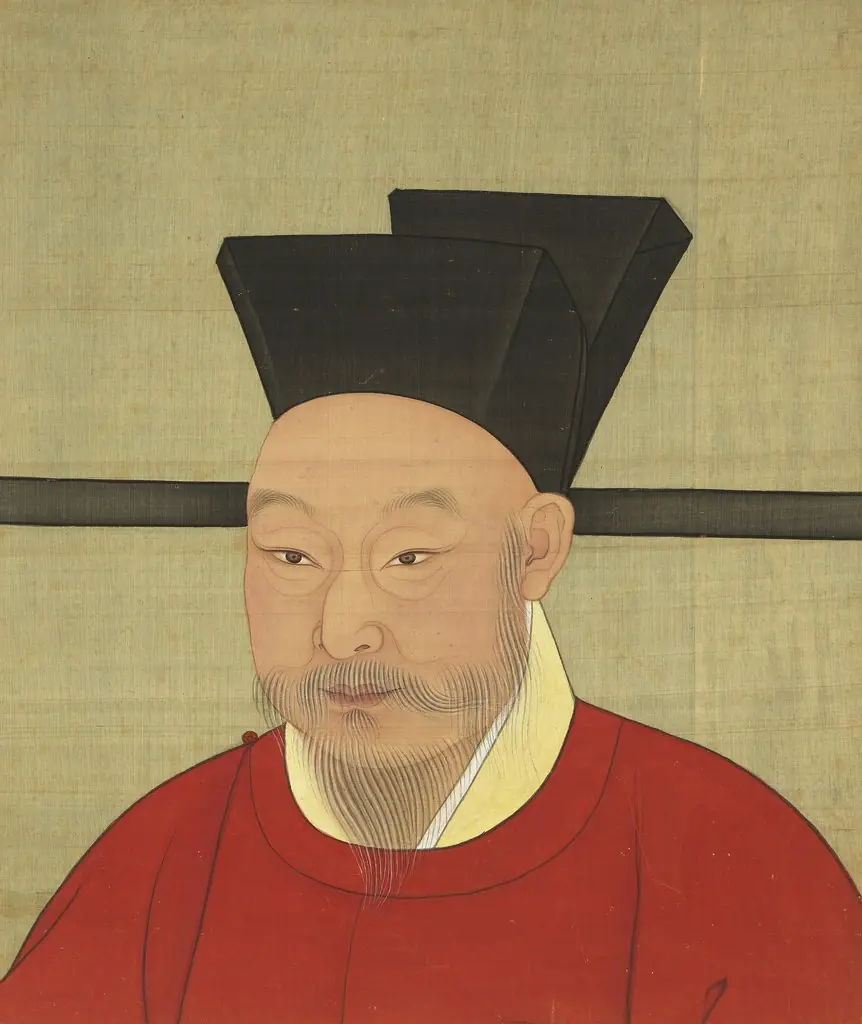
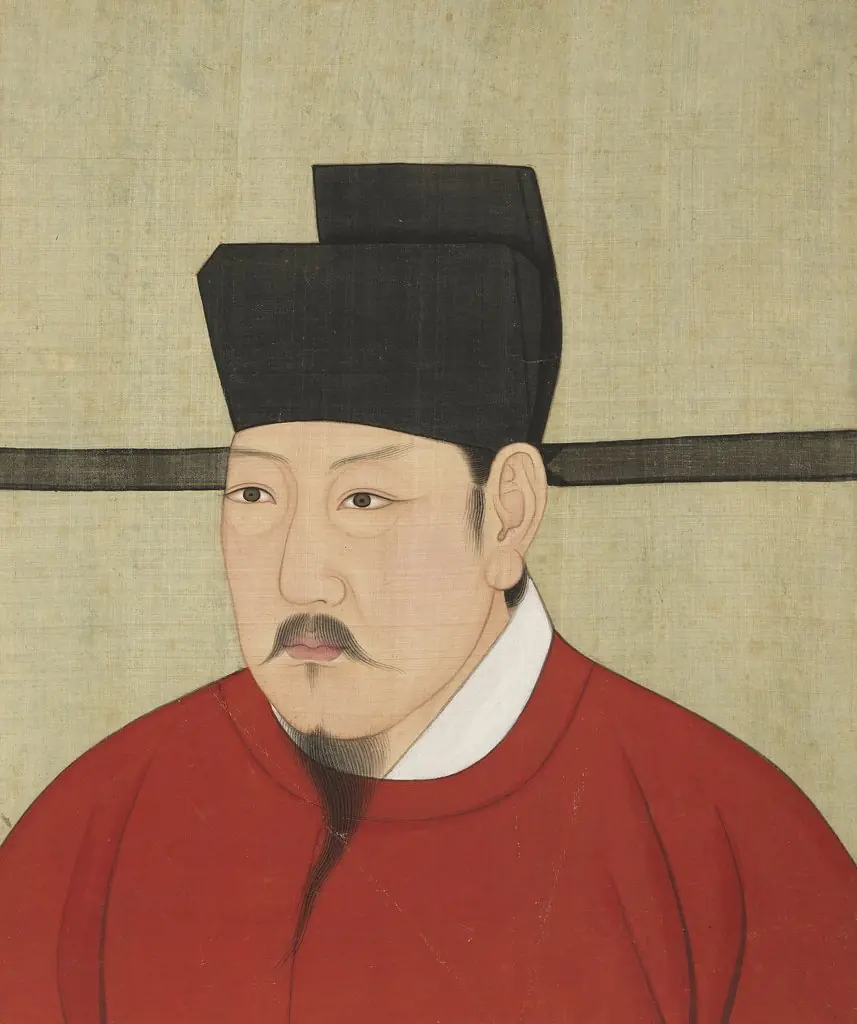
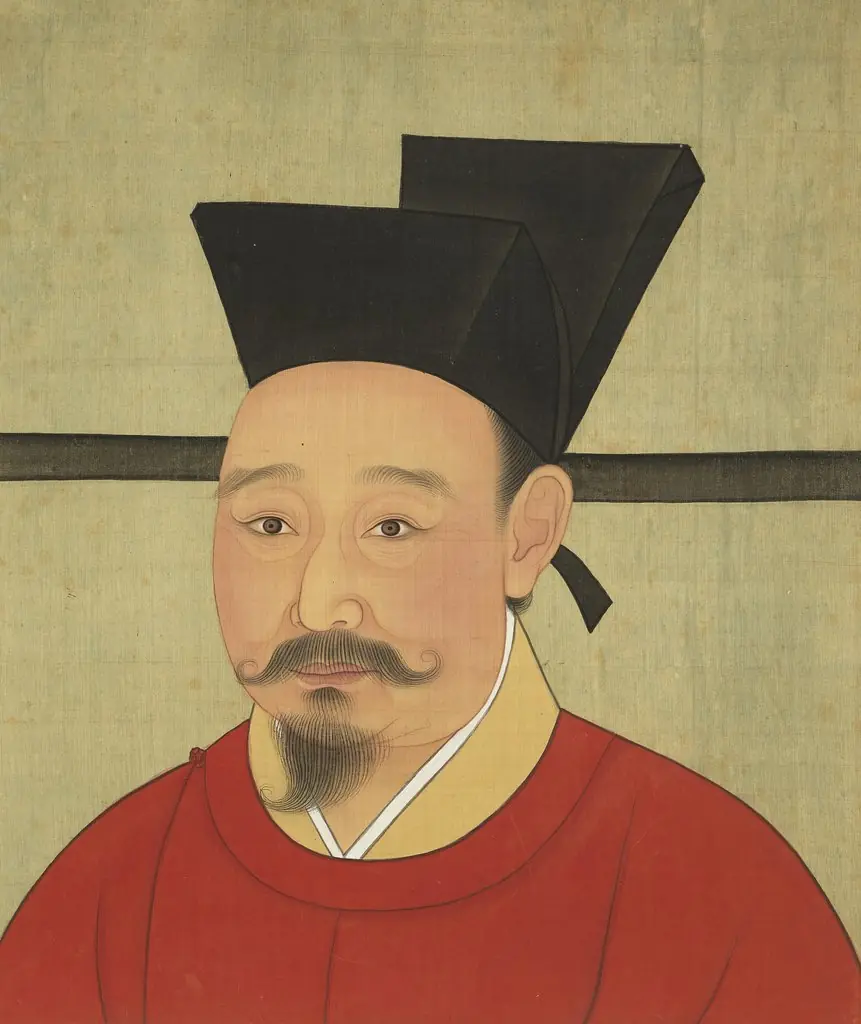
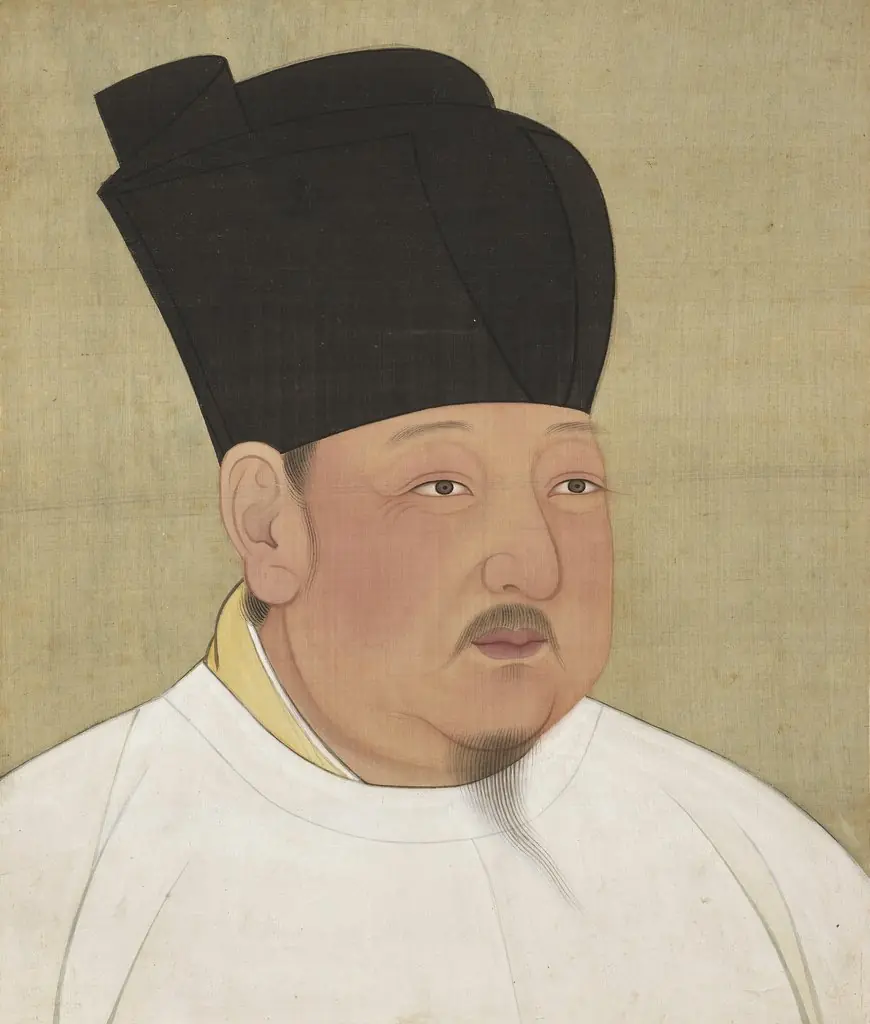
This silk painting is one of a series depicting Southern Song emperors, created during or shortly after the 12th century. It portrays Emperor Qinzong, the last ruler of the Northern Song dynasty, rendered in formal court attire. The composition is restrained, emphasizing stillness and dignity, with minimal background elements to focus attention on the figure. The work reflects imperial portraiture conventions of the period, prioritizing symbolic presence over individual expression.
Subject & Meaning
The portrait represents Emperor Qinzong, who reigned briefly before being captured by the Jurchen forces in 1127, marking the fall of the Northern Song. His downward gaze and composed demeanor convey a sense of solemn reflection, possibly alluding to his tragic fate. The formal robes and hat signify his imperial status, while the lack of overt symbolism suggests a deliberate understatement, aligning with Confucian ideals of restraint and moral gravity.
Technique & Style
Executed in fine silk with delicate ink outlines and subtle color washes, the painting employs precise brushwork to define facial features and textile textures. The red robe and black hat are rendered with muted tones, avoiding flamboyance. A thin black stripe behind the head creates a subtle framing effect, enhancing the figure’s presence without distraction. The neutral expression and soft lighting contribute to an atmosphere of quiet introspection, typical of court portraiture of the era.
History & Provenance
The painting belongs to a documented imperial portrait series commissioned by the Southern Song court to preserve the lineage of fallen Northern Song rulers. Likely produced in the 13th century, it was preserved in imperial collections and later entered museum holdings in the 20th century. Its survival is notable, as many such works were lost during the Mongol invasions and subsequent dynastic transitions.
Context
Created in the aftermath of the Jingkang Incident, when the Northern Song capital fell to the Jin dynasty, these portraits served as political and cultural memorials. They reinforced the legitimacy of the Southern Song regime by visually affirming continuity with its predecessor. Unlike earlier Tang dynasty portraits, which emphasized grandeur, Song imperial images favored restraint, reflecting the era’s philosophical shift toward introspection and moral authority.
Legacy
This portrait remains a key example of Song dynasty court painting, illustrating how imperial identity was conveyed through quiet formality rather than spectacle. It influenced later dynastic portraiture in East Asia, particularly in Korea and Japan, where similar conventions of solemnity and minimalism were adopted. Its preservation offers insight into how defeated rulers were memorialized within a culture that valued historical continuity over triumphalism.
Artist & collection

 Domestic Scene
 Giacomo and Cardinal Marco, investing Andrea, Abbot of San Zeno, with his Benefice
 The Nymph of Fontainebleau
 Portrait of a Woman
 Madonna and Child with Saints in the Enclosed Garden
 Venus and Minerva
 Family Group of Four on Sofa
 Wall painting from Room H of the Villa of P. Fannius Synistor at Boscoreale