Artwork
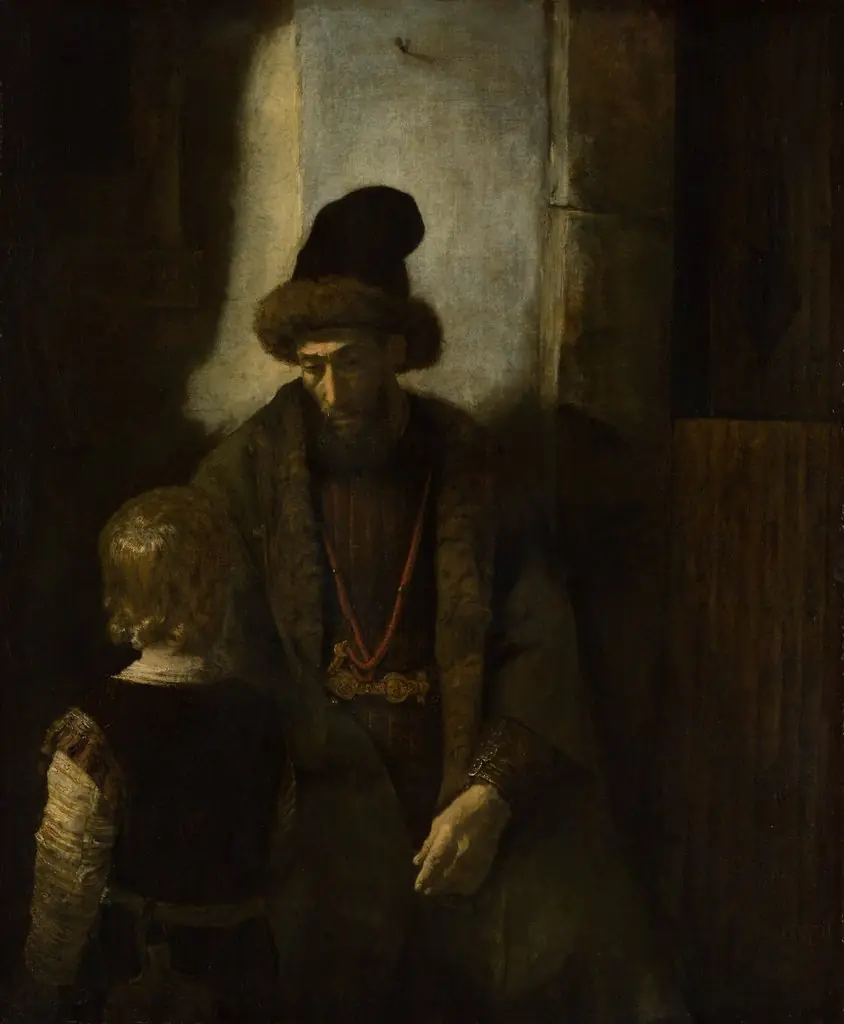
Blind Tobit and His Wife
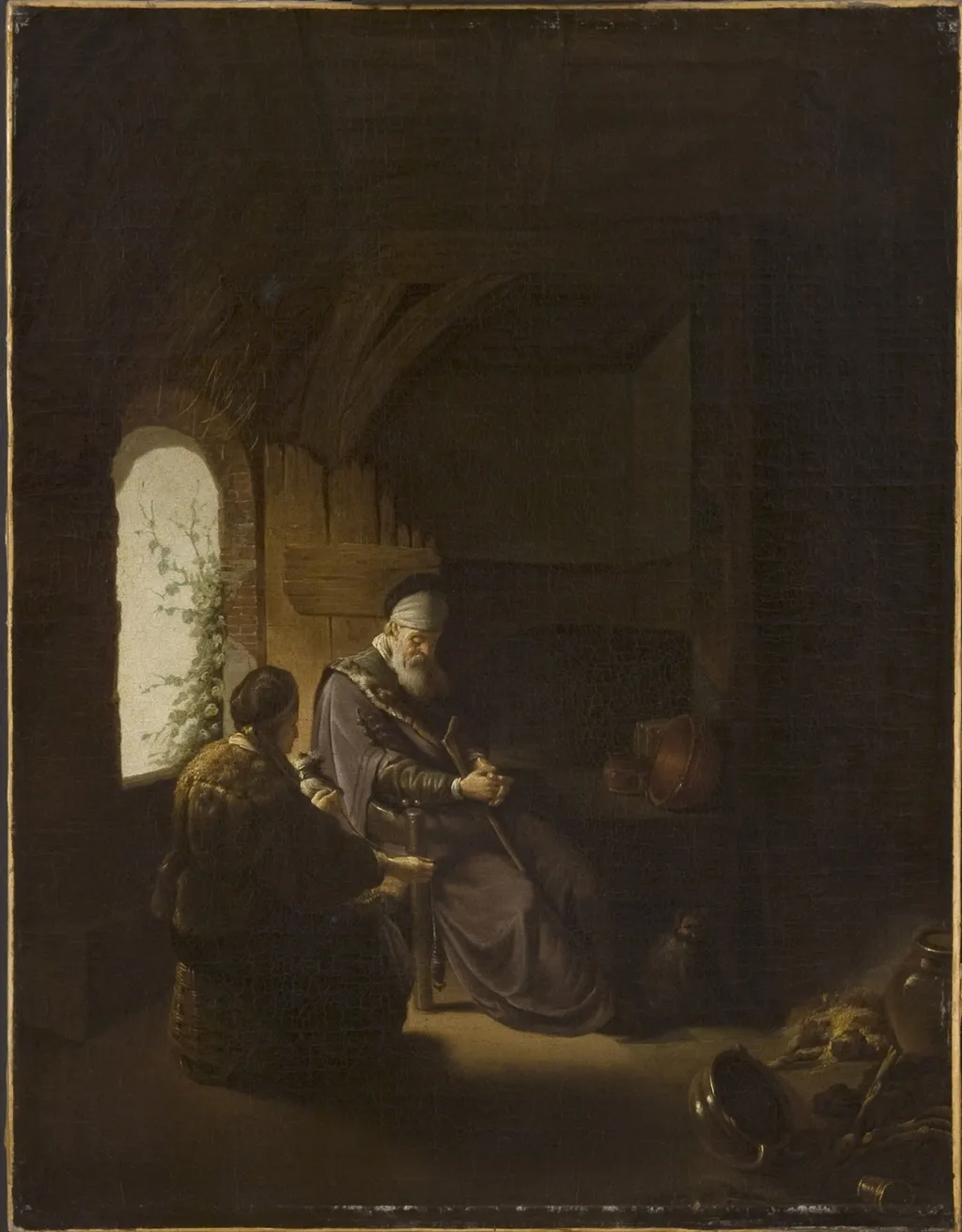
Blind Tobit and His Wife is an oil painting by Rembrandt. It dates from 1660 and is held in the collection of the Philadelphia Museum of Art.
About this work
Overview
It resides in the Philadelphia Museum of Art’s collection, where it is recognized for its emotional restraint and masterful handling of light.
Painted in 1660 by Rembrandt van Rijn, this oil-on-canvas work portrays the biblical figures Tobit and his wife Anna in a modest interior. Executed during the artist’s later years, the painting reflects his deepening interest in quiet, introspective moments. It resides in the Philadelphia Museum of Art’s collection, where it is recognized for its emotional restraint and masterful handling of light.
Subject & Meaning
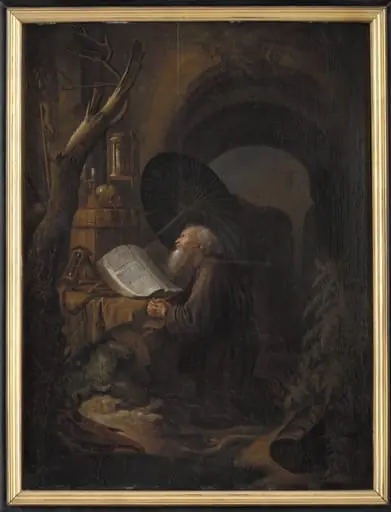
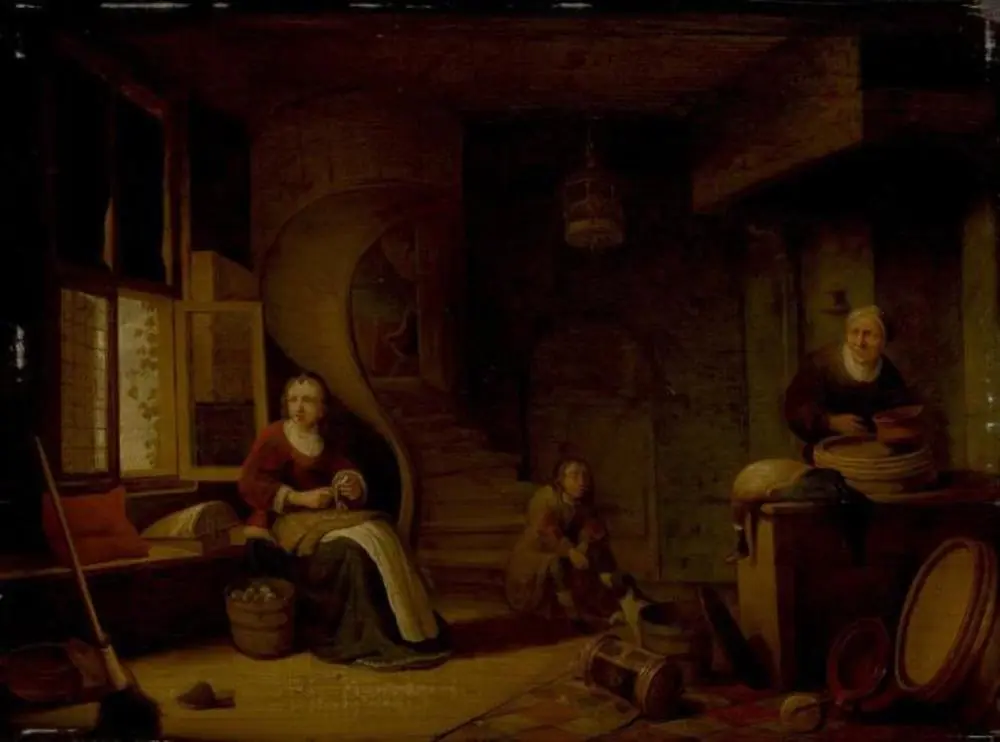
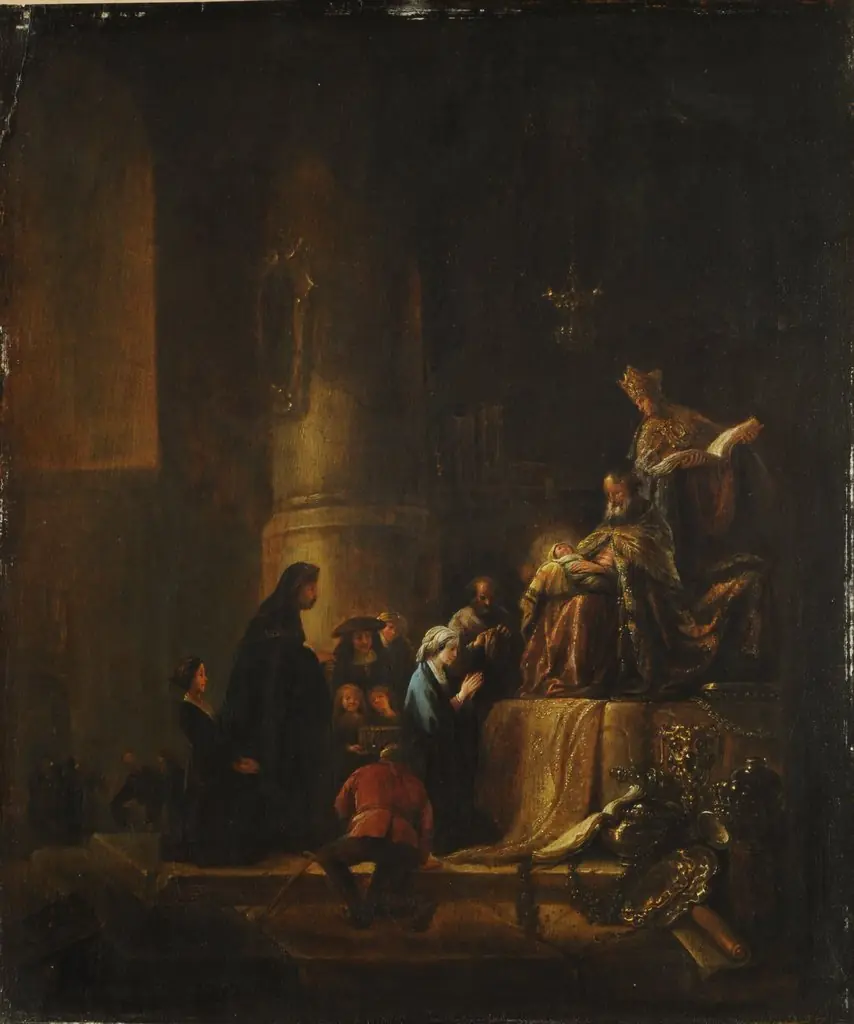
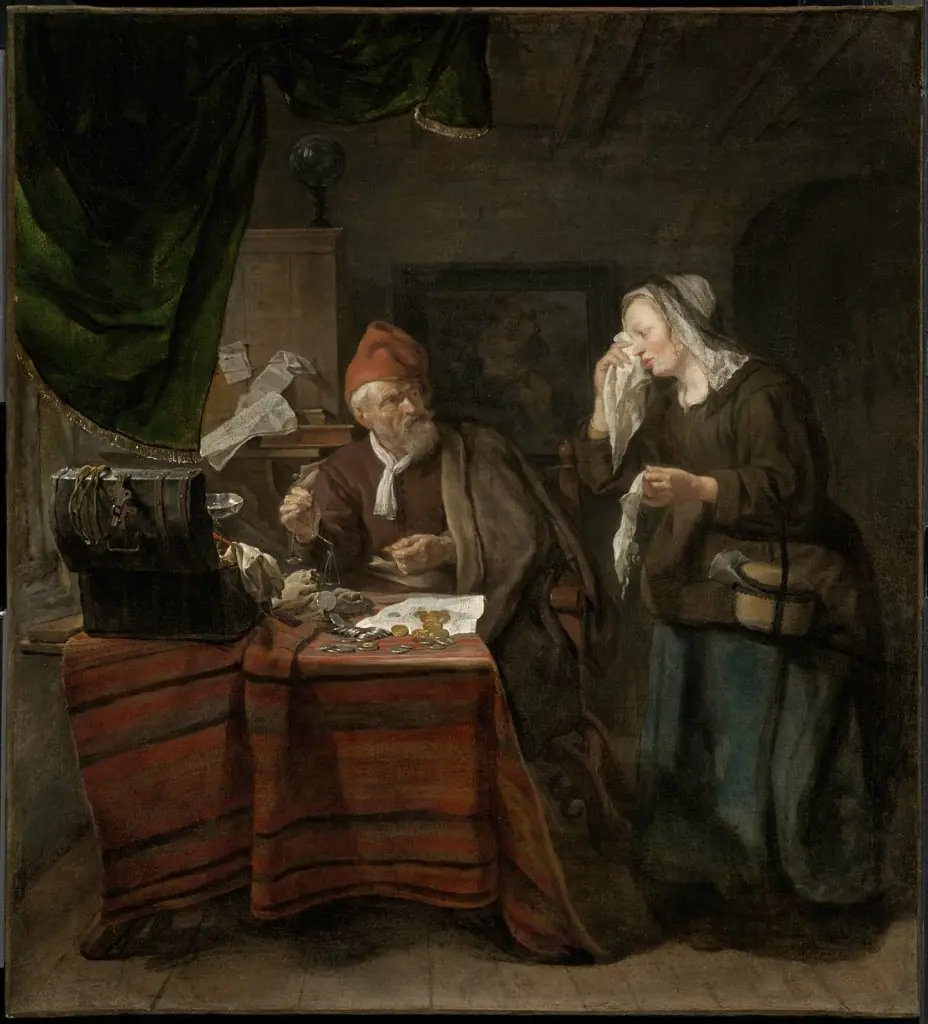
The scene illustrates Tobit, blind and seated, holding a document while his wife Anna gestures toward it, likely guiding him through its contents. Their interaction conveys mutual dependence and quiet devotion. The presence of a dog and domestic objects grounds the moment in everyday life, transforming a biblical narrative into a tender, human exchange centered on trust and care.
Technique & Style
Rembrandt employs chiaroscuro to concentrate attention on the figures’ faces and hands, using a narrow shaft of light to define their forms against deep shadows. The brushwork is varied—soft in the skin tones, more textured in fabrics and wood—enhancing tactile realism. The composition is tightly framed, eliminating distractions to emphasize intimacy and psychological depth.
History & Provenance
Created in the final decade of Rembrandt’s life, the painting passed through private collections before entering the Philadelphia Museum of Art in the early 20th century. Its attribution has remained consistent, supported by stylistic analysis and historical records. The work was likely commissioned or acquired by a collector drawn to Rembrandt’s spiritual realism during a period of personal and financial hardship for the artist.
Context
In 1660s Amsterdam, Rembrandt turned increasingly toward biblical subjects rendered with psychological nuance rather than grandeur. This painting aligns with a broader trend among Dutch artists to depict sacred stories in domestic settings, emphasizing moral and emotional resonance over spectacle. The focus on aging, disability, and quiet companionship reflects contemporary values of humility and familial duty.
Legacy
The painting endures as an example of Rembrandt’s ability to elevate ordinary moments into profound visual meditations. Its restrained palette and intimate scale influenced later realist and genre painters who sought emotional truth over theatricality. Scholars continue to study its use of light and gesture as models of narrative economy in 17th-century painting.
Artist & collection
Artist
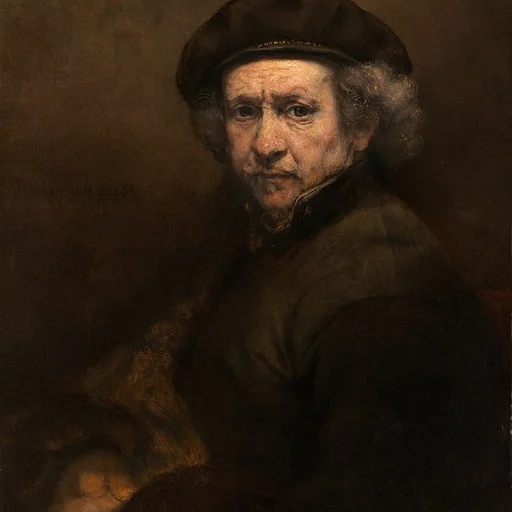
Rembrandt Harmenszoon van Rijn (15 July 1606 – 4 October 1669), known mononymously as Rembrandt, was a Dutch Golden Age painter, printmaker, and draughtsman.