Artwork
Portrait of a child, presumed Mattys Decker (b.1679)
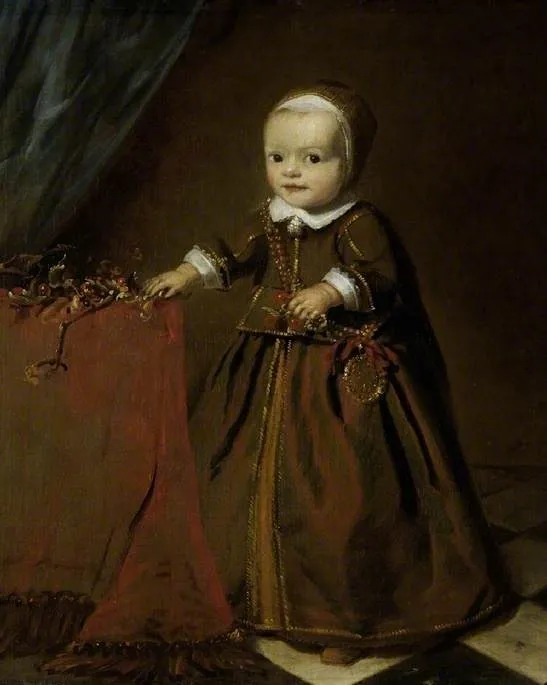
Portrait of a child, presumed Mattys Decker (b.1679) is an oil painting by the Dutch Golden Age artist Arent de Gelder. It dates from 1690 and is held in the collection of the Fitzwilliam Museum.
About this work
Overview
Portrait of a child, presumed Mattys Decker is a Dutch Golden Age oil painting created by Arent de Gelder in 1690. It is now part of the Fitzwilliam Museum's collection.
Subject & Meaning
The painting depicts a child, identified as Mattys Decker (born 1679), dressed in a dark brown outfit with gold trim and a white collar, conveying a sense of youthful innocence through their neutral expression.
Technique & Style
De Gelder's work, characteristic of continuing Rembrandt's late style into the 18th century, features a simple yet effective composition: the child stands against a red tablecloth, with hands on its edge, showcasing the artist's ability to capture subtlety in expression and texture.
History & Provenance
Created in 1690, the painting's history prior to its acquisition by the Fitzwilliam Museum is not detailed here, highlighting the primary known fact of its current ownership.
Context
As one of the few artists to extend Rembrandt's style into the next century, De Gelder's portrait reflects the evolving artistic tastes of the late Dutch Golden Age, emphasizing intimacy and naturalism.
Legacy
While not individually renowned, the portrait contributes to De Gelder's recognized legacy as a portraitist, especially of children, reflecting the enduring appeal of 17th-century Dutch domestic portraiture.
Artist & collection
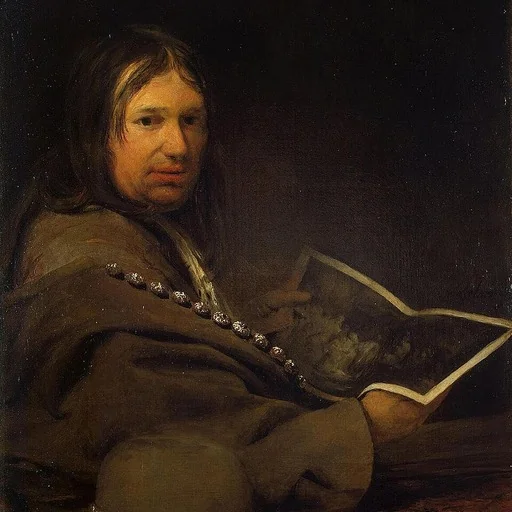
Artist
Aert de Gelder (Dutch: ; October 26, 1645 – August 27, 1727) was a Dutch painter, the only Dutch artist to paint in the tradition of Rembrandt's late style into the 18th century.

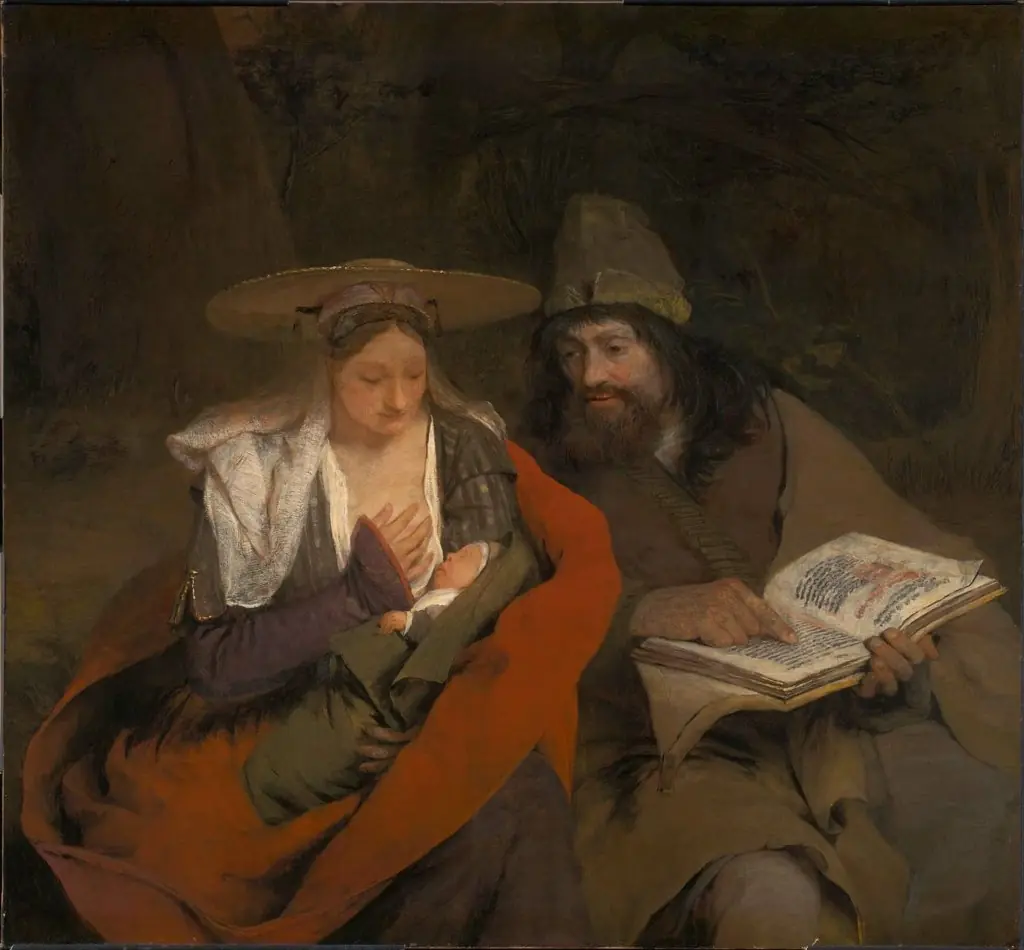 Rest on the Flight into Egypt
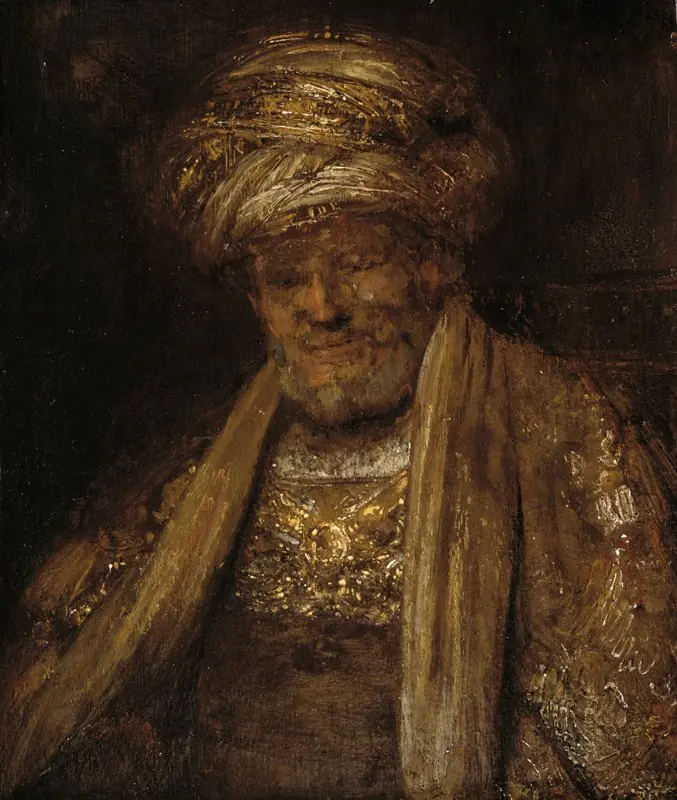 Portrait of an Oriental Man
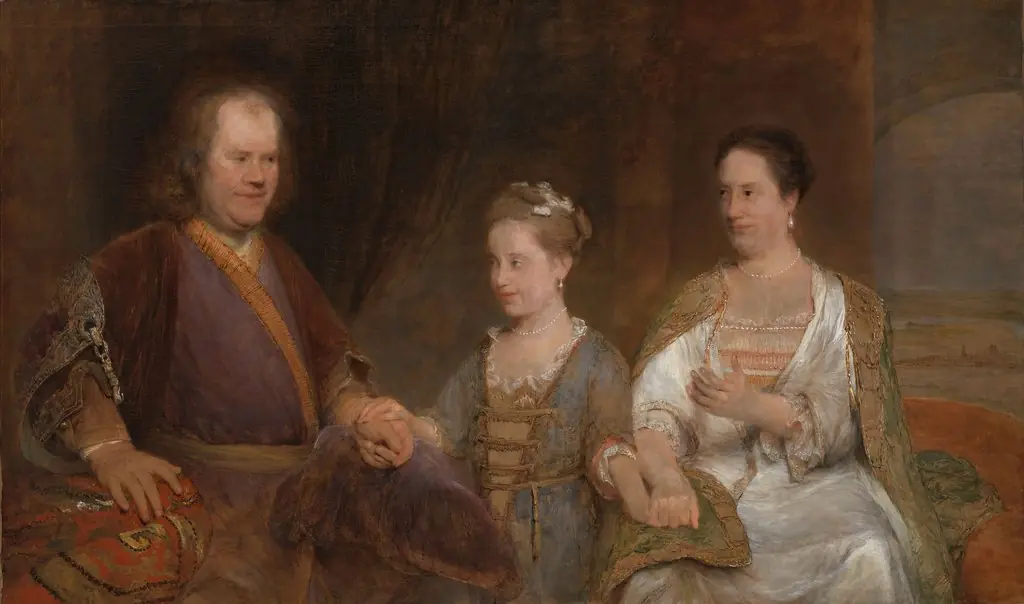 Portrait of Hermanus Boerhave (1668-1738), professor of medecine at the university of Leiden, with his wife Maria Drolenvaux (1686-1746) and their daughter Johanna Maria (1712-91)
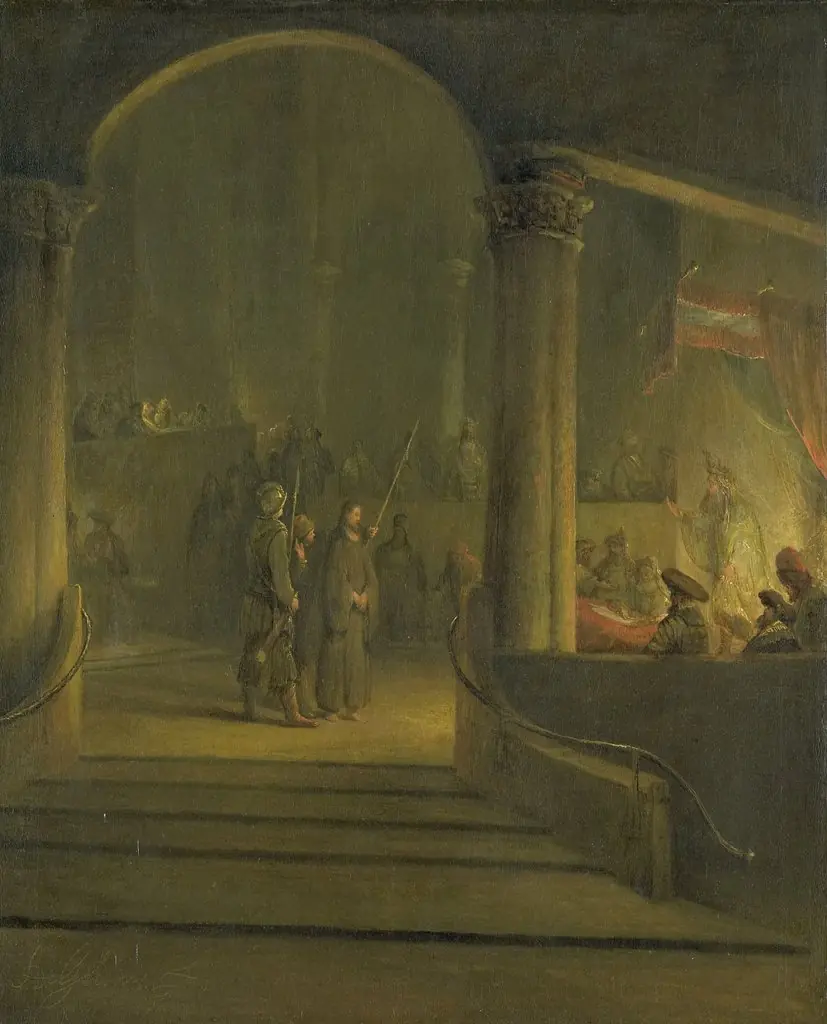 Christ before Caiphas
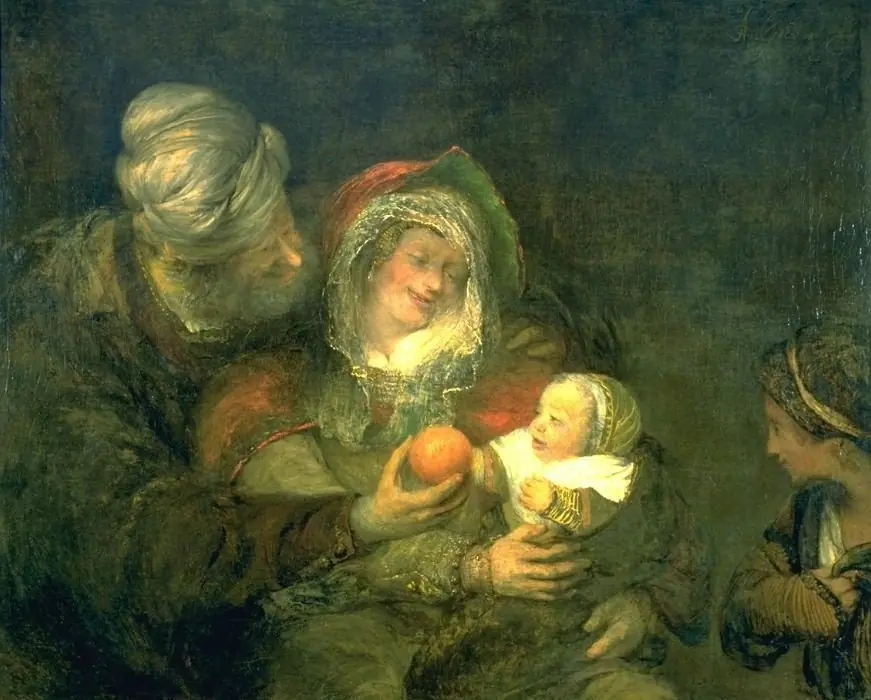 Holy Family
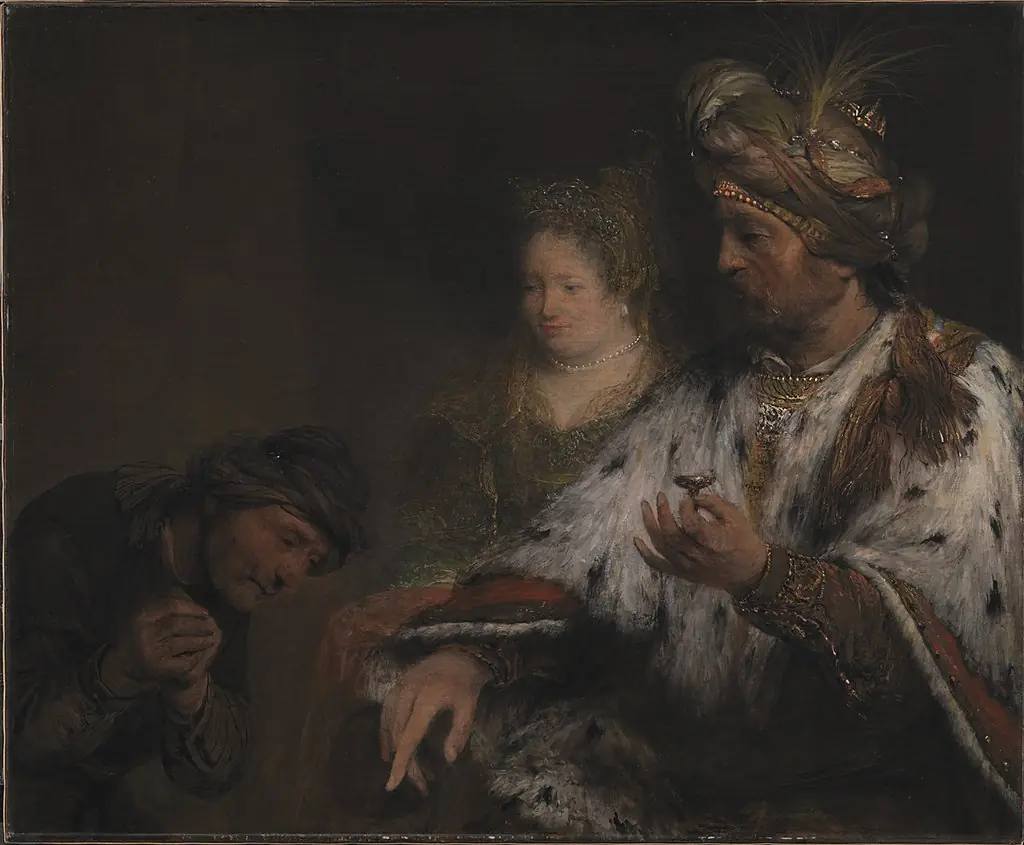 Den persiske kong Ahasverus giver Mordokaj ringen
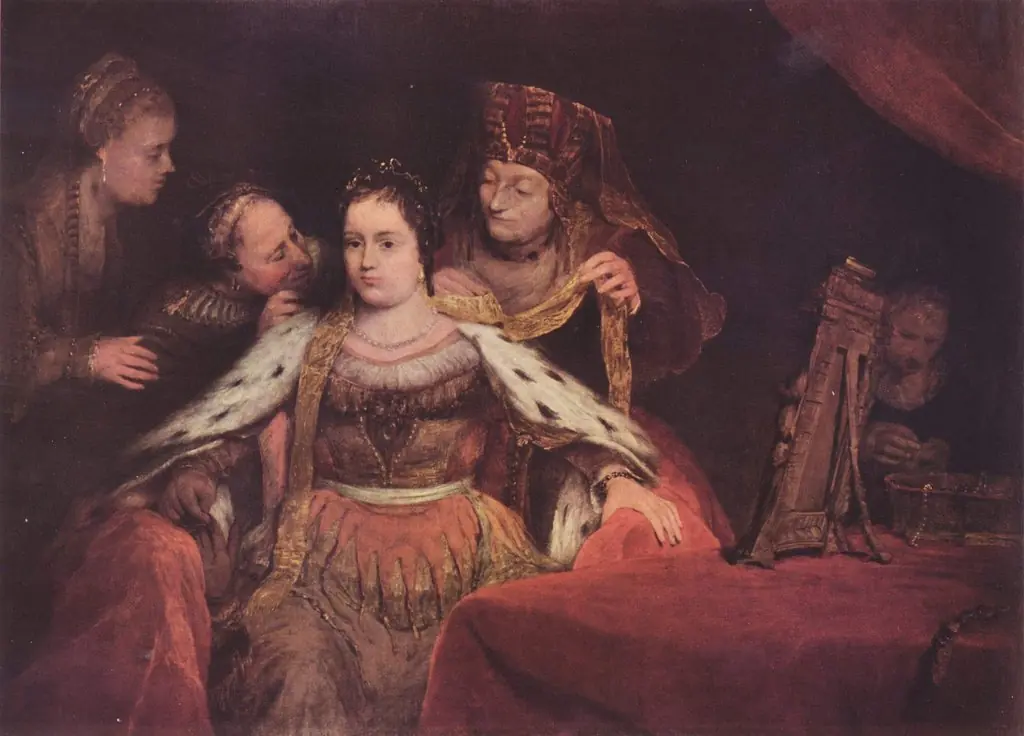 Esther's toilet
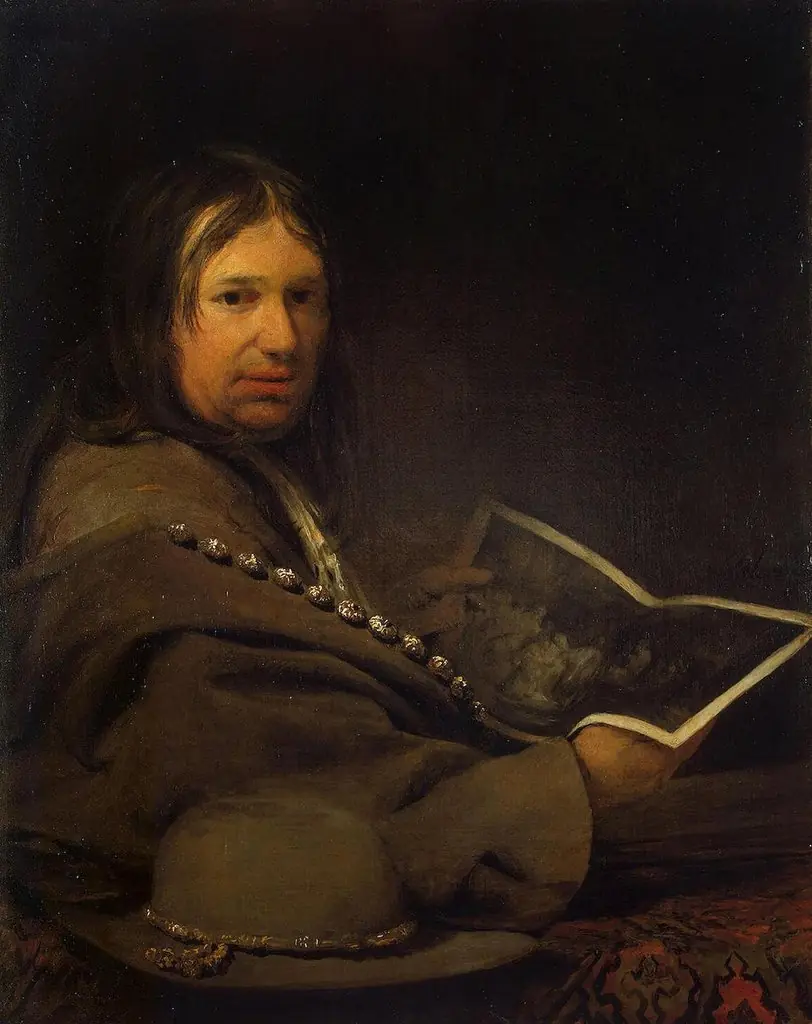 Portrait of a Collector
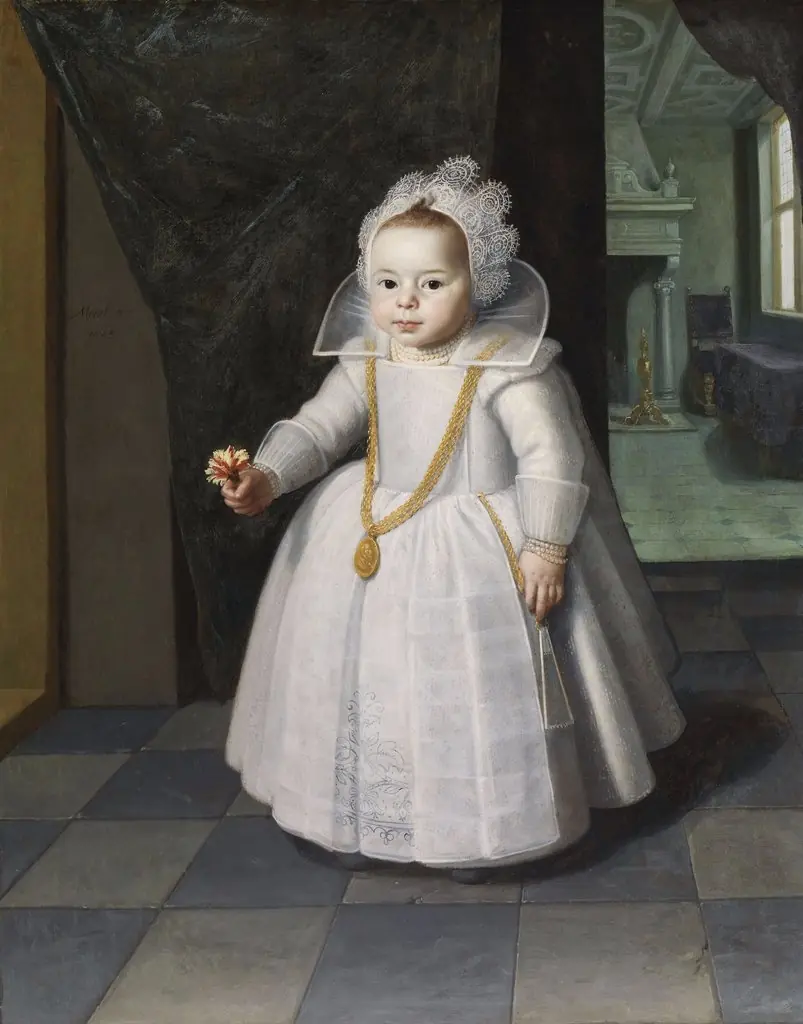 Portrait of a girl
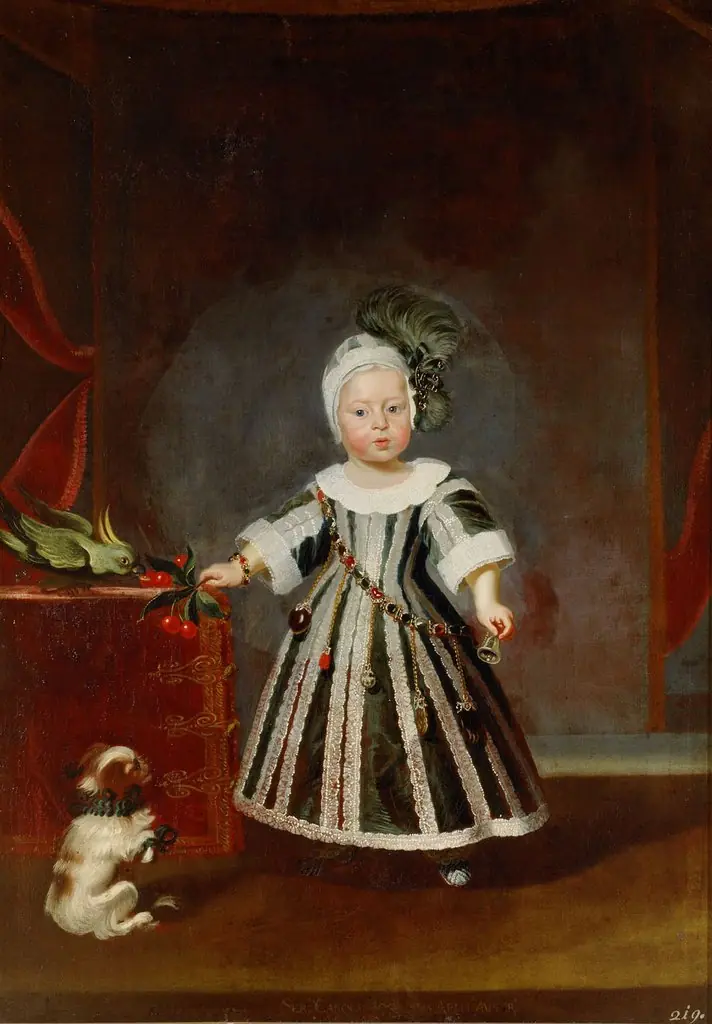 Portrait of Charles Joseph, Archduke of Austria (1745-1761)
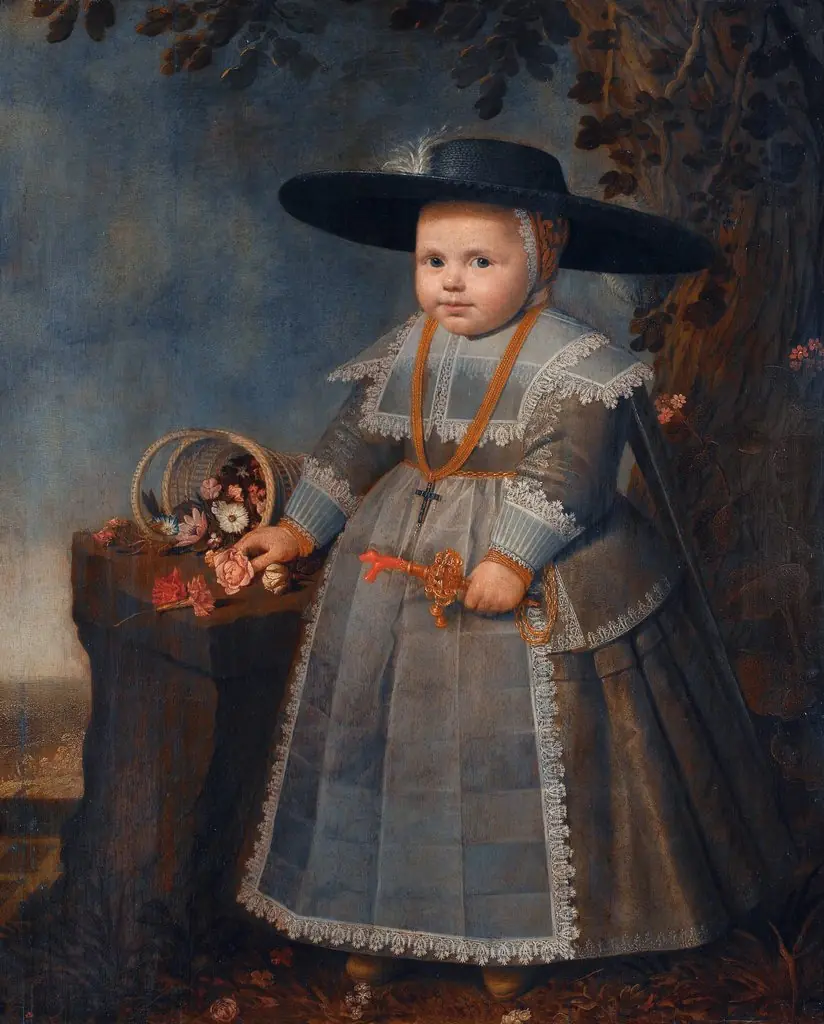 Portrait of a boy
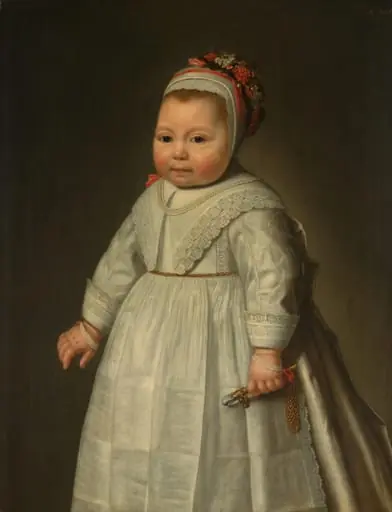 Portrait of Jacoba Bontemantel (1643-?)
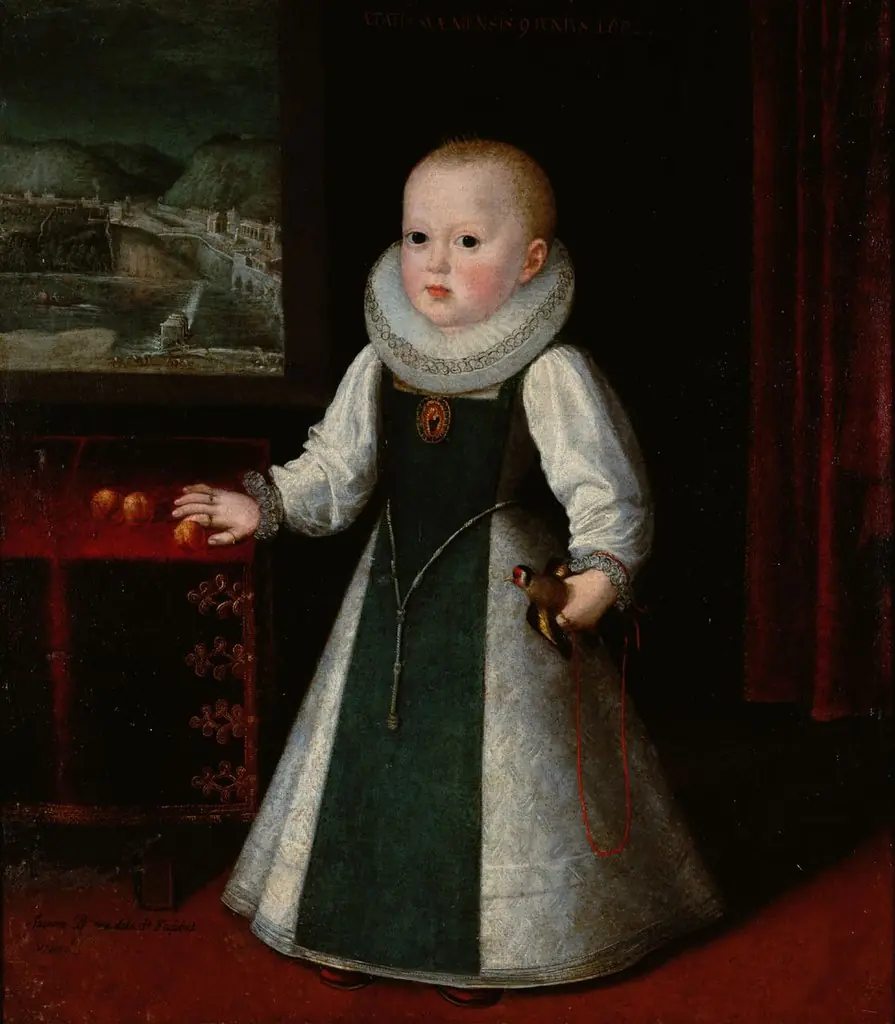 Infantin Anna (1601-1666), Königin von Frankreich, Bildnis in ganzer Figur im Alter von neun Monaten
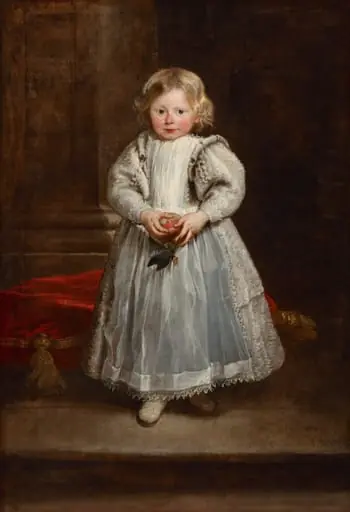 Maddalena Cattaneo
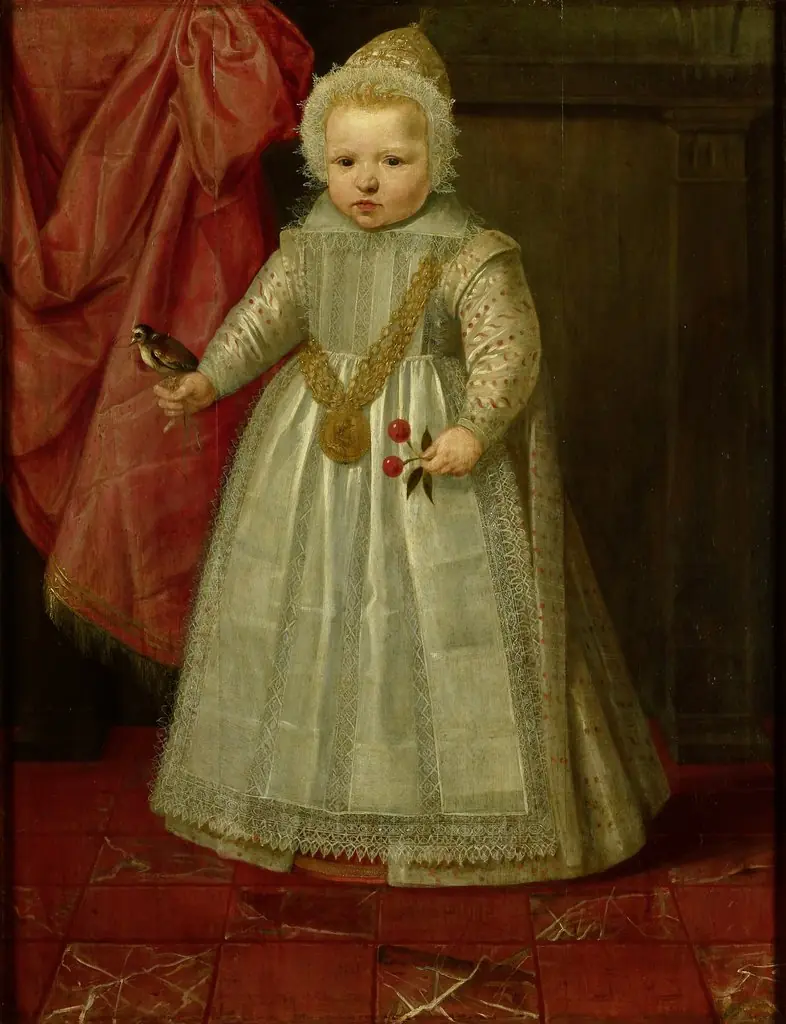 Portrait of a Boy, possibly Louis of Nassau, later Lord of Beverweerd, De Leck, Odijk and Lekkerkerk, Illegitimate Son of Maurice, Prince of Orange, and Margaretha van Mechelen
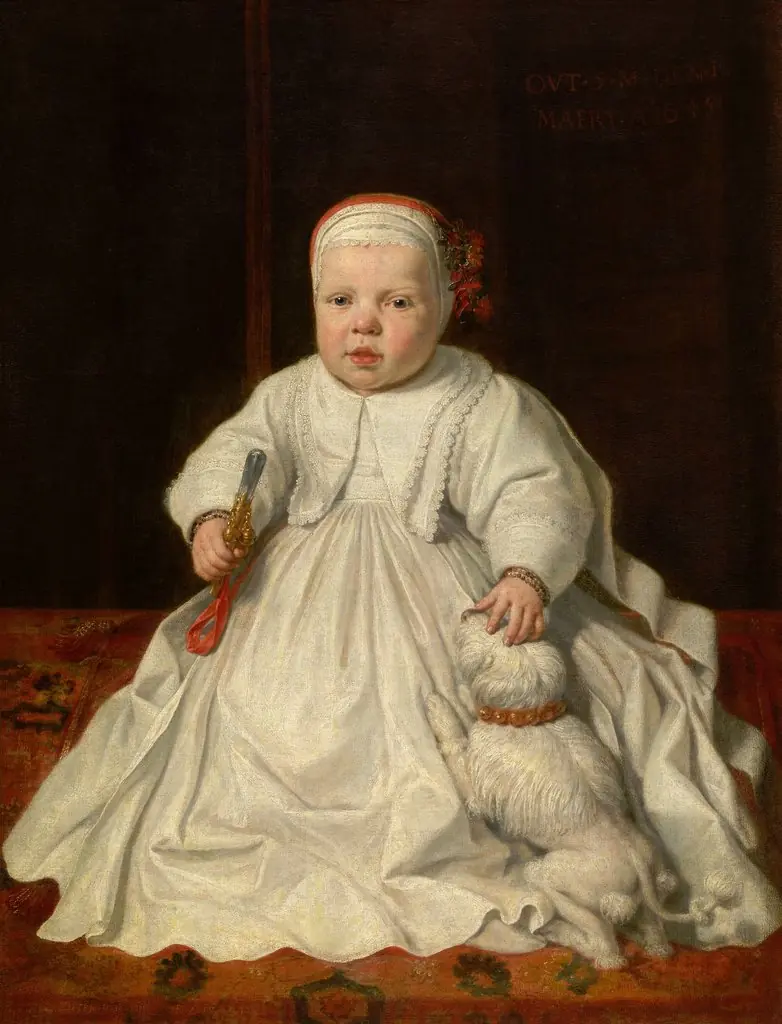 Portrait of a Girl
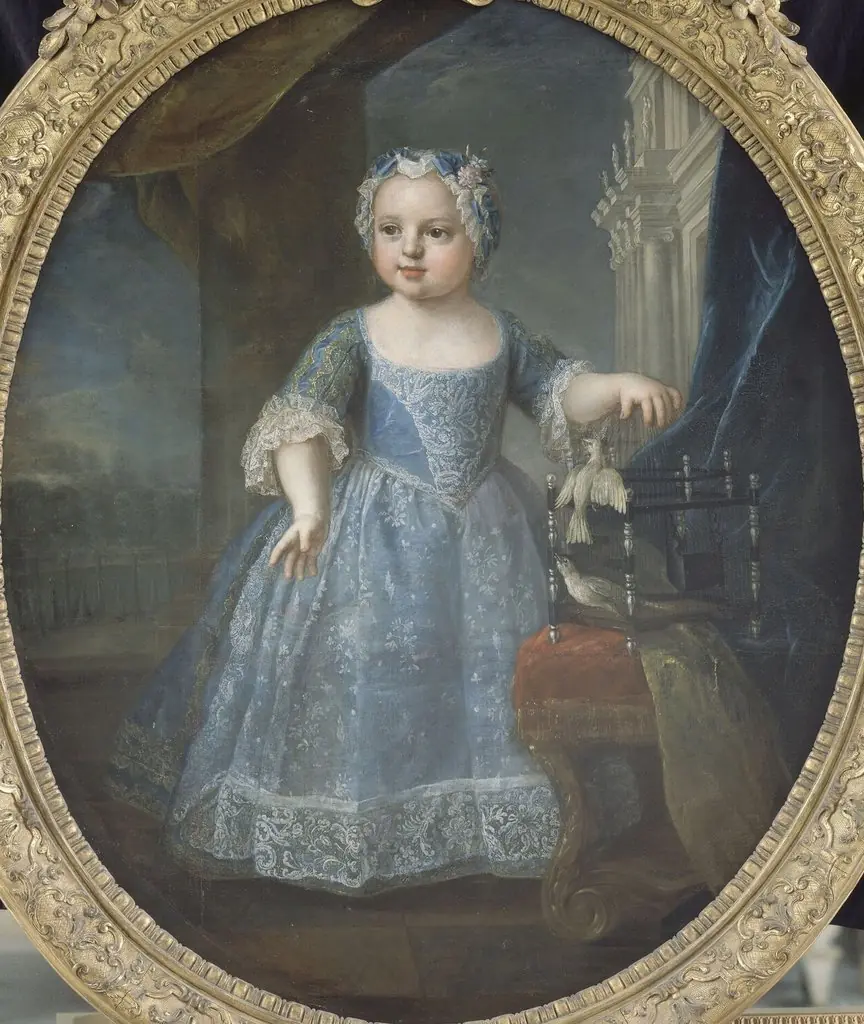 Marie-Louise de France (1728-1733), dite Madame Louise / Madame Troisième
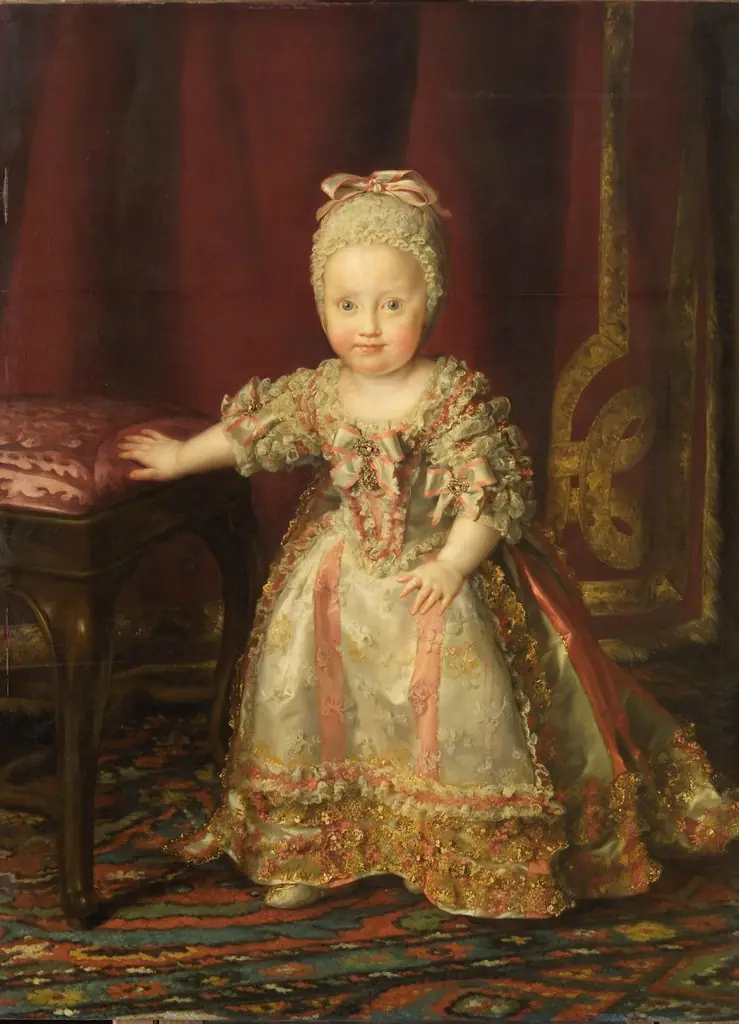 Infantin Maria Theresa von Neapel (1772-1807)
 Portrait of Prince Philip Prospero
 Portrait of an infanta