Artwork
Kalpa Sutra
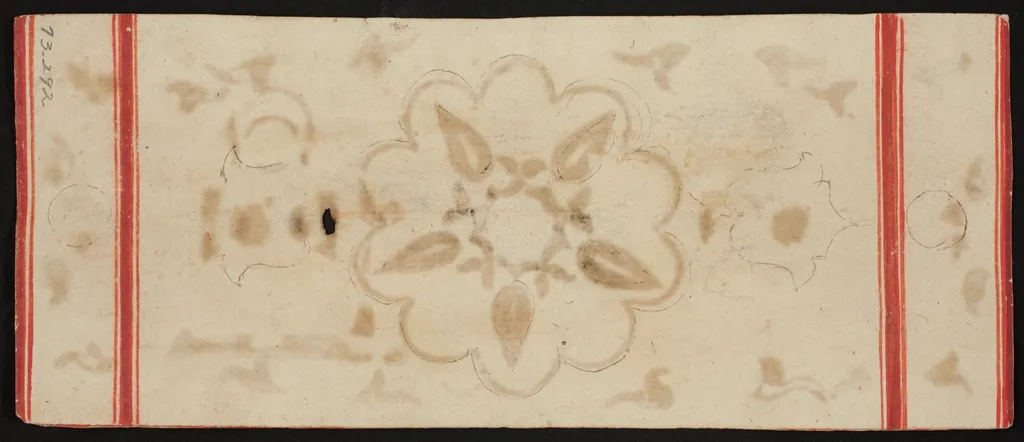
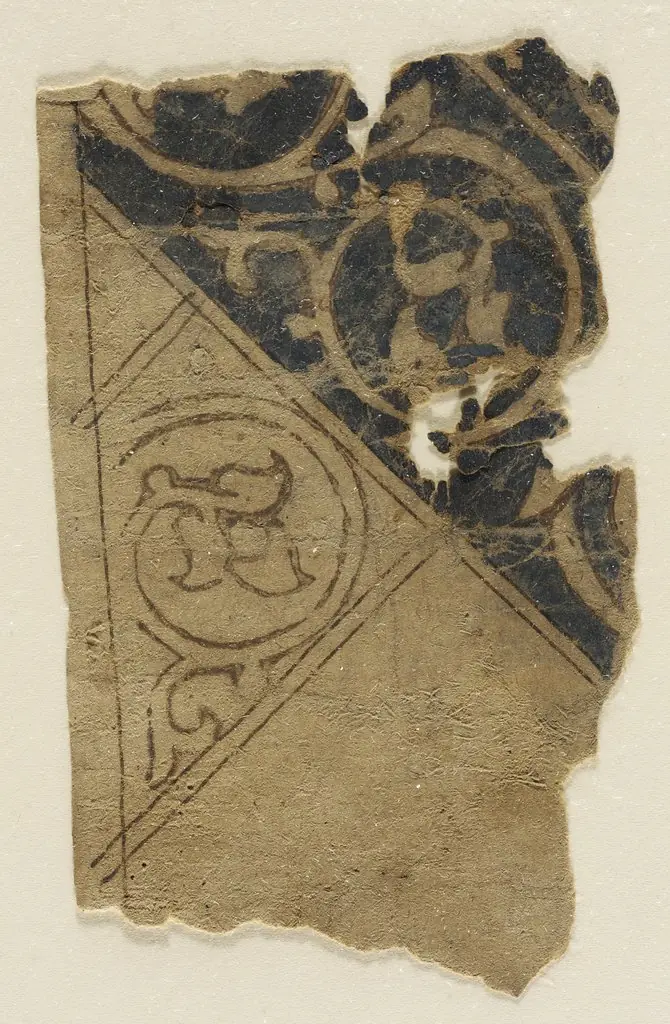
Kalpa Sutra is an unspecified painting by Unknown. It is held in the collection of the Detroit Institute of Arts.
About this work
Overview
The Kalpa Sutra is a Jain religious text illustrated in a distinctive medieval Indian painting style. These manuscripts, produced between the 14th and 15th centuries, contain illuminated folios depicting the lives of Jain Tirthankaras, particularly Parshvanatha and Mahavira. Created on palm leaf or paper, they served liturgical and educational purposes within monastic communities.
Subject & Meaning
The paintings illustrate episodes from the lives of Jain spiritual teachers, emphasizing ascetic discipline, enlightenment, and nonviolence. Scenes include birth, renunciation, meditation, and final liberation. Each image functions as a visual aid for devotion and moral instruction, reinforcing core Jain principles through narrative stillness and symbolic gestures.
Technique & Style
Backgrounds are typically flat and color-blocked, focusing attention on the figures and their sacred actions.
Artists employed mineral pigments and fine brushwork on small-scale surfaces, often with gold leaf accents. Figures are stylized with elongated limbs, almond-shaped eyes, and frontal postures. Backgrounds are typically flat and color-blocked, focusing attention on the figures and their sacred actions. Composition follows hierarchical scaling, with important figures rendered larger than attendants.
History & Provenance
Most surviving Kalpa Sutra manuscripts originate from western India, particularly Gujarat and Rajasthan. They were commissioned by wealthy Jain patrons and maintained in temple libraries. Many were copied over generations, with later versions incorporating regional stylistic shifts. Some folios entered European collections in the 19th century through colonial-era acquisitions.
Context
These paintings emerged during a period of Jain scholarly revival in western India, when manuscript production flourished alongside temple construction. They reflect a broader tradition of illustrated religious texts in South Asia, distinct from Hindu or Buddhist visual conventions. Their production was tied to monastic education and lay devotion, not public display.
Legacy
Kalpa Sutra illustrations remain vital to Jain visual culture, influencing later manuscript traditions and modern religious art. Scholars study them for insights into medieval Indian aesthetics, Jain theology, and scribal practices. While no longer used liturgically in most communities, they are preserved in museums and institutional collections as cultural artifacts.
Artist & collection

 Domestic Scene
 Giacomo and Cardinal Marco, investing Andrea, Abbot of San Zeno, with his Benefice
 The Nymph of Fontainebleau
 Portrait of a Woman
 Madonna and Child with Saints in the Enclosed Garden
 Venus and Minerva
 Family Group of Four on Sofa
 Wall painting from Room H of the Villa of P. Fannius Synistor at Boscoreale
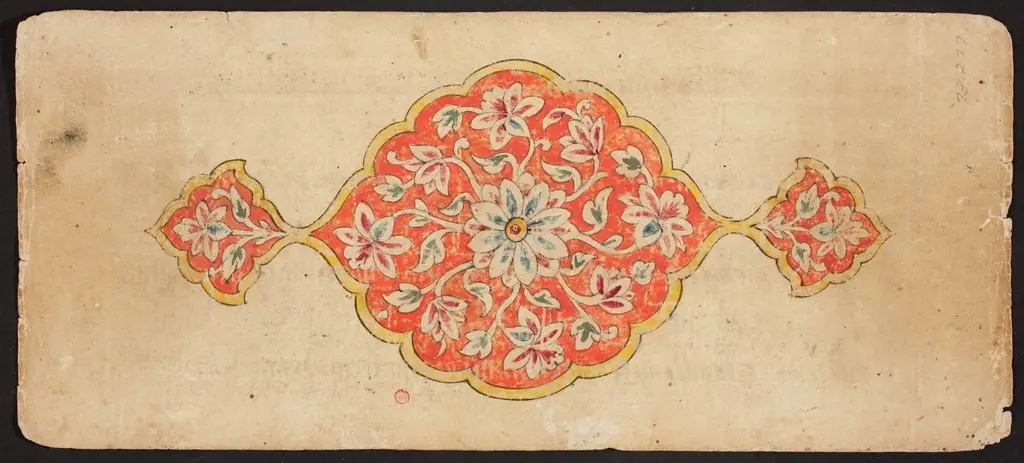 Tantric Manuscript, "Sangrahani Sutra"
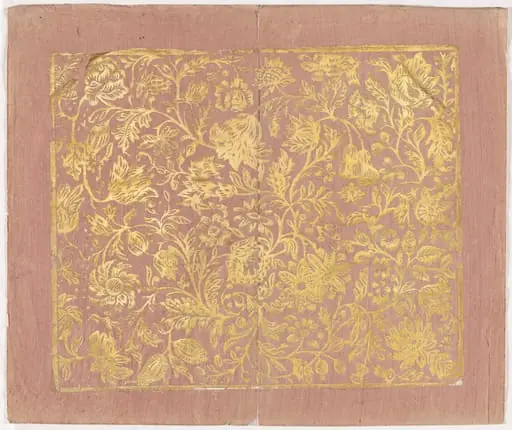 Endpaper with Mixed Floral Pattern
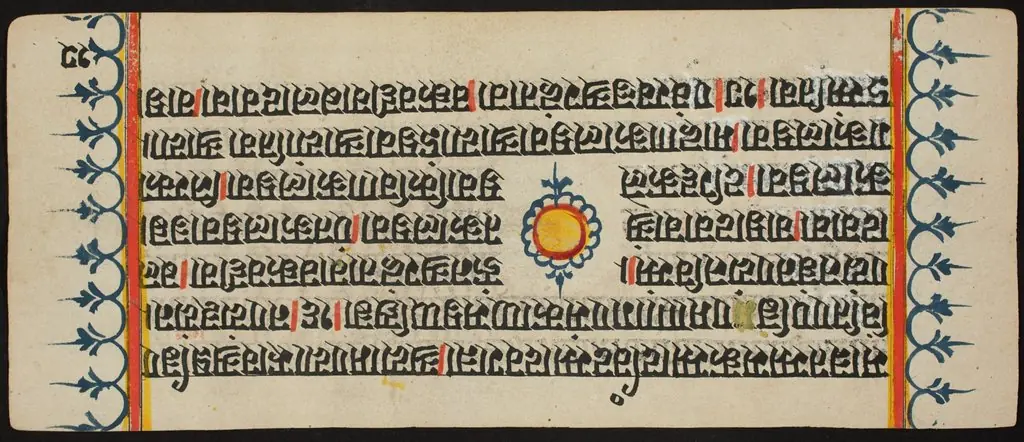 Kalpa Sutra
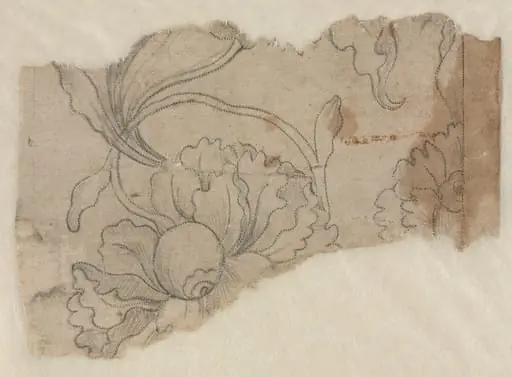 Marquetry Design
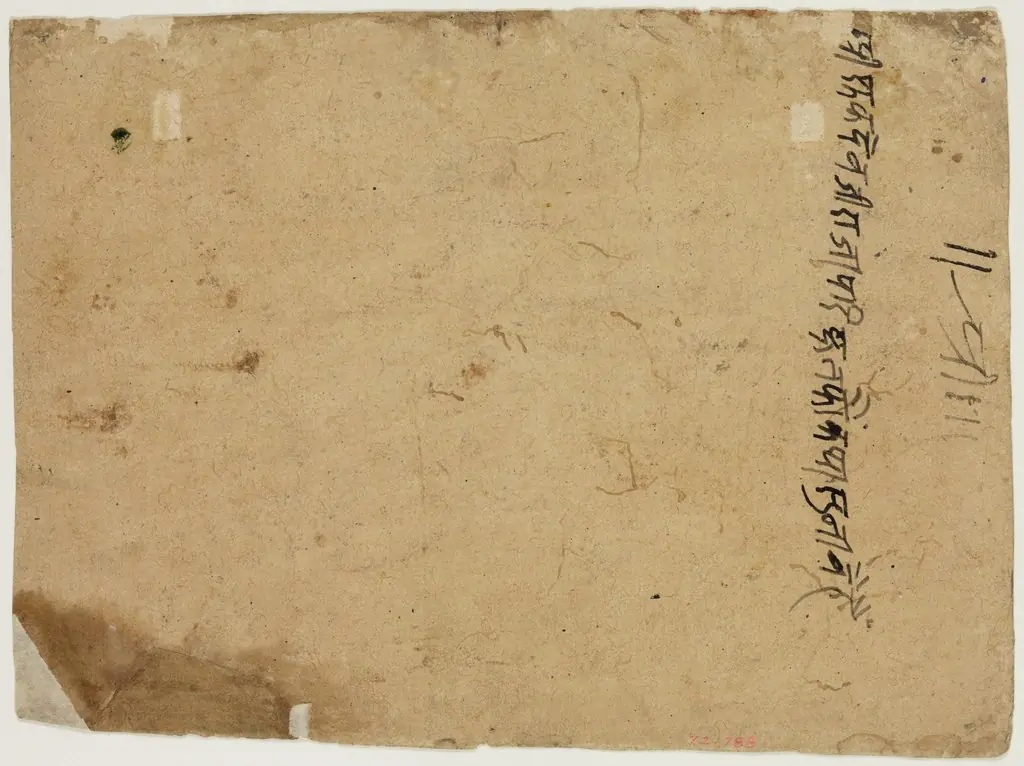 Muni Shri Sukdevji Preaching to the Raja Parikshit
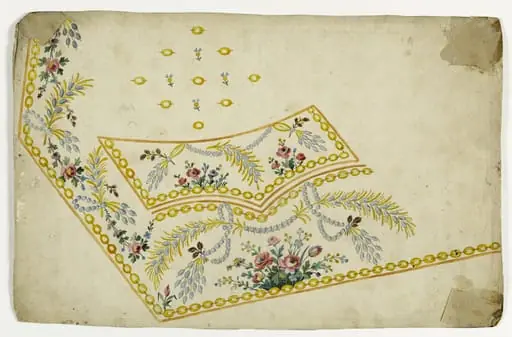 Gilet perles et fleurs, projets de broderies de gilet, XVIIIème siècle
 Oblong Ornament Panel
 Madonna and Child
 Arabesque with Knight
 Untitled
 Gilet aux pâquerettes bleues, projets de broderies de gilet, XVIIIème siècle
 Fragmentary Playing Card